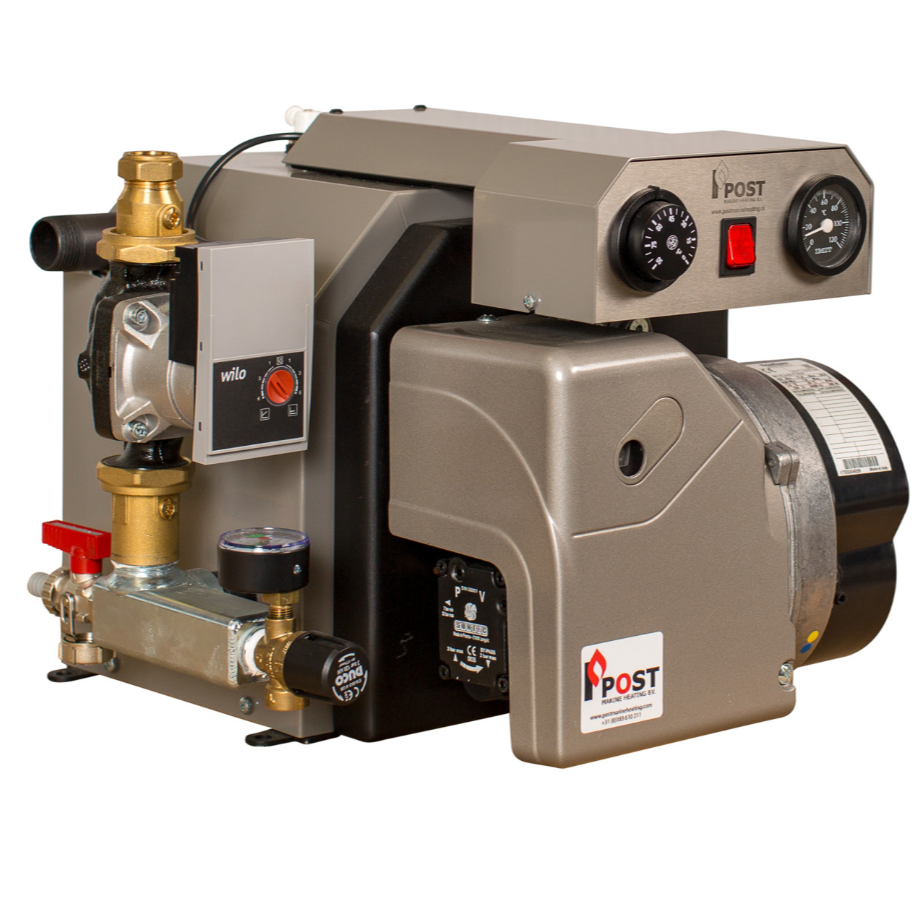
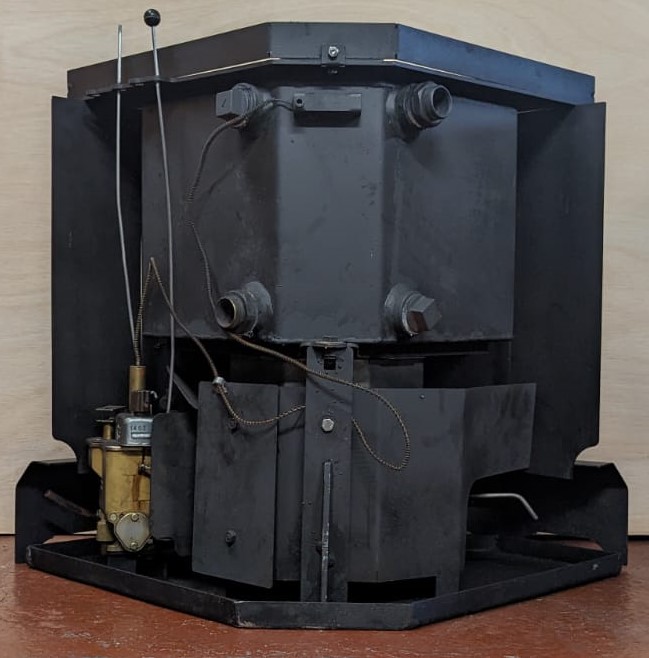
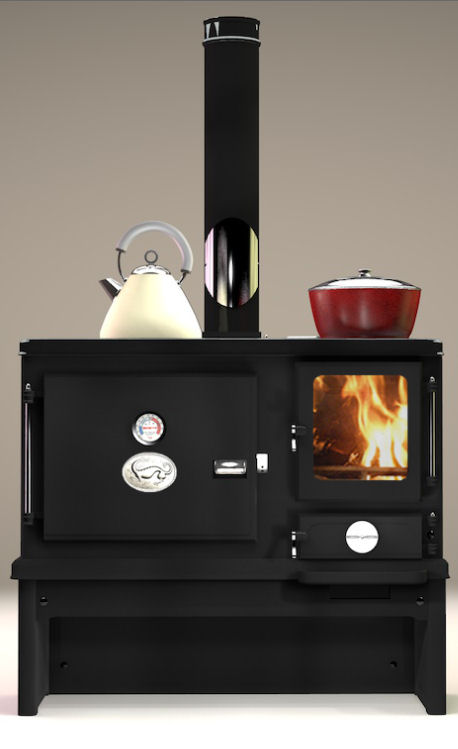
Welcome to our Boat Heating and Cooking category page, your go-to resource for marine appliances designed to enhance your boating experience. We offer a comprehensive selection of LPG, Diesel, and Solid Fuel heaters and cookers tailored to meet the unique demands of nautical life. Whether you’re seeking efficient heating solutions for chilly nights on the water or versatile cooking options for your galley, our collection is curated to provide you with the highest quality equipment and the latest technology.
In this section, you’ll find valuable information about the advantages and disadvantages of various fuels used for cooking and heating on boats. Each fuel type has its own characteristics that cater to different needs and preferences. For more in-depth insights, check out the links below to explore our Diesel Heaters and Cookers, LPG/Gas Heaters and Cookers, and Solid Fuel Heaters and Cookers. With our robustly built marine appliances, you can enjoy comfort and convenience no matter where your adventures take you.
Choosing the right Marine LPG gas boiler for your boat can significantly impact your comfort and convenience while at sea. The decision relies on several factors such as the size of your vessel, your hot water and heating requirements, and your budget. Here’s a comprehensive guide to assist you in making an informed choice.
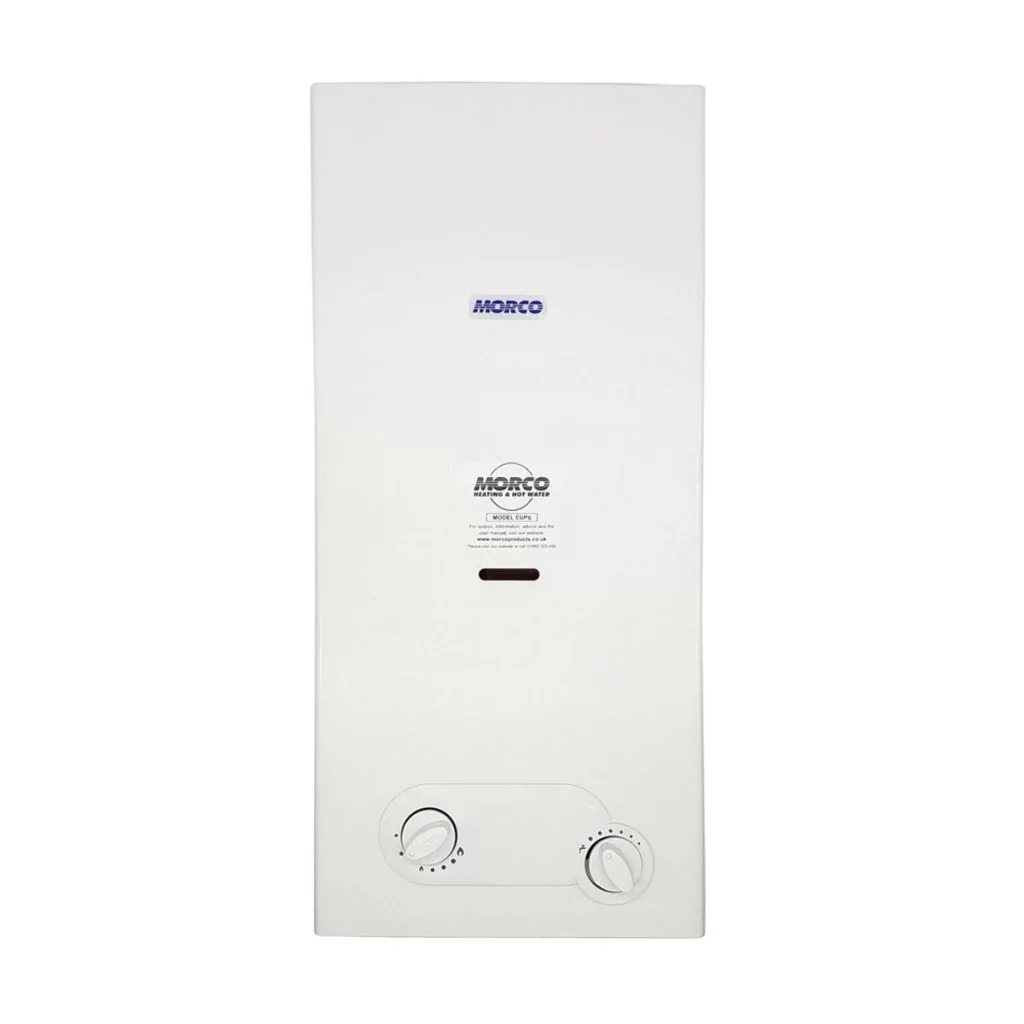
Instantaneous hot water heaters are ideal for boats with constant hot water needs. These systems heat water on demand as it flows through, offering instant hot water without the need for a storage tank. This feature is especially advantageous when space is at a premium. The downside is that modern LPG instant water heaters need to be supplied by 19 kg propane cylinders. These are too big for the lockers many inland waterways boats.
Combi Boilers
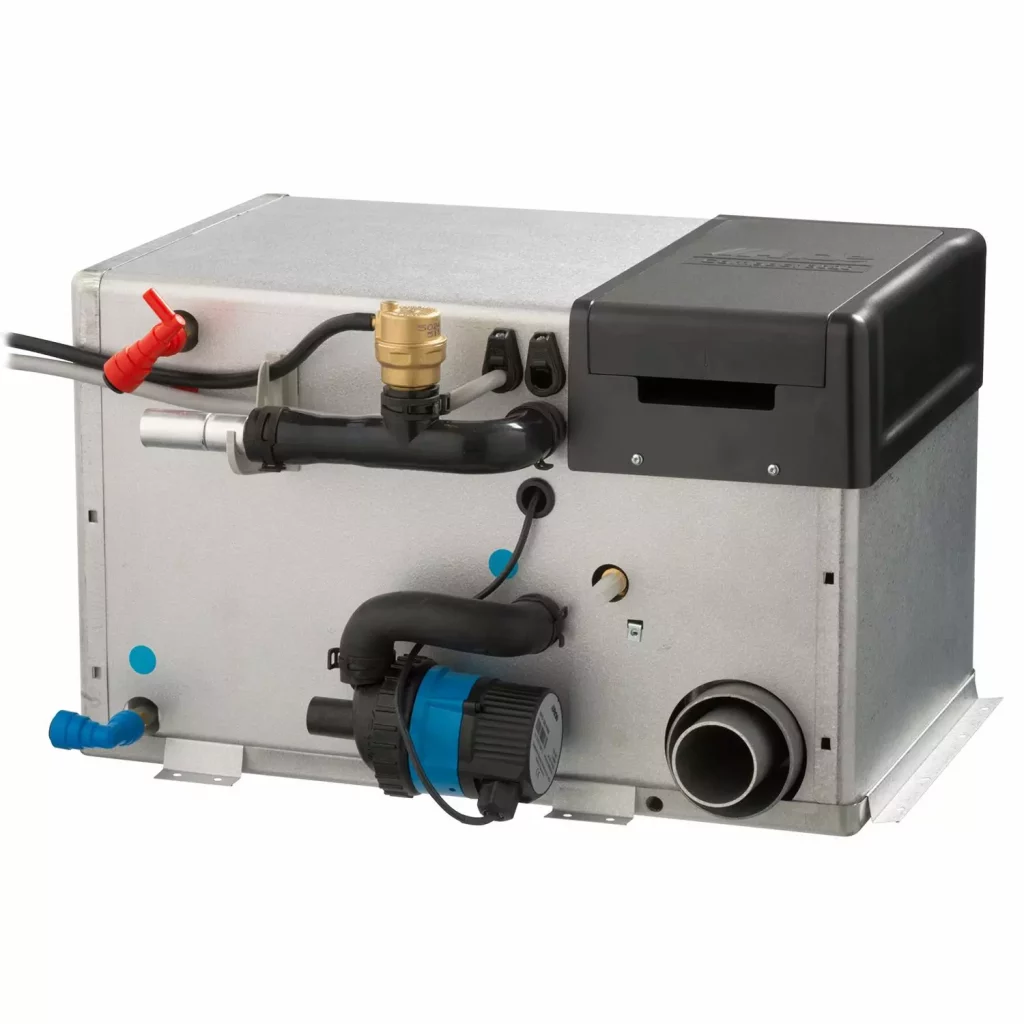
Alde LPG Combi Boiler
Combi boilers provide a dual function by supplying both hot water and heating through radiators. While they can offer greater convenience, LPG combi boilers generally consume a lot of gas. This is not much of an issue on leisure boats with occasional use. However, for live-aboard vessels with prolonged or constant use, these boilers are considered unsuitable. These boats are usually fitted with diesel systems that are more economical to run.
Tanked LPG Water Heaters
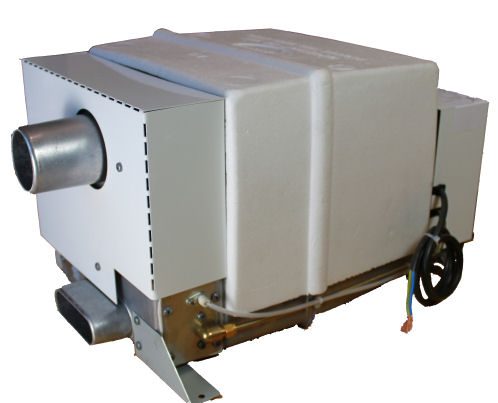
Propex Malaga Tanked LPG Water Heater
Tanked LPG water heaters are another viable option for marine applications. These are very economical to run, featuring a low-consumption gas burner to heat a small tank of water. This is sufficient for short showers and hot water for washing up, but will not provide a constant supply. The tank typically takes 40 to 50 minutes to heat up.
Key Consideration
Hot Water Demand: Evaluate your regular hot water consumption. A tanked water heater may suffice for occasional showers. For consistent hot water use, an instantaneous water heater would be better. For heating with LPG, choose a combi Boiler.
Budget: Consider both the upfront installation costs and ongoing fuel expenses. Although combi boilers provide greater convenience, their higher gas usage can lead to increased operational costs in the long run.
In conclusion, the right Marine LPG gas boiler will ultimately depend on your specific circumstances, including the type of boat you own and your daily hot water and heating needs. Take the time to evaluate your requirements before choosing an appliance. Our certified boat gas engineers are here to help.
Keeping a boat warm, especially during colder months, is essential for comfort and safety. Diesel heaters, both air and liquid types, offer efficient and reliable solutions for marine environments. This comprehensive guide explores how diesel heaters function. It describes their heat distribution systems, including warm air blower heater matrixes. The guide also covers the role of calorifiers in providing domestic hot water via diesel liquid heater systems.
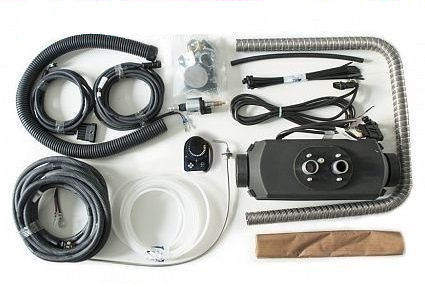
Diesel air heaters are compact units designed to burn diesel fuel to produce heat. A fan and duct system then distributes this heat through the boat’s interior. These heaters are known for their efficiency, simplicity, and relatively straightforward installation.
Components and Operation
Combustion Chamber: Diesel fuel is ignited in a combustion chamber, which generates heat as the fuel burns.
Heat Exchanger: The heat generated in the combustion chamber warms a heat exchanger. The function of the heat exchanger is to transfer the heat from the combustion process to the air.
Air Circulation: A fan or blower forces air over the heat exchanger. As the air passes over the exchanger, it picks up the heat.
Ductwork: The heated air is then pushed through ducts to different parts of the boat. The ductwork ensures that the warm air is distributed evenly throughout the vessel.
Advantages of Diesel Air Heaters
Quick Heating: Diesel air heaters can quickly warm up space because the heat is immediately distributed.
Fuel Efficiency: Modern diesel air heaters are highly efficient, optimizing fuel consumption to provide maximum heat with minimal waste.
Compact Size: Diesel air heaters are relatively small. They can be installed in a variety of locations. This makes them versatile options for different boat sizes and layouts.
Uncomplicated Set Up: Diesel air heater installations are straightforward and uncomplicated systems compared to central heating. There is no pipework to run. You don’t need to fit radiators. The overall installation process is much simpler. This makes it an efficient choice for heating.
Considerations for Diesel Air Heaters
While diesel air heaters have numerous advantages, there are a few considerations to keep in mind:
Installation: Proper installation is crucial to ensure optimal performance and safety. This includes venting exhaust gases out of the boat.
Maintenance: Regular maintenance is necessary to keep the heater in good working condition. This includes cleaning the combustion chamber and checking the fuel lines.
Noise: Some models may produce noise from the fan and combustion process. Selecting a quieter model, like Wallas with ducting silencers, or soundproofing the installation area can help mitigate this issue.
No Water Heating: Unlike diesel liquid heaters, air heaters are not suitable for heating domestic hot water on boats.
Diesel Liquid Heaters
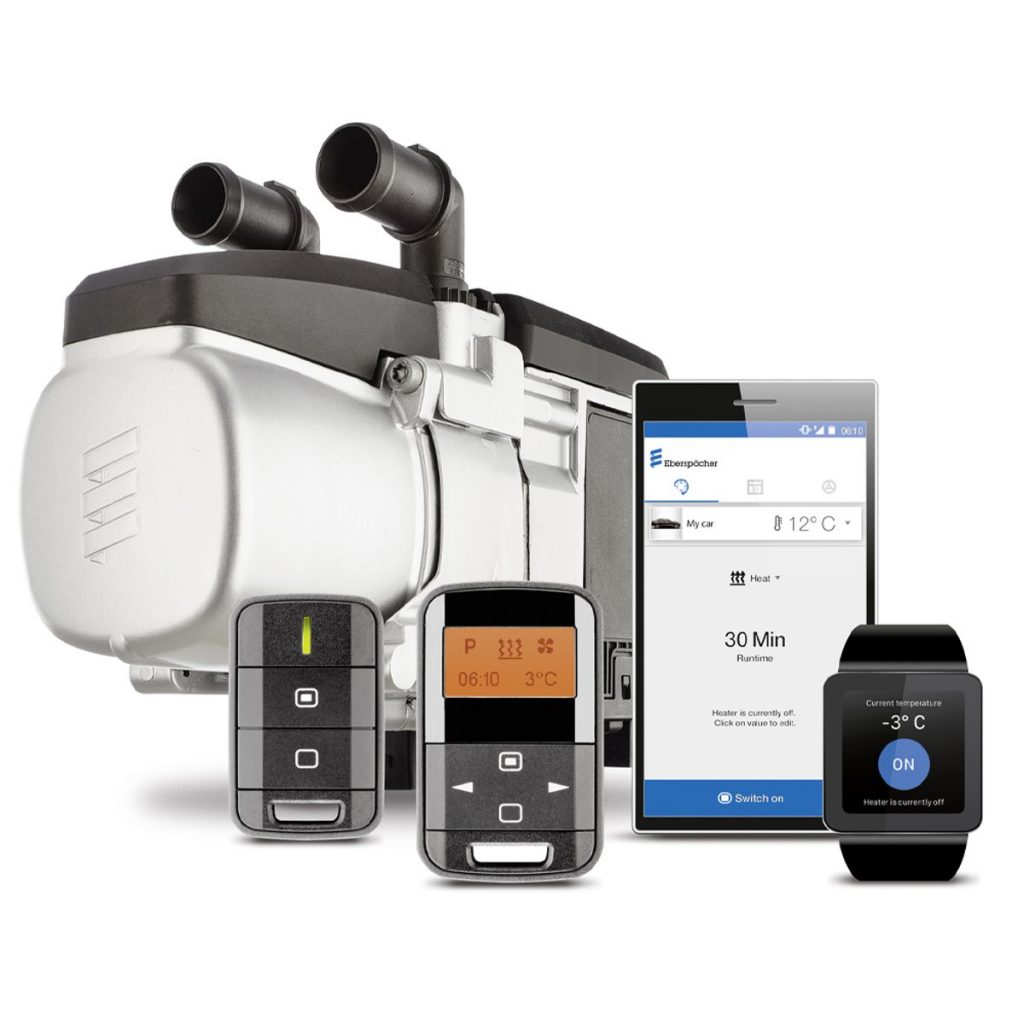
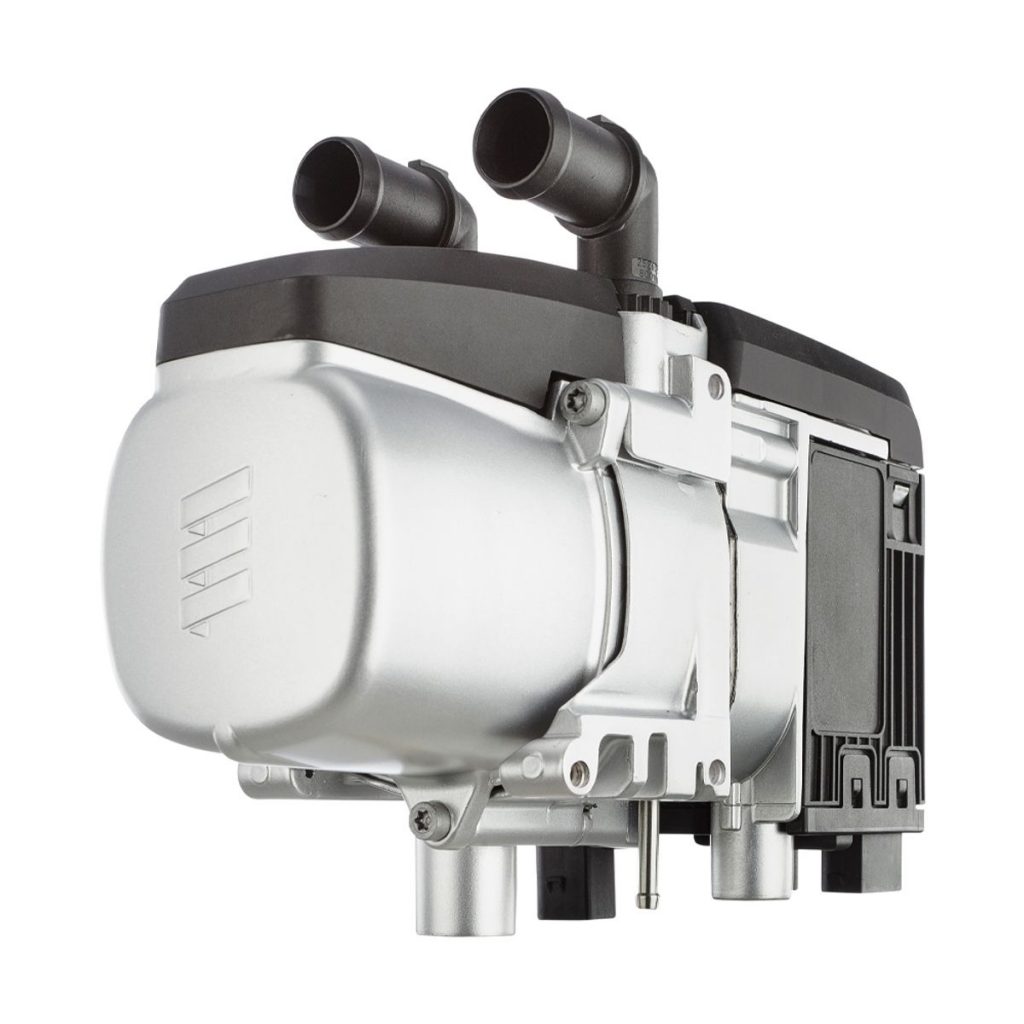
Eberspacher Liquid Heater
How They Work
Diesel liquid heaters operate by burning diesel fuel to heat a liquid, typically a mixture of water and antifreeze. This heated liquid circulates through a central heating system to provide warmth to the boat’s interior. Diesel liquid heaters are versatile, as they can also be used to heat domestic hot water.
Components and Operation
Combustion: Diesel fuel is burned in a combustion chamber to heat the liquid within a heat exchanger. The heated liquid is a coolant mixture, usually consisting of water and antifreeze.
Circulation Pump: A pump circulates the heated liquid through pipes and hoses. These are connected to various radiators or blower boxes distributed throughout the boat.
Warm Air Blower Heater Matrixes: Some diesel liquid heating systems include warm air blower boxes or heater matrixes. We will go into more detail about these below.
Advantages of Diesel Liquid Heaters
Even Heat Distribution: Diesel liquid heating systems provide more uniform heat distribution, eliminating hot and cold spots within the boat.
Versatility: These heaters can warm the boat’s interior. They also produce domestic hot water via a calorifier. This makes them a multifunctional heating solution. More details on calorifiers can be found towards the bottom of this page.
Integration with Engine: Diesel liquid heaters can be integrated with the boat’s engine cooling system. This allows the system to utilize surplus engine heat to heat water.
Silent Operation: Diesel liquid heaters are quieter than air heaters, as the heat is transferred through liquid circulation rather than forced air.
Considerations for Diesel Liquid Heaters
Complex Installation: Diesel liquid heaters require more complex installation compared to air heaters. Proper installation includes setting up pipes, pumps, and heat exchangers.
Space Requirements: These systems may require more space for components such as pipework and radiators.
Maintenance: Regular maintenance is essential to ensure the system operates efficiently. This includes checking for leaks, ensuring the pump is functioning correctly, and replacing the coolant mixture as necessary.
Warm Air Blower Heater Matrixes
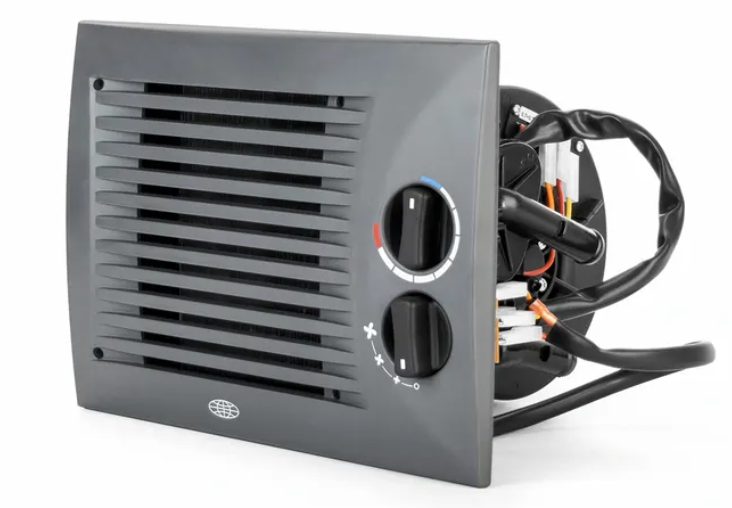
Warm Air Blower Box Heater Matrix
Understanding Warm Air Blower Heater Matrixes
Warm air blowers and heater matrixes are fitted to systems supplied by diesel liquid heaters. These blowers enhance the heat distribution system by using fans to blow air over a hot liquid-filled heat exchanger. They effectively convert the liquid’s heat into warm air and distribute it throughout the boat.
Operation
Heated Liquid Supply: The heated liquid from the diesel liquid heater or engine flows through the blower heat exchanger.
Heat Transfer: The heat exchanger, which is designed to maximize the surface area for heat transfer, becomes hot.
Air Circulation: Fans blow air over the heat exchanger, picking up the heat.
Warm Air Distribution: The warm air is then blown directly into the boat’s spaces.
Advantages and Considerations
Enhanced Heat Distribution: Warm air blower heaters improve the overall heat distribution, ensuring that the boat’s interior is evenly warmed.
Efficiency: By using the heated liquid efficiently, these blowers contribute to the overall energy efficiency of the heating system.
Space Requirement: Integrating blower heater matrixes could require additional space for installation.
Quiet Operation: Warm air blower boxes and fan heater matrixes operate much quieter than traditional air heaters. This makes them more suitable for a domestic environment and sleeping cabins
Calorifiers for Domestic Hot Water
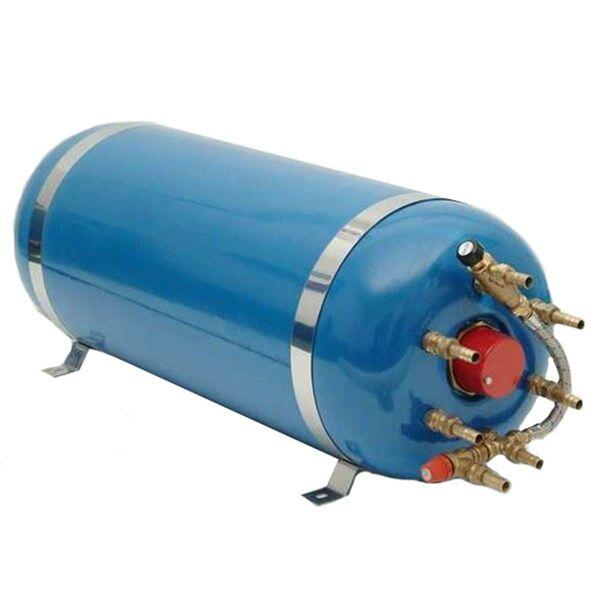
Calorifer Boat Hot Water Tank
Function of Calorifiers
Calorifiers are water heaters. They use heat from a diesel liquid heating system and/or engine. This heat is used to produce domestic hot water. This system uses indirect heating. The heating liquid does not mix with the domestic water. Instead, it transfers heat through a coil inside the calorifier.
Components and Operation
Heating Coil: The heated liquid from the diesel liquid heater flows through a coil inside the calorifier tank. The coil acts as a heat exchanger.
Indirect Heating: The coil transfers heat to the domestic water stored in the calorifier tank without mixing the two liquids.
Hot Water Supply: The calorifier provides a steady supply of hot water. This is used in showers, sinks, and other domestic applications on the boat.
Advantages of Calorifiers
Efficiency: Using the heat from the existing diesel liquid heating system or engine to produce hot water improves the system’s efficiency. This method enhances the overall efficiency.
Reliable Supply: Calorifiers ensure a reliable supply of hot water, improving the comfort and convenience of life onboard. They are usually fitted with a 1kw immersion heater which can be used as a backup.
Efficiency: Calorifiers seamlessly integrate with the diesel liquid heating system, maximizing the utility of the heat produced. The integrated immersion heater can heat the water with surplus solar energy in the summer. It can also heat the water when plugged into a shoreline supply.
Considerations for Calorifiers
Space Requirement: Installing a calorifier requires space for the storage tank and additional piping.
Professional Installation: The correct installation of calorifiers is crucial to ensure optimal performance and safe operation. If in doubt please contact us for professional advice.
Cons: No provision for hot water production and potential noise issues.
Diesel Liquid Heaters
Pros: Even heating and versatile use. Integration with engine cooling systems. Quieter operation because operating noise is kept away from living quarters through installation in the engine bay.
Cons: More complex and space-consuming installation, dependency on a correct setup of circulation components, more involved maintenance routines.
Practical Tips for Boat Owners
Assess Your Needs: Consider the size of your boat and typical weather conditions. Evaluate your specific heating and hot water requirements before choosing a heating system.
Professional Installation: DIY installation is possible. However, hiring a professional ensures that the system is installed correctly. This leads to optimal performance and safety. Webasto and Autoterm offer extended warranties for installation by certified engineers. Contact us for details.
Regular Maintenance: Adhere to regular maintenance schedules to keep the system functioning efficiently. This includes cleaning combustion chambers, checking fuel lines, and inspecting circulation components for leaks.
Noise Considerations: If noise is a concern, choose quieter models or soundproof the areas where the heater is installed.
Space Optimization: Plan the installation to use space efficiently, especially for components like calorifiers and circulation pipes.
Our Thoughts On Cheap Chinese Diesel Heaters
Choosing cheap Chinese diesel heaters can lead to significant issues in both safety and reliability. These heaters are often manufactured without adherence to acceptable safety standards, making them a risky option for any domestic environment. The components are typically subpar; thin wires and non-waterproof plugs expose users to potential electrical hazards, breakdowns and fires. Additionally, the pumps and fans used in these systems are prone to frequent breakdowns, leading to inconvenience and costly repairs. These heaters may serve as a temporary heating solution for minimally regulated spaces like garages. However, they lack durability, safety, and consistent performance. This makes them ill-suited for reliable residential use. Investing in higher-quality heating systems is crucial for ensuring safety and dependable warmth, particularly in domestic settings.
Conclusion
Choosing the right heating system for your boat is crucial for ensuring safety, comfort, and convenience in cold weather. Diesel air heaters offer quick and direct heating. Diesel liquid heaters provide versatile and quiet operation with even heat distribution. Warm air blower heater matrixes increase the efficiency and reach of liquid heating systems. Calorifiers provide the added advantage of domestic hot water production.
By understanding the workings, components, and advantages of these systems, boat owners can make informed decisions. This knowledge helps them choose what best meets their needs and conditions. Whether you prioritize rapid heating, quiet operation, or the multifunctional benefits of liquid heating, a diesel heater system will provide warmth. It will keep your boat habitable all year round.
In recent years, stricter regulations for solid fuel boat stoves have prompted many boat owners to consider alternative options. One such option are diesel stoves. As a result, we are witnessing an increasing number of diesel stove installations that utilize existing flue parts from the previous solid fuel setups. However, it’s essential to understand that solid fuel flue chimneys and cowls are not necessarily suitable for diesel stoves. In this article, we will explore the reasons behind this incompatibility. We will also discuss the importance of anti-downdraft cowls for marine diesel stoves.
Due to environmental concerns and new regulations, the use of solid fuel stoves is becoming more restricted in many regions. Smoke-controlled zones are now very common. They still allow DEFRA approved solid fuel boat stoves. However, we are also already hearing of some London boroughs attempting to prohibit all solid fuel boat stoves. They aim to restrict the emitting of any smoke from a boat stove flue.
One of the alternatives that boat owners often turn to are diesel stoves. These offer an efficient and reliable heating solution while being less polluting and not emitting any visible smoke. However, when installing a diesel stove using the existing solid fuel flue, certain considerations must be taken into account.
The Differences Between Solid Fuel and Diesel Stoves
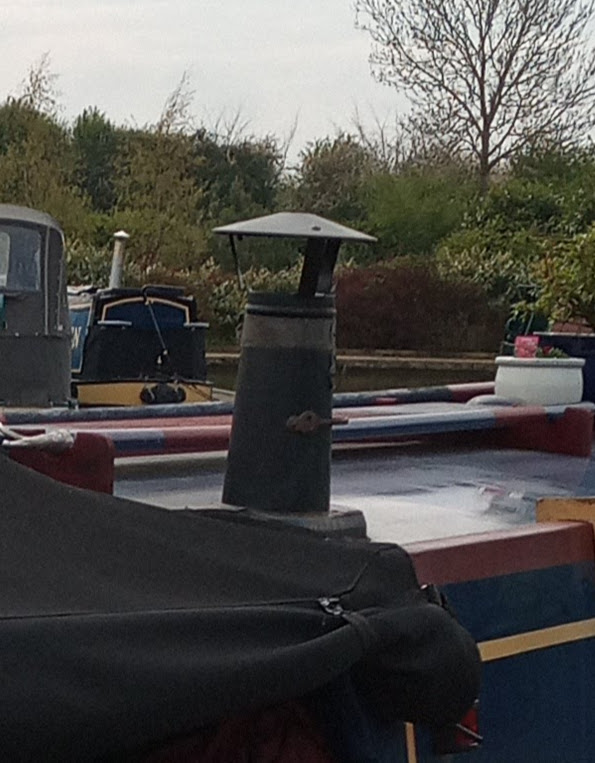
Solid fuel boat stoves typically require a simple flue cowl with a simple hat to keep out rainwater. Such cowls are non-restrictive and encourage the upward flow of combustion gases. Downdraft protection is not necessary for solid fuel boat stoves, as they burn much hotter with an amber bed. Downdraft is therefore less likely to occur, and when it does it does not extinguish the fire.
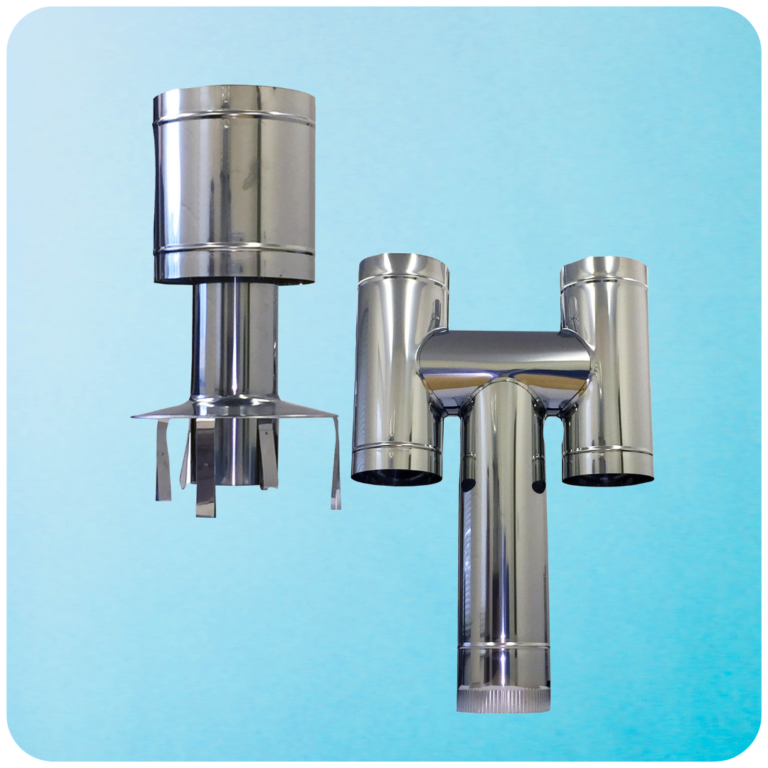
On the other hand, marine diesel stoves function differently, requiring downdraft cowls to protect against strong crosswinds. Diesel vapourising burners work with a thin layer of fuel in the bottom of the burner pot. Because the burner pot is hot, it vapourises the fuel. It is this vapour that burns. Without an anti-downdraft cowl fitted, strong crosswinds can enter the flue and easily extinguish the flame. Many marine diesel stoves are not fitted with thermocouples that stop the fuel flow if the flame goes out. If a downdraft extinguishes the flame, fuel will keep flowing into the burner pot. This will eventually cause it to overflow. Then, fuel will enter the cabin, the bilges, etc.
Understanding Downdraft Cowls for Marine Diesel Stoves
Downdraft cowls are usually part of a flue system. This system is specifically designed by the manufacturer for the stove being fitted. Though retrofitting is possible, it may not be as effective. We recommend boat owners always use qualified installers who utilise flue parts specifically recommended by the manufacturer. Often there will be different anti-downdraft cowls available depending on the type and location of the boat. For example, an inland waterway vessel will be exposed to less extreme conditions than a boat going to sea.
Anti-Downdraft Flue Cowls
Conclusion
Boat owners seek alternative heating solutions due to more stringent solid fuel regulations. Marine diesel stoves have gained popularity due to their efficiency, reliability, and compliance with stricter regulations. However, when retrofitting a diesel boat stove, it is crucial to use manufacturer-recommended flue parts. Ensure you install these parts with the appropriate anti-downdraft cowl. By understanding these requirements, boat owners can ensure the safe and efficient operation of their diesel boat stoves.
Being on a canal boat holiday in autumn and winter can be one of the most relaxing experiences. Nice, crisp walks in the countryside, relaxed cruising through the British countryside, a hearty meal in the pub with a fireplace and cosy evenings afloat – the perfect ingredients for an unforgettable winter getaway on the British waterways.
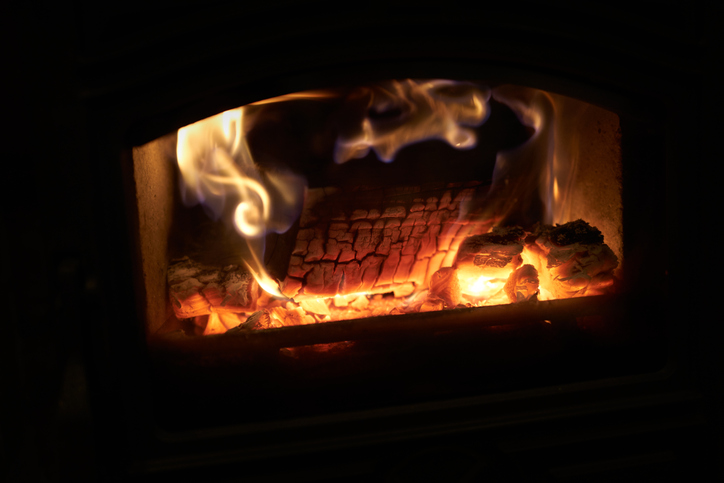
Although most hire boats will have diesel or gas powered central heating, which should be sufficient to keep you warm during the colder months, nothing beats snuggling up in front of a roaring fire for a cosy evening onboard. With the addition of a solid fuel stove you can benefit from reduced prices in the low seasons whilst being toasty and warm on your floating holiday home.
Below we list 5 starting points for an unforgettable low season or winter canal holiday. All of these bases have canal boats with solid fuel stoves fitted to keep you toasty and dry.
Visit one of the most famous World Heritage Sites…
Chas Hardern in Beeston has 6 boats, 2 of which have solid fuel stoves and all of which have diesel powered central heating. Operating year round, it’s the perfect location for a 2 week holiday to explore the whole of the Llangollen canal, including the Pontcysyllte Aqueduct. Or head out into the quiet Cheshire countryside for simply being onboard and enjoy a unique Christmas experience.
Cruise through the Wiltshire countryside…
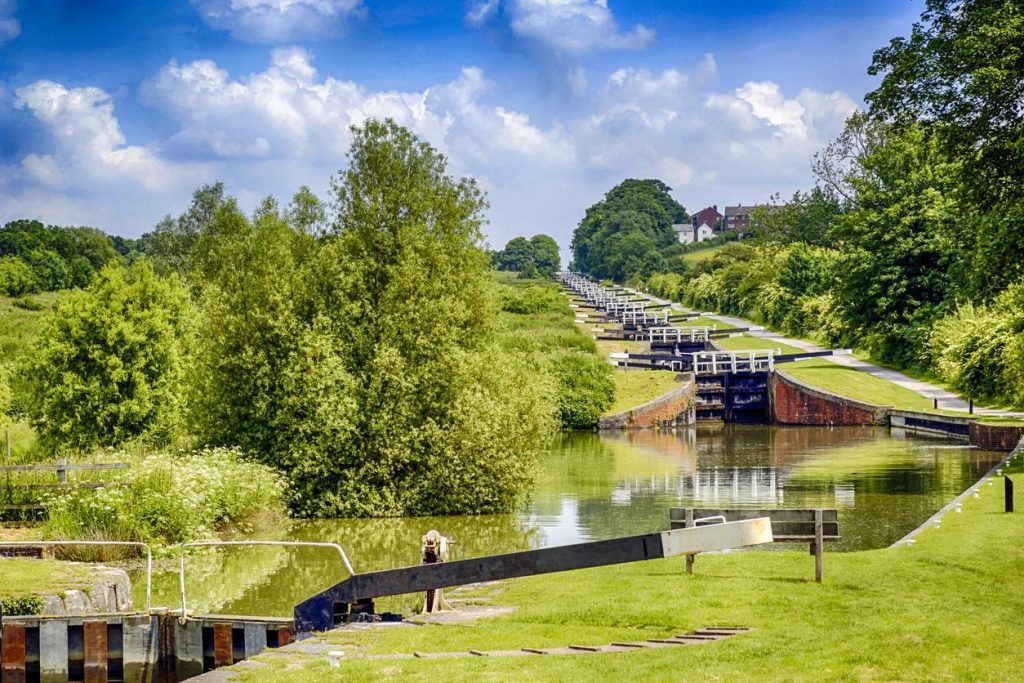
Sally Narrowboats in Bradford on Avon is the perfect option to spend a nice holiday in the colder months in the South of England. Rolling hills, stunning canal architecture and plenty of pubs on the way are the perfect ingredients for a relaxing holiday in Wiltshire. There are 3 holiday boats with solid fuel stoves to choose from. Visit the beautiful city of Bath on a romantic canal holiday getaway or spend some quiet days in the rolling hills of Wiltshire – the choice is yours.
Experience the beautiful Pennines…
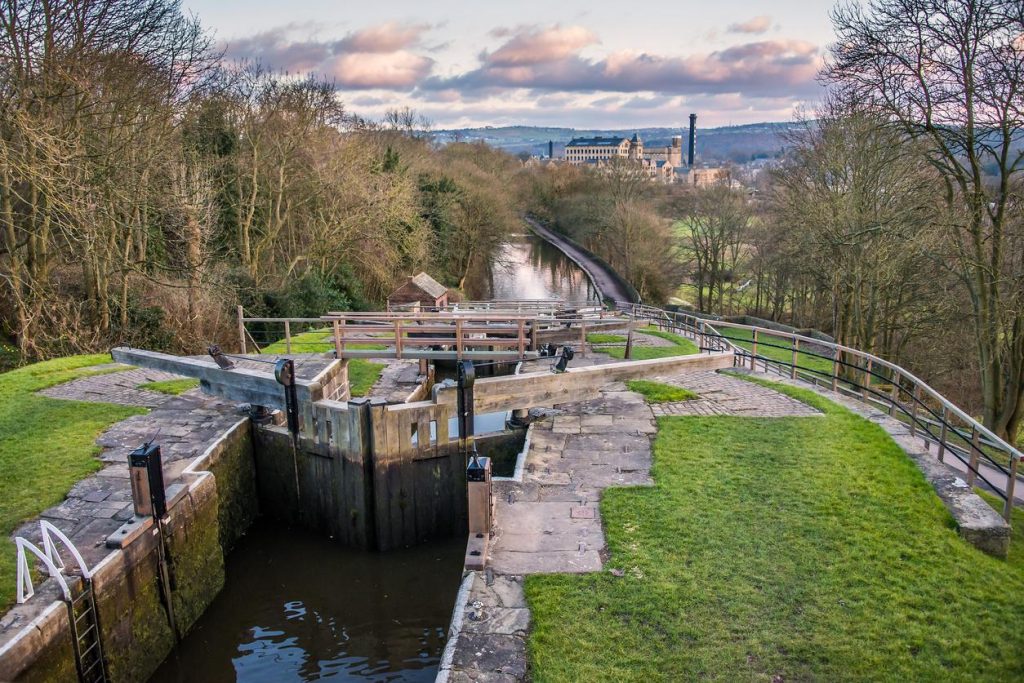
Pennine Cruisers in Skipton is the perfect base for exploring Yorkshire and the Pennines in the colder months of the year. 3 of the hire boats have solid fuel stoves which makes sure that you can enjoy the stunning landscape while staying nice and toasty on the boat. A one week canal boat holiday takes you down the famous Bingley 5-Rise and right into the bustling city of Leeds. Alternatively, head the other way and enjoy the Yorkshire Dale National Park that borders the area here. Cruise through Gargrave, Bank Newton and all the way to Foulridge Tunnel and experience crisp walks, traditional pubs and canal heritage in the quieter months of the year.
Meander along the South Oxford Canal…
The heart of the British Waterways beats in Braunston, and this is where our partners of Union Canal Carriers have their base. Conveniently located in between the Grand Union and Oxford Canals, this hire base is a good starting point for a great variety of different waterways. 3 of their canal boats boast a solid fuel stove. These are the perfect way to explore this unique corner of the U.K. Meander along the South Oxford Canal, visit the world famous Warwick Castle and the Canal Museum at Stoke Bruerne and enjoy the quiet countryside, relaxing walks and cosy pubs before returning to your holiday boat and spend a toasty evening in front of the stove.
Enjoy the Four Counties and Black Country Ring…
Norbury Wharf is located in the beautiful Staffordshire countryside – 4 of their boats are fitted out with a solid fuel stove and provide the ideal base for an adventurous exploration of the Four Counties or Black Country Ring. Or why not simply chug along the Shropshire Union Canal, moor up in the middle of nowhere and enjoy a quiet evening on board your canal holiday boat.
Note: We cannot guarantee that the above routes will be available during your hire – especially during the winter when CRT usually carry out essential repairs and maintenance. If you have your heart set on a particular route please get in contact & we will be happy to help you check planned stoppages and recommend a base to give you the best chance of completing your desired route.
Sabrina Anelay is Director and Co-Founder of Roam&Roost Canal Boat Holidays. Roam&Roost Specialise in helping people find the best canal boat holiday from one of their independent hire partners.
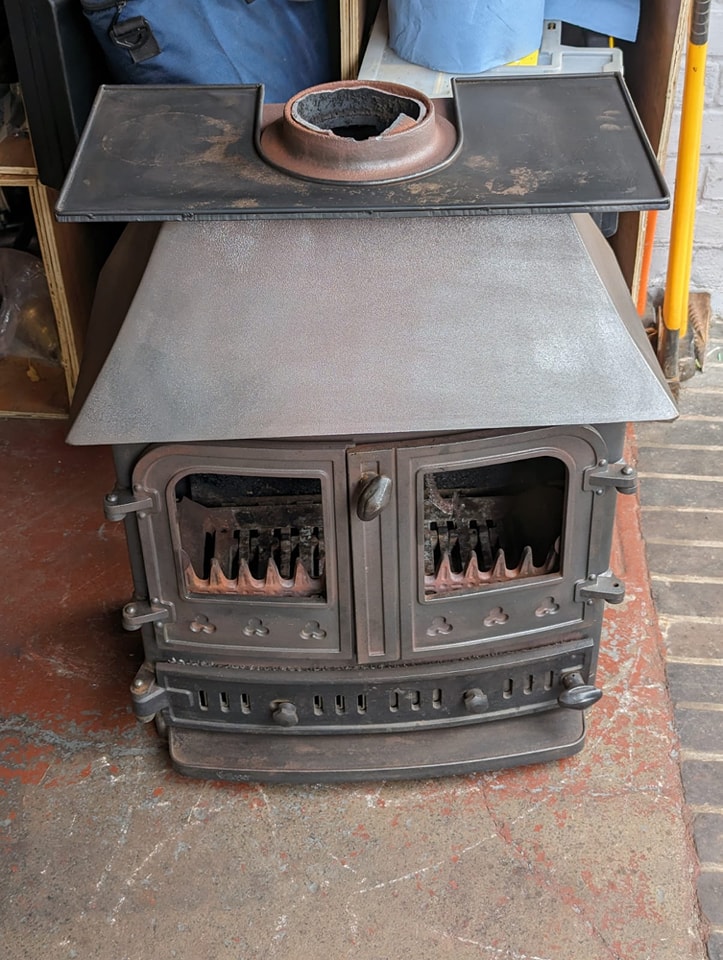
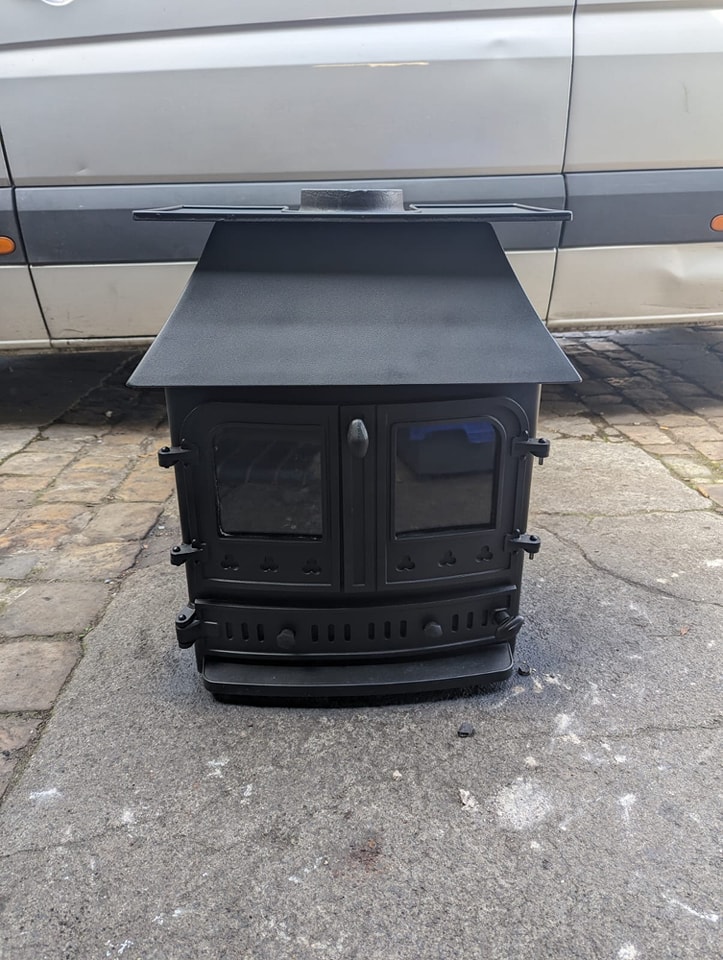
Upgrade Your Boat Stove: Receive Up to £250 Credit towards Your New Diesel or Solid Fuel Stove or Cooker!
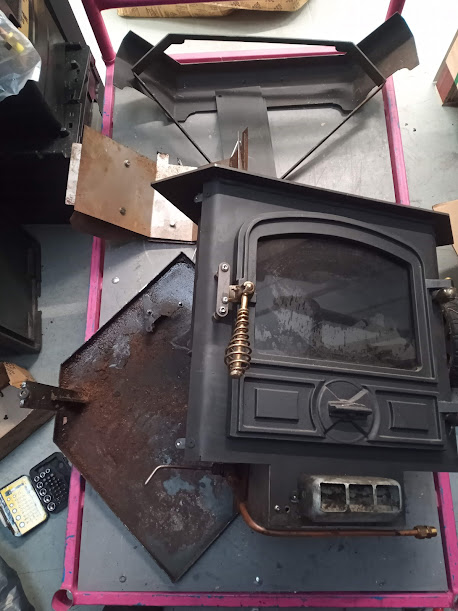
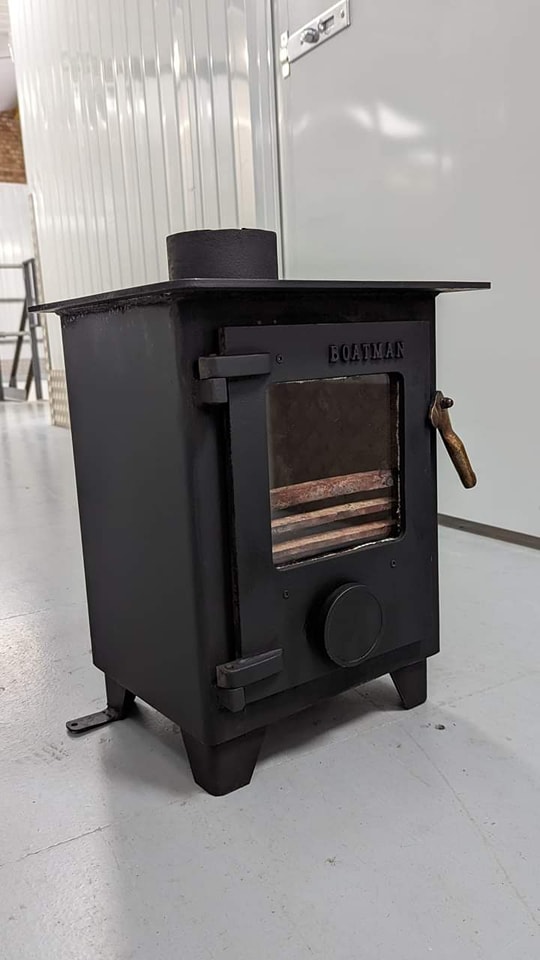
Are you in need of a new boat stove? Our boat stove trade-in deals can help! We have an exciting offer for you. Upgrade your old boat stove to a new diesel stove or a solid-fuel stove. Receive up to £250 credit for your upgrade.
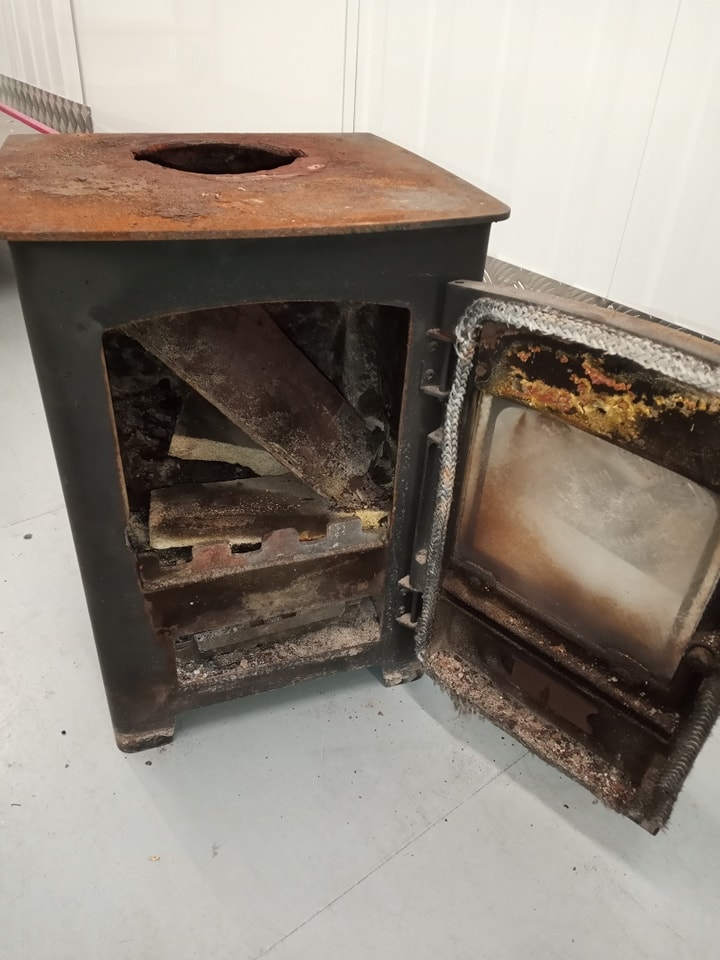
Your boat stove is an essential component of your onboard comfort. It provides warmth and a cosy atmosphere during those chilly nights on the water. However, over time, even the most reliable stoves can begin to show signs of wear and tear. That’s where our boat stove trade-in deals come in.
For quotes and bookings, call 07846 274 926 or email marineheatingsolutions@gmail.com
Why Upgrade?
Improved Efficiency: New diesel and solid fuel stoves, or cookers, offer enhanced efficiency, ensuring maximum heat output with minimal wastage. Say goodbye to fuel wastage and hello to cost savings.
Enhanced Safety: Outdated boat stoves may pose safety risks due to their age or condition. Upgrading to a new stove will provide you with the latest safety features. This upgrade gives you peace of mind while you’re enjoying your time out on the water.
Modern Design: Not only will a new stove be more functional, it will also enhance the overall aesthetic of your boat. With sleek designs and stylish finishes, our stoves will surely elevate the look of your onboard living space.
How It Works
Here’s how you can take advantage of our boat stove trade-in deals:
Selection: Browse our wide range of diesel and solid fuel stoves or cookers to find the perfect fit for your boat. Our knowledgeable team will assist you in choosing the most suitable option based on your needs and requirements.
Assessment: Contact our team to schedule an assessment. We will evaluate your old stove and assess the installation of your new stove.
Purchase: Once you have made your selection, we will send a formal estimate for the installation of your new diesel or solid-fuel stove or cooker. The credit amount determined during the assessment phase will be deducted from the total price.
Enjoy: Sit back, relax, and enjoy the warmth and comfort provided by your brand-new boat stove or cooker. Embrace the joy of hassle-free cooking and cozy evenings onboard.
Terms and Conditions
This offer is valid for a limited time only and is subject to availability.
The credit amount provided is based on the condition of your old boat stove, as assessed by our experts.
The credit can only be used towards the purchase of a new diesel or solid-fuel stove or cooker from us.
The credit cannot be redeemed for cash or used in conjunction with any other offer or discount, except for the free installation offer with the Go Eco Adventurer stove.
Don’t miss out on this boat stove trade-in dealsto upgrade your boat stove and save up to £250! Contact our team today to schedule your assessment. Embark on a journey of improved efficiency, safety, and style on your boat.
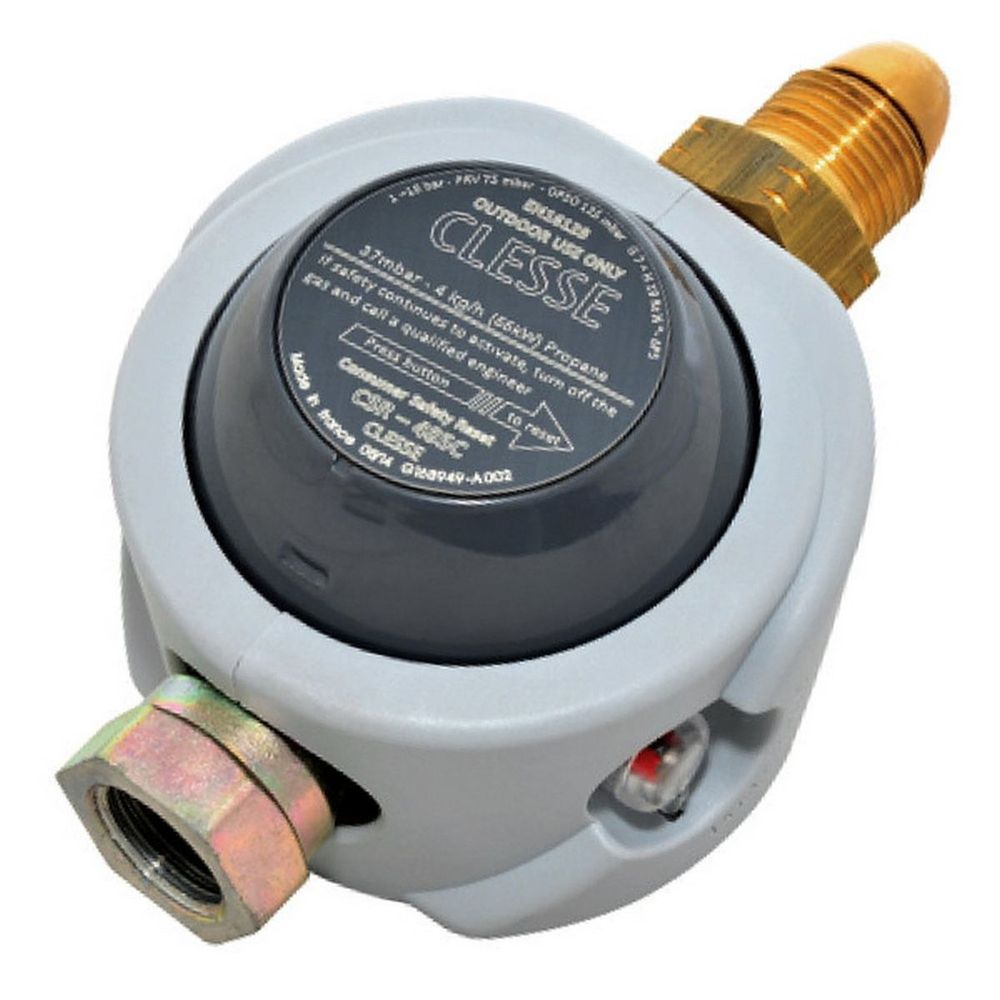
LPG cylinder regulators play a crucial role in ensuring the safe usage of LPG on boats. Combined with the incorporation of Over Pressure Shut Off (OPSO) devices, the level of safety is significantly enhanced. In this post, we will explore the purpose and function of LPG cylinder regulators and over-pressure shut-off devices.
LPG cylinder regulators facilitate the safe flow of gas from the cylinder to the appliances they fuel. They act as a critical control mechanism, regulating the pressure of the gas to ensure consistent and reliable performance. Moreover, regulators help maintain a steady flow rate, compensating for variations in temperature and gas pressure. It is important that regulators and their hoses are checked periodically and changed when their lifespan is up.
Incorporating Over Pressure Shut Off (OPSO)
Since at least 2014, all newly installed regulators require Over Pressure Shut Off (OPSO) devices. These devices provide an additional layer of safety in LPG installations. They automatically shut off the gas supply if the pressure exceeds the specified limit, preventing potential accidents or equipment damage. OPSO devices are an essential component in LPG installations where the pressure coming directly from the cylinder can be up to 6 Bar (around 90 PSI)
Involvement of Gas Safe Registered Engineers
The installation and maintenance of LPG cylinder regulators with OPSOs should only be carried out by GasSafe registered engineers. These professionals have the necessary skills and knowledge. They possess the experience needed to ensure proper functioning and compliance with current laws. They also adhere to the latest safety standards. Your GasSafe engineer should check the entire installation when working on any part of it. They should also test the installation and issue you an LPG Safety Certificate to certify this.
Marine Heating Solutions: Your Trusted Partner for Diesel and Solid Fuel Boat Stove Servicing
Are you a boat owner looking for reliable and professional servicing for your stove? With our expertise, we guarantee top condition for your solid fuel or diesel boat stove. This allows you to enjoy worry-free heating and cooking throughout the year. Our technicians are fully trained by OFTEC and hold current and valid certificates.
Why Choose Marine Heating Solutions?
When it comes to boat stove servicing, experience and expertise matter. At Marine Heating Solutions, we have a team of fully certified technicians. They are highly skilled and specialize in servicing boat stoves of all makes and models. Here’s why we are the right choice for you:
Proficiency: With years of experience in the marine industry, our technicians are well-versed in the intricacies of boat stoves. We understand the unique challenges of marine appliances and have the knowledge to address them effectively
Comprehensive Service: Our solid fuel and diesel boat stove servicing is thorough and covers all aspects of maintenance. Services inlcude cleaning burners, grates, and flues, testing flue draught, maintaining back boilers, and servicing diesel stove fuel systems. We leave no stone unturned to ensure your stove is in optimal working condition.
Safety First: Safety is our top priority. Our fully trained and certified technicians follow strict maintenance and safety check protocols while servicing your boat stove. We conduct detailed inspections of fuel systems on diesel stoves and perform leak tests. We check for any potential hazards to ensure your appliance remains safe for use.
When you choose Marine Heating Solutions for boat stove servicing, you can expect a detailed checklist. This checklist covers all essential aspects. Here’s an overview of what is typically included in our professional boat stove service:
Cleaning and Maintenance: Our technicians will clean burners, grates, and flues, removing any debris or built-up soot. We use specialized cleaning agents and tools to ensure a thorough cleaning without damaging the components.
Fuel System Maintenance: We thoroughly inspect diesel lines, fittings, and connections for signs of wear, leaks, or corrosion. If any issues are detected, we will promptly address them to prevent potential accidents and fuel leaks. We will clean filters, day tanks, and lines as necessary
Overall Performance Evaluation and Adjustment: We will assess the overall performance of your boat stove. We will pay attention to factors such as heating efficiency and flue performance. We will test and adjust fuel valves to set flow rates according to the manufacturer’s recommendations.
Professional Recommendations: At the end of the service, our technicians will provide you with a detailed report of their findings and recommendations. This may include suggestions for future maintenance. It could also suggest parts replacement or upgrades that can enhance the performance or safety of your boat stove. For older installations, we will make recommendations to align your setup with current Boat Saftey Scheme recommendations. We will also advise on best industry practices and the relevant safety standards.
Schedule Your Boat Stove Service Today!
Don’t wait until your boat stove malfunctions or becomes a safety hazard. Let Marine Heating Solutions take care of all your boat stove servicing needs. Our expert technicians will ensure that your appliance remains operational, efficient, and safe. This will allow you to focus on enjoying your time on the water.
Maintaining your boat’s diesel burning appliances is crucial for ensuring their optimal performance and safety. This includes regular servicing of all pressure jet-fired boilers, vaporizing burners on stoves, and forced draft burners on diesel heaters. In this blog post, we will explore the significance of servicing these appliances and discuss their recommended service intervals.
Why Service Diesel Burning Appliances?
Efficiency: Regular servicing helps maintain the efficiency of diesel burning appliances. Over time, soot and carbon deposits can accumulate, affecting combustion efficiency. Servicing cleans and optimizes the burner. This ensures that these appliances operate at their highest efficiency. It reduces fuel consumption and costs.
Safety: Boats with diesel burning appliances must prioritize safety. Servicing helps identify potential hazards such as leaks, blockages, or malfunctions. Technicians can inspect fuel lines, combustion chambers, and flues to ensure they are in proper working condition. This rigorous check-up reduces the risk of fire accidents, carbon monoxide poisoning, or other safety hazards.
Extended Lifespan: Regular servicing helps prolong the lifespan of diesel burning appliances. By addressing minor issues and performing preventive maintenance, you can avoid costly repairs or premature replacements. Properly serviced appliances have reduced wear and tear, ensuring they function optimally for years to come.
Servicing marine diesel heaters at regular intervals is crucial for maintaining their efficiency and ensuring the safety of boat occupants. Here are the recommended service intervals for marine diesel heaters:
Annual Service: It is advisable to have a comprehensive service performed on the diesel heater at least once a year. This needs to include full disassembly, cleaning all parts, replacing worn parts and all gaskets, and checking up on fuel supply and exhaust systems
Interim Maintenance: In addition to the annual service, interim maintenance should be performed every 6 months or as recommended by the manufacturer.
By adhering to these service intervals, boat owners can ensure that their marine diesel heaters operate at their optimal efficiency. This practice provides reliable heating and mitigates potential safety hazards.
Which Parts of a Diesel Heater Need Servicing and Why?
When servicing a diesel heater, several key components require attention to ensure optimal performance and safety. These include:
Burner: The burner is responsible for combusting the diesel fuel to generate heat. Regular servicing is necessary to clean and inspect the burner for any soot or carbon deposits that can hinder efficient combustion. Some burners need their mesh replaced periodically. This ensures a steady flame and prevents issues such as poor flame picture and uneven heat output.
Fuel Supply System: The fuel supply system, consisting of fuel lines, filters, valves, and pump must be maintained regularly. This ensures a consistent and proper supply of fuel to the burner. Any clogs, leaks, or malfunctions in the system can result in reduced burner performance or even complete failure.
Heat Exchanger: The heat exchanger transfers heat from the burner to the surrounding air or water. Cleaning and inspecting the heat exchanger regularly is important. Not removing soot or debris can hinder heat transfer. A clean heat exchanger maximises the heater’s efficiency and prevents potential damage.
Exhaust System: The exhaust system removes combustion products, such as carbon monoxide, safely from the heater. Regular inspection and cleaning are necessary to ensure proper venting and prevent obstructions or leaks that can pose safety risks.
Electrical Parts: Fan bearings, flame sensors, glow plugs, and other electrical parts need regular inspection. They also require cleaning and, in some cases, replacing regularly. This will ensure the reliable and safe function of the heater.
Coolant: Diesel water heaters need their coolant to be replaced every 3 to 5 years. This system should also be flushed at this time.
Boat owners can ensure their diesel heaters operate efficiently by servicing these components regularly. Regular maintenance also provides reliable heating, and it maintains the safety of occupants onboard.
For quotes and bookings, contact us on 07846 274 926 or email marineheatingsolutions@gmail.com
Service Intervals for Vaporising Burners in Diesel Stoves and Diesel Cookers
Diesel stoves and diesel cookers equipped with vaporising burners are commonly used on boats for cooking and heating purposes. Proper servicing of these burners is essential for optimal performance and safety. Here are the recommended service intervals for vaporising burners:
Annual Service: It is advisable to have the vaporising burner serviced annually. This includes cleaning, adjusting, and testing the Diesel Stove’s overall performance. Regular Maintenance: In addition to the annual service, you should clean the burner pot frequently. Sweeping the flue is also required throughout the heating season.
By adhering to these recommended service intervals, boat owners can ensure that vaporising burners in diesel stoves and cookers are in optimal condition. When these burners operate efficiently, they promote safety on board.
Which Parts of a Vapouring Diesel Burner Need Servicing and Why?
Inspecting and maintaining several crucial components is essential when servicing the vaporising burner of a boat stove or cooker. This ensures optimal performance and safety. The following are the parts of a vaporising diesel burner that require servicing and the reasons why:
Burner Pot: The burner pot is where the fuel is vaporised and ignited. Regular cleaning of the burner pot is necessary to remove any buildup of soot, carbon deposits, or debris. Soot and carbon can hinder efficient combustion. A clean burner pot ensures a steady flame and prevents issues such as poor fuel vaporisation or uneven heat output.
Fuel Supply System: The fuel supply system consists of components such as fuel lines, filters, and valves. Regular servicing of these parts is essential to ensure a consistent and proper supply of fuel to the burner. Any clogs, leaks, or malfunctions in the fuel supply system can result in reduced burner performance, inefficient combustion, or even burner failure. Metering Valves (Toby Valves) need dialing in regularly to ensure the correct supply of diesel to the burner.
Burner Chamber Walls and Back Boiler: The burner chamber walls and back boiler transfer the heat generated by the burner to the surrounding air or water. Regular cleaning is necessary to remove any soot or debris that can accumulate and obstruct heat transfer. A clean back boiler and burner chamber walls allow for efficient heat distribution, maximising the burner’s performance and energy efficiency.
Flue and Venting System: The flue and venting system is responsible for supplying combustion air and safely removing combustion byproducts, such as carbon monoxide, from the burner. Regular inspection and cleaning of the flue and venting system prevent blockages, leaks, or corrosion. These issues can compromise the diesel stove’s operation and pose safety risks to occupants of the boat.
Coolant: Back boilers that supply central heating systems need flushing, and their coolant needs replacing every 3 to 5 years.
By ensuring regular servicing and maintenance of these parts, boat owners can keep their vaporising oil burners in optimal condition. This practice promotes efficient combustion. It also maintains the safety of their onboard heating and cooking systems.
For quotes and bookings, contact us on 07846 274 926 or email marineheatingsolutions@gmail.com
Service Intervals for Marine Pressure Jet-Fired Boilers
Pressure jet-fired diesel combi boilers, commonly found on larger vessels, play a vital role in providing hot water and heating. To maintain their efficiency and safety, it is recommended to have them serviced at regular intervals:
Annual Service: A comprehensive service should be conducted at least once a year. This includes cleaning and adjusting, and testing the boiler’s overall performance. Injector nozzles must be replaced with every annual service.
Interim Maintenance: Additional interim maintenance should be performed every 6 months or as recommended by the manufacturer.
Which Parts of a Pressure Jet-Fired Diesel Boiler Need Servicing and Why?
Servicing pressure jet-fired boilers on boats involves inspecting and maintaining various components to ensure optimal performance and safety. During a comprehensive service of a diesel boiler, several parts require attention:
Burner: The burner is responsible for atomising the fuel and igniting it. Without regular cleaning and adjustment, soot and carbon deposits can accumulate, hindering efficient combustion and reducing the boiler’s overall efficiency. Over time, this can lead to increased fuel consumption, higher operating costs, and breakdowns.
Heat Exchanger: The heat exchanger transfers heat from the burner flame to the water, providing hot water and heating for the boat. Without regular cleaning, the heat exchanger can become clogged with soot, reducing its effectiveness and limiting heat transfer. This can result in decreased heating performance and potential damage to the heat exchanger.
Fuel Delivery System: A well-maintained fuel delivery system is crucial for proper boiler operation. If not serviced regularly, fuel lines can develop leaks or become blocked, leading to fuel supply issues. Malfunctioning fuel pumps or valves can disrupt the flow of fuel. This disruption adversely affects the boiler’s performance and can potentially cause breakdowns.
Combustion Chamber and Flue: The combustion chamber is where fuel is burned to produce heat. The flue transports the combustion gases to the outside of the boat cabin. Neglecting their maintenance can lead to carbon buildup, compromising combustion efficiency and posing a potential carbon monoxide hazard. Regular inspections are necessary to ensure there are no blockages, leaks, or other issues that could compromise safety.
Coolant: Diesel boilers that supply central heating systems need flushing, and their coolant needs to be replaced every 3 to 5 years.
When it comes to heating options for boats, back boilers are a popular choice. These ingenious systems combine the functions of a stove and a central heating unit, efficiently distributing heat throughout the vessel. In this comprehensive guide to back boilers on boat stoves, we’ll explore what back boilers are and how they work. We will also cover the different types available. This includes pumped back boiler systems with pipe thermostat control and gravity-fed systems. Let’s dive in!
What are Back Boilers?
Back boilers are specialised attachments that can be added to existing boat stoves. These are heat exchangers designed to harness some of the heat produced by the stove. They transfer this heat to a coolant-based heating system. This allows for enhanced warmth distribution throughout the boat.
How do Back Boilers Work?
Back boilers utilise the principle of heat transfer through conduction. As the stove is lit, it begins to generate heat. This heat is conducted through the back boiler coils or heat exchanger. These components are in direct contact with the burning fuel. The coolant within the coils or heat exchangers absorbs the heat. This is circulated throughout the boat and provides a comfortable and consistent source of warmth.
Pumped Back Boiler Systems with Pipe Thermostat Control
A popular choice for boats, pumped back boiler systems offer good control over boiler temperature and heat distribution. These systems consist of a back boiler, a circulation pump, and a pipe thermostat.
The circulation pump ensures circulation between the back boiler, radiators, and/or calorifier, maintaining a continuous flow of heated coolant water. The pipe thermostat switches on the circulation pump automatically when the back boiler has reached a set temperature. This ensures that coolant water is circulated when the stove is in use and prevents overheating of the back boiler.
Pumped back boiler systems provide excellent heat distribution, thanks to the forced circulation of heated coolant water. This type of system is particularly suitable for larger vessels or those with multiple radiators. The pump can effectively deliver heat to different areas.
Gravity-Fed Back Boiler Systems
Gravity-fed back boiler systems are another option for heating boats. These systems operate without the need for an electric water pump. Instead, they rely on the force of convection and gravity to circulate heated water.
Gravity-fed backboilers work in a straightforward manner. As the stove generates heat, hot water rises naturally through the back boiler due to the principle of convection. As hot coolant water rises, cooler coolant water from the radiators flows back towards the stove, creating a continuous flow.
One significant advantage of gravity-fed back boiler systems is their simplicity and reliability. Since they don’t rely on electrical components, there are no concerns about power outages or mechanical failures. Additionally, gravity-fed systems tend to be more energy-efficient and require less maintenance compared to pumped systems.
However, it is essential to consider the limitations of these systems. These systems rely on gravity. As a result, they may not provide the same precise control over temperature and heat distribution as their pumped counterparts. They also might not be suitable for larger vessels or those with multiple heating zones. The passive circulation of heated water may not be sufficient to reach every area adequately. They also require part of the pipework to run at a higher level. This makes it more difficult to hide pipes from view.
Hybrid Systems
Hybrid systems incorporate a diesel heater or gas boiler into the back boiler system. They offer a versatile solution in situations when only a small amount of heat is required, and running the stove could result in excessive heating of the boat cabin. They can also regulate the temperature at night better, through a room thermostat control on the diesel heater. These systems are especially useful for installations incorporating a calorifier. They allow heating of the calorifier only to produce hot water during the summer months. They also ensure that a backup heat source is available should one of the appliances suffer a breakdown.
It is advisable to consult with a trained professional to determine the most suitable hybrid heating system for your boat and to ensure it is installed correctly and functions safely.
Our Back Boiler Stove Range
At Marine Heating Solutions, we offer a range of stoves with backboilers. Here are some of the models we sell and install:
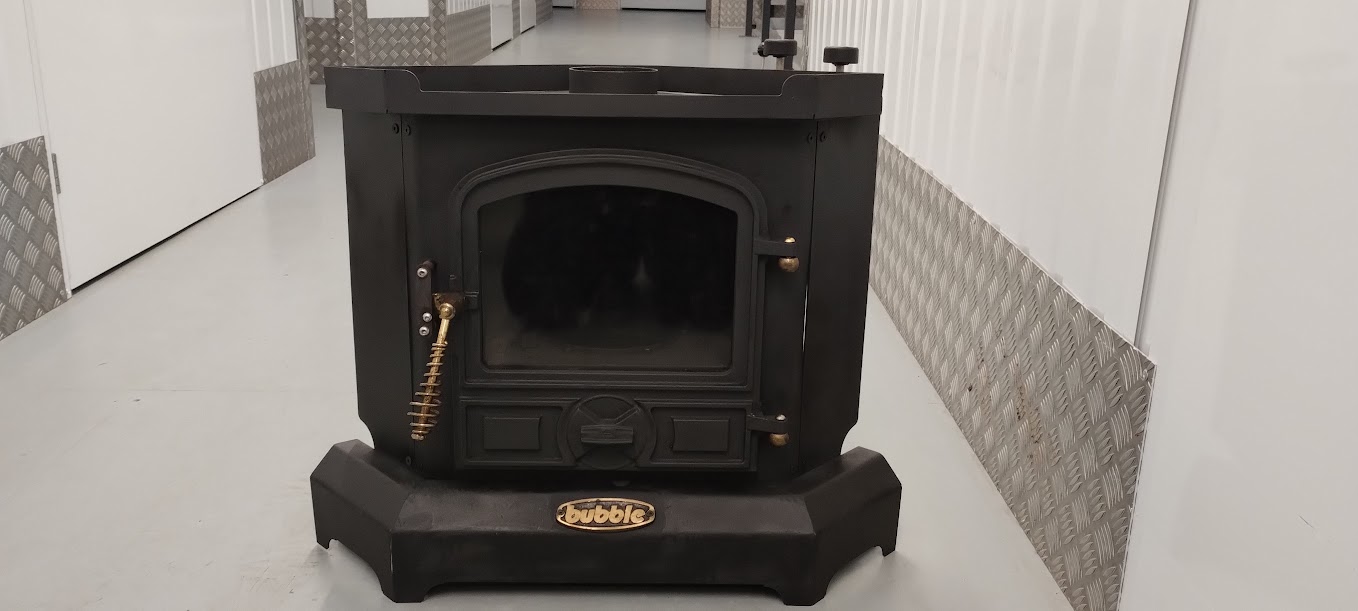
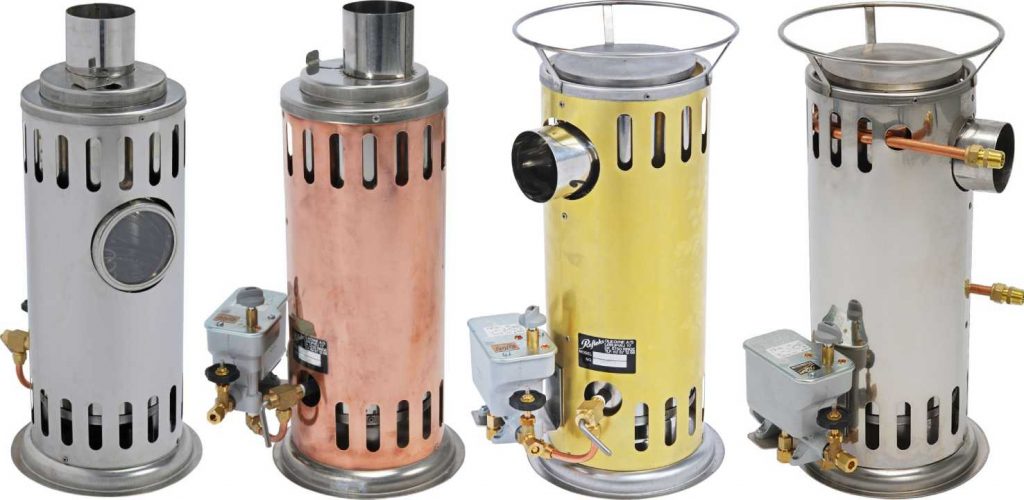
Bubble Diesel and Solid Fuel Stoves and Range Cookers: These 4 to 5kw stoves feature 1kw and 2kw backboilers, making them suitable for medium to large size vessels. The Bubble stoves and range cookers provide both heating and cooking capabilities, ensuring convenience and warmth on your boat.
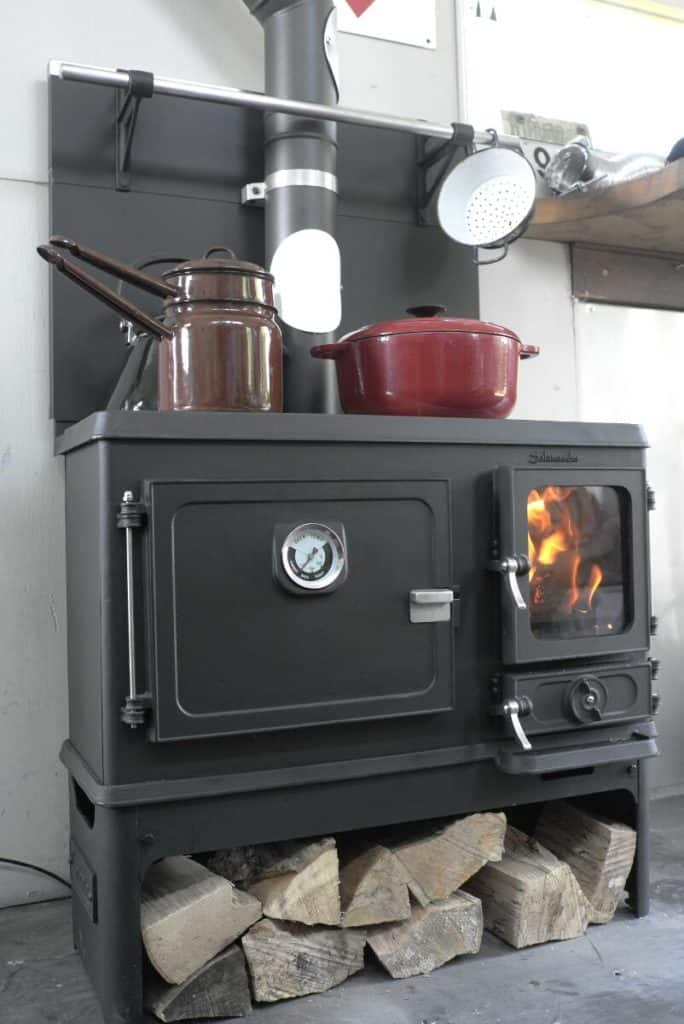
Salamander Solid Fuel Stoves and Cooking Ranges with Small Sideboilers: Designed for small to medium-sized boats, the Salamander Hobbit Stove and the Little Range Cooker come with small side boilers that add an extra heating element. They are efficient and compact, ideal for maximising space on your vessel.
Refleks Diesel Stoves: Our range of Refleks Diesel Stoves offers options for small, medium, and large boats. These stoves are known for their reliability and versatility, providing you with customizable heating solutions based on your boat’s size and heating requirements.
Important Safety Considerations
It is crucial to note that while boat stoves with back boilers offer efficient heating solutions, they can be potentially dangerous. There is an explosion risk if they are installed incorrectly. Therefore, it is highly recommended that the installation of back boiler heating systems be carried out by trained professionals with experience in marine heating systems.
Boat owners should exercise caution. They should thoroughly check the credentials and qualifications of engineers before booking them to install a back boiler heating system. Hiring a certified professional ensures that the installation is done correctly, adhering to safety regulations and minimising the risk of accidents or malfunctioning.
When it comes to boat stoves, safety and efficiency are of paramount importance. A stainless steel twin-wall insulated flue is an essential component that plays a critical role in achieving both. In this post, we will explore the numerous benefits offered by these innovative flue systems. This post solely focuses on twin-wall flues. For overall stove safety and installation guidelines, please read our blog post on solid fuel stove safety.
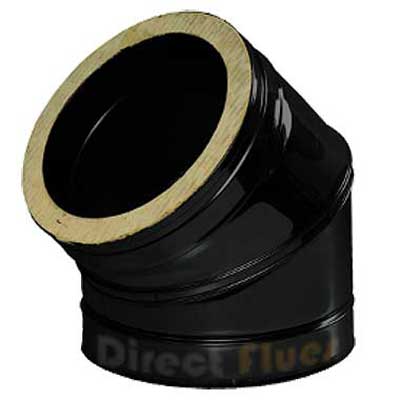
Safety should always be the top priority on a boat, especially when it involves heating systems. Stainless steel twin-wall insulated flues provide superior safety features that minimise the risk of fire hazards. The double-layered design acts as an effective insulation barrier, reducing the temperature on the external surface of the flue. This prevents accidental burns and ensures the structural integrity and fire safety of the surrounding materials. Thus making twin wall flues ideal for use in confined boat spaces.
Corrosion Resistance
When it comes to marine environments, using flues made from corrosion-resistant stainless steel is of utmost importance. The constant exposure to high humidity levels can quickly deteriorate and corrode flue systems made from lesser materials. Stainless steel flues, on the other hand, are specifically designed to withstand these harsh conditions. The corrosion-resistant properties of stainless steel ensure the longevity and durability of the flue. This reduces the risk of leaks, structural damage, and subsequent safety hazards. By choosing stainless steel flues, boat owners can have peace of mind. They will know that their heating system remains safe, efficient, and reliable even in the challenging marine environment.
Improved Efficiency
Efficiency is a crucial aspect of any heating system, and boat stoves are no exception. Twin-wall insulated flues contribute greatly to the efficiency of boat stoves by maximising heat retention. The insulation layer inside the flue keeps the hot gases hotter for longer. This allows for more effective burn and heat transfer from the stove body to the boat interior. As a result, you can achieve a higher heat output while using less fuel. Less fuel is burned to maintain the correct flue draft. More heat is retained within the stove. Modern stoves are designed with this in mind. Their airwash systems will not function as intended with outdated single-skin flues.
Carbon Monoxide Safety
Twin-wall insulated flues are essential for carbon monoxide safety on boats. They enhance safety for diesel and solid fuel stoves. They achieve this by keeping the flue gases hot. The insulation layer surrounding the flue pipe prevents the gases from losing their heat too quickly. This is important because when flue gases remain hot, they are carried carbon monoxide out of the boat more efficiently. This reduces the likelihood of any backflow or leakage into the living areas. By maintaining the gases at an optimal temperature, twin-wall insulated flues minimise the risk of carbon monoxide buildup in the cabin.
Versatile Installation Options
Boat designs can vary significantly, and space constraints are often a concern. Stainless steel twin-wall insulated flues are designed to offer versatile installation options, catering to different boat layouts. These flues are easy to adjust and assemble to fit the specific requirements of your boat. This includes narrowboats, yachts, or any other vessel. This ensures that you can optimise the space available while ensuring the flue system operates efficiently and safely.