Picking the right heater for your boat isn’t just a small upgrade; it’s what turns a seasonal hobby into a year-round passion, especially with the UK’s notoriously fickle weather. The main contenders are diesel, LPG, solid fuel, and electric systems. The best one for you really boils down to your boat’s specific setup, your power situation, and how you actually use your vessel. This guide will walk you through finding the perfect setup for warm, safe, and comfortable boating, no matter what the weather throws at you.
For quotes and bookings, call 07846 274 926 or email marineheatingsolutions@gmail.com
Why Choosing The Right Boat Heater Matters
Let’s be honest, navigating chilly UK waters often calls for more than an extra jumper. A decent heating system is a cornerstone of safety and comfort, and it’s your best defence against the damp and mould that can plague any boat. Think of it less like a luxury item and more like a core part of your vessel’s kit. It’s what transforms your boat into a warm, dry sanctuary you can escape to, whatever the season.
This isn’t just a nice-to-have anymore; it’s becoming a key consideration for many UK boaters. The market for specialised boat heating equipment is growing steadily, driven by more and more people wanting to get the most out of their boats all year. If you’re interested in the numbers, you can read more about the UK heating equipment market’s projected growth on Mordor Intelligence.
Understanding Your Primary Options
Making a smart choice starts with knowing the main players. Each type of heater has its own personality—its own quirks, ideal uses, and installation needs.
- Diesel Heaters: Easily the most popular choice. They’re efficient, can often tap right into your main fuel tank, and they produce a very dry heat, which is brilliant for fighting off condensation.
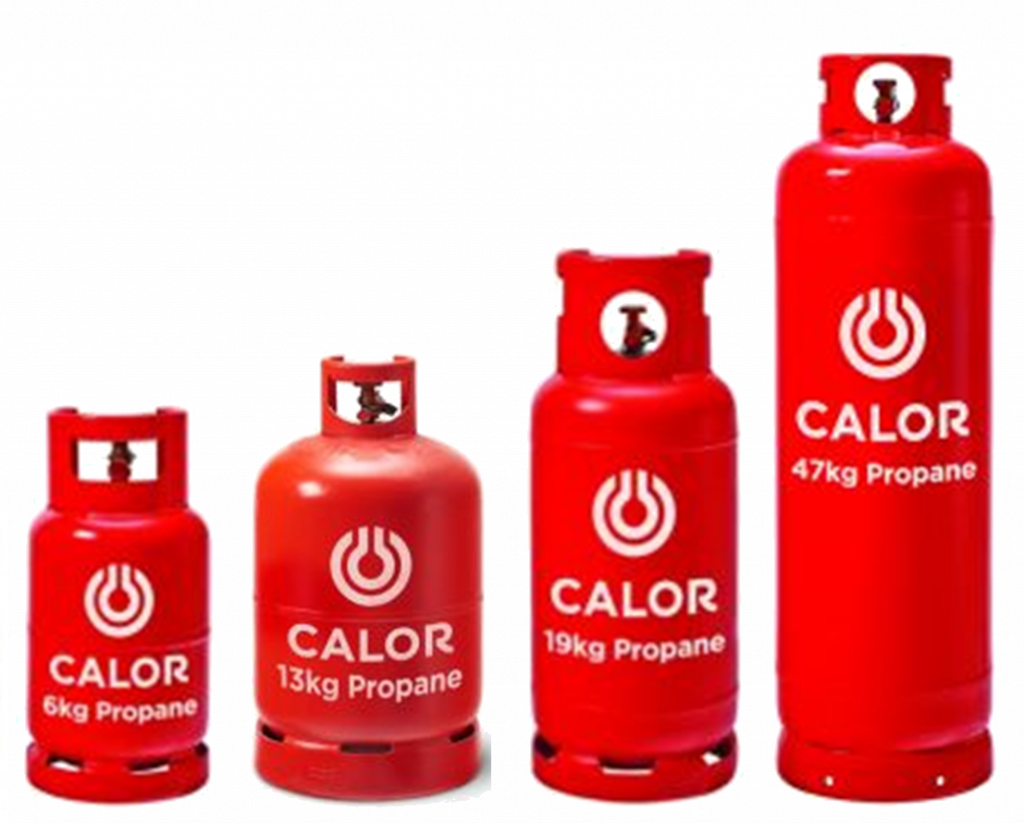
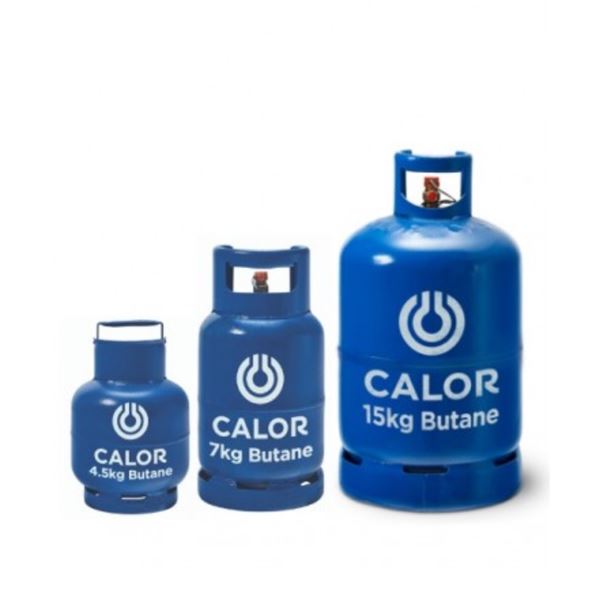
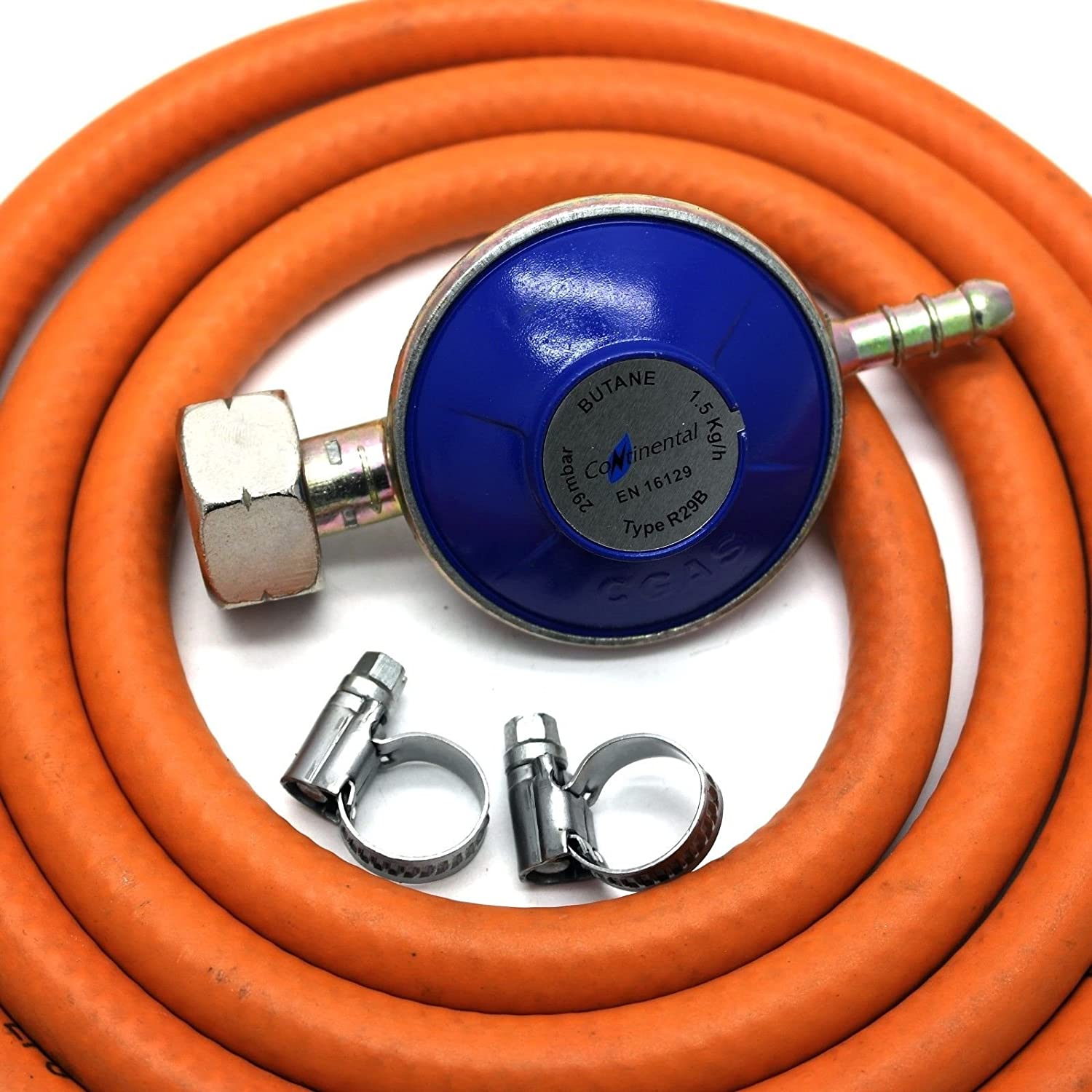
- LPG (Gas) Heaters: These are prized for being quiet and convenient, particularly if you’re already set up with gas for cooking. As you’d expect, safety is absolutely paramount with these systems.
- Solid Fuel Stoves: The traditional heart of a narrowboat. Nothing beats the unique, radiant warmth and cosy glow of a real fire.
- Hybrid Gas/Electric Heaters: A straightforward solution with plug-and-play functionality when connected to shore power in a marina. When out on the water, the gas option ensures battery conservation.
At-a-Glance Comparison of Boat Heater Types
This table is a quick reference to see how the main heating options stack up against each other on the most important factors.
| Heater Type | Primary Fuel | Typical Running Cost | Best For |
|---|---|---|---|
| Diesel Air/Water Heater | Diesel | Low to Medium | Liveaboards and frequent cruisers needing reliable, dry heat. |
| LPG (Gas) Heater | Propane/Butane | Medium | Weekend boaters or those needing quiet, on-demand heating. |
| Solid Fuel Stove | Wood, Coal, Briquettes | Low (can be very cheap) | Narrowboats and traditional vessels looking for a cosy, off-grid heat source. |
| Electric Heater | Mains Electricity | High (on batteries) / Low (on shore power) | Marina-based boats with constant access to shore power. |
Ultimately, the ‘best’ heater is the one that fits your boat and your lifestyle like a glove. Whether you prioritise low running costs, ease of use, or that unbeatable feeling of a real fire, we have a solution that’s right for you.
Forced Air Diesel Heaters: The Popular Choice
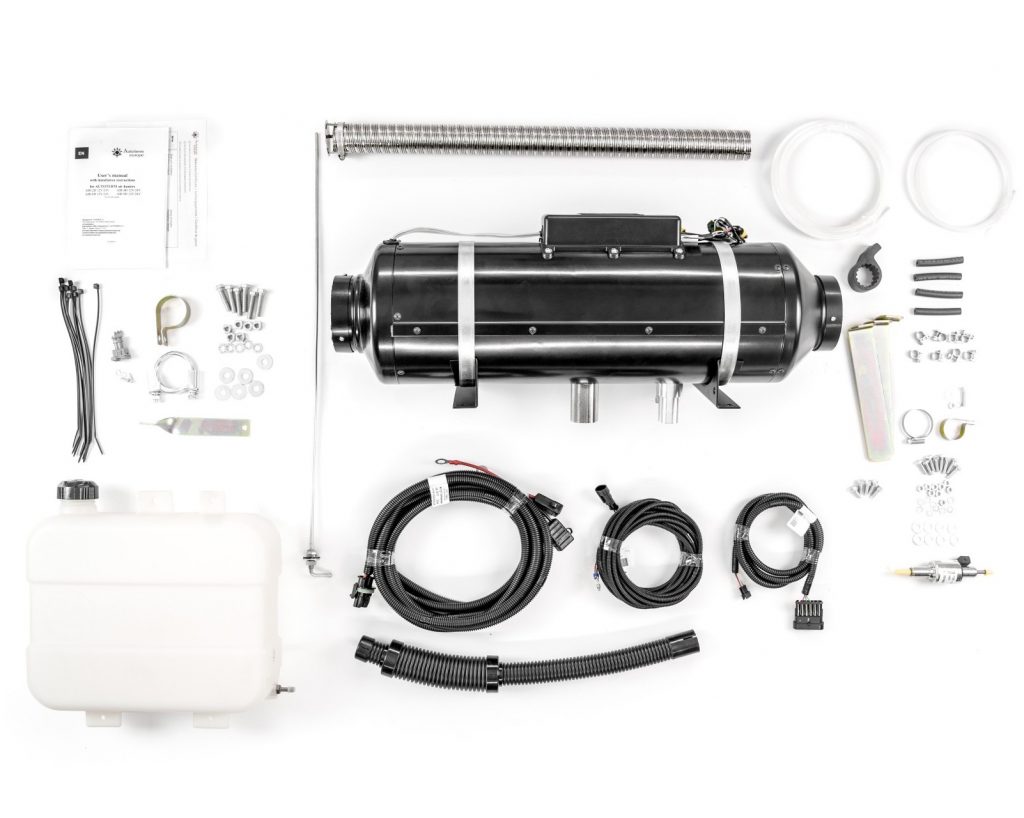
When considering modern heating options for boats, one popular and effective choice is the forced air diesel heater. This system functions similarly to a car’s heating system and is widely used by liveaboards and cruisers.
These heaters operate on a simple principle: they draw in cool cabin air, pass it over a heated element powered by a small amount of diesel, and then distribute the warm, dry air through ducting around the boat. This process is efficient and reliable.
However, it’s crucial to be aware of the risks associated with unbranded Chinese heaters. These units may not meet European safety standards, potentially posing hazards such as fire risks or carbon monoxide leaks. Investing in a well-branded heater that complies with strict safety regulations ensures not only effective heating but also peace of mind while aboard.
The Power of Dry Heat
One of the biggest wins with a forced air diesel heater is the type of heat it creates. Unlike some methods that can actually add moisture to the air, these systems actively dry it out. On a boat, where you’re in a constant battle against damp, condensation, and that musty smell that follows, this is an absolute game-changer.
Waking up on a cold, misty morning to find the windows streaming with condensation is a familiar sight for any boater. A forced air heater tackles this head-on, circulating warm, dry air that lifts moisture from surfaces and the atmosphere itself. This makes for a far healthier and more comfortable living space, protecting both your boat’s interior and your own well-being.
By installing a reliable diesel heater, boaters can transform their vessel into a year-round retreat. It opens up the colder months for peaceful cruising, letting you enjoy quiet anchorages without the drone of a generator. This single upgrade makes autumn trips and even winter stays not just possible, but genuinely pleasant.
Fuel Efficiency and Convenience
Another huge reason they’re so common is their incredible fuel efficiency. These heaters are remarkably frugal, sipping fuel directly from your boat’s main diesel tank. A typical unit might only use 0.1 to 0.2 litres of fuel per hour on a low setting, making them unbelievably cheap to run for long periods.
You really can’t overstate the convenience of this setup. There’s no need to lug separate fuel canisters about or worry about managing another fuel source. For any diesel-powered boat, the integration is seamless and just makes sense. It’s a self-contained system providing powerful, reliable heat without complicating your fuel logistics. If you’re exploring this efficient solution, checking out the range of Autoterm diesel heaters is a great starting point to see what different models can do.
A Balanced View: Noise and Power
Of course, no system is perfect, and it’s important to look at the whole picture. Forced air heaters aren’t completely silent. You’ll hear the gentle hum of the circulation fan and the quiet, rhythmic ticking of the fuel pump. While modern units from top brands like Wallas or Eberspächer are designed to be extremely quiet, you still need to think carefully about where you install them to minimize noise in sleeping areas. Air duct silencers can help reduce fan noise.
They also need a bit of electrical power to run the fan, fuel pump, and control unit. While the draw is modest—typically 1 to 3 amps once up and running—it is a constant drain on your 12V or 24V battery bank. For anyone planning to spend long periods off-grid, this power consumption has to be factored into your overall energy budget. You need to be sure your charging systems, like solar panels or the engine alternator, can keep up.
Still, for most boaters, the benefits massively outweigh these minor points. The ability to quickly and efficiently warm the entire boat with dry, comfortable air makes forced air diesel heaters the go-to choice for creating a proper home on the water, whatever the weather is doing outside. They give you the confidence to cast off the lines on a crisp autumn day, knowing a warm and inviting cabin is waiting for you when you get back.
Diesel Liquid Heaters for Central Heating and Hot Water
Diesel liquid heaters also present an effective solution by providing central heating and hot water through a calorifier. These systems function by heating water, which is then circulated through radiators, ensuring an even warmth distribution throughout the vessel. Additionally, they connect to a calorifier, utilising the heated water to provide hot water for showers and the galley.
This setup not only ensures comfort but also adds convenience for life aboard, making it an efficient heating solution for those living on vessels. Diesel liquid heaters are favoured for their ability to maintain a consistent and reliable heat source.
The diesel liquid heater has been a game-changer for our onboard comfort, offering dependable warmth and hot water even in the coldest conditions.
LPG Gas Heaters For Convenience and Safety
For boaters who put a premium on quiet operation and heat on demand, LPG (Liquefied Petroleum Gas) heaters are a seriously compelling option. Many boats, from weekend cruisers to liveaboard narrowboats, already have an LPG system running for the galley stove. This makes adding an LPG heater a natural and convenient extension of a fuel supply you already manage, saving you the hassle of a separate fuel tank.
The real draw, though, is how clean-burning and quiet they are. Unlike diesel heaters with their distinctive pump and fan noise, many LPG models run in complete silence. It’s an unobtrusive, peaceful warmth that’s hard to beat, and they deliver it almost instantly, taking the chill off a cabin on a cold morning in minutes.
Forced Air LPG Heaters and Hybrid AC Electric/LPG Heaters
When exploring LPG heaters, you’ll notice various options that cater to different heating needs.
- Forced Air Heaters: These operate similarly to diesel heaters, utilizing a fan to distribute warm air throughout the boat using ducting systems. They are ideal for achieving consistent heating in larger or multi-cabin boats, effectively circulating air, though the fan does produce some noise.
- Hybrid AC Electric/LPG Forced Air Heaters: These systems combine the benefits of LPG and electric power, offering flexibility and efficiency. They can switch between LPG and electric modes depending on availability and preference, ensuring warmth is maintained efficiently.
The choice between these systems depends on the size of your boat and your preference for air circulation. While boat heaters are a niche market in the UK, they are an essential part of the commercial and domestic heating industry, valued at over USD 110 billion. The UK’s cooler climate and growing interest in boating drive the demand for dependable cabin heating solutions. For more information on trends in the heating sector, visit gminsights.com.
The Non-Negotiable Priority: Safety
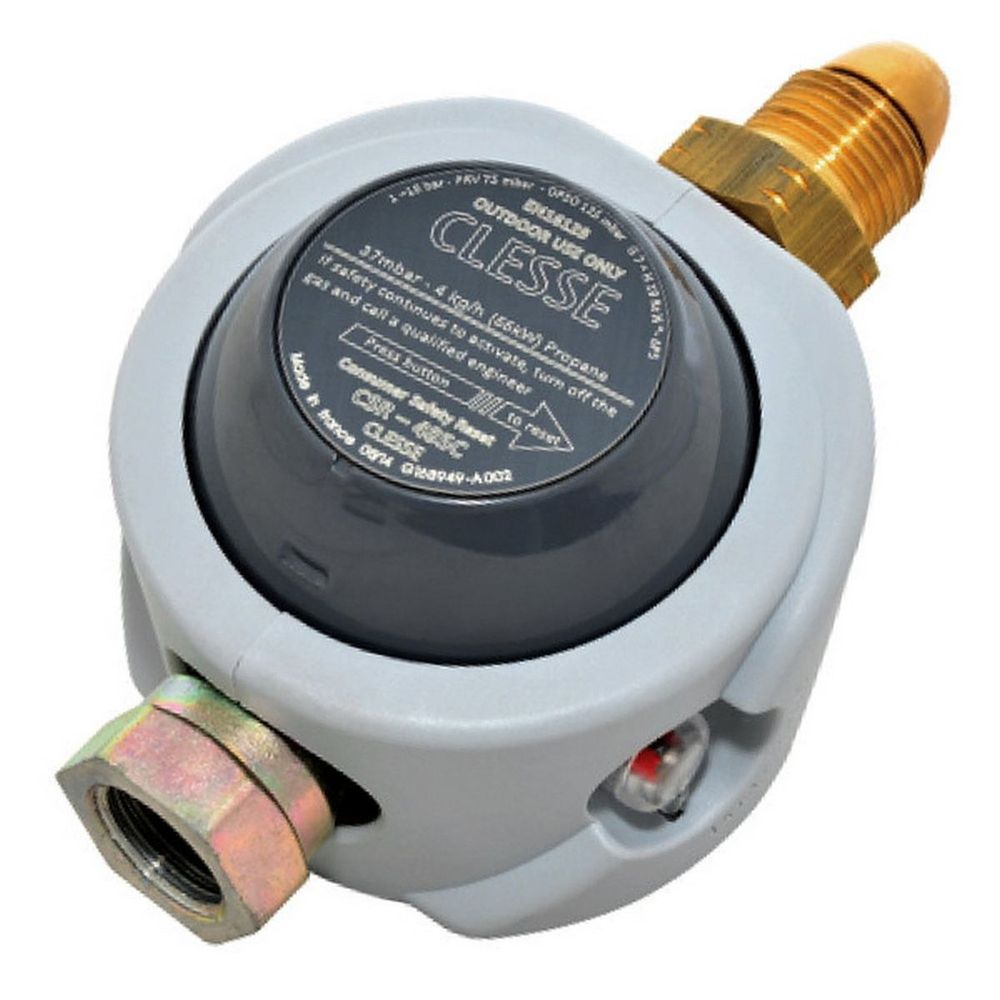
While the convenience of LPG is fantastic, it comes with a critical responsibility. LPG is heavier than air. This means any leak, no matter how small, will cause the gas to sink and collect in the lowest part of your boat—the bilges—creating a serious risk of explosion. Because of this, safety can’t just be on the checklist; it has to be the absolute foundation of your entire LPG installation.
Any installation involving gas on a boat must be treated with the utmost seriousness. There is no room for error. A properly installed and maintained system is perfectly safe, but a poorly fitted one is an accident waiting to happen. Always prioritise professional, certified installation over cost-cutting.
This brings us to the safety components that aren’t optional extras. They are absolute, must-have requirements for any vessel with an LPG system onboard.
Core Safety Components for LPG Systems
To use gas safely on your boat, your setup has to meet strict standards. These three elements are fundamental:
- Gas-Safe Locker: Your LPG bottles must be stored in a dedicated, self-contained locker that is completely sealed off from the boat’s interior.
- Drop Vents: This locker must have a “drop vent” or drain right at its lowest point that leads directly overboard. This ensures that if a leak happens inside the locker, the heavy gas drains safely out of the boat instead of pooling dangerously in the bilge.
- Carbon Monoxide (CO) Alarms: LPG combustion can produce deadly, odourless carbon monoxide. A working alarm isn’t just a good idea; it’s essential. Installing a reliable marine carbon monoxide detector is one of the most critical safety steps you can take on a boat with any gas appliance.
When you combine these measures with a professional installation by a Gas Safe registered engineer who is qualified for marine work, LPG becomes a wonderfully convenient and safe heating choice. Without them, the risks are simply too great to take.
Solid Fuel Stoves: The Traditional Heart of the Boat
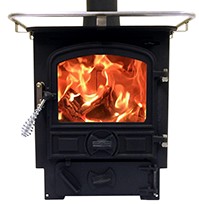
There’s a certain magic to a solid fuel stove that other boat heaters just can’t match. It’s far more than just a heating appliance; it’s the living, breathing heart of a vessel, especially on traditional narrowboats and classic yachts. Imagine coming back to your cabin after a long day cruising a misty canal, the air crisp and cold, only to be met by the deep, radiant warmth and comforting flicker of real flames.
This isn’t push-button, instant heat. It’s a deliberate, hands-on process that really connects you to your surroundings. The gentle crackle of wood or the steady hum of burning coal becomes the soothing soundtrack to your evening. This unique, all-encompassing warmth radiates through the cabin, drying damp clothes and warming chilled hands in a way forced air never could.
The Lifestyle and Practicalities of Solid Fuel
Choosing a solid fuel stove means you’re embracing a particular lifestyle. It takes a bit of planning and some physical effort, but the rewards are considerable. Your main fuel choices are seasoned hardwood and smokeless coal, and each has its own character.
Wood gives you a livelier flame and is brilliant for a quick, roaring fire to take the chill off. Coal, on the other hand, delivers a long, slow, and incredibly hot burn—perfect for keeping the cabin toasty through a cold winter’s night. Many boaters actually use a combination, enjoying the flames of wood before banking the fire with coal to keep it going for hours.
Living this lifestyle involves a few key things to think about:
- Fuel Sourcing: You’ll need to find and store your fuel. This usually means buying seasoned logs or bags of coal from canalside suppliers, marinas, or local merchants.
- Storage Space: Fuel takes up room. You must have a dedicated, dry spot on your boat—often on the roof or in a bow locker—to keep your supply safe from the weather.
- Fire Management: Learning to build, maintain, and control your fire is a real skill. It involves managing airflow to get the most efficient burn and knowing how to keep it going safely overnight.
A solid fuel stove gives you true off-grid independence. With a good stock of fuel, you have powerful, reliable heat that needs no electricity and is completely separate from your engine or battery bank. It is the ultimate self-sufficient heating solution.
Installation: The Foundation of Safety
The charm of having a real fire on board comes with an absolute duty of care. An improper installation isn’t just a risk; it’s a profound danger. Unlike other heaters, the high temperatures involved demand a completely uncompromising approach to safety.
There are three pillars to a safe solid fuel stove installation, and none of them are negotiable.
- A Heat-Resistant Hearth: The stove has to sit on a non-combustible base, like stone tile or a thick steel plate. This hearth must stick out far enough around the stove to catch any stray embers that might pop out when you open the door.
- Safe Clearances: Intense heat radiates from the stove in all directions. It must be fitted with a safe air gap between the unit and any nearby combustible materials, like wooden bulkheads or furniture. Heat shields are often used to protect these surfaces.
- A Properly Fitted Flue: The flue (or chimney) is critical. It must be a twin-wall insulated flue where it passes through the deck or roof to stop heat from transferring to the boat’s structure. It also needs a collar to make sure it’s completely watertight and a cap to keep the rain out.
Ongoing Maintenance for Reliable Warmth
Living with a solid fuel stove means committing to regular maintenance, but it’s a simple and rewarding routine. The main jobs are sweeping the flue and emptying the ash pan. Soot and creosote can build up in the flue, which reduces efficiency and creates a fire risk, so it needs cleaning with a flue brush at least once a year.
The ash pan will need emptying daily when the stove is in heavy use. This simple ritual is just part of the rhythm of life with a real fire. This hands-on approach is what makes these boat heaters so special. For those looking at compact yet powerful stoves, perfect for a marine environment, exploring the different models of Salamander Stoves can provide great inspiration for what’s possible in a smaller space.
Diesel Stoves: Efficient Heating for Boats
When considering heating options for your boat, diesel stoves like Refleks or Bubble are excellent choices. These stoves are specifically designed for marine environments and offer several advantages:
- No Power Supply Required: These stoves can function without a power source, making them suitable for remote areas where electricity is unavailable.
- Consistent Heat Source: Diesel stoves deliver a steady and reliable heat source, providing comfort even in cold climates.
- Ease of Use: Featuring straightforward controls, these stoves are user-friendly, allowing for simple temperature adjustment.
- Cleaner Operation: These stoves don’t require handling ash, resulting in less dust settling in the cabin.
- Convenience: There is no need to carry or store wood and coal, simplifying fuel management.
Having a diesel stove on board is like having a dependable friend to keep you warm on the coldest nights.
Choosing a diesel stove for your boat ensures you have a reliable heating solution that doesn’t rely on an external power source. Consider this option for efficient and hassle-free warmth during your maritime adventures.
Electric Heaters: Marina Convenience vs. Off-Grid Challenges
Electric heaters are convenient when moored in a marina, where access to shore power makes them easy to use. They are clean, portable, and effective for warming a boat without the need for complex installations. Common choices include oil-filled radiators, fan heaters, and tube heaters, each offering specific benefits for maintaining comfort on board.
However, using electric heaters off-grid is not advisable due to the high power demands that can quickly deplete a boat’s battery bank. Boats typically have less insulation than houses, making electric heaters particularly inefficient and costly compared to alternatives like diesel heaters, even if you are plugged into shore power. For off-grid heating, fuel-burning systems are more practical and efficient, ensuring warmth without draining your resources.
Essential Installation and Maintenance Practices
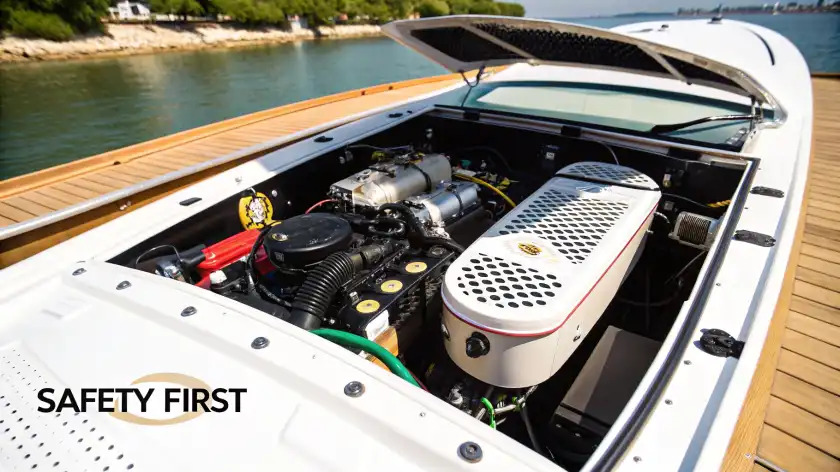
Choosing the right heater for your boat is only half the battle. A flawless installation and diligent maintenance are what truly guarantee years of safe, reliable warmth. While we always recommend a professional fitting, understanding the core principles empowers you to oversee the work and properly care for your system down the line.
Think of installation not as a one-off task, but as laying the very foundation for your boat’s safety and comfort. Getting it right from day one prevents countless future headaches and, more importantly, hazards. The universal principles of a safe install apply whether you have a diesel, LPG, or solid fuel system.
The Cornerstones of a Safe Installation
Every fuel-burning heater, regardless of type, produces exhaust gases that absolutely must be removed from your living space. This is the most critical aspect of any installation, and there is simply no room for compromise.
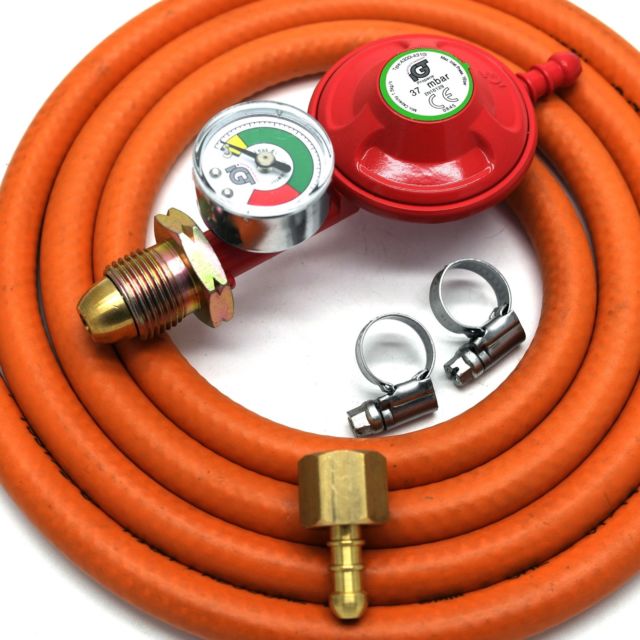
Two elements are paramount here: the fuel supply and the exhaust system. Fuel lines for diesel or LPG heaters must be correctly routed, secured against vibration, and free from any potential chafe points. The connections must be leak-proof and installed by a competent person—for gas, this means a Gas Safe registered engineer qualified for marine work.
Equally important is the exhaust flue. It has to be sealed tightly, routed correctly to prevent water from getting in, and fitted with the proper deck fittings to protect your boat’s structure from high temperatures. For a deep dive into the process for solid fuel systems, which have some of the most stringent requirements, our guide on how to install a boat stove provides detailed insights.
A professional installation is an investment, not an expense. The peace of mind that comes from knowing your fuel and exhaust systems are fitted to the highest safety standards is invaluable. It protects your vessel, your family, and your ability to relax on board.
Your Regular Maintenance Checklist
Once your system is up and running, a simple routine of checks will keep it performing safely and efficiently. Regular maintenance isn’t just good practice; it’s a vital part of responsible boat ownership.
This quick-reference checklist covers the essential tasks you should perform regularly. Think of it as a seasonal health check for your boat’s heating system.
- Inspect All Fuel Lines: At least twice a year, visually check all fuel lines for any signs of cracking, chafing, or corrosion. Make sure all fittings are tight and secure.
- Test CO and Smoke Alarms: Test your carbon monoxide and smoke alarms monthly. This is your most important early warning system, so ensure the batteries are fresh and the units are working correctly.
- Clean the Flue and Exhaust Outlet: Regularly check that the exhaust outlet on the hull or roof is clear of soot, debris, and any other blockages. A blocked exhaust can force dangerous gases back into the cabin. Solid fuel stove flues should be swept on a monthly basis.
- Service the Heater Annually: Just like a boiler at home, your boat heater will thank you for an annual service by a qualified technician. They’ll clean key components, check the burner, and ensure combustion is clean and efficient.
By staying on top of these simple but crucial tasks, you ensure your heater remains a reliable source of comfort, not a potential hazard. This proactive approach allows you to enjoy warm, cosy days and nights on the water with complete confidence.
Common Questions About Boat Heaters
Even after getting your head around the main types of heaters, you’ll likely still have a few practical questions knocking about. It’s completely normal. This section tackles the most common queries we get from boat owners, giving you clear, straightforward answers to help you lock in your decision with confidence.
What Size Heater Do I Need For My Boat?
Choosing the right size, or power output (measured in kilowatts or kW), is absolutely critical. Get it wrong, and you’re in for a world of frustration. An undersized unit will run flat-out and never quite manage to get the boat properly warm, while an oversized one will constantly switch on and off, wasting fuel and causing unnecessary wear and tear.
A decent rule of thumb to start with is to allow 1kW of heating power for every 3 to 4 metres of boat length. But honestly, that’s just a rough starting point.
The perfect size for your heater really comes down to your boat’s total internal volume, how good (or bad) your insulation is, and the number of cabins you need to heat. To avoid making a costly mistake, it’s always best to have a chat with a professional who can calculate your specific heating needs properly.
Can I Install a Boat Heater Myself?
While some very experienced and technically gifted boat owners do take on the installation themselves, we strongly recommend getting a professional to fit it, especially for diesel and LPG systems. These heaters aren’t just plug-and-play; they involve complex fuel lines, exhaust systems, and electrical wiring where a small mistake can have very serious safety consequences.
A certified technician will make sure that:
- Fuel lines are completely secure and meet all safety standards.
- The exhaust is routed correctly and perfectly sealed, preventing deadly fumes from leaking into your living space.
- All the electrical connections are safe, sound, and reliable.
Is It Safe To Leave a Boat Heater On Overnight?
Yes, absolutely—as long as the system was installed correctly by a competent person and is properly looked after. Modern diesel, LPG, and solid fuel heaters are designed from the ground up for continuous, unattended use, making them perfect for keeping the chill at bay all through a cold night.
But, this safety hinges entirely on one little box: a carbon monoxide (CO) alarm. No matter what kind of fuel-burning heater you have on board, a working, regularly tested CO alarm is non-negotiable. It’s an essential piece of kit for your safety and your peace of mind.
For quotes and bookings, call or email us here.