Marine Heating Solutions

Category: Boat Solid Fuel Heating and Cooking Appliances

Boat Solid Fuel Heating and Cooking Appliances

Boat solid fuel heating and cooking appliances are essential tools for maintaining comfort and functionality onboard, especially for those who favor the traditional aspects of boating. These appliances use solid fuels such as wood or coal, providing a reliable and efficient means of heating spaces and cooking meals. Among their advantages, solid fuel appliances can offer a sustainable and cost-effective heating solution, especially in remote areas where alternative energy sources may be limited. Their ability to generate significant heat makes them ideal for colder climates, while the ambiance created by a solid fuel stove can enhance the overall experience of living aboard a boat.

However, there are notable disadvantages to consider when using solid fuel heating and cooking appliances. One of the primary concerns is the need for proper ventilation and chimney systems to mitigate harmful smoke and byproducts, which can pose health risks. Additionally, solid fuel appliances often require more maintenance than their gas or electric counterparts, including regular cleaning and ash disposal. The availability of fuel can also be a limitation, as it may not always be readily accessible. Many marinas and town centres are now starting to ban the use of solid fuel appliances, though they are still a good choice for people who travel continously.


Explore The Individual Types Of Installations


Solid Fuel Boat Stove Installations


Solid Fuel Boat Cooking Range Installations


For quotes and bookings, call or email us here.

  • A Comprehensive Guide to Back Boilers on Boat Stoves

    When it comes to heating options for boats, back boilers are a popular choice. These ingenious systems combine the functions of a stove and a central heating unit, efficiently distributing heat throughout the vessel. In this comprehensive guide to back boilers on boat stoves, we’ll explore what back boilers are and how they work. We will also cover the different types available. This includes pumped back boiler systems with pipe thermostat control and gravity-fed systems. Let’s dive in!

    What are Back Boilers?

    Back boilers are specialised attachments that can be added to existing boat stoves. These are heat exchangers designed to harness some of the heat produced by the stove. They transfer this heat to a coolant-based heating system. This allows for enhanced warmth distribution throughout the boat.
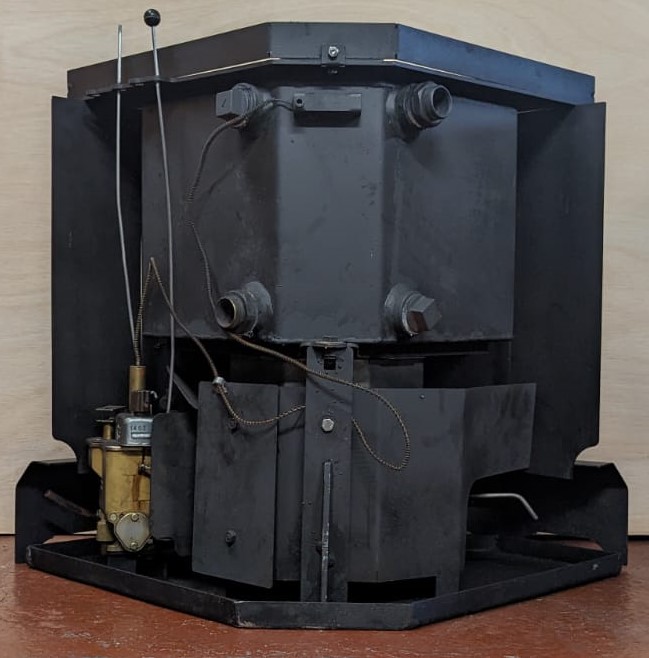
    A Back Boiler on a Bubble boat stove.

    How do Back Boilers Work?

    Back boilers utilise the principle of heat transfer through conduction. As the stove is lit, it begins to generate heat. This heat is conducted through the back boiler coils or heat exchanger. These components are in direct contact with the burning fuel. The coolant within the coils or heat exchangers absorbs the heat. This is circulated throughout the boat and provides a comfortable and consistent source of warmth.


    For quotes and bookings, call or email us here.


    Pumped Back Boiler Systems with Pipe Thermostat Control

    A popular choice for boats, pumped back boiler systems offer good control over boiler temperature and heat distribution. These systems consist of a back boiler, a circulation pump, and a pipe thermostat.

    The circulation pump ensures circulation between the back boiler, radiators, and/or calorifier, maintaining a continuous flow of heated coolant water. The pipe thermostat switches on the circulation pump automatically when the back boiler has reached a set temperature. This ensures that coolant water is circulated when the stove is in use and prevents overheating of the back boiler.

    Pumped back boiler systems provide excellent heat distribution, thanks to the forced circulation of heated coolant water. This type of system is particularly suitable for larger vessels or those with multiple radiators. The pump can effectively deliver heat to different areas.

    Gravity-Fed Back Boiler Systems

    Gravity-fed back boiler systems are another option for heating boats. These systems operate without the need for an electric water pump. Instead, they rely on the force of convection and gravity to circulate heated water.

    Gravity-fed backboilers work in a straightforward manner. As the stove generates heat, hot water rises naturally through the back boiler due to the principle of convection. As hot coolant water rises, cooler coolant water from the radiators flows back towards the stove, creating a continuous flow.

    One significant advantage of gravity-fed back boiler systems is their simplicity and reliability. Since they don’t rely on electrical components, there are no concerns about power outages or mechanical failures. Additionally, gravity-fed systems tend to be more energy-efficient and require less maintenance compared to pumped systems.

    However, it is essential to consider the limitations of these systems. These systems rely on gravity. As a result, they may not provide the same precise control over temperature and heat distribution as their pumped counterparts. They also might not be suitable for larger vessels or those with multiple heating zones. The passive circulation of heated water may not be sufficient to reach every area adequately. They also require part of the pipework to run at a higher level. This makes it more difficult to hide pipes from view.

    Hybrid Systems

    Hybrid systems incorporate a diesel heater or gas boiler into the back boiler system. They offer a versatile solution in situations when only a small amount of heat is required, and running the stove could result in excessive heating of the boat cabin. They can also regulate the temperature at night better, through a room thermostat control on the diesel heater. These systems are especially useful for installations incorporating a calorifier. They allow heating of the calorifier only to produce hot water during the summer months. They also ensure that a backup heat source is available should one of the appliances suffer a breakdown.

    It is advisable to consult with a trained professional to determine the most suitable hybrid heating system for your boat and to ensure it is installed correctly and functions safely.

    Our Back Boiler Stove Range

    At Marine Heating Solutions, we offer a range of stoves with backboilers. Here are some of the models we sell and install:

    • Bubble Diesel and Solid Fuel Stoves and Range Cookers: These 4 to 5kw stoves feature 1kw and 2kw backboilers, making them suitable for medium to large size vessels. The Bubble stoves and range cookers provide both heating and cooking capabilities, ensuring convenience and warmth on your boat.
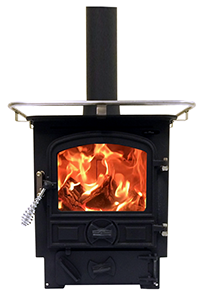
    Bubble Stove
    • Salamander Solid Fuel Stoves and Cooking Ranges with Small Sideboilers: Designed for small to medium-sized boats, the Salamander Hobbit Stove and the Little Range Cooker come with small side boilers that add an extra heating element. They are efficient and compact, ideal for maximising space on your vessel.
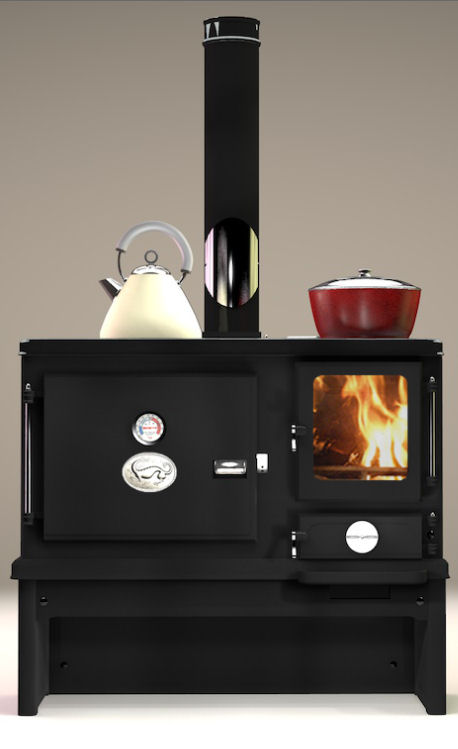
    Salmander Stoves
    • Refleks Diesel Stoves: Our range of Refleks Diesel Stoves offers options for small, medium, and large boats. These stoves are known for their reliability and versatility, providing you with customizable heating solutions based on your boat’s size and heating requirements.
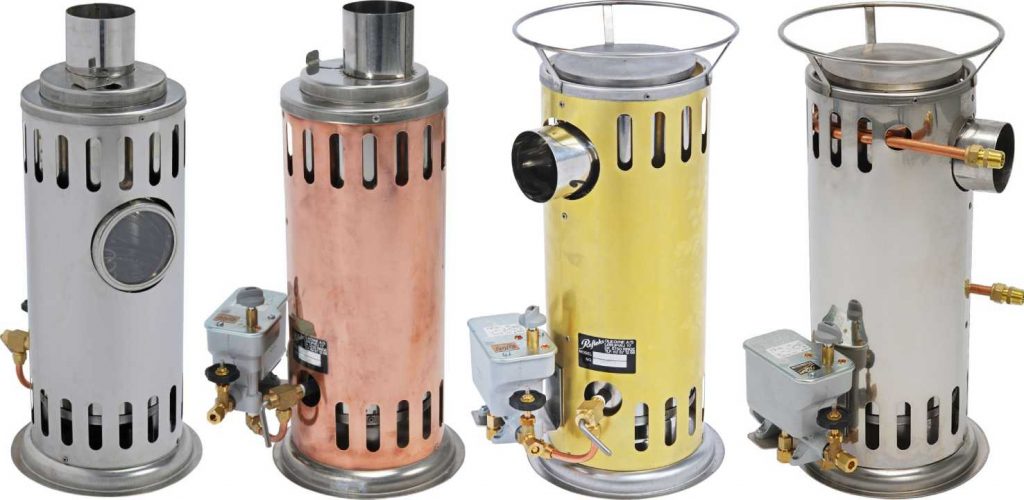
    Refleks Diesel Stove

    Important Safety Considerations

    It is crucial to note that while boat stoves with back boilers offer efficient heating solutions, they can be potentially dangerous. There is an explosion risk if they are installed incorrectly. Therefore, it is highly recommended that the installation of back boiler heating systems be carried out by trained professionals with experience in marine heating systems.

    Boat owners should exercise caution. They should thoroughly check the credentials and qualifications of engineers before booking them to install a back boiler heating system. Hiring a certified professional ensures that the installation is done correctly, adhering to safety regulations and minimising the risk of accidents or malfunctioning.


    For quotes and bookings, call or email us here.

  • The Benefits Of Stainless Steel Twin Wall Insulated Flues For Boat Stoves

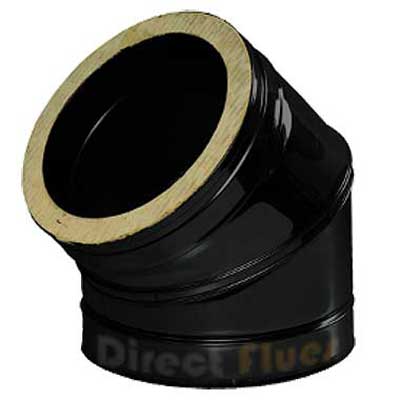
    When it comes to boat stoves, safety and efficiency are of paramount importance. A stainless steel twin-wall insulated flue is an essential component that plays a critical role in achieving both. In this post, we will explore the numerous benefits offered by these innovative flue systems. This post solely focuses on twin-wall flues. For overall stove safety and installation guidelines, please read our blog post on solid fuel stove safety.


    For quotes and bookings, call or email us here.

    twin wall insulated flue black

    Enhanced Safety

    Safety should always be the top priority on a boat, especially when it involves heating systems. Stainless steel twin-wall insulated flues provide superior safety features that minimise the risk of fire hazards. The double-layered design acts as an effective insulation barrier, reducing the temperature on the external surface of the flue. This prevents accidental burns and ensures the structural integrity and fire safety of the surrounding materials. Thus making twin wall flues ideal for use in confined boat spaces.

    Corrosion Resistance

    When it comes to marine environments, using flues made from corrosion-resistant stainless steel is of utmost importance. The constant exposure to high humidity levels can quickly deteriorate and corrode flue systems made from lesser materials. Stainless steel flues, on the other hand, are specifically designed to withstand these harsh conditions. The corrosion-resistant properties of stainless steel ensure the longevity and durability of the flue. This reduces the risk of leaks, structural damage, and subsequent safety hazards. By choosing stainless steel flues, boat owners can have peace of mind. They will know that their heating system remains safe, efficient, and reliable even in the challenging marine environment.

    Improved Efficiency

    Efficiency is a crucial aspect of any heating system, and boat stoves are no exception. Twin-wall insulated flues contribute greatly to the efficiency of boat stoves by maximising heat retention. The insulation layer inside the flue keeps the hot gases hotter for longer. This allows for more effective burn and heat transfer from the stove body to the boat interior. As a result, you can achieve a higher heat output while using less fuel. Less fuel is burned to maintain the correct flue draft. More heat is retained within the stove. Modern stoves are designed with this in mind. Their airwash systems will not function as intended with outdated single-skin flues.

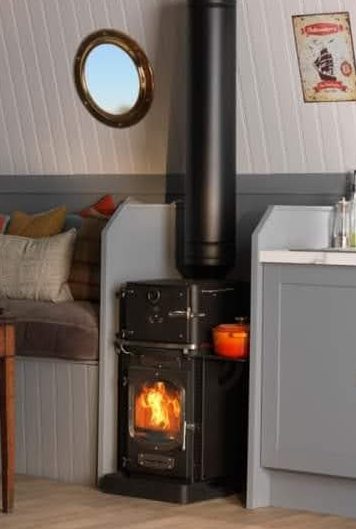
    Boat Stove With Insulated Flue

    Carbon Monoxide Safety

    Twin-wall insulated flues are essential for carbon monoxide safety on boats. They enhance safety for diesel and solid fuel stoves. They achieve this by keeping the flue gases hot. The insulation layer surrounding the flue pipe prevents the gases from losing their heat too quickly. This is important because when flue gases remain hot, they are carried carbon monoxide out of the boat more efficiently. This reduces the likelihood of any backflow or leakage into the living areas. By maintaining the gases at an optimal temperature, twin-wall insulated flues minimise the risk of carbon monoxide buildup in the cabin.

    Versatile Installation Options

    Boat designs can vary significantly, and space constraints are often a concern. Stainless steel twin-wall insulated flues are designed to offer versatile installation options, catering to different boat layouts. These flues are easy to adjust and assemble to fit the specific requirements of your boat. This includes narrowboats, yachts, or any other vessel. This ensures that you can optimise the space available while ensuring the flue system operates efficiently and safely.


    For quotes and bookings, call or email us here.

  • How To Install A Boat Stove

    In this post, we aim to give some general guidance on how to install a boat stove. Many boats on the canals use a stove as their main source of heat during the winter. Most boat owners will at some point need to replace their stove or install a new one from scratch. Needless to say, if you have any doubts or questions at all, seek our professional advice. Our experienced engineers are fully certified for solid fuel and diesel boat stove installations.


    For quotes and bookings, call or email us here.

    Safety First

    Before going into any other details about how to install a boat stove, we need to talk about safety. You can find a whole article on boat stove safety here. Please have a read and familiarise yourself with stove safety before planning an installation on your vessel. The main things to consider are clearances from combustible materials, building a hearth, alarms, ventilation, and fire escapes.

    – Regulations and Guidelines Concerning Boat Stove Installations

    When replacing a stove on your boat is advisable to check the boat safety scheme guidelines. These are more onerous than the current British standard and represent best industry practices. Many old hearths and flue systems are not installed in a way that would be recommended today, and yours may need improving.

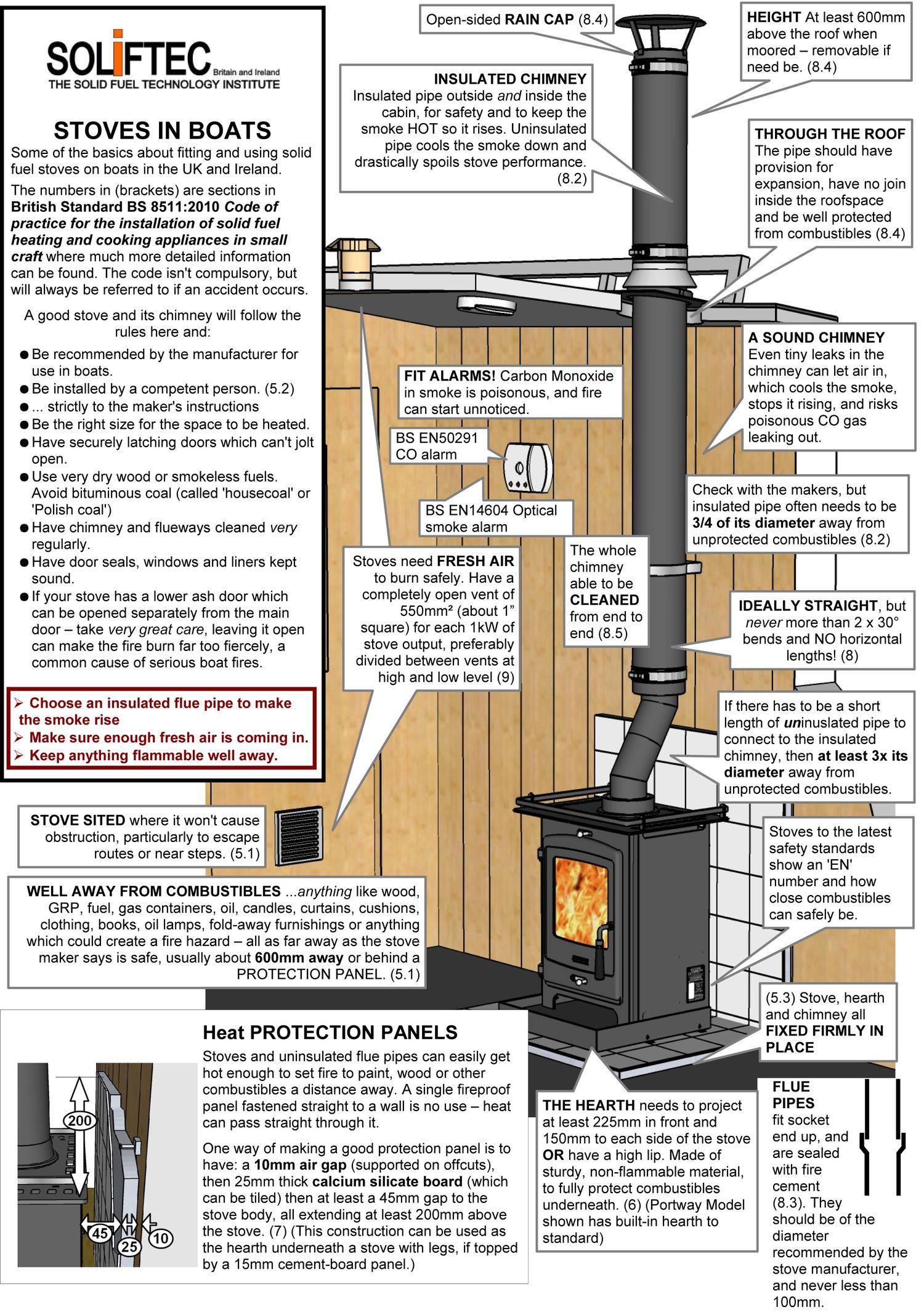
    If you are replacing the stove or flue with a new one, it is necessary to follow today’s standards and it is advisable to follow BSS guidelines. Before you install a new stove on your boat, check the guidance given in the image below. This is supported by the Boat Safety Scheme and is considered best practice.

    How To Install A Boat Stove - Marine Heating Solutions

    Which Stove Is Best For My Boat?

    – Aesthetics

    This is the exciting part of installing a boat stove. A stove is not only for heating. It has a place on your boat that is special. You’ll be spending many winter days looking at it.  Your stove should have the right look for you and fit in with the interior design of your boat. Be careful here. Many stoves for sale in the UK today are unsuitable for boats due to the short flue lengths. Always check with the manufacturer before you buy. All our stoves listed on this website are suitable for boat installation.

    – Location

    When choosing your stove, make sure to check the manufacturer’s instructions. This will give you an idea of the clearances needed for combustible materials and of the ventilation requirements for the boat’s cabin.

    Consider how well the heat will spread through the boat. On a narrowboat, for example, it is better to locate the stove as centrally as possible. It will otherwise be difficult to spread the heat throughout the boat. Even though this can be overcome with radiators fitted to a back boiler, an even heat distribution is preferable.

    Make sure your stove is located with the flue system in mind. A straight flue is preferable. Check for any structural issues where the flue exits through the roof. Make sure clearances from combustible materials and vents on the roof are maintained.

    – Securing Your Boat Stove

    When thinking about how to install a boat stove, you need to make sure it won’t move if it gets knocked. You will need to secure the stove to the hearth, either at the bottom or the rear. Make sure the heart is constructed in a way that this is possible. Most boat stove manufacturers like Bubble, Salamander or Morso will have designed their stoves with this in mind. Some stoves not made primarily for boats may not be suitable.

    Flues For Boat Stoves

    When you are installing a new stove on your boat, the flue needs plenty of consideration. Make sure you check with the manufacturer that the stove is suitable for the short flue lengths that are common on boats. Flues that are installed wrong or are unsuitable pose a serious risk to life and property. Considering fire safety, carbon monoxide risk, and accident prevention should be a priority.

    – Types Of Flues

    In the past, a simple, mild steel tube was used on most stove installations on boats. This is no longer considered good practice. On a new installation, a twin-wall insulated flue is the best way forward.

    How To Install A Boat Stove - Twin Wall Flue

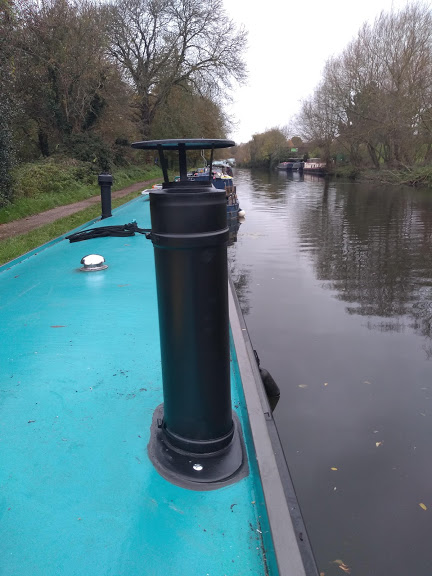
    Modern twin-wall flues are constructed of a material that resists corrosion. This means it won’t become dangerous over time by rusting through, as many of the old flues did. Insulated flues also improve fire safety and prevent injuries from burns. The flue gases in these types of flue stay hotter for longer. This means an improved draft, which promotes a cleaner burn and minimises the risk of carbon monoxide escaping. Make sure you have the correct cowl for your flue type, stove type, and environment. More information can be found in our blog post about twin-wall insulated flues.

    – Securing The Flue

    When choosing a flue system to install on your boat stove, keep in mind which way you are going to secure it. With some systems, like the Morso flue kits, the flue will be secured to the stove spigot and roof collar. Other flues will need to be secured to the wall with a bracket or ceiling plate.

    Make sure that any fittings, such as roof collars and wall brackets, are suitable. On many boats, the roof and walls are angled. This means some flue supports designed for houses won’t work on boats.

    – Flue Location

    The best location for your flue (and stove) is determined by many factors. Most stove manufacturers will specify a minimum length of the flue. This must be adhered to, to ensure there is sufficient draft to clear all the fumes. You must also find a suitable place to cut through your roof, without compromising its strength. The end of the flue will need to keep a minimum distance from flammable materials, vents, and windows. The manufacturer will state these distances in the instructions.

    Installing Diesel Stoves On Boats

    A few brief notes on diesel stove installations on boats. All fuel lines and any day tanks must be secured against movement, clipped down, and protected from accidental impacts. Install shut-off valves at the tank and at the appliance. A fire stop valve must be installed to stop fuel flow in case of a fire. All diesel stoves on boats should have a solid floor beneath them. Minimum thicknesses are stated in the manufacturer’s instructions. Always fit a drip tray to catch any accidental spills.

    Finally

    We hope we have covered most aspects of how to install a boat stove in this article. It is worth repeating that it is best to consult our professional boat stove installers if you have any questions. This is not only a safety concern. Damage to the vessel caused by bad craftsmanship can often be expensive and time-consuming to repair. In addition, many manufacturers will not honour warranty agreements for DIY boat stove installs.


    For quotes and bookings, call or email us here.

  • Complete Plumbing and Heating Services for your Boat

    Since Marine Heating Solution was founded, it has always been our intention to offer complete plumbing and heating services for your boat. From the Summer of 2020, we are rolling out new services and appliance lines. Our aim is to bring all boat plumbing and heating services under one roof.  We will be able to service all your appliances in one call-out, saving you time and money.


    For quotes and bookings, call or email us here.

    This far, we have been offering servicing and installation for solid fuel and diesel stoves and appliances. This work has seen us travel to marinas and caravan parks nationwide. As our name and services become more established, we are also increasing our range of products and skills.

    We will now be offering LPG gas services, as well as fresh, grey, and black water plumbing. Many boats have two or more appliances. Our heating engineers will have the knowledge, professional certifications, and the right type of insurance to work on all of them.

    Complete Plumbing and Heating Services for your Boat

    Boat LPG Services

    Boat LPG services are essential for a heating and plumbing business in the marine industry.  We are always in training to acquire new skills and deeper knowledge relating to our services. We have spent the last 18 months becoming Gas Safe registered. The first step of this was to become licensed for domestic natural gas installations in January 2020. Now, from the end of July, we will also be licensed to work on all domestic LPG installations, including on boats.  We are now also offering a new range of boilers and cookers for sale. These include popular brands like Morco and Thetford, among others.

    Marine Hot and Cold Water Plumbing

    Hot and cold water plumbing requirements are different for every boat. This far, we have been able to install freshwater set-ups. We have also been dealing with hot water systems connected to diesel heaters, engines and solid fuel stoves via a calorifier. From summer 2020, we will also be installing and servicing LPG instant water heaters. This means whatever your needs, we can design, supply and install full hot and cold water systems on your boat.

    Boat Central Heating

    Central heating on boats is most often powered by diesel heaters, such as a Webasto or Planar. Solid fuel stoves with back boilers are also very popular. We have been servicing and installing these systems for many years and will continue to do so. As of this year, we are also licensed to work on LPG central heating for boats.

    Boat Toilets

    We are expanding our complete range of plumbing and heating services for your boat. Now, we also service and install macerators and drop-through pump-out toilets. Additionally, we handle the installation of Cinderella LPG Incinerator Toilets. Have a look at our new product range here. We can also supply waste tanks and anything else that’s needed to install a pump-out toilet on your boat.


    For quotes and bookings, call or email us here.

  • Is Your Boat Stove Safe To Use?

    A post about solid fuel and diesel stove safety on boats.

    Boat stove safety is an important issue for people living on the inland waterways.  At Marine Heating Solutions, we work on boats nationwide. Lately, we have come across some boat stoves which were in shockingly bad condition. Many of these were posing a serious fire and carbon monoxide poisoning risk. This post is aimed to give you an initial idea of what is needed for your boat stove to be safe. We are following Boat Safety Scheme guidelines and best industry practices. Always seek professional advice, if you have any doubts at all.

    So let’s look at some basics like the general condition of the stove, flues, hearths, distance from flammable or combustible materials, and ventilation.


    For quotes and bookings, call or email us here.


    Hearths:

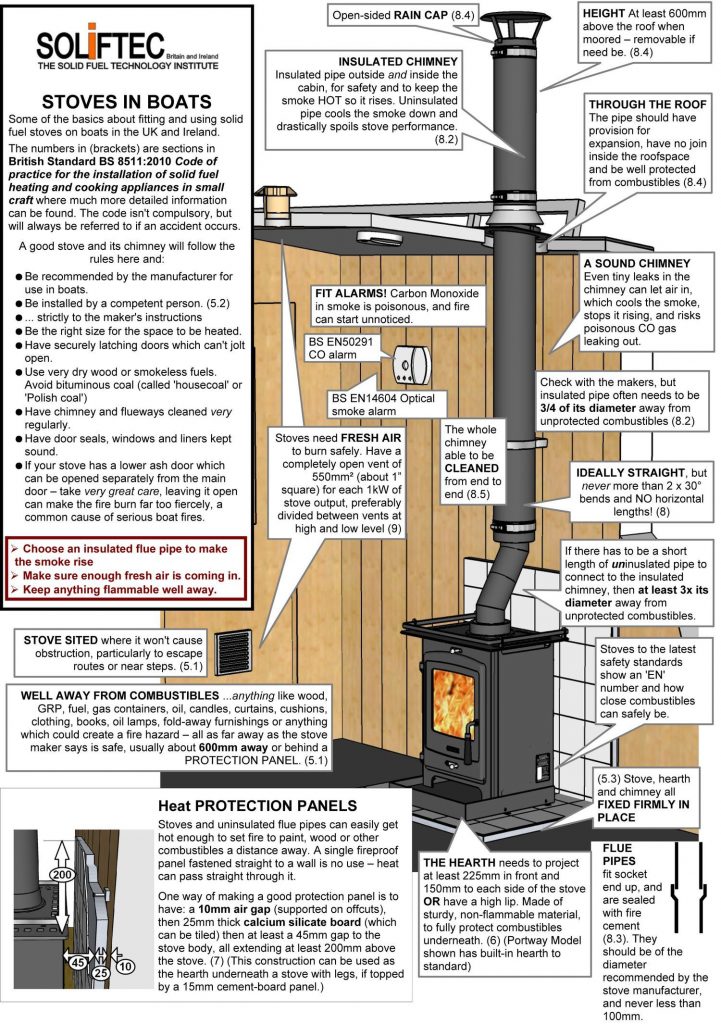
    Hearths are an important part of your boat stove installation and need to be constructed correctly with the right materials.  Heating appliance manuals will normally specify what distances need to be kept from combustible materials. Soliftec – The Solid Fuel Technology Institute gives guidance on how to construct a safe hearth for your stove.

    Solid fuel stove safety

    Generally speaking, the hearth should be made of fireproof materials. Underneath the stove, this can simply be tiles, sheet metal, or other non-flammable materials. Some manufacturers specify a 30mm base. This can be made of a fire board, paving slabs, granite, or other solid materials that don’t transfer heat. Some manufacturers require a 50mm air gap below the base.  Always check the installation instructions, and if in doubt, apply all of the above to ensure your boat stove base is safe.

    Unless specified differently by the manufacturer. Hearth bases should extend at least 150mm to the sides and back of the stove, and at least 225mm to the front.

    Behind the stove and to its sides, the guidelines require fire boards of 25 mm thickness to be fitted. These need to be fixed in a way that leaves at least a 10 mm gap behind the board, preventing heat from being transferred directly onto the boat’s wall panelling. Fire boards can then be tiled or clad in other non-flammable materials.

    If the above is not achievable, please contact us. We sell inherently safe boat stoves that come with built-in hearth and heatshield options. With this type of setup, there is no need to construct a hearth on the boat. Take a look at the Go Eco Adventurer.  It is very economical to run, with up to 50% less fuel consumption, and we offer a free installation on this stove.

    Flues:

    Traditionally, flues for solid fuel and diesel boat stoves were of the single skin type and made from mild steel. However, this has created problems in the past, and accidents have occurred, some of them fatal.  Single-skin flues made from mild steel can rust. This means over time, they can develop holes and gases will escape into the boat. Holes in the flue can be very small to begin with, and the boat owner may not necessarily notice this straight away. Even a small hole can be enough for carbon monoxide and other gases to escape, posing a serious health risk.

    The other problem with single-skin flues is that the gases travelling inside them cool down too fast. Cold gases will not rise well in the flue. All it takes is a windy or wet da,y and the adverse weather conditions can create a backdraft, which will draw carbon monoxide and other gases back into the cabin.

    For this reason, boat stoves should be fitted with stainless steel twin-wall insulated flues. These keep the smoke inside them hot and help gases to rise. Twin wall flue systems also tend to be made from stainless steel or other non-corrosive materials, which means they will not rot and likely won’t have to be replaced for the lifetime of the stove.

    Read the manufacturer’s instructions to check what flue length is required. Many stoves are not safe to use on boats as their design requires a 4.5-meter flue to be fitted. If you find that the stove on your boat is not suitable for short flues, do not be complacent about it. Short flues can lead to carbon monoxide build-up, which can be life-threatening.

    Flues should be cleaned regularly. We recommend having your flue swept at least once a month if you are running the stove daily.

    Ventilation:

    Providing enough ventilation is an important part of any safe boat stove installation. Every solid fuel or diesel stove needs an air supply. As the fire burns, it will consume the air inside the boat’s cabin, which needs to be replaced. There should be a completely open vent of 550mm² for each 1kW of stove output, preferably divided between vents at high and low levels.

    When calculating your ventilation requirements, it is also important to look at any other air-consuming appliances in the boat. These can be gas cookers, boilers, extractor fans, dryers, or anything else that removes air from the boat. All air removed from the cabin needs to be replaced by a vent. If you are unsure, you can check the data sheets of your appliances or contact us for more information.

    General Condition Of The Stove:

    When considering safety, it goes without saying that the stove on your boat should be in good condition. But what exactly does that mean? Your stove should be inspected with its annual service to make sure that the stove body is in good order. There should be no cracks, gaps, or other signs of damage.  The fire brick liner should be intact, and fire bricks should be free of cracks and gaps. The door seals should be attached solidly and make for a tight fit. The boat stove must be securely fixed to the hearth to prevent it from moving.

    If your stove is in poor condition, you may not necessarily need to replace it with all the associated costs. We offer marine appliance refurbishment services and may be able to restore it.

    Finally:

    It is worth noting that this is by no means an exhaustive list, and regulations change all the time. Always use an experienced engineer with proper marine public liability insurance. Engineers should be competent and should hold certificates from HETAS or OFTEC. Certificates must be renewed every 5 years. Always follow the Boat Safety Scheme guidelines and adhere to industry standards. Follow the manufacturer’s instructions to ensure your boat stove is as safe as it can be.

    Make sure that you have functioning carbon monoxide and smoke alarms. These should be tested at least once a month. Alarms should be suitable for boats and labelled BS EN 50291-2 for carbon monoxide alarms, and BS EN 14604:2005 for smoke alarms


    For quotes and bookings, call or email us here.


  • An introduction to Marine Heating Solutions Ltd.

    No more cold boats with Marine Heating Solutions

    We are Marine Heating Solutions Ltd, a marine business specialising in boat heating and plumbing. A cold boat is an unhappy boat, but your boat doesn’t have to be cold in winter. Our team can help extend the enjoyment you get from your vessel throughout the winter season.


    For quotes and bookings, call or email us here.


    Formed by directors of Floating Boatyard, Marine Heating Solutions brings our considerable marine experience to the boat heating sector. Our boat stove fitters, diesel heating engineers, and marine LPG engineers are experienced tradesmen who will work with you to get the right solution for your vessel.

    Introducing Marine Heating Solutions - No more cold boats in the winter.
    Even wintery days like this can be cruising days with the help of Marine Heating Solutions Ltd.

    Our background

    Marine Heating Solutions Ltd. was formed in 2018 by passionate liveaboard boaters. The directors had the aim of ensuring no boat was cold and damp during the winter season. They experienced harsh weather during the Beast from the East of Spring 2018, and many previous winters also presented challenges. It became apparent that boat owners were having real difficulty finding reliable, safe, and competent marine heating engineers.

    Our aims – no more cold boats

    Living with a cold boat, even for just a weekend, has dramatic effects on the comfort and the safety of the crew. When the crew are tired and exhausted from being on a cold boat, mistakes are more likely to happen. Even gentle, inland waterways can be difficult territory during the winter. Ice forms on the narrowboat gunwales, and locks become slippery and dangerous. Keeping your wits about you is essential, which is why a warm cabin to recuperate is important. On sailing vessels, too, it is possible to provide cockpit heating. This keeps fingers and toes defrosted enough to safely handle lines and walk around the boat.


    For quotes and bookings, call or email us here.