Marine Heating Solutions

Category: Diesel Boat Cooker Installations

Diesel Boat Cooker Installations
Introducing our Diesel Boat Cooker Installations category, where our experienced team provides unparalleled knowledge and expertise in delivering top-notch cooking solutions for your boat. We offer a full range of services, including the sales, professional installation, dependable repairs, refurbishment, and ongoing maintenance of diesel cookers. Our dedication to quality and customer satisfaction ensures that each installation is performed with exceptional attention to detail, allowing you to savor delightful meals in the comfort of your marine environment. Rely on us for all your diesel cooking needs and experience unmatched service and proficiency.


Is a diesel cooker right for my boat?
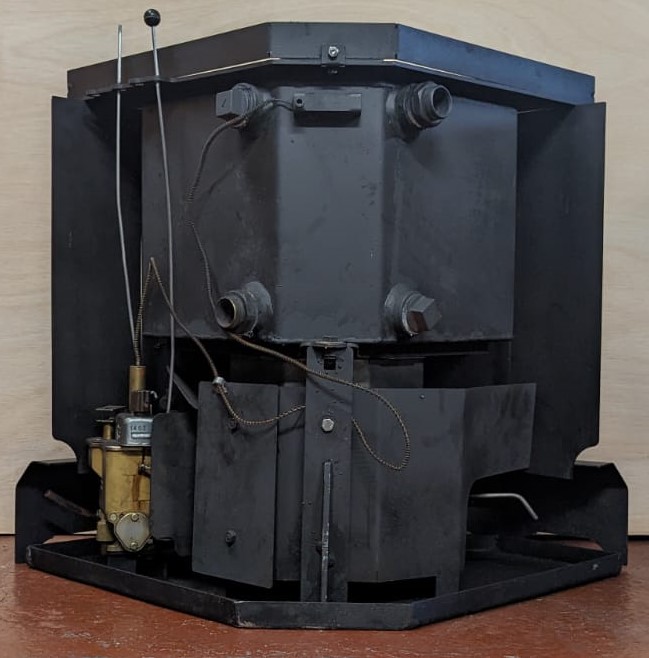
Diesel boat cookers are ideal for installation on a variety of boats. One major advantage is that they do not need a separate fuel storage and supply system, as most boats are equipped with a diesel engine. This allows the cooker to easily tap into existing fuel lines. Additionally, diesel cookers are highly versatile and can effectively heat the cabin during winter months. Some manufacturers, such as Wallas, provide blower lids that enhance heat distribution. While these appliances may take slightly longer to heat up, they require regular professional maintenance to ensure optimal performance.


Take a look at the diesel boat cookers we offer for installation:


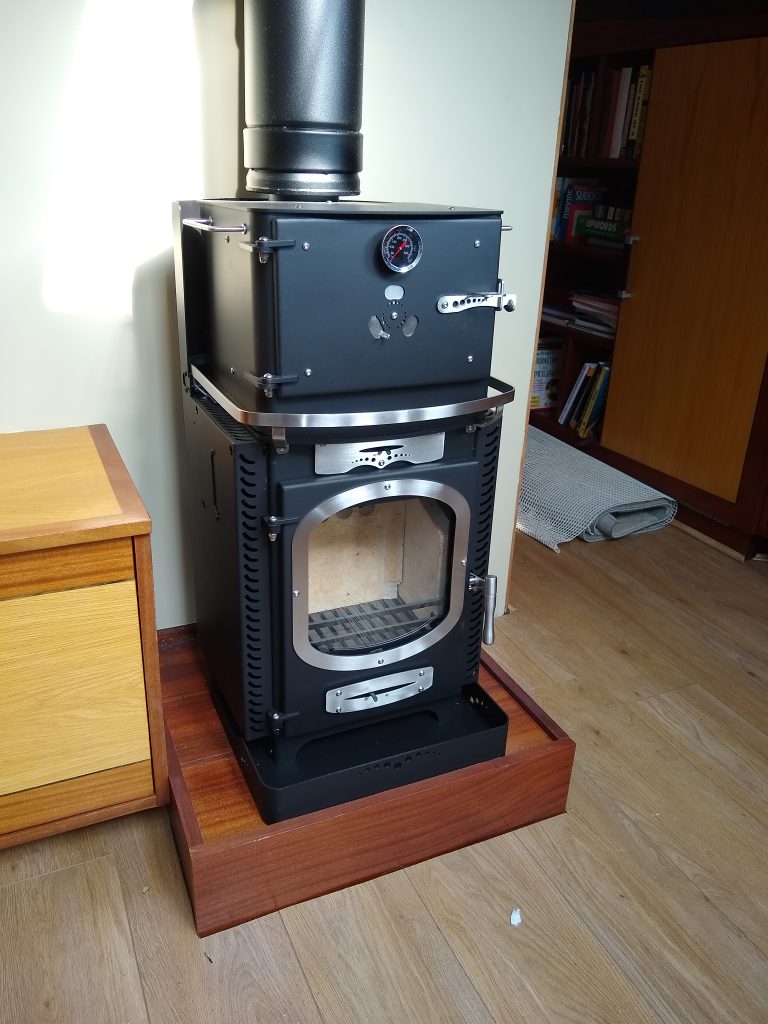
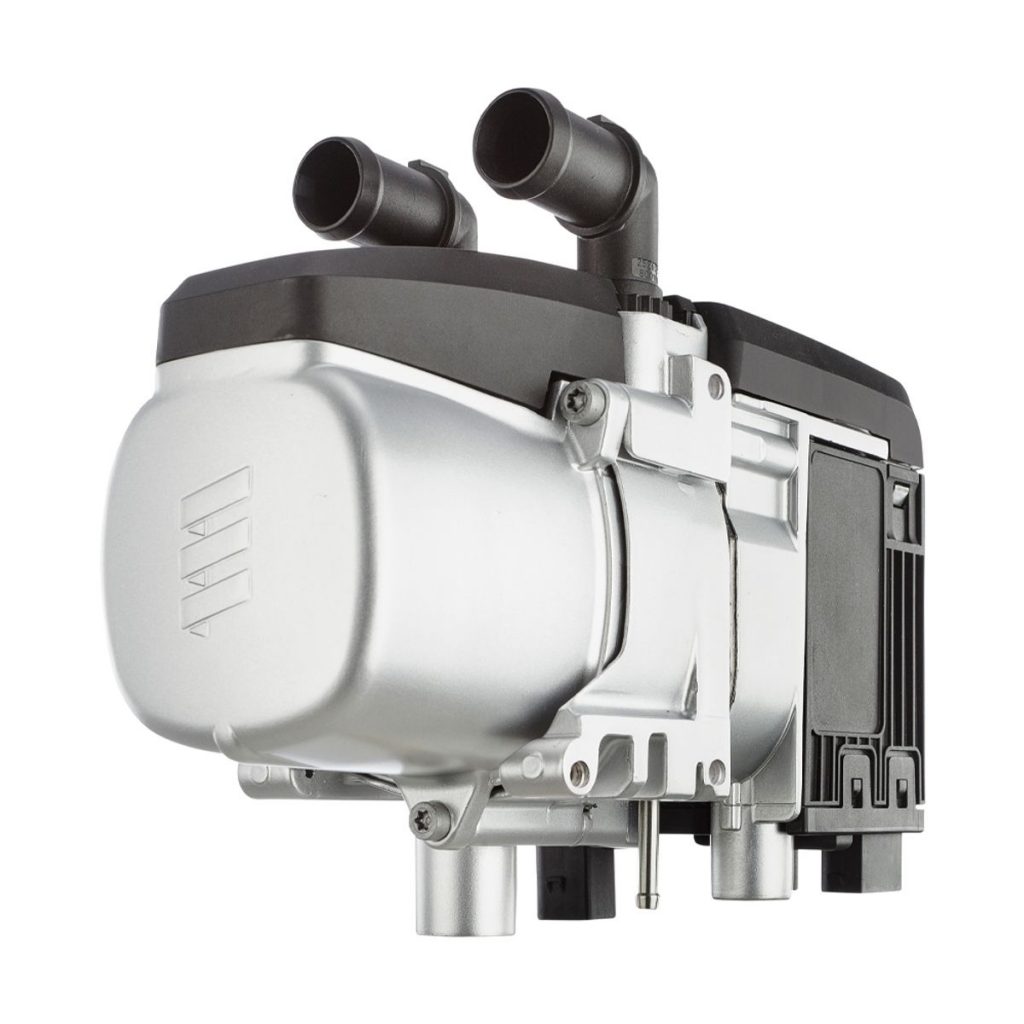
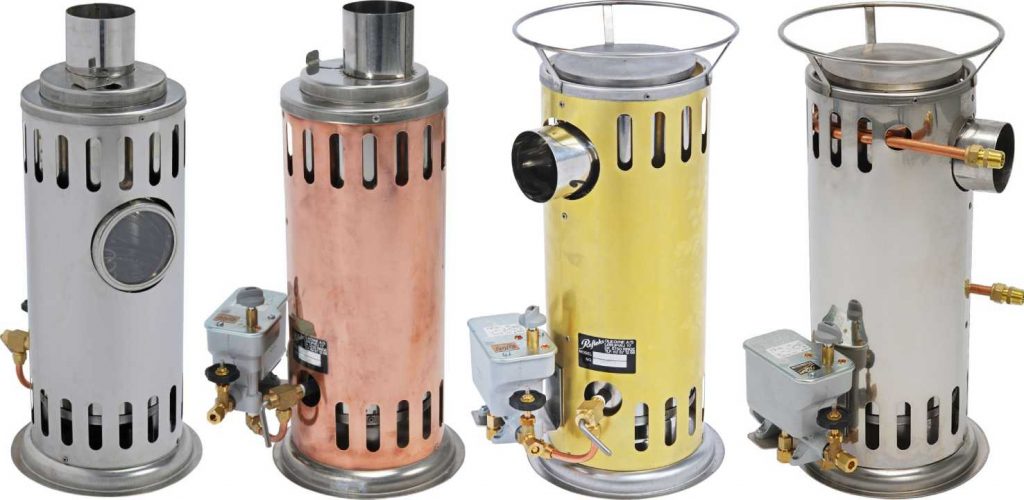
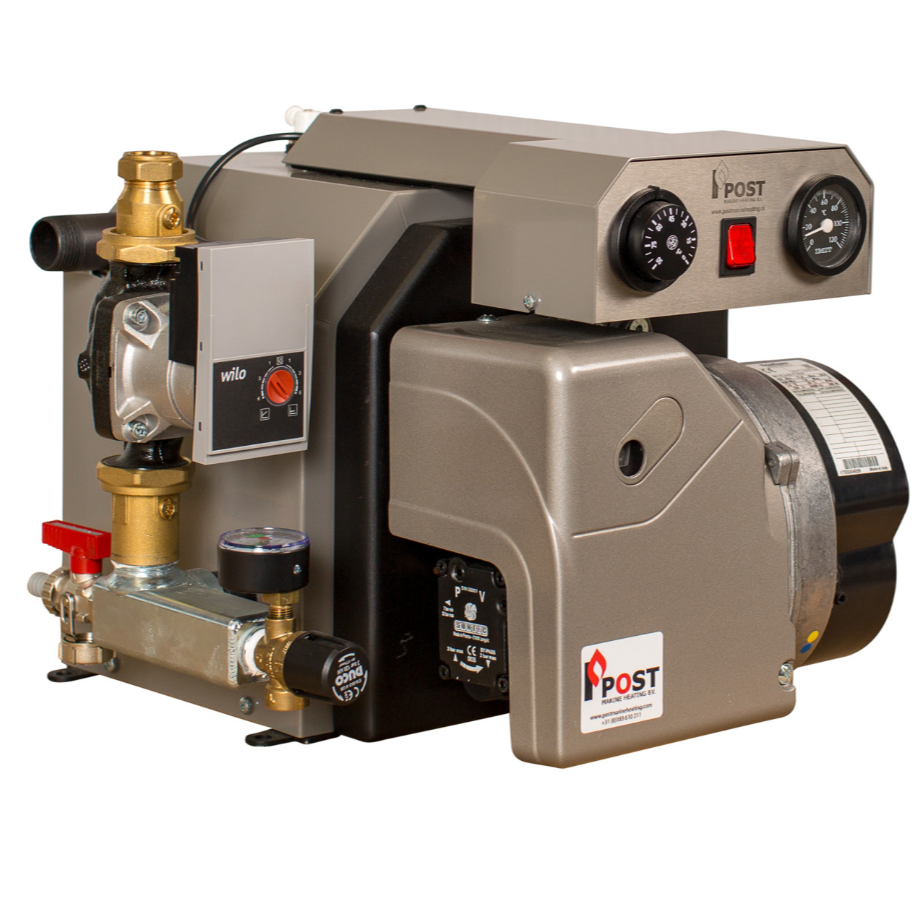
Wallas

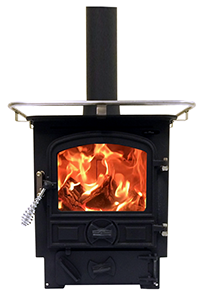
Dickinson

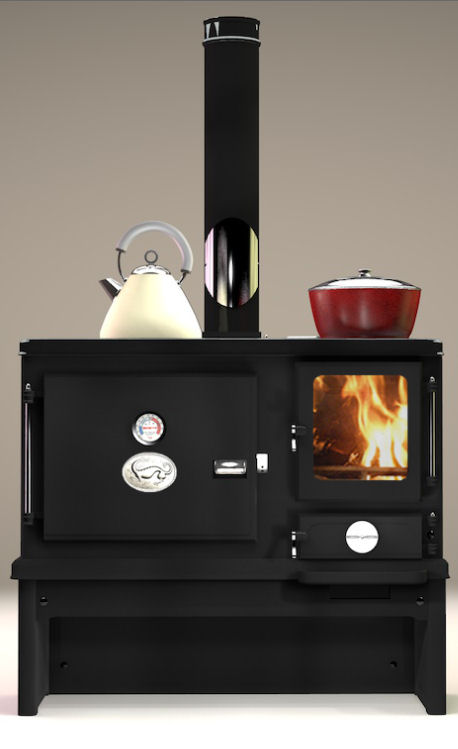
Bubble

Franco Belge


For quotes and bookings, call or email us here.

  • Canal Boat Heating: Essential Guide for Reliable Warmth

    Keeping your canal boat warm is about creating an amazing, reliable heating system built for life on the water. Ultimately, the best setups, whether a modern diesel central heating system or a classic solid fuel stove, are designed for the marine environment. The key to staying safe, efficient, and cosy all year round is getting the supply and installation handled by a professional. In short, we provide a service you can trust.


    For quotes and bookings, call or email us here.


    Why Professional Canal Boat Heating Is Essential

    Life on the UK’s canals is a special experience. Consequently, it gives you freedom and a connection to nature. But the British climate means dependable warmth is not a luxury. In fact, it’s fundamental to making your narrowboat a proper home, especially during winter. A boat simply isn’t a house. In particular, it has unique challenges like tight spaces and dampness. This is why domestic heating solutions are unsuitable and unsafe. Consequently, our expertise is invaluable. We specialise in systems built for the demands of canal boats and barges.

    The Importance of Our Expert Supply and Installation

    Picking the right heater is only half the story. Indeed, professional installation guarantees its performance and your safety. Our certified engineers have the know-how for fiddly boat interiors. Therefore, we ensure every component meets strict Boat Safety Scheme (BSS) standards.

    By trusting us with your heating, you’re getting:

    • Safety First: Our installations are fully compliant with marine safety regulations. This drastically reduces risks like carbon monoxide leaks.

    • Top-Notch Performance: We carefully select and fit systems that are right for your boat. As a result, you get the most heat from every drop of fuel.

    • Long-Term Reliability: A professional job prevents common pitfalls. Ultimately, this gives you real peace of mind on the water.

    A well-heated boat is transformed from a summer plaything into a year-round home. It’s all about creating a safe, warm, and inviting space you can retreat to, no matter what the weather is doing outside. Proper canal boat heating is the cornerstone of comfortable liveaboard life.

    Our Heating Solutions at a Glance

    Here’s a quick overview of the key heating options we provide for UK narrowboats and canal boats.

    Heating System Type

    Best For

    Key Benefit

    Diesel Central Heating

    Liveaboards needing consistent, whole-boat warmth and hot water.

    Provides even, radiator-style heating and can heat your water calorifier.

    Solid Fuel Stoves

    Creating a cosy, traditional focal point and a dry, ambient heat.

    Offers a classic aesthetic and a very comforting, radiant warmth.

    Diesel Air Heaters

    Smaller boats or those needing quick, direct heat for specific areas.

    Fast to warm up a space and relatively simple to install.

    Gas Central Heating

    Boaters who want clean-burning, controllable, on-demand heating.

    Fast and responsive, offering instant heat when you need it.

    Each of these systems has its place. In truth, the right choice depends on your boat and how you use it. Investing in our professionally fitted system is the best way to protect your boat. To lock in warmth, consider adding measures like thermal window blinds. They work brilliantly with your main heating system. In conclusion, we provide a complete solution, from heater selection to final safety checks. We ensure your life afloat is always warm and welcoming.

    Choosing Your Ideal Canal Boat Heating System

    Deciding on the right heating for your canal boat is a big deal. It stands between you and the damp chill of a British winter. Furthermore, it directly impacts your comfort, safety, and enjoyment of life afloat. That’s why getting a top-quality, marine-grade appliance installed by our certified professionals is the best investment you can make. We specialise in fitting the finest heating solutions available. Our focus is on durability, efficiency, and reliability. For this reason, we’ve hand-picked a selection of premier appliances from the best manufacturers. We ensure you get a system that’s a perfect match for your boat.

    Our Premier Diesel Fired Central Heating Systems

    If you’re after consistent, programmable warmth, our modern diesel-fired central heating systems are perfect. Think of them as a home boiler, but for your boat. They simply tap into your diesel tank to heat water. This then flows through radiators placed where you need them. The result is a wonderfully even and dry heat throughout the cabin. The real beauty of these systems is the total control they give you. For example, thermostats and timers let you wake up to a toasty boat. Better yet, they can be linked to a calorifier, giving you lots of hot water.

    Our range of diesel heaters offers a brilliant blend of modern convenience and powerful performance. They are exceptionally quiet, sip fuel, and are built to meet strict environmental standards. This makes them a superb choice for full-time liveaboards and long-distance cruisers alike.

    We’re proud to stock and install systems from leading names in marine engineering. This guarantees your canal boat heating is effective and tough.

    The Timeless Appeal of Our Solid Fuel Stoves

    Of course, many boaters love the vibe of a real fire. If that’s you, our selection of solid fuel stoves is second to none. A stove provides a comforting, radiant heat that becomes the heart of the cabin. Moreover, it’s a dependable, off-grid heat source that needs no electricity. We supply all sorts of models. We have compact stoves for narrowboats and powerful units for widebeams. Every stove we offer is designed for marine use. They come with secure fastenings and compliant flue systems to ensure your safety. When weighing up options, it helps to see the bigger picture. For instance, a comprehensive boiler buying guide can offer useful general insights.

    To help you decide, we’ve put together a simple table comparing the main features of the heating systems we supply and install. This should give you a clear, at-a-glance overview to help you make an informed choice for your vessel.

    Comparing Our Premier Canal Boat Heating Appliances

    Appliance Type

    Typical Fuel

    Heat Output

    Our Expert Recommendation

    Diesel Central Heating

    Diesel

    High & Consistent

    Ideal for larger boats, liveaboards, or those wanting programmable, whole-boat heating and hot water.

    Solid Fuel Stove

    Wood, Coal, Briquettes

    Radiant & Cosy

    Perfect for creating a warm focal point, off-grid reliability, and a traditional canal boat atmosphere.

    Ultimately, both options provide excellent heat. They simply suit different lifestyles and priorities. Our job is to help you figure out which one is right for you.

    Making the Right Choice With Our Expert Guidance

    Navigating all the options can feel overwhelming. Factors like your boat’s size and insulation play a huge part. That’s exactly why our experts are here. They give clear, honest advice tailored to your boat and your needs. We don’t just sell appliances; we deliver complete, professionally engineered heating solutions. First, we’ll assess your vessel and discuss how you use it. Only then do we recommend the perfect fit. You can view our complete collection of top-quality boat heating systems for sale. In the end, our goal is simple. We want to make sure your investment keeps you warm for years to come.

    The Evolution of Narrowboat Comfort
    Canal Boat Heating - The Evolution of Narrowboat Comfort

    The story of canal boat heating is the story of leisure boating in the UK. What began as a basic feature has transformed into sophisticated systems. As a result, this has completely changed life on the water. Back in the day, the only warmth came from a simple solid fuel stove. It cooked meals and dried wet clothes. For generations of boaters, that was all they had. But then, everything changed. As canals shifted to peaceful holiday escapes, people’s expectations shot up. They wanted a proper home afloat that was warm and comfortable. This demand sparked a revolution in marine heating.

    From Basic Burners to Modern Central Heating

    The real game-changer was the boom in leisure boating from the 1960s. As purpose-built narrowboats appeared, so did modern amenities. While commercial traffic faded, the 60s saw the first holiday boats. These had central heating, hot water, and proper kitchens. Today, the UK’s waterways are bustling with over 35,000 boats. Many feature the kind of advanced canal boat heating we specialise in. You can read more about this transformation in the fascinating history of canal boat holidays. This era brought in technologies adapted for a boat’s unique challenges. Ultimately, these breakthroughs paved the way for the reliable, efficient systems we have today.

    • Early Innovations: The first diesel and gas heaters offered a new choice. Consequently, they gave boaters more controllable warmth.

    • Central Heating Revolution: Then came the compact, diesel-fired boilers. Suddenly, you could have radiators throughout the boat

    • Safety and Efficiency: As performance improved, so did safety standards. For example, modern systems have automatic shut-offs and clean-burning tech.

    Staying at the Forefront of Canal Boat Heating

    Here at our company, we’re proud to be part of that ongoing story. We know a reliable heating system is the heart of a comfortable boat. For this reason, we focus only on supplying and installing the most advanced kit.

    Investing in a modern, professionally installed system is one of the most significant upgrades a boat owner can make. It elevates a vessel from a simple cruiser to a true year-round home, unlocking the full potential of life on the UK’s beautiful waterways.

    Our goal is simple. We aim to provide a canal boat heating solution that’s a perfect match for you. Whether you want the convenience of diesel central heating or the charm of a solid fuel stove, our expert team will deliver a flawless installation. In short, we bring together canal heritage with the best of today’s technology. We make sure your time on the water is always warm and safe.

    Our Professional Canal Boat Heating Installation

    A top-of-the-range heater is only as good as its fitting. This is especially true on a narrowboat, where space is tight and safety is everything. Our expert installation service is the heart of what we do. Subsequently, we make sure your new canal boat heating system works perfectly from the start. Choosing us means you’re not just buying a heater. You are investing in complete peace of mind. We take care of every last detail. Therefore, we turn a complex job into a stress-free experience for you. This dedication is why boaters up and down the country trust us.

    The Consultation and Vessel Survey

    It all starts with a proper chat and a detailed survey of your boat. We come to you, wherever you’re moored, to get a real feel for what you need. During our visit, we’ll look at your boat’s layout. Additionally, we check the insulation and assess your power systems. This first step is absolutely vital. It allows our engineers to recommend the perfect heating solution. From there, we can plan the installation with precision. We figure out the best spots for the heater, radiators, and pipework.

    Meticulous Installation by Certified Engineers

    Our team is made up of certified marine engineers. They have spent years working on the UK’s inland waterways. They know the challenges that come with fitting systems into narrowboats. Because of this, every job is done with exceptional care and skill.

    We make sure every part of your canal boat heating is installed to the highest standard:

    • Secure Fuel Lines: We carefully route and secure all fuel lines. We use proper marine-grade materials to stop leaks.

    • Expert Pipework: All pipework for a central heating system is planned to spread heat evenly. It also fits discreetly into your boat’s interior.

    • Safe Electricals: Every electrical connection is made to handle the damp marine environment. This protects against moisture for safe operation.

    This focus on the small things ensures your system is built to last. For example, when we install a unit like a popular boat diesel stove, we make doubly sure its flue and fuel supply are integrated perfectly.

    “We had a new diesel heater fitted by this company and the whole experience was fantastic. The engineer was incredibly knowledgeable and tidy, and the installation was flawless. For the first time, our boat is genuinely warm all winter. I can’t recommend them highly enough.”
    – Anne T., Narrowboat ‘The Bandit’

    Adherence to Boat Safety Scheme Standards

    Safety is our number one priority. Every single installation we carry out follows the Boat Safety Scheme (BSS) requirements to the letter. Our engineers aren’t just installers. They are also highly familiar with marine safety regulations. This means we check every aspect of the job meticulously. From fitting the exhaust flue correctly to ensuring combustion air requirements are met, we leave nothing to chance. When you use our service, you’re guaranteed a system that’s fully compliant and safe.

    Final Commissioning and Handover

    The job isn’t done until we’ve commissioned the system. Once the installation is finished, we don’t just pack up and disappear. Our engineer will fire up the system and run a full set of tests. In addition, we ensure it’s operating at peak efficiency. We’ll then walk you through how to use the controls. We will also give you simple instructions on getting the most out of your heater. Finally, we’ll share essential maintenance tips to keep it running sweetly. Our professional installation service gives you more than just warmth. It gives you certified safety and long-term reliability.

    Maintaining Your System for Peak Performance
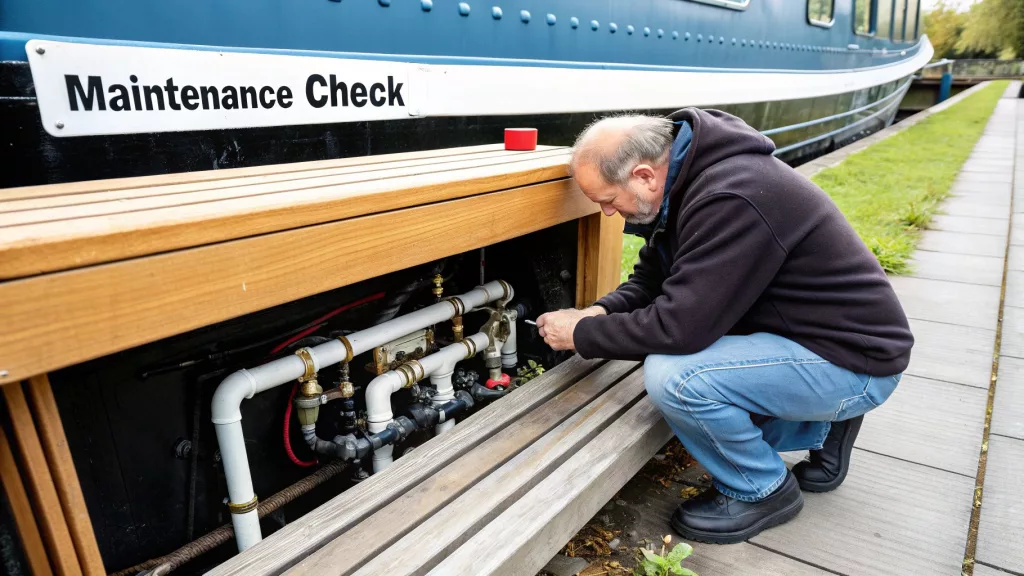
    Canal Boat Heating Maintenance Checks

    Getting your canal boat heating system professionally installed is the first step. Next, keeping it in prime condition is essential for its longevity. Consistent, expert maintenance ensures you stay warm, safe, and comfortable. This is especially true during harsh UK winters. Ignoring your heater’s upkeep can lead to a drop in performance. Worse, it could cause a complete breakdown when you need it most. It also hurts your system’s efficiency. Consequently, you could be burning through more fuel than necessary. Our professional maintenance packages are designed to catch these problems before they start. Letting our qualified technicians look after your system is a smart investment.

    The Importance of Annual Servicing

    We can’t stress this enough: an annual service for any canal boat heating system we install is vital. Think of it as an MOT for your heater. In short, it’s a critical check-up that guarantees everything is running safely. A yearly service, ideally before the cold weather bites, is the best way to ensure reliability. Our certified marine engineers carry out a thorough inspection. They look at all the vital components of your heating setup. This proactive approach catches minor issues before they escalate. It means you can cruise the waterways with confidence.

    Our comprehensive service covers several key tasks:

    • Burner and Combustion Chamber Cleaning: We meticulously clean these parts to guarantee an efficient burn. This directly improves your heat output.

    • Fuel Filter Checks: Clogged filters can starve your heater of fuel. Therefore, we inspect and replace them as needed.

    • Flue System Inspection: A clear and secure flue is non-negotiable for safety. So, we check for blockages and ensure its integrity.

    • Electrical Connection Review: We go over all the wiring and connections. We make sure they remain safe and secure in the marine environment.

    “I’ve relied on the annual service plan for my narrowboat’s diesel heater for three years now. The engineer is always professional, thorough, and happy to answer any questions. Knowing my system is safe and efficient gives me complete peace of mind through the winter.”
    – David R., NB ‘The Heron’

    Protect Your Investment and Stay Safe

    In the end, professional maintenance is about much more than just staying warm. An improperly maintained heater can pose a serious safety hazard. For instance, the risk of carbon monoxide poisoning is critical. Our engineers are trained to spot subtle signs of wear and tear. Regular servicing also protects the investment you’ve made in your canal boat heating.

    By keeping it in peak condition, you extend its working life. Over the long run, that saves you real money on fuel costs. Proper care is also a key part of getting your boat ready for the colder months. You can find more advice in our guide on how to winterise your boat. Get in touch with our team today to learn more about our servicing packages. Let us handle the technical side, so you can relax and enjoy a perfectly warm boat.

    Thinking Ahead: Future-Proofing Your Onboard Heating

    The world of marine technology never stands still. Furthermore, there’s a growing push towards greater efficiency and sustainability. As specialists in canal boat heating, we’re always looking ahead. We ensure our customers have access to the most advanced ways to stay warm. For us, this means sticking with proven, reliable technologies. We also keep a sharp eye on new developments that show real promise. Our commitment is simple: offer the best heating options available today that are ready for tomorrow. This is why we focus on highly efficient diesel heaters and smart control systems. These modern kits are engineered to give you maximum warmth. They also keep their environmental impact and your running costs as low as possible.

    Embracing the Next Wave in Canal Boat Heating

    Looking down the cut, the drive for greener energy is shaping the future. While we stand by well-tested systems, we are watching emerging technologies. These advancements promise even greater efficiency and independence for boaters. If you’re thinking about the long-term sustainability of your life afloat, it’s worth diving into what’s possible. Exploring comprehensive guides to sustainable off-grid solar power can open your eyes to managing your boat’s total energy needs. This includes powering vital parts of your heating system. This kind of holistic approach is becoming crucial for the modern liveaboard.

    Water Source Heat Pumps: A Glimpse of What’s to Come

    One of the most exciting solutions for canal boat heating is the water source heat pump. These systems are clever, using the canal water as a heat source. A fantastic example is the ‘Sabrina 5’ canal barge, where a heat pump was installed to pull heat directly from the dock water. Water is a brilliant medium for transferring heat. This makes these systems highly efficient for providing constant warmth. You can read up on the details of this pioneering canal boat heating installation.

    While this is still an emerging technology for the wider canal boat community, projects like this really showcase the potential for truly sustainable heating. We see our role as bridging the gap between today’s reliable solutions and tomorrow’s possibilities, making sure our clients are always at the forefront of comfort and efficiency.

    Ultimately, our focus is on providing you with a robust, effective heating system. It must serve you brilliantly right now and be aligned with where things are headed. By choosing one of our expertly installed appliances, you’re not just buying a heater. You’re investing in a durable solution that keeps your boat warm and safe.

    Canal Boat Heating Questions Answered

    Choosing the right heating for your boat throws up a lot of questions. It’s a big decision, and you want to get it right. So, we’ve put together some of the most common queries we get from boat owners just like you. Our team of certified engineers has seen pretty much everything. So, we understand the unique challenges you face. Let’s dive into some key topics to give you clarity.

    What is the most efficient way to heat a narrowboat?

    For most boaters, a modern diesel-fired central heating system is the best choice for efficiency. These systems give you consistent, thermostatically controlled heat right through the boat. Better yet, they can also heat your hot water. All of this runs from your main diesel tank. In addition, they’re highly efficient and meet modern emissions standards. This makes them a fantastic, reliable option for canal boat heating. For a deeper dive, read our comprehensive guide to boat diesel heaters.

    How often does my canal boat heating system need to be serviced?

    We always recommend an annual service for any heating system. This should be done ideally before the cold weather sets in. Think of it as a pre-winter health check. Regular servicing by our qualified engineers is about more than just preventing a breakdown. Crucially, it’s vital for safety. For example, we check for carbon monoxide risks and ensure your system is in top-notch condition.

    Is professional installation necessary for my new heater?

    100% yes. We can’t stress this enough. Professional installation is vital for both your safety and the heater’s performance. Our certified engineers make sure your system is fitted correctly to meet all Boat Safety Scheme (BSS) requirements, which covers everything from fuel lines and wiring to the exhaust fitting. It’s the only way to guarantee safe operation and protect your investment.

    Finding the right people to help with your canal boat heating is a massive part of enjoying life on the water. We don’t just sell top-tier heaters. Instead, we provide the expert installation and maintenance to back them up. Your comfort and safety are what drive us. And we’re committed to delivering solutions that last.

    For expert advice on all your heating needs, from selecting the perfect appliance to ensuring a safe, professional installation, contact our team. Let our certified engineers provide the warmth and peace of mind you deserve.


    For quotes and bookings, call or email us here.
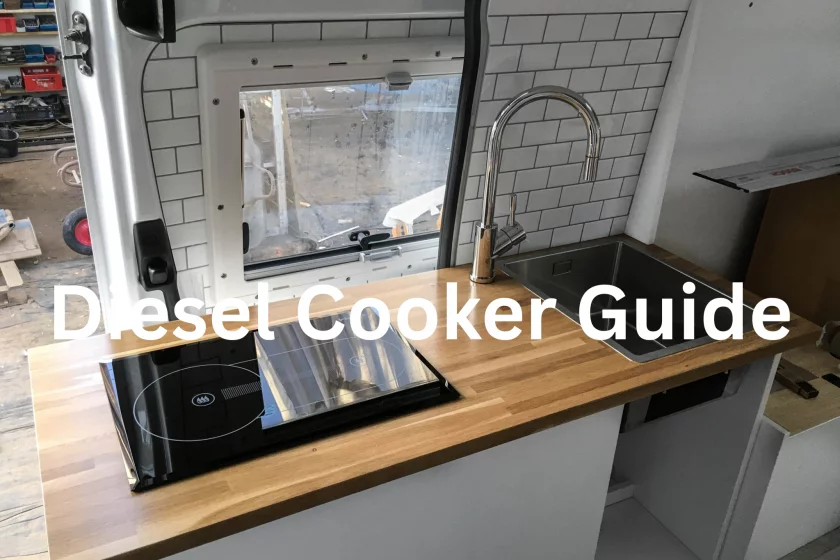

  • Campervan Diesel Cooker: Unlocking a Superior Galley Experience

    Campervan Diesel Cooker: Unlocking a Superior Galley Experience

    Imagine a life on the road, but without the hassle of gas bottles. A campervan diesel cooker offers just that. It is a modern upgrade for your galley. Furthermore, it sips fuel directly from your van’s main tank.


    For quotes and bookings, call or email us here.

    Why a Diesel Cooker Is a Better Galley Choice

    Whether you’re navigating the UK’s stunning scenic routes or camping under the stars, self-sufficiency is key. Consequently, many in the campervan community are moving away from LPG systems. We hear it often from our clients that they worry about gas running out while cooking dinner.

    A diesel hob is a powerful and elegant answer to that problem.

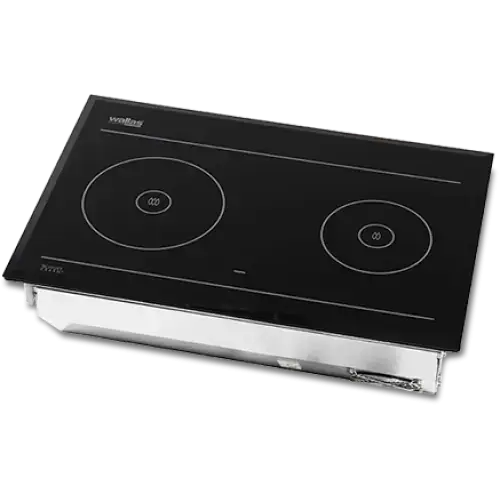
    Wallas 88DU Campervan Diesel Cooker
    Wallas 88DU Campervan Diesel Cooker

    As specialists, we have spent years supplying and professionally fitting these brilliant kits. Therefore, we have seen firsthand how they perform. We understand the unique challenges that come with life on the move.

    The Benefits of a Gas-Free Galley

    Making the switch to a diesel cooker is not just about convenience. In fact, it’s a major step up in safety and efficiency for any mobile home. The most obvious win is removing a significant combustion risk from your living space.

    But the advantages don’t stop there:

    • Unmatched Convenience: Your fuel comes straight from the main diesel tank. This means you only have one fuel source to manage.
    • Enhanced Safety: A professionally installed diesel cooker has a sealed combustion chamber. All exhaust fumes are vented safely outside.
    • Superb Efficiency: These modern hobs use a tiny amount of fuel. As a result, they are a very cost-effective way to cook.

    This move towards integrated systems is certainly catching on. In the UK, diesel is a reliable fuel source for the inland waterway and caravan sector. Tapping into that same fuel for cooking is simply the next logical step.

    Ultimately, opting for a campervan diesel cooker is an investment. It is an investment in a simpler, safer, and more dependable journey. For those of you on the water, you can find similar benefits in our guide on choosing a boat diesel stove.

    How Does a Campervan Diesel Cooker Work?

    Have you wondered how this clever kit brings powerful cooking into your boat? A campervan diesel cooker is like a mini, high-tech heating system for your galley. The whole process is clean and incredibly safe when installed by a professional.

    First, it draws a tiny amount of fuel from your boat’s main diesel tank. Immediately, that is a huge plus. The fuel is then atomised and ignited inside a sealed combustion chamber.

    This self-contained burn creates a steady, controllable heat. The heat is then transferred directly to the sleek ceramic hob. The result is instant cooking power at your fingertips.

    A Sealed System for Your Safety

    The most important part of this design is how it keeps you safe. Unlike a typical gas cooker, a properly fitted campervan diesel cooker keeps combustion products separate from your living space.

    Here’s a simple breakdown of what that means for you:

    • Sealed Combustion: The actual burning of fuel happens inside a secure chamber.
    • External Exhaust Venting: All exhaust fumes are immediately and safely piped directly outside.

    This system means you get a clean, fume-free environment. You get the benefits of a powerful hob without risks. It’s a key reason these cookers are becoming the go-to choice.

    Why Professional Expertise Is Essential

    Understanding the theory is one thing. However, getting the installation spot-on is another. This is where our experience becomes your biggest asset. We do not publish DIY guides for these systems. A perfect, secure installation is critical for performance and your safety.

    Our certified technicians live and breathe these systems. We ensure every installation is flawless, secure, and meets the highest UK safety standards. Consequently, this gives you total peace of mind.

    Our team has fitted diesel cookers into everything from compact narrowboats to horseboxes. We handle everything, from precise fuel line connections to correct exhaust routing. This ensures your campervan diesel cooker runs efficiently and safely. When you trust our professionals, you can just relax and enjoy your new galley.

    Our Premier Campervan Diesel Cooker Models

    Picking the right cooker is about finding the perfect fit for your boat and lifestyle. We have spent a lot of time hand-picking a specific range of campervan diesel cooker models. We are proud to supply and install each one.

    For example, one of our most popular units is incredibly compact and efficient. It is an ideal choice for a solo boater on a small narrowboat. Conversely, we offer a larger appliance designed for a family. It gives you a more generous hob and provides some heating.

    Finding the Ideal Campervan Diesel Cooker for You

    Our real expertise is in matching you with the right kit. We go beyond the tech specs. In addition, we work to understand how you use your campervan. This way, we can recommend a cooker that genuinely makes your life easier.

    A few key features you’ll find across our chosen range include:

    • Ultra-Low Power Use: These advanced 12v systems are built to sip power. They have a minimal effect on your battery bank.
    • Whisper-Quiet Operation: Modern diesel hobs run almost silently. You can say goodbye to the roar of a gas burner.
    • Sleek, Modern Designs: With their flush-fitting ceramic glass tops, our cookers bring a sophisticated look to any galley.
    • Integrated Blower Lids: Blower lids allow you to use your campervan diesel cooker as a heater.

    A Showroom of Quality and Expertise

    Think of us as your personal guide. We have done the research, tested the products, and know them inside and out. To help you choose, we’ve put together a quick comparison of the models we stand by.

    A Quick Comparison of Our Diesel Cooker Models

    Here’s a simple breakdown of the diesel cooker models we supply and expertly install. It helps you see at a glance which one might be the best fit.

    Model NameIdeal ForStandout FeaturePower Use
    Wallas 85DPSmall to medium vans, solo or couple boatersCompact, flush-mount ceramic hobVery low (0.19A on average)
    Wallas 85DTAll-round use, those needing a heat sourceDual-function hob and blower lid heaterLow (0.36A on average)
    Wallas 800TFor campervans needing a simple, robust ovenCompact, single-pot stove with oven capabilityMinimal (0.3A)
    Wallas 88DULarger caravans or families needing more spaceLarge dual hob for multi-pan cookingEfficient for its size (0.4A on average)

    This table gives you a starting point. However, the best way to decide is to have a chat with us about your boat.

    By focusing on a select range of cookers, we guarantee that we are experts in every product we install. Our technicians have an intimate understanding of each model. As a result, we ensure a flawless and reliable setup every time.

    Ultimately, our goal is simple. We want to fit you with a campervan diesel cooker that feels made for you. Whether you need to save space or cook for friends, we have a solution we trust. If you’re looking for something similar, you might want to check out our range of diesel boat stoves.

    The Long-Term Value of a Diesel Cooker

    Picking a new appliance for your narrowboat is a balancing act. It is between upfront cost and long-term value. A campervan diesel cooker might seem pricey next to a basic gas hob. However, it is a smart financial plan that pays off. When you add everything up, the real value shines through.

    It all comes down to their incredible fuel efficiency. This saves you a significant amount of money. You will completely do away with buying gas bottles. That is a constant hassle and a recurring cost. Instead, your cooker just takes a tiny sip of fuel from your boat’s tank.

    Analysing the Running Costs

    The numbers really do make a compelling case for switching over. Fellow campers have crunched the numbers. Diesel cookers come out on top for cost-effectiveness compared to LPG.

    For example, a diesel hob typically uses between 0.09 and 0.14 litres of fuel per hour. With diesel at about 162p per litre (or 89p per litre for red diesel), your cooking fuel bill could be very low. It is worth reading more about these cost calculations from people who have made the switch.

    “We were a bit hesitant about the initial cost, but our diesel hob has been a game-changer. The fuel savings are real, and not having to worry about finding Calor gas on a Sunday afternoon is priceless. It paid for itself far quicker than we ever expected. The blower lid is an additional bonus, as we didn’t need to install a diesel heater”
    – Sarah and Tom, Narrowboat Owners from Cheshire

    Maximising Your Investment with Expert Installation

    Getting those savings requires a professional installation. Our certified technicians do more than just fit the appliance. In addition, we fine-tune it specifically for your vessel.

    This involves:

    • Precise Fuel Line Calibration: We make sure the cooker draws the perfect amount of fuel for a clean burn.
    • Optimal Exhaust Routing: Getting the exhaust route right is crucial for top performance and safety.
    • Thorough System Testing: Every installation is commissioned and rigorously tested to confirm it’s running flawlessly.

    Investing in our professional fitting service is the best way to guarantee maximum long-term value. Think of it as laying the groundwork for years of reliable, cheap cooking.

    Our Commitment to Professional and Safe Installation

    When it comes to your campervan, safety is non-negotiable. We get it. Installing any fuel-burning appliance requires real expertise. Therefore, our entire process is built around the meticulous standards of our certified technicians. We are here to make sure your campervan diesel cooker operates flawlessly and safely.

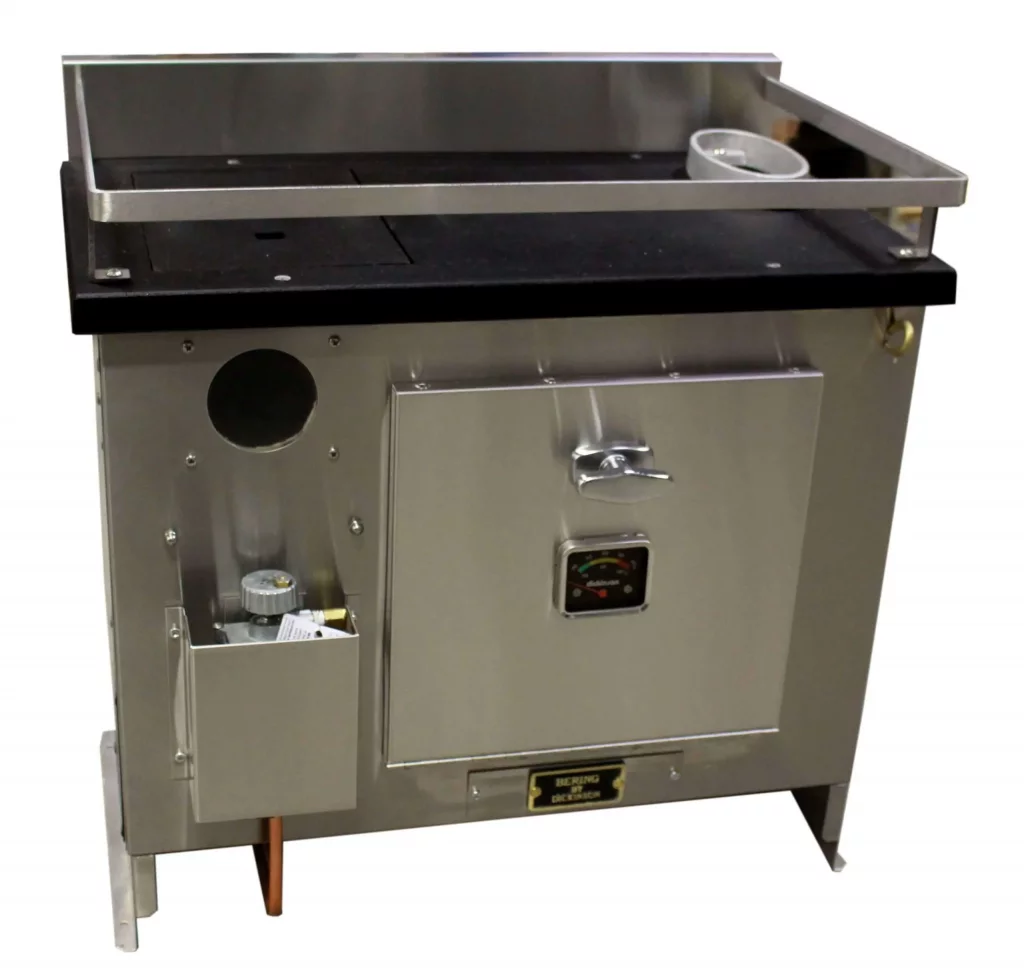
    Dickinson Diesel Cooker
    Dickinson Diesel Cooker

    This is not a DIY guide. Instead, think of it as a look into our deep-seated commitment to your peace of mind. A professional installation from our reputable team is essential for safety. It also keeps your insurance valid and protects your warranty. Because of that, we handle every single detail with the utmost care.

    Our Professional Installation Standards

    Our approach is thorough and systematic. Each installation involves a series of critical safety checks. We have dialled these in over years of experience in the UK’s marine world. Also, we ensure every component is perfectly integrated into your vant’s specific layout.

    Here are a few of the key safety measures we implement on every single job:

    • Secure Fuel Line Connections: We create completely leak-proof connections from your main diesel tank. We only use high-grade, approved materials.
    • Correct Exhaust Venting: Routing the exhaust system correctly is critical. We guarantee all fumes are vented safely outside.
    • Thorough System Testing: Once the physical installation is done, we run a comprehensive commissioning process. This means testing every aspect of its performance.

    This rigorous process is the foundation of our service. Our extensive background with diesel boat heater installations has given us an instinctive understanding of these systems. We bring that same expertise to every campervan diesel cooker we fit.

    “The team’s attention to detail during the installation gave us complete peace of mind. We knew we were in safe hands from start to finish, and the cooker has worked perfectly ever since. It was worth every penny for the professional service.”

    This piece of feedback from a recent customer says it all. Your safety is our number one responsibility. We take real pride in upholding the highest industry standards. By trusting our certified team, you’re investing in a safe, reliable, and expertly executed galley upgrade.

    Choosing Your Campervan Diesel Cooker Partner

    Deciding to upgrade your galley is a big step. The most important part is picking the right people to supply and install your new campervan diesel cooker. This isn’t just about buying an appliance. It is an investment in convenience, efficiency, and above all, safety.

    So, why choose us? We live and breathe the UK boating and camping world. This means we don’t just sell boxes. Instead, we offer a hand-picked selection of top-quality cookers. This is backed up by a team of certified installers who know these vessels inside and out.

    Your Trusted Supply and Installation Team

    We like to keep things personal and straightforward. Our first-hand experience of life on the move means we can help you find the perfect cooker. From the first chat to the final safety checks, we’re with you every step of the way.

    It’s also worth mentioning the future. While government plans may evolve, the market for these brilliant, efficient vessels isn’t going anywhere. A professionally installed campervan diesel cooker remains a smart, solid investment for years to come. You can read more about what the future holds for diesel vehicles over at AutoFinance Online.

    We offer clear, direct advice and a seamless service from start to finish. Our goal is simple: to make sure your investment is supported by a partner who’s committed to doing things right, from supply to aftercare.

    Ready to get your galley sorted? The next step is to get in touch. Give us a call or drop us a line today. We can offer a personal consultation or a no-obligation quote. Let’s get you started on a safer, easier life on the water.

    Common Questions About Our Diesel Cookers

    Deciding on a new appliance always brings up questions. That’s perfectly normal. We get asked a lot about fitting a campervan diesel cooker. So, our expert team has put together clear answers to the most common queries. With our years of experience, you can be sure you’re getting reliable information.

    Are Diesel Cookers Safe for My Narrowboat?

    Absolutely. When installed correctly by a certified technician like us, a campervan diesel cooker is one of the safest kits for your galley. A professional installation ensures every fuel line is secure. Consequently, it gives you total peace of mind.

    Will My Campervan Smell Like Diesel?

    This is probably the biggest misconception out there. The simple answer is no. Modern diesel cookers are engineered for clean, efficient combustion. You might catch a faint whiff at the exterior exhaust outlet when it first fires up. However, it is no different to what you’d get from any vehicle’s diesel heater.

    What Maintenance Does a Campervan Diesel Cooker Need?

    One of the best things about diesel cookers is how little looking after they need. They are remarkably low-maintenance.

    We recommend a simple annual service to keep the unit running at its best. This is something our skilled team can handle for you. This usually involves checking the fuel filter and cleaning the glow plug. We also have a quick look at the combustion chamber. You can read more about why these checks are important in our guide on servicing diesel-burning appliances on boats.

    When you compare that to the hassle of swapping gas bottles, the minimal upkeep is a huge plus. Our customers really appreciate this benefit.

    Can You Install A Campervan Diesel Cooker For Me?

    Ready to upgrade your galley with a safer, more efficient cooking solution? Contact Marine Heating Solutions today for a personal consultation and explore the best appliances for your needs.


    For quotes and bookings, call or email us here.

  • Embrace Cosy Warmth: Your Boat Diesel Stove Expert

    Embrace Cosy Warmth: Your Boat Diesel Stove Expert

    A modern boat diesel stove transforms life on the water. It offers steady, dry heat perfectly suited to UK narrowboats and inland barges. Subsequently, it provides a reliable and convenient alternative to traditional solid fuel systems. These heaters are specifically engineered for the unique demands of the marine environment. This, therefore, ensures your cabin stays safe and incredibly cosy, whatever the weather outside.


    For quotes and bookings, call or email us here.
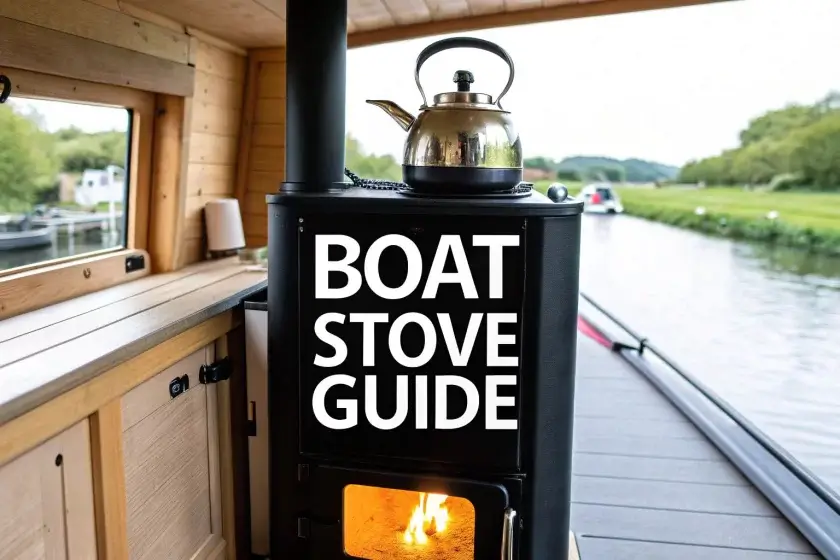

    The Heart Of A Warm Narrowboat: Our Diesel Stoves

    Picture this: you step into your narrowboat cabin on a crisp autumn evening. Instantly, a comforting, consistent warmth wraps around you. That’s the reality a modern boat diesel stove delivers. For canal boat owners across the UK, switching from solid fuel is a massive lifestyle improvement. Consequently, there is no more hauling dusty bags of coal or scooping out ash.

    Dickinson Antarctic Boat Diesel Stove
    Dickinson Antarctic Boat Diesel Stove

    Instead, a diesel stove gives you push-button simplicity and controlled comfort. It’s no wonder these systems are the go-to choice for liveaboards. As specialists in marine heating, we see how a professionally installed diesel stove transforms the onboard experience.

    Why Diesel Is Ideal For Canal Life

    The beauty of a boat diesel stove lies in its simplicity and efficiency. In short, it sips a tiny amount of diesel from your boat’s main fuel tank. It then vaporises it and burns it cleanly within a sealed chamber. This process radiates powerful, dry heat through your cabin.

    This method is exceptionally suited to the damp conditions on UK canals. While some heaters add moisture to the air, a diesel stove actively helps dry it out. This is brilliant for preventing condensation. As a result, you get a healthier, more comfortable living space. Our job is to select and fit the perfect unit for your boat.

    Boat Diesel Stove Benefits Over Traditional Heating

    This table shows why our diesel stove systems are the superior choice for life on UK canals.

    FeatureBenefit for Narrowboat Owners
    Consistent HeatNo more waking up to a cold cabin. Thermostatic control maintains a steady temperature.
    Dry Heat OutputActively combats damp and condensation, creating a healthier onboard environment.
    Fuel on TapUses the boat’s main diesel tank – no need to store and carry separate solid fuel.
    CleanlinessSay goodbye to coal dust and messy ash pans. Just clean, convenient heat.
    SafetyOur modern, sealed units offer superior peace of mind.

    As you can see, the benefits go far beyond just staying warm. Ultimately, it’s about making life on the water easier and more enjoyable.

    The Professional Advantage In Boat Diesel Stove Heating

    Choosing the right heater is only half the story. Indeed, a professional installation is absolutely critical for safety and performance. We are not just suppliers; we are certified engineers dedicated to providing safe, compliant, and perfect heating solutions for the inland waterway community.

    Our service covers every single step. For instance, from the initial chat about your needs to the final checks after installation. This ensures every part of the job meets the highest standards. We handle the whole process, including:

    • System Selection: We recommend the ideal boat diesel stove based on your narrowboat’s size, layout, and use.
    • Safe Installation: This is non-negotiable. We ensure all fuel lines, flue components, and safety devices are fitted correctly.
    • Full Commissioning: Before we sign off, we test the system rigorously. This guarantees it’s running at peak performance and is completely safe.

    A properly installed stove is the foundation of a safe boat. We pride ourselves on giving customers that security. Specifically, the security that comes from knowing experts fitted your heating system.

    While your diesel stove keeps you warm, protecting your vessel is also important. You should always explore options for watercraft insurance to cover your life afloat. Ultimately, our goal is to give you a heating system you can rely on for years.

    Choosing Your Perfect Boat Diesel Stove

    Picking the right heater is a huge decision when you live on the water. It’s about reliability, fuel burn, and getting that perfect cosy atmosphere. We have simplified the process by hand-picking a selection of the best stoves on the market. In fact, each one is chosen because we know it performs well on the UK’s inland waterways.

    Our range focuses on top-tier brands that have proven their worth. We are proud suppliers of the efficient Bubble stoves and the incredibly tough Refleks models. In our experience, these units hit the sweet spot between build quality and dependability. Consequently, this makes them a smart investment for any boater.

    Understanding Key Stove Technologies

    When looking into the world of the boat diesel stove, you will find different burner technologies. We ensure our clients understand what makes them different. Thus, they can make a properly informed choice. The two main types you’ll find in the models we recommend are drip-feed and vaporising pot burners.

    A drip-feed stove, as the name says, works by dripping diesel onto a hot surface. It’s a beautifully simple and reliable method. As a result, you get a consistent, steady heat that’s easy to manage.

    On the other hand, a vaporising pot burner pre-heats the diesel until it turns into a gas before it lights. This process gives you a really clean and efficient burn. In fact, it often squeezes more heat out of less fuel. We’re always here to chat about which type would best fit your lifestyle.

    Our Premier Boat Diesel Stove Models

    We don’t believe in overwhelming you with endless mediocre choices. Instead, we’ve carefully curated a range of stoves that we can confidently stand behind. Our experience means you get a product that’s perfectly suited to canal boat life.

    Our featured models include:

    • Bubble Stoves: Known for fantastic efficiency and a classic look, Bubble stoves are a superb choice for many narrowboats. Their vaporising burners produce excellent heat and are extremely reliable.
    • Refleks Stoves: These Danish-made stoves are legendary. Built like tanks, they are unwavering in their reliability. A Refleks stove is a proper workhorse, designed to provide dependable heat in tough marine conditions without needing any electrical power.

    Diesel stoves like the Refleks and Bubble models are increasingly popular with UK narrowboaters. A big reason is their ability to provide solid heating without an electrical supply. This independence from shore power is a massive plus on the cut.

    Calculating The Right Heat Output For Your Boat Diesel Stove

    Choosing the right size of boat diesel stove is absolutely crucial. A stove that’s too small will struggle to keep your cabin warm. Go too big, however, and the unit will constantly cycle on and off. This is inefficient and can cause sooting problems.

    The key is finding that perfect balance. We calculate the required heat output, measured in kilowatts (kW), based on your boat’s length, beam, and insulation.

    This professional assessment guarantees your new stove will be powerful enough. Moreover, it will create a cosy retreat without wasting fuel. You can learn more about our handpicked selection by checking out our range of diesel boat stoves over on our website. Our commitment is to give you a heating solution that isn’t just powerful, but perfectly economical.

    Our Expert Boat Diesel Stove Installation

    A premium boat diesel stove is only ever as good as its installation. On the inland waterways, that’s a non-negotiable truth. Ensuring every connection, seal, and safety measure is perfect isn’t just about performance. Above all, it’s about your peace of mind.

    This principle is at the very core of how we work. We offer a meticulous, professional fitting service that guarantees your new heating system is safe. Furthermore, it will be compliant and work flawlessly. It’s why so many narrowboat owners trust our certified engineers with their vessels.

    Installing a Boat Diesel Stove Infographic

    The Dangers Of A DIY Installation

    Tempted to install a boat diesel stove yourself? Honestly, it’s a huge risk. While it might look like a way to cut costs, the potential consequences are incredibly severe. Incorrectly routed fuel lines can lead to fire hazards. Meanwhile, a poorly sealed flue can release deadly carbon monoxide into your cabin.

    These are not areas where you can afford to take chances. Our engineers are OFTEC certified and have an in-depth knowledge of marine regulations. This includes the Boat Safety Scheme (BSS) requirements. When you choose a professional, you’re investing in the safety of your boat.

    Our Meticulous Fitting Process

    Our installation is a carefully structured process. Indeed, it’s one we’ve refined over years of working exclusively on narrowboats. It always starts with a thorough survey of your vessel. This lets us assess the best location for the stove and map out the flue route.

    We also take your boat’s unique layout into account. We do this to ensure the heat gets distributed exactly where you need it. This planning stage is critical. In short, it takes all the guesswork out of the equation and ensures every component is installed correctly for maximum safety.

    Critical Safety Components Of A Boat Diesel Stove

    A professional installation of a boat diesel stove goes far beyond just connecting pipes. We put an intense focus on the critical safety elements that protect you. These are the details that truly matter.

    • Correct Flue Placement: We ensure the flue exits the cabin in a safe spot and is fitted with a proper deck collar. This ensures efficient exhaust removal.
    • Secure Fuel Line Routing: Our engineers install high-quality, marine-grade fuel lines, complete with shut-off valves. Every single connection is pressure-tested.
    • Carbon Monoxide Detector Integration: We don’t just recommend a carbon monoxide (CO) alarm. Critically, we ensure it’s correctly positioned and fully tested.

    Our commitment is absolute: a job isn’t finished until we are 100% confident that your heating system is not only working perfectly but is also completely safe. We meticulously test every aspect of the stove’s operation before we sign off on any project.

    This rigorous approach ensures your new stove will operate at its best for years. For more details on what our service includes, you can find information about our professional diesel boat stove installations on our services page. Ultimately, choosing our expert team means choosing unwavering quality and safety.

    Fuelling Your Stove For Optimal Performance

    Getting the best out of your boat diesel stove comes down to what you put in it. Proper fuel management is not just a box-ticking exercise. Rather, it’s the secret to reliable heat and a long-lasting stove. Knowing your options is the first step to hassle-free warmth on the water.

    For anyone on the UK’s inland waterways, the choice is refreshingly simple. Red diesel is the go-to, and for good reason. It’s a reliable and cost-effective solution that boaters depend on.

    In the UK, red diesel is the standard fuel for marine diesel stoves. This is mainly because of its reduced tax rate. As it’s designated for non-road use, this marked gas oil is taxed lower. Thus, this helps keep running costs down. You can find more details on British diesel regulations on compassfuels.co.uk.

    The Importance Of Clean Fuel

    Your stove’s performance is directly tied to the quality of its fuel. Dirty diesel can cause a host of problems you would rather avoid. For instance, from clogged fuel lines to a flame that won’t burn right. Keeping your fuel supply clean isn’t just a suggestion—it’s essential.

    Water is one of your biggest enemies. It creates the perfect breeding ground for ‘diesel bug’, a nasty microbial sludge. Likewise, tiny particles of dirt and rust can easily block delicate components inside your stove.

    “After another freezing winter, we finally contacted them about a diesel stove. Their engineer was fantastic, talked us through the whole process, and the installation was flawless. Our narrowboat has never been so warm and cosy. It’s completely changed our life on the water. Worth every penny!”

    Preventing Problems In Cold Weather

    Winter on the canals throws unique challenges at your fuel system. A common headache is ‘waxing’, which happens when paraffin in diesel solidifies. This turns your fuel into a thick gel. Consequently, it can quickly clog your fuel filter, stopping your heater dead.

    Thankfully, this is an easy problem to get ahead of. A quality anti-gelling additive is a simple but incredibly effective fix. Just add it to your tank before the temperature plummets. Then, it will ensure your diesel stays liquid and flows freely.

    Here’s why additives are a boater’s best friend in winter:

    • Prevents Waxing: Firstly, it stops those pesky paraffin crystals from forming.
    • Improves Flow: Secondly, it ensures diesel can be pumped to your stove without any trouble.
    • Protects Components: Thirdly, it helps prevent blockages that could damage your heater’s sensitive parts.

    Being proactive is the key to reliable heating. You can find more practical advice on our page about choosing the best diesel heater for boats.

    Fuel Storage And Tank Upkeep

    Don’t forget about your boat’s main fuel tank. After all, it plays a crucial role in your heating system’s health. A bit of regular upkeep here can prevent many issues. We always advise clients to keep their tanks as full as possible over winter. This simple step reduces condensation, which is a major source of water in your fuel.

    Getting into the habit of checking your fuel filter is also a smart move. If it looks dirty, that’s a clear sign you’ve got contaminants. A little attention here and there goes a long way. Ultimately, it ensures your boat diesel stove provides dependable warmth all year round.

    Professional Maintenance For Your Boat Diesel Stove

    Think of your boat diesel stove as a serious investment in your comfort. Just like any hardworking kit, it needs proper, professional care. It’s like an annual MOT for your boat’s heating system. In short, a simple check-up that protects its value and guarantees it won’t let you down.

    Bubble Pie Pod Diesel Stove with Oven and Cook Top
    Bubble Pie Pod Diesel Stove with Oven and Cook Top

    We have put together specialised servicing packages for the narrowboat community. Our experienced, OFTEC-certified engineers live and breathe these systems. This means you get a thorough, professional service. In other words, one that ensures your stove stays a dependable source of warmth.

    Why Expert Servicing Is Essential For Your Boat Diesel Stove

    It can be tempting to skip an annual service to save a few quid. However, that’s often a false economy. It frequently leads to bigger, pricier problems down the line. A neglected stove can lose heat output and build up soot. Our professional service tackles these issues head-on, keeping your system in peak condition.

    A well-looked-after stove isn’t just about performance, it’s about peace of mind. Our engineers check every critical component, from the fuel lines to the flue seals. This lets you relax, knowing your heating system is running exactly as it should.

    Key Checks Our Engineers Perform

    When you book a service with us, you’re not just getting a clean-up. Instead, you’re investing in a comprehensive health check for your boat diesel stove. Our engineers have a meticulous routine to inspect, clean, and test every part of your system. We never cut corners when it comes to your safety and comfort.

    This annual inspection covers several vital checks:

    • Burner Decoke and Clean: First, we strip down and clean the burner pot to ensure a clean, efficient flame.
    • Fuel Line and Filter Inspection: Then, our team goes over all fuel lines, checking for wear and replacing the fuel filter.
    • Flue System Integrity Test: Next, we inspect the entire flue system for secure seals and any blockages. This is crucial for safe ventilation.
    • Safety Cut-Out Function Test: Afterwards, we test all safety mechanisms, including overheat sensors, to confirm they work correctly.
    • Full Commissioning and Performance Test: Finally, we fire up the stove and run a full diagnostic to ensure optimal heat output.

    Our goal is simple: to provide a service that gives you total confidence in your heating system. We believe proactive maintenance is the smartest way to ensure you have reliable heat whenever you need it, avoiding the stress of a breakdown.

    Here in the UK, diesel stoves are a go-to heating solution for boaters. Some models are famous for low fuel consumption, sipping as little as 0.10 litres per hour. But to keep that performance up, regular professional maintenance is essential.

    When Does Your Boat Diesel Stove Need A Service?

    Even between your annual check-ups, your boat diesel stove might hint that it needs attention. Catching these signs early can stop a minor niggle from becoming a major headache. If you spot any of the following, it’s a clear signal to call in the professionals.

    You should book a service immediately if you see:

    • Excessive Soot or Smoke: A clean-burning stove should produce very little visible smoke from the flue.
    • Difficulty Lighting: If the stove is stubborn when you try to start it, it often points to a clogged burner.
    • Yellow or Unstable Flame: A healthy flame should be bright and steady. A lazy, yellow flame is a sign of an incomplete burn.
    • Unusual Smells: Any whiff of diesel fumes inside the cabin is a serious red flag and needs immediate attention.

    Acting on these warning signs is crucial for your safety. To learn more about our dedicated servicing packages, check out our detailed information on boat stove maintenance. We’re here to be your long-term partners in keeping your narrowboat warm and safe.

    Got Questions About Boat Diesel Stoves? We’ve Got Answers.

    Deciding to upgrade your narrowboat’s heating is a big move. So, it’s only natural to have a few questions. To help you make an informed choice, we’ve answered some common queries. We want to give you clear, honest information from years of hands-on experience.

    This way, you’ll understand exactly why a professionally fitted boat diesel stove is a brilliant investment for life on UK canals.

    Are Boat Diesel Stoves Safe for a Narrowboat?

    Yes, they are exceptionally safe—but only when installed and maintained by certified professionals like us. A correctly fitted boat diesel stove is a completely sealed system. It uses secure, marine-grade fuel lines and a sealed flue. Of course, it must always be paired with a correctly positioned carbon monoxide alarm.

    Nearly all risks come from improper DIY jobs or neglected maintenance. Poorly fitted flues are a genuine danger. When you choose our expert service, you’re investing in total peace of mind. Subsequently, you know every single safety standard has been met and exceeded.

    How Much Does a Boat Diesel Stove Cost to Run?

    Impressive fuel efficiency is one of the biggest perks of a modern boat diesel stove. The exact running costs depend on your stove model and your narrowboat’s insulation. However, these units are designed to be incredibly frugal.

    Many of the stoves we supply sip as little as 0.1 to 0.2 litres of fuel per hour on a low setting. When you compare that to the cost and hassle of solid fuel, diesel offers a wonderfully convenient and cost-effective way to stay warm. We can give you a detailed running cost estimate for specific models during a chat.

    We believe in being completely upfront. Our team will happily walk you through the expected fuel consumption of different units, helping you select a stove that provides powerful heat without breaking the bank.

    Can I Install a Boat Diesel Stove Myself?

    In a word: no. We strongly and unequivocally advise against it. Installing a boat diesel stove is a complex job with extremely serious safety implications. It involves handling flammable fuel and sticking to specific marine safety regulations, like those in the Boat Safety Scheme (BSS).

    An incorrect installation can easily lead to devastating consequences. For example, from fuel leaks and fire to the silent, deadly threat of carbon monoxide poisoning. It simply isn’t worth the risk to cut corners on a system so vital to your safety.

    Our engineers are fully qualified, insured, and OFTEC certified to fit these systems safely. Investing in our professional installation is a critical decision for your boat. In fact, think of it as a vital investment, not an optional extra.

    What’s the Difference Between a Diesel Stove and a Diesel Air Heater?

    That’s a fantastic question and one we get asked a lot. A boat diesel stove, like the superb Refleks or Bubble models we supply and fit, provides comforting radiant heat. It becomes a warm, cosy focal point in your cabin. Furthermore, many models even have a hot plate for cooking. The heat is ambient, spreading naturally through the space.

    A diesel air heater, on the other hand, works more like central heating. A separate unit heats up air. Then, it pushes it around the boat through a network of flexible ducting.

    We specialise in the traditional boat diesel stove, which provides wonderfully reliable off-grid heat. This style of heating is perfectly suited to the unique character of narrowboat life. Indeed, it creates a true heart for your floating home. It’s a simple, robust, and beautifully effective way to stay warm and dry all year round.

    How Can I Book You To Install My Boat Diesel Stove?

    For expert advice, professional installation, or to schedule a service for your heating system, trust the certified engineers at Marine Heating Solutions. Call or email us to learn more about our comprehensive marine services.


    For quotes and bookings, call or email us here.
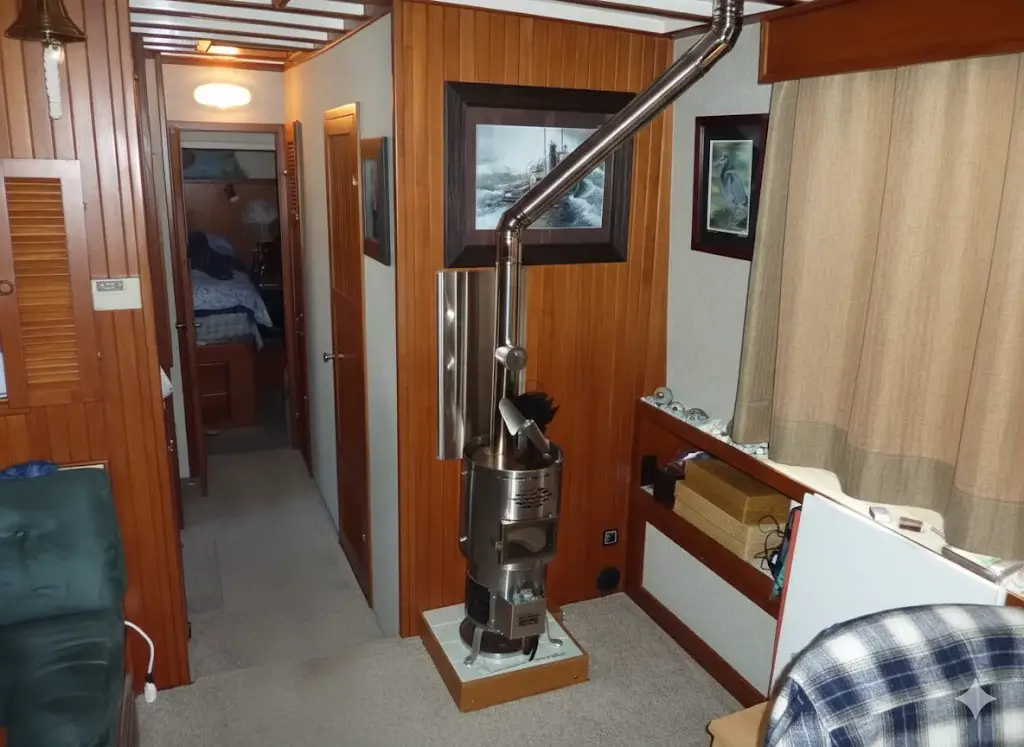

  • Epic Boat Stoves: Your Ultimate Narrowboat Upgrade

    Choosing the right stove is a huge decision for a narrowboat owner. In fact, it is far more than an appliance. It is the warm, beating heart of your floating home. Consequently, it provides essential heat and creates a comforting focal point. The choice you make between different boat stoves truly shapes your life on the UK canals.


    For quotes and bookings, call or email us here.
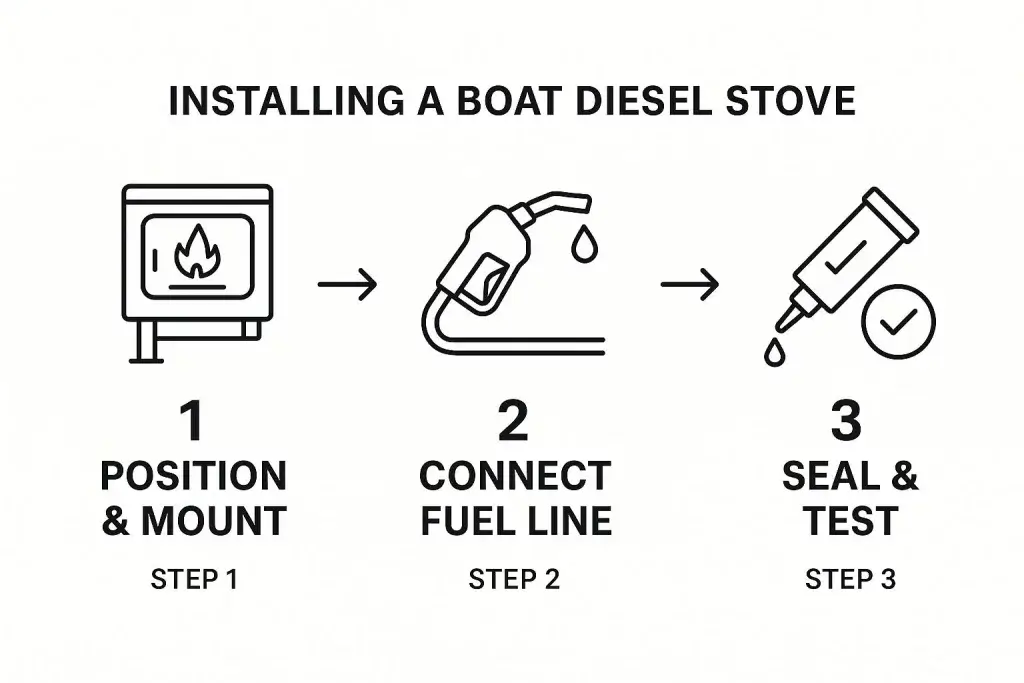

    Our Bespoke Boat Stove Services

    Welcome aboard! Picking the perfect stove for your narrowboat or barge is a fundamental step. It helps create a space that feels comfortable and safe. As specialists in marine heating, we understand the unique challenges of life on the water. Therefore, we only supply and install robust, reliable heating solutions. These are a perfect fit for the UK canal boat community.

    This guide showcases the main types of boat stoves we sell, install, and service. Specifically, we will concentrate on the two most practical choices for narrowboat life. These are solid fuel and diesel systems. Each has its own benefits, depending on your lifestyle and cruising habits.

    Our Expert Range of Stove Types for Narrowboats

    It all starts with the fuel. Solid fuel stoves, which burn wood or coal, offer a classic, off-grid experience. It is no surprise they are a beloved feature in many canal boat cabins. Ultimately, they create a sense of warmth that is hard to beat.

    On the other hand, our diesel stoves bring modern convenience. They provide controllable, non-stop heat. These systems tap into your boat’s main fuel supply. As a result, they offer consistent warmth at the turn of a dial. This makes them a fantastic choice if you prioritise ease of use.

    As you can see, your first big decision is the fuel source. That choice affects how the stove operates and the features it offers. Our team is here to guide you through this process.

    Initial Considerations We Discuss With You

    Before you fall in love with a specific model, it is crucial to think about a few fundamentals. Nailing these down first will narrow the options. Consequently, this ensures you get a stove that works perfectly for your boat.

    We always run through these key areas with our clients:

    • Cabin Size and Layout: A stove’s heat output (kW) must be right for your space. The goal is efficient heating without overheating your cabin.
    • Ventilation Requirements: Every stove needs proper ventilation for safety and combustion. Our certified engineers ensure every installation meets strict safety standards.
    • Lifestyle and Cruising Habits: Your habits dictate the best choice. For instance, a continuous cruiser might prefer the convenience of diesel. Meanwhile, a leisure boater might enjoy a solid fuel fire.

    Your stove is a long-term investment in your comfort and safety. We help you understand the differences between fuel types. This ensures you make a choice you’ll love for years.

    Why Our Expert Guidance Matters

    Navigating these choices can sometimes feel overwhelming, but that is where our experience helps. We do not just sell boxes. Instead, we provide complete, certified heating solutions from start to finish. Our team of OFTEC and Gas Safe registered engineers has years of hands-on experience. They work specifically with narrowboats and barges on UK waterways.

    We will help you figure out what you need. Then, we recommend the most suitable products from our carefully selected range. Finally, we carry out a professional installation that guarantees your safety and BSS compliance. For a closer look, you can learn more about our boat wood burning stove solutions.

    Finding the Right Stove for Your Boat

    Trying to pick the right heater for your boat can feel a bit overwhelming. However, it does not have to be. We have hand-picked a solid range of boat stoves. We chose them specifically with the UK canal boat community in mind. Think of this as a virtual showroom. Here, we focus on real-world benefits and quality craftsmanship.

    Salamander Multi Fuel Cooking Range and Stoves Are A Perfect Fite For Narrowboats
    Salamander Multi Fuel Cooking Range and Stoves Are A Perfect Fit For Narrowboats

    Our approach is straightforward. We only work with trusted brands known for their reliability. This means every stove we offer has been approved by our experienced engineers. Consequently, it is up to the demands of canal life and will keep you warm.

    Our Solid Fuel Stoves for That Traditional Warmth

    For many narrowboat owners, you cannot beat the charm of a solid fuel stove. These heaters are the heart of a traditional boat. They give off a mesmerising flame and a deep, radiant heat. Best of all, they run completely off-grid. So, you have reliable warmth that does not drain your batteries.

    Our range includes models built for the tight confines of a narrowboat. We have small stoves that heat boats up to 40ft. For bigger barges, we stock more powerful models. These can comfortably heat an open-plan layout, even in winter.

    What to expect from our solid fuel range:

    • High-Efficiency Ratings: Modern designs mean you get the most heat from your fuel.
    • Robust Cast Iron Construction: These stoves are built to last. They radiate heat long after the fire dies down.
    • Large Viewing Windows: An airwash system keeps the glass clear. Therefore, you can always enjoy the view of the flames.

    Choosing a solid fuel stove is about embracing a way of life. It is the simple ritual and unbeatable comfort that makes it so popular.

    Our Modern Diesel Boat Stoves for Unmatched Convenience

    While solid fuel has traditional appeal, diesel boat stoves offer modern convenience. These advanced kits provide clean, efficient, and programmable heating. In short, they are a fantastic choice for boaters who want things simple.

    One of the biggest perks is that a diesel stove hooks up to your boat’s main fuel tank. No more lugging bags of coal onboard. All of our diesel models are also incredibly quiet and produce a dry heat. As a result, this helps cut down on condensation inside the cabin.

    We believe the best heating solution is one that fits seamlessly into your life. Whether that means the timeless appeal of a solid fuel fire or the modern efficiency of a diesel system, our goal is to provide a product that enhances your time on the water.

    Our diesel stoves are sourced from top manufacturers. They come with features like thermostatic controls. So, you can set your ideal cabin temperature and let the heater do the rest. Imagine a pre-warmed cabin on a frosty canal morning. Our team is always on hand to help you find the perfect boat stove.

    Why Our Professional Stove Installation Is Essential

    Choosing one of our high-quality boat stoves is a great first step. But the single most important part of the process is the installation. For safety and efficiency, getting it professionally fitted is absolutely essential.

    The unique environment of a narrowboat demands specialist knowledge. Our certified and experienced engineers understand these challenges inside out. Subsequently, they will make sure your stove becomes a safe, reliable centrepiece for your floating home.

    Our Commitment to Your Safety and Compliance

    Our installation service is built on an unwavering commitment to safety. Every engineer on our team is fully qualified. They hold certifications like Gas Safe and OFTEC. This means we guarantee every job meets the strict requirements of the Boat Safety Scheme (BSS).

    This focus on compliance gives you complete peace of mind. A BSS certificate is mandatory to license your boat. Trusting us means your vessel is safe and fully compliant with UK regulations.

    We believe that a safe installation is the only acceptable installation. Our meticulous process is designed to protect you, your family, and your vessel, ensuring your new stove provides comfort without compromise.

    Our engineers are marine heating specialists. They plan every aspect of the job, from the initial survey to final safety checks. On a boat, there is simply no room for error.

    The Anatomy of Our Professional Installation

    So, what does a professional installation actually involve? It is a detailed, multi-step process. Our engineers take a systematic approach to ensure every part works in perfect harmony. Ultimately, this gives you safe and efficient heat.

    Key stages of our installation process include:

    • Correct Flue Placement and Sealing: Getting the flue in the right place is vital. We make sure it passes through the cabin roof with a properly sealed and insulated collar.
    • Ensuring Adequate Ventilation: Every stove needs oxygen to burn cleanly and safely. Our team calculates and installs the necessary ventilation to prevent carbon monoxide build-up.
    • Secure Mounting and Hearth Construction: A narrowboat is always moving. Therefore, we secure the stove to a solid, fire-resistant hearth built to handle vibrations.

    Why Our Expertise Is Your Best Investment

    Investing in our professional installation service fo is an investment in your safety. An incorrectly fitted stove can lead to incredibly serious risks. For example, chimney fires or carbon monoxide poisoning. Our team has the training and experience to completely mitigate these risks.

    What’s more, we handle the entire process. This means a seamless and stress-free experience for you. We bring all the specialist tools and materials needed. Subsequently, we ensure a clean, efficient, and professional job every single time. A DIY fit is a gamble that is simply not worth taking.

    Our installation service ensures your stove runs at peak efficiency. It gives you maximum warmth while using fuel economically. By choosing Marine Heating Solutions, you are choosing the safest option for your narrowboat.

    The Importance of Our Regular Stove Maintenance

    Refleks 66M Diesel Boat Stoves
    Refleks 66M Diesel Boat Stoves

    To get years of safe service from your boat stove, regular professional maintenance is essential. Think of it as an MOT for the heart of your boat. It is a critical check-up that protects your investment. Most importantly, it keeps you and your crew safe.

    Skipping these vital checks can lead to poor performance. It can also cause higher fuel bills and serious safety risks.

    Our maintenance service is designed to keep your stove in peak condition. We handle the crucial jobs that go beyond a simple wipe-down. This proactive approach is the best way to safeguard your vessel. Ultimately, it ensures you stay warm and comfortable on the water.

    This kind of professional oversight is a necessity. Life on the UK’s inland waterways is more popular than ever. With it comes a rising demand for reliable, safe marine appliances.

    Our Professional Boat Stoves Service Routine

    When one of our qualified engineers services your stove, they follow a meticulous checklist. Consequently, nothing is left to chance. This systematic approach catches potential issues before they become dangerous problems.

    These jobs require specialist tools. Furthermore, they need a deep, practical understanding of marine heating systems and their regulations.

    Here is a look at what we cover in our standard maintenance service.

    Our Professional Maintenance Service Checklist

    This table breaks down the key checks we perform during a standard service. It explains why each one is so important.

    Service TaskPurposeFrequency
    Comprehensive Flue SweepRemoves dangerous soot and creosote build-up to prevent chimney fires.Monthly (minimum)
    Door Seal InspectionChecks for an airtight seal to maximise efficiency and stop smoke from leaking.Annually
    Firebrick and Baffle Plate CheckExamines internal parts for cracks or damage that can reduce efficiency.Annually
    Fuel System ServiceFor diesel stoves, this involves cleaning filters and checking fuel lines.Annually
    CO Alarm and Safety ChecksVerifies your carbon monoxide alarm is functioning correctly. It’s a lifesaver.Annually

    Each of these checks is critical. A methodical, professional service ensures all components work together safely.

    Why These Checks Are So Crucial

    Every task on our list plays a vital role in your stove’s safe operation. A blocked flue, for instance, is a huge cause of chimney fires. In the same way, a worn-out door seal wastes fuel and heat.

    Our technicians do not just fix existing problems. Their main job is to prevent them from ever happening. By booking a regular service, you are taking an effective step to protect yourself. It also ensures your stove runs cleanly and efficiently.

    “I’ve relied on their maintenance plan for three seasons now, and the peace of mind is invaluable. The engineers are professional, thorough, and always leave the boat tidy. Knowing my stove is safe and efficient lets me enjoy winter cruising without a worry. Highly recommended.”
    Steven S., Narrowboat ‘Merlin’

    Steven’s experience captures the value of what we do. It is not just about the technical work. It is about giving you the confidence to relax and enjoy your time on the water. Look after your stove, and it will look after you.

    Getting to Grips with Safety and UK Boat Stove Regulations and Standards

    Making sense of the rules for boat stoves can feel complicated. However, it does not have to be. At the end of the day, your safety is what matters most. That is why every single installation we handle meets UK safety standards. This gives you proper peace of mind.

    Dickinson Diesel Boat Stoves are Popular on GRP Sailing Boats and River Cruisers
    Dickinson Diesel Boat Stoves are Popular on GRP Sailing Boats and River Cruisers

    Here, we will break down the key regulations. More importantly, we will show you how our expert service ensures you are compliant and safe. When you choose us, you are investing in a secure, professional solution.

    The Boat Safety Scheme Explained

    The Boat Safety Scheme (BSS) is the cornerstone of safety on UK inland waterways. It is a mandatory set of standards all boats must meet to get a licence. Your stove installation is a major part of their inspection.

    Our team has a deep, practical understanding of the requirements. Therefore, we make sure every part of your stove setup will pass these critical BSS checks. This means you can be confident your boat will pass its examination.

    A stove is a fantastic addition to life afloat, but it demands respect. Following BSS guidelines isn’t just about ticking a box; it’s about actively protecting your boat and everyone on it from fire and carbon monoxide.

    Bringing in a certified installer like us takes all the guesswork out of it. We sweat the technical details. Consequently, every component is correctly fitted, secured, and ventilated.

    Must-Have Safety Features in Our Boat Stoves

    Modern boat stoves are packed with crucial safety features. We only stock appliances from reputable brands that put safety first. So, you can be sure that safety is built-in. These features are designed to prevent accidents in a boat cabin.

    Our professional team ensures these systems are perfectly integrated. Here are some of the key safety components we insist on:

    • Carbon Monoxide (CO) Alarms: A working CO alarm is completely non-negotiable. As part of every installation, we fit a high-quality, BSS-compliant alarm.
    • Flame Failure Devices (FFDs): This is especially important for diesel stoves. An FFD automatically shuts off the fuel supply if the flame ever goes out.
    • Secure Flue and Chimney Systems: We always use twin-wall insulated flue sections where they pass through the cabin roof. This simple step drastically cuts the risk of fire.

    Why Our Professional Service is Your Guarantee of Compliance

    Ultimately, achieving full safety compliance is all about the quality of the installation. Our OFTEC-certified engineers have specialised training for marine environments. That expertise is your best guarantee of a safe, reliable, and compliant heating system.

    We look after the whole process. For instance, we help you pick a stove with the right heat output. We then perform the final safety checks and commissioning. Every joint is sealed, and every bracket is secured. It is this meticulous attention to detail that sets our service apart.

    By trusting our team, you are putting your safety into the hands of qualified professionals. We do not just fit boat stoves. We install complete, safe, and efficient heating systems. Therefore, you can relax and enjoy the warmth without a single worry.

    Your Boat Stove Questions Answered

    Choosing, fitting, and looking after a stove on your boat is a big decision. Naturally, it throws up a lot of questions. So, we have put together some straightforward answers to the most common queries.

    Our aim here is to give you confidence. The more you understand, the better equipped you will be. Each answer below is practical and gets straight to the point.

    What’s the Best Type of Stove for a Narrowboat?

    Honestly, the “best” stove fits your lifestyle. Solid fuel stoves give you a traditional, cosy glow and are completely off-grid. However, it does mean you will be loading fuel and cleaning it out regularly.

    On the other hand, a diesel stove offers modern convenience. You get clean, controllable heat at the flick of a switch. Our team can chat about how you live on your boat. Consequently, we can figure out which of our great boat stoves is the perfect match for you.

    How Often Boat Stoves Get Serviced?

    For safety and efficiency, we strongly recommend a professional service at least once a year. The best time is just before winter kicks in. This annual check-up is much more than a quick clean.

    Our engineers will do a full flue sweep. They also inspect every seal and firebrick. Regular professional servicing is essential for safe operation. Moreover, it is a crucial requirement for keeping your BSS certificate valid.

    Why Can’t I Install a Boat Stove Myself?

    We must be blunt here. For your own safety, please do not attempt a DIY stove installation. Fitting a stove in a marine environment is a specialist job. It requires an expert understanding of fire safety, ventilation, and BSS regulations.

    A boat is a constantly moving environment, and there’s simply no room for compromise on fire safety. Our certified engineers are trained to handle the vibration, movement, and tight spaces on a vessel, ensuring your stove is fitted correctly and safely for total peace of mind.

    A professional installation from us guarantees that everything is secure and compliant. When it comes to something this critical, leaving it to qualified experts is the only safe choice.

    What’s the Boat Safety Scheme and Why Does It Matter?

    The Boat Safety Scheme (BSS) is a set of mandatory safety standards. You need a valid BSS certificate to get a licence for your boat. BSS examiners are extremely thorough when it comes to your stove.

    They will check for things like:

    • Secure Installation: The stove must be properly fixed to a non-combustible hearth.
    • Safe Fuel Storage: All fuel must be stored correctly to eliminate fire risks.
    • Proper Flue Fitting: The flue needs to be sealed, insulated, and routed safely.
    • Adequate Ventilation: Your cabin must have enough ventilation to stop dangerous gases building up.

    All of our work is carried out to meet and exceed these BSS requirements. By using us, you ensure your heating system is fully compliant with UK law. We take care of the technicalities so you can just enjoy the warmth.

    How Can We Help?

    For expert advice, sales, and certified installation of your next heating system, trust the specialists at Marine Heating Solutions. Explore our full range of services and products and get in touch with any questions you may have.


    For quotes and bookings, call or email us here.
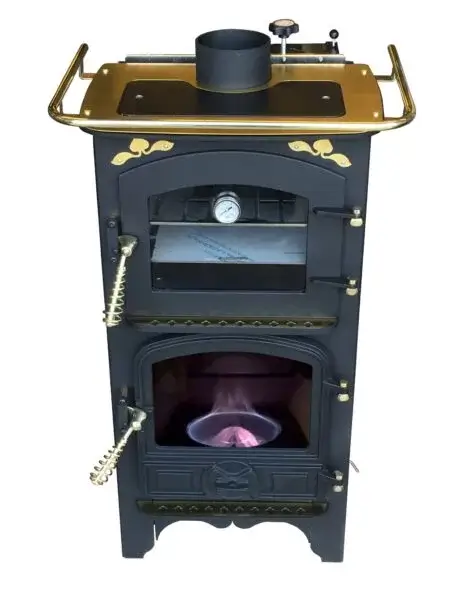

  • Your Guide to a Boat Backboiler System

    Your Guide to a Boat Backboiler System

    At its heart, a boat backboiler is a simple concept. It is basically a water jacket that sits inside a solid fuel stove. Consequently, it uses the heat from your fire to provide hot water for radiators and taps. It’s a clever way to get heating and hot water on a narrowboat or barge. In fact, this makes your trusty stove the true heart of the vessel.

    How a Boat Backboiler Transforms Your Vessel

    Picture this: you’re enjoying the cosy warmth of your log burner. All the while, it’s quietly generating the hot water you need. That’s the real magic of a boat backboiler. For many people on the UK’s inland waterways, this is the core of a comfortable life afloat. As specialists in marine heating, we help boaters install this kind of setup. Ultimately, we create a properly warm and inviting home.

    It’s a bit like putting a kettle on a hob. The stove’s fire is the flame, and the backboiler is the kettle. It constantly heats the water held within its jacket. This hot water can then turn a simple stove into a full-blown central heating system.

    Creating a Warm and Cosy Cabin

    A stove on its own is fantastic at heating the area around it. However, on longer narrowboats, that warmth often doesn’t reach the far corners. A boat backboiler solves this problem elegantly. For example, it powers a small network of radiators placed throughout the boat. This spreads the heat evenly from bow to stern.

    • Consistent Warmth: Say goodbye to cold spots. Your whole boat becomes a comfortable living space.

    • Silent Operation: The heat circulates almost silently, especially with a gravity-fed system.

    • Fuel Efficiency: You’re already burning fuel for heat, so using that same energy for water is common sense.

    Interestingly, this idea of a water-jacketed heat source has a long history. The design principle behind smaller marine boilers was influenced by the larger domestic back boilers that were once commonly used. They are all designed to capture as much heat as possible in a small space.

    A well-designed system, installed by our qualified engineers, transforms your boat into a genuine home. Furthermore, it provides the reliable, off-grid comfort essential for life on the canals.


    For quotes and bookings, call or email us here.
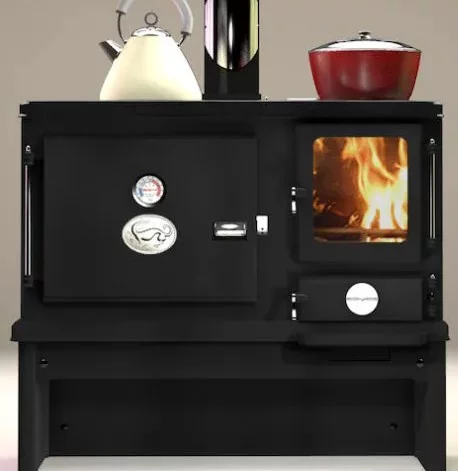

    On-Demand Hot Water for Daily Life

    Beyond just keeping the cabin warm, the system gives you plenty of hot water via a calorifier. This means hot showers and doing the washing up are always on the cards. All of this is powered by the same fire that’s keeping you toasty. This integration is what makes life aboard so much more pleasant. For a deeper dive into these systems, you might like our comprehensive guide to back boilers on boat stoves.

    Our expertise lies in designing and installing these systems just right. We will look at your vessel, whether it’s a narrowboat or a wide-beam. Then, we recommend the perfect combination of stove and boat backboiler from our selection. At the end of the day, our goal is to give you a safe and effective heating solution.

    Find the Perfect Stove for Your Narrowboat

    Narrowboat

    Choosing the right stove is a very important decision for your boat’s heating. This is where getting proper, hands-on advice really pays off. We don’t just point you to a catalogue. Instead, we work with you to find the perfect match for your boat and lifestyle.

    Think of us as your guide through the maze of different stoves. We have compact, efficient models perfect for the cosy cabins of narrowboats. We also have more powerful units designed to keep larger barges warm.

    Instead of leaving you to wrestle with complex specifications, our qualified team looks at your situation. We’ll consider your boat’s layout, your heating needs, and even your personal style. It’s all about making sure the stove you pick works flawlessly for years. This way, you take the guesswork out of it and get a perfect fit.

    Our Premier Stove Selection

    We take a lot of pride in the stoves we offer. Each one has been picked for its quality, reliability, and durability. Whether you need a simple stove for weekend trips or a workhorse for living aboard, we have a solution. Our focus is always on appliances that can easily incorporate a boat backboiler.

    • Compact and Efficient Models: These are ideal for smaller narrowboats where every inch of space counts. They provide plenty of heat without overheating your cabin.

    • High-Output Stoves: Built for wide-beam boats, these units can power a larger radiator system. They also give you all the hot water you need.

    • Diesel Stoves: If you prefer the convenience of diesel, we supply and expertly install various models. They offer reliable heat with a classic look.

    Our commitment is to your comfort and safety. When you work with our certified engineers, you’re not just buying a stove. In fact, you’re investing in a professionally designed heating system, tailored for your life afloat.

    A Stove for Every Style and Need

    We get it – a stove is more than just a heater. It’s the heart of your boat’s living space, so looks matter too. Our range includes stoves to suit every kind of interior, from traditional to modern.

    One of our most popular options is the Bubble 4B. It’s known for its clean-burning efficiency and classic good looks. Thus, it is a firm favourite with narrowboat owners. This stove is particularly well-suited for adding a boat backboiler. You can discover more about the Bubble 4B boat stove and see if it’s right for you.

    Why Our Expertise Matters

    Picking the right stove isn’t as simple as choosing one from a picture. A stove that’s too small will struggle to heat your boat. Conversely, one that’s too big leads to flue problems and inefficiency. Our team’s experience helps you avoid these expensive mistakes.

    We’ll calculate the exact heat output needed for your boat’s size. We also make sure the stove you choose can be paired with a compatible boat backboiler. This careful approach guarantees a balanced, efficient, and safe system you can count on.

    Why Professional Boat Backboiler Installation Is Non-Negotiable

    Boat Backboiler Installation

    A boat backboiler system is a delicate dance between fire, water, and ventilation. This all happens within the snug confines of a boat. Therefore, professional installation isn’t just a good idea—it’s absolutely critical for your safety.

    Trying to fit a backboiler yourself introduces serious risks. Our certified engineers are trained to spot and eliminate these dangers. We manage the entire job from the start. For example, we begin with a proper assessment and a tailored system design.

    Our Proven and Safe Installation Process

    Our reputation is built on trust. That trust comes from a solid commitment to safety, efficiency, and expert work. We don’t just connect pipes; we engineer a complete heating solution. Our engineers ensure that every single part works in perfect harmony.

    The marine environment throws up unique challenges. These demand specialist knowledge. Our OFTEC and Gas Safe registered engineers live and breathe these complexities. For instance, we meticulously calculate heat loads and ensure enough ventilation. We also seamlessly link the new system with your boat’s existing plumbing and 12V electrics.

    Our approach always covers several critical factors:

    • Bespoke System Design: First, we figure out the right size of boat backboiler and stove for your vessel. This prevents the system from underperforming or dangerously overheating.

    • Safety Compliance: Every installation we carry out strictly follows the Boat Safety Scheme (BSS) requirements. Consequently, this gives you confidence that your system is both safe and legal.

    • Component Integration: We make sure the stove, backboiler, and pipework are all compatible. They are fitted exactly to the manufacturer’s specifications for the best performance.

    Choosing our professional service means choosing a system where every detail has been expertly handled. It leaves you free to simply relax and enjoy the reliable warmth without a single worry.

    The Dangers of an Improperly Fitted System

    The fallout from a badly installed boat backboiler can be devastating. An incorrect flue installation, for example, can lead to a deadly build-up of carbon monoxide. Similarly, dodgy pipework can lead to leaks or even a catastrophic system failure.

    These are not risks worth taking. Our certified engineers have years of hands-on experience and are fully insured. They protect both you and your boat. We’ve seen firsthand the messes that can result from amateur installations. Ultimately, our job is to make sure that never happens on your boat.

    The actual work needs a professional hand. You can read our article on how to install a boat stove to understand the complexity. This guide makes it clear why certified expertise is so important.

    Trust the Experts for Total Peace of Mind

    Our promise is simple. We provide a safe, efficient, and reliable heating system. From helping you choose the perfect stove to the final safety checks, we are your trusted partner. By entrusting your installation to us, you’re making the only sensible choice.

    Gravity Fed vs Fully Pumped Boat Backboiler Systems

    When you’re thinking about a backboiler, one big decision is the system type. You can choose a gravity-fed or a fully pumped system. Getting this choice right is crucial, as it affects your heating efficiency.

    Let’s break down the two main options in simple terms.

    A gravity-fed system is a beautiful piece of simple physics. It has no moving parts and relies on a basic principle: hot water rises. As your stove’s backboiler heats the water, it becomes less dense. Then, it naturally travels upwards towards a high point.

    This upward flow creates a vacuum effect. It pulls cooler water from the bottom of your radiators back to the stove. It’s a slow, steady, and completely natural circulation loop.

    The Beauty of Gravity-Fed Systems

    The biggest win for a gravity-fed system is its total independence. It works its magic without any pumps, relying solely on natural convection.

    • Ultimate Reliability: With no pumps to break down, these systems are incredibly dependable.

    • Silent Operation: The circulation is virtually noiseless, adding to the peace of life on the cut.

    • Off-Grid Perfection: Since it uses zero electricity, it’s ideal for boaters who want to be self-sufficient.

    Of course, that simplicity comes with a few trade-offs. Gravity-fed systems are only suited to straightforward radiator layouts. For this system to work, the pipe runs must be just right. This is why our engineers will always carry out a careful assessment. They see if this wonderfully simple method is a practical fit for your narrowboat.

    The image below gives you a clear idea of expected performance gains. It shows how our expertise translates into real-world benefits for you.

    Performance Gains Infographic
    #image_title

    As you can see, a professionally specified system makes a real difference. It delivers significant improvements in fuel savings and heat output.

    The Power of Fully Pumped Systems

    A fully pumped system, on the other hand, adds a small 12V circulation pump. Instead of waiting for physics, this pump actively shoves hot water around the system.

    This single addition opens up a world of flexibility. The pump gives our engineers the freedom to design much more complex heating circuits. Consequently, it is the go-to solution for larger vessels like Dutch barges. That extra push ensures every single radiator gets properly hot.

    Our qualified engineers will analyse your specific vessel to design the most effective system. Indeed, this expert analysis ensures you get a solution that is powerful and perfectly balanced.

    Key benefits of choosing a fully pumped system include:

    • Faster Heat-Up Times: The active circulation gets your radiators and hot water up to temperature much more quickly.

    • Greater Layout Flexibility: We can design systems for longer boats or more complicated pipe runs.

    • Even heat distribution: These systems ensure consistent warmth throughout your space, providing uniform comfort.

    The pump does need a small amount of 12V power. However, the models we fit are incredibly efficient. They draw very little from your boat’s battery bank.

    Comparing Gravity-Fed and Pumped Boat Backboiler Systems

    To help you see the differences, we’ve put together a simple comparison table. This breaks down the key features of both systems. So, you can better understand which one might be right for your boat.

    Feature

    Gravity-Fed (Thermosyphon) System

    Fully Pumped System

    Power Needs

    Requires no electricity to operate.

    Requires a small 12V supply for the circulation pump.

    Reliability

    Extremely reliable due to having no moving parts.

    Very reliable, but the pump is a component that could eventually fail.

    Noise Level

    Virtually silent operation.

    Very quiet.

    Heat-Up Speed

    Slow and steady; takes longer to warm the system.

    Much faster to heat radiators and hot water.

    Installation

    Requires very precise pipework with specific gradients.

    More forgiving and flexible with pipe layout.

    Best For

    Shorter narrowboats with simple, compact radiator layouts.

    Longer boats, complex layouts, and those wanting faster heating.

    Ultimately, there’s no “better” system, only the system that’s best for you. This is the core principle of our service. Our team of certified engineers will conduct a thorough assessment of your narrowboat or barge. Based on that analysis, we’ll design and install the perfect backboiler system for your needs.

    Ensuring A Safe And Secure Onboard Environment

    Boat Backboiler Servicing

    Your safety on the water is our absolute priority. There’s nothing more reassuring than a warm stove on a cold evening. A professionally installed stove and boat backboiler system is a safe way to heat your vessel. The system’s safety hinges entirely on the quality of the installation. This is where our experience becomes your peace of mind.

    We don’t believe in listing off hazards to scare you. Instead, we build your confidence by showing you our robust solutions. For us, peace of mind isn’t an optional extra; it’s the whole point.

    Our Commitment To BSS Compliance

    The Boat Safety Scheme (BSS) sets the benchmark for safety on UK inland waterways. We treat its guidelines as our absolute minimum requirement. Every system we put together is designed to meet these crucial standards. It’s about creating an environment where you can truly relax.

    Our OFTEC and Gas Safe registered engineers ensure every component is correctly fitted. For example, we make certain all flue systems are installed with the proper clearances. Ventilation is also perfectly calculated for your specific appliance. This is a vital step in preventing the build-up of harmful gases.

    When you choose us, you’re investing in a system where every safety detail is professionally handled. Therefore, you can enjoy your stove’s warmth, knowing the installation is completely secure.

    Non-Negotiable Safety Features for Boat Backboilers

    When it comes to safety, we don’t cut corners. Certain protective measures are non-negotiable. These are the fundamental elements that protect you and your boat.

    Key components of our safety-first approach include:

    • Strategic Carbon Monoxide (CO) Alarms: We install alarms in the precise location specified by BSS guidelines. This gives you the earliest possible warning of an issue.

    • Correct Ventilation: Proper airflow is critical. Our engineers calculate and install the exact amount of fixed ventilation needed. This ensures your stove operates safely and efficiently.

    • Secure Fuel Storage: Whether you use solid fuel or diesel, we ensure full compliance with all safe storage guidelines. This helps to minimise any potential fire risk.

    Creating A Secure Environment

    A safe system is about more than just the stove itself. We carefully inspect the proposed location. We also make sure the hearth and surfaces provide adequate heat protection, and every material used is up to the job.

    Ultimately, our goal is to create an onboard environment where you feel completely secure. If you’re concerned about an existing setup, you can learn more. Read our guide on if your boat stove is safe to use. By choosing our service, all that’s left for you to do is light the fire.

    Maintaining Your System for Peak Performance

    To get years of warmth from your boat backboiler, professional maintenance is essential. This isn’t something to tackle yourself. Instead, think of us as your long-term partner. We are here to keep your boat warm, safe, and comfortable.

    Our qualified engineers are here to protect your investment. This ongoing care guarantees the longevity and peak performance of your heating system. It goes well beyond the initial installation.

    Professional Flue Sweeping

    One of the most critical maintenance jobs is getting the flue swept professionally. As you burn solid fuel, a sticky substance called creosote builds up inside the flue. This stuff isn’t just corrosive; it’s also highly flammable. Letting it build up creates a serious fire risk.

    Our engineers use specialised tools to give the flue system a thorough clean. This removes those dangerous deposits. It also makes sure waste gases can escape freely and safely. It’s a simple service that’s a must for any boater with a solid fuel stove.

    Comprehensive System Health Checks

    Our annual servicing packages are incredibly thorough. We don’t just give the flue a quick sweep. In addition, we carry out a complete health check of your entire boat backboiler system. It’s a meticulous process where our technicians inspect and test every component.

    Our comprehensive checks include:

    • Leak Inspection: We carefully examine all pipework and joints for any sign of weeping or leaks. Catching these early prevents water damage and pressure loss.

    • Pump and Valve Testing: For pumped systems, we test the 12V circulation pump to ensure it’s running efficiently. We also inspect all the safety valves.

    • System Pressure Checks: We’ll verify that the system is holding the correct pressure. This is vital for transferring heat efficiently.

    Think of our annual service as an MOT for your boat’s heating system. Indeed, it’s a professional inspection that identifies potential issues before they become serious problems. This saves you from costly repairs and unexpected cold nights.

    This level of professional care ensures every part of the system works together properly. Whether you have a solid fuel stove or run on diesel, upkeep is paramount. For those with diesel appliances, learn more in our guide on servicing diesel-burning appliances on boats.

    By entrusting your maintenance to our engineers, you invest in reliability and safety. We have the expertise and tools to keep your system running perfectly. This leaves you to simply enjoy the consistent warmth and hot water your boat backboiler provides.

    Frequently Asked Questions

    When people think about a new heating system, the same questions tend to pop up. We’ve gathered some of the most common ones we hear from our clients. We hope to give you the clear answers you need to make the right choice.

    How Much Hot Water Can a Boat Backboiler Produce?

    The simple answer is: it depends. The amount of hot water you’ll get hinges on a few things. These include the stove’s heat output and the backboiler’s size. For this reason, professional specification is so important.

    A properly designed boat backboiler system can easily run multiple radiators. Our certified engineers can install a system that provides all the hot water you need. When we have our initial chat, we take the time to figure out exactly what you need.

    Are Backboiler Systems Expensive to Run?

    This is where backboilers really shine. Generally, the running costs are very low. Think about it: you’re already running your solid fuel stove for warmth. The hot water is just a brilliant, efficient bonus. In short, you’re getting two jobs done with one fire.

    Solid fuel is often much cheaper than running a diesel or gas heater. This is especially true for those living aboard who have the stove on daily. We also help you pick a highly efficient stove from our hand-picked range.

    Can a Backboiler Be Fitted to My Existing Stove?

    We get asked this a lot. However, this question needs a very cautious answer. Trying to retrofit a backboiler into a stove not designed for one is dangerous. A standard stove just isn’t built to cope with the stress of a water jacket.

    Sticking a backboiler into a standard stove can invalidate warranties. It can also create a serious risk of fire or explosion. We strongly advise against it. Our approach is to supply and install a complete, certified system. This is the only way to guarantee both safety and efficiency.

    What if My Boat Is Too Small for Radiators?

    Even on the most compact narrowboats, a backboiler system can make a world of difference. If you don’t have room for a full radiator circuit, the backboiler can be set up differently. It can focus purely on heating your domestic hot water.

    This setup means you’ll have plenty of hot water for washing up and showers. All of it is generated by your stove. It’s a fantastic way to add a huge amount of comfort. Our engineers are experts at designing systems that fit perfectly, no matter the boat’s layout.


    For quotes and bookings, call or email us here.
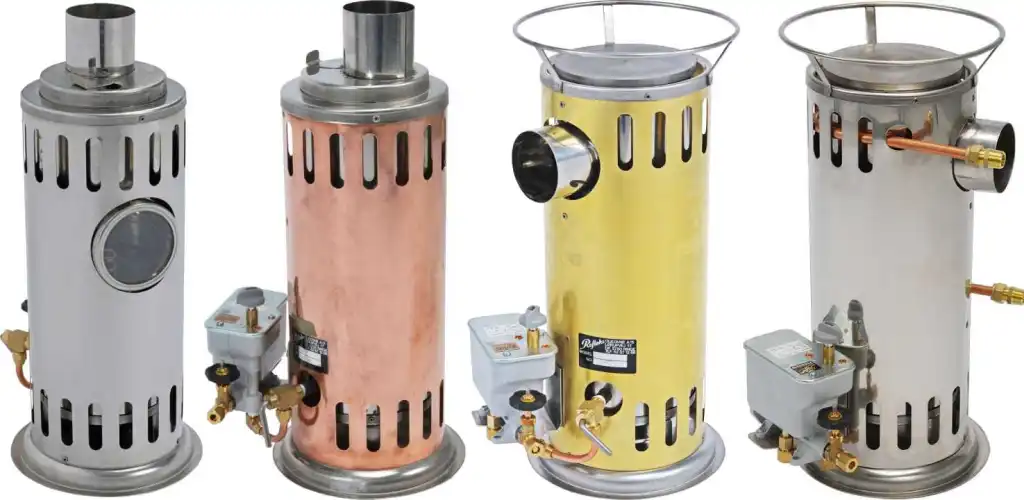

  • Our Boat Stove Trade-In Deals

    Upgrade Your Boat Stove: Receive Up to £250 Credit towards Your New Diesel or Solid Fuel Stove or Cooker!

    Are you in need of a new boat stove? Our boat stove trade-in deals can help! We have an exciting offer for you. Upgrade your old boat stove to a new diesel stove or a solid-fuel stove. Receive up to £250 credit for your upgrade.

    Your boat stove is an essential component of your onboard comfort. It provides warmth and a cosy atmosphere during those chilly nights on the water. However, over time, even the most reliable stoves can begin to show signs of wear and tear. That’s where our boat stove trade-in deals come in.


    For quotes and bookings, call 07846 274 926 or email marineheatingsolutions@gmail.com


    Broken Old Boat Stove

    Why Upgrade?

    • Improved Efficiency: New diesel and solid fuel stoves, or cookers, offer enhanced efficiency, ensuring maximum heat output with minimal wastage. Say goodbye to fuel wastage and hello to cost savings.
    • Enhanced Safety: Outdated boat stoves may pose safety risks due to their age or condition. Upgrading to a new stove will provide you with the latest safety features. This upgrade gives you peace of mind while you’re enjoying your time out on the water.
    • Modern Design: Not only will a new stove be more functional, it will also enhance the overall aesthetic of your boat. With sleek designs and stylish finishes, our stoves will surely elevate the look of your onboard living space.
    New Modern Boat Stove

    How It Works

    Here’s how you can take advantage of our boat stove trade-in deals:

    1. Selection: Browse our wide range of diesel and solid fuel stoves or cookers to find the perfect fit for your boat. Our knowledgeable team will assist you in choosing the most suitable option based on your needs and requirements.
    2. Assessment: Contact our team to schedule an assessment. We will evaluate your old stove and assess the installation of your new stove.
    3. Purchase: Once you have made your selection, we will send a formal estimate for the installation of your new diesel or solid-fuel stove or cooker. The credit amount determined during the assessment phase will be deducted from the total price.
    4. Installation: Our fully certified solid fuel technicians will ensure a professional installation of your new stove, making sure everything is in perfect working order.
    5. Enjoy: Sit back, relax, and enjoy the warmth and comfort provided by your brand-new boat stove or cooker. Embrace the joy of hassle-free cooking and cozy evenings onboard.

    Terms and Conditions

    • This offer is valid for a limited time only and is subject to availability.
    • The credit amount provided is based on the condition of your old boat stove, as assessed by our experts.
    • The credit can only be used towards the purchase of a new diesel or solid-fuel stove or cooker from us.
    • The credit cannot be redeemed for cash or used in conjunction with any other offer or discount, except for the free installation offer with the Go Eco Adventurer stove.

    Don’t miss out on this boat stove trade-in deals to upgrade your boat stove and save up to £250! Contact our team today to schedule your assessment. Embark on a journey of improved efficiency, safety, and style on your boat.

  • Servicing Diesel Burning Appliances on Boats

    Maintaining your boat’s diesel burning appliances is crucial for ensuring their optimal performance and safety. This includes regular servicing of all pressure jet-fired boilers, vaporizing burners on stoves, and forced draft burners on diesel heaters. In this blog post, we will explore the significance of servicing these appliances and discuss their recommended service intervals.

    Why Service Diesel Burning Appliances?

    1. Efficiency: Regular servicing helps maintain the efficiency of diesel burning appliances. Over time, soot and carbon deposits can accumulate, affecting combustion efficiency. Servicing cleans and optimizes the burner. This ensures that these appliances operate at their highest efficiency. It reduces fuel consumption and costs.
    2. Safety: Boats with diesel burning appliances must prioritize safety. Servicing helps identify potential hazards such as leaks, blockages, or malfunctions. Technicians can inspect fuel lines, combustion chambers, and flues to ensure they are in proper working condition. This rigorous check-up reduces the risk of fire accidents, carbon monoxide poisoning, or other safety hazards.
    3. Extended Lifespan: Regular servicing helps prolong the lifespan of diesel burning appliances. By addressing minor issues and performing preventive maintenance, you can avoid costly repairs or premature replacements. Properly serviced appliances have reduced wear and tear, ensuring they function optimally for years to come.

    For quotes and bookings, call or email us here.
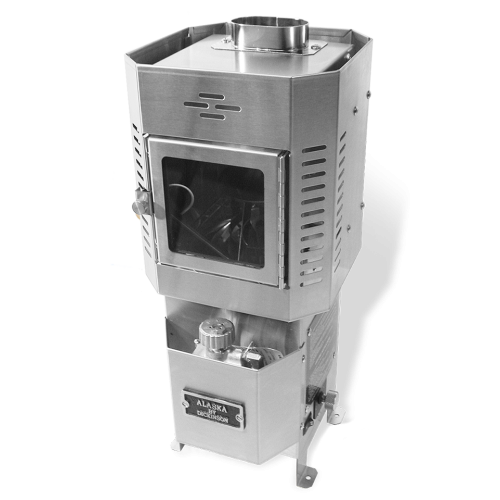

    Service Intervals for Marine Diesel Heaters

    Servicing marine diesel heaters at regular intervals is crucial for maintaining their efficiency and ensuring the safety of boat occupants. Here are the recommended service intervals for marine diesel heaters:

    1. Annual Service: It is advisable to have a comprehensive service performed on the diesel heater at least once a year. This needs to include full disassembly, cleaning all parts, replacing worn parts and all gaskets, and checking up on fuel supply and exhaust systems
    2. Interim Maintenance: In addition to the annual service, interim maintenance should be performed every 6 months or as recommended by the manufacturer.

    By adhering to these service intervals, boat owners can ensure that their marine diesel heaters operate at their optimal efficiency. This practice provides reliable heating and mitigates potential safety hazards.

    Eberspacher Hydronic S3 D5 12V Kit

    Which Parts of a Diesel Heater Need Servicing and Why?

    When servicing a diesel heater, several key components require attention to ensure optimal performance and safety. These include:

    1. Burner: The burner is responsible for combusting the diesel fuel to generate heat. Regular servicing is necessary to clean and inspect the burner for any soot or carbon deposits that can hinder efficient combustion. Some burners need their mesh replaced periodically. This ensures a steady flame and prevents issues such as poor flame picture and uneven heat output.
    2. Fuel Supply System: The fuel supply system, consisting of fuel lines, filters, valves, and pump must be maintained regularly. This ensures a consistent and proper supply of fuel to the burner. Any clogs, leaks, or malfunctions in the system can result in reduced burner performance or even complete failure.
    3. Heat Exchanger: The heat exchanger transfers heat from the burner to the surrounding air or water. Cleaning and inspecting the heat exchanger regularly is important. Not removing soot or debris can hinder heat transfer. A clean heat exchanger maximises the heater’s efficiency and prevents potential damage.
    4. Exhaust System: The exhaust system removes combustion products, such as carbon monoxide, safely from the heater. Regular inspection and cleaning are necessary to ensure proper venting and prevent obstructions or leaks that can pose safety risks.
    5. Electrical Parts: Fan bearings, flame sensors, glow plugs, and other electrical parts need regular inspection. They also require cleaning and, in some cases, replacing regularly. This will ensure the reliable and safe function of the heater.
    6. Coolant: Diesel water heaters need their coolant to be replaced every 3 to 5 years. This system should also be flushed at this time.

    Boat owners can ensure their diesel heaters operate efficiently by servicing these components regularly. Regular maintenance also provides reliable heating, and it maintains the safety of occupants onboard.


    For quotes and bookings, contact us on 07846 274 926 or email marineheatingsolutions@gmail.com


    Service Intervals for Vaporising Burners in Diesel Stoves and Diesel Cookers

    Diesel stoves and diesel cookers equipped with vaporising burners are commonly used on boats for cooking and heating purposes. Proper servicing of these burners is essential for optimal performance and safety. Here are the recommended service intervals for vaporising burners:

    • Annual Service: It is advisable to have the vaporising burner serviced annually. This includes cleaning, adjusting, and testing the Diesel Stove’s overall performance. Regular Maintenance: In addition to the annual service, you should clean the burner pot frequently. Sweeping the flue is also required throughout the heating season.

    By adhering to these recommended service intervals, boat owners can ensure that vaporising burners in diesel stoves and cookers are in optimal condition. When these burners operate efficiently, they promote safety on board.

    Refleks 66M Marine Diesel Stove Range

    Which Parts of a Vapouring Diesel Burner Need Servicing and Why?

    Inspecting and maintaining several crucial components is essential when servicing the vaporising burner of a boat stove or cooker. This ensures optimal performance and safety. The following are the parts of a vaporising diesel burner that require servicing and the reasons why:

    1. Burner Pot: The burner pot is where the fuel is vaporised and ignited. Regular cleaning of the burner pot is necessary to remove any buildup of soot, carbon deposits, or debris. Soot and carbon can hinder efficient combustion. A clean burner pot ensures a steady flame and prevents issues such as poor fuel vaporisation or uneven heat output.
    2. Fuel Supply System: The fuel supply system consists of components such as fuel lines, filters, and valves. Regular servicing of these parts is essential to ensure a consistent and proper supply of fuel to the burner. Any clogs, leaks, or malfunctions in the fuel supply system can result in reduced burner performance, inefficient combustion, or even burner failure. Metering Valves (Toby Valves) need dialing in regularly to ensure the correct supply of diesel to the burner.
    3. Burner Chamber Walls and Back Boiler: The burner chamber walls and back boiler transfer the heat generated by the burner to the surrounding air or water. Regular cleaning is necessary to remove any soot or debris that can accumulate and obstruct heat transfer. A clean back boiler and burner chamber walls allow for efficient heat distribution, maximising the burner’s performance and energy efficiency.
    4. Flue and Venting System: The flue and venting system is responsible for supplying combustion air and safely removing combustion byproducts, such as carbon monoxide, from the burner. Regular inspection and cleaning of the flue and venting system prevent blockages, leaks, or corrosion. These issues can compromise the diesel stove’s operation and pose safety risks to occupants of the boat.
    5. Coolant: Back boilers that supply central heating systems need flushing, and their coolant needs replacing every 3 to 5 years.

    By ensuring regular servicing and maintenance of these parts, boat owners can keep their vaporising oil burners in optimal condition. This practice promotes efficient combustion. It also maintains the safety of their onboard heating and cooking systems.


    For quotes and bookings, contact us on 07846 274 926 or email marineheatingsolutions@gmail.com


    Service Intervals for Marine Pressure Jet-Fired Boilers

    Pressure jet-fired diesel combi boilers, commonly found on larger vessels, play a vital role in providing hot water and heating. To maintain their efficiency and safety, it is recommended to have them serviced at regular intervals:

    • Annual Service: A comprehensive service should be conducted at least once a year. This includes cleaning and adjusting, and testing the boiler’s overall performance. Injector nozzles must be replaced with every annual service.
    • Interim Maintenance: Additional interim maintenance should be performed every 6 months or as recommended by the manufacturer.
    POST - Marine Diesel Boilers - Smart Line - 7kw

    Which Parts of a Pressure Jet-Fired Diesel Boiler Need Servicing and Why?

    Servicing pressure jet-fired boilers on boats involves inspecting and maintaining various components to ensure optimal performance and safety. During a comprehensive service of a diesel boiler, several parts require attention:

    1. Burner: The burner is responsible for atomising the fuel and igniting it. Without regular cleaning and adjustment, soot and carbon deposits can accumulate, hindering efficient combustion and reducing the boiler’s overall efficiency. Over time, this can lead to increased fuel consumption, higher operating costs, and breakdowns.
    2. Heat Exchanger: The heat exchanger transfers heat from the burner flame to the water, providing hot water and heating for the boat. Without regular cleaning, the heat exchanger can become clogged with soot, reducing its effectiveness and limiting heat transfer. This can result in decreased heating performance and potential damage to the heat exchanger.
    3. Fuel Delivery System: A well-maintained fuel delivery system is crucial for proper boiler operation. If not serviced regularly, fuel lines can develop leaks or become blocked, leading to fuel supply issues. Malfunctioning fuel pumps or valves can disrupt the flow of fuel. This disruption adversely affects the boiler’s performance and can potentially cause breakdowns.
    4. Combustion Chamber and Flue: The combustion chamber is where fuel is burned to produce heat. The flue transports the combustion gases to the outside of the boat cabin. Neglecting their maintenance can lead to carbon buildup, compromising combustion efficiency and posing a potential carbon monoxide hazard. Regular inspections are necessary to ensure there are no blockages, leaks, or other issues that could compromise safety.
    5. Coolant: Diesel boilers that supply central heating systems need flushing, and their coolant needs to be replaced every 3 to 5 years.

    For quotes and bookings, call or email us here.

  • A Comprehensive Guide to Back Boilers on Boat Stoves

    When it comes to heating options for boats, back boilers are a popular choice. These ingenious systems combine the functions of a stove and a central heating unit, efficiently distributing heat throughout the vessel. In this comprehensive guide to back boilers on boat stoves, we’ll explore what back boilers are and how they work. We will also cover the different types available. This includes pumped back boiler systems with pipe thermostat control and gravity-fed systems. Let’s dive in!

    What are Back Boilers?

    Back boilers are specialised attachments that can be added to existing boat stoves. These are heat exchangers designed to harness some of the heat produced by the stove. They transfer this heat to a coolant-based heating system. This allows for enhanced warmth distribution throughout the boat.

    A Back Boiler on a Bubble boat stove.

    How do Back Boilers Work?

    Back boilers utilise the principle of heat transfer through conduction. As the stove is lit, it begins to generate heat. This heat is conducted through the back boiler coils or heat exchanger. These components are in direct contact with the burning fuel. The coolant within the coils or heat exchangers absorbs the heat. This is circulated throughout the boat and provides a comfortable and consistent source of warmth.


    For quotes and bookings, call or email us here.
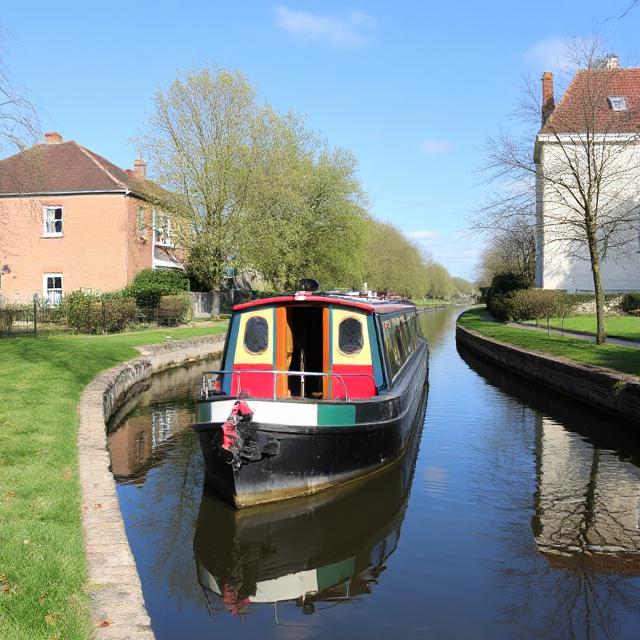

    Pumped Back Boiler Systems with Pipe Thermostat Control

    A popular choice for boats, pumped back boiler systems offer good control over boiler temperature and heat distribution. These systems consist of a back boiler, a circulation pump, and a pipe thermostat.

    The circulation pump ensures circulation between the back boiler, radiators, and/or calorifier, maintaining a continuous flow of heated coolant water. The pipe thermostat switches on the circulation pump automatically when the back boiler has reached a set temperature. This ensures that coolant water is circulated when the stove is in use and prevents overheating of the back boiler.

    Pumped back boiler systems provide excellent heat distribution, thanks to the forced circulation of heated coolant water. This type of system is particularly suitable for larger vessels or those with multiple radiators. The pump can effectively deliver heat to different areas.

    Gravity-Fed Back Boiler Systems

    Gravity-fed back boiler systems are another option for heating boats. These systems operate without the need for an electric water pump. Instead, they rely on the force of convection and gravity to circulate heated water.

    Gravity-fed backboilers work in a straightforward manner. As the stove generates heat, hot water rises naturally through the back boiler due to the principle of convection. As hot coolant water rises, cooler coolant water from the radiators flows back towards the stove, creating a continuous flow.

    One significant advantage of gravity-fed back boiler systems is their simplicity and reliability. Since they don’t rely on electrical components, there are no concerns about power outages or mechanical failures. Additionally, gravity-fed systems tend to be more energy-efficient and require less maintenance compared to pumped systems.

    However, it is essential to consider the limitations of these systems. These systems rely on gravity. As a result, they may not provide the same precise control over temperature and heat distribution as their pumped counterparts. They also might not be suitable for larger vessels or those with multiple heating zones. The passive circulation of heated water may not be sufficient to reach every area adequately. They also require part of the pipework to run at a higher level. This makes it more difficult to hide pipes from view.

    Hybrid Systems

    Hybrid systems incorporate a diesel heater or gas boiler into the back boiler system. They offer a versatile solution in situations when only a small amount of heat is required, and running the stove could result in excessive heating of the boat cabin. They can also regulate the temperature at night better, through a room thermostat control on the diesel heater. These systems are especially useful for installations incorporating a calorifier. They allow heating of the calorifier only to produce hot water during the summer months. They also ensure that a backup heat source is available should one of the appliances suffer a breakdown.

    It is advisable to consult with a trained professional to determine the most suitable hybrid heating system for your boat and to ensure it is installed correctly and functions safely.

    Our Back Boiler Stove Range

    At Marine Heating Solutions, we offer a range of stoves with backboilers. Here are some of the models we sell and install:

    • Bubble Diesel and Solid Fuel Stoves and Range Cookers: These 4 to 5kw stoves feature 1kw and 2kw backboilers, making them suitable for medium to large size vessels. The Bubble stoves and range cookers provide both heating and cooking capabilities, ensuring convenience and warmth on your boat.
    Bubble Stove
    • Salamander Solid Fuel Stoves and Cooking Ranges with Small Sideboilers: Designed for small to medium-sized boats, the Salamander Hobbit Stove and the Little Range Cooker come with small side boilers that add an extra heating element. They are efficient and compact, ideal for maximising space on your vessel.
    Salmander Stoves
    • Refleks Diesel Stoves: Our range of Refleks Diesel Stoves offers options for small, medium, and large boats. These stoves are known for their reliability and versatility, providing you with customizable heating solutions based on your boat’s size and heating requirements.
    Refleks Diesel Stove

    Important Safety Considerations

    It is crucial to note that while boat stoves with back boilers offer efficient heating solutions, they can be potentially dangerous. There is an explosion risk if they are installed incorrectly. Therefore, it is highly recommended that the installation of back boiler heating systems be carried out by trained professionals with experience in marine heating systems.

    Boat owners should exercise caution. They should thoroughly check the credentials and qualifications of engineers before booking them to install a back boiler heating system. Hiring a certified professional ensures that the installation is done correctly, adhering to safety regulations and minimising the risk of accidents or malfunctioning.


    For quotes and bookings, call or email us here.
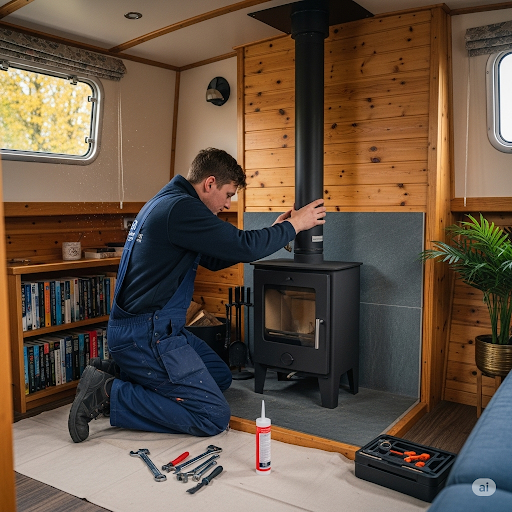

  • The Benefits Of Stainless Steel Twin Wall Insulated Flues For Boat Stoves

    When it comes to boat stoves, safety and efficiency are of paramount importance. A stainless steel twin-wall insulated flue is an essential component that plays a critical role in achieving both. In this post, we will explore the numerous benefits offered by these innovative flue systems. This post solely focuses on twin-wall flues. For overall stove safety and installation guidelines, please read our blog post on solid fuel stove safety.


    For quotes and bookings, call or email us here.
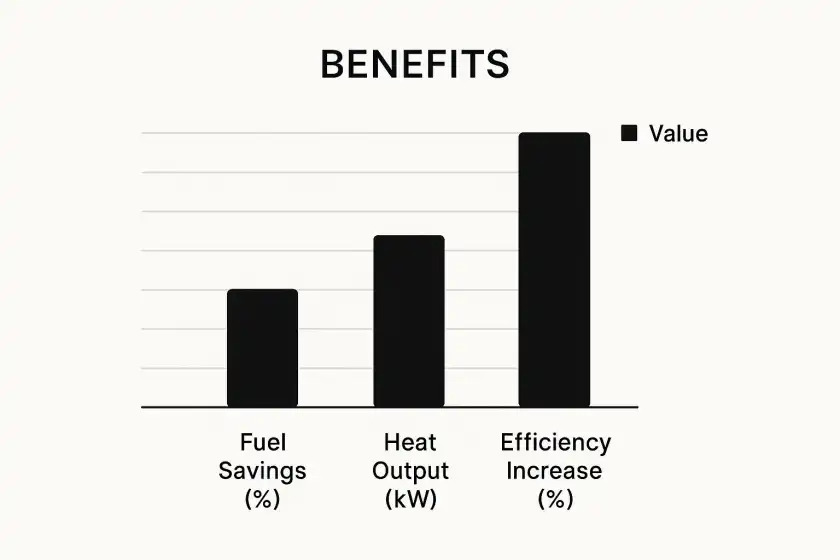

    twin wall insulated flue black

    Enhanced Safety

    Safety should always be the top priority on a boat, especially when it involves heating systems. Stainless steel twin-wall insulated flues provide superior safety features that minimise the risk of fire hazards. The double-layered design acts as an effective insulation barrier, reducing the temperature on the external surface of the flue. This prevents accidental burns and ensures the structural integrity and fire safety of the surrounding materials. Thus making twin wall flues ideal for use in confined boat spaces.

    Corrosion Resistance

    When it comes to marine environments, using flues made from corrosion-resistant stainless steel is of utmost importance. The constant exposure to high humidity levels can quickly deteriorate and corrode flue systems made from lesser materials. Stainless steel flues, on the other hand, are specifically designed to withstand these harsh conditions. The corrosion-resistant properties of stainless steel ensure the longevity and durability of the flue. This reduces the risk of leaks, structural damage, and subsequent safety hazards. By choosing stainless steel flues, boat owners can have peace of mind. They will know that their heating system remains safe, efficient, and reliable even in the challenging marine environment.

    Improved Efficiency

    Efficiency is a crucial aspect of any heating system, and boat stoves are no exception. Twin-wall insulated flues contribute greatly to the efficiency of boat stoves by maximising heat retention. The insulation layer inside the flue keeps the hot gases hotter for longer. This allows for more effective burn and heat transfer from the stove body to the boat interior. As a result, you can achieve a higher heat output while using less fuel. Less fuel is burned to maintain the correct flue draft. More heat is retained within the stove. Modern stoves are designed with this in mind. Their airwash systems will not function as intended with outdated single-skin flues.

    Boat Stove With Insulated Flue

    Carbon Monoxide Safety

    Twin-wall insulated flues are essential for carbon monoxide safety on boats. They enhance safety for diesel and solid fuel stoves. They achieve this by keeping the flue gases hot. The insulation layer surrounding the flue pipe prevents the gases from losing their heat too quickly. This is important because when flue gases remain hot, they are carried carbon monoxide out of the boat more efficiently. This reduces the likelihood of any backflow or leakage into the living areas. By maintaining the gases at an optimal temperature, twin-wall insulated flues minimise the risk of carbon monoxide buildup in the cabin.

    Versatile Installation Options

    Boat designs can vary significantly, and space constraints are often a concern. Stainless steel twin-wall insulated flues are designed to offer versatile installation options, catering to different boat layouts. These flues are easy to adjust and assemble to fit the specific requirements of your boat. This includes narrowboats, yachts, or any other vessel. This ensures that you can optimise the space available while ensuring the flue system operates efficiently and safely.


    For quotes and bookings, call or email us here.
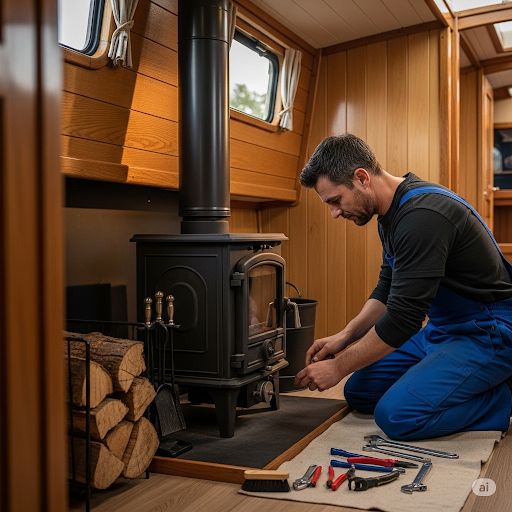

  • How To Install A Boat Stove

    In this post, we aim to give some general guidance on how to install a boat stove. Many boats on the canals use a stove as their main source of heat during the winter. Most boat owners will at some point need to replace their stove or install a new one from scratch. Needless to say, if you have any doubts or questions at all, seek our professional advice. Our experienced engineers are fully certified for solid fuel and diesel boat stove installations.


    For quotes and bookings, call or email us here.
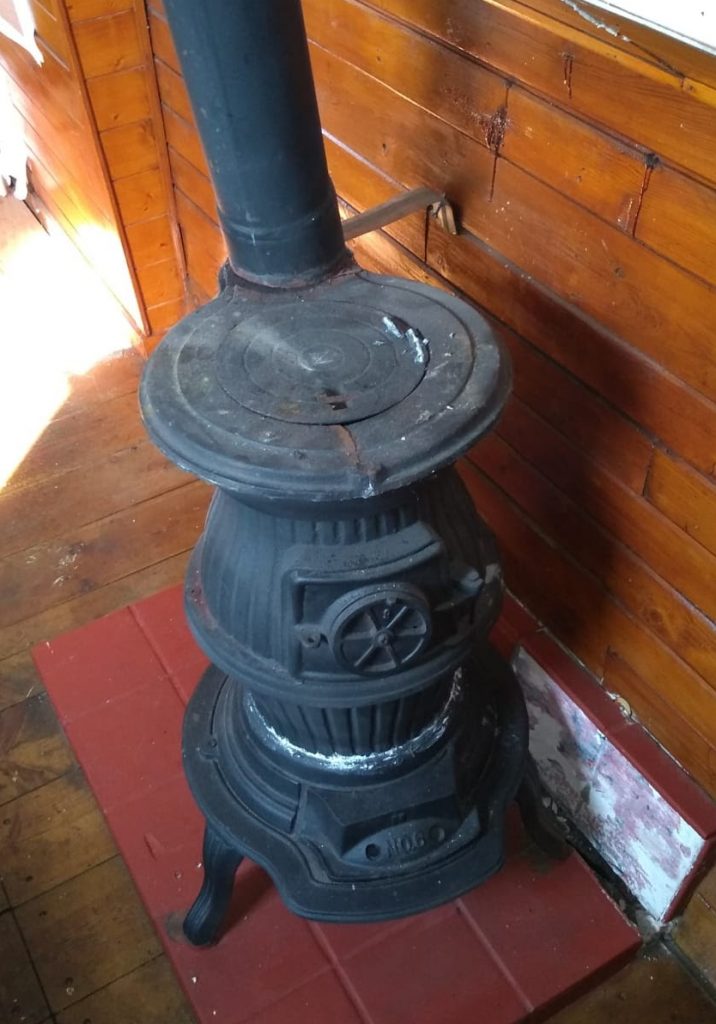

    Safety First

    Before going into any other details about how to install a boat stove, we need to talk about safety. You can find a whole article on boat stove safety here. Please have a read and familiarise yourself with stove safety before planning an installation on your vessel. The main things to consider are clearances from combustible materials, building a hearth, alarms, ventilation, and fire escapes.

    – Regulations and Guidelines Concerning Boat Stove Installations

    When replacing a stove on your boat is advisable to check the boat safety scheme guidelines. These are more onerous than the current British standard and represent best industry practices. Many old hearths and flue systems are not installed in a way that would be recommended today, and yours may need improving.

    If you are replacing the stove or flue with a new one, it is necessary to follow today’s standards and it is advisable to follow BSS guidelines. Before you install a new stove on your boat, check the guidance given in the image below. This is supported by the Boat Safety Scheme and is considered best practice.

    How To Install A Boat Stove - Marine Heating Solutions

    Which Stove Is Best For My Boat?

    – Aesthetics

    This is the exciting part of installing a boat stove. A stove is not only for heating. It has a place on your boat that is special. You’ll be spending many winter days looking at it.  Your stove should have the right look for you and fit in with the interior design of your boat. Be careful here. Many stoves for sale in the UK today are unsuitable for boats due to the short flue lengths. Always check with the manufacturer before you buy. All our stoves listed on this website are suitable for boat installation.

    – Location

    When choosing your stove, make sure to check the manufacturer’s instructions. This will give you an idea of the clearances needed for combustible materials and of the ventilation requirements for the boat’s cabin.

    Consider how well the heat will spread through the boat. On a narrowboat, for example, it is better to locate the stove as centrally as possible. It will otherwise be difficult to spread the heat throughout the boat. Even though this can be overcome with radiators fitted to a back boiler, an even heat distribution is preferable.

    Make sure your stove is located with the flue system in mind. A straight flue is preferable. Check for any structural issues where the flue exits through the roof. Make sure clearances from combustible materials and vents on the roof are maintained.

    – Securing Your Boat Stove

    When thinking about how to install a boat stove, you need to make sure it won’t move if it gets knocked. You will need to secure the stove to the hearth, either at the bottom or the rear. Make sure the heart is constructed in a way that this is possible. Most boat stove manufacturers like Bubble, Salamander or Morso will have designed their stoves with this in mind. Some stoves not made primarily for boats may not be suitable.

    Flues For Boat Stoves

    When you are installing a new stove on your boat, the flue needs plenty of consideration. Make sure you check with the manufacturer that the stove is suitable for the short flue lengths that are common on boats. Flues that are installed wrong or are unsuitable pose a serious risk to life and property. Considering fire safety, carbon monoxide risk, and accident prevention should be a priority.

    – Types Of Flues

    In the past, a simple, mild steel tube was used on most stove installations on boats. This is no longer considered good practice. On a new installation, a twin-wall insulated flue is the best way forward.

    How To Install A Boat Stove - Twin Wall Flue

    Modern twin-wall flues are constructed of a material that resists corrosion. This means it won’t become dangerous over time by rusting through, as many of the old flues did. Insulated flues also improve fire safety and prevent injuries from burns. The flue gases in these types of flue stay hotter for longer. This means an improved draft, which promotes a cleaner burn and minimises the risk of carbon monoxide escaping. Make sure you have the correct cowl for your flue type, stove type, and environment. More information can be found in our blog post about twin-wall insulated flues.

    – Securing The Flue

    When choosing a flue system to install on your boat stove, keep in mind which way you are going to secure it. With some systems, like the Morso flue kits, the flue will be secured to the stove spigot and roof collar. Other flues will need to be secured to the wall with a bracket or ceiling plate.

    Make sure that any fittings, such as roof collars and wall brackets, are suitable. On many boats, the roof and walls are angled. This means some flue supports designed for houses won’t work on boats.

    – Flue Location

    The best location for your flue (and stove) is determined by many factors. Most stove manufacturers will specify a minimum length of the flue. This must be adhered to, to ensure there is sufficient draft to clear all the fumes. You must also find a suitable place to cut through your roof, without compromising its strength. The end of the flue will need to keep a minimum distance from flammable materials, vents, and windows. The manufacturer will state these distances in the instructions.

    Installing Diesel Stoves On Boats

    A few brief notes on diesel stove installations on boats. All fuel lines and any day tanks must be secured against movement, clipped down, and protected from accidental impacts. Install shut-off valves at the tank and at the appliance. A fire stop valve must be installed to stop fuel flow in case of a fire. All diesel stoves on boats should have a solid floor beneath them. Minimum thicknesses are stated in the manufacturer’s instructions. Always fit a drip tray to catch any accidental spills.

    Finally

    We hope we have covered most aspects of how to install a boat stove in this article. It is worth repeating that it is best to consult our professional boat stove installers if you have any questions. This is not only a safety concern. Damage to the vessel caused by bad craftsmanship can often be expensive and time-consuming to repair. In addition, many manufacturers will not honour warranty agreements for DIY boat stove installs.


    For quotes and bookings, call or email us here.