Maintaining your boat’s diesel burning appliances is crucial for ensuring their optimal performance and safety. This includes regular servicing of all pressure jet-fired boilers, vaporizing burners on stoves, and forced draft burners on diesel heaters. In this blog post, we will explore the significance of servicing these appliances and discuss their recommended service intervals.
Why Service Diesel Burning Appliances?
- Efficiency: Regular servicing helps maintain the efficiency of diesel burning appliances. Over time, soot and carbon deposits can accumulate, affecting combustion efficiency. Servicing cleans and optimizes the burner. This ensures that these appliances operate at their highest efficiency. It reduces fuel consumption and costs.
- Safety: Boats with diesel burning appliances must prioritize safety. Servicing helps identify potential hazards such as leaks, blockages, or malfunctions. Technicians can inspect fuel lines, combustion chambers, and flues to ensure they are in proper working condition. This rigorous check-up reduces the risk of fire accidents, carbon monoxide poisoning, or other safety hazards.
- Extended Lifespan: Regular servicing helps prolong the lifespan of diesel burning appliances. By addressing minor issues and performing preventive maintenance, you can avoid costly repairs or premature replacements. Properly serviced appliances have reduced wear and tear, ensuring they function optimally for years to come.
For quotes and bookings, call or email us here.
Service Intervals for Marine Diesel Heaters
Servicing marine diesel heaters at regular intervals is crucial for maintaining their efficiency and ensuring the safety of boat occupants. Here are the recommended service intervals for marine diesel heaters:
- Annual Service: It is advisable to have a comprehensive service performed on the diesel heater at least once a year. This needs to include full disassembly, cleaning all parts, replacing worn parts and all gaskets, and checking up on fuel supply and exhaust systems
- Interim Maintenance: In addition to the annual service, interim maintenance should be performed every 6 months or as recommended by the manufacturer.
By adhering to these service intervals, boat owners can ensure that their marine diesel heaters operate at their optimal efficiency. This practice provides reliable heating and mitigates potential safety hazards.
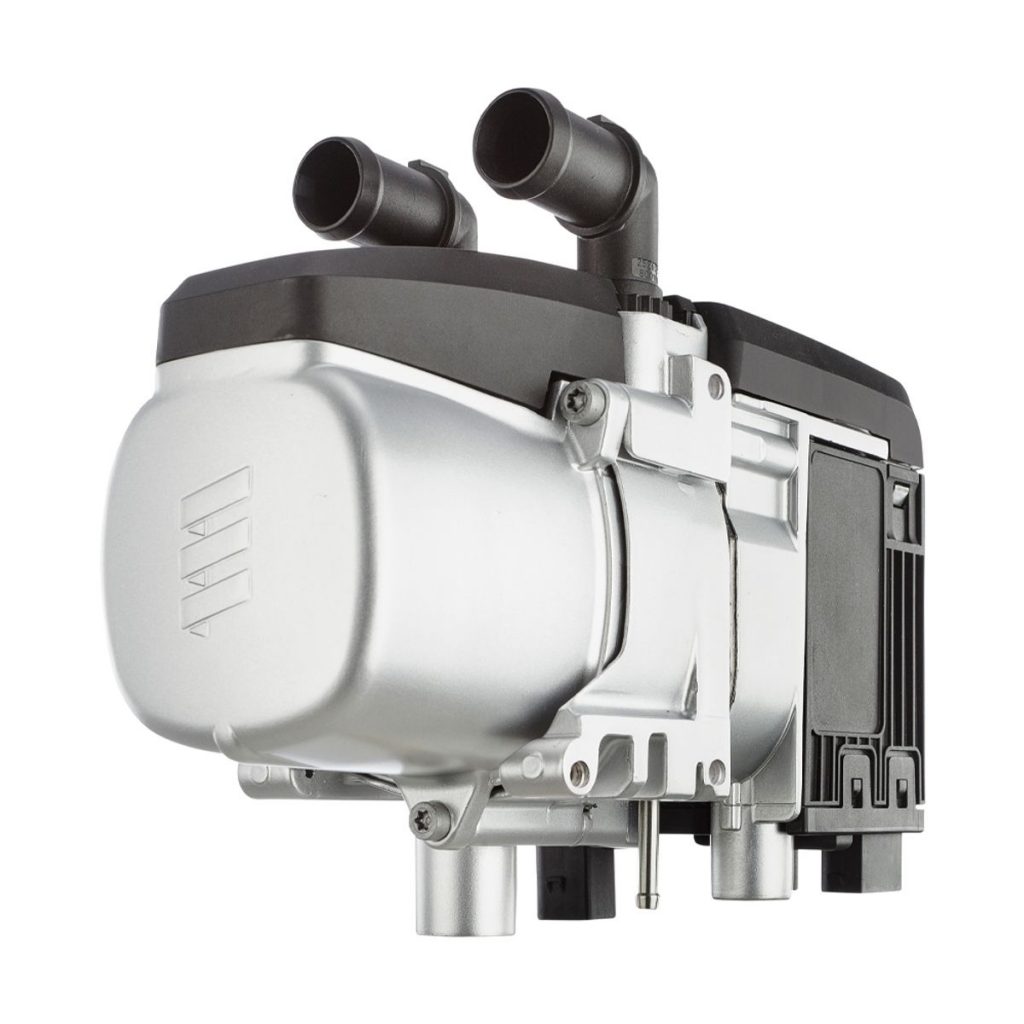
Which Parts of a Diesel Heater Need Servicing and Why?
When servicing a diesel heater, several key components require attention to ensure optimal performance and safety. These include:
- Burner: The burner is responsible for combusting the diesel fuel to generate heat. Regular servicing is necessary to clean and inspect the burner for any soot or carbon deposits that can hinder efficient combustion. Some burners need their mesh replaced periodically. This ensures a steady flame and prevents issues such as poor flame picture and uneven heat output.
- Fuel Supply System: The fuel supply system, consisting of fuel lines, filters, valves, and pump must be maintained regularly. This ensures a consistent and proper supply of fuel to the burner. Any clogs, leaks, or malfunctions in the system can result in reduced burner performance or even complete failure.
- Heat Exchanger: The heat exchanger transfers heat from the burner to the surrounding air or water. Cleaning and inspecting the heat exchanger regularly is important. Not removing soot or debris can hinder heat transfer. A clean heat exchanger maximises the heater’s efficiency and prevents potential damage.
- Exhaust System: The exhaust system removes combustion products, such as carbon monoxide, safely from the heater. Regular inspection and cleaning are necessary to ensure proper venting and prevent obstructions or leaks that can pose safety risks.
- Electrical Parts: Fan bearings, flame sensors, glow plugs, and other electrical parts need regular inspection. They also require cleaning and, in some cases, replacing regularly. This will ensure the reliable and safe function of the heater.
- Coolant: Diesel water heaters need their coolant to be replaced every 3 to 5 years. This system should also be flushed at this time.
Boat owners can ensure their diesel heaters operate efficiently by servicing these components regularly. Regular maintenance also provides reliable heating, and it maintains the safety of occupants onboard.
For quotes and bookings, contact us on 07846 274 926 or email marineheatingsolutions@gmail.com
Service Intervals for Vaporising Burners in Diesel Stoves and Diesel Cookers
Diesel stoves and diesel cookers equipped with vaporising burners are commonly used on boats for cooking and heating purposes. Proper servicing of these burners is essential for optimal performance and safety. Here are the recommended service intervals for vaporising burners:
- Annual Service: It is advisable to have the vaporising burner serviced annually. This includes cleaning, adjusting, and testing the Diesel Stove’s overall performance. Regular Maintenance: In addition to the annual service, you should clean the burner pot frequently. Sweeping the flue is also required throughout the heating season.
By adhering to these recommended service intervals, boat owners can ensure that vaporising burners in diesel stoves and cookers are in optimal condition. When these burners operate efficiently, they promote safety on board.
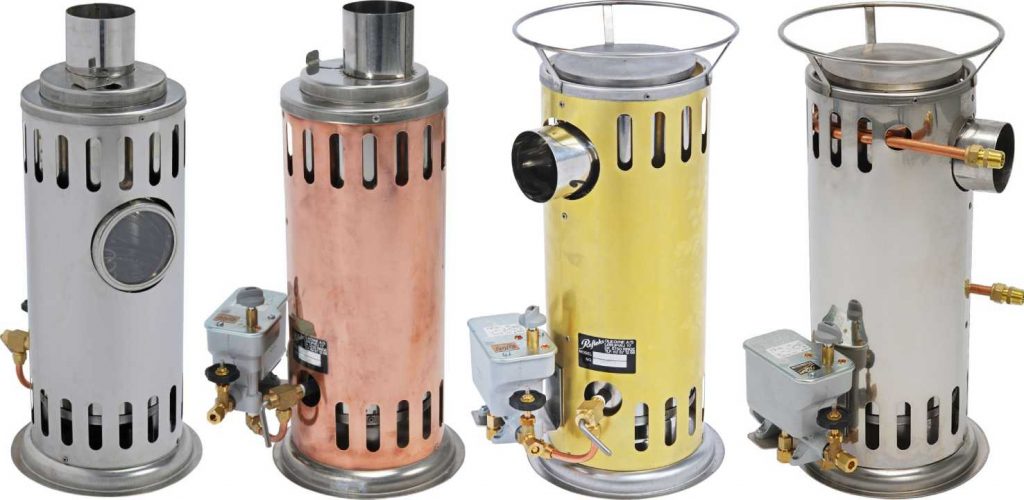
Which Parts of a Vapouring Diesel Burner Need Servicing and Why?
Inspecting and maintaining several crucial components is essential when servicing the vaporising burner of a boat stove or cooker. This ensures optimal performance and safety. The following are the parts of a vaporising diesel burner that require servicing and the reasons why:
- Burner Pot: The burner pot is where the fuel is vaporised and ignited. Regular cleaning of the burner pot is necessary to remove any buildup of soot, carbon deposits, or debris. Soot and carbon can hinder efficient combustion. A clean burner pot ensures a steady flame and prevents issues such as poor fuel vaporisation or uneven heat output.
- Fuel Supply System: The fuel supply system consists of components such as fuel lines, filters, and valves. Regular servicing of these parts is essential to ensure a consistent and proper supply of fuel to the burner. Any clogs, leaks, or malfunctions in the fuel supply system can result in reduced burner performance, inefficient combustion, or even burner failure. Metering Valves (Toby Valves) need dialing in regularly to ensure the correct supply of diesel to the burner.
- Burner Chamber Walls and Back Boiler: The burner chamber walls and back boiler transfer the heat generated by the burner to the surrounding air or water. Regular cleaning is necessary to remove any soot or debris that can accumulate and obstruct heat transfer. A clean back boiler and burner chamber walls allow for efficient heat distribution, maximising the burner’s performance and energy efficiency.
- Flue and Venting System: The flue and venting system is responsible for supplying combustion air and safely removing combustion byproducts, such as carbon monoxide, from the burner. Regular inspection and cleaning of the flue and venting system prevent blockages, leaks, or corrosion. These issues can compromise the diesel stove’s operation and pose safety risks to occupants of the boat.
- Coolant: Back boilers that supply central heating systems need flushing, and their coolant needs replacing every 3 to 5 years.
By ensuring regular servicing and maintenance of these parts, boat owners can keep their vaporising oil burners in optimal condition. This practice promotes efficient combustion. It also maintains the safety of their onboard heating and cooking systems.
For quotes and bookings, contact us on 07846 274 926 or email marineheatingsolutions@gmail.com
Service Intervals for Marine Pressure Jet-Fired Boilers
Pressure jet-fired diesel combi boilers, commonly found on larger vessels, play a vital role in providing hot water and heating. To maintain their efficiency and safety, it is recommended to have them serviced at regular intervals:
- Annual Service: A comprehensive service should be conducted at least once a year. This includes cleaning and adjusting, and testing the boiler’s overall performance. Injector nozzles must be replaced with every annual service.
- Interim Maintenance: Additional interim maintenance should be performed every 6 months or as recommended by the manufacturer.
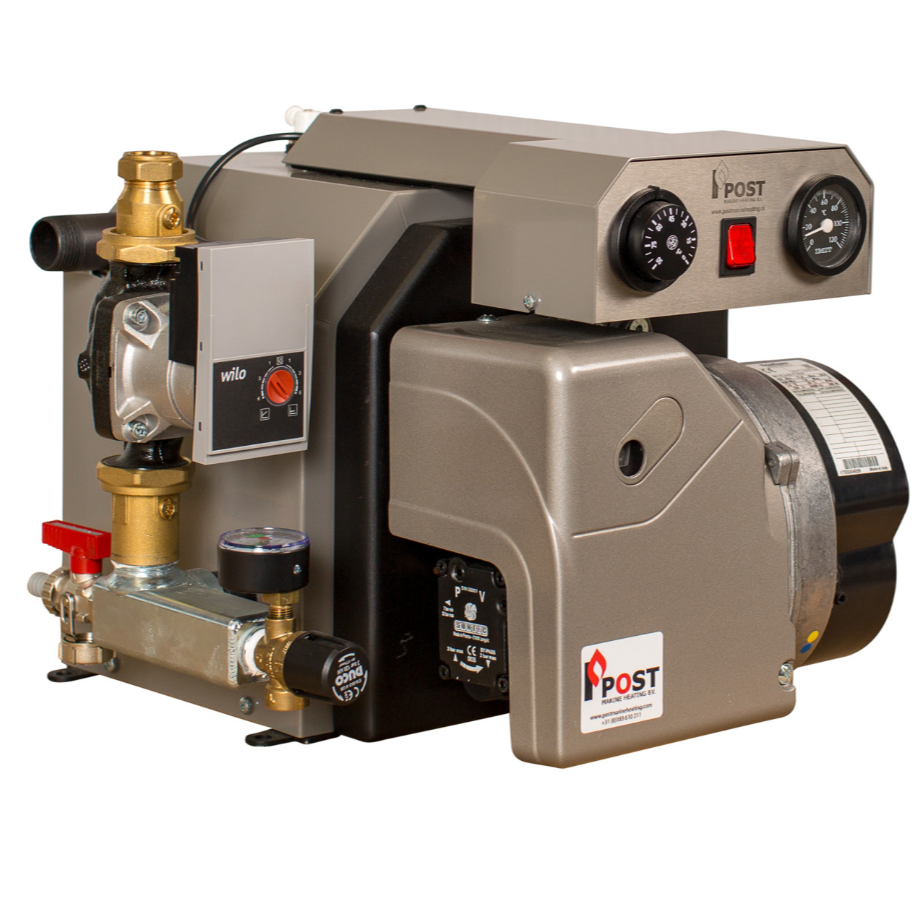
Which Parts of a Pressure Jet-Fired Diesel Boiler Need Servicing and Why?
Servicing pressure jet-fired boilers on boats involves inspecting and maintaining various components to ensure optimal performance and safety. During a comprehensive service of a diesel boiler, several parts require attention:
- Burner: The burner is responsible for atomising the fuel and igniting it. Without regular cleaning and adjustment, soot and carbon deposits can accumulate, hindering efficient combustion and reducing the boiler’s overall efficiency. Over time, this can lead to increased fuel consumption, higher operating costs, and breakdowns.
- Heat Exchanger: The heat exchanger transfers heat from the burner flame to the water, providing hot water and heating for the boat. Without regular cleaning, the heat exchanger can become clogged with soot, reducing its effectiveness and limiting heat transfer. This can result in decreased heating performance and potential damage to the heat exchanger.
- Fuel Delivery System: A well-maintained fuel delivery system is crucial for proper boiler operation. If not serviced regularly, fuel lines can develop leaks or become blocked, leading to fuel supply issues. Malfunctioning fuel pumps or valves can disrupt the flow of fuel. This disruption adversely affects the boiler’s performance and can potentially cause breakdowns.
- Combustion Chamber and Flue: The combustion chamber is where fuel is burned to produce heat. The flue transports the combustion gases to the outside of the boat cabin. Neglecting their maintenance can lead to carbon buildup, compromising combustion efficiency and posing a potential carbon monoxide hazard. Regular inspections are necessary to ensure there are no blockages, leaks, or other issues that could compromise safety.
- Coolant: Diesel boilers that supply central heating systems need flushing, and their coolant needs to be replaced every 3 to 5 years.
For quotes and bookings, call or email us here.