Marine Heating Solutions

Category: Boat Heating and Cooking

Boat Heating and Cooking

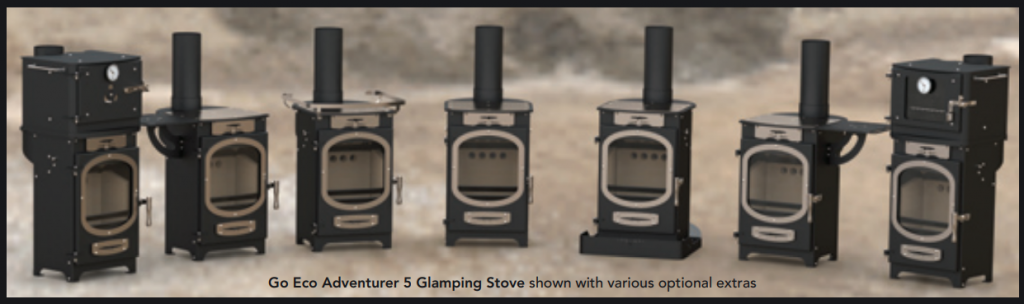
Welcome to our Boat Heating and Cooking category page, your go-to resource for marine appliances designed to enhance your boating experience. We offer a comprehensive selection of LPG, Diesel, and Solid Fuel heaters and cookers tailored to meet the unique demands of nautical life. Whether you’re seeking efficient heating solutions for chilly nights on the water or versatile cooking options for your galley, our collection is curated to provide you with the highest quality equipment and the latest technology.

In this section, you’ll find valuable information about the advantages and disadvantages of various fuels used for cooking and heating on boats. Each fuel type has its own characteristics that cater to different needs and preferences. For more in-depth insights, check out the links below to explore our Diesel Heaters and Cookers, LPG/Gas Heaters and Cookers, and Solid Fuel Heaters and Cookers. With our robustly built marine appliances, you can enjoy comfort and convenience no matter where your adventures take you.


Boat Diesel Heating and Cooking


Boat LPG Heating and Cooking


Solid Fuel Heating and Cooking

For quotes and bookings, call or email us here.

  • Your Guide to a Boat Backboiler System

    Your Guide to a Boat Backboiler System

    At its heart, a boat backboiler is a simple concept. It is basically a water jacket that sits inside a solid fuel stove. Consequently, it uses the heat from your fire to provide hot water for radiators and taps. It’s a clever way to get heating and hot water on a narrowboat or barge. In fact, this makes your trusty stove the true heart of the vessel.

    How a Boat Backboiler Transforms Your Vessel

    Picture this: you’re enjoying the cosy warmth of your log burner. All the while, it’s quietly generating the hot water you need. That’s the real magic of a boat backboiler. For many people on the UK’s inland waterways, this is the core of a comfortable life afloat. As specialists in marine heating, we help boaters install this kind of setup. Ultimately, we create a properly warm and inviting home.

    It’s a bit like putting a kettle on a hob. The stove’s fire is the flame, and the backboiler is the kettle. It constantly heats the water held within its jacket. This hot water can then turn a simple stove into a full-blown central heating system.

    Creating a Warm and Cosy Cabin

    A stove on its own is fantastic at heating the area around it. However, on longer narrowboats, that warmth often doesn’t reach the far corners. A boat backboiler solves this problem elegantly. For example, it powers a small network of radiators placed throughout the boat. This spreads the heat evenly from bow to stern.

    • Consistent Warmth: Say goodbye to cold spots. Your whole boat becomes a comfortable living space.

    • Silent Operation: The heat circulates almost silently, especially with a gravity-fed system.

    • Fuel Efficiency: You’re already burning fuel for heat, so using that same energy for water is common sense.

    Interestingly, this idea of a water-jacketed heat source has a long history. The design principle behind smaller marine boilers was influenced by the larger domestic back boilers that were once commonly used. They are all designed to capture as much heat as possible in a small space.

    A well-designed system, installed by our qualified engineers, transforms your boat into a genuine home. Furthermore, it provides the reliable, off-grid comfort essential for life on the canals.


    For quotes and bookings, call or email us here.


    On-Demand Hot Water for Daily Life

    Beyond just keeping the cabin warm, the system gives you plenty of hot water via a calorifier. This means hot showers and doing the washing up are always on the cards. All of this is powered by the same fire that’s keeping you toasty. This integration is what makes life aboard so much more pleasant. For a deeper dive into these systems, you might like our comprehensive guide to back boilers on boat stoves.

    Our expertise lies in designing and installing these systems just right. We will look at your vessel, whether it’s a narrowboat or a wide-beam. Then, we recommend the perfect combination of stove and boat backboiler from our selection. At the end of the day, our goal is to give you a safe and effective heating solution.

    Find the Perfect Stove for Your Narrowboat
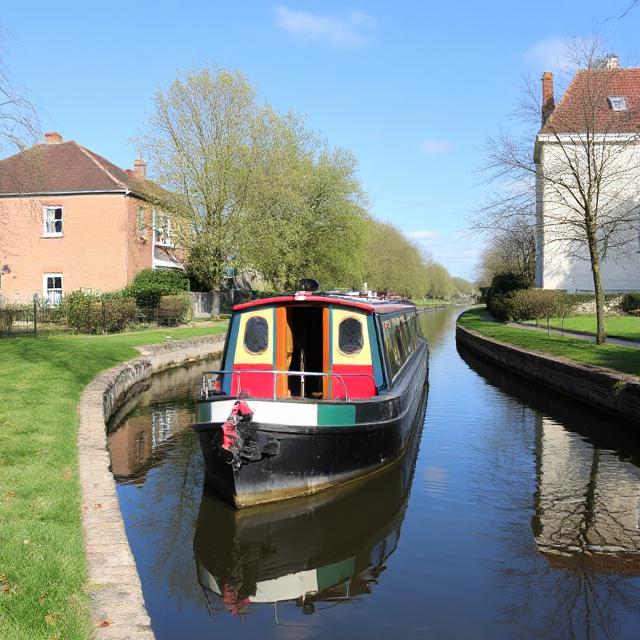
    Narrowboat

    Choosing the right stove is a very important decision for your boat’s heating. This is where getting proper, hands-on advice really pays off. We don’t just point you to a catalogue. Instead, we work with you to find the perfect match for your boat and lifestyle.

    Think of us as your guide through the maze of different stoves. We have compact, efficient models perfect for the cosy cabins of narrowboats. We also have more powerful units designed to keep larger barges warm.

    Instead of leaving you to wrestle with complex specifications, our qualified team looks at your situation. We’ll consider your boat’s layout, your heating needs, and even your personal style. It’s all about making sure the stove you pick works flawlessly for years. This way, you take the guesswork out of it and get a perfect fit.

    Our Premier Stove Selection

    We take a lot of pride in the stoves we offer. Each one has been picked for its quality, reliability, and durability. Whether you need a simple stove for weekend trips or a workhorse for living aboard, we have a solution. Our focus is always on appliances that can easily incorporate a boat backboiler.

    • Compact and Efficient Models: These are ideal for smaller narrowboats where every inch of space counts. They provide plenty of heat without overheating your cabin.

    • High-Output Stoves: Built for wide-beam boats, these units can power a larger radiator system. They also give you all the hot water you need.

    • Diesel Stoves: If you prefer the convenience of diesel, we supply and expertly install various models. They offer reliable heat with a classic look.

    Our commitment is to your comfort and safety. When you work with our certified engineers, you’re not just buying a stove. In fact, you’re investing in a professionally designed heating system, tailored for your life afloat.

    A Stove for Every Style and Need

    We get it – a stove is more than just a heater. It’s the heart of your boat’s living space, so looks matter too. Our range includes stoves to suit every kind of interior, from traditional to modern.

    One of our most popular options is the Bubble 4B. It’s known for its clean-burning efficiency and classic good looks. Thus, it is a firm favourite with narrowboat owners. This stove is particularly well-suited for adding a boat backboiler. You can discover more about the Bubble 4B boat stove and see if it’s right for you.

    Why Our Expertise Matters

    Picking the right stove isn’t as simple as choosing one from a picture. A stove that’s too small will struggle to heat your boat. Conversely, one that’s too big leads to flue problems and inefficiency. Our team’s experience helps you avoid these expensive mistakes.

    We’ll calculate the exact heat output needed for your boat’s size. We also make sure the stove you choose can be paired with a compatible boat backboiler. This careful approach guarantees a balanced, efficient, and safe system you can count on.

    Why Professional Boat Backboiler Installation Is Non-Negotiable
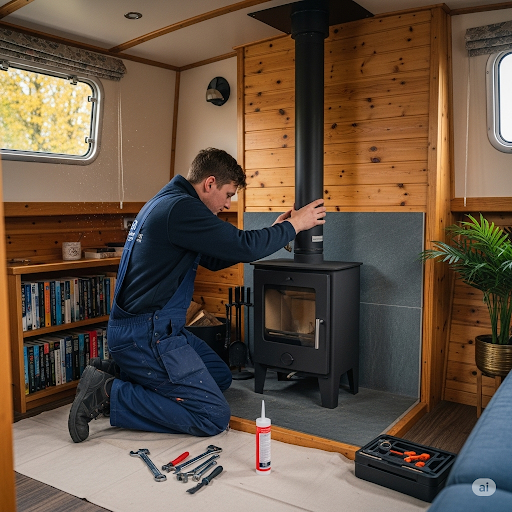
    Boat Backboiler Installation

    A boat backboiler system is a delicate dance between fire, water, and ventilation. This all happens within the snug confines of a boat. Therefore, professional installation isn’t just a good idea—it’s absolutely critical for your safety.

    Trying to fit a backboiler yourself introduces serious risks. Our certified engineers are trained to spot and eliminate these dangers. We manage the entire job from the start. For example, we begin with a proper assessment and a tailored system design.

    Our Proven and Safe Installation Process

    Our reputation is built on trust. That trust comes from a solid commitment to safety, efficiency, and expert work. We don’t just connect pipes; we engineer a complete heating solution. Our engineers ensure that every single part works in perfect harmony.

    The marine environment throws up unique challenges. These demand specialist knowledge. Our OFTEC and Gas Safe registered engineers live and breathe these complexities. For instance, we meticulously calculate heat loads and ensure enough ventilation. We also seamlessly link the new system with your boat’s existing plumbing and 12V electrics.

    Our approach always covers several critical factors:

    • Bespoke System Design: First, we figure out the right size of boat backboiler and stove for your vessel. This prevents the system from underperforming or dangerously overheating.

    • Safety Compliance: Every installation we carry out strictly follows the Boat Safety Scheme (BSS) requirements. Consequently, this gives you confidence that your system is both safe and legal.

    • Component Integration: We make sure the stove, backboiler, and pipework are all compatible. They are fitted exactly to the manufacturer’s specifications for the best performance.

    Choosing our professional service means choosing a system where every detail has been expertly handled. It leaves you free to simply relax and enjoy the reliable warmth without a single worry.

    The Dangers of an Improperly Fitted System

    The fallout from a badly installed boat backboiler can be devastating. An incorrect flue installation, for example, can lead to a deadly build-up of carbon monoxide. Similarly, dodgy pipework can lead to leaks or even a catastrophic system failure.

    These are not risks worth taking. Our certified engineers have years of hands-on experience and are fully insured. They protect both you and your boat. We’ve seen firsthand the messes that can result from amateur installations. Ultimately, our job is to make sure that never happens on your boat.

    The actual work needs a professional hand. You can read our article on how to install a boat stove to understand the complexity. This guide makes it clear why certified expertise is so important.

    Trust the Experts for Total Peace of Mind

    Our promise is simple. We provide a safe, efficient, and reliable heating system. From helping you choose the perfect stove to the final safety checks, we are your trusted partner. By entrusting your installation to us, you’re making the only sensible choice.

    Gravity Fed vs Fully Pumped Boat Backboiler Systems

    When you’re thinking about a backboiler, one big decision is the system type. You can choose a gravity-fed or a fully pumped system. Getting this choice right is crucial, as it affects your heating efficiency.

    Let’s break down the two main options in simple terms.

    A gravity-fed system is a beautiful piece of simple physics. It has no moving parts and relies on a basic principle: hot water rises. As your stove’s backboiler heats the water, it becomes less dense. Then, it naturally travels upwards towards a high point.

    This upward flow creates a vacuum effect. It pulls cooler water from the bottom of your radiators back to the stove. It’s a slow, steady, and completely natural circulation loop.

    The Beauty of Gravity-Fed Systems

    The biggest win for a gravity-fed system is its total independence. It works its magic without any pumps, relying solely on natural convection.

    • Ultimate Reliability: With no pumps to break down, these systems are incredibly dependable.

    • Silent Operation: The circulation is virtually noiseless, adding to the peace of life on the cut.

    • Off-Grid Perfection: Since it uses zero electricity, it’s ideal for boaters who want to be self-sufficient.

    Of course, that simplicity comes with a few trade-offs. Gravity-fed systems are only suited to straightforward radiator layouts. For this system to work, the pipe runs must be just right. This is why our engineers will always carry out a careful assessment. They see if this wonderfully simple method is a practical fit for your narrowboat.

    The image below gives you a clear idea of expected performance gains. It shows how our expertise translates into real-world benefits for you.
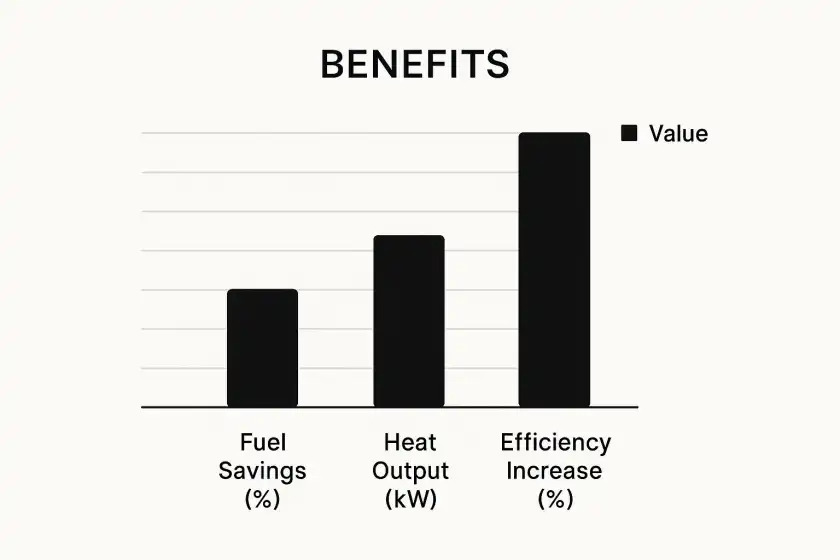
    Performance Gains Infographic
    #image_title

    As you can see, a professionally specified system makes a real difference. It delivers significant improvements in fuel savings and heat output.

    The Power of Fully Pumped Systems

    A fully pumped system, on the other hand, adds a small 12V circulation pump. Instead of waiting for physics, this pump actively shoves hot water around the system.

    This single addition opens up a world of flexibility. The pump gives our engineers the freedom to design much more complex heating circuits. Consequently, it is the go-to solution for larger vessels like Dutch barges. That extra push ensures every single radiator gets properly hot.

    Our qualified engineers will analyse your specific vessel to design the most effective system. Indeed, this expert analysis ensures you get a solution that is powerful and perfectly balanced.

    Key benefits of choosing a fully pumped system include:

    • Faster Heat-Up Times: The active circulation gets your radiators and hot water up to temperature much more quickly.

    • Greater Layout Flexibility: We can design systems for longer boats or more complicated pipe runs.

    • Even heat distribution: These systems ensure consistent warmth throughout your space, providing uniform comfort.

    The pump does need a small amount of 12V power. However, the models we fit are incredibly efficient. They draw very little from your boat’s battery bank.

    Comparing Gravity-Fed and Pumped Boat Backboiler Systems

    To help you see the differences, we’ve put together a simple comparison table. This breaks down the key features of both systems. So, you can better understand which one might be right for your boat.

    Feature

    Gravity-Fed (Thermosyphon) System

    Fully Pumped System

    Power Needs

    Requires no electricity to operate.

    Requires a small 12V supply for the circulation pump.

    Reliability

    Extremely reliable due to having no moving parts.

    Very reliable, but the pump is a component that could eventually fail.

    Noise Level

    Virtually silent operation.

    Very quiet.

    Heat-Up Speed

    Slow and steady; takes longer to warm the system.

    Much faster to heat radiators and hot water.

    Installation

    Requires very precise pipework with specific gradients.

    More forgiving and flexible with pipe layout.

    Best For

    Shorter narrowboats with simple, compact radiator layouts.

    Longer boats, complex layouts, and those wanting faster heating.

    Ultimately, there’s no “better” system, only the system that’s best for you. This is the core principle of our service. Our team of certified engineers will conduct a thorough assessment of your narrowboat or barge. Based on that analysis, we’ll design and install the perfect backboiler system for your needs.

    Ensuring A Safe And Secure Onboard Environment
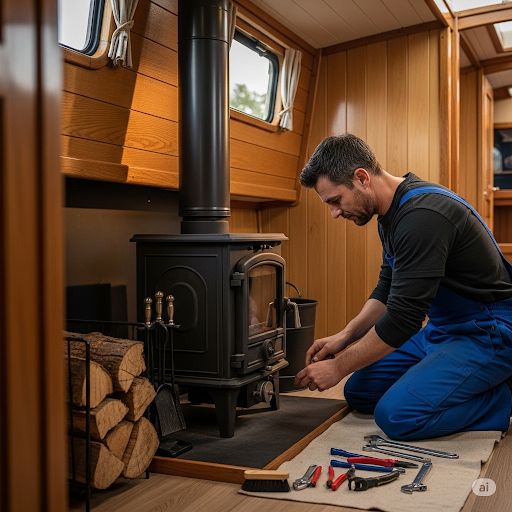
    Boat Backboiler Servicing

    Your safety on the water is our absolute priority. There’s nothing more reassuring than a warm stove on a cold evening. A professionally installed stove and boat backboiler system is a safe way to heat your vessel. The system’s safety hinges entirely on the quality of the installation. This is where our experience becomes your peace of mind.

    We don’t believe in listing off hazards to scare you. Instead, we build your confidence by showing you our robust solutions. For us, peace of mind isn’t an optional extra; it’s the whole point.

    Our Commitment To BSS Compliance

    The Boat Safety Scheme (BSS) sets the benchmark for safety on UK inland waterways. We treat its guidelines as our absolute minimum requirement. Every system we put together is designed to meet these crucial standards. It’s about creating an environment where you can truly relax.

    Our OFTEC and Gas Safe registered engineers ensure every component is correctly fitted. For example, we make certain all flue systems are installed with the proper clearances. Ventilation is also perfectly calculated for your specific appliance. This is a vital step in preventing the build-up of harmful gases.

    When you choose us, you’re investing in a system where every safety detail is professionally handled. Therefore, you can enjoy your stove’s warmth, knowing the installation is completely secure.

    Non-Negotiable Safety Features for Boat Backboilers

    When it comes to safety, we don’t cut corners. Certain protective measures are non-negotiable. These are the fundamental elements that protect you and your boat.

    Key components of our safety-first approach include:

    • Strategic Carbon Monoxide (CO) Alarms: We install alarms in the precise location specified by BSS guidelines. This gives you the earliest possible warning of an issue.

    • Correct Ventilation: Proper airflow is critical. Our engineers calculate and install the exact amount of fixed ventilation needed. This ensures your stove operates safely and efficiently.

    • Secure Fuel Storage: Whether you use solid fuel or diesel, we ensure full compliance with all safe storage guidelines. This helps to minimise any potential fire risk.

    Creating A Secure Environment

    A safe system is about more than just the stove itself. We carefully inspect the proposed location. We also make sure the hearth and surfaces provide adequate heat protection, and every material used is up to the job.

    Ultimately, our goal is to create an onboard environment where you feel completely secure. If you’re concerned about an existing setup, you can learn more. Read our guide on if your boat stove is safe to use. By choosing our service, all that’s left for you to do is light the fire.

    Maintaining Your System for Peak Performance

    To get years of warmth from your boat backboiler, professional maintenance is essential. This isn’t something to tackle yourself. Instead, think of us as your long-term partner. We are here to keep your boat warm, safe, and comfortable.

    Our qualified engineers are here to protect your investment. This ongoing care guarantees the longevity and peak performance of your heating system. It goes well beyond the initial installation.

    Professional Flue Sweeping

    One of the most critical maintenance jobs is getting the flue swept professionally. As you burn solid fuel, a sticky substance called creosote builds up inside the flue. This stuff isn’t just corrosive; it’s also highly flammable. Letting it build up creates a serious fire risk.

    Our engineers use specialised tools to give the flue system a thorough clean. This removes those dangerous deposits. It also makes sure waste gases can escape freely and safely. It’s a simple service that’s a must for any boater with a solid fuel stove.

    Comprehensive System Health Checks

    Our annual servicing packages are incredibly thorough. We don’t just give the flue a quick sweep. In addition, we carry out a complete health check of your entire boat backboiler system. It’s a meticulous process where our technicians inspect and test every component.

    Our comprehensive checks include:

    • Leak Inspection: We carefully examine all pipework and joints for any sign of weeping or leaks. Catching these early prevents water damage and pressure loss.

    • Pump and Valve Testing: For pumped systems, we test the 12V circulation pump to ensure it’s running efficiently. We also inspect all the safety valves.

    • System Pressure Checks: We’ll verify that the system is holding the correct pressure. This is vital for transferring heat efficiently.

    Think of our annual service as an MOT for your boat’s heating system. Indeed, it’s a professional inspection that identifies potential issues before they become serious problems. This saves you from costly repairs and unexpected cold nights.

    This level of professional care ensures every part of the system works together properly. Whether you have a solid fuel stove or run on diesel, upkeep is paramount. For those with diesel appliances, learn more in our guide on servicing diesel-burning appliances on boats.

    By entrusting your maintenance to our engineers, you invest in reliability and safety. We have the expertise and tools to keep your system running perfectly. This leaves you to simply enjoy the consistent warmth and hot water your boat backboiler provides.

    Frequently Asked Questions

    When people think about a new heating system, the same questions tend to pop up. We’ve gathered some of the most common ones we hear from our clients. We hope to give you the clear answers you need to make the right choice.

    How Much Hot Water Can a Boat Backboiler Produce?

    The simple answer is: it depends. The amount of hot water you’ll get hinges on a few things. These include the stove’s heat output and the backboiler’s size. For this reason, professional specification is so important.

    A properly designed boat backboiler system can easily run multiple radiators. Our certified engineers can install a system that provides all the hot water you need. When we have our initial chat, we take the time to figure out exactly what you need.

    Are Backboiler Systems Expensive to Run?

    This is where backboilers really shine. Generally, the running costs are very low. Think about it: you’re already running your solid fuel stove for warmth. The hot water is just a brilliant, efficient bonus. In short, you’re getting two jobs done with one fire.

    Solid fuel is often much cheaper than running a diesel or gas heater. This is especially true for those living aboard who have the stove on daily. We also help you pick a highly efficient stove from our hand-picked range.

    Can a Backboiler Be Fitted to My Existing Stove?

    We get asked this a lot. However, this question needs a very cautious answer. Trying to retrofit a backboiler into a stove not designed for one is dangerous. A standard stove just isn’t built to cope with the stress of a water jacket.

    Sticking a backboiler into a standard stove can invalidate warranties. It can also create a serious risk of fire or explosion. We strongly advise against it. Our approach is to supply and install a complete, certified system. This is the only way to guarantee both safety and efficiency.

    What if My Boat Is Too Small for Radiators?

    Even on the most compact narrowboats, a backboiler system can make a world of difference. If you don’t have room for a full radiator circuit, the backboiler can be set up differently. It can focus purely on heating your domestic hot water.

    This setup means you’ll have plenty of hot water for washing up and showers. All of it is generated by your stove. It’s a fantastic way to add a huge amount of comfort. Our engineers are experts at designing systems that fit perfectly, no matter the boat’s layout.


    For quotes and bookings, call or email us here.

  • How to Winterise Your Boat | Professional Services for UK Narrowboats

    How to Winterise Your Boat | Professional Services for UK Narrowboats

    As the UK’s canals and inland waterways quieten for winter, the question of ‘how to winterise a boat’ becomes paramount for every narrowboat and barge owner. The dropping temperatures pose a significant threat to your vessel’s engine, plumbing, heating systems, and overall structural integrity. A single oversight can lead to disastrous and costly consequences, such as a cracked engine block from frozen water, burst pipes, or a failed heating system when you need it most.

    Protecting your investment requires professional expertise and specialised equipment. At Marine Heating Solutions, our Gas Safe and OFTEC-certified engineers specialise in safeguarding your narrowboat or barge, ensuring it’s not just stored, but professionally preserved for the season ahead. This guide highlights the professional-grade care your vessel needs and showcases the services and products we offer to provide complete peace of mind. If your boat is being moved to a hardstanding, it’s also worth reviewing the key considerations for long-term vehicle storage to ensure every aspect of the process is covered. Let’s examine what our professional winterisation service entails.


    For quotes and bookings, call or email us here.

    1. Ensure Your Heating System is Winter-Ready

    The single most critical step in preparing your narrowboat for the cold months is ensuring your heating system is robust, reliable, and ready for the demands of winter. A functional heater is not just about comfort; it’s a crucial defence against damp, condensation, and the potentially catastrophic damage that freezing temperatures can inflict on your vessel’s plumbing and internal structures. Neglecting this system is a risk no boat owner should take.

    Attempting to service complex diesel or solid fuel heating systems can often lead to bigger problems, invalidating warranties, or even creating safety hazards. This is why a professional inspection and service from our qualified team is paramount. We highly recommend doing this during the summer months, when the heating system is less likely to be in use. We also have more appointments available outside of the heating season.

    Why Our Professional Servicing is Essential

    Before the first frost, it’s vital to have your heating system professionally serviced by qualified engineers. Our team at Marine Heating Solutions holds Gas Safe and OFTEC qualifications, ensuring we are certified to work on a wide range of marine heating appliances, from LPG systems to diesel-fired boilers.

    This professional service goes far beyond a simple visual check. Our engineers will:

    • Inspect and Clean Burners: We thoroughly clean the burner assembly, removing soot and carbon build-up that can lead to inefficient burning, unpleasant smells, and potential carbon monoxide risks.
    • Test Safety Cut-outs: We meticulously test all safety mechanisms, including overheat sensors and flame failure devices, to ensure they function correctly and protect you and your vessel.
    • Check Fuel Lines and Filters: We inspect all fuel lines for signs of perishing or leaks and replace fuel filters to guarantee a clean, uninterrupted supply to the boiler.
    • Analyse Flue and Exhaust: A clean and unobstructed flue is essential for safety and efficiency. We check for blockages and ensure the exhaust system is sealed and secure.
    • Test Antifreeze: The condition and concentration of antifreeze coolants are an important and often overlooked part of a healthy boat heating system. Our engineers test and adjust, or if necessary, replace this during servicing or winterisation.

    Key Insight: A professionally serviced heater not only ensures reliability through winter but also operates more efficiently, consuming less fuel and reducing your running costs. This preventative measure is an investment in both your comfort and your wallet.

    Upgrade for Ultimate Winter Comfort with Our Premium Brands

    If your current heating system is ageing or struggling to cope, consider an upgrade before the next winter. Modern diesel heaters from leading brands like Webasto, Eberspacher, and Wallas offer incredible efficiency, quiet operation, and smart controls.

    At Marine Heating Solutions, we specialise in supplying and installing these top-tier systems. We can assess your boat’s specific needs and recommend a system that provides consistent, reliable heat, whether you’re a weekend cruiser or a full-time liveaboard. Imagine waking up on a frosty morning to a pre-warmed cabin, all managed via a timer or a tap on an app. A powerful, modern heating system is the cornerstone of a successful boat winterisation strategy.

    2. Professional Fuel System Stabilisation

    After securing your heating, the next crucial step is to protect your engine’s fuel system. Modern fuels can degrade surprisingly quickly, leading to frustrating and costly engine problems come springtime. This is why professional fuel stabilisation is a fundamental part of a proper winter layup.

    Why Professional Fuel Management is Critical

    Ensuring the correct type and amount of stabiliser is used and circulated properly is key to its success. Our experienced engineers at Marine Heating Solutions understand the specific challenges posed by modern fuels in the marine environment of UK narrowboats and barges.

    Our professional fuel stabilisation service includes:

    • Correct Stabiliser Application: We use high-quality, marine-grade fuel stabilisers designed to combat the effects of ethanol and prevent phase separation. We’ll add the precise amount for your tank size.
    • Full System Circulation: We run the engine for the required duration to ensure the treated fuel circulates through the entire system, protecting the tank, fuel lines, filters, and injectors.
    • Fuel Filter Inspection and Replacement: The winterisation process is the ideal time to inspect and replace your fuel-water separator filter. We can fit a new, high-quality filter to prevent any existing contaminants from causing issues next season.
    • Tank Assessment: We check your fuel tank to ensure it’s nearly full. A full tank minimises air space, reducing the potential for condensation to form and introduce water into your fuel.

    Key Insight: A professionally managed fuel system not only guarantees a smoother start in the spring but also protects expensive engine components from long-term damage caused by corrosion and gumming. It’s a small investment to protect the heart of your boat.

    Servicing Your Broader Fuel Systems

    Winter is also an excellent time to assess all fuel systems on board, including the LPG system for your cooking appliances. Hoses and regulators for LPG systems have a limited lifespan and can degrade over time, posing a significant safety risk.

    At Marine Heating Solutions, our Gas Safe registered engineers can conduct a thorough inspection of your LPG installation, checking for leaks and ensuring all components are within their service date. We can advise on and carry out the replacement of outdated or perished parts. You can learn more about when your LPG regulator and hose last changed. Integrating this check into your winter schedule ensures your entire vessel is safe and compliant.

    3. Professional Fresh Water System Winterisation

    Alongside the engine, your boat’s fresh water system is one of the most vulnerable areas to the destructive force of freezing temperatures. Water left in tanks, pipes, pumps, and taps will expand when it freezes, leading to burst pipes and cracked components. Proper winterisation of this system is a non-negotiable task to prevent costly repairs.

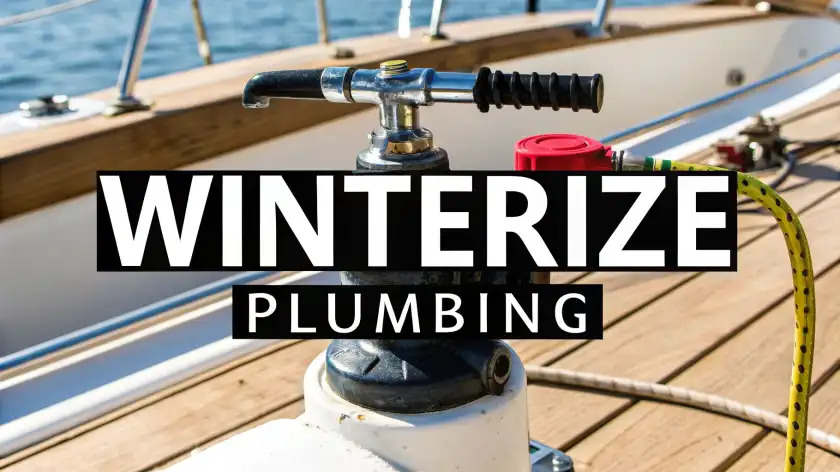
    Winterise Boat Plumbing

    Ensuring every last drop of water is removed from low points and complex pipework is challenging without professional equipment. A professional approach is the only way to guarantee complete protection.

    Why Professional Plumbing Winterisation is Crucial

    Entrusting your boat’s plumbing to our qualified engineers ensures a thorough and effective winterisation process. We use specialised techniques and equipment to safeguard every component of your fresh water system.

    A professional winterisation service from Marine Heating Solutions includes:

    • Complete System Drainage: We meticulously drain the entire system, including the fresh water tank, calorifier (hot water tank), and all associated pipework.
    • Pump and Filter Protection: We ensure the water pump is fully drained and protected, and we manage water filters, which can easily crack if left in place.
    • Antifreeze Application (If Required): Where necessary, we will introduce a non-toxic, marine-grade propylene glycol antifreeze to protect pumps and other critical components.

    Key Insight: A professionally winterized plumbing system avoids the catastrophic damage of burst pipes, which can lead not only to plumbing repairs but also to significant water damage to your boat’s interior, joinery, and electrics.

    Servicing and Upgrading Your Water System

    Winter provides the perfect opportunity to service or upgrade your water system components. We work with leading marine brands like Shurflo, Jabsco, and Whale to provide high-quality pumps and plumbing fixtures.

    Our expertise isn’t limited to heating; we offer comprehensive plumbing services. Whether it’s servicing your existing water pump for better pressure, replacing tired taps, or installing a more efficient calorifier, our team can handle it. Explore our complete plumbing and heating services for your boat to see how we can enhance your vessel’s water systems.

    4. Expert Battery Maintenance and Storage

    Your boat’s electrical system is its heart, and the batteries are the pulse. Low winter temperatures dramatically reduce a battery’s capacity and can cause permanent damage if it’s left in a discharged state. Professional battery maintenance is essential to safeguard its functions.

    Managing complex battery banks without the right knowledge can be hazardous. Entrusting this task to our professionals ensures your power source is protected throughout the layup period and ready to perform reliably when the new season begins.

    Why Professional Battery Care is Crucial

    Before you moor up for the winter, it’s essential to have your batteries and charging systems professionally assessed. Our engineers are proficient in all aspects of marine electrical systems, ensuring your power setup is correctly prepared for the cold.

    Our professional winterisation service for your batteries includes:

    • Thorough Cleaning and Inspection: We meticulously clean battery terminals and connections, removing corrosive build-up that impedes charging and check for any signs of casing damage or leaks.
    • Testing and Charging: We test the state of charge and overall health of each battery. We then use professional-grade smart chargers to bring the entire bank to a full 100% charge, the only safe state for winter storage.
    • System Checks: We inspect all associated wiring and connections for security and integrity to ensure reliable electrical contact.
    • Storage Recommendations: We provide expert advice on the best course of action, whether that’s leaving the batteries aboard with a smart trickle charger or arranging for removal and safe storage.

    Key Insight: A fully charged battery is a protected battery. The electrolyte in a discharged battery can freeze, cracking the casing and destroying it. Our service ensures your batteries enter winter at maximum charge, providing the best possible defence.

    Upgrading Your Charging and Power Systems

    Winter is an ideal time to assess and upgrade your boat’s charging capabilities. Modern smart chargers from leading manufacturers like Victron Energy provide multi-stage charging profiles tailored to your specific battery chemistry.

    At Marine Heating Solutions, we specialise in designing and installing robust power systems. We can supply and fit intelligent battery monitors and advanced chargers that automatically maintain your batteries at the perfect voltage, extending their life and ensuring peak performance. Investing in a modern charging system from us is a cornerstone of a comprehensive boat winterisation plan.

    Winterising Essentials Comparison Table

    ServiceProfessional Action 🔄Equipment We Use ⚡Expected Outcomes 📊Ideal For 💡Key Advantages ⭐
    Engine WinterizationDrain, flush, and circulate marine antifreezeProfessional pumps, correct antifreeze mixFuel System StabilisationAll boats in freezing climates, especially narrowboatsProtects your most valuable asset from costly damage
    Add stabiliser, circulate through the systemFresh Water System WinterisationMarine-grade stabilisers, biocidesPrevents fuel degradation, clogs, and corrosionBoats stored long-term on UK inland waterwaysEnsures reliable startup and protects injectors
    Clean terminals, test, fully charge, and advise storageDrain all lines, blow out with compressed airAir compressors, non-toxic antifreezePrevents burst pipes and damaged pumps/fixturesAll boats with onboard water systemsAvoids extensive water damage to the interior and electrical
    Battery Maintenance and StoragePrevents UV damage, corrosion, and moisture damageProfessional smart chargers, battery testersExtends battery life, ensures reliable startupAll boats with lead-acid or AGM batteriesPrevents permanent freeze damage to batteries

    Sail into Spring with Confidence: Trust the Experts at Marine Heating Solutions

    This guide has highlighted one undeniable truth: meticulous, professional preparation is the key to a stress-free spring launch. Winterisation is not a chore; it is an essential act of preservation, safeguarding your narrowboat, barge, or cruiser against the harsh UK winter. From your engine and fuel system to the vital networks of plumbing and electrics, each area requires expert attention.

    Neglecting these procedures is a near guarantee of costly, frustrating, and time-consuming repairs. A cracked engine block, a corroded fuel tank, or burst pipes can ruin your first trip of the season. This guide has laid out the ‘what’ and the ‘why’, but the ‘how’ is where our professional expertise becomes invaluable.

    The True Value of Professional Winterisation

    Executing a flawless winterisation requires specialised knowledge, tools, and experience, especially within the unique environment of the UK’s inland waterways. This is where relying on our certified professionals is a strategic investment.

    Consider the complexities involved:

    • Engine & Fuel Systems: We ensure every drop of water is expelled and the correct antifreeze concentration is achieved with precision. We stabilise your fuel system to prevent microbial growth and ensure your engine fires up perfectly in the spring.
    • Heating & Plumbing: Your onboard heating is your lifeline. We service these systems for both comfort and safety. For instance, our expert knowledge of boiler safety valve maintenance is critical to prevent dangerous pressure build-ups and ensure a safe start-up next season.
    • Electrical & Battery Care: Our professional service involves testing, cleaning terminals, and ensuring a proper trickle charge setup to preserve battery life and prevent the damaging effects of a slow winter drain.

    Key Takeaway: Our professional winterization is a holistic assessment and service performed by certified engineers who understand the interconnectedness of your boat’s systems, ensuring nothing is overlooked.

    At Marine Heating Solutions, our team lives and breathes inland waterway marine engineering. We are Gas Safe, OFTEC, and BSS-certified specialists who understand the specific challenges faced by narrowboat and barge owners. We recognise that your vessel is your home or your cherished retreat, and we treat it with the respect it deserves. Our comprehensive service includes expert advice on upgrades, from installing a new, efficient diesel heater to a classic solid fuel stove. Choosing our services means choosing peace of mind, knowing that every component has been professionally prepared for the cold.


    For quotes and bookings, call or email us here.


  • Top Diesel Heater for Boats | Warmth & Comfort on Water

    Top Diesel Heater for Boats | Warmth & Comfort on Water

    If you’re cruising the UK’s beautiful but often chilly network of canals and rivers, you know that a reliable diesel heater for boats isn’t a luxury—it’s essential. For countless narrowboat, barge, and canal boat owners, a professionally installed diesel heater is the undisputed champion of warmth. It’s the key to turning your boat into a proper home on the water, no matter what the British weather throws at you.

    This guide is built on our direct, hands-on experience at Marine Heating Solutions. We specialise in supplying and fitting these vital systems, focusing squarely on the needs of the inland waterways community. We live and breathe the unique challenges of life afloat. From battling condensation to making sure every piece of kit is safe, efficient, and up to the job.

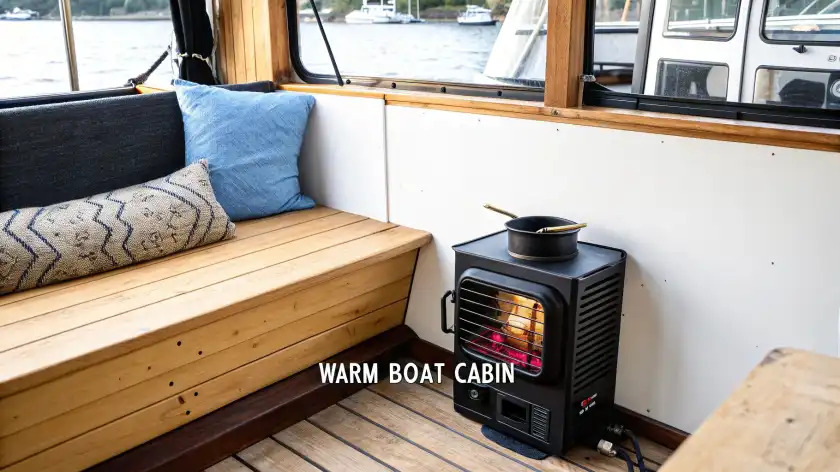
    Warm Boat Cabin with Diesel Heater

    Why Trust Our Expertise?

    Getting the right heating system and having it installed correctly is one of the most critical decisions you’ll make for your boat. A poorly chosen heater or a shoddy installation can lead to more than just inefficiency and breakdowns. It can pose serious safety risks. Our entire business is built around making sure that never happens.

    We aren’t just box-shifters. We’re qualified marine engineers with years of practical experience. Here’s what we bring to the table:

    • Expert Consultation: We’ll help you pick the perfect heater from our carefully selected range. This includes matching it to your boat’s layout and how you actually use it.

    • Professional Installation: Our certified technicians handle every install to the highest safety and performance standards, from the fuel lines right through to the exhaust.

    • Dedicated Servicing: We’re here for the long haul, offering comprehensive maintenance and repair services. Our technicians will keep your system running perfectly for years.

    Choosing us is an investment in your peace of mind. Our qualifications and commitment to quality mean your heating system won’t just be effective, it’ll be completely safe. You can simply relax and enjoy your time on the water, worry-free.

    This guide will walk you through everything you need to consider. It shows you almost every brand of high-quality diesel heater for boats we sell and explains why professional workmanship is so important. You’ve come to the right place for dependable heating and expert advice tailored for the UK’s unique boating world.

    Why a Diesel Heater is the Right Choice for Your Boat

    Picking a heating system is one of the biggest decisions you’ll make for your life afloat. This is especially true on the UK’s inland waterways, where a damp chill can feel like a constant companion. When you need proper, reliable warmth, you can truly count on us. A professionally fitted diesel heater for boats is the undisputed gold standard for narrowboat and barge owners.

    This isn’t just about feeling comfortable; it’s about keeping your boat a healthy, dry place to live. A good diesel system does more than just warm the air. It actively pushes out the dampness that causes condensation, mildew, and that cold-to-the-bone feeling. The powerful, dry heat they produce is something other methods just can’t match, turning your cabin into a cosy sanctuary, even in the depths of winter.

    The Clear Advantages of Diesel Heating

    One of the best reasons to go for a diesel heater is its incredible fuel efficiency. These systems are designed to sip fuel, not guzzle it. They are a very cost-effective way to stay warm, whether you’re a weekend cruiser or a full-time liveaboard. The convenience factor is another huge plus for anyone with a diesel engine.

    You can simply tap into your main red diesel tank, which means no extra fuel cans to store or faff about with. This really simplifies life on board, freeing up precious space and cutting down on hassle.

    At its core, a diesel heater provides true “fit and forget” performance. Once our specialists have it installed, you simply set the thermostat to your desired temperature. The system then takes care of the rest, giving you consistent, reliable heat whenever you need it.

    This reliability is exactly why these heaters are so popular in the UK boating community. In fact, diesel heaters have become the go-to heating solution, particularly for liveaboards and winter cruisers. User surveys from UK boating forums in recent years show that over 65% of liveaboard owners use a diesel heater as their primary system. These heaters typically burn a tiny 0.1 to 0.4 litres of fuel per hour, delivering serious warmth without emptying your tank. You can read more about their popularity and find expert insights on Yachting World.

    Superior Performance and Quiet Operation

    Gone are the days of noisy, clunky heaters. The modern units we fit from top brands are engineered to be whisper-quiet. Our professional installation methods go even further, minimising any sound or vibration so your peace and quiet is never disturbed.

    When you invest in a quality system with us, you’re getting more than just a heater; you’re getting a complete climate control solution for your boat. The advanced thermostatic controls maintain your chosen temperature with precision, so you avoid the stuffy overheating or sudden chills you often get with lesser systems.

    Of course, the appliance itself is only half the story. The real-world performance hinges entirely on the quality of the installation. Our certified engineers make sure every single part, from the fuel lines to the crucial exhaust system, is fitted to the highest safety and performance standards. We stock and install a range of premium units to suit every boat and budget; for example, you can see some of our most popular systems by checking out our selection of Webasto diesel heaters. This professional approach guarantees you get all the benefits a diesel heater has to offer: unmatched safety, exceptional reliability, and powerful, efficient warmth.

    Selecting The Perfect Diesel Heater From Our Range

    Choosing the right heater for your boat is one of the most important decisions you’ll make for your life afloat. It’s not just about raw power output; it’s about matching an appliance to your specific boat and, just as importantly, your lifestyle. At Marine Heating Solutions, we don’t just shift boxes. We provide proper consultations to make sure you get the perfect fit. Our specialists look at every detail, from the physical characteristics of your boat to how you actually plan to use it.

    Think of it as a partnership. We take the time to really understand your needs, because the ideal diesel heater for boats is different for everyone. A weekender in a compact narrowboat has completely different requirements from a liveaboard family on a spacious wide-beam.

    How We Find The Right Heater For You

    When we advise you, we go way beyond the basic specs on a data sheet. Our goal is to get the full picture of your life on the water.

    Some of the key things we’ll discuss are:

    • Boat Length and Cabin Volume: The overall size of your interior space is the obvious starting point. A heater that’s too small will constantly struggle to keep up, while an oversized unit will cycle on and off all the time, which is inefficient and causes unnecessary wear and tear.

    • Insulation Quality: How well is your boat insulated? A modern, well-insulated narrowboat holds its heat far better than an older vessel with minimal insulation.

    • Your Usage Patterns: Are you a full-time liveaboard who needs constant warmth through the depths of winter, or do you take occasional weekend trips in milder weather? Your use case determines not just the heater’s power but also what you should expect in terms of fuel efficiency.

    • Layout and Ducting: The internal layout of your boat has a huge impact on how heat gets distributed. We’ll help plan the best spot for the heater itself and the route for the warm air ducting.

    We’re firm believers that a successful installation starts with a thorough chat. By carefully looking at these factors, we can confidently recommend a heater that won’t just work, but will work perfectly for your specific boat, giving you maximum comfort and efficiency.

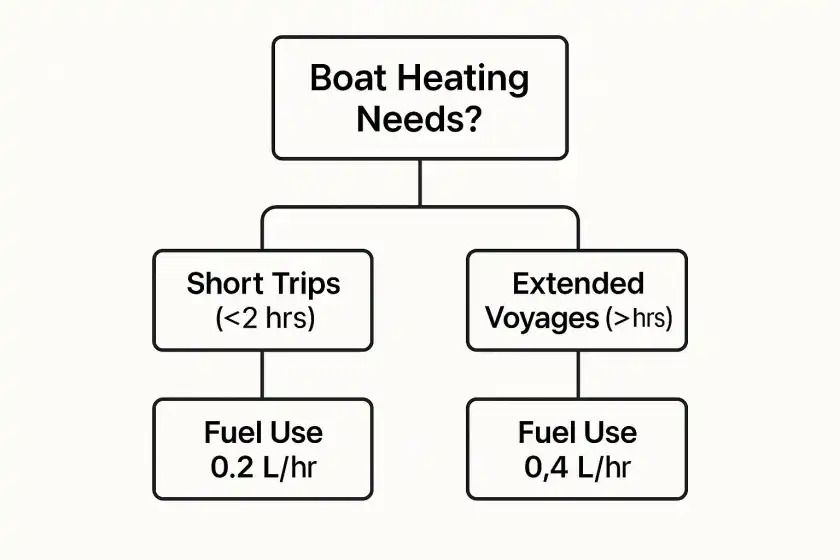
    To give you an idea of how usage affects fuel consumption, this little graphic illustrates a key consideration.

    Diesel Heater For Boats Infographic

    As you can see, it’s common sense that extended use, like on longer voyages, is naturally going to demand a higher fuel burn to keep things comfortable throughout the boat.

    A Quick Look At Our Heater Range

    We’ve hand-picked a range of heaters from top manufacturers known for their reliability and performance in the tough marine environment. Every model we stock has been chosen to meet the specific needs of the UK’s inland waterways community.

    For instance, for a well-insulated 40-50ft narrowboat used for regular cruising, a compact 2kW air heater is often the sweet spot. It offers a great balance of heat output and incredibly low fuel consumption, sipping as little as 0.1 litres of diesel per hour on its lowest setting. These units are famously quiet and provide a steady stream of dry, warm air, perfect for tackling that classic canal boat dampness.

    On the other hand, if you’re on a larger vessel like a 60ft+ wide-beam or a Dutch barge, your heating needs are in a different league. For these boats, we’d be looking at a more powerful 4kW or even a 5kW system. These beefier heaters are designed to push warm air through longer and more complex ducting runs, ensuring even a large, open-plan saloon stays toasty warm.

    Matching Our Heaters to Your Boat

    To make things a bit clearer, we’ve put together this simple table. It’s a quick guide to help you see which of our heater models might be the right starting point for your boat, based on common narrowboat sizes and how you use them.

    Heater Model (Our Product)

    Ideal For Boat Size

    Standout Feature

    Primary Use Case

    2kW Air Heater

    Up to 50ft Narrowboat

    Ultra-low fuel use

    Weekend cruising, occasional liveaboards

    4kW Air Heater

    50-70ft Narrow/Wide-beam

    Powerful heat output

    Full-time liveaboards, larger boats

    5kW+ Liquid Heater

    60ft+ Wide-beams/Barges

    Heats water & radiators

    Large vessels, complex layouts

    Of course, this is just a starting point. The best way to know for sure is to have a proper chat with us about your specific setup.

    We are proud to stock and install systems that have proven their worth time and time again on the water. To see some of the excellent models we work with, feel free to explore our range of Autoterm diesel heaters, which are celebrated for their solid reliability and easy-to-use controls.

    Our commitment is simple: to match the right appliance to your circumstances, acting as your expert advisors. We only supply and fit top-quality, dependable marine heating systems that we would be happy to use on our own boats.

    Why Professional Installation of a Diesel Heater for Boats is Non-Negotiable

    Once you’ve picked out the perfect diesel heater from our range, you’re at the most critical step of all: the installation. A professional installation is vital for the safety, performance, and longevity of your new system.

    A diesel heater for boats isn’t like a simple household appliance. It’s a complex bit of kit that brings together fuel, combustion, and electrics, all within the unique and often harsh environment of a boat.

    Getting this wrong can have devastating consequences. A poorly fitted exhaust can leak deadly carbon monoxide into your living space. An improperly secured fuel line is a major fire risk, and dodgy wiring can cause the whole system to fail just when you need it most. This isn’t scaremongering; it’s about having a healthy respect for the technology and ensuring you’re safe on the water. It’s precisely why our business is built around providing expert, certified installation services.

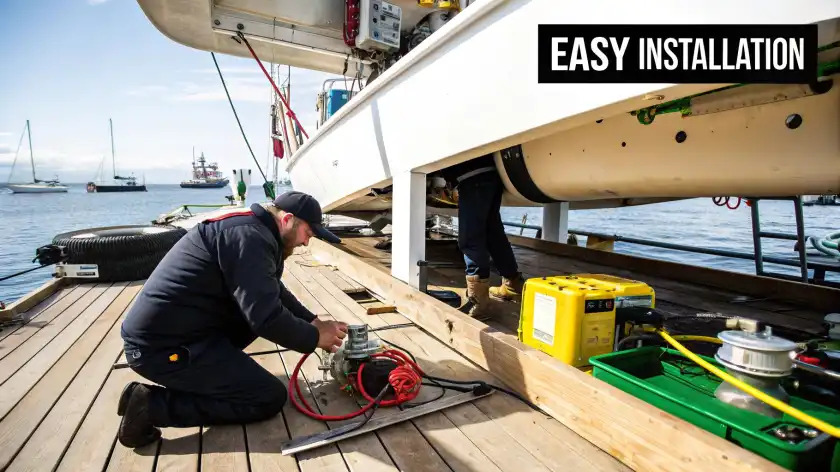
    Easy Boat Heater Installation

    Our Meticulous Installation Process of Diesel Heater for Boats

    When you choose us to fit your heater, what you’re really investing in is peace of mind. Our engineers aren’t just handy technicians; they are fully qualified, OFTEC-certified specialists. With years of hands-on experience working on narrowboats and barges all across the UK’s waterways, they know exactly what they’re doing. We work to the strictest safety standards, following a meticulous process that leaves no stone unturned.

    Our installation service guarantees:

    • Correct Heater Placement: We’ll find the ideal spot for the unit. This means making sure it’s secure, shielded from moisture, and has the best possible airflow for both the combustion intake and the warm air you’ll be enjoying.

    • Safe Exhaust Routing: The exhaust flue is one of the most critical parts. We make sure it’s routed safely, well clear of any combustible materials, perfectly sealed, and finished with a high-quality, marine-grade skin fitting.

    • Secure Fuel Connections: Our engineers will professionally tap into your main diesel tank. We use the correct fuel lines and filters to ensure you have a reliable, leak-free supply.

    • Precise Electrical Wiring: From the control panel to the fuel pump and the main power feed, every wire is run neatly and secured properly. This protects the connections from the constant vibration and damp that’s part of life on a boat.

    A professional installation is the difference between a heater that simply works and a heating system that works flawlessly, quietly, and safely for years. Our workmanship is our guarantee to you that every aspect has been handled with expert care.

    The Benefits of Expert Workmanship

    The value of having a certified professional handle your installation goes way beyond just the safety aspect. An expertly fitted system will be much more efficient, burning fuel cleanly and pumping out the maximum amount of heat.

    It will also run more quietly. We take great care to minimise any vibration from the fuel pump and the main unit itself. This attention to detail is what gives you that quiet, reliable warmth you paid for.

    The growing popularity of these systems is a testament to their efficiency. In fact, market trends show the European diesel heater for boats sector is set to grow at a 4% compound rate annually. This is partly because modern heaters are so much better on fuel; efficiency improvements have cut fuel use by around 15% since 2015, making them a fantastic choice for long-term cruising on the canals. You can discover more about these mobile heating market trends to see just how the technology is moving forward.

    By trusting us with your installation, you’re making sure your boat is fitted with a system that is not only powerful and efficient but also fully compliant with all the relevant safety standards. It gives you complete confidence every time you switch it on, leaving you free to relax and enjoy the cosy comfort of your boat, no matter what the weather is doing outside.

    Ensuring Long-Term Reliability with Expert Servicing

    Your diesel heater is a pretty significant investment in the comfort and safety of your boat. Like any bit of hard-working machinery, it needs regular, expert attention to keep it performing reliably for years to come. This is where professional servicing comes in—it’s not just a quick clean-up, but a full health check that protects your system, keeps it efficient, and gives you complete peace of mind.

    Ignoring the small warning signs is often where the real problems start. Getting a professional service for your diesel heater for boats is crucial if you notice any changes in how it runs. These are often the first clues of bigger issues brewing just beneath the surface.

    Telltale Signs Your Heater Needs a Service

    It’s important to spot when your heater is asking for a bit of help. Catching these signs early and calling in an expert can stop a minor niggle from turning into a major, inconvenient breakdown.

    Key indicators to watch for include:

    • Difficult or Failed Start-ups: If the heater struggles to fire up or fails to start at all, it’s a clear signal that something is wrong. This often points to an issue with the glow pin or fuel delivery.

    • Smoky Exhaust: A properly running heater should have a clean, almost invisible exhaust. Any white or black smoke means there’s incomplete combustion, which can lead to soot build-up and make it less efficient.

    • A Drop in Heat Output: Is the air from the vents not as warm as it used to be? This could mean the burn chamber is coked up and needs a professional clean.

    • Unusual Noises or Smells: Any new clunking, whirring, or strange smells during operation should be checked out immediately by a professional to ensure safety and prevent further damage.

    Think of a regular service as preventative medicine for your heating system. It’s far better to have our qualified engineers sort out a small issue during a scheduled visit than to be left without heat on a freezing winter’s night.

    This proactive approach is becoming more common across the UK’s inland waterways. As regulations evolve and boat owners look for greater reliability, the demand for professional maintenance and modern systems is definitely on the rise. In fact, anecdotal evidence from UK boatyards suggests a 30% increase in diesel heater retrofits or replacements with newer, more efficient models over the last five years. This highlights a clear trend towards valuing long-term performance and efficiency, which expert servicing directly supports.

    Our Comprehensive Servicing Procedure for Diesel Heaters for Boats

    When you book a service with us, you’re getting the full attention of a certified marine heating engineer. We don’t cut corners. Our process is thorough and designed to get every diesel heater for boats back to peak condition, making sure it runs cleanly, efficiently, and safely.

    A typical service from our team involves several key steps:

    1. Full System Inspection: We start by looking over the entire installation, checking that all components are secure, from the heater unit itself to the ducting and electrical connections.

    2. Burn Chamber Decoke: We carefully dismantle the unit to get to the burn chamber and heat exchanger, meticulously removing all carbon and soot build-up (decoking). This is absolutely essential for restoring full heat output and efficiency.

    3. Glow Pin and Atomiser Screen Check: The glow pin is vital for ignition. We inspect it for wear and test it, replacing it if needed. We also replace the atomiser screen, a small but critical part for proper fuel vaporisation.

    4. Fuel System Verification: Our engineers check and clean all fuel filters and inspect the fuel lines for any signs of wear and tear, ensuring a clean and steady fuel supply.

    5. Exhaust System Integrity Check: We thoroughly inspect the entire exhaust system for any leaks or blockages. This is a critical safety check to prevent any carbon monoxide getting into the boat.

    Our commitment goes far beyond the initial sale and installation. We want to be your long-term partners in keeping your vessel warm and comfortable. You can explore the full details by reading our guide on servicing diesel-burning appliances on boats. Entrusting us with your servicing means your heater is in the hands of qualified experts who are dedicated to maintaining the highest standards of performance and safety on the water.

    Your Trusted Partner for Onboard Heating Solutions

    Choosing the right diesel heater for boats is a big decision, one that can transform your life on the UK’s inland waterways. Throughout this guide, we’ve walked through the clear benefits of these systems, from their impressive fuel efficiency to the dry, powerful warmth they deliver. Now it’s time to bring it all together with a service you can actually rely on. That’s where we come in.

    Onboard Safety

    Our entire business is built around the narrowboat and canal boat community. We aren’t just another supplier. We are fully qualified, OFTEC-certified marine engineers who live and breathe the unique demands of life afloat. From helping you select the perfect heater to carrying out a meticulous installation and providing ongoing expert servicing, we offer a complete, end-to-end solution.

    Our Commitment to Your Comfort and Safety

    We firmly believe your onboard heating should be a source of comfort, not a cause for concern. Our promise is to ensure your system is installed and maintained to the highest possible standards, giving you complete peace of mind. We handle every detail with professional care, guaranteeing your heater operates safely, quietly, and as efficiently as possible.

    This dedication to quality is what sets us apart. We provide:

    • Expert Advice: We’ll help you pick the right heater for your specific boat, budget, and lifestyle.

    • Certified Installations: Our engineers make sure every fitting is safe, secure, and built to last against the rigours of the marine environment.

    • Reliable Maintenance: We offer professional servicing to keep your system in peak condition for years to come.

    Investing in a quality heating system installed by seasoned professionals is invaluable. It’s the confidence that comes from knowing your boat will be a warm, welcoming home, no matter what the British weather throws at you.

    Let us be your trusted partner in this important upgrade. We invite you to contact our friendly team for a no-obligation chat about your heating needs. We’re here to answer your questions and provide the expert guidance needed to turn your boat into the cosy sanctuary you deserve. Your comfort and safety on the water are always our highest priorities.

    Frequently Asked Questions About Diesel Heaters For Boats

    As specialists in marine heating, we get a lot of questions from narrowboat and barge owners looking to invest in some reliable warmth. Here are some of the most common queries we hear, with straightforward answers based on our years of hands-on experience fitting and servicing these systems. Our aim is to give you the confidence you need to make the right choice for your vessel.

    How Much Fuel Does a Narrowboat Diesel Heater Use?

    This is always a top concern, but the answer is usually much less than people think. The high-quality, modern units we supply and install are incredibly efficient. A typical 2kW diesel heater, which is perfect for most narrowboats, will sip as little as 0.1 to 0.2 litres of red diesel per hour while running.

    That means you can enjoy hours of powerful, continuous heat for a minimal cost. It’s this efficiency that makes diesel heaters such an economical solution for both weekend cruisers and full-time liveaboards, and why they’re the go-to heating method on the UK’s inland waterways.

    Are Diesel Heaters Noisy on a Boat?

    Another common worry is noise. We’re happy to report that the days of loud, clunky heaters are long gone. The models we install are specifically designed for quiet operation, producing little more than a gentle hum.

    The real key to a whisper-quiet system isn’t just the heater itself, but the quality of the installation. Our certified engineers are experts at minimising any residual noise and vibration. We do this by using the correct mounting hardware and properly insulating the fuel pump to stop any annoying ticking sounds.

    How Long Does a Professional Installation Take?

    We know you want your new heating system up and running with as little disruption as possible. For a standard installation of a diesel heater for boats on a typical narrowboat, our qualified engineers can usually get the entire job done within one or two days. This efficient service means you can enjoy a warm, cosy cabin almost immediately.

    Can the Heater Use My Main Engine Fuel Tank?

    Yes, in almost all cases, this is the standard and most convenient setup. Our technicians are highly skilled at safely and professionally connecting your new heater directly to your boat’s main diesel tank. This clever setup eliminates the need for a separate, bulky fuel container, saving you precious space and hassle.

    This is just one part of the comprehensive installation process we follow. To get a better feel for how these systems work and integrate into your boat, you can find more detail in our full guide to understanding boat diesel heaters. Our professional approach guarantees a safe, reliable, and neatly integrated fuel supply.


    Ready to experience consistent, reliable warmth on your boat? For expert advice and professional installation of the best diesel heaters on the market, trust Marine Heating Solutions.


    For quotes and bookings, call or email us here.
  • Webasto Heater Repair for Your Boat

    A properly functioning heater on your boat is not just about comfort—it’s essential for your safety and the preservation of your vessel. Ensuring your Webasto diesel heater is reliable during cold journeys provides peace of mind. It also plays a crucial role in protecting your investment. By entrusting us with your Webasto heater repair and maintenance, you can ensure your boat remains in top condition without the hassle of DIY repairs.

    The Importance of Professional Webasto Heater Repair

    Webasto Heater Repair - Common Issues

    Understanding the significance of a well-maintained heater can change your outlook on its care. Instead of viewing repairs as a burden, consider them a necessary step in safeguarding your boat. Our professional services offer the assurance that your heater will function optimally, allowing you to enjoy boating with confidence.

    We’ve heard the stories—or perhaps you’ve experienced them: a heater failure can quickly turn a pleasant autumn sail into an uncomfortable, potentially damaging situation for your boat. Avoid such scenarios by relying on our expertise to keep your heater in prime condition.

    More Than Just Comfort

    A consistently warm and dry environment is your best defence against moisture-related damage. Without a reliable heater, condensation can lead to mould and mildew, which not only produce unpleasant odours but can also damage upholstery and woodwork. These issues pose health risks and diminish your boat’s value.

    Additionally, a dependable heater extends your boating season. Instead of halting your adventures in late autumn, continue enjoying the beauty of the water well into the colder months. This ensures you get the most out of your investment.

    Protecting Your Boat’s Value

    A heater in good working order is a direct investment in your boat’s value. Potential buyers are more likely to be interested in a vessel that is free of moisture-related damage and equipped with a functioning heating system.

    A faulty heater is more than an inconvenience; it can lead to expensive repairs. We once encountered a narrowboat owner who ignored heater issues, resulting in a costly repair for mildew damage. Let us help you avoid such expenses with our timely and cost-effective repair services.

    In the UK, Webasto heater repair costs can range from £200 to £500. By choosing our service, you can save significantly while ensuring your heater’s reliability. We find that over 60% of heater problems arise from common fuel and electrical faults, which our skilled technicians can efficiently resolve.

    Understanding Webasto Heater Faults and Error Codes

    Your Webasto heater communicates issues through error codes. Recognising these signals helps in diagnosing problems efficiently. Our team is adept at interpreting these codes, turning potential wild goose chases into straightforward solutions.

    When a fault occurs, the heater’s electronic control unit (ECU) logs an error and displays signals. These codes point directly to issues like fuel supply problems or electrical faults. Our expertise in decoding these messages is a valuable asset in maintaining your heater’s performance.

    Deciphering Flashing Lights

    If your heater uses a rotary controller, error signals appear as flashing lights. Knowing how to interpret these can help quickly identify the problem. For example, five flashes followed by a pause indicate Fault Code F05, while ten flashes signal Fault Code F10. Each code corresponds to a specific issue.

    Pro Tip: Never rush to clear a fault code. It’s a record of what the heater experienced. Make a note of the code first—it’s crucial for accurate diagnosis.

    To assist you, we’ve created a quick reference guide for common error codes.

    For those with digital controllers, errors are displayed directly on the screen, like “T12” or “H94”. Our team is skilled in resolving such issues, ensuring your system functions smoothly.

    Our systematic approach to error codes helps pinpoint underlying causes efficiently, saving you time and effort. Trust our expertise to handle the complexities of your Webasto heater.

    Why Choose Us for Your Webasto Heater Service

    Webasto Heater Maintenance Tips

    Attempting to repair a heater without the proper tools and expertise can lead to complications. Our professional service ensures your heater is maintained correctly, avoiding damage to delicate parts and ensuring safety.

    Our technicians are equipped with the right tools and follow strict safety protocols, ensuring a successful repair every time. We prioritise your safety and the longevity of your heater, so you can focus on enjoying your time on the water.

    If you’re considering a replacement or an additional unit, consider exploring Autoterm diesel heaters, which are also popular in the marine community.

    Maintaining Your Webasto Heater for Reliability

    Regular maintenance is key to keeping your Webasto heater in optimal condition. Our services include thorough checks and cleaning to prevent common faults and ensure reliable performance.

    By scheduling regular maintenance with us, you can enjoy peace of mind knowing your heater is in expert hands. Avoid unexpected breakdowns and costly repairs by relying on our professional services.

    If you have questions about your Webasto heater or need assistance, our team is here to help. We offer comprehensive support and guidance to ensure your heater remains a reliable part of your boating experience. For insights on other popular heating options, check out our guide on Eberspacher diesel heaters.


    For quotes and bookings, call or email us here.
  • Your Essential Guide to Marine Gas Bottle Gauges

    Your Essential Guide to Marine Gas Bottle Gauges

    A gas bottle gauge is a must-have piece of safety kit for your boat. It gives you a clear, at-a-glance idea of how much LPG you have left in the cylinder. But it’s more than just a convenience. A good gauge helps you dodge the headache of running out of fuel mid-trip and, crucially, lets you keep an eye on your gas system for any dangerous changes in pressure.


    For quotes and bookings, call or email us here.

    Why a Reliable Gas Gauge Is Your Best Friend at Sea

    Picture this: you’ve just dropped anchor in a perfect, secluded cove after a long day’s sailing. You’re ready for a well-deserved hot meal, you turn on the hob… and nothing. The gas bottle is bone dry. It’s a classic story, and it’s more than just frustrating; a dodgy gas system is a major safety risk on any vessel.

    Think of your gas bottle gauge not as a nice-to-have accessory, but as a core piece of your safety equipment. Knowing exactly how much fuel you’ve got is fundamental to safe and happy boating. It puts you in control of your supplies, stopping those unexpected shortages from ruining a perfectly good trip.

    Preventing Hazards Beyond Inconvenience

    Beyond the galley, a properly working gauge is your first line of defence against slow leaks or a failing regulator. If you notice a sudden or unexplained drop in pressure, that’s often the first red flag that something needs immediate attention. This kind of proactive monitoring is the bedrock of onboard gas safety.

    You simply can’t overstate the importance of having the right equipment. A problem with your gas system isn’t a small niggle; it’s a direct threat to the safety of everyone aboard. A reliable gauge is your early warning system, both for running empty and for catching faults before they become disasters.

    UK regulations take this very seriously. The Gas Safety (Installation and Use) Regulations 1998 lay down strict rules for all LPG equipment, demanding that fittings like gauges are completely secure and gas-tight. It’s not just red tape. Data from 2015 revealed that 25% of gas-related incidents in properties not connected to the mains involved portable LPG cylinders. Worryingly, 5% of those were directly linked to faulty gauges, which really drives home just how critical they are.

    How Different Types of Gas Gauges Actually Work

    LPG Gauge Accuracy

    Ever wondered what’s actually going on inside that little gauge on your gas bottle? The tech can feel a bit like a black box, but each type works on a simple, clever principle. Getting your head around how they work helps you make sense of their readings and pick the right one for your boat.

    Let’s start with the most common type you’ll come across. A standard pressure gauge works a lot like the pressure meter you use for your tyres. It measures the pressure of the LPG vapour sitting at the top of the cylinder, not the liquid fuel itself.

    This is exactly why a pressure gauge can be a bit deceptive. As long as there’s any liquid LPG left to turn into vapour, the pressure stays constant. This means the gauge will confidently read ‘full’ right up until the tank is almost bone dry, then it will plummet without warning.

    A pressure gauge is a brilliant tool for spotting a leak. If you see the pressure dropping when you’re not using any gas, you’ve got a problem. For actually tracking how much fuel you’re using day-to-day, though, it’s not the most reliable tool.

    Because they’re so mechanically simple, these gauges are everywhere. To get a better feel for the basic technology behind many gauges, you could look into how Analog Panel Meters operate.

    Gauges That Use Temperature

    Next up are the magnetic and thermal stick-on gauges, which are brilliantly simple. Think of them as mood rings for your gas bottle. They work by picking up on the tiny temperature difference on the cylinder’s surface.

    The liquid LPG inside the bottle makes the metal wall colder where the fuel is. When you start using gas, this cooling effect becomes even more noticeable. These gauges have temperature-sensitive crystals that change colour, showing you the line between the cold liquid fuel and the warmer vapour space above it. It’s a rough visual clue, but often better than nothing.

    Advanced Electronic Solutions

    For those of us who like a bit more precision, ultrasonic gauges offer a proper high-tech solution. These gadgets usually attach to the bottom of your cylinder and act like a ship’s sonar. They send a little sound wave up through the cylinder, which bounces right off the surface of the liquid LPG.

    By timing how long it takes for that echo to come back, the device calculates the exact height of the liquid fuel. This gives you a much, much more accurate idea of how much gas you really have left.

    Finally, smart gauges are the latest word in fuel monitoring. They often use the same ultrasonic tech but add a digital brain and a way to talk to your phone. They work just like a modern car’s fuel display and bring a few key benefits to the table:

    • Precise Readings: They give you an exact percentage or volume, so there’s no guesswork.
    • Remote Monitoring: The gauge sends its data over Bluetooth or Wi-Fi straight to an app on your smartphone.
    • Automated Alerts: You can get a notification pinged to your phone when you’re running low.

    These advanced gauges take all the uncertainty out of the equation. They offer complete peace of mind, which is especially critical on longer trips where running out of gas just isn’t an option.

    Choosing the Right Gas Gauge for Your Boat

    Picking the best gas bottle gauge for your boat isn’t a one-size-fits-all job. The “best” product is the one that fits your specific needs and how you use your vessel. It all comes down to balancing things like how long your trips are, what your budget looks like, and how comfortable you are with different bits of tech.

    If you’re a weekend sailor just pottering along the coast, a simple magnetic or stick-on gauge will probably do the trick. It gives you a basic visual clue of the fuel level, which is often more than enough for short hops where a top-up is never too far away. They’re cheap, require zero installation, and are a definite step up from the old shake-and-guess method.

    For a long-distance cruiser living aboard for weeks or months at a time, however, the stakes are much higher. Running out of gas mid-voyage is a serious problem. In this scenario, the precision and remote monitoring you get from a smart ultrasonic system offers genuine peace of mind and is well worth the investment.

    Matching the Gauge to Your Journey

    To get beyond a generic list of pros and cons, you need to ask yourself a few honest questions about your own setup:

    • How long are your typical trips? For day trips or the odd overnighter, a basic gauge is usually fine. But for multi-day voyages or blue-water cruising, the accuracy of an ultrasonic or smart gauge becomes critical for proper planning.
    • What’s your budget? Simple thermal gauges are very cheap, while advanced smart systems are a more significant purchase. Your budget will naturally narrow down your options.
    • How critical is precision? If you rely on LPG for your cooking, heating, and hot water, knowing your exact fuel percentage is vital. If it’s just for an occasional brew, a rough estimate will do.

    This handy image shows you the core differences between the main types of gas bottle gauges at a glance.

    Analog vs Digital

    As you can see, there’s a clear trade-off. You get more features and accuracy as the price goes up, with smart gauges sitting at the top for performance and convenience.

    To help you weigh your options, this table breaks down the different types of gauges available for your boat.

    Comparing Marine Gas Bottle Gauge Types

    Use this table to compare the key features of different gas gauge types and select the best option for your boat.

    Gauge TypeHow It WorksAccuracyBest ForProsCons
    Magnetic/Stick-OnChanges colour based on the temperature difference between the liquid gas and the gas vapour.LowShort trips, occasional use, tight budgets.Extremely cheap, no installation needed, simple visual check.Very inaccurate, affected by weather, only shows a rough level.
    Pressure (Dial)Measures the vapour pressure inside the bottle.Low to MediumStatic caravans, BBQ use (not ideal for boats).Easy to read at a glance.Pressure varies with temperature, not fuel level, so it’s unreliable for knowing how much gas is left.
    UltrasonicSends sound waves through the bottle to measure the distance to the liquid gas surface.HighLiveaboards, long-distance cruisers, anyone needing accuracy.Very accurate, can be used on various bottle types, often has remote displays.More expensive, requires installation and power.
    Smart (Bluetooth/Wi-Fi)An ultrasonic sensor that connects to a smartphone app for remote monitoring and alerts.HighTech-savvy boaters, anyone wanting ultimate convenience and peace of mind.All the benefits of ultrasonic plus remote monitoring, usage history, and low-level alerts.Highest cost, relies on app/Bluetooth functionality.

    Each gauge type serves a purpose, from the cheap and cheerful stick-on for the day-tripper to the high-tech smart gauge for the serious cruiser. The right choice is the one that gives you the confidence you need for the type of boating you do.

    Embracing Modern Technology

    There’s a clear trend towards more advanced monitoring. Back in 2010, the UK first saw ‘smart’ gauges with remote features hit the market. Fast forward to 2022, and industry estimates suggest they accounted for roughly 35% of new domestic LPG cylinder installations. Yet, plenty of people still rely on older tech; a 2023 survey found that 40% of UK LPG users still use traditional dial gauges, which can be prone to user error.

    The right gas bottle gauge is one that removes uncertainty from your journey. Whether it’s a simple stick-on indicator or a full smart system, the goal is to have confidence in your fuel supply, so you can focus on enjoying your time on the water.

    Your choice of fuel also plays a part. The way the gas behaves can affect gauge readings, so it helps to understand the difference. You can find out more in our guide on propane vs butane for marine installations.

    Ultimately, investing in the right gauge is just one piece of the puzzle. It’s part of a wider strategy for managing your resources efficiently on board. Looking at the bigger picture, like selecting fuel transfer solutions, can also boost your system’s overall efficiency and safety.

    A Practical Guide to Safe Installation

    Gas Gauge Easy Installation

    Getting your new gas bottle gauge installed correctly isn’t just a box-ticking exercise; it’s absolutely vital for the safety of your vessel and everyone on board. A secure, leak-free installation is the only way to ensure your gauge gives you reliable readings and prevents a potentially dangerous situation from developing

    Of course, how you go about it depends entirely on the type of gauge you’ve chosen. For the simple stick-on and magnetic types, the job is straightforward and takes just a few seconds. But when it comes to in-line pressure gauges, which become a physical part of your gas plumbing, the process demands far more attention to detail.

    Installing Basic Thermal and Magnetic Gauges

    This is probably the simplest installation job you’ll ever do on your boat. Since these gauges don’t actually break into the gas line, there’s no risk of creating a leak.

    1. Clean the Cylinder: First, give the side of your gas bottle a good wipe down so it’s clean and dry. Any dirt, grease, or moisture will stop the gauge from making good contact.
    2. Position the Gauge: Place the gauge on the lower half of the cylinder. You want to make sure the bottom of the gauge sits below where the liquid gas level is likely to be.
    3. Check the Reading: To get a reading, you’ll actually need to use a bit of gas. Just run your hob for a few minutes. This causes the cylinder wall to cool down where the liquid is, and the gauge will change colour to show you the level.

    Fitting an In-Line Pressure Gauge

    This installation is a bit more involved because you are physically breaking into the gas line. Safety is paramount here. In the UK, this work must be carried out by a GasSafe-registered engineer by law.


    For quotes and bookings, call or email us here.

    Keeping Your Gauge in Shipshape for Long-Term Safety

    LPG Gauge Maintenance

    A gas bottle gauge is only as reliable as the condition you keep it in. Just like any other bit of safety kit on your boat, it needs regular TLC to stay trustworthy. Looking after it isn’t just about getting accurate readings; it’s about stopping dangerous situations from ever getting a foothold.

    Try to build it into your pre-voyage checks. A quick once-over of your gauge and its connections can catch small problems before they turn into major headaches. This simple habit means you can manage your LPG system with confidence, knowing it’s ready to perform safely whenever you need it.

    We can’t overstate how vital this is. Between 1980 and 2000, the UK saw 30–50 gas-related incidents involving LPG every year, with many stemming from user error or faulty gear. While modern gauges have thankfully helped reduce these numbers, an estimated 10% of incidents are still linked to measurement errors. This really drives home why good maintenance is absolutely non-negotiable.

    To ensure the ongoing safety and efficiency of your boat’s gas system and its gauge, it’s critical to schedule an annual check-up with a GasSafe registered engineer. These professionals have the expertise to identify potential issues that might go unnoticed during regular inspections by the boat owner. By investing in a comprehensive review of your LPG system, you help prevent gas leaks, ensure compliance with safety regulations, and maintain peace of mind while enjoying your time on the water. Regular maintenance is not just a safety measure; it’s a key part of responsible boating.

    Your Routine Maintenance Checklist

    Simple, regular checks are the bedrock of a safe gas system. By weaving these tasks into your normal boat maintenance routine, you ensure your gas bottle gauge remains an instrument you can depend on. A few minutes of prevention can save you a world of trouble down the line.

    • Inspect for Corrosion: The marine environment is relentlessly harsh. Check all connections—the gauge itself and where it meets the bottle or regulator—for any tell-tale signs of rust or that dreaded green/white powdery build-up.
    • Clean the Gauge Face: Salt spray and grime can easily obscure the dial. A quick wipe with a damp cloth is all it takes to make sure you can always get a clear, accurate reading at a glance.
    • Perform Leak Test: At least once a month, do a Leak Detection Fluid test on all your connections, even if you haven’t changed the bottle. It’s a simple, classic test and still your best defence against slow, hazardous leaks.

    A frequent point of failure in any LPG system isn’t the tough steel cylinder itself, but the softer components attached to it. Hoses and regulators have a definite lifespan and will degrade over time. Part of good maintenance is simply knowing when these critical parts are due for a change. Find out more by reading our guide on when your LPG regulator and hose were last changed.

    Quick Troubleshooting Guide

    Even with the best maintenance, things can sometimes go awry. This quick guide will help you figure out and fix common gauge issues. But remember, know your limits—if you’re ever in doubt, it’s time to call in a professional.

    ProblemLikely CauseSolution
    Gauge Stuck on FullThis is perfectly normal for pressure gauges.The gauge reads vapour pressure, which stays constant until the liquid LPG is nearly gone. If you want true level readings, you’ll need to look at an ultrasonic gauge.
    Fluctuating ReadingThe surrounding temperature is changing, which affects the internal pressure of the cylinder.This is normal behaviour for this type of gauge and not usually a sign of a fault. The reading will settle down as the temperature stabilises.
    Gauge Reads Empty on a New BottleThe gauge might be faulty, or there could be a blockage in the valve.Double-check the connection is screwed on tight. If it’s still reading empty, try the gauge on another bottle to see if the gauge itself is the problem.
    You Smell GasYou have a leak.IMMEDIATELY turn off the gas at the cylinder valve. Don’t use any electronics or do anything that could create a spark. Ventilate the area thoroughly and call a Gas Safe engineer. Do not try to fix it yourself.

    Frequently Asked Questions About Gas Gauges

    Even with the best gear, you’re bound to have questions. Getting to grips with the quirks of your gas bottle gauge system is the key to using it with confidence. Here are some straight answers to the most common queries we get from boaters, designed to clear up confusion and help you stay safe on the water.

    Why Does My Pressure Gauge Always Read Full?

    This is probably the most common head-scratcher for anyone new to using a pressure gauge. It’s confusing, but there’s a simple reason for it. A standard pressure gauge isn’t measuring the amount of liquid gas left in the bottle; it’s measuring the pressure of the gas vapour at the top.

    As long as there’s any liquid LPG in the cylinder, it will keep turning into vapour, maintaining a fairly constant pressure. So, the needle on your gauge will sit happily in the green zone right up until the very last of the liquid has vaporised. At that moment, the pressure plummets, often with very little warning. This makes a simple pressure gauge a brilliant tool for checking for leaks, but a pretty poor fuel level indicator. If you want a continuous, reliable way to track your fuel level, an ultrasonic or smart gauge is a much better bet.

    Key Takeaway: Think of a pressure gauge as a system integrity checker, not a fuel gauge. The reading will stay high until the tank is about to run completely dry.

    Can I Use a BBQ or Caravan Gauge on My Boat?

    We strongly advise against this. While they might look the part and seem to do the same job, gauges built for a caravan or your back garden simply aren’t tough enough for life on the water. A boat’s gas system is under constant assault from moisture, corrosive salt spray, and relentless vibration.

    Marine-grade gauges are specifically made from materials like stainless steel and high-quality brass to withstand these harsh conditions. Using a non-marine gauge is a false economy. It’s almost guaranteed to fail sooner rather than later, which could lead to a very dangerous gas leak. For your safety and to comply with boating regulations, always stick with equipment that is certified for marine use.

    How Often Should My Boat’s Gas System Be Inspected?

    Best practice is to get the whole LPG system professionally inspected once a year. This isn’t a job for just anyone; it needs to be done by a Gas Safe registered engineer who is specifically qualified to work on boats. While you should be doing your own regular visual checks and soapy water tests, a professional annual inspection is vital for safety, compliance, and often, your insurance.

    A qualified engineer has the experience to spot issues you might easily miss, like an internal regulator fault or the slow degradation of flexible hoses. To understand more about this critical component, you can learn about the importance of regularly checking and replacing your LPG gas hose.

    Is It Safe to Install a Gas Gauge Myself?

    That really depends on the type of gauge. Simple, non-invasive types like the magnetic or clip-on ones are perfectly safe to install yourself. They just stick to the outside of the bottle and don’t require you to touch the gas line at all.

    However, installing any gauge that means you have to break into the gas line—like an in-line pressure gauge—is a different story. In the UK, the law requires this work to be carried out by a qualified Gas Safe registered engineer. The risk of a fire or explosion from a botched installation is just too great to take a chance.


    At Marine Heating Solutions, our Gas Safe registered engineers provide expert installation, maintenance, and safety certification for all marine LPG systems. Ensure your vessel is safe and compliant by trusting the professionals. Contact us today for peace of mind on the water.

  • Your Essential Guide to LPG Gas Hose Safety

    Your Essential Guide to LPG Gas Hose Safety

    It’s easy to dismiss an LPG gas hose as just a simple tube. In reality, it’s the single most critical safety link in your entire gas system, responsible for carrying volatile fuel from the cylinder to the pipework or appliance. Using the wrong type, or one that’s seen better days, introduces serious risks that are completely avoidable.


    For quotes and bookings, call or email us here.
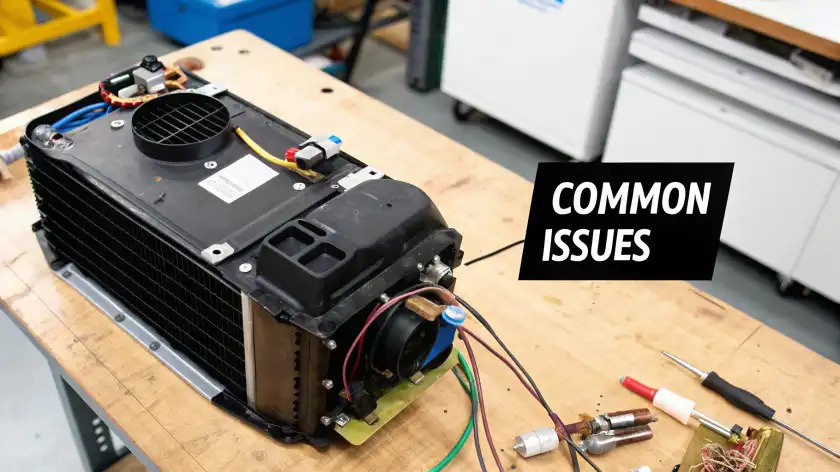

    Picture the LPG system in your caravan, boat, or even for your home BBQ. The gas cylinder is the heart, the appliance is the organ that needs the fuel, and the LPG hose is the main artery connecting them. Just like a healthy artery is vital, a sound, purpose-built hose is absolutely non-negotiable for safety. A failure here doesn’t just mean your heater or cooker stops working—it can lead to a dangerous and uncontrolled release of highly flammable gas.

    The dangers of a dodgy or old hose aren’t just theoretical warnings; they are real-world hazards. A hose that has perished over time can develop tiny, almost invisible cracks, leading to slow but steady leaks. On the other hand, a hose that isn’t rated for the right pressure can burst without warning when you connect it to a full cylinder, creating an immediate and serious risk of fire or explosion.

    It’s More Than Just a Tube

    It’s easy to overlook this simple-looking component, but its job is highly specialised. An LPG hose has to withstand constant pressure, fight off degradation from the chemical compounds in propane and butane, and put up with environmental abuse like UV light, changing temperatures, and physical scuffs. This is precisely why you can never substitute it with a water hose or any other generic bit of tubing.

    To deliver this level of safety and performance, every hose must be built to specific standards. The key things that make a hose safe and compliant are:

    • The Right Materials: Specialised synthetic rubber compounds like nitrile are used because they don’t break down when exposed to LPG.
    • Correct Pressure Rating: Hoses are specifically made for either high pressure (running from the cylinder to the regulator) or low pressure (from the regulator to the appliance).
    • Certified Construction: In the UK, this usually means it has to comply with standards like BS 3212, which is your guarantee that it’s fit for purpose.

    The Real Consequences of Neglect

    Ignoring the importance of your LPG hose can have severe consequences. A small leak in a confined space, like a boat cabin or a caravan’s gas locker, can quickly create a flammable atmosphere waiting for a spark. Physical damage, like a sharp kink or abrasion from rubbing against an edge, creates a weak spot just waiting to fail under pressure.

    The most common causes of gas-related incidents aren’t dramatic equipment failures, but slow, undetected leaks from perished hoses and poor connections. Regular inspection is your first and best line of defence.

    Ultimately, understanding the crucial role of your hose is the first step toward using gas safely. It helps you see it not as a cheap accessory, but as a vital piece of safety equipment. Choosing the right one, installing it carefully, and checking it regularly aren’t just ‘best practices’—they’re essential responsibilities for any LPG user.

    This guide will walk you through everything you need to know to manage your system safely and with confidence.


    A quick check of your LPG hose can be the difference between a safe setup and a serious hazard. This table breaks down the essentials into a simple checklist you can use every time you inspect your system.

    At-a-Glance LPG Hose Safety Checklist

    Check/AttributeWhy It MattersWhat to Look For
    Date StampHoses degrade over time, even if unused. They have a limited lifespan, typically 5 years.Check for a manufacturing date printed or stamped on the hose. Replace if it’s past its expiry or over 5 years old.
    Visible Cracks/SplitsCracks, even tiny ones, are a clear sign the rubber has perished and can leak gas.Bend the hose gently and look closely for any cracks, splits, or crazing on the outer surface.
    Bulges or BlistersThese indicate a weak spot in the hose’s internal structure, which could rupture under pressure.Run your hand along the hose to feel for any soft spots, bubbles, or bulges.
    Kinks or DamageKinks and physical damage weaken the hose wall, creating a potential point of failure.Ensure the hose has a smooth, natural curve and isn’t sharply bent, flattened, or rubbing on sharp edges.
    Secure ConnectionsLoose or improperly fitted connections are a primary source of leaks.Check that the fittings (crimps or swages) are secure and that the end connections are tightened correctly.
    Correct StandardUsing a hose certified for LPG (e.g., BS 3212) ensures it’s made from the right materials.Look for the British Standard number printed along the length of the hose. If it’s not there, replace it.

    Keeping this checklist in mind during your routine maintenance can help you spot trouble before it starts. A few minutes of inspection provides invaluable peace of mind.

    Understanding Hose Materials and UK Certifications

    LPG Hose Types

    At first glance, an LPG gas hose might look like any other rubber tube. But in reality, it’s a piece of specialised engineering designed to handle a highly flammable, pressurised gas safely. You simply can’t use any old bit of tubing; that would be like trying to hold water in a paper bag. Sooner or later, it’s going to fail, and the consequences could be severe.

    The real magic is in the material. LPG hoses are made from specific synthetic rubber compounds, like nitrile (NBR) or neoprene. Unlike regular rubber, which can turn brittle and crack when exposed to the hydrocarbons in LPG, these materials are built to resist that chemical attack.

    This resistance is everything. The hose is in a constant battle with the fuel it carries, and these specialised compounds ensure it stays flexible and strong for its entire service life. They prevent tiny, dangerous micro-cracks from forming, which are often the starting point for a serious gas leak.

    Built in Layers for Strength and Safety

    A proper LPG hose is not just one layer of rubber. It’s a multi-layered construction, a bit like a high-performance car tyre, where each layer has a critical job to do.

    • Inner Tube: This is the layer that’s in direct contact with the LPG. It’s made from a super-resistant synthetic rubber, usually nitrile, designed to stop the gas from seeping through.
    • Reinforcement Layer: In the middle, you’ll find a tough mesh of textile braids, often polyester or even steel. This is the muscle, giving the hose the strength to handle high gas pressure without swelling up or, worse, bursting.
    • Outer Cover: The outside layer is the hose’s bodyguard. Typically made from a durable material like neoprene, it’s there to fend off abrasion, damage from UV sunlight, and bad weather.

    Think of it as a suit of armour for your gas supply. The inner layer contains the threat, the middle layer provides the strength, and the outer shell protects it from the elements. This is what makes a dedicated LPG gas hose completely different from any other tube you might find.

    Decoding the UK Standard BS 3212

    Here in the UK, the gold standard for checking if a hose is safe and fit for purpose is the BS 3212 certification. This isn’t just a friendly suggestion; it’s your absolute guarantee that the hose has been manufactured and rigorously tested to meet strict safety rules for LPG use.

    A hose stamped with BS 3212 confirms it’s made from the right stuff, has the correct pressure rating, and is suitable for the job. If you see a hose without this marking, it has no place in your LPG system in the UK.

    This standard gives us a clear quality benchmark. When you see “BS 3212” on a hose, you know it’s been put through its paces for pressure resistance, flexibility, and material stability. It’s the key that lets you go from being just a user to an informed owner who can check their own equipment with confidence.

    For vapour offtake from cylinders, UK rules are clear: hoses must be marked as ‘High Pressure LPG’ and be certified to British Standard BS 3212 Type 2. To keep risks to a minimum, it’s always best to keep hose lengths as short as you practically can, while still allowing cylinders to be placed safely. You must also use proper hose clips to secure the connections—never use generic jubilee clips, as they are not designed for this and can cut into the hose, creating a leak. It is strictly forbidden to join or extend flexible hoses, as this just adds extra points of potential failure. You can find more great advice on LPG safety from the Hire Association Europe.

    How to Read the Markings on Your Hose

    The information printed along the length of your hose is its birth certificate and CV all in one. If you know what you’re looking at, you can tell its age and suitability in a second.

    1. The Standard: The first thing to look for is “BS 3212” to know it meets UK safety standards.
    2. The Manufacturer’s Name: This tells you who made the hose.
    3. The Date of Manufacture: Often shown as a quarter and a year (e.g., Q2 21). This is vital for knowing when to replace it—typically every five years for domestic use.
    4. Pressure Rating: This shows the maximum pressure the hose can safely handle.

    By getting to grips with these materials and certifications, you give yourself the knowledge to make sure every part of your LPG system is safe, compliant, and ready to give you reliable service for years to come.

    How to Navigate UK Gas Safety Regulations

    Figuring out the rules for using LPG in the UK can feel like a headache, but every single regulation is there for one critical reason: to prevent accidents and keep you safe. The cornerstone of it all is the Gas Safety (Installation and Use) Regulations 1998 (GSIUR). This isn’t just a rulebook for professionals; it lays out practical responsibilities for anyone using LPG, from a homeowner with a patio heater to boaters and caravan enthusiasts.

    The Role of a Gas Safe Registered Engineer

    One of the most important things the GSIUR does is make it clear when you need to call in a professional. While you can connect a new gas bottle to your BBQ yourself, any work on a fixed gas installation—like the pipework in your home, caravan, or boat—legally has to be done by a Gas Safe registered engineer.

    Trying to DIY this kind of work is not only illegal but incredibly dangerous. A Gas Safe engineer is properly trained to:

    • Install and connect all the pipework and appliances correctly.
    • Test the entire system thoroughly for even the smallest of leaks.
    • Ensure there’s enough ventilation to stop harmful gases from building up.
    • Certify that the whole setup meets all current safety standards.

    The Gas Safety legal framework in Great Britain is pretty extensive. It’s not just the GSIUR; it also includes rules like the Gas Safety (Management) Regulations 1996, which manage the safe flow of gases. Within this system, every lpg gas hose and fitting has to meet key safety rules like Regulation 2016/426. This law dictates how gas appliances and their parts are designed and made to ensure they are safe under normal use.

    Sticking to these regulations is the foundation of using LPG safely. It turns a complex set of rules into a simple, life-saving checklist.

    Practical Responsibilities for Users

    Beyond getting professionals in for the big jobs, every LPG user has ongoing responsibilities. If you have a boat, this means regular checks to keep your Boat Safety Scheme (BSS) certificate valid, which is a legal must-have on most UK inland waterways. You can find out more about how to get a Boat Safety Certificate in our guide.

    For caravan owners, it means keeping your gas locker clean and making sure the hose is protected from getting knocked about during travel. For business owners, it’s about regular staff training and keeping records of safety checks. And beyond the UK-specific rules, it’s always a good idea to understand the bigger picture of safety, such as the principles covered in guides to comprehensive safety training requirements.

    At the end of the day, this isn’t about ticking boxes. It’s about building a culture of safety around your equipment, so that every time you turn on the gas, you can do it with complete confidence. Following these rules isn’t a burden; it’s your best defence against accidents.

    Choosing the Right LPG Hose for Any Application

    LPG Installation

    When it comes to LPG gas hoses, one size definitely does not fit all. The hose that’s perfectly fine for your portable camping stove would be a dangerous mismatch for a residential park home or a bustling mobile catering van. Every application has its own unique demands for pressure, durability, and how it stands up to the elements.

    Getting this choice right is absolutely fundamental. It’s not just about making sure your system works efficiently; it’s about making sure it works safely. This means you need to look past what just looks right and really understand the critical differences that determine a hose’s suitability. By matching the hose to your specific needs, you’re creating a secure and reliable link between your gas bottle and your appliance.

    High Pressure vs Low Pressure Hoses

    The first and most important thing to get your head around is the difference between high-pressure and low-pressure hoses. Mixing these two up is one of the most common—and most dangerous—mistakes people make with LPG.

    • High-Pressure Hose: This is the tough, heavy-duty hose that connects your gas cylinder directly to the regulator. It’s built to handle the full, untamed pressure of the gas as it exits the bottle, which can be surprisingly powerful.

    • Low-Pressure Hose: This hose works on the other side of the system, connecting the regulator to your appliance (like a cooker or heater). It’s designed to carry gas at a much lower, controlled pressure and simply isn’t built to take the direct force from the cylinder.

    Using a low-pressure hose where a high-pressure one is needed is a recipe for disaster. It will almost certainly fail, and could even rupture, releasing a large amount of flammable gas. Always, always check the markings on the hose itself to confirm its pressure rating.

    Specialised Hoses for Demanding Environments

    For many simple setups, a standard rubber LPG hose will do the job perfectly well. However, some situations demand something a bit more robust. This is where the armoured LPG gas hose comes in.

    Think of an armoured hose as a standard hose wearing a suit of chainmail. It features a protective outer layer, usually a stainless steel braid, that offers superior defence against physical damage.

    This steel braiding is brilliant at protecting against two major threats:

    1. Rodent Damage: In places like static caravans, park homes, or boats, it’s not unheard of for rodents to chew through standard rubber hoses, causing incredibly dangerous leaks. The metal armour puts a stop to that.
    2. Abrasion and Impact: For hoses that are in high-traffic areas or subject to a lot of movement and vibration, the braiding prevents scuffs, cuts, and general wear and tear from damaging the crucial inner tube.

    Here in the UK, gas safety regulations like BS 6891 are in place to ensure all equipment is fit for purpose. These rules often state that installations must be protected from any foreseeable damage, which includes pests. That’s why armoured hoses are highly recommended—and often a practical necessity—for park homes and caravans where rodent activity is a real risk. For a closer look at the official guidance, you can check out resources from industry bodies like Liquid Gas UK.

    Matching the Hose to Your Application

    So, how do you make the right choice? It all comes down to taking a good look at your specific setup. In marine environments, for instance, even the type of fuel you’re using can influence your system. Our article on propane vs butane for marine installations provides more detailed insights on that front.

    To keep things simple, here’s a quick guide to help you decide:

    ApplicationRecommended Hose TypeKey Considerations
    Portable BBQ/Camping StoveStandard High/Low Pressure Rubber HosePortability and easy connections are key. Just double-check it’s the correct pressure rating for your gear.
    Caravan/MotorhomeHigh-Pressure to regulator, Low-Pressure to appliances. Consider armoured for any external runs.Constant vibration from travel and potential for scrapes make durability a top priority.
    Boat/Marine VesselArmoured High/Low Pressure HoseThe marine environment is harsh. Armoured hoses are a must to resist moisture, salt, and rodent damage in tight spaces.
    Residential Park HomeArmoured High/Low Pressure HoseThese are long-term installations, so you need maximum protection against rodents and general environmental wear.

    By thinking carefully about your environment and how you’ll be using your gas system, you can choose an LPG gas hose that delivers the safety and reliable performance you need.

    Your Guide to Maintenance and Replacement

    LPG Hose Safety First

    It’s tempting to think of an LPG gas hose as a ‘fit and forget’ part of your setup, but that’s a dangerous mistake. The materials that make it flexible and gas-tight will break down over time, even if the hose looks perfectly fine from the outside. Getting into a solid routine of maintenance and timely replacement is one of the most important jobs for any LPG user.

    This isn’t about creating extra work; it’s about staying ahead of problems. Regular checks give you the power to spot the early warning signs of trouble, letting you sort out small issues before they become serious safety hazards. It’s a simple habit that buys you invaluable peace of mind.

    Performing Regular Visual Inspections

    Your first line of defence is a simple look and feel. At least once every few months—and definitely before you hook up a new gas bottle—take a moment to check the entire length of your LPG gas hose.

    Gently bend the hose to see how flexible it is. You’re on the lookout for these tell-tale signs of wear and tear:

    • Cracks and Crazing: Look closely at the outer cover for any fine cracks, splits, or a spiderweb-like pattern. These are clear signs the rubber has perished and is no longer up to the job.
    • Brittleness: If the hose feels stiff, hard, or doesn’t want to bend, its materials have lost their pliability. It needs to be replaced immediately.
    • Bulges and Soft Spots: Run your fingers along the hose. Can you feel any blisters, bulges, or unusually soft areas? These point to a weak spot in the hose’s reinforcement layer, which could burst under pressure.
    • Abrasion: Check for any scuffs, cuts, or places where the hose has been rubbing against something sharp. This can weaken the hose wall and lead to failure.

    Sticking to a Replacement Schedule

    This is the most critical part of your maintenance routine: your LPG gas hose must be replaced on a schedule, no matter how good it looks. The constant exposure to LPG, sunlight, and changing temperatures causes invisible damage to the materials. Because of this, safety authorities and manufacturers all agree on a maximum service life.

    For most domestic, caravan, and marine setups, the rule is to replace your hose every five years. The manufacturing date is always printed right there on the hose, often as a quarter and year (like Q2 24). Knowing when your LPG regulator and hose was last changed is a key part of your safety responsibility. Never, ever take a chance on an old hose.


    For quotes and bookings, call or email us here.

  • Go Eco Adventurer Boat Stove Guide

    When you’re fitting out a narrowboat, a cabin, or any other small space, every single inch counts. That’s where the Go Eco Adventurer boat stove really comes into its own. It’s not just another heater; it’s a tough, reliable centrepiece engineered from the ground up to bring warmth and comfort to the unique world of a floating home or an off-grid hideaway.


    For quotes and bookings, call or email us here.

    Go Eco Adventurer Boat Stove

    Think of it as the Swiss army knife of boat heating—versatile, tough, and perfectly sized for the job.

    This little stove stands out because it was built specifically to tackle the challenges of life on the move. Standard household stoves are often too big and clunky, and they just aren’t built for the damp conditions of a marine environment. The Adventurer, on the other hand, packs a powerful punch into a compact body, making it a firm favourite among UK narrowboat owners and glamping site operators who need a dependable heat source without giving up precious living area.

    Built for Durability and Performance

    The real heart of the Go Eco Adventurer lies in its build quality and impressive efficiency. The entire stove is put together with 100% stainless steel fixings, which is absolutely critical for fighting off the damp and corrosive atmosphere you often find on a boat. This attention to durable materials means it’s ready to handle the constant movement and humidity changes that come with life on the water.

    Its performance is just as solid. This multi-fuel stove is tailor-made for off-grid living, delivering a nominal heat output of 4.5kW within a total range of 3.4kW to 5.3kW. That’s the sweet spot for heating the small-to-medium-sized cabins you find on boats or in glamping pods. With an A+ energy rating and 86% heat efficiency, it’s easily one of the most advanced compact stoves you can get in the UK today.

    Go Eco Adventurer 5 At-a-Glance Specifications

    To give you a quick, clear picture of what this stove can do, here’s a handy breakdown of its key features. This table sums up the technical details that make it such a practical and efficient choice for your vessel or cabin.

    Feature

    Specification

    Heat Output

    3.4kW – 5.3kW (Nominal 4.5kW)

    Energy Efficiency

    86% (A+ Rated)

    Construction

    Steel body with 100% stainless steel fixings

    DEFRA Exemption

    Yes, permitted for burning wood in smoke control areas

    Fuel Type

    Multi-fuel (wood and approved solid fuels)

    Flue Outlet

    100mm (4”) Top Outlet

    Weight

    47kg

    Warranty

    3 Years (Stove Body)

    This combination of a compact footprint, robust materials, and seriously high efficiency is what sets the Go Eco Adventurer apart from the crowd. It’s more than just a heating appliance; it’s a smart investment in reliable, safe, and comfortable off-grid living.

    Why Your Boat Needs a Specialised Stove

    Picking a stove for your boat isn’t like choosing one for your house. Far from it. The unique world of a boat – with its constant motion, the salty air that gets into everything, and tight safety rules for small spaces – calls for a piece of kit that’s built for the job. A standard household stove just isn’t cut out for life on the water. In addition, most household stoves require a flue which is a minimum of 4.5 metres high. This cannot be achieved on a boat. Boat stoves are designed to function efficiently with a short flue.

    Just picture trying to use a normal cooker while you’re gently rocking at anchor, never mind bashing through choppy seas. It’s a disaster waiting to happen. This is why investing in a proper marine unit like the Go Eco Adventurer boat stove is about more than just convenience; it’s about safety, practicality, and knowing you’ve got something that won’t let you down.

    The Unforgiving Marine Environment

    A boat is a living, moving thing, and it throws a few key challenges at any appliance you bring aboard: constant movement, not much space, and a damp, corrosive atmosphere. A domestic stove will give up the ghost pretty quickly under these conditions. The non-stop vibration can shake components loose, and its sheer size makes it a clumsy, dangerous obstacle in a cramped cabin.

    Then there’s the damp, salty air. It’s incredibly corrosive. Without the right materials, a stove will rust and fall apart at an alarming rate, which is not only a waste of money but a serious safety risk. Proper marine stoves are constructed with this in mind, using tough materials like stainless steel to ensure they last and work reliably.

    A purpose-built marine stove isn’t a luxury; it’s an essential piece of equipment. Its design accounts for the physical forces and environmental factors that would render a standard appliance unsafe and unusable in a very short time.

    This isn’t just a niche concern, either. The global market for marine stoves and ovens was valued at around $0.9 billion USD in 2024 and is expected to hit $1.4 billion USD by 2032. Here in the UK, with our buzzing community of narrowboaters and coastal sailors, we’re a big part of the push for safer, better-designed gear. You can read more about these market trends over at businessresearchinsights.com.

    Safety and Compliance Onboard

    On any boat, safety is everything. In the confined space of a cabin, the dangers from cooking and heating are amplified. A fire or a carbon monoxide leak can become a life-or-death situation in moments.

    That’s why marine stoves have to meet strict safety standards, like the BS 8511:2010 code of practice in the UK. These rules cover everything from how much space you need around the stove to how much ventilation is required. A specialist stove is designed from the ground up to tick all these boxes.

    You’ll find several key safety features on a proper boat stove:

    • Secure Latches: The doors need strong catches to stop them flying open when the boat moves, which could spill hot coals everywhere.


    • Fiddle Rails: Many marine stoves have optional rails around the top to stop your kettle sliding off when you’re on the move.


    • Compact Footprint: They are designed to be installed safely with minimal clearance to walls, especially when used with the right heat shielding and flue kits.


    • Controlled Combustion: A clean, controllable burn is crucial for managing the heat in a small cabin and stopping dangerous gases from building up.


    While your stove is an important component, don’t overlook the importance of overall vessel safety. It’s advisable to review a boat safety equipment checklist to ensure you have everything necessary. The Go Eco Adventurer is a reliable option for life on the water, but remember to equip your vessel with the essential safety features as well.

    Installing Your Stove in a Confined Space

    Fitting a solid fuel stove into the tight confines of a boat cabin can look like a daunting puzzle. Every centimetre matters, and safety is always the absolute priority. This guide will give you a clear roadmap for a safe, compliant installation of your Go Eco Adventurer boat stove, helping you navigate the crucial decisions from where to put it to how you ventilate it.

    The first and most important step is picking the right spot. You need a location that not only fits the stove physically but also leaves enough clearance from combustible materials like wood panelling or soft furnishings. Think of it as creating a safe “bubble” of space around your heat source.

    This is where the BS 8511 compliant installation kits, designed specifically for the Adventurer, become invaluable. These kits are engineered to drastically shrink the required safety distances—a massive advantage in the compact world of a narrowboat cabin. They manage this through the clever use of insulated flue pipes and custom-built heat shields.

    The Hearth and Heat Shielding

    Before the stove even gets near its spot, you must lay a solid foundation. This is the hearth, a non-combustible base that protects your floor from the intense heat and any stray embers that might pop out when you open the door.

    The hearth needs to be made of a suitable material, like stone, slate. Regulations state it must extend a specific distance in front of and to the sides of the stove. This isn’t just a friendly suggestion; it’s a critical fire prevention measure.

    On top of that, the walls around the stove need protecting, too. You can’t just shove the stove up against a wooden bulkhead. You have to install a heat shield, which is usually an air-gapped sheet of metal or fireproof board. This shield acts like a thermal barrier, reflecting heat away from the wall and letting air circulate behind it, keeping the surface temperature at a safe level.

    A correctly installed hearth and heat shield aren’t just about ticking regulatory boxes; they are the fundamental safety system that contains the stove’s powerful heat. Getting this part wrong is one of the most common—and most dangerous—installation mistakes we see.

    For anyone planning a DIY project, nailing these details is crucial. For a much more in-depth look at the process, our friends at Marine Heating Solutions have put together an excellent guide on how to install a boat stove that covers these steps thoroughly.

    The Go Eco Adventurer comes with a bolt-on hearth and heat shield option, which looks good and eliminates the need to build a hearth and heat shield on the boat. We even offer free installation when you purchase the entire Go Eco Adventurer Narrowboat Kit from us.

    Optional Extras

    When considering enhancements for your stove, several optional extras can be included to improve functionality and convenience. These extras are designed to complement your stove and make cooking a more enjoyable experience.

    • Removable Oven: Easily detachable without the need for tools, this oven can be lifted off the stove like a pot.


    • Side Warming Shelves: These shelves are perfect for keeping pots warm, ensuring your meals are ready when you are.


    • Fiddle Rail: This feature helps prevent pots from sliding and falling, adding an extra layer of safety.


    The removable oven and side warming shelves have made my cooking time so much easier, and the fiddle rail gives me peace of mind knowing my pots are secure.

    Flue System Installation

    With the foundation sorted, the next job is the flue system—the stove’s chimney. This is probably the most complex part of the whole installation. The flue’s job isn’t just to get smoke and combustion gases safely outside, but also to create the “draw” that makes the stove burn efficiently.

    Though this stove is designed to work well on the short flue lengths found on boats, poor draft means a smoky, sluggish fire that churns out more carbon monoxide. A good draft, on the other hand, pulls air cleanly through the stove, fuelling a hot, efficient burn.

    Here’s a quick rundown of the key bits:

    • Connecting Flue Pipe: This is the single-wall pipe that connects directly to the stove’s 4-inch outlet. Any flue sections above must be twin-wall insulated.


    • Twin Wall Insulated Flue: This pipe has a thick layer of insulation packed between an inner and outer wall, which keeps flue gases hot to help them rise and safely remove them from the cabin environment. It also keeps the outside surface cool enough not to set fire to the surrounding materials where the flue passes through the boat’s roof.


    • Deck Gland and Flashing: This is a specialised, waterproof fitting. It seals the hole where the flue pipe exits the roof, stopping rain and canal water from dripping in.


    • Rain Cap: Finally, a cap sits on top of the flue to stop rain from running down into your stove while still letting all the smoke out.


    Stainless Flue Kit

    Every joint in the flue must be securely clamped together, and flue systems over 1.2 metres should be securely braced to handle the boat’s movement. Get the installation right, and you can enjoy the cosy glow of your Go Eco Adventurer with total peace of mind, knowing it’s both safe and efficient.

    More information can be found on our handy guide about The Benefits Of Stainless Steel Twin Wall Insulated Flues For Boat Stoves

    Choosing the Right Fuel for Your Voyage

    IMAGE IMAGE IMAGE Stove Setup

    One of the biggest plus points of the Go Eco Adventurer boat stove is its multi-fuel capability. It gives you options. Think of it like a seasoned chef with a fully stocked pantry; you can whip up the perfect recipe for warmth, no matter what’s available locally or what the conditions demand. This flexibility is what makes it a truly practical and reliable heart for your floating home.

    Of course, making smart fuel choices is about more than just grabbing the nearest bag of logs. You’ve got to weigh up heat output, burn time, cost, and even the environmental side of things. The two main players for a solid fuel stove like this are traditional seasoned hardwoods and modern smokeless coals.

    Seasoned Wood: The Classic Choice

    Let’s be honest, there’s something deeply satisfying about the crackle and intense radiant heat from a real wood fire. For many boaters, it’s a non-negotiable part of the charm of life on the cut.

    • Heat Output: Wood burns hot and fast. This makes it brilliant for getting a chilly cabin warm in a hurry after a long day’s cruising. Dense hardwoods like oak, ash, and beech are your best bet, as they provide a much longer, more sustained burn than softwoods.


    • Availability: In many rural canalside spots, getting your hands on well-seasoned wood is pretty straightforward. Sometimes it’s even free if you have permission to gather it yourself.


    • Eco-Impact: As long as it comes from sustainable woodlands, seasoned wood is considered a carbon-neutral fuel. The CO2 it releases when burning is simply what the tree absorbed during its life.


    Wood isn’t without its downsides, though. It’s bulky, and storage space on a narrowboat is always at a premium. It also has to be kept bone dry, which can feel like a constant battle against the damp marine environment.

    Smokeless Coal: The Practical Powerhouse

    If you need steady, long-lasting heat that will keep the cabin toasty through a frosty night, smokeless coal is hard to beat. These manufactured briquettes are a go-to choice for liveaboards who rely on their stove as the main source of heat.

    Smokeless fuels are engineered to burn much more slowly and consistently than wood. They kick out a high, stable heat for hours on end, which means you won’t be stumbling out of bed in the middle of the night to top up the stove. They’re also far more compact to store than logs—a massive advantage when every inch of space counts.

    Key Takeaway: The best approach is often a hybrid one. Use seasoned wood for a quick, cheerful blaze to take the immediate chill off, then switch to smokeless coal for reliable, overnight warmth. This gives you the best of both worlds.

    The Shift Towards Safer Heating Solutions

    Over the years, the boating community has increasingly adopted safer heating solutions. Within the UK marine sector, the transition towards solid fuels has been influenced by both safety concerns and environmental regulations. Solid fuel stoves have become a preferred choice for many boaters as they eliminate specific risks associated with other fuels, such as the danger of gas accumulation in low areas like the bilge.

    For those considering heating options, solid fuel stoves present a reassuringly safe alternative by removing the potential hazards linked with gas fuels. The use of multi-fuel stoves, such as the Go Eco Adventurer, offers a low-risk option that aligns with these safety priorities. Understanding the benefits and safety features of solid fuels is essential for making informed decisions about marine heating solutions.

    Operating Your Stove for Peak Performance

    Go Eco Adventurer with Accessories

    Getting the most from your Go Eco Adventurer boat stove is a satisfying mix of art and science. Once you get the hang of it, you’ll be able to coax out a perfect, steady burn that keeps your cabin toasty while being incredibly frugal with fuel. It’s not just about lighting a fire; it’s about learning to work with your stove to really achieve that impressive 86% efficiency rating.

    Think of it a bit like sailing your boat. You don’t just point it in the right direction and hope for the best. You’re constantly making tiny adjustments to the sails and rudder to catch the wind just right. Your stove’s air controls are your sails, letting you fine-tune the fire for whatever you need.

    This section will walk you through mastering the Adventurer, from the initial light-up to managing the airwash for a crystal-clear view of the flames. With these tips, you can enjoy its comforting glow with complete confidence.

    Lighting and Establishing the Fire

    A good fire always starts with a good foundation. The main goal here is to create a hot, fast-burning base that will properly ignite your logs or coal without belching out loads of smoke. Rushing this bit is a classic mistake that often leads to a sluggish, smoky fire.

    Here’s a simple, reliable method to get your Go Eco Adventurer roaring to life:

    1. Prepare the Firebox: Clean the firebox and empty the ash pan. You’ll want to start with a completely clean, empty grate.


    2. Open the Air Controls: Slide both the primary and secondary air controls wide open. This gives the fire the maximum oxygen it needs to start up quickly.


    3. Build Your Fire: Create a small “Jenga” tower or log-cabin-style stack with some dry kindling in the centre of the stove. Pop a natural firelighter right in the middle.


    4. Light and Watch: Light the firelighter and close the stove door, but don’t latch it shut just yet. Leaving it slightly ajar for the first 5 minutes helps draw in even more air, getting that kindling burning fiercely.


    5. Add Fuel: As soon as the kindling is well and truly ablaze, add a couple of small, dry logs or a scoop of smokeless fuel. Now you can latch the door securely. Let this new fuel catch properly before you think about adding any more.


    A strong, hot burn right at the start is vital. This heats up the stove body and the flue pipe fast, which establishes a powerful “draw.” The draw is the engine of your stove, pulling air through the firebox and pushing smoke safely up the chimney.

    Fine-Tuning with Air Controls

    Once your fire is happily established, it’s time to take the helm. The Go Eco Adventurer has two main air controls that let you manage the burn rate and heat output with real precision.

    • Primary Air: This control feeds air from underneath the fuel. You’ll use this mostly for getting the fire started and for burning smokeless coal, which needs a good supply of air from below the grate.


    • Secondary Air (Airwash): This is a clever bit of kit. It feeds pre-heated air down over the inside of the glass door. Its main job is to create a super-hot curtain of air that incinerates any soot before it has a chance to stick to the glass, keeping your view clear. For wood burning, this is your main control.


    Once a wood fire is burning nicely, you should close the primary air control completely. From then on, use only the secondary airwash to control the flames. This is the secret to a cleaner, more efficient burn, and it’s how you hit that 86% efficiency figure while staying compliant with DEFRA smoke control rules.

    Finding the sweet spot takes a bit of practice, but you’ll soon get a feel for it. Before you know it, you’ll be setting it for a long, slow overnight burn or a roaring blaze to heat the cabin up in a flash.

    Keeping Your Stove in Top Condition

    A well-maintained Go Eco Adventurer isn’t just an efficient heater; it’s a safe one. You’ve got to build simple maintenance habits into your onboard routine. Think of it like checking your engine oil or your mooring lines – small, regular actions that stop bigger problems from developing down the line.

    These little routines are what keep your stove as the reliable heart of your boat, ready for whatever the weather throws at you. By following a straightforward plan, you’ll keep it running at its best and ensure it lasts for years to come.

    Simple Daily and Weekly Checks

    Your maintenance schedule doesn’t need to be some complex, drawn-out affair. In fact, simple and frequent checks make all the difference, and they only take a few moments.

    Daily habits are the easiest ones to get into. Before you even think about lighting it, give the glass a quick wipe with a damp cloth dabbed in ash or a proper stove glass cleaner. This stops soot from baking on and becoming a real pain to remove later. At the same time, have a quick peek inside the firebox for anything that looks out of place.

    Your weekly checks can be a bit more thorough:

    • Check the Door Seal: A leaky door seal is bad news. It lets in extra air, causing the fire to burn way too fast and out of control. An easy test is to close the door on a piece of paper; if you can pull it out without any resistance, the rope seal probably needs replacing.


    • Inspect Firebricks: Have a look for any major cracks or crumbling in the firebricks that line the stove. Their job is to protect the stove’s steel body from the intense heat, and they’re designed to be replaced when they get worn out.


    • Empty the Ash Pan: An overflowing ash pan can block airflow and eventually damage the grate.


    A proactive maintenance mindset is absolutely crucial for life on the water. Catching a worn door seal or a cracked firebrick early costs very little to fix but can save you from inefficient burning and potential damage to the stove itself.

    Monthly Checks

    In addition to daily and weekly maintenance tasks, it is important to conduct monthly checks to ensure everything is functioning safely and efficiently. This includes verifying that the stove is properly secured to prevent any potential hazards. Inspect the stove and flue thoroughly for any signs of damage or wear. Additionally, it is important to sweep the flue to remove any buildup, which helps maintain optimal performance and safety.

    The Annual Service Checklist

    Once a year, usually before the colder months roll in, your stove needs a more detailed service. This is your chance to give it a full health check and get it ready for heavy use. While plenty of boaters are happy to do this themselves, there’s no shame in calling in a professional if you’re not confident. For those who need a hand, exploring options for our professional boat stove servicing is a very wise move.

    Your annual list should always include sweeping the flue to get rid of soot and creosote buildup – a major fire hazard. You’ll also want to give every component a thorough inspection, from the door handle and hinges to the integrity of all the flue connections. This annual going-over is what ensures your Go Eco Adventurer boat stove will operate safely and efficiently, season after season.

    Got Questions? We’ve Got Answers

    Putting a new stove in your boat is a big decision, so it’s only natural to have a few questions floating around. Let’s tackle some of the most common things people ask us about the Go Eco Adventurer. We’ve put together some straightforward answers to help you figure out if it’s the right fit for your vessel.

    Can I Fit the Go Eco Adventurer Myself?

    Our free installation offer makes this somewhat unnecessary, but yes, if you’re a confident DIYer with a good set of skills, you can definitely install this stove yourself. The key thing to remember is that you absolutely must follow the manufacturer’s instructions down to the last detail. It’s also critical to stick to the BS 8511:2010 code of practice and adhere to best industry practices, Boat Safety Scheme guidelines, and the requirements of your insurance.

    For example, the BS8511:2010 is currently being updated and doesn’t make twin wall flues mandatory yet. However, it is considered extremely poor practice to install mild steel single skin flues, and your insurance will likely not cover you if the stove hasn’t been installed competently. All other stove installation standards, for houses, huts, and caravans, already make twin-wall flues mandatory.

    If you feel even a tiny bit unsure, our qualified professionals are here to help. It’s the simplest way to get total peace of mind, knowing your stove is installed securely, correctly, and in a way that’s fully compliant with safety standards.

    Remember, a stove installation isn’t just about warmth; it’s about safety. An incorrect installation can pose serious risks, including fire and carbon monoxide poisoning. When in doubt, always bring in an expert.

    What Makes the Adventurer 5 Different From Other Stoves?

    The Go Eco Adventurer isn’t just another small stove; it was designed from the ground up for life on the water. Here’s what sets it apart:

    • Marine-Grade Build: Its full stainless steel construction is specifically chosen to stand up to the damp, corrosive environment of a boat.


    • DEFRA Exempt: This is a huge bonus. It means you can legally burn wood even when you’re moored up in smoke control areas across the UK – essential for boaters in towns and cities.


    • Future Proof: It is SIA Ecodesign 2022 compliant for future-proof peace of mind, and has ClearSkies Level 5 certification.


    • Built for Boating: Features like its outstanding 86% efficiency rating and a really robust door latching system are there for a reason. They’re designed to meet the real-world demands of off-grid living, something you don’t always find in more generic compact stoves.


    For expert advice, certified installation, and servicing of your Go Eco Adventurer boat stove, trust the specialists. Marine Heating Solutions ensures your vessel is warm, safe, and ready for any voyage.


    For quotes and bookings, call or email us here.
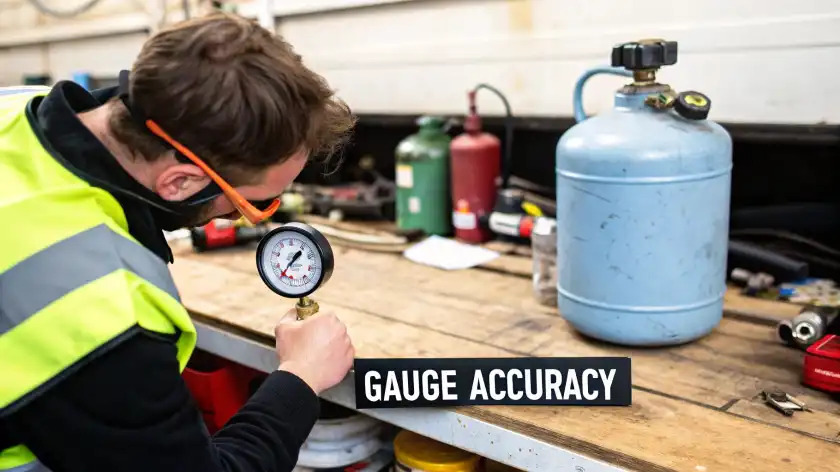

  • Best Heaters for Boats UK Warmth and Safety Guide

    Picking the right heater for your boat isn’t just a small upgrade; it’s what turns a seasonal hobby into a year-round passion, especially with the UK’s notoriously fickle weather. The main contenders are diesel, LPG, solid fuel, and electric systems. The best one for you really boils down to your boat’s specific setup, your power situation, and how you actually use your vessel. This guide will walk you through finding the perfect setup for warm, safe, and comfortable boating, no matter what the weather throws at you.


    For quotes and bookings, call 07846 274 926 or email marineheatingsolutions@gmail.com


    Why Choosing The Right Boat Heater Matters

    Let’s be honest, navigating chilly UK waters often calls for more than an extra jumper. A decent heating system is a cornerstone of safety and comfort, and it’s your best defence against the damp and mould that can plague any boat. Think of it less like a luxury item and more like a core part of your vessel’s kit. It’s what transforms your boat into a warm, dry sanctuary you can escape to, whatever the season.

    This isn’t just a nice-to-have anymore; it’s becoming a key consideration for many UK boaters. The market for specialised boat heating equipment is growing steadily, driven by more and more people wanting to get the most out of their boats all year. If you’re interested in the numbers, you can read more about the UK heating equipment market’s projected growth on Mordor Intelligence.

    Understanding Your Primary Options

    Making a smart choice starts with knowing the main players. Each type of heater has its own personality—its own quirks, ideal uses, and installation needs.

    • Diesel Heaters: Easily the most popular choice. They’re efficient, can often tap right into your main fuel tank, and they produce a very dry heat, which is brilliant for fighting off condensation.
    • LPG (Gas) Heaters: These are prized for being quiet and convenient, particularly if you’re already set up with gas for cooking. As you’d expect, safety is absolutely paramount with these systems.
    • Solid Fuel Stoves: The traditional heart of a narrowboat. Nothing beats the unique, radiant warmth and cosy glow of a real fire.
    • Hybrid Gas/Electric Heaters: A straightforward solution with plug-and-play functionality when connected to shore power in a marina. When out on the water, the gas option ensures battery conservation.

    At-a-Glance Comparison of Boat Heater Types

    This table is a quick reference to see how the main heating options stack up against each other on the most important factors.

    Heater TypePrimary FuelTypical Running CostBest For
    Diesel Air/Water HeaterDieselLow to MediumLiveaboards and frequent cruisers needing reliable, dry heat.
    LPG (Gas) HeaterPropane/ButaneMediumWeekend boaters or those needing quiet, on-demand heating.
    Solid Fuel StoveWood, Coal, BriquettesLow (can be very cheap)Narrowboats and traditional vessels looking for a cosy, off-grid heat source.
    Electric HeaterMains ElectricityHigh (on batteries) / Low (on shore power)Marina-based boats with constant access to shore power.

    Ultimately, the ‘best’ heater is the one that fits your boat and your lifestyle like a glove. Whether you prioritise low running costs, ease of use, or that unbeatable feeling of a real fire, we have a solution that’s right for you.

    Autoterm 9D Diesel Air Heater 8KW

    When considering modern heating options for boats, one popular and effective choice is the forced air diesel heater. This system functions similarly to a car’s heating system and is widely used by liveaboards and cruisers.

    These heaters operate on a simple principle: they draw in cool cabin air, pass it over a heated element powered by a small amount of diesel, and then distribute the warm, dry air through ducting around the boat. This process is efficient and reliable.

    However, it’s crucial to be aware of the risks associated with unbranded Chinese heaters. These units may not meet European safety standards, potentially posing hazards such as fire risks or carbon monoxide leaks. Investing in a well-branded heater that complies with strict safety regulations ensures not only effective heating but also peace of mind while aboard.

    The Power of Dry Heat

    One of the biggest wins with a forced air diesel heater is the type of heat it creates. Unlike some methods that can actually add moisture to the air, these systems actively dry it out. On a boat, where you’re in a constant battle against damp, condensation, and that musty smell that follows, this is an absolute game-changer.

    Waking up on a cold, misty morning to find the windows streaming with condensation is a familiar sight for any boater. A forced air heater tackles this head-on, circulating warm, dry air that lifts moisture from surfaces and the atmosphere itself. This makes for a far healthier and more comfortable living space, protecting both your boat’s interior and your own well-being.

    By installing a reliable diesel heater, boaters can transform their vessel into a year-round retreat. It opens up the colder months for peaceful cruising, letting you enjoy quiet anchorages without the drone of a generator. This single upgrade makes autumn trips and even winter stays not just possible, but genuinely pleasant.

    Fuel Efficiency and Convenience

    Another huge reason they’re so common is their incredible fuel efficiency. These heaters are remarkably frugal, sipping fuel directly from your boat’s main diesel tank. A typical unit might only use 0.1 to 0.2 litres of fuel per hour on a low setting, making them unbelievably cheap to run for long periods.

    You really can’t overstate the convenience of this setup. There’s no need to lug separate fuel canisters about or worry about managing another fuel source. For any diesel-powered boat, the integration is seamless and just makes sense. It’s a self-contained system providing powerful, reliable heat without complicating your fuel logistics. If you’re exploring this efficient solution, checking out the range of Autoterm diesel heaters is a great starting point to see what different models can do.

    A Balanced View: Noise and Power

    Of course, no system is perfect, and it’s important to look at the whole picture. Forced air heaters aren’t completely silent. You’ll hear the gentle hum of the circulation fan and the quiet, rhythmic ticking of the fuel pump. While modern units from top brands like Wallas or Eberspächer are designed to be extremely quiet, you still need to think carefully about where you install them to minimize noise in sleeping areas. Air duct silencers can help reduce fan noise.

    They also need a bit of electrical power to run the fan, fuel pump, and control unit. While the draw is modest—typically 1 to 3 amps once up and running—it is a constant drain on your 12V or 24V battery bank. For anyone planning to spend long periods off-grid, this power consumption has to be factored into your overall energy budget. You need to be sure your charging systems, like solar panels or the engine alternator, can keep up.

    Still, for most boaters, the benefits massively outweigh these minor points. The ability to quickly and efficiently warm the entire boat with dry, comfortable air makes forced air diesel heaters the go-to choice for creating a proper home on the water, whatever the weather is doing outside. They give you the confidence to cast off the lines on a crisp autumn day, knowing a warm and inviting cabin is waiting for you when you get back.

    Diesel Liquid Heaters for Central Heating and Hot Water

    Diesel liquid heaters also present an effective solution by providing central heating and hot water through a calorifier. These systems function by heating water, which is then circulated through radiators, ensuring an even warmth distribution throughout the vessel. Additionally, they connect to a calorifier, utilising the heated water to provide hot water for showers and the galley.

    This setup not only ensures comfort but also adds convenience for life aboard, making it an efficient heating solution for those living on vessels. Diesel liquid heaters are favoured for their ability to maintain a consistent and reliable heat source.

    The diesel liquid heater has been a game-changer for our onboard comfort, offering dependable warmth and hot water even in the coldest conditions.

    LPG Gas Heaters For Convenience and Safety

    For boaters who put a premium on quiet operation and heat on demand, LPG (Liquefied Petroleum Gas) heaters are a seriously compelling option. Many boats, from weekend cruisers to liveaboard narrowboats, already have an LPG system running for the galley stove. This makes adding an LPG heater a natural and convenient extension of a fuel supply you already manage, saving you the hassle of a separate fuel tank.

    The real draw, though, is how clean-burning and quiet they are. Unlike diesel heaters with their distinctive pump and fan noise, many LPG models run in complete silence. It’s an unobtrusive, peaceful warmth that’s hard to beat, and they deliver it almost instantly, taking the chill off a cabin on a cold morning in minutes.

    Forced Air LPG Heaters and Hybrid AC Electric/LPG Heaters

    When exploring LPG heaters, you’ll notice various options that cater to different heating needs.

    • Forced Air Heaters: These operate similarly to diesel heaters, utilizing a fan to distribute warm air throughout the boat using ducting systems. They are ideal for achieving consistent heating in larger or multi-cabin boats, effectively circulating air, though the fan does produce some noise.
    • Hybrid AC Electric/LPG Forced Air Heaters: These systems combine the benefits of LPG and electric power, offering flexibility and efficiency. They can switch between LPG and electric modes depending on availability and preference, ensuring warmth is maintained efficiently.

    The choice between these systems depends on the size of your boat and your preference for air circulation. While boat heaters are a niche market in the UK, they are an essential part of the commercial and domestic heating industry, valued at over USD 110 billion. The UK’s cooler climate and growing interest in boating drive the demand for dependable cabin heating solutions. For more information on trends in the heating sector, visit gminsights.com.

    The Non-Negotiable Priority: Safety

    While the convenience of LPG is fantastic, it comes with a critical responsibility. LPG is heavier than air. This means any leak, no matter how small, will cause the gas to sink and collect in the lowest part of your boat—the bilges—creating a serious risk of explosion. Because of this, safety can’t just be on the checklist; it has to be the absolute foundation of your entire LPG installation.

    Any installation involving gas on a boat must be treated with the utmost seriousness. There is no room for error. A properly installed and maintained system is perfectly safe, but a poorly fitted one is an accident waiting to happen. Always prioritise professional, certified installation over cost-cutting.

    This brings us to the safety components that aren’t optional extras. They are absolute, must-have requirements for any vessel with an LPG system onboard.

    Core Safety Components for LPG Systems

    To use gas safely on your boat, your setup has to meet strict standards. These three elements are fundamental:

    1. Gas-Safe Locker: Your LPG bottles must be stored in a dedicated, self-contained locker that is completely sealed off from the boat’s interior.
    2. Drop Vents: This locker must have a “drop vent” or drain right at its lowest point that leads directly overboard. This ensures that if a leak happens inside the locker, the heavy gas drains safely out of the boat instead of pooling dangerously in the bilge.
    3. Carbon Monoxide (CO) Alarms: LPG combustion can produce deadly, odourless carbon monoxide. A working alarm isn’t just a good idea; it’s essential. Installing a reliable marine carbon monoxide detector is one of the most critical safety steps you can take on a boat with any gas appliance.

    When you combine these measures with a professional installation by a Gas Safe registered engineer who is qualified for marine work, LPG becomes a wonderfully convenient and safe heating choice. Without them, the risks are simply too great to take.

    Solid Fuel Stoves: The Traditional Heart of the Boat

    Bubble 4B Solid Fuel Boat Stove

    There’s a certain magic to a solid fuel stove that other boat heaters just can’t match. It’s far more than just a heating appliance; it’s the living, breathing heart of a vessel, especially on traditional narrowboats and classic yachts. Imagine coming back to your cabin after a long day cruising a misty canal, the air crisp and cold, only to be met by the deep, radiant warmth and comforting flicker of real flames.

    This isn’t push-button, instant heat. It’s a deliberate, hands-on process that really connects you to your surroundings. The gentle crackle of wood or the steady hum of burning coal becomes the soothing soundtrack to your evening. This unique, all-encompassing warmth radiates through the cabin, drying damp clothes and warming chilled hands in a way forced air never could.

    The Lifestyle and Practicalities of Solid Fuel

    Choosing a solid fuel stove means you’re embracing a particular lifestyle. It takes a bit of planning and some physical effort, but the rewards are considerable. Your main fuel choices are seasoned hardwood and smokeless coal, and each has its own character.

    Wood gives you a livelier flame and is brilliant for a quick, roaring fire to take the chill off. Coal, on the other hand, delivers a long, slow, and incredibly hot burn—perfect for keeping the cabin toasty through a cold winter’s night. Many boaters actually use a combination, enjoying the flames of wood before banking the fire with coal to keep it going for hours.

    Living this lifestyle involves a few key things to think about:

    • Fuel Sourcing: You’ll need to find and store your fuel. This usually means buying seasoned logs or bags of coal from canalside suppliers, marinas, or local merchants.
    • Storage Space: Fuel takes up room. You must have a dedicated, dry spot on your boat—often on the roof or in a bow locker—to keep your supply safe from the weather.
    • Fire Management: Learning to build, maintain, and control your fire is a real skill. It involves managing airflow to get the most efficient burn and knowing how to keep it going safely overnight.

    A solid fuel stove gives you true off-grid independence. With a good stock of fuel, you have powerful, reliable heat that needs no electricity and is completely separate from your engine or battery bank. It is the ultimate self-sufficient heating solution.

    Installation: The Foundation of Safety

    The charm of having a real fire on board comes with an absolute duty of care. An improper installation isn’t just a risk; it’s a profound danger. Unlike other heaters, the high temperatures involved demand a completely uncompromising approach to safety.

    There are three pillars to a safe solid fuel stove installation, and none of them are negotiable.

    1. A Heat-Resistant Hearth: The stove has to sit on a non-combustible base, like stone tile or a thick steel plate. This hearth must stick out far enough around the stove to catch any stray embers that might pop out when you open the door.
    2. Safe Clearances: Intense heat radiates from the stove in all directions. It must be fitted with a safe air gap between the unit and any nearby combustible materials, like wooden bulkheads or furniture. Heat shields are often used to protect these surfaces.
    3. A Properly Fitted Flue: The flue (or chimney) is critical. It must be a twin-wall insulated flue where it passes through the deck or roof to stop heat from transferring to the boat’s structure. It also needs a collar to make sure it’s completely watertight and a cap to keep the rain out.

    Ongoing Maintenance for Reliable Warmth

    Living with a solid fuel stove means committing to regular maintenance, but it’s a simple and rewarding routine. The main jobs are sweeping the flue and emptying the ash pan. Soot and creosote can build up in the flue, which reduces efficiency and creates a fire risk, so it needs cleaning with a flue brush at least once a year.

    The ash pan will need emptying daily when the stove is in heavy use. This simple ritual is just part of the rhythm of life with a real fire. This hands-on approach is what makes these boat heaters so special. For those looking at compact yet powerful stoves, perfect for a marine environment, exploring the different models of Salamander Stoves can provide great inspiration for what’s possible in a smaller space.

    Diesel Stoves: Efficient Heating for Boats

    When considering heating options for your boat, diesel stoves like Refleks or Bubble are excellent choices. These stoves are specifically designed for marine environments and offer several advantages:

    • No Power Supply Required: These stoves can function without a power source, making them suitable for remote areas where electricity is unavailable.
    • Consistent Heat Source: Diesel stoves deliver a steady and reliable heat source, providing comfort even in cold climates.
    • Ease of Use: Featuring straightforward controls, these stoves are user-friendly, allowing for simple temperature adjustment.
    • Cleaner Operation: These stoves don’t require handling ash, resulting in less dust settling in the cabin.
    • Convenience: There is no need to carry or store wood and coal, simplifying fuel management.

    Having a diesel stove on board is like having a dependable friend to keep you warm on the coldest nights.

    Choosing a diesel stove for your boat ensures you have a reliable heating solution that doesn’t rely on an external power source. Consider this option for efficient and hassle-free warmth during your maritime adventures.

    Electric Heaters: Marina Convenience vs. Off-Grid Challenges

    Electric heaters are convenient when moored in a marina, where access to shore power makes them easy to use. They are clean, portable, and effective for warming a boat without the need for complex installations. Common choices include oil-filled radiators, fan heaters, and tube heaters, each offering specific benefits for maintaining comfort on board.

    However, using electric heaters off-grid is not advisable due to the high power demands that can quickly deplete a boat’s battery bank. Boats typically have less insulation than houses, making electric heaters particularly inefficient and costly compared to alternatives like diesel heaters, even if you are plugged into shore power. For off-grid heating, fuel-burning systems are more practical and efficient, ensuring warmth without draining your resources.

    Essential Installation and Maintenance Practices

    Boat Heater Installation and Maintenance - Safety First

    Choosing the right heater for your boat is only half the battle. A flawless installation and diligent maintenance are what truly guarantee years of safe, reliable warmth. While we always recommend a professional fitting, understanding the core principles empowers you to oversee the work and properly care for your system down the line.

    Think of installation not as a one-off task, but as laying the very foundation for your boat’s safety and comfort. Getting it right from day one prevents countless future headaches and, more importantly, hazards. The universal principles of a safe install apply whether you have a diesel, LPG, or solid fuel system.

    The Cornerstones of a Safe Installation

    Every fuel-burning heater, regardless of type, produces exhaust gases that absolutely must be removed from your living space. This is the most critical aspect of any installation, and there is simply no room for compromise.

    Two elements are paramount here: the fuel supply and the exhaust system. Fuel lines for diesel or LPG heaters must be correctly routed, secured against vibration, and free from any potential chafe points. The connections must be leak-proof and installed by a competent person—for gas, this means a Gas Safe registered engineer qualified for marine work.

    Equally important is the exhaust flue. It has to be sealed tightly, routed correctly to prevent water from getting in, and fitted with the proper deck fittings to protect your boat’s structure from high temperatures. For a deep dive into the process for solid fuel systems, which have some of the most stringent requirements, our guide on how to install a boat stove provides detailed insights.

    A professional installation is an investment, not an expense. The peace of mind that comes from knowing your fuel and exhaust systems are fitted to the highest safety standards is invaluable. It protects your vessel, your family, and your ability to relax on board.

    Your Regular Maintenance Checklist

    Once your system is up and running, a simple routine of checks will keep it performing safely and efficiently. Regular maintenance isn’t just good practice; it’s a vital part of responsible boat ownership.

    This quick-reference checklist covers the essential tasks you should perform regularly. Think of it as a seasonal health check for your boat’s heating system.

    • Inspect All Fuel Lines: At least twice a year, visually check all fuel lines for any signs of cracking, chafing, or corrosion. Make sure all fittings are tight and secure.
    • Test CO and Smoke Alarms: Test your carbon monoxide and smoke alarms monthly. This is your most important early warning system, so ensure the batteries are fresh and the units are working correctly.
    • Clean the Flue and Exhaust Outlet: Regularly check that the exhaust outlet on the hull or roof is clear of soot, debris, and any other blockages. A blocked exhaust can force dangerous gases back into the cabin. Solid fuel stove flues should be swept on a monthly basis.
    • Service the Heater Annually: Just like a boiler at home, your boat heater will thank you for an annual service by a qualified technician. They’ll clean key components, check the burner, and ensure combustion is clean and efficient.

    By staying on top of these simple but crucial tasks, you ensure your heater remains a reliable source of comfort, not a potential hazard. This proactive approach allows you to enjoy warm, cosy days and nights on the water with complete confidence.

    Common Questions About Boat Heaters

    Even after getting your head around the main types of heaters, you’ll likely still have a few practical questions knocking about. It’s completely normal. This section tackles the most common queries we get from boat owners, giving you clear, straightforward answers to help you lock in your decision with confidence.

    What Size Heater Do I Need For My Boat?

    Choosing the right size, or power output (measured in kilowatts or kW), is absolutely critical. Get it wrong, and you’re in for a world of frustration. An undersized unit will run flat-out and never quite manage to get the boat properly warm, while an oversized one will constantly switch on and off, wasting fuel and causing unnecessary wear and tear.

    A decent rule of thumb to start with is to allow 1kW of heating power for every 3 to 4 metres of boat length. But honestly, that’s just a rough starting point.

    The perfect size for your heater really comes down to your boat’s total internal volume, how good (or bad) your insulation is, and the number of cabins you need to heat. To avoid making a costly mistake, it’s always best to have a chat with a professional who can calculate your specific heating needs properly.

    Can I Install a Boat Heater Myself?

    While some very experienced and technically gifted boat owners do take on the installation themselves, we strongly recommend getting a professional to fit it, especially for diesel and LPG systems. These heaters aren’t just plug-and-play; they involve complex fuel lines, exhaust systems, and electrical wiring where a small mistake can have very serious safety consequences.

    A certified technician will make sure that:

    • Fuel lines are completely secure and meet all safety standards.
    • The exhaust is routed correctly and perfectly sealed, preventing deadly fumes from leaking into your living space.
    • All the electrical connections are safe, sound, and reliable.

    Is It Safe To Leave a Boat Heater On Overnight?

    Yes, absolutely—as long as the system was installed correctly by a competent person and is properly looked after. Modern diesel, LPG, and solid fuel heaters are designed from the ground up for continuous, unattended use, making them perfect for keeping the chill at bay all through a cold night.

    But, this safety hinges entirely on one little box: a carbon monoxide (CO) alarm. No matter what kind of fuel-burning heater you have on board, a working, regularly tested CO alarm is non-negotiable. It’s an essential piece of kit for your safety and your peace of mind.


    For quotes and bookings, call or email us here.
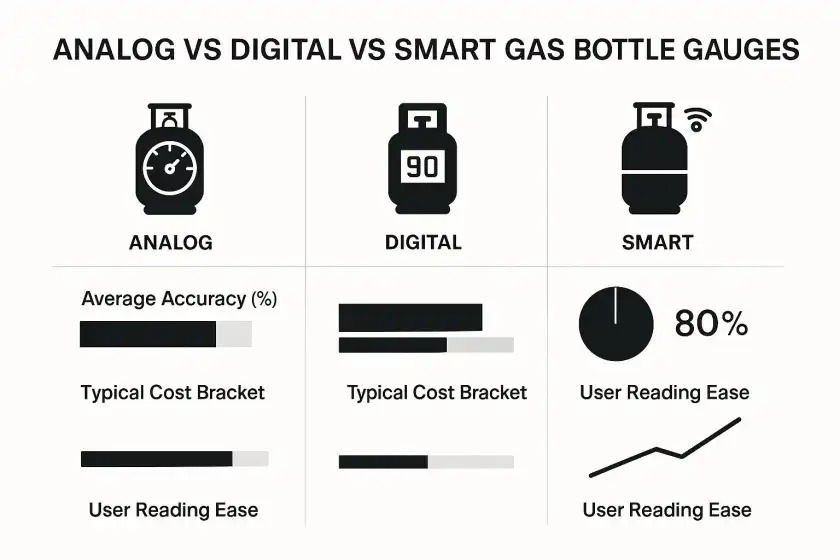

  • Your Morso Squirrel Stove Guide for Boat Living

    If you spend any time around boats, you’ll hear the name Morso Squirrel mentioned sooner or later. For decades, it’s been the go-to stove for reliability and warmth, especially within the UK’s narrowboat community. It’s that perfect mix of classic looks and modern, efficient heating.


    For quotes and bookings, call or email us here.
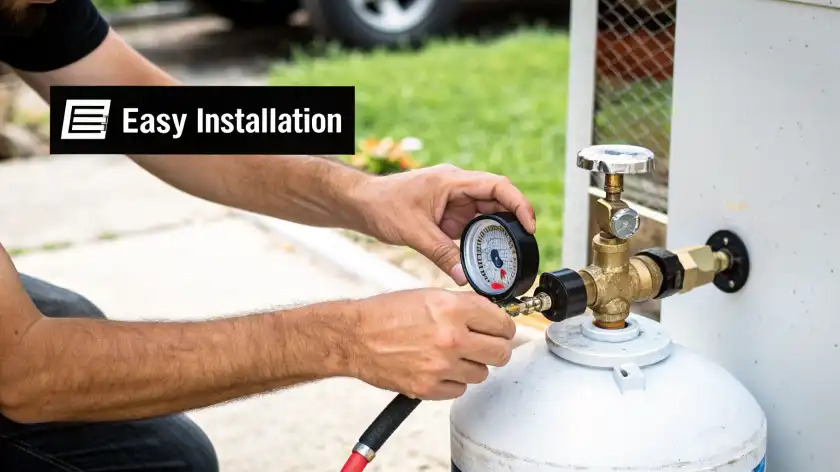

    Why the Morso Squirrel Is a Boater’s Best Friend

    Morso Squirrel 1412 DEFRA Approved Solid Fuel Boat Stove

    The Morso Squirrel isn’t just another heater. For many boaters, it’s the warm, beating heart of their vessel. Its reputation is built on solid, dependable construction and a timeless style that just seems to fit the unique interior of a boat.

    The stove’s heritage comes from over 150 years of Danish cast-iron craftsmanship by Morso. When they started exporting to the UK, the Squirrel quickly found a home on the water.

    An Enduring Legacy on the Water

    The Morso Squirrel’s popularity in marine settings is no accident. It’s the direct result of a design that perfectly balances size, performance, and durability for life afloat.

    Since it arrived in the UK back in the 1980s, the Morso 1412 Squirrel has become one of the nation’s best-selling stoves. Its appeal comes from blending that classic look with modern combustion technology, which delivers an efficient 5 kW heat output – ideal for smaller spaces like narrowboats. You can dig deeper into the history of this iconic stove’s success in the UK market.

    Its chunky cast-iron body is a major advantage. Think of it as a thermal battery; it soaks up heat from the fire and then radiates it slowly and evenly into the cabin. This creates a deep, penetrating warmth that really cuts through the damp and chill you so often find on the water.

    What really sets the stove apart is its ability to provide consistent, manageable heat. It doesn’t create a stuffy, overpowering sauna. Instead, it maintains a stable and comfortable living space, which is absolutely crucial when your home is only a few metres long.

    This blend of qualities has secured its status on the cut:

    • Compact Footprint: It’s designed to tuck neatly into tight spaces without skimping on performance.
    • Reliable Heat: The cast-iron construction means you can count on it for dependable warmth.
    • Timeless Design: Its classic look fits right in, whether your boat’s interior is traditional or modern.

    For all these reasons, when boaters are looking for a heating solution that will stand the test of time, they consistently turn to the Morso Squirrel stove.

    The Perfect Fit for Marine Environments

    Anyone who lives on a boat knows that every centimetre of space is precious. When it comes to fitting out your floating home, you’re not just choosing appliances for their function; you’re looking for pieces that fit neatly into a compact, self-contained world. This is exactly where the Morso Squirrel stove really comes into its own, proving time and again why it’s such a popular choice for narrowboats, yachts, and other vessels.

    Morso Squirrel 1442

    It all starts with its small footprint. Unlike those bulky stoves designed for houses, the Squirrel is built to be tucked away neatly into tight corners, saving that all-important living space without compromising on heat. For life afloat, this clever, compact design isn’t just a bonus—it’s essential.

    The Heartbeat of the Cabin

    But it’s not just about size. The stove’s very construction is perfectly matched to the unique challenges of a marine climate. Its heavy-duty cast-iron body acts like a thermal sponge, soaking up a tremendous amount of heat from the fire and then radiating it out slowly and consistently.

    This radiant heat is the key. It creates a deep, bone-dry warmth that pushes back against the persistent damp and chill that every boater is familiar with. Think of it less like the quick, superficial blast from a fan heater and more like the steady, comforting warmth of the sun. When you look at various marine stoves on the market, the Morso Squirrel’s ability to deliver this kind of consistent, penetrating heat from such a small unit is truly exceptional.

    The multi-fuel burner has truly transformed our time on the water! Its efficient design allows for quick heating. We’ve spent countless cozy evenings in our cabin, enjoying the warmth it radiates even in the coldest winter months. It’s an absolute game-changer, making our adventures not only more comfortable but also more enjoyable. I can’t imagine having any other stove for our boating trips!

    The Goldilocks Heat Output

    The Morso Squirrel stove typically has a nominal heat output of around 5kW. For most boat cabins, this is what you’d call the ‘Goldilocks’ level—not too hot, not too cold, but just right. It’s powerful enough to warm the entire space efficiently without turning your cosy cabin into an unbearable sauna.

    This balanced output is precisely what makes it so practical for day-to-day life on a boat. It provides that reliable, gentle warmth needed to transform a cold, damp space into a cosy and inviting home. This combination of clever design, robust construction, and ideal heat output explains why the Squirrel is so much more than just a heater; for countless boaters, it’s the warm heartbeat of their life afloat.

    Understanding Its Technical Specs and Performance

    Beyond its classic good looks and compact size, the real magic of a Morso Squirrel stove is in its engineering. Getting to grips with the technical specs isn’t about memorising dry numbers. It’s about understanding how those details give you reliable warmth, save you fuel, and create a safer home on your boat. These are the figures that really matter when you’re living with it day in, day out.

    Let’s break down what makes it tick. The stove’s dimensions and weight are carefully designed for stability in a marine environment, while its flue diameter is a critical measurement for a safe and effective exhaust system.

    Performance And Environmental Credentials

    One of the best things about the modern Morso Squirrel stove is how efficient and clean-burning it is. It is DEFRA-approved, which is essential if you’re navigating through UK smoke control areas—a common reality for many of us on the inland waterways.

    The image below gives you a clear picture of how the Defra approved Morso Squirrel 1412 stacks up against a standard wood stove, showing its superior burn time and fuel efficiency.

    Morso Squirrel vs Standard Boat Stove Performance

    As you can see, the Morso Squirrel gives you longer burn times with less fuel, making it a more practical and economical choice for keeping your boat warm.

    To put some numbers on it, the Morso 1412 DEFRA model is a great example. We’ve put together a quick table to summarise its key details.

    Morso 1412 Squirrel Stove At A Glance

    FeatureSpecification
    Energy RatingA+
    Nominal Heat Output4.6 kW
    Efficiency83%
    CO Emissions0.10%
    Flue Outlet125mm (Top/Rear)
    DEFRA ApprovedYes
    Fuel TypeWood & Smokeless Fuel

    This efficiency is officially recognised. With an outstanding A+ energy rating and an efficiency of around 83%, a massive chunk of the energy from your fuel is turned directly into useful heat for your cabin, with very little wasted up the flue.

    The Airwash System And Its Benefits

    Ever wondered how the glass on a Morso Squirrel stays so clear, giving you that beautiful view of the flames? That’s the clever built-in airwash system at work. It’s not just there for the looks; it’s vital for the stove’s performance.

    The system channels a super-heated curtain of air down the inside of the glass door. This air stream does two important jobs:

    • Keeps the Glass Clean: It forms a barrier that stops soot and tar from building up on the glass.
    • Improves Combustion: This pre-heated air is drawn into the firebox, providing the secondary air needed for a much cleaner and more complete burn.

    A cleaner burn means you get more heat from your fuel and produce fewer emissions. It’s a perfect example of Morso’s talent for blending traditional design with smart, modern combustion technology.

    The flue system is just as important for performance. A properly installed flue gives you a good draw, which stops smoke from spilling into the cabin and helps the stove run at its best. On a boat, dealing with short flue heights is a key factor. If you want to learn more, you can check out our guide on The Benefits Of Stainless Steel Twin Wall Insulated Flues For Boat Stoves to ensure your stove works perfectly, no matter the weather.

    Ensuring a Safe Stove Installation on Your Boat

    When you live on the water, safety isn’t just a priority; it’s the foundation of everything you do. Fitting a beautiful Morso Squirrel stove is an exciting upgrade, but doing it safely is absolutely non-negotiable. It’s about protecting your boat, your investment, and most importantly, yourself.

    A proper installation starts from the ground up—with the hearth. This isn’t just a decorative base; it’s your first line of defence. The hearth must be made from a non-combustible material like slate, tile, or concrete. It also needs to be large enough to extend well beyond the stove’s footprint, ready to catch any stray embers that might try to escape.

    Likewise, the areas around the stove, especially the bulkheads (your boat’s walls), need serious protection. Just leaving a bit of a gap isn’t going to cut it. You have to install proper heat shielding, usually a combination of an air gap and a fire-retardant board. This is crucial to stop the intense radiant heat from creating a fire risk in the nearby woodwork. For a good overview of the general principles, this wood burning stove installation guide is a helpful resource.

    The Crucial Role of a Marine-Specific Flue Kit

    One of the most dangerous mistakes any boater can make is to try and use substandard flue parts or flue parts made from outdated materials for a marine installation. A boat moves, it flexes, and it lives in a harsh, damp environment. A proper marine flue kit, one that complies with safety standards and best industry practices and is engineered specifically for these challenges, is absolutely essential for your safety.

    Using the wrong type flue pipes is a serious hazard. The correct flue parts are designed to withstand the constant vibration and potential corrosion found on a boat, which can lead to cracks and dangerous leaks of smoke and carbon monoxide.

    A compliant system has several key components:

    • Twin-Wall Insulated Sections: Where the flue passes through your deck and roof (the cabin top), it absolutely must be a twin-wall insulated pipe. This design keeps the outer surface temperature low, and flue gases hot and rising efficiently. It is even better practice to install a flue that is entirely made of twin-wall insulated stainless steel.
    • Deck Collar: This is a purpose-built fitting that creates a totally waterproof and heat-proof seal where the flue exits the boat. It’s essential for keeping rain out and heat safely contained.
    • Secure Brackets: The entire flue system has to be securely attached, and sections longer than 1.2 meters should be supported by brackets. This stops it from moving or shaking apart as the boat shifts and vibrates on the water.

    For anyone planning to tackle this job, our detailed guide on how to install a boat stove gives you a step-by-step walkthrough of these critical stages.

    Your Most Important Safety Device

    While the physical installation is vital, your single most important piece of safety kit is a carbon monoxide (CO) alarm. Carbon monoxide is a colourless, odourless gas produced whenever fuel doesn’t burn completely. In an enclosed space like a boat cabin, it can be lethal.

    You should install at least one, though preferably two, marine-grade CO alarms. Always place them according to the manufacturer’s instructions—this usually means away from the stove itself, in sleeping areas and main living spaces. Test them regularly, just as you would a smoke alarm.

    Think of your CO alarm as the silent guardian for your Morso Squirrel stove. It’s the one device that will alert you to an invisible danger, and it is an absolute necessity for every single boat with a fuel-burning appliance on board.

    Operating and Maintaining Your Morso Squirrel

    Getting the best out of your Morso Squirrel stove is about more than just lighting it up. It’s about getting to know its personality – understanding its rhythms and what it needs to perform at its best. A bit of know-how and some regular upkeep are all it takes to guarantee years of reliable, cosy warmth.

    Your relationship with the stove starts with the very first fire, a vital step called ‘curing’. The heat-resistant paint on your new stove needs to be baked on properly. For the first few times you use it, stick to small, gentle fires, and build up the heat gradually over several sessions. This simple process is what stops the paint from blistering, giving you that tough, long-lasting finish.

    Mastering Fuel and Air Controls

    What you burn has a massive effect on your stove’s performance. Many boaters love the long, slow burn and beautiful, dancing flames you get from seasoned hardwood. But if you need steady, all-night warmth to keep the cabin from getting chilly, smokeless coal is your best bet, as it can smoulder away for hours. We recommend Oxbow coal for best performance and low ash.

    The real skill in running a Morso Squirrel, though, is in getting the hang of its air controls. Think of them as the stove’s lungs; they regulate the fire’s intensity and how efficiently it burns fuel.

    • Primary Air: This is your starter. A wheel opening at the bottom of the stove feeds air from underneath the grate. It’s absolutely essential for getting the fire going and is the main control for burning smokeless fuels.
    • Secondary Air (Airwash): This clever control brings pre-heated air down over the inside of the glass door. It’s the secret to a clean burn with wood, creating those hypnotic secondary flames and, just as importantly, keeping the glass from sooting up.

    When you’re burning wood, you’ll start with the primary air wide open. Once the fire is roaring away, you close it down and rely almost entirely on the secondary air. For smokeless coal, you’ll want to keep that primary air partially open to keep the fuel bed glowing nice and hot.

    The aim is to find that perfect sweet spot – maximum heat for minimal smoke. A lazy, orange flame just creates soot, while a roaring, bright inferno will burn through your fuel in no time. A lively, dancing yellow flame is what you’re looking for.

    A Simple Maintenance Checklist

    Looking after your stove isn’t a chore; it’s just protecting your investment and making sure it runs safely. Weaving these simple tasks into your routine will keep your Morso Squirrel in fantastic shape. To see how these stoves fit into a wider heating setup, you can check out the full range of Morso boat stoves and available accessories.

    Regular Checks:

    • Empty the Ash Pan: Don’t let it get completely full. An overflowing ash pan can cause the grate to overheat and warp.
    • Clean the Flue: This is non-negotiable. Regular sweeping prevents the build-up of flammable creosote, which is a major fire risk.
    • Check Firebricks: Have a quick look for any cracks or crumbling bits. These bricks are there to protect the stove’s steel body, so replace them if they look damaged.
    • Inspect Rope Seals: Check the rope seals around the door and the glass. If they look frayed or squashed flat, they won’t be creating an airtight seal. That means your fire will be harder to control and much less efficient.
    • Annual Check Up and Service: Our engineers can service your stove and carry out safety checks. This is best done on an annual basis, before the heating season begins. We can issue a solid fuel stove safety certificate with your annual stove service.

    Got Questions About The Morso Squirrel Stove?

    When you’re thinking about adding something as significant as a solid fuel stove to your boat, it’s only natural to have a few questions. In fact, asking questions is essential. You need to know what it’s really like to live with it day-to-day before you make the leap.

    We’ve pulled together some of the most common queries we hear from boaters on the towpath and in online forums. Here are some straight-talking answers to help you decide if the Morso Squirrel stove is right for you.

    Can I Really Leave the Stove Burning Overnight?

    This is probably the number one question we get asked, and the short answer is yes, you can – but you need to do it correctly. The Morso Squirrel is a champ at long, slow burns, especially with the right fuel. Its solid cast-iron body is brilliant at holding onto heat and radiating it out long after the flames have died down.

    To get a safe overnight burn, you’ve got to get your routine down:

    • Use the Right Fuel: Seasoned hardwood is great for a roaring fire, but it burns far too quickly for an all-nighter. Smokeless fuels like Oxbow Newheat are what you want; they’re made to smoulder away for hours.
    • Master the Air Controls: Get the fire nice and hot first, then shut the primary air supply right down. This starves the fire of oxygen, slowing the burn rate to a crawl.
    • Keep That Flue Clear: A clean, clear flue is non-negotiable. It’s vital for preventing any build-up of carbon monoxide.

    And speaking of which, always, always have a working carbon monoxide alarm in your cabin. It’s the most important bit of safety kit you own when you’re heating with a stove.

    Which Model Is Best for a Boat?

    Morso has rolled out a few different versions of the Squirrel over the years. But for boaters here in the UK, the Morso 1412 DEFRA-approved model is almost always the one to go for.

    Being DEFRA-approved means you can legally use it in “smoke control areas,” which cover a surprising number of canals and rivers running through towns and cities. This model is designed to burn fuel more completely, so it produces very little smoke. If you opt for a non-DEFRA stove, you could find yourself restricted on where you can moor up and light your fire in the winter.

    A key advantage of the Morso Squirrel stove is its versatility. While the DEFRA-approved 1412 is a standout for UK waterways, the core design’s reliability and compact size make any well-maintained Squirrel a fantastic choice for marine life.

    How Much Space Do I Need Around the Stove?

    Clearances are a massive safety issue. You absolutely cannot just shove the stove up against a wooden bulkhead and hope for the best. The manufacturer gives very specific minimum distances to any combustible materials, and you have to follow them to the letter.

    As a general rule of thumb, you’ll need:

    • Proper Heat Shielding: This means installing a fire-retardant board with an air gap behind and to the sides of the stove.
    • A Non-Combustible Hearth: The stove needs to sit on a solid base of stone, tile, or steel that sticks out in front and to the sides.

    These aren’t just suggestions; they’re essential for stopping your boat from catching fire. Any professional marine installer will make sure your setup meets the relevant standards, which are the official guidelines for installing stoves on boats.

    For anyone living on the water, getting the heating right is what transforms a boat into a proper, cosy home. The Morso Squirrel has been proving its worth for decades, providing a reliable, comforting heart for countless cabins.

    For expert advice and certified installation of your Morso Squirrel stove, trust the specialists at Marine Heating Solutions. We ensure your boat is warm, safe, and fully compliant with all marine standards.


    For quotes and bookings, call or email us here.

  • Propane vs Butane: Choosing the Right Fuel for Marine LPG Installations

    When it comes to powering marine appliances and systems, choosing the right fuel is essential. Propane and butane are two common liquefied petroleum gases (LPG) often used for marine applications. While both fuels have their advantages, propane is often the preferred choice for marine LPG installations. In this article, we will explore the difference between propane and butane and discuss why propane is better suited for marine use.


    For quotes and bookings, call or email us here.

    Propane and Butane: The Basics

    Propane and butane are both hydrocarbon gases derived from natural gas processing and crude oil refining. They can be compressed into a liquid state for easy storage and transportation. These relatively clean-burning gases provide an efficient and convenient energy source for various marine appliances, such as cookers, ovens, boilers, water heaters, and refrigerators.

    Propane:

    Propane has several characteristics that make it well-suited for marine use:

    1. Lower boiling point: Propane has a lower boiling point compared to butane, which means it vaporizes more easily even in colder temperatures. This is crucial for marine applications where the fuel needs to vaporize efficiently to enable proper combustion.
    2. Better cold-weather performance: Propane performs exceptionally well in colder climates, making it a reliable fuel choice for boats that are in use in cold weather conditions. It remains in a gaseous state at temperatures as low as -44°F (-42°C), ensuring that your appliances will continue to function optimally.
    3. Higher energy content: Propane has a higher energy content per gallon compared to butane. This means that it provides more heat and power for your marine appliances, allowing you to cook, heat water, and run other on board systems more efficiently.

    Butane:

    Butane is generally no longer considered a suitable choice for marine LPG installations due to certain limitations:

    1. Higher boiling point: Butane has a higher boiling point than propane, which means it requires higher temperatures to vaporize. In colder temperatures, butane may struggle to convert from its liquid to gaseous state, making it less reliable for marine use. Appliances supplied with Butane will most likely be dangerously under gassed in cold weather conditions and could fail to function during winter months.
    2. Lower energy content: Butane has a lower energy content per gallon compared to propane. This means that it provides less heat and power to your boat’s appliances
    3. Equipment Compatibility with Current Safety Standards: Since 2010, the gas safety standard for boats requires LPG cylinder regulators to incorporate an Over Pressure Shut Off (OPSO) device. There are currently no Butane compatible cylinder regulators with OPSO on the market. Since cylinder regulators should be replaced every 10 years, any Butane installations found on boats today are either using out of date regulators or are not compliant with the safety standard.

    Conclusion

    In conclusion, while both propane and butane are viable options for certain LPG applications, propane is generally considered more suitable for marine LPG installations. Its lower boiling point, better cold-weather performance, and higher energy content make it a reliable and efficient fuel choice for powering appliances and systems on board. When equipping your boat with an LPG system, opting for propane will likely provide you with optimal performance and reliability in various marine environments.

    Remember, safety always comes first when working with any type of fuel. Ensure that your marine LPG equipment and pipework are installed by a GasSafe registered professional and always follow proper safety guidelines to enjoy a worry free boating experience.


    For quotes and bookings, call or email us here.