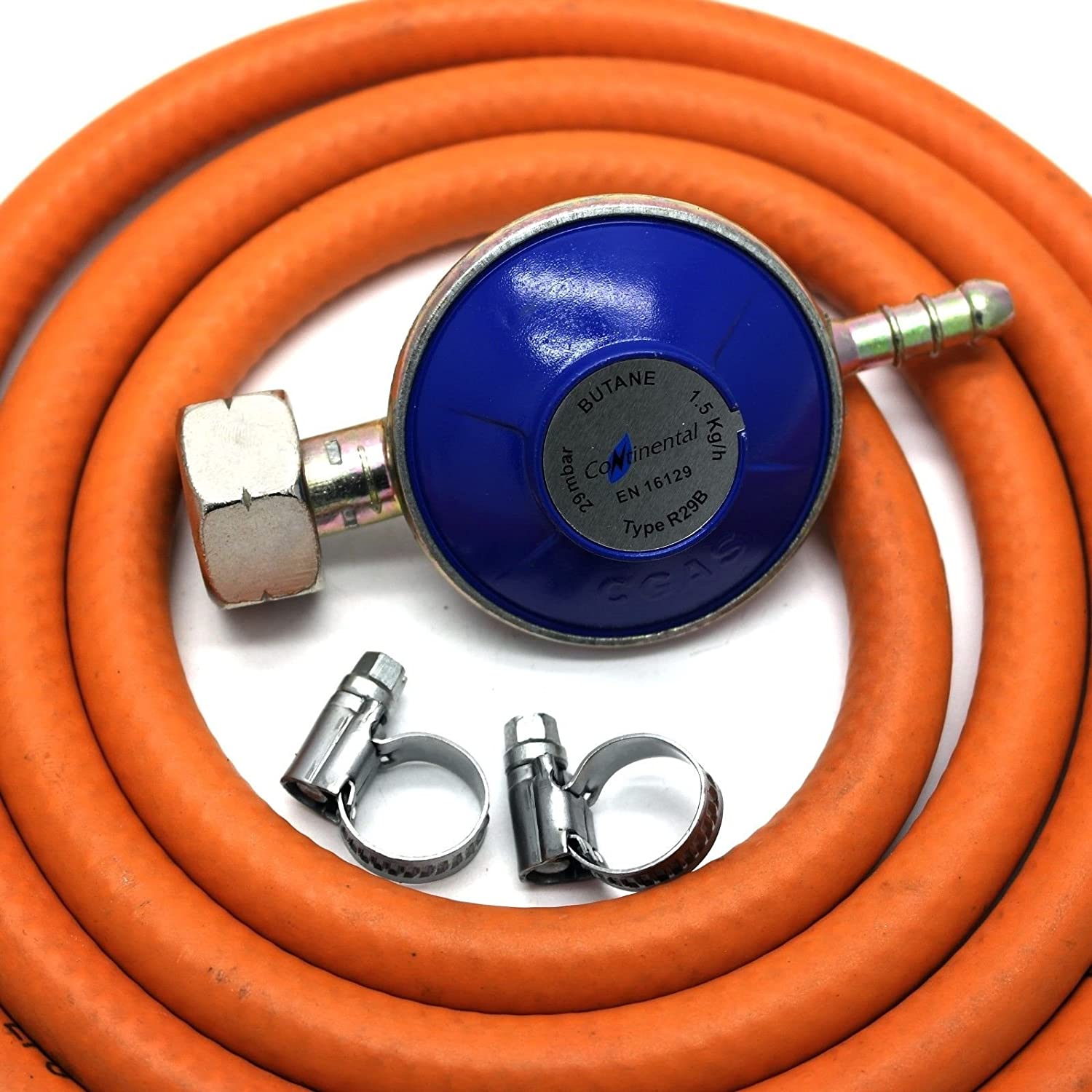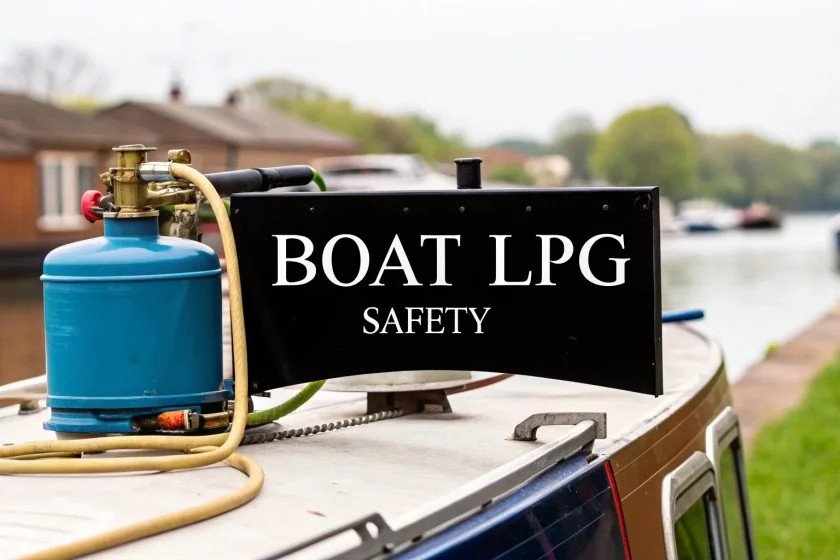
Marine Heating Solutions

Category: Boat LPG Certificates


Boat LPG Certificates

Ensuring the safety of your boat’s gas system is crucial for a stress-free experience on the water. Our Boat LPG Certificate services offer essential checks and certifications that confirm your vessel’s liquefied petroleum gas (LPG) systems comply with safety standards and legal requirements. With a team of skilled professionals, we perform comprehensive inspections and deliver certification that assures your boat is equipped with safe, efficient gas installations. Whether you’re embarking on a long voyage or enjoying weekend outings, our LPG certification provides you with the peace of mind you need.

For quotes and bookings, call or email us here.


The Significance of Boat LPG Certificates

1. Prioritizing Safety

Boat LPG installations demand diligent maintenance and routine safety inspections to guarantee the safety of you, your passengers, and your vessel. By securing a Boat LPG Certificate, you showcase your dedication to safety and take proactive steps to avert potential accidents, fires, or explosions.

2. Complying with Mooring Requirements

Many inland waterways marinas often require boats to possess valid Boat LPG Certificates as a condition of their mooring agreement. Complying with these regulations helps you avoid potential conflicts and enhances the overall safety and integrity of the waterway system.

3. Identifying Potential Risks

Regular safety checks on boat LPG installations are essential for identifying potential risks and issues before they escalate into hazardous situations. Our trained professionals conduct thorough assessments of the LPG system, ensuring it functions properly and is free from leaks or other concerns that could jeopardize safety on board. By prioritizing routine maintenance, you can enhance safety and ensure a secure experience while boating.

4. Protecting Your Investment

Your boat is a valuable asset that requires protection. Ignoring safety checks on the LPG system can result in expensive repairs, damages, or even the loss of your vessel. Conducting regular inspections and obtaining Boat LPG Certificates not only safeguards your investment but also ensures your boat stays in excellent condition for years to come.

5. Peace of Mind for You and Your Passengers

By securing a Boat LPG Certificate, you can experience peace of mind while navigating inland waterways. This certification ensures that your boat’s LPG installation has been rigorously inspected and verified by experts, allowing you to concentrate on the pleasures of boating and making unforgettable memories with your guests.

Trust Marine Heating Solutions for Boat LPG Certificates

At Marine Heating Solutions, we prioritize safety on inland waterways. Our team of qualified experts specializes in comprehensive boat LPG inspections and delivers reliable Boat LPG Certificates. We are committed to ensuring that your vessel meets the highest safety standards, giving you confidence as you navigate the waters.

Contact us today to schedule your boat LPG inspection and secure your Boat LPG Certificate. Ensure the safety of your boat, your passengers, and the waterways you explore. Regular safety checks are a small investment that can provide invaluable peace of mind and protect what matters most to you. Prioritize your boat’s safety and contact us for expert assistance!

See the related blog post below, and feel free to get in touch with any questions!

  • Astonishing Gas Regulators LPG for Flawless Canal Boat Safety

    Astonishing Gas Regulators LPG for Flawless Canal Boat Safety

    Welcome aboard. Let’s talk about a small but absolutely vital piece of kit for your narrowboat’s safety and comfort: the gas regulators LPG.

    Think of it as the gatekeeper for your gas system. It sits between the high-pressure gas cylinder and your appliances, and its job is to manage the flow. Therefore, it’s a small device with a massive responsibility, making sure gas is delivered at a steady, safe pressure every single time.


    For quotes and bookings, call or email us here.


    Your Guide to Essential LPG Gas Regulators

    Understanding your boat’s gas system is about securing peace of mind. That is why the LPG gas regulator is a component you cannot ignore. This guide highlights why the right regulator and a professional installation are non-negotiable for canal life.

    Its main job is a critical one. In the UK, gas regulators for LPG tame the immense pressure from a gas cylinder. Using a system of spring-loaded valves, they knock the pressure down. They reduce it from over 140 psi to a safe 37 mbar for your appliances. Ultimately, this controlled reduction prevents accidents.

    Why Your Regulator Matters

    On a narrowboat, your gas system powers so much of daily life. For example, it fuels your morning cuppa and cosy heating. A regulator ensures this all happens safely. Consequently, a failing or incorrect regulator can open the door to serious problems.

    These issues can range from annoying to downright dangerous:

    • Poor performance from your appliances, like weak, sputtering flames.

    • Sooty, yellow flames, which signal inefficient combustion.

    • The potential for dangerous gas leaks in your system

    “A properly functioning LPG regulator is the heart of a safe gas installation. It’s not a fit-and-forget component; it requires regular checks and timely replacement by a qualified professional to protect your vessel and its crew.”

    Choosing the right device is the first step. We have a curated selection of high-quality gas regulators for LPG. Additionally, our qualified engineers are on hand to install them. This way, you can cruise with complete confidence. Your safety is our absolute priority. In fact, we only supply and fit parts that meet the strictest marine safety standards.

    This brings us to the importance of regular checks. It’s essential to know when your LPG regulator and hose were last changed. We have the expertise to ensure your system is completely safe and compliant. As a result, you have one less thing to worry about.

    At-a-Glance LPG Regulator Safety Checklist

    To quickly recap, here’s a simple breakdown of what your regulator does. It also shows why it’s so important for life on a narrowboat.

    Component Function

    Why It’s Critical for Your Boat

    Pressure Reduction

    Tames high-pressure gas from the cylinder to a low, stable pressure that your appliances can safely use.

    Steady Gas Flow

    Ensures a consistent supply, allowing cookers, heaters, and fridges to operate efficiently and reliably.

    Over-Pressure Shut-Off (OPSO)

    Acts as a crucial safety cut-off, stopping the gas flow instantly if the pressure gets dangerously high.

    Leak Prevention

    A well-maintained regulator with tight connections prevents gas from escaping into your cabin or gas locker.

    Ultimately, treating your regulator with respect is crucial. This involves correct selection, professional installation, and regular checks by our experts. In short, it is one of the most important safety measures on your boat.

    Why Professional Gas Regulators LPG Installation Is Non-Negotiable

    When you’re on a narrowboat, there’s absolutely no room to compromise on gas safety. The LPG in your cylinders is stored at a very high pressure. In fact, it is far too powerful for your cooker or heater. That’s why a correctly installed gas regulator for LPG is so vital. It’s the critical component that steps this pressure down to a safe level.
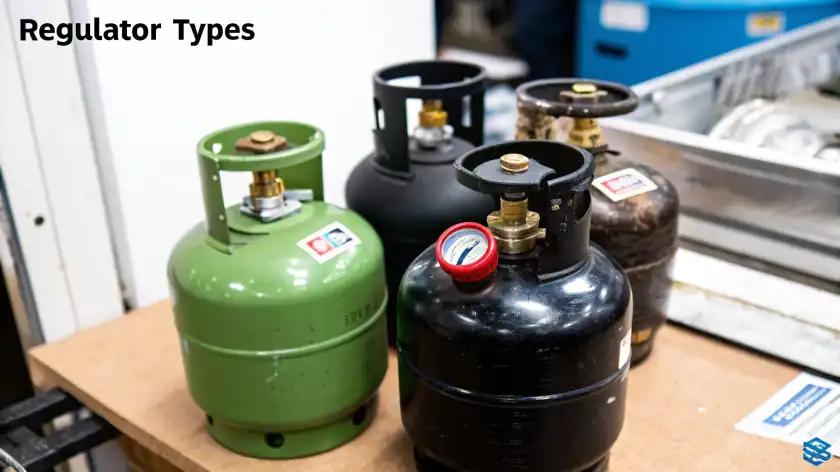
    Professional Gas Regulators LPG Installation

    Without a regulator that’s working exactly as it should, you face serious risks. These risks include dangerous gas leaks, appliance malfunctions, or even fires. This is not a DIY job. It is a task that demands a certified expert. Specifically, an expert who understands the unique challenges of the marine environment.

    Our Gas Safe registered engineers have the essential training and experience. They know the specific regulations for canal boats. Furthermore, they ensure your system isn’t just compliant, but genuinely safe.

    The Dangers of Unqualified Gas Work Involving Gas Regulators LPG

    Attempting to fit your own gas regulators LPG is a huge risk. The enclosed space of a narrowboat means even a tiny leak can be dangerous. This is precisely why the regulations are so strict. Our engineers bring more than just tools; they bring calibrated testing equipment. After every installation, they perform meticulous leak detection tests. This professional check is your best defence against potential disaster.

    An incorrectly fitted regulator can also cause ‘over-gassing’. This is where too much gas pressure reaches an appliance. Consequently, this leads to serious problems.

    • Inefficient and dangerous flames, which burn yellow and produce deadly carbon monoxide.

    • Damage to your appliances, shortening their lifespan and causing them to fail.

    • Invalidating your boat’s insurance policy, as most insurers demand proof of certified gas work.

    Your Safety Is Our Priority

    Ultimately, investing in our professional service protects your boat and you. We bring more than just technical skill; we deliver peace of mind. Our team ensures every connection is secure. We also ensure every part is right for marine use. In addition, the entire installation meets the tough standards of the Boat Safety Scheme (BSS).

    A BSS examination will scrutinise your gas system, and a DIY installation is a common and immediate failure point. By using our Gas Safe registered engineers, you ensure your gas regulators for LPG are fitted correctly from the outset, avoiding costly and dangerous mistakes.

    We only work with high-quality, marine-grade regulators. They are built to handle the motion and damp conditions found on a boat. Our commitment is simple. We aim to give you a safe, reliable, and fully certified gas system you can trust. So, don’t leave your safety to chance. Let our qualified professionals handle this critical job for you.

    Choosing the Right LPG Regulator for Your Narrowboat

    Not all gas regulators for LPG are created equal. Picking the right one for your narrowboat is a crucial decision for safety and performance. The best choice depends on how you use your boat. Our experts will assess your needs to recommend the perfect solution.

    For liveaboards or anyone spending serious time on the water, we recommend a robust system. A popular and practical solution is using two gas bottles. These are linked to an automatic changeover valve. This setup is brilliant. It automatically flips from the empty cylinder to the full one. As a result, you get an uninterrupted supply and ample notice for a replacement.

    Finding Your Perfect Fit

    Our expertise is in fitting the correct type of regulator. We consider your boat’s specific layout and needs. We specialise in bulkhead-mounted gas regulators for LPG. These are fixed securely inside your gas locker. This is not just a preference. In fact, it’s the required standard for marine safety compliance. It makes for a far safer installation than a simple clip-on type.

    This image shows the critical path the gas takes. It travels from the cylinder to your appliance. The regulator plays the central role.
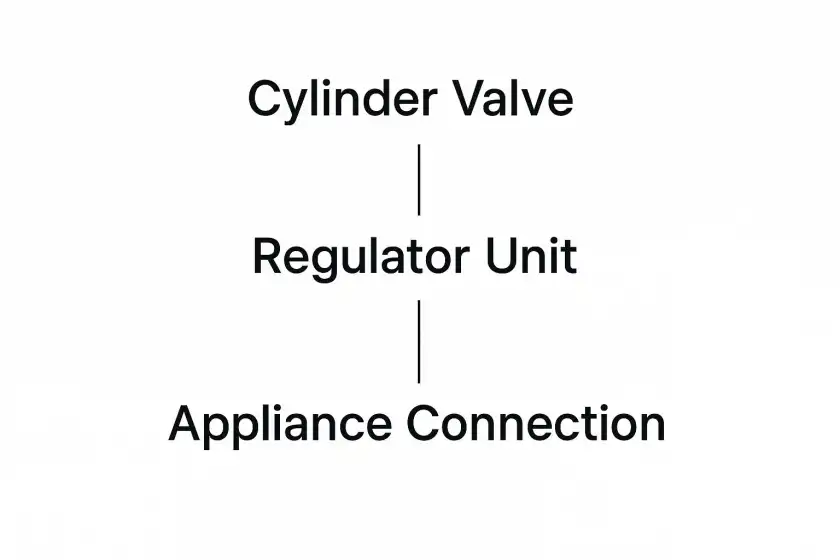
    This image shows the critical path the gas takes. It travels from the cylinder to your appliance. The regulator plays the central role.

    As you can see, the regulator is the vital bridge. It tames the high-pressure gas from the bottle. Consequently, it makes it safe for your appliances to use.

    Our qualified team will look at your total gas consumption. We factor in every appliance you run. This includes your cooker, hob, and water heater. Knowing the total BTU output is essential for sizing the regulator correctly. For this reason, a one-size-fits-all approach doesn’t work. Getting the cooker right is a big part of this. You can learn more by checking out our guide to LPG gas cookers for narrowboats.

    A Tailored Solution, Not an Off-the-Shelf Part

    We don’t just sell you a part from a box. Instead, we provide a complete, tailored solution. This process ensures your new regulator can handle the demand from all your appliances. Therefore, we guarantee you get the best performance and absolute safety.

    “We had Marine Heating Solutions fit a new cooker. The engineer was brilliant, talking us through the options and doing a very tidy job. It works perfectly with our gas system, and the peace of mind knowing it was installed by a certified professional is priceless. A fantastic, reliable service for any boater.”

    By matching the regulator to your needs, we eliminate common problems. These include poor flame quality or appliance cut-outs. Our goal is to ensure a reliable system you can trust. We constantly monitor market innovations to offer the best and safest products. Our high-quality stock is always up-to-date.

    Our Premier Range of Marine-Grade LPG Appliances

    When you’re fitting out your boat’s galley, the LPG gas regulators are only part of the puzzle. The whole system is only as good as the appliances it powers. That’s why we offer a carefully selected range of marine-grade appliances. Our stock includes high-quality cookers, hobs, and water heaters. All are designed specifically for life on the UK’s inland waterways.
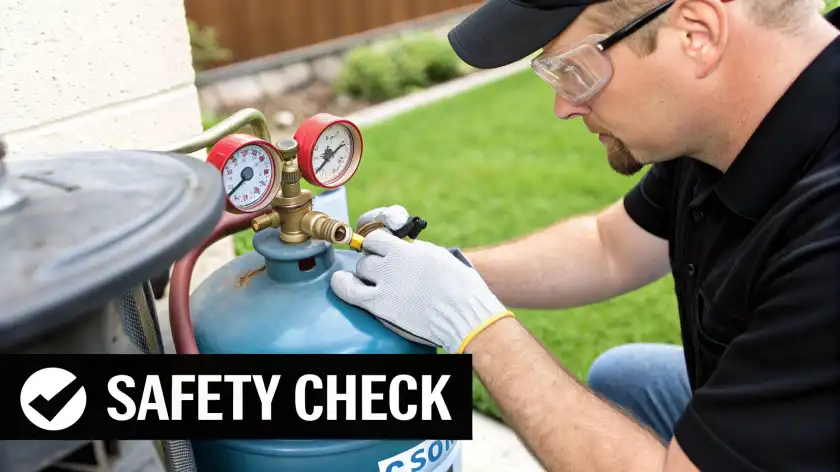
    Safety Checks for Gas Regulators LPG

    Our products are purpose-built to handle the unique challenges of a boat. They’re designed to withstand constant motion. They also operate safely and efficiently in a compact narrowboat space. In short, they offer a level of reliability that household units just can’t deliver.

    For instance, a key safety feature we insist on is flame failure devices (FFDs). They are included on all burners as standard. This is a non-negotiable safety element for any vessel. If a flame accidentally blows out, the FFD immediately cuts the gas supply.

    Certified Installation for Peak Performance

    Every appliance we sell is designed to work flawlessly. They function perfectly with the specific 37mbar pressure supplied by a correct marine LPG regulator. This synergy is absolutely essential. Get it right, and you’ll have perfect blue flames and optimal performance. Mismatched components, on the other hand, can lead to poor performance and serious safety risks.

    Let us help you upgrade your galley with dependable and safe appliances. Our qualified Gas Safe engineers can handle the entire process for you.

    This service includes:

    • Supplying the right unit: We’ll help you choose the best cooker or water heater from our premium stock.

    • Professional removal: We can safely decommission and remove your old appliance

    • Certified installation: Our team completes a fully certified installation, integrating it seamlessly with your gas system

    This integrated approach guarantees your new appliance fits perfectly. It also ensures it operates safely and complies with all BSS requirements.

    By trusting our team, you get a combined benefit. You receive top-tier appliances and expert installation from a single, reliable source. We ensure every part of your gas system works together in perfect harmony. From the LPG gas regulators to the final connection, your safety is paramount.

    Our Commitment to Waterway Safety and Service

    We can talk all day about our high standards. However, we think our work speaks for itself. Ultimately, our customers always say it best. Your safety on the UK’s inland waterways is the real reason we do what we do. It’s why every job is focused on delivering expert care and total peace of mind.

    This commitment is what drives our Gas Safe registered engineers. They don’t just install and service gas regulators LPG. Additionally, they provide the assurance that your system is reliable, efficient, and completely safe.

    “After a worrying gas leak scare, we called in the experts. Their engineer was fantastic. He quickly identified our old regulator was the problem, explained everything clearly, and installed a new changeover system. He also serviced our cooker. The professionalism and attention to detail were second to none. For the first time in ages, we feel completely safe with our gas system. We wouldn’t trust anyone else with our narrowboat.”

    This kind of feedback lets us know we’re getting it right. Moreover, it reinforces our dedication to protecting the narrowboat community. We provide quality workmanship you can depend on.

    Ensuring Your Complete Confidence

    Achieving this level of safety isn’t just about fitting good parts. It’s also about ensuring every part of your gas system is compliant and documented. That’s why having the right certification is absolutely vital. This is true after any professional installation or service.

    You can learn more by reading our guide on how to get your boat LPG safety certificates. Think of this paperwork as your proof of compliance. Indeed, it’s a crucial part of responsible boat ownership.

    At the end of the day, our goal is to give every boater that same assurance. Whether it’s a regulator check or a full installation, we bring the same meticulous attention. We strive to ensure your vessel is a safe and comfortable home on the water.

    Your Questions About Gas Regulators LPG Answered

    Many narrowboat owners have questions about their LPG systems. Knowing your way around gas regulators LPG is fundamental to staying safe. That’s why our qualified engineers have put together answers to common queries. These cover maintenance, lifespan, and safety.
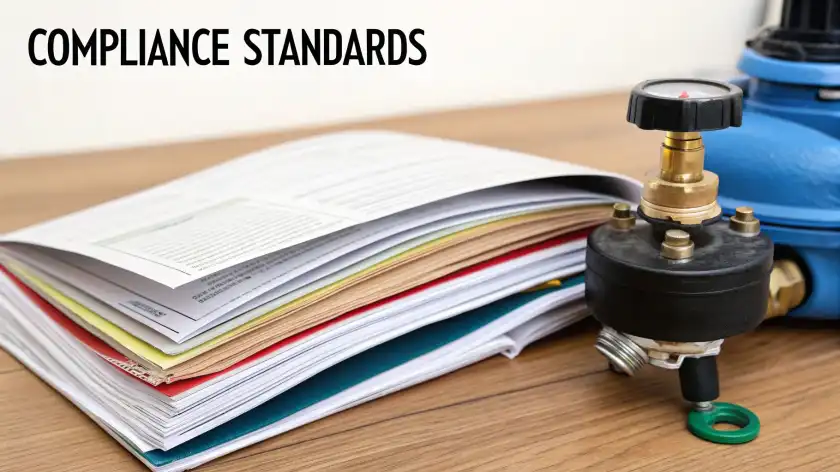
    Boat LPG Safety Standards

    Think of this expert advice as your first line of defence. It is here to give you clarity and confidence. Furthermore, it helps you spot potential issues before they become serious problems.

    How Often Should I Replace My Boat’s LPG Regulator?

    According to Boat Safety Scheme (BSS) best practices, your LPG regulator should be replaced. It needs replacement at least every ten years. The flexible gas hoses have a much shorter life. They typically need replacing every five years. This isn’t just a suggestion; it’s a critical safety standard.

    But age isn’t the only factor to consider. The marine environment on UK inland waterways can speed up wear and tear. If you see any signs of corrosion or damage, you must act. Have it inspected and replaced immediately by a qualified Gas Safe engineer from our team.

    What Are the Signs of a Failing Gas Regulator?

    A faulty regulator will often give you clear warning signs. Knowing what to look for is absolutely vital for everyone’s safety.

    Here are the most common signs:

    • Yellow or sooty flames on your cooker, instead of a crisp, blue flame.

    • Appliances that are suddenly difficult to light or refuse to stay lit.

    • A faint but definite smell of gas lingering around the cylinder locker.

    If you experience any of these symptoms, you need to act fast. Turn off the gas supply at the cylinder straight away and contact us for a professional inspection. Never try to diagnose or fix a potential gas issue yourself.

    Can I Use a BBQ or Caravan Regulator on My Boat?

    Absolutely not. You must only ever use a regulator specifically designed for marine use. These are manufactured and certified for boats. While other gas regulators LPG might look the same, they are not built to the same strict standards.

    These other types of regulators are not designed to cope with boat conditions. For example, constant motion, vibration, and dampness. Using the wrong type is a serious safety risk. It will also cause your vessel to fail its Boat Safety Scheme examination. Consequently, we only supply and install the correct, fully compliant regulators. This guarantees your peace of mind on the water.

    For professional advice, certified installation of gas regulators LPG, or to book a safety inspection for your narrowboat, trust the experts at Marine Heating Solutions.


    For quotes and bookings, call or email us here.
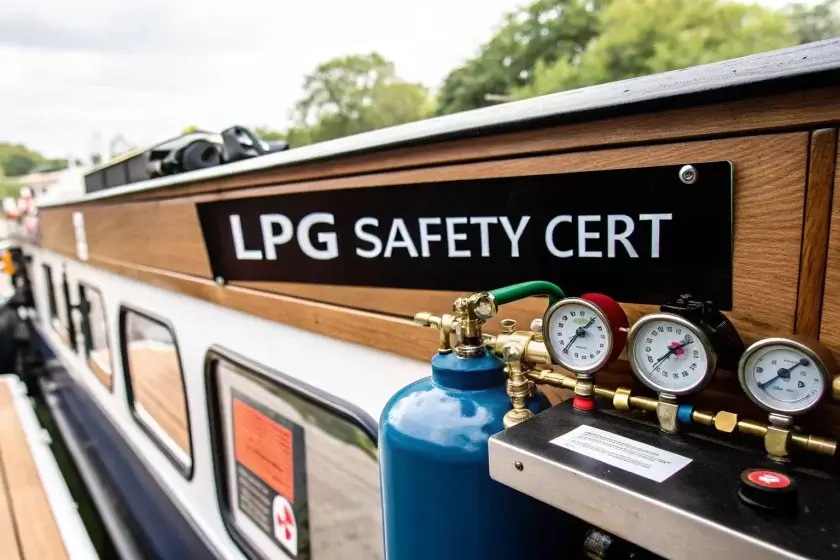

  • Ultimate LPG Gas Safety Certificate Guide: Essential Tips

    Ultimate LPG Gas Safety Certificate Guide: Essential Tips

    Think of an LPG gas safety certificate as a crucial passport for your boat’s gas system. It is the official document that proves our qualified professionals have given your entire setup a thorough check, declaring it safe. For anyone living on the water, this certificate is therefore essential for marina access, insurance, and your peace of mind.

    Your Guide to Gas Safety on UK Waterways

    LPG Gas Safety Certificate

    Welcome aboard. Your narrowboat is your home on the water, a sanctuary where safety is the top priority. This guide demystifies one of the most vital bits of paperwork for any boater: the LPG gas safety certificate. Moreover, we will break down what it is and why it’s absolutely essential for life on the inland waterways.

    Ultimately, this document protects you, your vessel, and everyone else in the boating community.

    What’s Involved in a Gas Safety Inspection?

    An LPG gas safety inspection is a comprehensive check-up. It is performed by one of our GasSafe-registered engineers who knows marine LPG systems. This is not about ticking boxes; instead, it’s about creating a safe environment for you. In the UK, the Gas Safety (Installation and Use) Regulations 1998 lay down the law. As a result, an annual inspection is a must-have to ensure everything is working correctly.

    Our goal is simple: to give you complete peace of mind. Therefore, we want you to set off knowing your narrowboat or canal boat meets every legal and safety standard. Our team specialises in the unique LPG systems you find on all vessels, campervans, and caravans. Consequently, we know exactly what to look for.

    A proper inspection from us provides a few key things:

    • Compliance: It keeps the marina, your insurance provider, and the Boat Safety Scheme (BSS) happy.

    • Safety: It catches potential dangers like tiny gas leaks or dodgy appliances before they become a problem.

    • Confidence: You can relax, knowing your onboard gas systems are running correctly and safely.

    The table below shows the critical areas our engineers focus on during an inspection.

    Core Components of a Gas Safety Inspection

    A quick look at the critical areas our engineers inspect to certify your vessel’s LPG system.

    Inspection Area

    Why It’s Critical for Your Boat

    Gas Locker & Cylinder Stowage

    Ensures gas cylinders are stored securely in a sealed, overboard-draining compartment, preventing leaks from entering the cabin.

    Regulators & Pipework


    Checks for correct pressure, signs of corrosion, secure fittings, and any damage that could lead to a gas leak.


    Appliance Functionality

    Tests cookers, heaters, and water boilers to confirm they ignite properly, burn cleanly, and have functioning safety devices.

    Ventilation

    Verifies adequate airflow is present for appliances to burn fuel safely and to prevent a build-up of dangerous gases like carbon monoxide.

    Flues & Exhausts

    Inspects the flue pipes and exhaust outlets to ensure they are clear, intact, and safely venting all combustion by-products outside.

    Gas Tightness Test

    A pressure test of the entire system to make absolutely sure there are no gas leaks, however small, anywhere from the cylinder to the appliance.

    Ultimately, our job is to handle all the technical details. This allows you to get back to what matters—enjoying the incredible, tranquil lifestyle of the UK’s canals and rivers.

    Why a GasSafe Registered Engineer Is Your Only Choice

    When it comes to the LPG system on your narrowboat, getting it right is absolutely critical. Choosing the right person to issue an LPG gas safety certificate is one of the most important calls you’ll make for your boat, caravan, or campervan. Therefore, this is not a job for a general handyman.

    Your safety depends on one thing: GasSafe registration. It is illegal for anyone not on the Gas Safe Register to carry out gas work on your boat. Consequently, using our properly qualified engineers is one of the most essential health and safety compliance strategies you can have.

    The Mark of a True Professional

    So, what makes a Gas Safe engineer the right choice? It is their specialist training. They have gone through tough assessments specifically for LPG systems in a marine setting. This is not just a tick-box exercise; in fact, it’s crucial knowledge. A boat’s gas system has its own unique set of problems, from constant movement to tight spaces.

    Our engineers know the specific rules for things like gas locker ventilation. Furthermore, they know which materials to use for pipework to handle vibrations. You can have complete confidence that you’re getting someone who works to the highest industry standards.

    “I was so impressed with the thoroughness of the inspection. The engineer explained everything clearly and was incredibly professional. I feel so much safer on my narrowboat now, knowing everything has been checked by a real expert.” – David R., Narrowboat Owner

    The Role of the Gas Safe Register

    The Gas Safe Register is the UK’s official list of engineers legally allowed to work on gas appliances. It was set up on 1 April 2009. It aims to keep the public safe by ensuring every engineer on the register is competent.

    Every engineer is regularly assessed to make sure they still meet these strict standards. When you hire one of our Gas Safe engineers, you’re not just getting a tradesperson. Instead, you’re getting a verified professional. They are accountable for their work, ensuring every single check is done by the book. Keeping on top of maintenance is also vital; you can learn more in our guide on when your LPG regulator and hose were last changed.

    Our Onboard Gas Safety Inspection Process

    When it comes to your boat’s safety, we believe in complete transparency. We want you to understand what happens when one of our specialist marine engineers comes aboard. They will carry out an inspection for your LPG gas safety certificate. So, think of it as a meticulous health check for your vessel’s entire gas system.

    Our process is built on years of hands-on experience, specifically with narrowboats and canal barges. We always start with the gas locker. Then we trace pipework, checking for secure fittings and corrosion.

    A Comprehensive System Check

    Our qualified engineers don’t just glance at the pipes. In fact, they thoroughly test every single gas appliance you have on board. This includes cookers, water heaters, or any gas-fired fridges and heating systems.

    Our checks include:

    • Safe Ignition: Making sure each appliance lights up correctly and without any unnerving delays.

    • Correct Combustion: We check the flame picture. This is a tell-tale sign of efficient and safe operation.

    • Functioning Safety Devices: We’ll verify that crucial features like flame failure devices are working perfectly.

    One of the most critical parts of our inspection is checking for adequate ventilation throughout your boat. Proper airflow is essential to prevent the build-up of carbon monoxide. Ultimately, our systematic approach is all about giving you genuine peace of mind.

    Navigating Certificate Renewals and Validity

    An LPG gas safety certificate is your official record of compliance. However, it is only valid for twelve months. Keeping on top of the renewal is absolutely crucial for life on the UK’s canals and rivers. If it lapses, you could find yourself in hot water with your marina.

    This makes getting your renewal sorted in good time a top priority. In addition, you don’t have to wait until the last minute. It’s best to book your next inspection with one of our GasSafe-registered engineers well before your current certificate runs out.

    LPG Gas Safety Certificate Checklist

    Our Simple LPG Gas Safety Certificate Renewal Process

    We believe keeping your narrowboat safe shouldn’t be a headache. That’s why we’ve made our renewal process as simple and straightforward as possible. Our expert service fits around your cruising schedule with minimal fuss.

    Booking your renewal is easy:

    1. Contact Our Team: Get in touch to arrange a convenient time for our engineer to visit your vessel.

    2. Onboard Inspection: One of our qualified marine engineers will carry out the full, comprehensive gas safety check.

    3. Receive Your Certificate: As soon as the inspection is passed, we’ll issue your new LPG gas safety certificate without delay.

    “The renewal process was seamless. I called up, booked a slot that suited me, and the engineer was brilliant. It gives me such confidence knowing my boat is safe for another year.” – Sarah T., Canal Barge Owner

    If you want to know more, have a look at our page on boat LPG certificates. Let us handle the red tape so you can get back to what matters.

    Upgrade Your Galley with Certified Marine Appliances

    Getting a valid LPG gas safety certificate is one thing. However, true safety and comfort on the water come from the appliances you use every day. It’s about having high-quality, correctly installed equipment designed for a narrowboat.

    We have seen it all, and that’s why we only recommend modern, certified LPG appliances built for marine life. These are not standard household units; instead, they’re engineered to perform safely within the compact galleys of canal boats. This gives you genuine peace of mind.

    The Right Tools for a Safe Galley

    Investing in the right appliances is a massive boost to your boat’s overall gas safety. Modern units have built-in safety features that older models lack. Therefore, they are an immediate and essential improvement.

    Some of our most popular and effective solutions include:

    • Compact Gas Hobs: Built with space-saving in mind, these hobs are a perfect fit for narrowboat galleys. More importantly, they all come with flame failure devices that automatically shut off the gas if the flame goes out. This is a non-negotiable safety feature.

    • Reliable Water Heaters: Get consistent hot water with our range of marine-specific heaters. They’re designed for efficiency and safety, ensuring they operate perfectly within an enclosed cabin.

    • LPG Fridges: A favourite among off-grid boaters, gas-powered fridges keep your food fresh without straining your batteries. They offer reliable cooling with minimal fuss.

    Picking the right appliance can feel daunting, but our expert engineers are here to help. We can guide you through selecting and installing the perfect equipment. If you’re looking for a new cooker, our guide on choosing an LPG gas cooker for your boat is a great place to start.

    Ultimately, the safest galley combines top-quality, certified appliances with professional installation by our GasSafe-registered engineers. This holistic approach means your entire system meets the highest safety standards. Consequently, you get to truly relax and enjoy life on the water.

    Book Your LPG Gas Safety Inspection Today

    Making sure your narrowboat is safe and compliant doesn’t have to be a headache. We believe peace of mind is the ultimate goal for any boater on the UK’s inland waterways. Your focus should be on enjoying the journey, not compliance paperwork.

    Our whole service is built around that idea. We provide a professional, thorough, and friendly service designed for the narrowboat community. Our certified Gas Safe engineers aren’t just technicians; in fact, they’re marine specialists who understand the unique challenges of gas systems on the water.

    Take the Next Step Towards Safety

    Instead of worrying about your next inspection, you can feel completely confident in your vessel’s safety. Our team handles every last detail. We check your pipework meticulously and ensure every appliance functions flawlessly. As a result, we take our responsibility seriously, so you don’t have to.

    “The team made everything so simple. From the first call to the final certificate, the service was professional and reassuring. I wouldn’t trust anyone else with my boat’s gas system.” – Mark H., Barge Owner

    It’s time to take that step towards complete peace of mind. Let our certified experts handle every aspect of your LPG gas safety certificate.

    Your time is precious. Let us manage the safety checks so you can get back to what matters—enjoying the incredible freedom of life afloat. Contact us now to chat about your needs or to book your inspection with a qualified marine engineer.

    Got Questions About LPG Safety?

    We get asked a lot about LPG gas safety certificates for narrowboats. It’s a crucial topic, and it’s easy to get confused. Here are some straightforward answers to the questions that pop up most often.

    How Often Do I Need a New LPG Gas Safety Certificate?

    Think of it as an annual MOT for your boat’s gas system. For almost every situation, you’ll need the LPG system inspected and certified every 12 months. This yearly check is vital to ensure everything is running safely. Therefore, we always tell our customers it’s a good idea to book your next inspection before the current one runs out.

    Is an LPG Certificate the Same as a Boat Safety Scheme Certificate?

    That’s a great question, and the simple answer is no. A full Boat Safety Scheme (BSS) examination is a much broader check-up. It covers all your boat’s safety systems. While the BSS check includes the gas system, the standalone LPG gas safety certificate is a far more detailed, specialist inspection. It can only be carried out by one of our Gas Safe registered engineers, who is specifically qualified for boats.

    What Happens If My Boat Fails the Gas Inspection?

    First off, don’t worry. If our engineer finds a problem, their first job is to explain exactly what’s wrong. You’ll know precisely what the issue is and why it’s a concern. From there, they’ll advise on what needs to be done to make the system safe again. Our qualified engineers can then provide a quote to carry out the necessary repairs. Once the work is done, we can issue your certificate.

    For a professional, no-nonsense service from certified marine engineers you can trust, get in touch with Marine Heating Solutions. Let our experts take care of your gas safety, so you can get back to enjoying life on the water.


    For quotes and bookings, call or email us here.
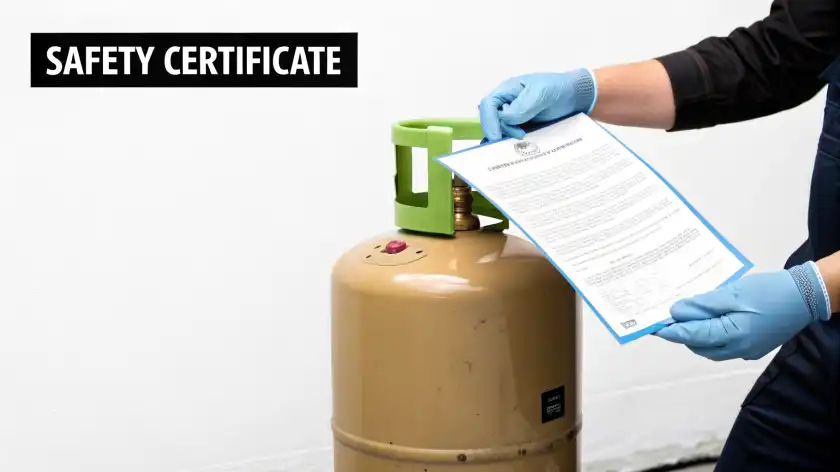

  • Understanding the Function of LPG Cylinder Regulators and Over Pressure Shut Off (OPSO) Devices

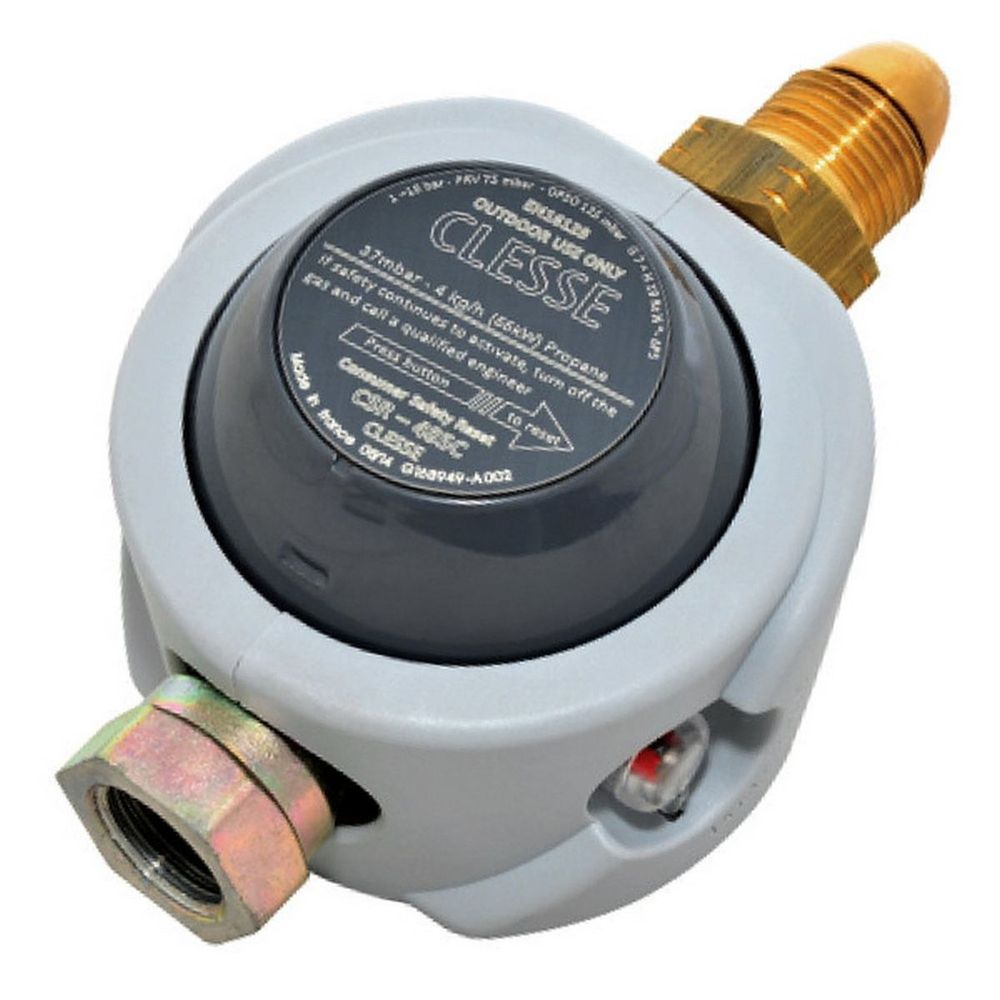
    LPG cylinder regulators play a crucial role in ensuring the safe usage of LPG on boats. Combined with the incorporation of Over Pressure Shut Off (OPSO) devices, the level of safety is significantly enhanced. In this post, we will explore the purpose and function of LPG cylinder regulators and over-pressure shut-off devices.


    For quotes and bookings, call or email us here.

    Purpose of LPG Cylinder Regulators

    LPG cylinder regulators facilitate the safe flow of gas from the cylinder to the appliances they fuel. They act as a critical control mechanism, regulating the pressure of the gas to ensure consistent and reliable performance. Moreover, regulators help maintain a steady flow rate, compensating for variations in temperature and gas pressure. It is important that regulators and their hoses are checked periodically and changed when their lifespan is up.

    LPG Cylinder Regulator With OPSO

    Incorporating Over Pressure Shut Off (OPSO)

    Since at least 2014, all newly installed regulators require Over Pressure Shut Off (OPSO) devices. These devices provide an additional layer of safety in LPG installations. They automatically shut off the gas supply if the pressure exceeds the specified limit, preventing potential accidents or equipment damage. OPSO devices are an essential component in LPG installations where the pressure coming directly from the cylinder can be up to 6 Bar (around 90 PSI)

    Involvement of Gas Safe Registered Engineers

    The installation and maintenance of LPG cylinder regulators with OPSOs should only be carried out by GasSafe registered engineers. These professionals have the necessary skills and knowledge. They possess the experience needed to ensure proper functioning and compliance with current laws. They also adhere to the latest safety standards. Your GasSafe engineer should check the entire installation when working on any part of it. They should also test the installation and issue you an LPG Safety Certificate to certify this.


    For quotes and bookings, call or email us here.

  • Bubble Testers On UK Boat LPG Installations

    Welcome to our blog post concerning bubble testers on boats in the UK. There is a lot of contradicting information out there when it comes to bubble testers in marine installations. This post is aimed to clear up the myths, explain the rules and requirements, and show the function of these safety devices.


    For quotes and bookings, call or email us here.

    Bubble Tester

    What Is A Bubble Tester and How Does It Work?

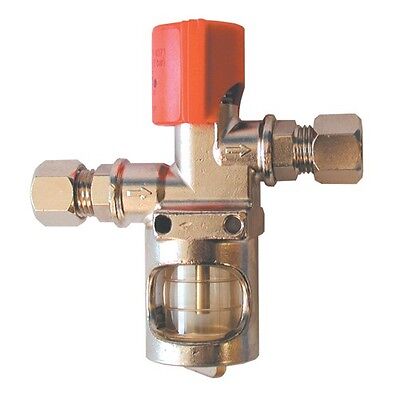
    A bubble tester is a device that lets you test the LPG installation on your boat for leaks. This device should be installed in the gas locker. You can use it to test your gas pipes for leaks when you change the bottle. It is also useful when the system hasn’t been in use for a while. Boat LPG systems face much more movement and vibrations. They are under more stress than other gas installations. Therefore, they should be tested more frequently. We have recorded this short video to illustrate the use of a bubble tester.

    To use the bubble tester, make sure all your gas appliances are switched off and any pilot lights are out. Open your gas bottle. Depress the red button on the bubble tester for two minutes and watch out for any bubbles showing in the liquid vial. With all appliances switched off, there should be no gas flowing and no bubbles should appear. If you see bubbles when there shouldn’t be any, this would indicate a leak. You should then contact a Gas Safe registered engineer to investigate further. Turn the gas supply off at the bottle until the engineer tells you that it’s safe to use.

    Are Bubble Testers Required By Law?

    Marine LPG installations should comply with the current standard BS EN ISO 10239. On most inland waterway boats the gas installation is many years old.They would have been fitted before this standard was written. For these boats, not having a bubble tester would be a fault classified as Not To Current Standard (NTCS). For faults classified as NTCS, a gas engineer would normally advise the boat owner to update the installation to the current standard, if they wish to do so.

    Gas Safe

    For new installations, all systems should be fitted with an easy means for the boat owner to self-test them. This could be a high-pressure gauge or a bubble tester. If this isn’t done the fault is still classified as NTCS. Since this doesn’t put the gas installation At Risk or make it Immediately Dangerous, the boat owner cannot be forced to have a bubble tester or gauge installed.

    Do I Need A Bubble Tester For A BSS Certificate?

    No. This has been the subject of many discussions lately. There have been contradicting opinions and tales of what boat owners have been told by their BSS examiner. Feel free to check this with the Boat Safety Scheme if you have any doubts, but the answer to this question is no. There is no need to have a bubble tester installed on your boat.

    BSS -Boat Safety Scheme Examiner - Certificates

    To explain this further: There are two types of BSS examiners for privately owned live-aboard vessels. Those who are Gas Safe registered and those who are not. In the UK, any person carrying out “work” on a gas installation must be Gas Safe registered. To carry out a tightness test as part of the BSS examination on a boat without a bubble tester, the examiner would need to open the gas line at the test point fitting. This is classified as “work” under gas safety legislation. Therefore the examiner will need to be Gas Safe registered to do so. There is no need to open the gas line when tightness testing the LPG line with a bubble tester. This is then not classified as “work” and can be done by examiners who are not Gas Safe registered.

    When weighing up the costs of having a bubble tester installed against the convenience of not having to find a Gas Safe registered BSS examiner, you need to consider that bubble testers need servicing periodically. This which is best done by a Gas Safe registered engineer.

    When Does My Bubble Tester Need Servicing?

    Bubble testers need servicing regularly. The liquid should be topped up when the level gets too low. The liquid should also be changed every 5 years, or before then if it is discoloured. BSS examiners, whether they are Gas Safe registered or not, cannot use bubble testers if the liquid isn’t clear anymore.

    How Do I Install A Bubble Tester?

    Bubble testers are installed in your LPG cylinder locker. They sit in the gas line just after the regulator hose and before the gas pipe. There are lots of safety considerations and legal requirements when working on boat gas installations. This work should only be carried out by a Gas Safe registered engineer with LPG and Boat qualifications.


    For quotes and bookings, call or email us here.

  • When Was Your LPG Regulator And Hose Last Changed?

    Advice On Changing Your Butane Or Propane LPG Bottle Gas Regulator And Hose

    Butane and Propane bottle LPG gas regulators on boats need to be changed regularly. Despite this information being widely available and every boat undergoing regular boat safety examinations, this seems to not be happening on many boats that we come across on the inland waterways.


    For quotes and bookings, call or email us here.

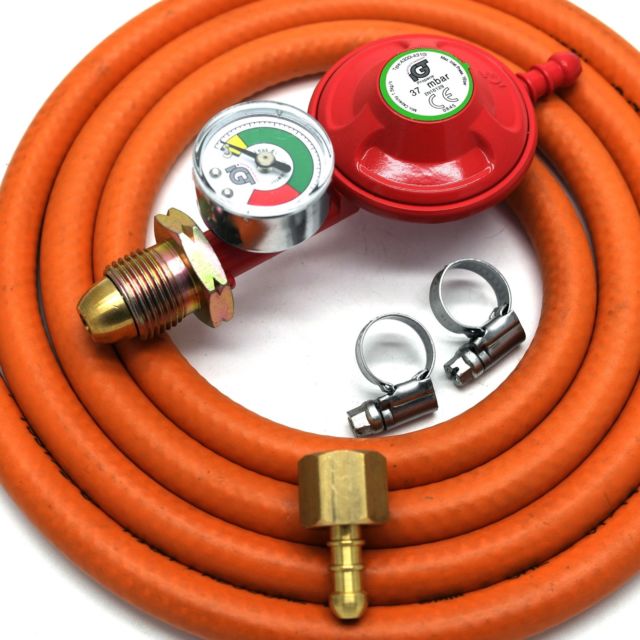
    Following on from our post about solid fuel stove safety on your boat, we wanted to address this LPG safety issue. We’d like to encourage everyone reading this to take some action of their own.  Have a look if you can find out how old your own regulator and hose are and see if they need replacing. Once that has been sorted, please share this post with your fellow boaters. We would like to create some awareness in the wider community.

    How frequently should you change your Butane and Propane LPG regulator and hose?

    It is general practice to replace hoses on propane and butane regulators every 5 years. Regulators should be changed at least every 10 years.  Manufacturing dates are usually stamped on both.

    Changing Your LPG Bottle Gas Regulator And Hose - Propane

    However, this is a general practice only. If your LPG hose or gas regulator shows any signs of damage or wear, you should replace these immediately. You should also do this if you are buying a boat and there is no proof of how old your LPG regulator is.

    What Type Of Regulators Are There?

    Bottled gas for boats in the UK comes in two different types. The most commonly used is propane, but butane is available and still used on some boats. Generally speaking, propane is recommended on boats, as it is better able to cope with low temperatures in the winter.

    Changing Your LPG Bottle Gas Regulator And Hose - Butane

    When changing the LPG regulator on your boat, is is important that the correct type is used. Propane and Butane gases work at different pressures and this pressure is set by the regulator. Fitting the wrong type of regulator could have severe consequences. This can cause serious injury and damage to property through potential fire or explosion. Hoses work for both gases but must be of the correct type and stamp labeled. Since 2014 new regulators on boats must incorporate an over-pressure shut-off device (OPSO). At the moment this is only available on propane regulators.

    How To Change Your LPG Regulator

    The only advice we will give at this stage is to have your LPG regulator and hose changed by a professional GasSafe engineer. Crimp connectors are needed to connect the hose. There are different length limits for different types of hose. Connections should be tested after installation. Storage lockers and compartments on boats have many different regulations to adhere to. There are also many other things to look out for.

    Our engineers will have the necessary training and experience to spot any irregularities as they go along. We can supply a regulator and hose with every LPG boiler service or other gas-related call-out if yours needs changing. This way you can be sure it’s the correct type and up to the current standard.

    Finally

    This article explains how often you should change your propane or butane LPG bottle gas regulators. It is designed to provide some general advice only. It is by no means exhaustive and regulations change all the time. If you need any gas-related work on your boat, hire a registered GasSafe engineer. The engineer should be qualified to work with LPG and to work on boats.

  • An introduction to Marine Heating Solutions Ltd.

    No more cold boats with Marine Heating Solutions

    We are Marine Heating Solutions Ltd, a marine business specialising in boat heating and plumbing. A cold boat is an unhappy boat, but your boat doesn’t have to be cold in winter. Our team can help extend the enjoyment you get from your vessel throughout the winter season.


    For quotes and bookings, call or email us here.

    Formed by directors of Floating Boatyard, Marine Heating Solutions brings our considerable marine experience to the boat heating sector. Our boat stove fitters, diesel heating engineers, and marine LPG engineers are experienced tradesmen who will work with you to get the right solution for your vessel.

    Introducing Marine Heating Solutions - No more cold boats in the winter.
    Even wintery days like this can be cruising days with the help of Marine Heating Solutions Ltd.

    Our background

    Marine Heating Solutions Ltd. was formed in 2018 by passionate liveaboard boaters. The directors had the aim of ensuring no boat was cold and damp during the winter season. They experienced harsh weather during the Beast from the East of Spring 2018, and many previous winters also presented challenges. It became apparent that boat owners were having real difficulty finding reliable, safe, and competent marine heating engineers.

    Our aims – no more cold boats

    Living with a cold boat, even for just a weekend, has dramatic effects on the comfort and the safety of the crew. When the crew are tired and exhausted from being on a cold boat, mistakes are more likely to happen. Even gentle, inland waterways can be difficult territory during the winter. Ice forms on the narrowboat gunwales, and locks become slippery and dangerous. Keeping your wits about you is essential, which is why a warm cabin to recuperate is important. On sailing vessels, too, it is possible to provide cockpit heating. This keeps fingers and toes defrosted enough to safely handle lines and walk around the boat.


    For quotes and bookings, call or email us here.