Marine Heating Solutions

Category: BSS Certificates – Boat Safety Examiner

Important Update: Discontinuation of BSS Examinations

Dear valued customers and partners,

We wish to inform you that, effective immediately (27/08/2025), we will no longer be carrying out Boat Safety Scheme (BSS) examinations. This decision comes after careful consideration of the various challenges and concerns that have arisen regarding the overall work environment and the procedures outlined by the BSS.

Primarily, we found that the environment created by the BSS process had become increasingly hostile. It is essential for us to provide a positive and supportive atmosphere for our clients. Unfortunately, the dynamics introduced by the BSS have made it difficult to maintain this safe and conducive work environment.

Additionally, we have serious concerns about the instructions provided to GasSafe-registered examiners by the BSS. Upon reviewing these guidelines, it appears that some of the practices will lead our operations into a position where we are in breach of the GasSafe Register’s Rules of Registration and contravene legal regulations. Our commitment to maintaining the highest standards of safety and compliance is paramount, and we cannot risk jeopardising our integrity or that of our clients.

We understand that this change may cause inconvenience, and we sincerely apologise for any disruption it may cause to your plans.

Thank you for your understanding and continued support.

  • When Was Your LPG Regulator And Hose Last Changed?

    Advice On Changing Your Butane Or Propane LPG Bottle Gas Regulator And Hose

    Butane and Propane bottle LPG gas regulators on boats need to be changed regularly. Despite this information being widely available and every boat undergoing regular boat safety examinations, this seems to not be happening on many boats that we come across on the inland waterways.


    For quotes and bookings, call or email us here.


    Following on from our post about solid fuel stove safety on your boat, we wanted to address this LPG safety issue. We’d like to encourage everyone reading this to take some action of their own.  Have a look if you can find out how old your own regulator and hose are and see if they need replacing. Once that has been sorted, please share this post with your fellow boaters. We would like to create some awareness in the wider community.

    How frequently should you change your Butane and Propane LPG regulator and hose?

    It is general practice to replace hoses on propane and butane regulators every 5 years. Regulators should be changed at least every 10 years.  Manufacturing dates are usually stamped on both.
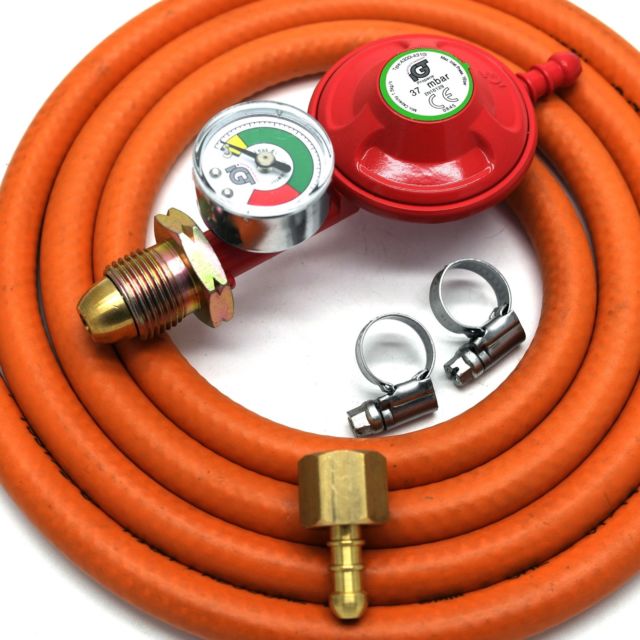
    Changing Your LPG Bottle Gas Regulator And Hose - Propane

    However, this is a general practice only. If your LPG hose or gas regulator shows any signs of damage or wear, you should replace these immediately. You should also do this if you are buying a boat and there is no proof of how old your LPG regulator is.

    What Type Of Regulators Are There?

    Bottled gas for boats in the UK comes in two different types. The most commonly used is propane, but butane is available and still used on some boats. Generally speaking, propane is recommended on boats, as it is better able to cope with low temperatures in the winter.
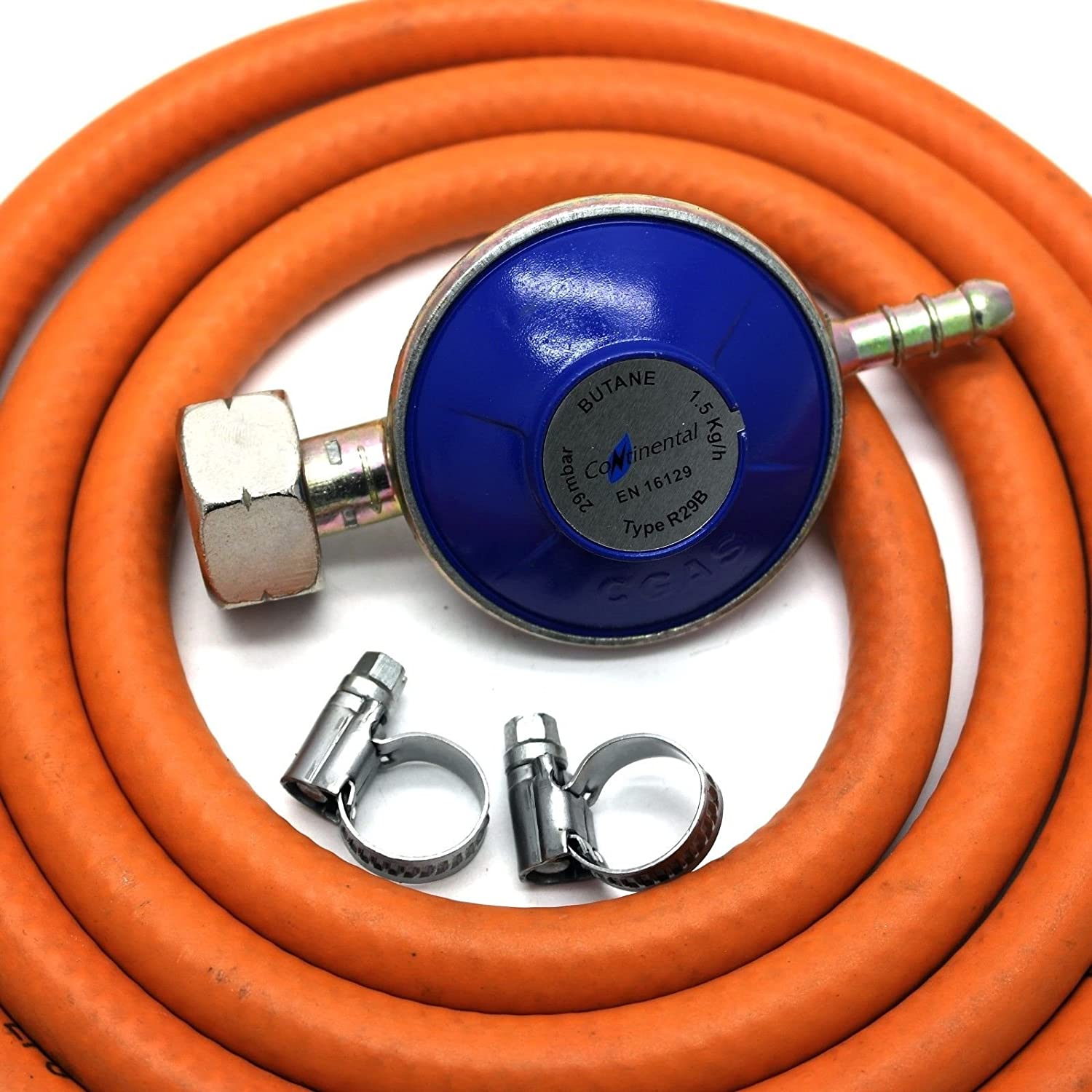
    Changing Your LPG Bottle Gas Regulator And Hose - Butane

    When changing the LPG regulator on your boat, is is important that the correct type is used. Propane and Butane gases work at different pressures and this pressure is set by the regulator. Fitting the wrong type of regulator could have severe consequences. This can cause serious injury and damage to property through potential fire or explosion. Hoses work for both gases but must be of the correct type and stamp labeled. Since 2014 new regulators on boats must incorporate an over-pressure shut-off device (OPSO). At the moment this is only available on propane regulators.

    How To Change Your LPG Regulator

    The only advice we will give at this stage is to have your LPG regulator and hose changed by a professional GasSafe engineer. Crimp connectors are needed to connect the hose. There are different length limits for different types of hose. Connections should be tested after installation. Storage lockers and compartments on boats have many different regulations to adhere to. There are also many other things to look out for.

    Our engineers will have the necessary training and experience to spot any irregularities as they go along. We can supply a regulator and hose with every LPG boiler service or other gas-related call-out if yours needs changing. This way you can be sure it’s the correct type and up to the current standard.

    Finally

    This article explains how often you should change your propane or butane LPG bottle gas regulators. It is designed to provide some general advice only. It is by no means exhaustive and regulations change all the time. If you need any gas-related work on your boat, hire a registered GasSafe engineer. The engineer should be qualified to work with LPG and to work on boats.
  • An introduction to Marine Heating Solutions Ltd.

    No more cold boats with Marine Heating Solutions

    We are Marine Heating Solutions Ltd, a marine business specialising in boat heating and plumbing. A cold boat is an unhappy boat, but your boat doesn’t have to be cold in winter. Our team can help extend the enjoyment you get from your vessel throughout the winter season.


    For quotes and bookings, call or email us here.


    Formed by directors of Floating Boatyard, Marine Heating Solutions brings our considerable marine experience to the boat heating sector. Our boat stove fitters, diesel heating engineers, and marine LPG engineers are experienced tradesmen who will work with you to get the right solution for your vessel.

    Introducing Marine Heating Solutions - No more cold boats in the winter.
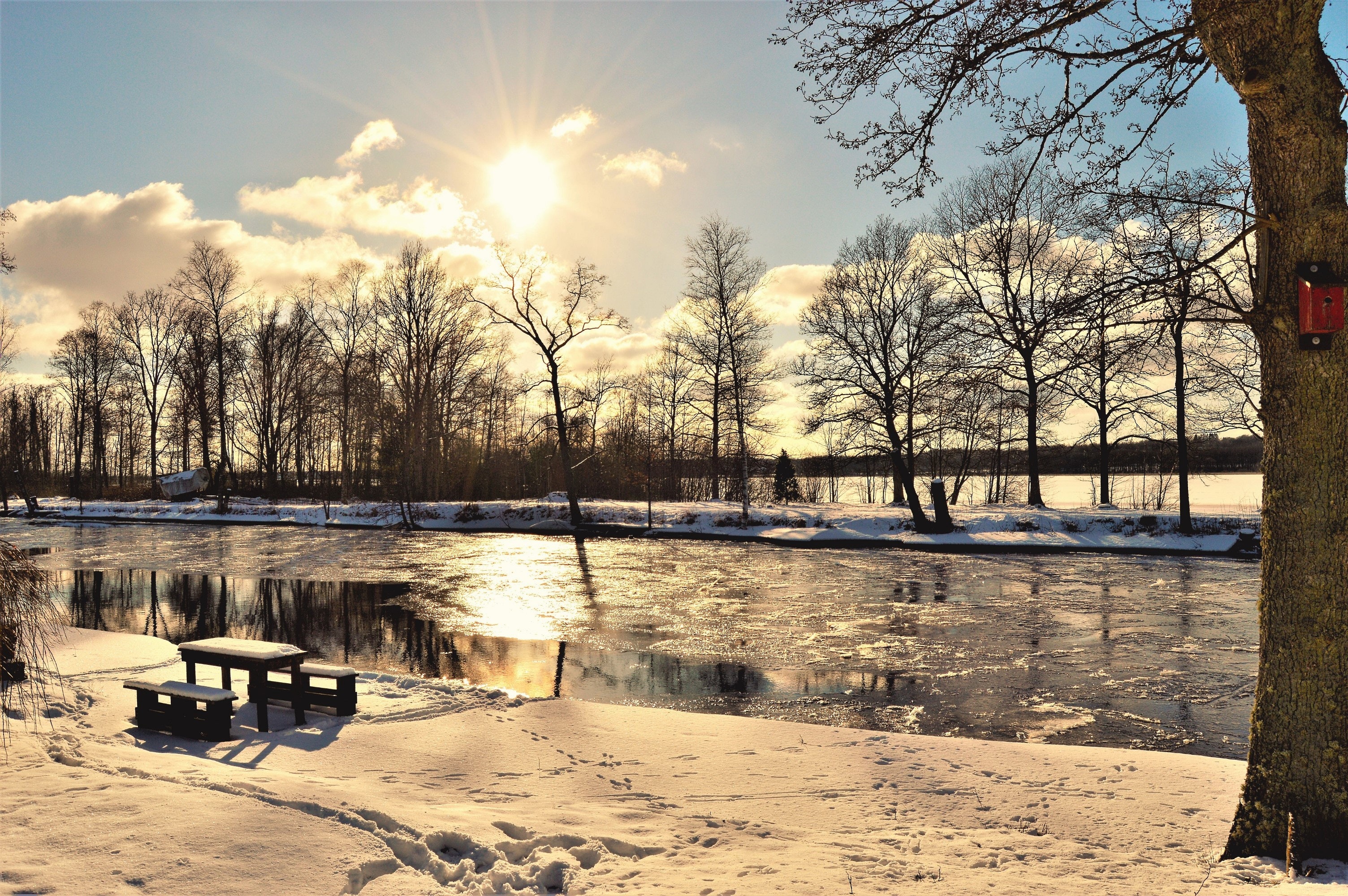
    Even wintery days like this can be cruising days with the help of Marine Heating Solutions Ltd.

    Our background

    Marine Heating Solutions Ltd. was formed in 2018 by passionate liveaboard boaters. The directors had the aim of ensuring no boat was cold and damp during the winter season. They experienced harsh weather during the Beast from the East of Spring 2018, and many previous winters also presented challenges. It became apparent that boat owners were having real difficulty finding reliable, safe, and competent marine heating engineers.

    Our aims – no more cold boats

    Living with a cold boat, even for just a weekend, has dramatic effects on the comfort and the safety of the crew. When the crew are tired and exhausted from being on a cold boat, mistakes are more likely to happen. Even gentle, inland waterways can be difficult territory during the winter. Ice forms on the narrowboat gunwales, and locks become slippery and dangerous. Keeping your wits about you is essential, which is why a warm cabin to recuperate is important. On sailing vessels, too, it is possible to provide cockpit heating. This keeps fingers and toes defrosted enough to safely handle lines and walk around the boat.


    For quotes and bookings, call or email us here.