Marine Heating Solutions

Category: Boat Diesel Heating and Cooking Appliances

Boat Diesel Heating and Cooking Appliances

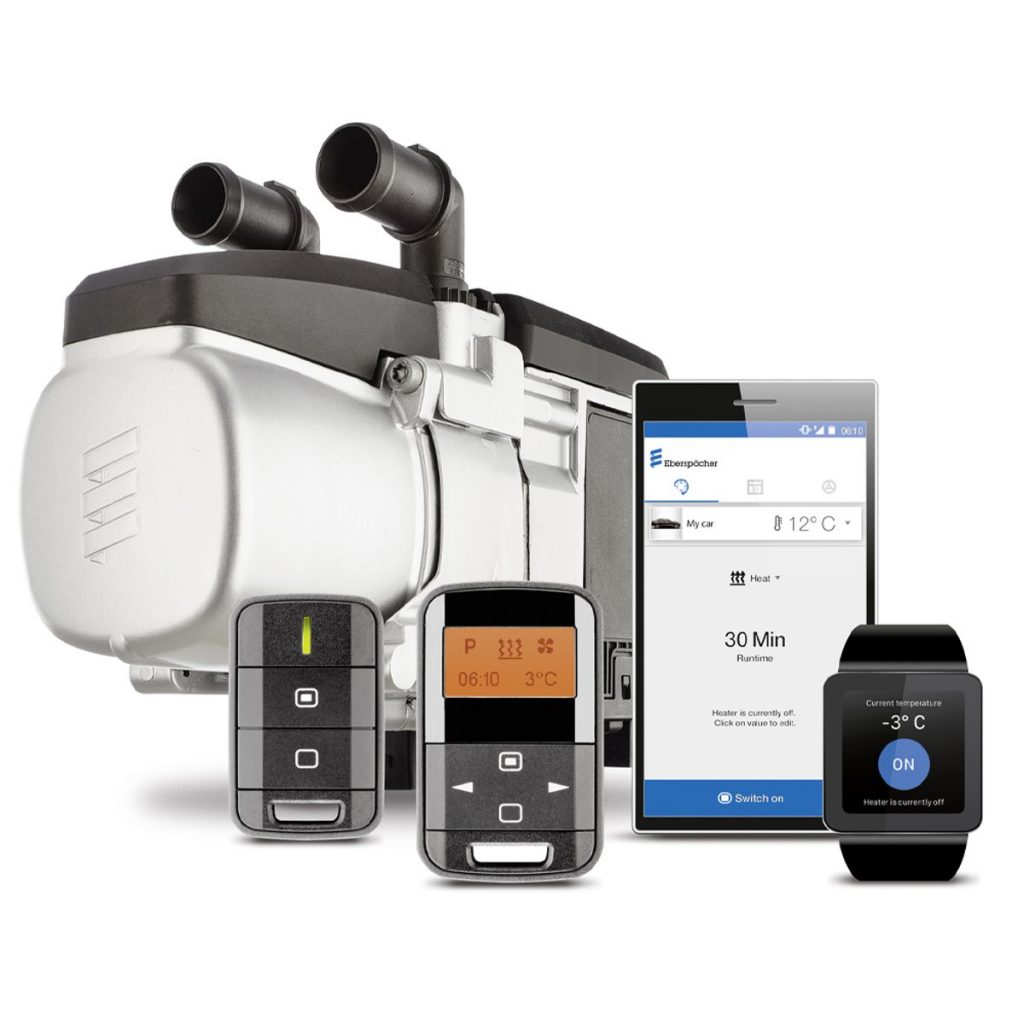
Boat diesel heating and cooking appliances offer a unique blend of efficiency and convenience for mariners. Among the major advantages, diesel appliances provide a consistent and steady heat supply, which is particularly valuable during long voyages or in colder climates. Most boats already have a diesel system installed to supply the engine. Tapping into means less maintenance and less potential for failures. Additionally, many modern diesel appliances are designed with user convenience in mind, featuring smart technology integration that allows for remote operation and monitoring.

However, there are also disadvantages to consider when choosing diesel appliances for boating. The initial appliance cost can be relatively high compared to other fuel options, such as LPG or solid fuel systems. Maintenance requirements are another factor; while diesel systems are sturdy, they can require a more regular servicing routine than LPG to ensure optimal performance and safety. Furthermore, depending on the quality of the diesel fuel used, there can be concerns related to emissions that may not appeal to all boaters. Balancing these pros and cons is essential for anyone looking to enhance their boating experience with diesel heating and cooking appliances. Our team is here to advise you and help design the right diesel heating and cooking system for your boat.


Explore The Individual Types Of Installations


Diesel Cooker Installations


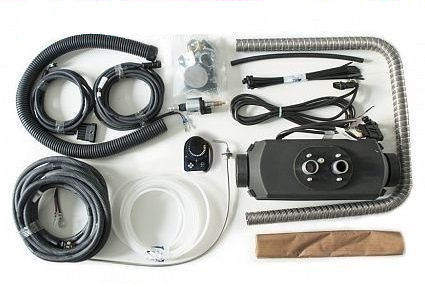
Diesel Heater Installations


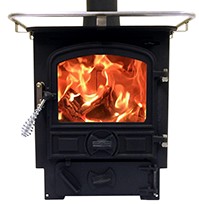
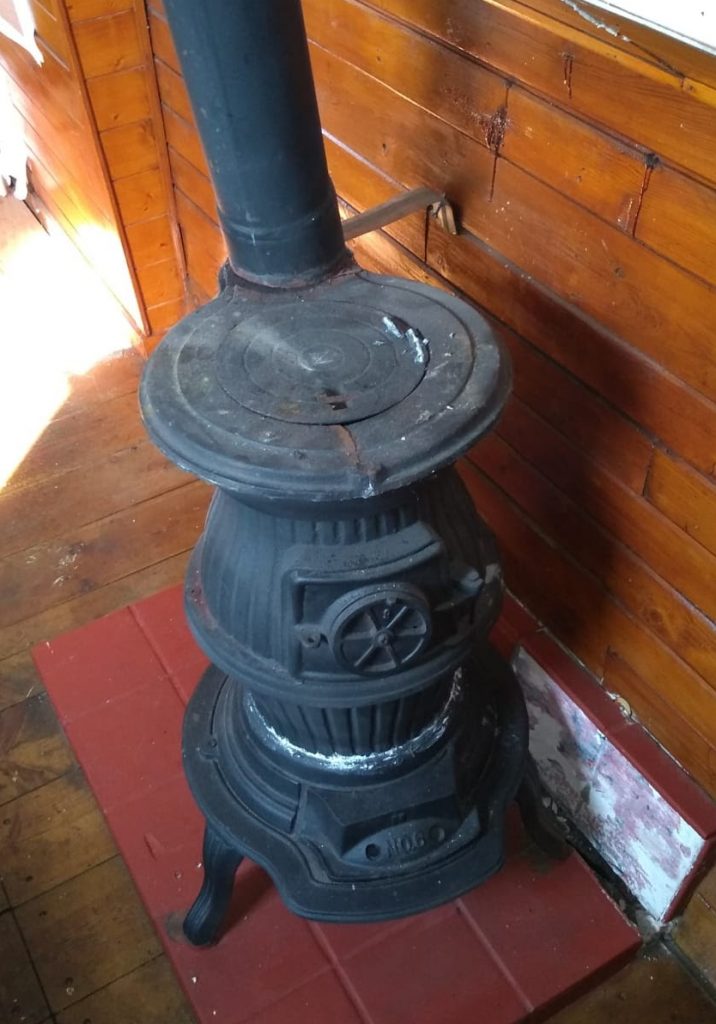
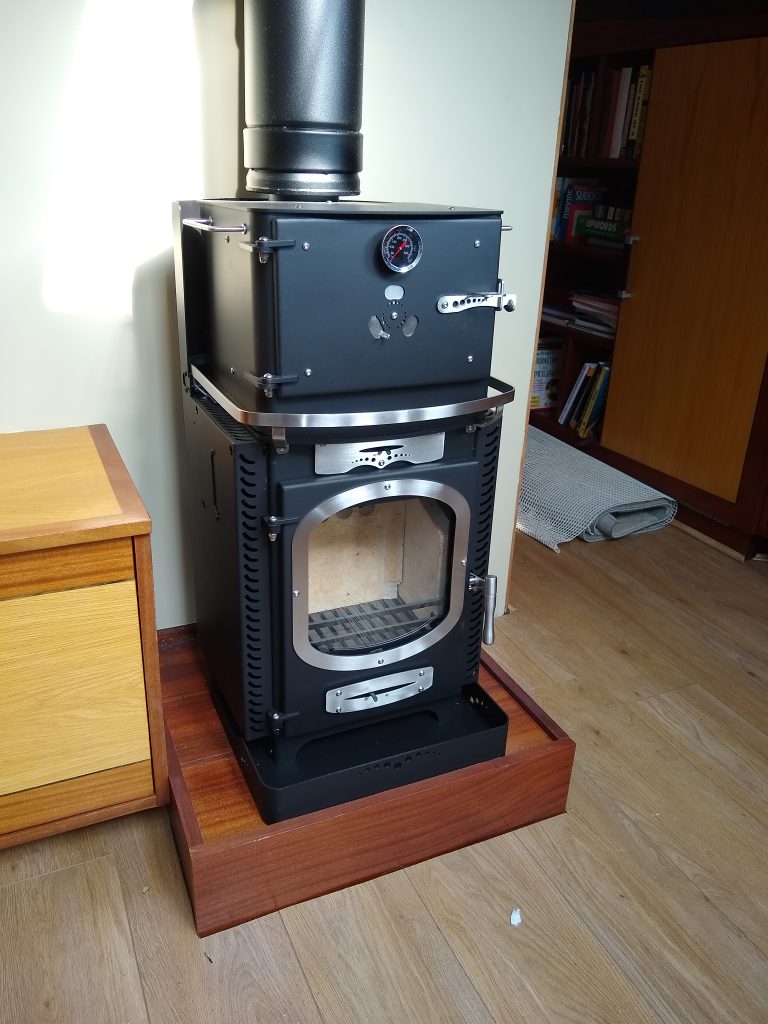
Diesel Stove Installations


For quotes and bookings, call or email us here.

  • Ultimate Diesel Boat Heating for Your Narrowboat

    For anyone living on the UK’s inland waterways, a good diesel boat heating system is not just a comfort—it’s utterly essential. A diesel boat heating system is, without a doubt, the premier way to keep your vessel warm and dry. Furthermore, it provides reliable, steady heat by tapping right into your main fuel tank. Consequently, it’s a clean, integrated solution perfect for narrowboat life.


    For quotes and bookings, call or email us here.


    Why Diesel Heating Is Your Unrivalled Choice

    There’s a certain magic to cruising the canals on a crisp autumn afternoon. However, that magic vanishes pretty quickly once the cold starts creeping into your cabin. For liveaboards, a dependable heater is a must-have. Therefore, it is one of the most critical decisions for your comfort and safety on the water.

    While you have options, diesel heating systems are the gold standard for the UK’s canalboat community. We specialise in this area, offering expert installations and top-quality units. Ultimately, we will turn your boat into a cosy home, no matter the season.

    Unmatched Diesel Boat Heating Efficiency and Convenience

    One of the biggest wins for diesel heating is its incredible efficiency. These systems are engineered to pump out a serious amount of heat from a tiny sip of fuel. This means you stay toasty for longer without constantly checking your fuel gauge. As a result, this is a massive bonus for anyone watching their budget.

    They’re also incredibly convenient. In the UK marine heating world, diesel heaters are king because they connect directly to your boat’s main fuel tank. This clever integration means you don’t need separate fuel canisters. On a vessel where every inch of storage counts, this is a huge advantage. You can learn more about the benefits of integrated fuel systems and see how they offer a compact, hassle-free heat source.

    Before we go further, here’s a quick look at some heating options.

    At-a-Glance Heater Comparison for UK Boaters

    When you’re deciding how to heat your narrowboat, it helps to see the main options side-by-side. This table breaks down the most common choices. Importantly, it highlights why a professionally installed diesel system from us is the superior choice for life on the canals.

    Heating TypePrimary BenefitBest ForOur Service Focus
    Diesel Blown Air/Central HeatingHigh efficiency, convenience, and consistent whole-boat warmth.Year-round liveaboards and serious cruisers on narrowboats and canalboats.Professional installation and servicing of top-tier diesel systems.
    Solid Fuel Stoves (Coal/Wood)Traditional aesthetic and powerful, dry heat.Boaters who enjoy the ritual and have space for fuel storage.Safe installation and flue maintenance to meet BSS standards.
    Electric Heaters (Shore Power)Simple plug-and-play operation.Boats with reliable access to shore power; not ideal for continuous cruisers.BSS electrical checks and safety advice.
    LPG (Gas) HeatersQuick, on-demand heat.Supplemental or occasional heating; fuel storage can be cumbersome.Gas Safe registered checks and servicing for onboard appliances.

    As you can see, for reliable, everyday heating, a dedicated diesel system is hard to beat for its integration and efficiency.

    Your Professional Partner for Warmth

    We’re more than just suppliers; we’re certified marine engineers and OFTEC-certified technicians. We are genuinely passionate about your comfort and safety. Specifically, we live and breathe the challenges of the narrowboat environment. That is why we only offer professional installation services.

    Choosing a professional installation isn’t just about getting the job done. It’s about peace of mind—knowing your system is safe, compliant, and will perform flawlessly. That’s our promise.

    Our service ensures that every single connection is fitted with absolute precision. This meticulous approach means you can relax and enjoy the warmth without a worry. Let us bring our expertise to your boat, so you can focus on making memories.

    Choosing Your Perfect Diesel Heater With Our Experts

    Figuring out the right diesel boat heating system for your needs can feel daunting. However, our team is here to walk you through it. We keep things simple, ensuring you get the perfect setup for your narrowboat or canal cruiser. It really comes down to two main types of systems we specialise in, each with its own strengths.

    Getting this right from the start is the key to your long-term comfort. A good choice now means you’ll enjoy consistent, reliable warmth for years.

    Forced-Air Heaters for Instant Warmth

    Think of a forced-air diesel heater like a powerful, quiet fan. It delivers warmth the moment you ask for it. These units work by pulling in cool cabin air and running it over a super-hot element. Then, they push the warm air out through ducting. The result? You get a blast of cosy heat almost instantly.

    This makes them absolutely ideal for quickly taking the chill off a cabin. That fast response time is a massive plus for boaters who want comfort right away. Consequently, their straightforward design makes them a popular choice for all sorts of boats.

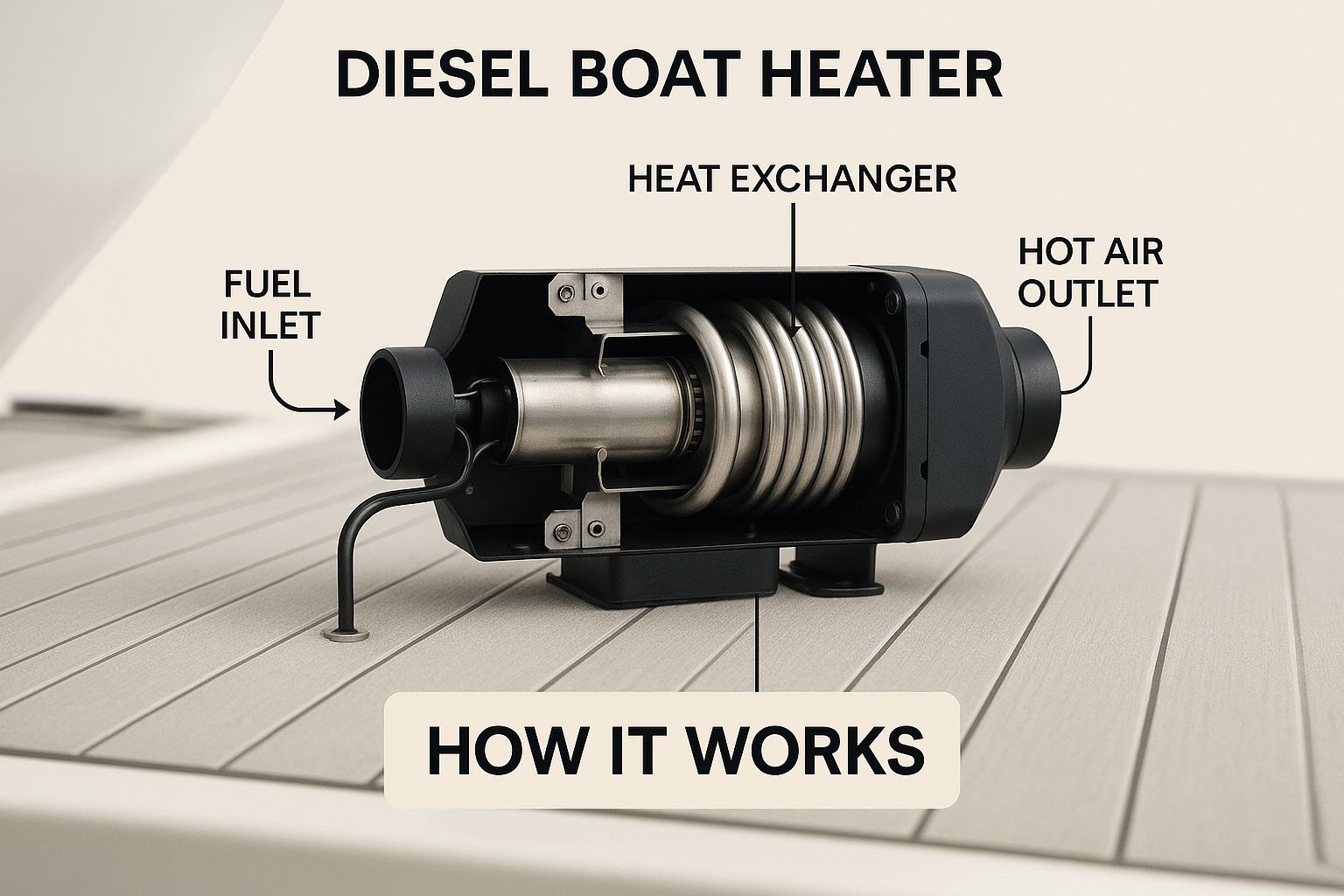
    Here’s a look at how these clever systems work to warm up your boat.
    Image

    The diagram shows the internal combustion and heat exchange process. This is really the heart of any good diesel boat heating system. This efficient little engine ensures you squeeze the most warmth out of every single drop of fuel.

    Hydronic Systems for Whole-Boat Comfort

    A hydronic diesel boat heating system, on the other hand, works a lot like home central heating. It heats a special liquid coolant, which is then pumped around a circuit of pipes. This circuit connects to radiators placed throughout your narrowboat. Subsequently, this approach gives you a gentle, ambient warmth that heats the whole space evenly.

    Because it warms the boat more gradually, it creates a really stable and comfortable living environment. It’s the perfect solution for liveaboards who need consistent, round-the-clock heating. As an added bonus, these systems can also heat your domestic hot water, tackling two jobs at once.

    Choosing between forced-air and hydronic systems really boils down to your lifestyle. Do you need a quick burst of targeted heat? Or do you need constant, gentle warmth? Our experts can help you find the ideal match.

    Our Premium Appliance Range

    We take pride in supplying and installing only the highest quality diesel heating units. Our hand-picked selection includes robust and efficient models designed specifically for the UK marine environment. Therefore, we offer a variety of appliances to cover every base.

    • Compact Air Heaters: Perfect for smaller narrowboats up to 40ft, these units pack a serious punch from a small footprint.
    • High-Capacity Air Heaters: Designed for larger canal boats, giving you more powerful airflow to warm up bigger spaces quickly.
    • Integrated Hydronic Systems: The ultimate setup for residential boats, providing both heating and hot water for a true home-from-home feeling.

    Our team has years of hands-on experience with all these systems. We know all the details of each model, from its fuel efficiency to how quietly it runs. Additionally, we stock an exceptional range of products from one of the leading names in the industry. You can find out more about our specific Webasto boat heater models.

    When you work with us, you’re guaranteed to get an appliance that fits your boat perfectly. All this is backed by our professional installation guarantee for complete peace of mind.

    The Critical Importance Of Professional Diesel Boat Heating Installation

    When it comes to your boat, some jobs are for experts. Installing a diesel heater falls firmly into that category. A DIY fit-out is just not a safe or reliable option for a narrowboat. The value our certified marine engineers and OFTEC-certified technicians bring is immense, ensuring every component is fitted to perfection. This isn’t just about making sure your heater works flawlessly; it’s about complying with UK safety standards.

    The Dangers Of An Amateur Fit

    Fitting a diesel heater is a world away from connecting a few wires. It is a complex process of integrating high-temperature exhaust systems and fuel lines. Get any one of these steps wrong, and the consequences can be dire.

    For instance, an improperly fitted exhaust can leak deadly carbon monoxide into your cabin. A poorly managed fuel connection is an obvious and serious fire hazard. Frankly, these are risks no boater should ever have to take.

    We take these risks completely off your hands. Our meticulous installation process puts safety above all else. As a result, you can enjoy a warm, secure cabin without a second thought.

    Our reputation in the narrowboat community is built on trust. Furthermore, we make sure every installation we complete is a benchmark for quality and safety.

    Our Meticulous Installation Process

    Our team doesn’t just install heaters; we integrate them into the fabric of your vessel. This isn’t just a service; it’s a craft built on years of hands-on experience. We firmly believe a job worth doing is a job worth doing right.

    Here’s what our comprehensive installation covers:

    • Fuel System Integration: First, we create a safe, robust connection to your boat’s main diesel tank. This includes fitting correct filters and shut-off valves.
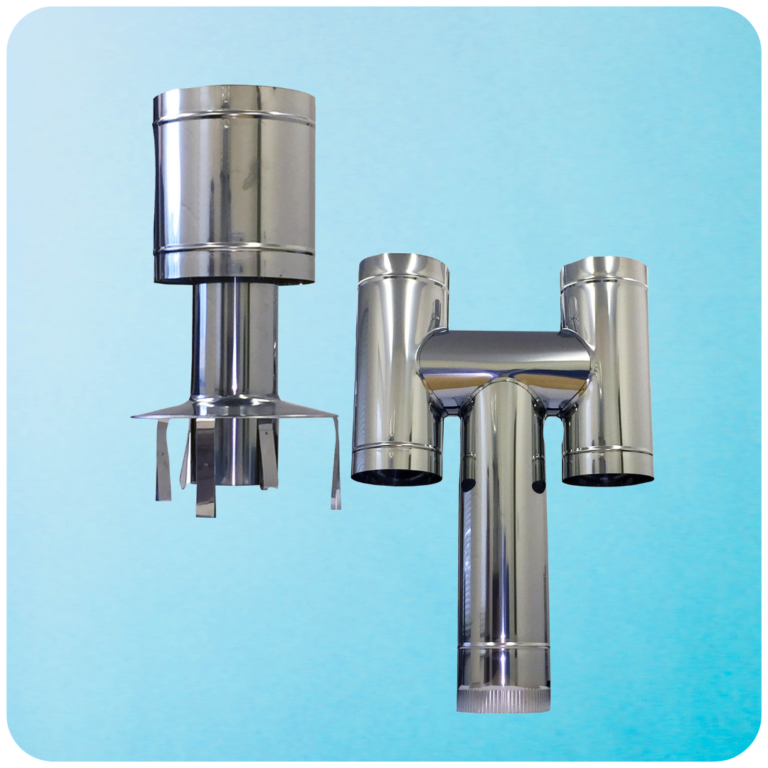
    • Exhaust Fitting: Next, our technicians carefully route and install the entire exhaust system. We use high-quality, marine-grade fittings to ensure all gases are safely channelled outside.
    • Electrical Connections: Then, we expertly manage all the wiring for your new heater. This guarantees the unit gets a stable power supply.
    • Final Commissioning and Testing: Finally, we thoroughly test the whole system. We check for correct operation and optimal heat output.

    This detailed, step-by-step approach is the only way to guarantee your heater runs efficiently. For any boat owner who values safety, it’s the only sensible choice.

    Your Assurance Of Quality And Safety

    We are incredibly proud of our qualifications. As OFTEC-certified technicians and registered Boat Safety Scheme (BSS) examiners, our work is held to the highest standard. This isn’t just a job for us; it’s our profession and our passion.

    Our team is unwavering in its commitment to the safety and satisfaction of every boater. We understand the trust you place in us when we come aboard your boat. In return, we deliver an installation that is impeccably safe, allowing you to enjoy worry-free warmth.

    Our Premier Range Of Diesel Boat Heating Appliances

    Picking the right appliance is the cornerstone of any good diesel heating system. We’ve put together a curated selection of top-tier diesel heating units. We chose them specifically for their durability, quiet running, and fantastic performance. Think of this as our hand-picked showcase, designed to show you what’s possible.

    We genuinely believe in the products we supply and install. Our goal is simple: to give you a heating system that exceeds your expectations. Every model in our range has passed our strict criteria for efficiency and reliability.

    Heaters For Every Narrowboat And Barge

    Whether you have a compact 30ft cruiser or a spacious residential barge, we have the right appliance. We know that every boat is different, and so are the needs of its owner. That’s why we offer recommendations tailored to your specific situation.

    • For Compact Narrowboats: We stock powerful but small-footprint heaters. These units are real favourites for their whisper-quiet operation and low fuel use.
    • For Larger Canal Boats and Barges: Our range also features high-output models designed to comfortably heat larger layouts. These systems deliver robust, consistent warmth throughout the boat.

    This focused approach means you get an appliance that’s perfectly sized for your boat. An incorrectly sized heater is a recipe for poor comfort. Importantly, our expert guidance helps you sidestep this problem entirely.
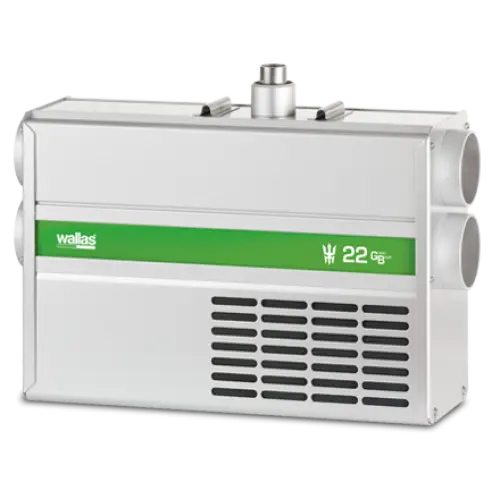
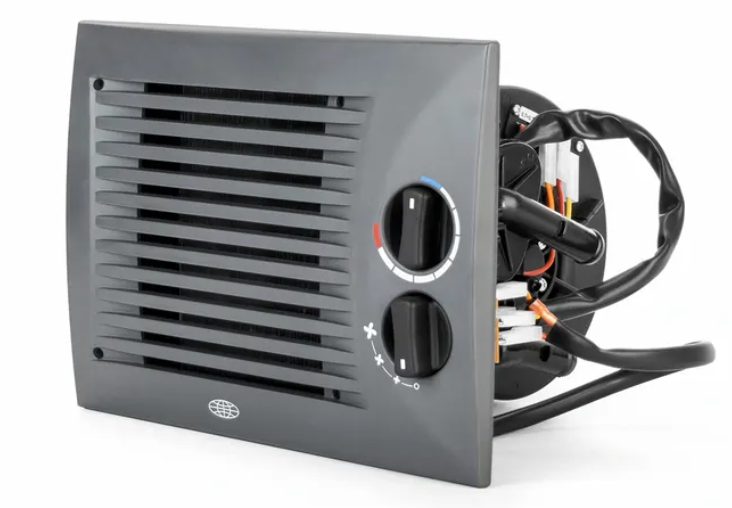
    Wallas Diesel Boat Heating Appliance

    Why Our Hand-Picked Appliances Stand Out

    The market for diesel heating is huge. To put it in perspective, marine heating systems are part of a growing global market. Diesel heaters hold the lion’s share, thanks to their cost-effectiveness. This is especially true here in the UK, where the liveaboard lifestyle is very popular. Discover more insights about the marine heating market on datainsightsmarket.com.

    With such a vast market, we’ve done the hard work for you. We only stock appliances from leading brands known for exceptional engineering. Here’s what makes our selected products the superior choice for your diesel boat heating needs:

    • Exceptional Fuel Efficiency: First, get more warmth from every litre of diesel, which helps keep running costs down.
    • Quiet and Unobtrusive Operation: Next, enjoy a peaceful cabin without the distracting drone from lesser models.
    • Advanced Control Features: In addition, modern thermostats let you manage your boat’s temperature with precision.
    • Built for the Marine Environment: Finally, these units are built from corrosion-resistant materials to withstand damp conditions.

    By focusing on these key benefits, we make sure your investment provides dependable comfort. We stand behind the quality of every single heater we sell and install.

    A Word From A Happy Customer
    “After another chilly winter, we finally contacted Marine Heating Solutions to fit a proper diesel heater in our 57ft narrowboat. The difference is incredible. The installation was neat, professional, and the team was fantastic. For the first time, our boat feels like a real home, warm from bow to stern. I can’t recommend them highly enough—absolute experts.”
    John and Sue, Kennet & Avon Canal

    Maintaining Your Diesel Boat Heating System For Year-Round Comfort

    A professionally installed diesel heater is a fantastic investment in your comfort. But like any quality machinery, it needs regular care to perform at its best. Our dedicated maintenance services are all about making sure your system remains a reliable source of warmth.
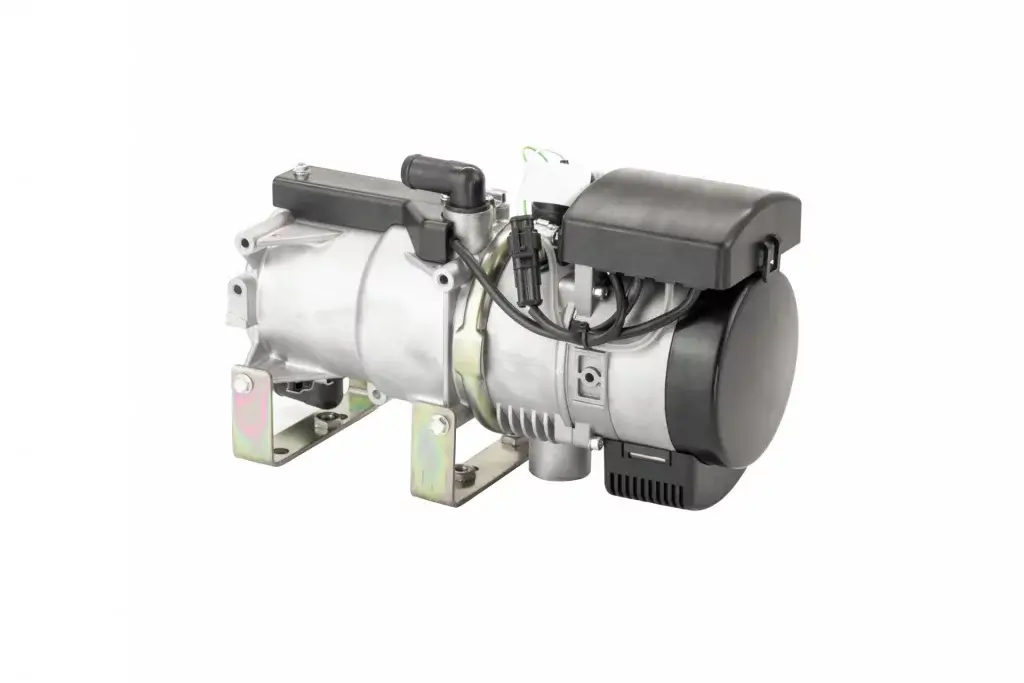
    Diesel Boat Heating

    This section is all about the value of professional servicing. Rather than offering DIY tips that could put your safety at risk, we believe in an expert approach. After all, regular attention from a professional is the only way to protect your investment.

    The Value Of Our Annual Service Plans

    Trying to service a modern diesel boat heater without specialist training can cause bigger problems. That’s precisely why we’ve developed annual service plans that take the worry off your hands. Think of it as the most effective way to guarantee your system’s long life.

    Our expert servicing catches common issues before they become expensive repairs. For instance, a small blockage in a fuel line can seriously knock back performance. Our technicians spot and sort these little problems as part of a routine check-up.

    This proactive approach keeps your running costs down. More importantly, it gives you that priceless assurance that you’ll have dependable warmth.

    By entrusting us with your heater’s upkeep, you’re securing uninterrupted comfort. It’s simply the smart way to look after your system and enjoy total peace of mind, knowing everything is in perfect working order.

    What Our Expert Diesel Boat Heating Servicing Includes

    Our servicing is far more than a quick look-over. It’s a detailed inspection and tune-up by our OFTEC-certified technicians. We methodically work through every critical component of your diesel boat heating system.

    Here’s a snapshot of what a professional service with us involves:

    • Comprehensive Burner Unit Check: We inspect the burner, cleaning the combustion chamber and replacing the burner gauze and fuel filter.
    • Fuel System Inspection: Then, we examine the fuel pump and all lines for wear, blockages, or potential leaks.
    • Safety Sensor Verification: Afterwards, all safety cut-outs and sensors are tested to confirm they are functioning correctly.
    • Exhaust System Review: Finally, we check the entire exhaust system for integrity and security, ensuring there are no leaks.

    This meticulous process significantly extends the lifespan of your unit. By letting our experts handle the complexities, you are actively investing in its future reliability. You can find out more by reading our guide on servicing diesel burning appliances on boats.

    Choosing our professional service ensures your system is safe, efficient, and ready for whatever the British weather decides to throw at it.

    Your Trusted Partner On The UK Waterways

    For us, this is about more than just fitting heaters. We see ourselves as an integral part of the UK’s vibrant inland waterways community. We’re not just another service provider; we’re fellow boaters, dedicated to the unique lifestyle of the canals.

    This commitment shines through in everything we do. Our focus is squarely on the narrowboat, canal boat, and barge sector. It means our knowledge isn’t just general—it’s specific to your world on the water.

    Why Boaters Choose Us For Diesel Boat Heating

    Picking a partner for your diesel boat heating is a big decision. We believe the choice is clear. We offer a blend of specialist knowledge, premium products, and certified installation. This is genuinely hard to match.

    Ultimately, our message is one of partnership and trust. We want to enhance your life on the water. We can turn your boat into a proper home by providing safe, reliable heating solutions.

    “Working with the team was a breath of fresh air. They didn’t just sell me a heater; they listened to my needs for my barge and recommended the perfect system. The installation was flawless, and their aftercare support gives me total confidence. A truly first-class service.”
    David R., Grand Union Canal

    This is the kind of feedback that drives us forward. Our goal is to make sure every customer feels that same level of satisfaction. We’re here to support you long after the initial installation is complete.

    Let Us Bring The Warmth

    Your journey on the water should be about freedom, adventure, and comfort. You should not be worrying about staying warm. Let us handle the technical side of things. We’ll provide the warmth while you get on with creating memories.

    We invite you to get in touch with our friendly team today. Let’s have a chat about what you need and answer your questions. Furthermore, we can show you how we make your boat a warmer, more comfortable sanctuary. Your comfort is our profession.

    A Few Common Questions About Diesel Boat Heating

    When you’re thinking about a new diesel boat heating system, it’s natural to have questions. We get it. Over the years, we’ve heard just about every query from narrowboat owners. So, we’ve put together some of the most common ones right here.

    Our aim is to give you clear, straightforward answers. We want you to feel confident in your choice. Think of us as your guide through the whole process, from picking the right unit to getting it installed.

    How Much Fuel Does A Diesel Heater Use?

    This is easily the most popular question. The short answer is: it depends on the heater’s power and how high you set it. The good news is that modern diesel heaters are incredibly efficient.

    For a bit of real-world context, a standard 2kW air heater sips as little as 0.12 litres of diesel per hour. That makes it a seriously economical way to keep your narrowboat toasty and warm.

    Are Diesel Heaters Noisy To Run?

    A big concern for many boaters is noise. You cherish the peace and quiet of the canals. While some older models could be a racket, the premium heaters we fit are engineered for almost silent running.

    Once the system is running, the only thing you should hear is the gentle whoosh of warm air. You will not hear the heater itself.

    How Long Will A Professional Diesel Boat Heating Installation Take?

    The time it takes to get everything fitted depends on the system you choose. It also depends on the layout of your boat. For a straightforward forced-air heater, we can often have the job done in a single day.

    On the other hand, a more complex hydronic system will naturally take longer.

    We always give you a clear timeline before we start any work. Our focus is on doing the job right and to the highest standards. Every connection has to be perfect.

    Can You Service My Existing Heater Even If You Didn’t Fit It?

    Yes, absolutely. Our OFTEC-certified technicians are fully qualified to service and repair a huge range of diesel heaters from all leading brands.

    So, even if we weren’t the ones who did the original installation, we’re happy to give your system the expert maintenance it needs. If you’d like to get a better handle on the basics, have a look at our comprehensive guide on understanding boat diesel heaters.


    We often get asked specific questions about our services. So, we’ve put together a quick table to cover some of the most frequent queries.

    Frequently Asked Questions

    QuestionOur Expert Answer
    Do you provide a warranty on your installations?Yes, all our installations come with a full warranty. We also help you register for the manufacturer’s extended warranty, often available when fitted by certified engineers like us.
    What brands do you specialise in?We are experts in fitting and servicing all major brands, including Webasto, Eberspacher, and Autoterm. We can advise on the best unit for your specific boat and needs.
    Can you install a heater I’ve already bought?We can, provided it’s a reputable brand that meets UK safety standards. We cannot install uncertified “Chinese diesel heaters” due to significant safety and reliability concerns.
    How often should I get my diesel heater serviced?We recommend an annual service, ideally before the cold weather sets in. This keeps it running efficiently, prevents breakdowns, and ensures it’s operating safely.

    Hopefully, this gives you a clearer picture. Every boat and every boater is different. Consequently, we’re here to find the perfect heating solution for you.

    For expert advice, installation, or servicing of your diesel boat heating system, you can trust the specialists at Marine Heating Solutions.


    For quotes and bookings, call or email us here.
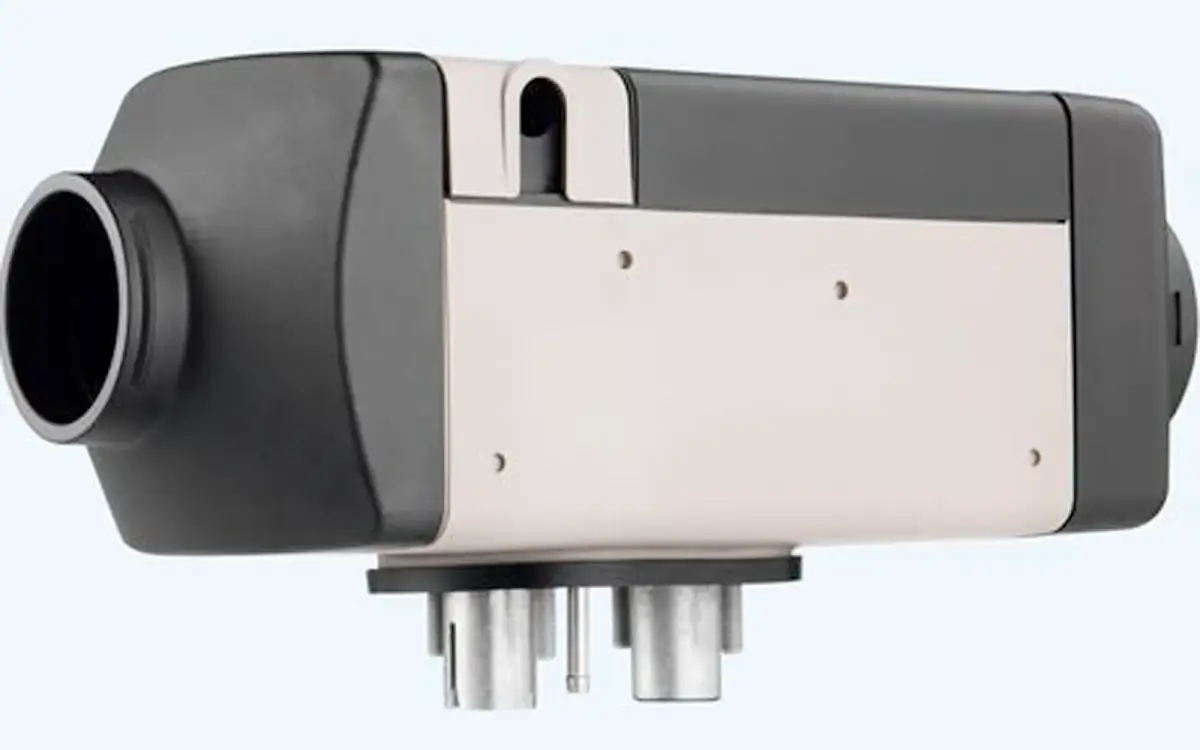

  • Ultimate Webasto Boat Heater: A Superb Choice

    A Webasto boat heater is more than just a piece of kit. Instead, it’s a purpose-built diesel heating system designed to bring reliable, efficient warmth to your vessel. For anyone who owns a narrowboat or canal boat and cruises the UK’s beautiful inland waterways, it’s an absolute lifeline. Consequently, it transforms a chilly cabin into a cosy retreat, no matter what the British weather decides to throw at you.


    For quotes and bookings, call or email us here.
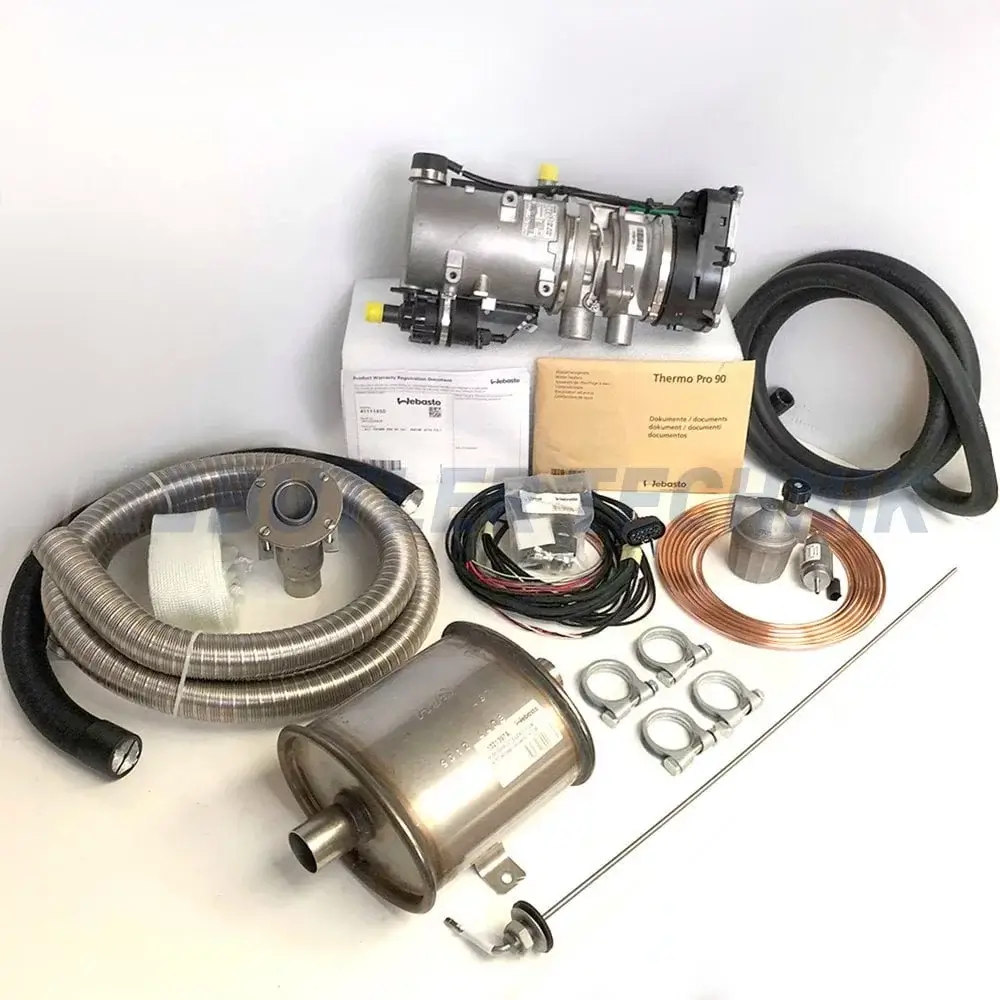

    Your Essential Guide to a Warmer Boat

    Webasto Boat Heater

    Welcome aboard. If you’ve ever felt that damp chill creep into your narrowboat cabin on a cold morning, you already know why a dependable heating system is non-negotiable. It’s not a luxury; in fact, it’s a cornerstone of comfortable, year-round life on the canals. Making the right choice is crucial for your comfort and your safety. While it helps to understand general heating solutions, this guide focuses on the best for UK canals.

    This guide, however, is all about the Webasto boat heater—a name trusted by countless boaters for good reason. We’re not just suppliers; we are specialists in these systems. Our expertise covers providing genuine Webasto appliances and, just as importantly, carrying out professional, certified installations. Therefore, choosing us means you’re investing in quality and, ultimately, peace of mind.

    Understanding Your Heating Options

    The first step towards a warm and dry boat is getting to grips with the two main types of Webasto systems. Each is built for a different job, and one will be a much better fit for your lifestyle on the water.

    • Air Heaters (Air Top): Think of these as a furnace for your boat. They work by rapidly heating air and pushing it through ducting for almost instant warmth in your cabin. Subsequently, they’re perfect for quickly taking the chill off a cold day.

    • Water Heaters (Thermo Top): These are more integrated systems that heat a coolant mixture. This hot fluid then circulates through radiators to provide central heating. In addition, it can be used to heat your domestic hot water. It’s a complete comfort solution.

    We genuinely believe that a properly installed heating system is the heart of a happy boat. Our mission is to supply you with the best equipment and the certified expertise needed to keep you warm and safe on the waterways, whatever the weather.

    As we go through this guide, we’ll explore the specific models we supply and explain why our installation service is the best choice for your vessel. As OFTEC and Gas Safe engineers, our qualifications are your guarantee of a safe, compliant, and perfectly executed job. Moreover, we have years of hands-on experience fitting these systems into the unique and often tight spaces found on narrowboats and barges.

    Our goal here is simple: to give you the confidence to make an informed decision. We’ll show you the exact Webasto products we recommend and stand behind. Furthermore, you’ll see why our team is the most qualified to fit them. This commitment to quality service and expert advice ensures your boat remains a comfortable home all year round. We are your dedicated partner for all marine heating needs.

    Why a Webasto Heater is The Smart Choice

    Choosing the right heater for your narrowboat isn’t just about getting warm. Instead, it’s an investment in your comfort and overall boating experience for years to come. Webasto systems are specifically engineered for the unique demands of life on the UK’s canals and waterways. This makes them the go-to choice for discerning boaters.

    Think of your heater as the heart of your boat’s comfort system. A good one reliably pumps warmth through your living space, making every corner cosy. This is absolutely critical during the damp, cold months. The legendary dependability of Webasto is a huge reason why so many narrowboat owners put their trust in the name.

    Unbeatable Reliability and Efficiency

    Webasto heaters have built a rock-solid reputation for robust performance. They’re designed from the ground up to handle the constant vibrations and damp conditions found in a marine environment. On top of that, they are exceptionally fuel-efficient. They sip diesel to keep your running costs down while still punching well above their weight in heat output.

    This isn’t just a happy accident; it’s a core design principle. It saves you money on fuel. Ultimately, it means more time enjoying a comfortable life aboard and less time worrying about the fuel gauge.

    A Webasto heater isn’t just an appliance; it’s your guarantee of a warm welcome after a long day’s cruise. Our professional installation ensures this powerful system operates at its peak, providing safe, consistent heat you can always rely on.

    This commitment to quality is why Webasto is a leader in the marine heater market. According to a marine heating systems industry report, this global sector is valued at around $1.5 billion. Their Air Top diesel heaters are particularly popular on UK boats for their brilliant performance. Furthermore, they easily integrate with standard marine fuel systems.

    Systems Designed for Your Lifestyle

    Webasto offers two distinct types of heating systems, so you can pick the perfect setup for your boat and how you use it. Understanding the difference is the first step to creating your ideal onboard climate.

    • Fast-Acting Air Heaters: If you want heat and you want it now, the Air Top series is for you. These units heat air directly and push it through ducting to warm the cabin incredibly quickly. Consequently, they’re perfect for taking the chill off a cold evening or getting the boat toasty on a frosty morning.

    • Integrated Water Systems: For a more ‘household’ feel, Thermo Top water heaters provide a complete solution. They function like a central heating system, heating water that circulates through radiators. In addition, they can also provide all your domestic hot water via a calorifier. This is the ideal setup for liveaboards who need consistent, all-over warmth and hot water on tap.

    Whether you need a quick blast of warm air or a full central heating and hot water system, there’s a Webasto that fits the bill. You can get a much deeper understanding of how these systems work by reading our comprehensive guide to boat diesel heaters.

    Professional Installation Unlocks Full Potential

    A Webasto heater is a top-quality piece of kit, but its performance is only ever as good as its installation. To get all the benefits of efficiency and safety, a professional installation by our certified technicians is essential. We cannot overstate the importance of professional fitting.

    Our team makes sure every single component is fitted correctly, from the fuel lines and pump right through to the skin fitting for the exhaust. This isn’t just about making it work. Instead, it’s about making it work perfectly and, most importantly, safely. We follow marine standards to the letter, giving you the peace of mind that your heating system is compliant, safe, and ready to keep you warm for many seasons to come.

    Choosing Your Ideal Webasto Air Heater

    Webasto Liquid Heater for Boats

    Finding the right Webasto boat heater is a massive step towards making your narrowboat a truly comfortable home on the water. When you need to chase away that damp canal chill, and fast, a Webasto air heater is exactly what you need. They are specifically designed to pump out dry, warm air quickly and efficiently. Therefore, they are a perfect match for the unpredictable UK climate.

    As specialists in marine heating, we don’t just shift boxes. Instead, we’ve hand-picked the models we know from experience can handle the unique environment of a canal boat. This means you can be confident you’re getting a system that’s perfectly suited to your vessel and the way you live on it.

    Our whole approach is about making sure you get the right heater, backed up by genuine, hands-on expertise. We’ll talk you through the options. Eventually, we will help you land on the ideal unit for your boat’s size and how you plan to use it.

    Our Recommended Webasto Air Heaters

    We proudly supply and install Webasto’s top-performing air heater models. Each one is a champion when it comes to reliability. However, they have their own strengths that make them better for certain boats. Below, we’ve laid out the models we trust to keep our clients warm and happy.

    The Webasto Air Top 2000 STC is a fantastic all-rounder. It’s compact, surprisingly quiet, and incredibly efficient. This is why it’s our most popular choice for small to mid-sized narrowboats. It kicks out a serious amount of heat while only sipping diesel, which keeps your running costs right down.

    For those with larger narrowboats, Dutch barges, or widebeams, the Webasto Air Top Evo 40 is the natural upgrade. It delivers a much more powerful blast of heat. It easily warms bigger cabins and multiple spaces.

    Your choice of heater should give you more than just warmth; it needs to deliver complete peace of mind. When you buy your Webasto heater through us, you are guaranteed 100% genuine parts and access to our team of certified, experienced installation engineers. We make sure your system is fitted to the highest marine safety standards, no compromises.

    Making The Right Choice For Your Narrowboat

    Picking between these two excellent models usually comes down to the size of your boat and how you use it. For a typical narrowboat up to about 50 feet, the Air Top 2000 STC is often the perfect sweet spot. However, for bigger boats or for anyone living aboard all year round, the extra heating punch of the Evo 40 provides that next level of comfort.

    Webasto’s diesel-powered design has made them a go-to for boaters across the UK. The Air Top series provides up to 4 kW of heating power and runs on standard boat electrics. In addition, these units are incredibly efficient, using as little as 0.15 litres of diesel per hour. Best of all, we can plumb them directly into your main fuel tank, which is both convenient and much safer.

    To help you decide, we’ve put together a simple table comparing the key features of our recommended models.

    Webasto Air Heater Models At A Glance

    This quick comparison of the popular Webasto air heaters we offer is designed to help you select the right model for your narrowboat’s size and heating requirements.

    Model

    Heating Output

    Ideal Boat Size (Narrowboat)

    Key Feature

    Air Top 2000 STC

    2.0 kW

    Up to 50ft

    The go-to heater for smaller boats. Compact, quiet, and extremely fuel-efficient.

    Air Top Evo 40

    4.0 kW

    50ft and above

    A powerful unit for larger vessels and liveaboards, with advanced controls.

    No matter which one you choose, you’re getting a top-quality piece of kit. The key is matching the output to your space. This ensures you’re warm without wasting fuel.

    Why Our Service Is Your Best Investment

    A Webasto heater is a brilliant bit of engineering. However, its performance and safety are completely dependent on the quality of the installation. This is where our experience becomes your most valuable asset. We’re not just retailers; we are marine heating engineers. If you’re still weighing your options, our guide on choosing the right diesel heater for boats has more in-depth advice.

    Our qualified technicians have spent years fitting these systems into the tight and tricky spaces of narrowboats and barges. We know the critical importance of a correctly installed exhaust, secure fuel lines, and safe electrical wiring. When you choose our installation service, you’re not just buying a heater. Instead, you’re investing in a safe, efficient, and reliable heating system that will serve you well for many winters to come.

    Integrated Warmth With Webasto Water Heaters

    For the narrowboat owner who lives aboard or simply demands the highest level of comfort, a water-based Webasto boat heater is the ultimate solution. While air heaters give you a quick blast of warmth, our Webasto Thermo Top water heating systems provide a complete, integrated comfort package. It’s a genuine step up. Indeed, it elevates your life on the UK’s canals to a whole new level.

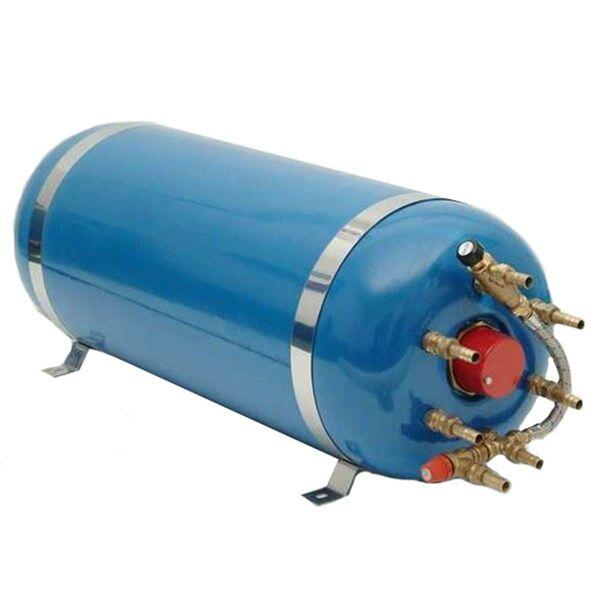
    Think of it like having a proper central heating system in your house. That’s exactly what a Webasto water heater delivers. The unit works by heating a coolant mixture. This then circulates through a network of small pipes to radiators placed strategically throughout your boat. What’s more, this very same system can heat your domestic water supply through a calorifier. This gives you hot showers and washing-up water on demand.

    The Ultimate Liveaboard Solution

    This all-in-one approach is a massive advantage for liveaboards on canal boats and barges. Space is always at a premium. Therefore, combining your cabin heating and hot water into a single, highly efficient diesel-powered unit is a real game-changer. It means you can ditch separate appliances, freeing up valuable locker space and simplifying your boat’s systems.

    A Webasto Thermo Top system represents the pinnacle of on-board comfort. We believe it’s not just about warmth; it’s about creating a true home on the water. That’s why we don’t just sell these units; we provide the expert, certified installation required to make them perform flawlessly and safely for years.

    The type of warmth you get from a hydronic system is different, too. Instead of forced hot air, you get a gentle, ambient heat from the radiators. Many people find this more comfortable and less dry. In short, it’s the most reliable way to keep your entire boat consistently warm and dry, even through the dampest British winters.

    Our Premier Water Heater The Thermo Top Evo

    When it comes to providing this level of integrated comfort, our go-to recommendation is the Webasto Thermo Top Evo. This model is a marvel of engineering, specifically designed for the demanding marine environment. It’s compact, powerful, and incredibly efficient. Consequently, this makes it the perfect heart for your boat’s central heating.

    The Thermo Top Evo delivers impressive heat output while keeping fuel and power consumption surprisingly low. It intelligently modulates its output to match the heating demand. So, it only ever works as hard as it needs to. This ensures you stay perfectly warm without wasting a single drop of diesel—a critical benefit for anyone managing their fuel budget on the waterways.

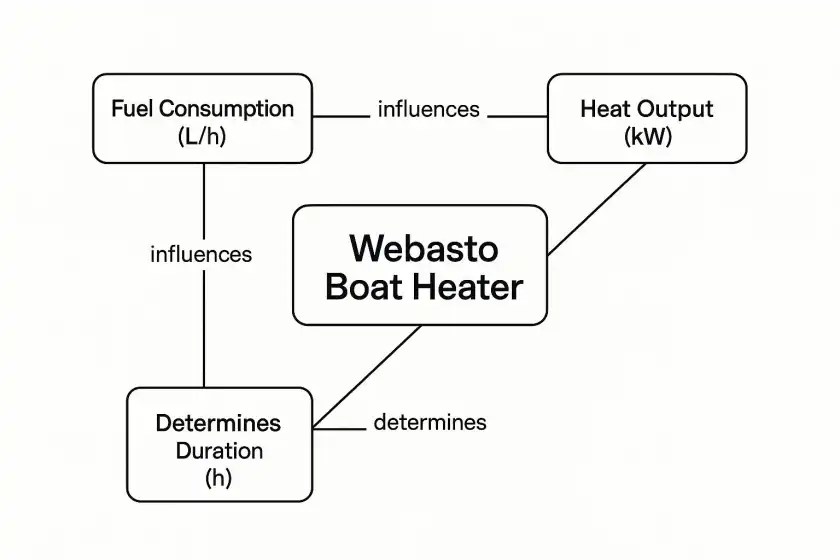
    This diagram helps to visualise the crucial relationship between fuel use, heat output, and running time.

    Webasto Boat Heater Infographic

    As you can see, a higher heat output naturally requires more fuel. However, our expert installation optimises this balance to give you maximum efficiency.

    Why Professional Installation Is Key

    A Webasto water heating system is far more complex than a simple air heater. It involves intricate plumbing and careful radiator placement for the best heat distribution. Furthermore, it requires precise integration with your boat’s electrical and fuel systems. For this reason, professional installation is absolutely crucial for safety and performance.

    An incorrectly installed system can lead to a whole host of problems:

    • Poor performance: The system might struggle to heat the boat or water effectively.

    • Fuel leaks: Improperly connected fuel lines are a serious fire hazard.

    • Coolant leaks: These can cause serious damage to your boat’s interior.

    • Safety hazards: Incorrect exhaust fitting poses a grave risk of carbon monoxide poisoning.

    Our team of certified technicians has the specialist knowledge and hands-on experience needed to design and install these systems perfectly. We make sure every connection is secure. We ensure every radiator is correctly placed. Finally, the entire system is commissioned to run at peak efficiency and safety. When you invest in a premier system like the Thermo Top Evo, choosing our professional installation service is the only way to guarantee you get the full benefit of that investment and complete peace of mind.

    Our Certified Installation and Maintenance Services

    Getting a top-quality Webasto boat heater is a great first step towards a warm, comfortable boat. But buying the unit is only half the story. The real secret to unlocking its efficiency, reliability, and most importantly, safety, is all in the installation. This is one of those jobs where getting a professional in isn’t just a good idea—it’s absolutely essential.

    Our entire service is built on specialist knowledge and certified qualifications. We aren’t general handymen. Instead, we’re marine heating engineers with years of hands-on experience. We fit these exact systems into the unique, tight spaces of narrowboats, barges, and other inland vessels.

    Why Professional Installation Is Essential

    We cannot overstate this: a professional installation is not optional. The risks that come with an amateur job are severe. Frankly, it’s just not worth it. Therefore, you should think of a professional installation as an investment in your safety.

    These systems bring together three critical elements, and each one is dangerous if you get it wrong:

    • Fuel Systems: A badly connected fuel line can easily leak. This creates a serious fire hazard

    • Exhaust Systems: Hot exhaust fumes must be vented safely outside through a sealed skin fitting. A faulty setup creates a silent but deadly risk of carbon monoxide poisoning

    • Electrical Systems: Incorrect wiring can fry the heater’s sensitive electronics or create another fire risk.

    Our certified technicians live and breathe these risks. We stick rigidly to marine safety standards. We ensure every connection is secure, every part is correctly placed, and your system runs precisely as the manufacturer designed it to.

    ‘The installation was flawless and professional from start to finish. Our boat has never been warmer, and the peace of mind knowing it was fitted by certified experts is priceless. Highly recommended!’ – John S., Narrowboat ‘The Wanderer’

    Your Long-Term Partner in Boat Comfort

    Our job doesn’t end when the installation is done. A diesel heater is a sophisticated bit of kit. Just like any engine, it runs better with regular servicing. That’s why we offer full maintenance packages to keep your system in peak condition, year after year.

    Proper, routine maintenance of your Webasto boat heater is the best way to protect your investment. It guarantees you get the best possible fuel efficiency. It also helps prevent surprise breakdowns and can seriously extend the life of your heater. Our services cover everything from changing filters and servicing the burner to running full system diagnostics. You can also explore our complete plumbing and heating services for your boat to see the full picture of what we offer.

    This kind of proactive care is a smart move. An expertly installed and maintained Webasto means you’re not just keeping warm. Instead, you’re running a system that’s as fuel-efficient as it can be.

    For some wider context, you can find some useful general maintenance tips for electric hot water systems, though our expertise lies specifically with diesel systems. Ultimately, when you work with us, you’re choosing a dedicated, certified partner who is committed to one thing: keeping your narrowboat warm, safe, and comfortable for the long haul.

    Your Webasto Boat Heater Questions Answered

    Choosing a Webasto boat heater is a big decision for any boater, so it’s only natural to have a few questions. We get asked a lot about these systems. Therefore, we’ve put together some of the most common queries with clear, straightforward answers.

    Our aim is to give you the practical information you need, drawing on our years of experience. It also shows why a professional touch for installation and servicing is so important for a safe life on the water.

    How Noisy Are Webasto Heaters On A Narrowboat?

    This is probably the number one question we get, and it’s a fair one. The good news is that Webasto heaters are designed to be impressively quiet. The sound they make is a soft, low hum. Most people find they can easily tune this out.

    The real secret to a virtually silent system, though, comes down to the quality of the installation. Our certified technicians have a few tricks up their sleeves to minimise noise. This includes fitting the heater on special anti-vibration mounts. In addition, we install a high-quality exhaust silencer. These professional details make a huge difference.

    How Much Diesel Does A Webasto Boat Heater Use?

    In a word: very little. Remarkable fuel efficiency is one of the biggest reasons Webasto boat heater systems are so popular. They are exceptionally economical to run, which is a massive plus for anyone cruising the UK’s waterways.

    Let’s take one of our most popular models, the Webasto Air Top 2000 STC. It sips just 0.12 to 0.24 litres of diesel per hour. The heater is connected to a thermostat. Therefore, it only fires up when the cabin temperature drops. It isn’t running constantly, which keeps fuel consumption right down.

    We strongly advise against DIY installation. An incorrect installation poses severe safety hazards, including risks of fire, carbon monoxide poisoning, or fuel leaks. Our technicians are fully certified to install these systems to rigorous marine safety standards, providing you with total peace of mind.

    Why Is Professional Installation So Important?

    A marine heater installation is a complex job that involves your boat’s most critical systems. You’re dealing with connecting to the fuel tank and routing an extremely hot exhaust pipe. Furthermore, you’re wiring it all into the electrical system. An amateur installation is fraught with serious risks that can have devastating consequences.

    • Fire Hazard: Improper fuel line connections are a classic source of dangerous leaks.

    • Carbon Monoxide Poisoning: A poorly installed exhaust can let this deadly, odourless gas seep into your living space.

    • System Damage: Getting the wiring wrong can fry the heater’s sensitive electronic control unit.

    Our professional service is an investment in your safety and the safety of everyone aboard. When one of our certified engineers fits your heater, you know it has been done right.

    What Is The Difference Between An Air And A Water Webasto Boat Heater?

    Understanding this is the key to picking the right system for your needs. The main difference lies in how they deliver heat to your boat.

    • Air Heaters (like the Air Top 2000 STC): These are like a very sophisticated fan heater. They heat air directly and push it through flexible ducting for instant warmth. This is perfect for taking the chill off quickly. Consequently, they are ideal for anyone who wants fast, dry heat.

    • Water Heaters (like the Thermo Top Evo): These are more like a central heating system you’d find in a house. They heat a coolant mixture that circulates through pipes to small radiators. Crucially, they can also be plumbed into a calorifier to give you domestic hot water. This is the ultimate setup for liveaboards who need consistent, all-over heating and hot water on tap.

    We’re experts in both types of systems and can talk you through the pros and cons to help you decide. Whether it’s a simple fix or a brand-new installation, keeping your heater in top condition is vital. If you’re having trouble with your current heater, you can find out more about our dedicated Webasto heater repair services.


    For quotes and bookings, call or email us here.

  • Your Guide to a Boat Backboiler System

    Your Guide to a Boat Backboiler System

    At its heart, a boat backboiler is a simple concept. It is basically a water jacket that sits inside a solid fuel stove. Consequently, it uses the heat from your fire to provide hot water for radiators and taps. It’s a clever way to get heating and hot water on a narrowboat or barge. In fact, this makes your trusty stove the true heart of the vessel.

    How a Boat Backboiler Transforms Your Vessel

    Picture this: you’re enjoying the cosy warmth of your log burner. All the while, it’s quietly generating the hot water you need. That’s the real magic of a boat backboiler. For many people on the UK’s inland waterways, this is the core of a comfortable life afloat. As specialists in marine heating, we help boaters install this kind of setup. Ultimately, we create a properly warm and inviting home.

    It’s a bit like putting a kettle on a hob. The stove’s fire is the flame, and the backboiler is the kettle. It constantly heats the water held within its jacket. This hot water can then turn a simple stove into a full-blown central heating system.

    Creating a Warm and Cosy Cabin

    A stove on its own is fantastic at heating the area around it. However, on longer narrowboats, that warmth often doesn’t reach the far corners. A boat backboiler solves this problem elegantly. For example, it powers a small network of radiators placed throughout the boat. This spreads the heat evenly from bow to stern.

    • Consistent Warmth: Say goodbye to cold spots. Your whole boat becomes a comfortable living space.

    • Silent Operation: The heat circulates almost silently, especially with a gravity-fed system.

    • Fuel Efficiency: You’re already burning fuel for heat, so using that same energy for water is common sense.

    Interestingly, this idea of a water-jacketed heat source has a long history. The design principle behind smaller marine boilers was influenced by the larger domestic back boilers that were once commonly used. They are all designed to capture as much heat as possible in a small space.

    A well-designed system, installed by our qualified engineers, transforms your boat into a genuine home. Furthermore, it provides the reliable, off-grid comfort essential for life on the canals.


    For quotes and bookings, call or email us here.

    On-Demand Hot Water for Daily Life

    Beyond just keeping the cabin warm, the system gives you plenty of hot water via a calorifier. This means hot showers and doing the washing up are always on the cards. All of this is powered by the same fire that’s keeping you toasty. This integration is what makes life aboard so much more pleasant. For a deeper dive into these systems, you might like our comprehensive guide to back boilers on boat stoves.

    Our expertise lies in designing and installing these systems just right. We will look at your vessel, whether it’s a narrowboat or a wide-beam. Then, we recommend the perfect combination of stove and boat backboiler from our selection. At the end of the day, our goal is to give you a safe and effective heating solution.

    Find the Perfect Stove for Your Narrowboat

    Narrowboat

    Choosing the right stove is a very important decision for your boat’s heating. This is where getting proper, hands-on advice really pays off. We don’t just point you to a catalogue. Instead, we work with you to find the perfect match for your boat and lifestyle.

    Think of us as your guide through the maze of different stoves. We have compact, efficient models perfect for the cosy cabins of narrowboats. We also have more powerful units designed to keep larger barges warm.

    Instead of leaving you to wrestle with complex specifications, our qualified team looks at your situation. We’ll consider your boat’s layout, your heating needs, and even your personal style. It’s all about making sure the stove you pick works flawlessly for years. This way, you take the guesswork out of it and get a perfect fit.

    Our Premier Stove Selection

    We take a lot of pride in the stoves we offer. Each one has been picked for its quality, reliability, and durability. Whether you need a simple stove for weekend trips or a workhorse for living aboard, we have a solution. Our focus is always on appliances that can easily incorporate a boat backboiler.

    • Compact and Efficient Models: These are ideal for smaller narrowboats where every inch of space counts. They provide plenty of heat without overheating your cabin.

    • High-Output Stoves: Built for wide-beam boats, these units can power a larger radiator system. They also give you all the hot water you need.

    • Diesel Stoves: If you prefer the convenience of diesel, we supply and expertly install various models. They offer reliable heat with a classic look.

    Our commitment is to your comfort and safety. When you work with our certified engineers, you’re not just buying a stove. In fact, you’re investing in a professionally designed heating system, tailored for your life afloat.

    A Stove for Every Style and Need

    We get it – a stove is more than just a heater. It’s the heart of your boat’s living space, so looks matter too. Our range includes stoves to suit every kind of interior, from traditional to modern.

    One of our most popular options is the Bubble 4B. It’s known for its clean-burning efficiency and classic good looks. Thus, it is a firm favourite with narrowboat owners. This stove is particularly well-suited for adding a boat backboiler. You can discover more about the Bubble 4B boat stove and see if it’s right for you.

    Why Our Expertise Matters

    Picking the right stove isn’t as simple as choosing one from a picture. A stove that’s too small will struggle to heat your boat. Conversely, one that’s too big leads to flue problems and inefficiency. Our team’s experience helps you avoid these expensive mistakes.

    We’ll calculate the exact heat output needed for your boat’s size. We also make sure the stove you choose can be paired with a compatible boat backboiler. This careful approach guarantees a balanced, efficient, and safe system you can count on.

    Why Professional Boat Backboiler Installation Is Non-Negotiable

    Boat Backboiler Installation

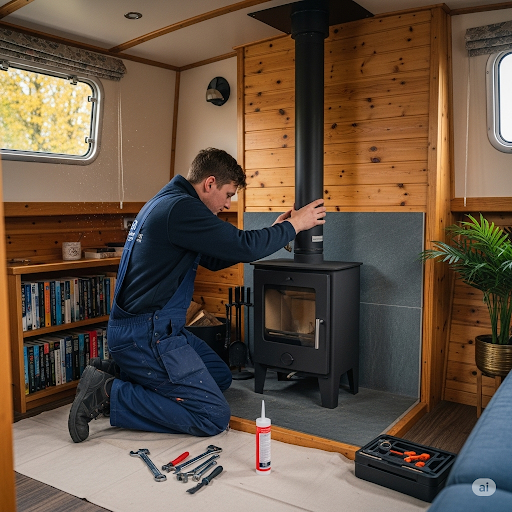
    A boat backboiler system is a delicate dance between fire, water, and ventilation. This all happens within the snug confines of a boat. Therefore, professional installation isn’t just a good idea—it’s absolutely critical for your safety.

    Trying to fit a backboiler yourself introduces serious risks. Our certified engineers are trained to spot and eliminate these dangers. We manage the entire job from the start. For example, we begin with a proper assessment and a tailored system design.

    Our Proven and Safe Installation Process

    Our reputation is built on trust. That trust comes from a solid commitment to safety, efficiency, and expert work. We don’t just connect pipes; we engineer a complete heating solution. Our engineers ensure that every single part works in perfect harmony.

    The marine environment throws up unique challenges. These demand specialist knowledge. Our OFTEC and Gas Safe registered engineers live and breathe these complexities. For instance, we meticulously calculate heat loads and ensure enough ventilation. We also seamlessly link the new system with your boat’s existing plumbing and 12V electrics.

    Our approach always covers several critical factors:

    • Bespoke System Design: First, we figure out the right size of boat backboiler and stove for your vessel. This prevents the system from underperforming or dangerously overheating.

    • Safety Compliance: Every installation we carry out strictly follows the Boat Safety Scheme (BSS) requirements. Consequently, this gives you confidence that your system is both safe and legal.

    • Component Integration: We make sure the stove, backboiler, and pipework are all compatible. They are fitted exactly to the manufacturer’s specifications for the best performance.

    Choosing our professional service means choosing a system where every detail has been expertly handled. It leaves you free to simply relax and enjoy the reliable warmth without a single worry.

    The Dangers of an Improperly Fitted System

    The fallout from a badly installed boat backboiler can be devastating. An incorrect flue installation, for example, can lead to a deadly build-up of carbon monoxide. Similarly, dodgy pipework can lead to leaks or even a catastrophic system failure.

    These are not risks worth taking. Our certified engineers have years of hands-on experience and are fully insured. They protect both you and your boat. We’ve seen firsthand the messes that can result from amateur installations. Ultimately, our job is to make sure that never happens on your boat.

    The actual work needs a professional hand. You can read our article on how to install a boat stove to understand the complexity. This guide makes it clear why certified expertise is so important.

    Trust the Experts for Total Peace of Mind

    Our promise is simple. We provide a safe, efficient, and reliable heating system. From helping you choose the perfect stove to the final safety checks, we are your trusted partner. By entrusting your installation to us, you’re making the only sensible choice.

    Gravity Fed vs Fully Pumped Boat Backboiler Systems

    When you’re thinking about a backboiler, one big decision is the system type. You can choose a gravity-fed or a fully pumped system. Getting this choice right is crucial, as it affects your heating efficiency.

    Let’s break down the two main options in simple terms.

    A gravity-fed system is a beautiful piece of simple physics. It has no moving parts and relies on a basic principle: hot water rises. As your stove’s backboiler heats the water, it becomes less dense. Then, it naturally travels upwards towards a high point.

    This upward flow creates a vacuum effect. It pulls cooler water from the bottom of your radiators back to the stove. It’s a slow, steady, and completely natural circulation loop.

    The Beauty of Gravity-Fed Systems

    The biggest win for a gravity-fed system is its total independence. It works its magic without any pumps, relying solely on natural convection.

    • Ultimate Reliability: With no pumps to break down, these systems are incredibly dependable.

    • Silent Operation: The circulation is virtually noiseless, adding to the peace of life on the cut.

    • Off-Grid Perfection: Since it uses zero electricity, it’s ideal for boaters who want to be self-sufficient.

    Of course, that simplicity comes with a few trade-offs. Gravity-fed systems are only suited to straightforward radiator layouts. For this system to work, the pipe runs must be just right. This is why our engineers will always carry out a careful assessment. They see if this wonderfully simple method is a practical fit for your narrowboat.

    The image below gives you a clear idea of expected performance gains. It shows how our expertise translates into real-world benefits for you.

    Performance Gains Infographic
    #image_title

    As you can see, a professionally specified system makes a real difference. It delivers significant improvements in fuel savings and heat output.

    The Power of Fully Pumped Systems

    A fully pumped system, on the other hand, adds a small 12V circulation pump. Instead of waiting for physics, this pump actively shoves hot water around the system.

    This single addition opens up a world of flexibility. The pump gives our engineers the freedom to design much more complex heating circuits. Consequently, it is the go-to solution for larger vessels like Dutch barges. That extra push ensures every single radiator gets properly hot.

    Our qualified engineers will analyse your specific vessel to design the most effective system. Indeed, this expert analysis ensures you get a solution that is powerful and perfectly balanced.

    Key benefits of choosing a fully pumped system include:

    • Faster Heat-Up Times: The active circulation gets your radiators and hot water up to temperature much more quickly.

    • Greater Layout Flexibility: We can design systems for longer boats or more complicated pipe runs.

    • Even heat distribution: These systems ensure consistent warmth throughout your space, providing uniform comfort.

    The pump does need a small amount of 12V power. However, the models we fit are incredibly efficient. They draw very little from your boat’s battery bank.

    Comparing Gravity-Fed and Pumped Boat Backboiler Systems

    To help you see the differences, we’ve put together a simple comparison table. This breaks down the key features of both systems. So, you can better understand which one might be right for your boat.

    Feature

    Gravity-Fed (Thermosyphon) System

    Fully Pumped System

    Power Needs

    Requires no electricity to operate.

    Requires a small 12V supply for the circulation pump.

    Reliability

    Extremely reliable due to having no moving parts.

    Very reliable, but the pump is a component that could eventually fail.

    Noise Level

    Virtually silent operation.

    Very quiet.

    Heat-Up Speed

    Slow and steady; takes longer to warm the system.

    Much faster to heat radiators and hot water.

    Installation

    Requires very precise pipework with specific gradients.

    More forgiving and flexible with pipe layout.

    Best For

    Shorter narrowboats with simple, compact radiator layouts.

    Longer boats, complex layouts, and those wanting faster heating.

    Ultimately, there’s no “better” system, only the system that’s best for you. This is the core principle of our service. Our team of certified engineers will conduct a thorough assessment of your narrowboat or barge. Based on that analysis, we’ll design and install the perfect backboiler system for your needs.

    Ensuring A Safe And Secure Onboard Environment

    Boat Backboiler Servicing

    Your safety on the water is our absolute priority. There’s nothing more reassuring than a warm stove on a cold evening. A professionally installed stove and boat backboiler system is a safe way to heat your vessel. The system’s safety hinges entirely on the quality of the installation. This is where our experience becomes your peace of mind.

    We don’t believe in listing off hazards to scare you. Instead, we build your confidence by showing you our robust solutions. For us, peace of mind isn’t an optional extra; it’s the whole point.

    Our Commitment To BSS Compliance

    The Boat Safety Scheme (BSS) sets the benchmark for safety on UK inland waterways. We treat its guidelines as our absolute minimum requirement. Every system we put together is designed to meet these crucial standards. It’s about creating an environment where you can truly relax.

    Our OFTEC and Gas Safe registered engineers ensure every component is correctly fitted. For example, we make certain all flue systems are installed with the proper clearances. Ventilation is also perfectly calculated for your specific appliance. This is a vital step in preventing the build-up of harmful gases.

    When you choose us, you’re investing in a system where every safety detail is professionally handled. Therefore, you can enjoy your stove’s warmth, knowing the installation is completely secure.

    Non-Negotiable Safety Features for Boat Backboilers

    When it comes to safety, we don’t cut corners. Certain protective measures are non-negotiable. These are the fundamental elements that protect you and your boat.

    Key components of our safety-first approach include:

    • Strategic Carbon Monoxide (CO) Alarms: We install alarms in the precise location specified by BSS guidelines. This gives you the earliest possible warning of an issue.

    • Correct Ventilation: Proper airflow is critical. Our engineers calculate and install the exact amount of fixed ventilation needed. This ensures your stove operates safely and efficiently.

    • Secure Fuel Storage: Whether you use solid fuel or diesel, we ensure full compliance with all safe storage guidelines. This helps to minimise any potential fire risk.

    Creating A Secure Environment

    A safe system is about more than just the stove itself. We carefully inspect the proposed location. We also make sure the hearth and surfaces provide adequate heat protection, and every material used is up to the job.

    Ultimately, our goal is to create an onboard environment where you feel completely secure. If you’re concerned about an existing setup, you can learn more. Read our guide on if your boat stove is safe to use. By choosing our service, all that’s left for you to do is light the fire.

    Maintaining Your System for Peak Performance

    To get years of warmth from your boat backboiler, professional maintenance is essential. This isn’t something to tackle yourself. Instead, think of us as your long-term partner. We are here to keep your boat warm, safe, and comfortable.

    Our qualified engineers are here to protect your investment. This ongoing care guarantees the longevity and peak performance of your heating system. It goes well beyond the initial installation.

    Professional Flue Sweeping

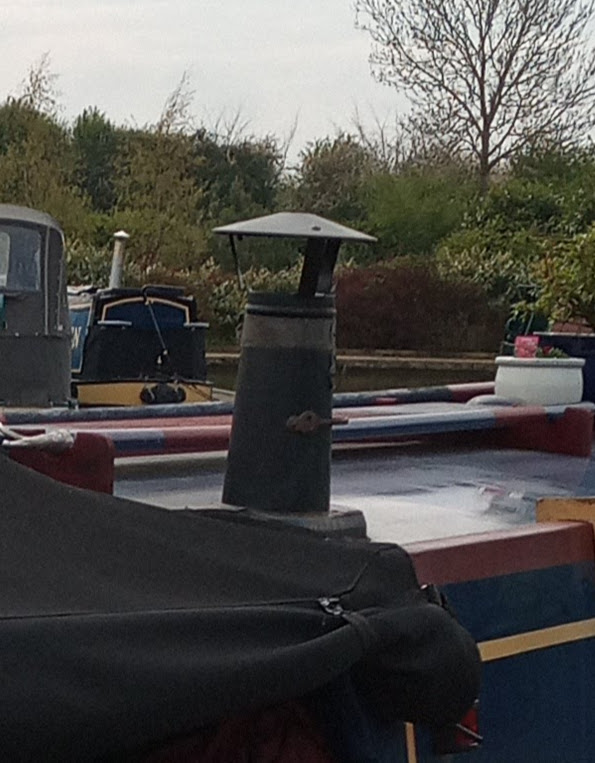
    One of the most critical maintenance jobs is getting the flue swept professionally. As you burn solid fuel, a sticky substance called creosote builds up inside the flue. This stuff isn’t just corrosive; it’s also highly flammable. Letting it build up creates a serious fire risk.

    Our engineers use specialised tools to give the flue system a thorough clean. This removes those dangerous deposits. It also makes sure waste gases can escape freely and safely. It’s a simple service that’s a must for any boater with a solid fuel stove.

    Comprehensive System Health Checks

    Our annual servicing packages are incredibly thorough. We don’t just give the flue a quick sweep. In addition, we carry out a complete health check of your entire boat backboiler system. It’s a meticulous process where our technicians inspect and test every component.

    Our comprehensive checks include:

    • Leak Inspection: We carefully examine all pipework and joints for any sign of weeping or leaks. Catching these early prevents water damage and pressure loss.

    • Pump and Valve Testing: For pumped systems, we test the 12V circulation pump to ensure it’s running efficiently. We also inspect all the safety valves.

    • System Pressure Checks: We’ll verify that the system is holding the correct pressure. This is vital for transferring heat efficiently.

    Think of our annual service as an MOT for your boat’s heating system. Indeed, it’s a professional inspection that identifies potential issues before they become serious problems. This saves you from costly repairs and unexpected cold nights.

    This level of professional care ensures every part of the system works together properly. Whether you have a solid fuel stove or run on diesel, upkeep is paramount. For those with diesel appliances, learn more in our guide on servicing diesel-burning appliances on boats.

    By entrusting your maintenance to our engineers, you invest in reliability and safety. We have the expertise and tools to keep your system running perfectly. This leaves you to simply enjoy the consistent warmth and hot water your boat backboiler provides.

    Frequently Asked Questions

    When people think about a new heating system, the same questions tend to pop up. We’ve gathered some of the most common ones we hear from our clients. We hope to give you the clear answers you need to make the right choice.

    How Much Hot Water Can a Boat Backboiler Produce?

    The simple answer is: it depends. The amount of hot water you’ll get hinges on a few things. These include the stove’s heat output and the backboiler’s size. For this reason, professional specification is so important.

    A properly designed boat backboiler system can easily run multiple radiators. Our certified engineers can install a system that provides all the hot water you need. When we have our initial chat, we take the time to figure out exactly what you need.

    Are Backboiler Systems Expensive to Run?

    This is where backboilers really shine. Generally, the running costs are very low. Think about it: you’re already running your solid fuel stove for warmth. The hot water is just a brilliant, efficient bonus. In short, you’re getting two jobs done with one fire.

    Solid fuel is often much cheaper than running a diesel or gas heater. This is especially true for those living aboard who have the stove on daily. We also help you pick a highly efficient stove from our hand-picked range.

    Can a Backboiler Be Fitted to My Existing Stove?

    We get asked this a lot. However, this question needs a very cautious answer. Trying to retrofit a backboiler into a stove not designed for one is dangerous. A standard stove just isn’t built to cope with the stress of a water jacket.

    Sticking a backboiler into a standard stove can invalidate warranties. It can also create a serious risk of fire or explosion. We strongly advise against it. Our approach is to supply and install a complete, certified system. This is the only way to guarantee both safety and efficiency.

    What if My Boat Is Too Small for Radiators?

    Even on the most compact narrowboats, a backboiler system can make a world of difference. If you don’t have room for a full radiator circuit, the backboiler can be set up differently. It can focus purely on heating your domestic hot water.

    This setup means you’ll have plenty of hot water for washing up and showers. All of it is generated by your stove. It’s a fantastic way to add a huge amount of comfort. Our engineers are experts at designing systems that fit perfectly, no matter the boat’s layout.


    For quotes and bookings, call or email us here.

  • How to Winterise Your Boat | Professional Services for UK Narrowboats

    How to Winterise Your Boat | Professional Services for UK Narrowboats

    As the UK’s canals and inland waterways quieten for winter, the question of ‘how to winterise a boat’ becomes paramount for every narrowboat and barge owner. The dropping temperatures pose a significant threat to your vessel’s engine, plumbing, heating systems, and overall structural integrity. A single oversight can lead to disastrous and costly consequences, such as a cracked engine block from frozen water, burst pipes, or a failed heating system when you need it most.

    Protecting your investment requires professional expertise and specialised equipment. At Marine Heating Solutions, our Gas Safe and OFTEC-certified engineers specialise in safeguarding your narrowboat or barge, ensuring it’s not just stored, but professionally preserved for the season ahead. This guide highlights the professional-grade care your vessel needs and showcases the services and products we offer to provide complete peace of mind. If your boat is being moved to a hardstanding, it’s also worth reviewing the key considerations for long-term vehicle storage to ensure every aspect of the process is covered. Let’s examine what our professional winterisation service entails.


    For quotes and bookings, call or email us here.

    1. Ensure Your Heating System is Winter-Ready

    The single most critical step in preparing your narrowboat for the cold months is ensuring your heating system is robust, reliable, and ready for the demands of winter. A functional heater is not just about comfort; it’s a crucial defence against damp, condensation, and the potentially catastrophic damage that freezing temperatures can inflict on your vessel’s plumbing and internal structures. Neglecting this system is a risk no boat owner should take.

    Attempting to service complex diesel or solid fuel heating systems can often lead to bigger problems, invalidating warranties, or even creating safety hazards. This is why a professional inspection and service from our qualified team is paramount. We highly recommend doing this during the summer months, when the heating system is less likely to be in use. We also have more appointments available outside of the heating season.

    Why Our Professional Servicing is Essential

    Before the first frost, it’s vital to have your heating system professionally serviced by qualified engineers. Our team at Marine Heating Solutions holds Gas Safe and OFTEC qualifications, ensuring we are certified to work on a wide range of marine heating appliances, from LPG systems to diesel-fired boilers.

    This professional service goes far beyond a simple visual check. Our engineers will:

    • Inspect and Clean Burners: We thoroughly clean the burner assembly, removing soot and carbon build-up that can lead to inefficient burning, unpleasant smells, and potential carbon monoxide risks.
    • Test Safety Cut-outs: We meticulously test all safety mechanisms, including overheat sensors and flame failure devices, to ensure they function correctly and protect you and your vessel.
    • Check Fuel Lines and Filters: We inspect all fuel lines for signs of perishing or leaks and replace fuel filters to guarantee a clean, uninterrupted supply to the boiler.
    • Analyse Flue and Exhaust: A clean and unobstructed flue is essential for safety and efficiency. We check for blockages and ensure the exhaust system is sealed and secure.
    • Test Antifreeze: The condition and concentration of antifreeze coolants are an important and often overlooked part of a healthy boat heating system. Our engineers test and adjust, or if necessary, replace this during servicing or winterisation.

    Key Insight: A professionally serviced heater not only ensures reliability through winter but also operates more efficiently, consuming less fuel and reducing your running costs. This preventative measure is an investment in both your comfort and your wallet.

    Upgrade for Ultimate Winter Comfort with Our Premium Brands

    If your current heating system is ageing or struggling to cope, consider an upgrade before the next winter. Modern diesel heaters from leading brands like Webasto, Eberspacher, and Wallas offer incredible efficiency, quiet operation, and smart controls.

    At Marine Heating Solutions, we specialise in supplying and installing these top-tier systems. We can assess your boat’s specific needs and recommend a system that provides consistent, reliable heat, whether you’re a weekend cruiser or a full-time liveaboard. Imagine waking up on a frosty morning to a pre-warmed cabin, all managed via a timer or a tap on an app. A powerful, modern heating system is the cornerstone of a successful boat winterisation strategy.

    2. Professional Fuel System Stabilisation

    After securing your heating, the next crucial step is to protect your engine’s fuel system. Modern fuels can degrade surprisingly quickly, leading to frustrating and costly engine problems come springtime. This is why professional fuel stabilisation is a fundamental part of a proper winter layup.

    Why Professional Fuel Management is Critical

    Ensuring the correct type and amount of stabiliser is used and circulated properly is key to its success. Our experienced engineers at Marine Heating Solutions understand the specific challenges posed by modern fuels in the marine environment of UK narrowboats and barges.

    Our professional fuel stabilisation service includes:

    • Correct Stabiliser Application: We use high-quality, marine-grade fuel stabilisers designed to combat the effects of ethanol and prevent phase separation. We’ll add the precise amount for your tank size.
    • Full System Circulation: We run the engine for the required duration to ensure the treated fuel circulates through the entire system, protecting the tank, fuel lines, filters, and injectors.
    • Fuel Filter Inspection and Replacement: The winterisation process is the ideal time to inspect and replace your fuel-water separator filter. We can fit a new, high-quality filter to prevent any existing contaminants from causing issues next season.
    • Tank Assessment: We check your fuel tank to ensure it’s nearly full. A full tank minimises air space, reducing the potential for condensation to form and introduce water into your fuel.

    Key Insight: A professionally managed fuel system not only guarantees a smoother start in the spring but also protects expensive engine components from long-term damage caused by corrosion and gumming. It’s a small investment to protect the heart of your boat.

    Servicing Your Broader Fuel Systems

    Winter is also an excellent time to assess all fuel systems on board, including the LPG system for your cooking appliances. Hoses and regulators for LPG systems have a limited lifespan and can degrade over time, posing a significant safety risk.

    At Marine Heating Solutions, our Gas Safe registered engineers can conduct a thorough inspection of your LPG installation, checking for leaks and ensuring all components are within their service date. We can advise on and carry out the replacement of outdated or perished parts. You can learn more about when your LPG regulator and hose last changed. Integrating this check into your winter schedule ensures your entire vessel is safe and compliant.

    3. Professional Fresh Water System Winterisation

    Alongside the engine, your boat’s fresh water system is one of the most vulnerable areas to the destructive force of freezing temperatures. Water left in tanks, pipes, pumps, and taps will expand when it freezes, leading to burst pipes and cracked components. Proper winterisation of this system is a non-negotiable task to prevent costly repairs.

    Winterise Boat Plumbing

    Ensuring every last drop of water is removed from low points and complex pipework is challenging without professional equipment. A professional approach is the only way to guarantee complete protection.

    Why Professional Plumbing Winterisation is Crucial

    Entrusting your boat’s plumbing to our qualified engineers ensures a thorough and effective winterisation process. We use specialised techniques and equipment to safeguard every component of your fresh water system.

    A professional winterisation service from Marine Heating Solutions includes:

    • Complete System Drainage: We meticulously drain the entire system, including the fresh water tank, calorifier (hot water tank), and all associated pipework.
    • Pump and Filter Protection: We ensure the water pump is fully drained and protected, and we manage water filters, which can easily crack if left in place.
    • Antifreeze Application (If Required): Where necessary, we will introduce a non-toxic, marine-grade propylene glycol antifreeze to protect pumps and other critical components.

    Key Insight: A professionally winterized plumbing system avoids the catastrophic damage of burst pipes, which can lead not only to plumbing repairs but also to significant water damage to your boat’s interior, joinery, and electrics.

    Servicing and Upgrading Your Water System

    Winter provides the perfect opportunity to service or upgrade your water system components. We work with leading marine brands like Shurflo, Jabsco, and Whale to provide high-quality pumps and plumbing fixtures.

    Our expertise isn’t limited to heating; we offer comprehensive plumbing services. Whether it’s servicing your existing water pump for better pressure, replacing tired taps, or installing a more efficient calorifier, our team can handle it. Explore our complete plumbing and heating services for your boat to see how we can enhance your vessel’s water systems.

    4. Expert Battery Maintenance and Storage

    Your boat’s electrical system is its heart, and the batteries are the pulse. Low winter temperatures dramatically reduce a battery’s capacity and can cause permanent damage if it’s left in a discharged state. Professional battery maintenance is essential to safeguard its functions.

    Managing complex battery banks without the right knowledge can be hazardous. Entrusting this task to our professionals ensures your power source is protected throughout the layup period and ready to perform reliably when the new season begins.

    Why Professional Battery Care is Crucial

    Before you moor up for the winter, it’s essential to have your batteries and charging systems professionally assessed. Our engineers are proficient in all aspects of marine electrical systems, ensuring your power setup is correctly prepared for the cold.

    Our professional winterisation service for your batteries includes:

    • Thorough Cleaning and Inspection: We meticulously clean battery terminals and connections, removing corrosive build-up that impedes charging and check for any signs of casing damage or leaks.
    • Testing and Charging: We test the state of charge and overall health of each battery. We then use professional-grade smart chargers to bring the entire bank to a full 100% charge, the only safe state for winter storage.
    • System Checks: We inspect all associated wiring and connections for security and integrity to ensure reliable electrical contact.
    • Storage Recommendations: We provide expert advice on the best course of action, whether that’s leaving the batteries aboard with a smart trickle charger or arranging for removal and safe storage.

    Key Insight: A fully charged battery is a protected battery. The electrolyte in a discharged battery can freeze, cracking the casing and destroying it. Our service ensures your batteries enter winter at maximum charge, providing the best possible defence.

    Upgrading Your Charging and Power Systems

    Winter is an ideal time to assess and upgrade your boat’s charging capabilities. Modern smart chargers from leading manufacturers like Victron Energy provide multi-stage charging profiles tailored to your specific battery chemistry.

    At Marine Heating Solutions, we specialise in designing and installing robust power systems. We can supply and fit intelligent battery monitors and advanced chargers that automatically maintain your batteries at the perfect voltage, extending their life and ensuring peak performance. Investing in a modern charging system from us is a cornerstone of a comprehensive boat winterisation plan.

    Winterising Essentials Comparison Table

    ServiceProfessional Action 🔄Equipment We Use ⚡Expected Outcomes 📊Ideal For 💡Key Advantages ⭐
    Engine WinterizationDrain, flush, and circulate marine antifreezeProfessional pumps, correct antifreeze mixFuel System StabilisationAll boats in freezing climates, especially narrowboatsProtects your most valuable asset from costly damage
    Add stabiliser, circulate through the systemFresh Water System WinterisationMarine-grade stabilisers, biocidesPrevents fuel degradation, clogs, and corrosionBoats stored long-term on UK inland waterwaysEnsures reliable startup and protects injectors
    Clean terminals, test, fully charge, and advise storageDrain all lines, blow out with compressed airAir compressors, non-toxic antifreezePrevents burst pipes and damaged pumps/fixturesAll boats with onboard water systemsAvoids extensive water damage to the interior and electrical
    Battery Maintenance and StoragePrevents UV damage, corrosion, and moisture damageProfessional smart chargers, battery testersExtends battery life, ensures reliable startupAll boats with lead-acid or AGM batteriesPrevents permanent freeze damage to batteries

    Sail into Spring with Confidence: Trust the Experts at Marine Heating Solutions

    This guide has highlighted one undeniable truth: meticulous, professional preparation is the key to a stress-free spring launch. Winterisation is not a chore; it is an essential act of preservation, safeguarding your narrowboat, barge, or cruiser against the harsh UK winter. From your engine and fuel system to the vital networks of plumbing and electrics, each area requires expert attention.

    Neglecting these procedures is a near guarantee of costly, frustrating, and time-consuming repairs. A cracked engine block, a corroded fuel tank, or burst pipes can ruin your first trip of the season. This guide has laid out the ‘what’ and the ‘why’, but the ‘how’ is where our professional expertise becomes invaluable.

    The True Value of Professional Winterisation

    Executing a flawless winterisation requires specialised knowledge, tools, and experience, especially within the unique environment of the UK’s inland waterways. This is where relying on our certified professionals is a strategic investment.

    Consider the complexities involved:

    • Engine & Fuel Systems: We ensure every drop of water is expelled and the correct antifreeze concentration is achieved with precision. We stabilise your fuel system to prevent microbial growth and ensure your engine fires up perfectly in the spring.
    • Heating & Plumbing: Your onboard heating is your lifeline. We service these systems for both comfort and safety. For instance, our expert knowledge of boiler safety valve maintenance is critical to prevent dangerous pressure build-ups and ensure a safe start-up next season.
    • Electrical & Battery Care: Our professional service involves testing, cleaning terminals, and ensuring a proper trickle charge setup to preserve battery life and prevent the damaging effects of a slow winter drain.

    Key Takeaway: Our professional winterization is a holistic assessment and service performed by certified engineers who understand the interconnectedness of your boat’s systems, ensuring nothing is overlooked.

    At Marine Heating Solutions, our team lives and breathes inland waterway marine engineering. We are Gas Safe, OFTEC, and BSS-certified specialists who understand the specific challenges faced by narrowboat and barge owners. We recognise that your vessel is your home or your cherished retreat, and we treat it with the respect it deserves. Our comprehensive service includes expert advice on upgrades, from installing a new, efficient diesel heater to a classic solid fuel stove. Choosing our services means choosing peace of mind, knowing that every component has been professionally prepared for the cold.


    For quotes and bookings, call or email us here.
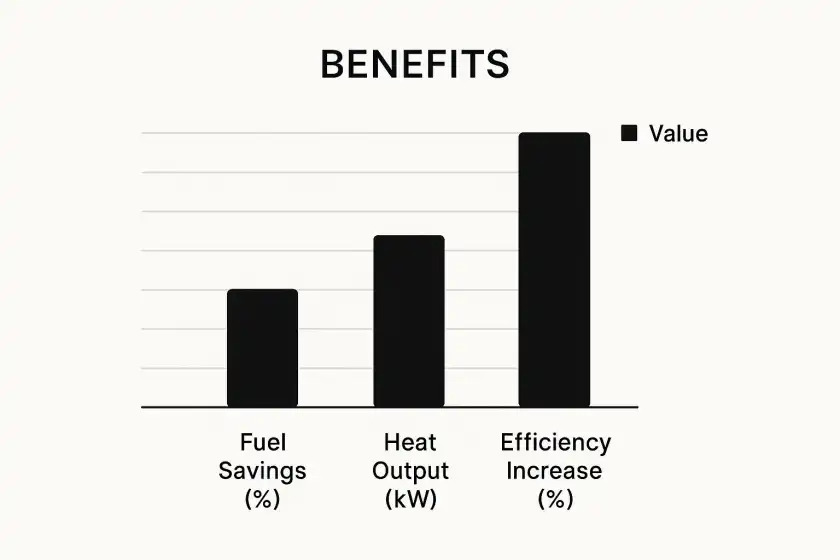

  • Top Diesel Heater for Boats | Warmth & Comfort on Water

    Top Diesel Heater for Boats | Warmth & Comfort on Water

    If you’re cruising the UK’s beautiful but often chilly network of canals and rivers, you know that a reliable diesel heater for boats isn’t a luxury—it’s essential. For countless narrowboat, barge, and canal boat owners, a professionally installed diesel heater is the undisputed champion of warmth. It’s the key to turning your boat into a proper home on the water, no matter what the British weather throws at you.

    This guide is built on our direct, hands-on experience at Marine Heating Solutions. We specialise in supplying and fitting these vital systems, focusing squarely on the needs of the inland waterways community. We live and breathe the unique challenges of life afloat. From battling condensation to making sure every piece of kit is safe, efficient, and up to the job.

    Warm Boat Cabin with Diesel Heater

    Why Trust Our Expertise?

    Getting the right heating system and having it installed correctly is one of the most critical decisions you’ll make for your boat. A poorly chosen heater or a shoddy installation can lead to more than just inefficiency and breakdowns. It can pose serious safety risks. Our entire business is built around making sure that never happens.

    We aren’t just box-shifters. We’re qualified marine engineers with years of practical experience. Here’s what we bring to the table:

    • Expert Consultation: We’ll help you pick the perfect heater from our carefully selected range. This includes matching it to your boat’s layout and how you actually use it.

    • Professional Installation: Our certified technicians handle every install to the highest safety and performance standards, from the fuel lines right through to the exhaust.

    • Dedicated Servicing: We’re here for the long haul, offering comprehensive maintenance and repair services. Our technicians will keep your system running perfectly for years.

    Choosing us is an investment in your peace of mind. Our qualifications and commitment to quality mean your heating system won’t just be effective, it’ll be completely safe. You can simply relax and enjoy your time on the water, worry-free.

    This guide will walk you through everything you need to consider. It shows you almost every brand of high-quality diesel heater for boats we sell and explains why professional workmanship is so important. You’ve come to the right place for dependable heating and expert advice tailored for the UK’s unique boating world.

    Why a Diesel Heater is the Right Choice for Your Boat

    Picking a heating system is one of the biggest decisions you’ll make for your life afloat. This is especially true on the UK’s inland waterways, where a damp chill can feel like a constant companion. When you need proper, reliable warmth, you can truly count on us. A professionally fitted diesel heater for boats is the undisputed gold standard for narrowboat and barge owners.

    This isn’t just about feeling comfortable; it’s about keeping your boat a healthy, dry place to live. A good diesel system does more than just warm the air. It actively pushes out the dampness that causes condensation, mildew, and that cold-to-the-bone feeling. The powerful, dry heat they produce is something other methods just can’t match, turning your cabin into a cosy sanctuary, even in the depths of winter.

    The Clear Advantages of Diesel Heating

    One of the best reasons to go for a diesel heater is its incredible fuel efficiency. These systems are designed to sip fuel, not guzzle it. They are a very cost-effective way to stay warm, whether you’re a weekend cruiser or a full-time liveaboard. The convenience factor is another huge plus for anyone with a diesel engine.

    You can simply tap into your main red diesel tank, which means no extra fuel cans to store or faff about with. This really simplifies life on board, freeing up precious space and cutting down on hassle.

    At its core, a diesel heater provides true “fit and forget” performance. Once our specialists have it installed, you simply set the thermostat to your desired temperature. The system then takes care of the rest, giving you consistent, reliable heat whenever you need it.

    This reliability is exactly why these heaters are so popular in the UK boating community. In fact, diesel heaters have become the go-to heating solution, particularly for liveaboards and winter cruisers. User surveys from UK boating forums in recent years show that over 65% of liveaboard owners use a diesel heater as their primary system. These heaters typically burn a tiny 0.1 to 0.4 litres of fuel per hour, delivering serious warmth without emptying your tank. You can read more about their popularity and find expert insights on Yachting World.

    Superior Performance and Quiet Operation

    Gone are the days of noisy, clunky heaters. The modern units we fit from top brands are engineered to be whisper-quiet. Our professional installation methods go even further, minimising any sound or vibration so your peace and quiet is never disturbed.

    When you invest in a quality system with us, you’re getting more than just a heater; you’re getting a complete climate control solution for your boat. The advanced thermostatic controls maintain your chosen temperature with precision, so you avoid the stuffy overheating or sudden chills you often get with lesser systems.

    Of course, the appliance itself is only half the story. The real-world performance hinges entirely on the quality of the installation. Our certified engineers make sure every single part, from the fuel lines to the crucial exhaust system, is fitted to the highest safety and performance standards. We stock and install a range of premium units to suit every boat and budget; for example, you can see some of our most popular systems by checking out our selection of Webasto diesel heaters. This professional approach guarantees you get all the benefits a diesel heater has to offer: unmatched safety, exceptional reliability, and powerful, efficient warmth.

    Selecting The Perfect Diesel Heater From Our Range

    Choosing the right heater for your boat is one of the most important decisions you’ll make for your life afloat. It’s not just about raw power output; it’s about matching an appliance to your specific boat and, just as importantly, your lifestyle. At Marine Heating Solutions, we don’t just shift boxes. We provide proper consultations to make sure you get the perfect fit. Our specialists look at every detail, from the physical characteristics of your boat to how you actually plan to use it.

    Think of it as a partnership. We take the time to really understand your needs, because the ideal diesel heater for boats is different for everyone. A weekender in a compact narrowboat has completely different requirements from a liveaboard family on a spacious wide-beam.

    How We Find The Right Heater For You

    When we advise you, we go way beyond the basic specs on a data sheet. Our goal is to get the full picture of your life on the water.

    Some of the key things we’ll discuss are:

    • Boat Length and Cabin Volume: The overall size of your interior space is the obvious starting point. A heater that’s too small will constantly struggle to keep up, while an oversized unit will cycle on and off all the time, which is inefficient and causes unnecessary wear and tear.

    • Insulation Quality: How well is your boat insulated? A modern, well-insulated narrowboat holds its heat far better than an older vessel with minimal insulation.

    • Your Usage Patterns: Are you a full-time liveaboard who needs constant warmth through the depths of winter, or do you take occasional weekend trips in milder weather? Your use case determines not just the heater’s power but also what you should expect in terms of fuel efficiency.

    • Layout and Ducting: The internal layout of your boat has a huge impact on how heat gets distributed. We’ll help plan the best spot for the heater itself and the route for the warm air ducting.

    We’re firm believers that a successful installation starts with a thorough chat. By carefully looking at these factors, we can confidently recommend a heater that won’t just work, but will work perfectly for your specific boat, giving you maximum comfort and efficiency.

    To give you an idea of how usage affects fuel consumption, this little graphic illustrates a key consideration.

    Diesel Heater For Boats Infographic

    As you can see, it’s common sense that extended use, like on longer voyages, is naturally going to demand a higher fuel burn to keep things comfortable throughout the boat.

    A Quick Look At Our Heater Range

    We’ve hand-picked a range of heaters from top manufacturers known for their reliability and performance in the tough marine environment. Every model we stock has been chosen to meet the specific needs of the UK’s inland waterways community.

    For instance, for a well-insulated 40-50ft narrowboat used for regular cruising, a compact 2kW air heater is often the sweet spot. It offers a great balance of heat output and incredibly low fuel consumption, sipping as little as 0.1 litres of diesel per hour on its lowest setting. These units are famously quiet and provide a steady stream of dry, warm air, perfect for tackling that classic canal boat dampness.

    On the other hand, if you’re on a larger vessel like a 60ft+ wide-beam or a Dutch barge, your heating needs are in a different league. For these boats, we’d be looking at a more powerful 4kW or even a 5kW system. These beefier heaters are designed to push warm air through longer and more complex ducting runs, ensuring even a large, open-plan saloon stays toasty warm.

    Matching Our Heaters to Your Boat

    To make things a bit clearer, we’ve put together this simple table. It’s a quick guide to help you see which of our heater models might be the right starting point for your boat, based on common narrowboat sizes and how you use them.

    Heater Model (Our Product)

    Ideal For Boat Size

    Standout Feature

    Primary Use Case

    2kW Air Heater

    Up to 50ft Narrowboat

    Ultra-low fuel use

    Weekend cruising, occasional liveaboards

    4kW Air Heater

    50-70ft Narrow/Wide-beam

    Powerful heat output

    Full-time liveaboards, larger boats

    5kW+ Liquid Heater

    60ft+ Wide-beams/Barges

    Heats water & radiators

    Large vessels, complex layouts

    Of course, this is just a starting point. The best way to know for sure is to have a proper chat with us about your specific setup.

    We are proud to stock and install systems that have proven their worth time and time again on the water. To see some of the excellent models we work with, feel free to explore our range of Autoterm diesel heaters, which are celebrated for their solid reliability and easy-to-use controls.

    Our commitment is simple: to match the right appliance to your circumstances, acting as your expert advisors. We only supply and fit top-quality, dependable marine heating systems that we would be happy to use on our own boats.

    Why Professional Installation of a Diesel Heater for Boats is Non-Negotiable

    Once you’ve picked out the perfect diesel heater from our range, you’re at the most critical step of all: the installation. A professional installation is vital for the safety, performance, and longevity of your new system.

    A diesel heater for boats isn’t like a simple household appliance. It’s a complex bit of kit that brings together fuel, combustion, and electrics, all within the unique and often harsh environment of a boat.

    Getting this wrong can have devastating consequences. A poorly fitted exhaust can leak deadly carbon monoxide into your living space. An improperly secured fuel line is a major fire risk, and dodgy wiring can cause the whole system to fail just when you need it most. This isn’t scaremongering; it’s about having a healthy respect for the technology and ensuring you’re safe on the water. It’s precisely why our business is built around providing expert, certified installation services.

    Easy Boat Heater Installation

    Our Meticulous Installation Process of Diesel Heater for Boats

    When you choose us to fit your heater, what you’re really investing in is peace of mind. Our engineers aren’t just handy technicians; they are fully qualified, OFTEC-certified specialists. With years of hands-on experience working on narrowboats and barges all across the UK’s waterways, they know exactly what they’re doing. We work to the strictest safety standards, following a meticulous process that leaves no stone unturned.

    Our installation service guarantees:

    • Correct Heater Placement: We’ll find the ideal spot for the unit. This means making sure it’s secure, shielded from moisture, and has the best possible airflow for both the combustion intake and the warm air you’ll be enjoying.

    • Safe Exhaust Routing: The exhaust flue is one of the most critical parts. We make sure it’s routed safely, well clear of any combustible materials, perfectly sealed, and finished with a high-quality, marine-grade skin fitting.

    • Secure Fuel Connections: Our engineers will professionally tap into your main diesel tank. We use the correct fuel lines and filters to ensure you have a reliable, leak-free supply.

    • Precise Electrical Wiring: From the control panel to the fuel pump and the main power feed, every wire is run neatly and secured properly. This protects the connections from the constant vibration and damp that’s part of life on a boat.

    A professional installation is the difference between a heater that simply works and a heating system that works flawlessly, quietly, and safely for years. Our workmanship is our guarantee to you that every aspect has been handled with expert care.

    The Benefits of Expert Workmanship

    The value of having a certified professional handle your installation goes way beyond just the safety aspect. An expertly fitted system will be much more efficient, burning fuel cleanly and pumping out the maximum amount of heat.

    It will also run more quietly. We take great care to minimise any vibration from the fuel pump and the main unit itself. This attention to detail is what gives you that quiet, reliable warmth you paid for.

    The growing popularity of these systems is a testament to their efficiency. In fact, market trends show the European diesel heater for boats sector is set to grow at a 4% compound rate annually. This is partly because modern heaters are so much better on fuel; efficiency improvements have cut fuel use by around 15% since 2015, making them a fantastic choice for long-term cruising on the canals. You can discover more about these mobile heating market trends to see just how the technology is moving forward.

    By trusting us with your installation, you’re making sure your boat is fitted with a system that is not only powerful and efficient but also fully compliant with all the relevant safety standards. It gives you complete confidence every time you switch it on, leaving you free to relax and enjoy the cosy comfort of your boat, no matter what the weather is doing outside.

    Ensuring Long-Term Reliability with Expert Servicing

    Your diesel heater is a pretty significant investment in the comfort and safety of your boat. Like any bit of hard-working machinery, it needs regular, expert attention to keep it performing reliably for years to come. This is where professional servicing comes in—it’s not just a quick clean-up, but a full health check that protects your system, keeps it efficient, and gives you complete peace of mind.

    Ignoring the small warning signs is often where the real problems start. Getting a professional service for your diesel heater for boats is crucial if you notice any changes in how it runs. These are often the first clues of bigger issues brewing just beneath the surface.

    Telltale Signs Your Heater Needs a Service

    It’s important to spot when your heater is asking for a bit of help. Catching these signs early and calling in an expert can stop a minor niggle from turning into a major, inconvenient breakdown.

    Key indicators to watch for include:

    • Difficult or Failed Start-ups: If the heater struggles to fire up or fails to start at all, it’s a clear signal that something is wrong. This often points to an issue with the glow pin or fuel delivery.

    • Smoky Exhaust: A properly running heater should have a clean, almost invisible exhaust. Any white or black smoke means there’s incomplete combustion, which can lead to soot build-up and make it less efficient.

    • A Drop in Heat Output: Is the air from the vents not as warm as it used to be? This could mean the burn chamber is coked up and needs a professional clean.

    • Unusual Noises or Smells: Any new clunking, whirring, or strange smells during operation should be checked out immediately by a professional to ensure safety and prevent further damage.

    Think of a regular service as preventative medicine for your heating system. It’s far better to have our qualified engineers sort out a small issue during a scheduled visit than to be left without heat on a freezing winter’s night.

    This proactive approach is becoming more common across the UK’s inland waterways. As regulations evolve and boat owners look for greater reliability, the demand for professional maintenance and modern systems is definitely on the rise. In fact, anecdotal evidence from UK boatyards suggests a 30% increase in diesel heater retrofits or replacements with newer, more efficient models over the last five years. This highlights a clear trend towards valuing long-term performance and efficiency, which expert servicing directly supports.

    Our Comprehensive Servicing Procedure for Diesel Heaters for Boats

    When you book a service with us, you’re getting the full attention of a certified marine heating engineer. We don’t cut corners. Our process is thorough and designed to get every diesel heater for boats back to peak condition, making sure it runs cleanly, efficiently, and safely.

    A typical service from our team involves several key steps:

    1. Full System Inspection: We start by looking over the entire installation, checking that all components are secure, from the heater unit itself to the ducting and electrical connections.

    2. Burn Chamber Decoke: We carefully dismantle the unit to get to the burn chamber and heat exchanger, meticulously removing all carbon and soot build-up (decoking). This is absolutely essential for restoring full heat output and efficiency.

    3. Glow Pin and Atomiser Screen Check: The glow pin is vital for ignition. We inspect it for wear and test it, replacing it if needed. We also replace the atomiser screen, a small but critical part for proper fuel vaporisation.

    4. Fuel System Verification: Our engineers check and clean all fuel filters and inspect the fuel lines for any signs of wear and tear, ensuring a clean and steady fuel supply.

    5. Exhaust System Integrity Check: We thoroughly inspect the entire exhaust system for any leaks or blockages. This is a critical safety check to prevent any carbon monoxide getting into the boat.

    Our commitment goes far beyond the initial sale and installation. We want to be your long-term partners in keeping your vessel warm and comfortable. You can explore the full details by reading our guide on servicing diesel-burning appliances on boats. Entrusting us with your servicing means your heater is in the hands of qualified experts who are dedicated to maintaining the highest standards of performance and safety on the water.

    Your Trusted Partner for Onboard Heating Solutions

    Choosing the right diesel heater for boats is a big decision, one that can transform your life on the UK’s inland waterways. Throughout this guide, we’ve walked through the clear benefits of these systems, from their impressive fuel efficiency to the dry, powerful warmth they deliver. Now it’s time to bring it all together with a service you can actually rely on. That’s where we come in.

    Onboard Safety

    Our entire business is built around the narrowboat and canal boat community. We aren’t just another supplier. We are fully qualified, OFTEC-certified marine engineers who live and breathe the unique demands of life afloat. From helping you select the perfect heater to carrying out a meticulous installation and providing ongoing expert servicing, we offer a complete, end-to-end solution.

    Our Commitment to Your Comfort and Safety

    We firmly believe your onboard heating should be a source of comfort, not a cause for concern. Our promise is to ensure your system is installed and maintained to the highest possible standards, giving you complete peace of mind. We handle every detail with professional care, guaranteeing your heater operates safely, quietly, and as efficiently as possible.

    This dedication to quality is what sets us apart. We provide:

    • Expert Advice: We’ll help you pick the right heater for your specific boat, budget, and lifestyle.

    • Certified Installations: Our engineers make sure every fitting is safe, secure, and built to last against the rigours of the marine environment.

    • Reliable Maintenance: We offer professional servicing to keep your system in peak condition for years to come.

    Investing in a quality heating system installed by seasoned professionals is invaluable. It’s the confidence that comes from knowing your boat will be a warm, welcoming home, no matter what the British weather throws at you.

    Let us be your trusted partner in this important upgrade. We invite you to contact our friendly team for a no-obligation chat about your heating needs. We’re here to answer your questions and provide the expert guidance needed to turn your boat into the cosy sanctuary you deserve. Your comfort and safety on the water are always our highest priorities.

    Frequently Asked Questions About Diesel Heaters For Boats

    As specialists in marine heating, we get a lot of questions from narrowboat and barge owners looking to invest in some reliable warmth. Here are some of the most common queries we hear, with straightforward answers based on our years of hands-on experience fitting and servicing these systems. Our aim is to give you the confidence you need to make the right choice for your vessel.

    How Much Fuel Does a Narrowboat Diesel Heater Use?

    This is always a top concern, but the answer is usually much less than people think. The high-quality, modern units we supply and install are incredibly efficient. A typical 2kW diesel heater, which is perfect for most narrowboats, will sip as little as 0.1 to 0.2 litres of red diesel per hour while running.

    That means you can enjoy hours of powerful, continuous heat for a minimal cost. It’s this efficiency that makes diesel heaters such an economical solution for both weekend cruisers and full-time liveaboards, and why they’re the go-to heating method on the UK’s inland waterways.

    Are Diesel Heaters Noisy on a Boat?

    Another common worry is noise. We’re happy to report that the days of loud, clunky heaters are long gone. The models we install are specifically designed for quiet operation, producing little more than a gentle hum.

    The real key to a whisper-quiet system isn’t just the heater itself, but the quality of the installation. Our certified engineers are experts at minimising any residual noise and vibration. We do this by using the correct mounting hardware and properly insulating the fuel pump to stop any annoying ticking sounds.

    How Long Does a Professional Installation Take?

    We know you want your new heating system up and running with as little disruption as possible. For a standard installation of a diesel heater for boats on a typical narrowboat, our qualified engineers can usually get the entire job done within one or two days. This efficient service means you can enjoy a warm, cosy cabin almost immediately.

    Can the Heater Use My Main Engine Fuel Tank?

    Yes, in almost all cases, this is the standard and most convenient setup. Our technicians are highly skilled at safely and professionally connecting your new heater directly to your boat’s main diesel tank. This clever setup eliminates the need for a separate, bulky fuel container, saving you precious space and hassle.

    This is just one part of the comprehensive installation process we follow. To get a better feel for how these systems work and integrate into your boat, you can find more detail in our full guide to understanding boat diesel heaters. Our professional approach guarantees a safe, reliable, and neatly integrated fuel supply.


    Ready to experience consistent, reliable warmth on your boat? For expert advice and professional installation of the best diesel heaters on the market, trust Marine Heating Solutions.


    For quotes and bookings, call or email us here.
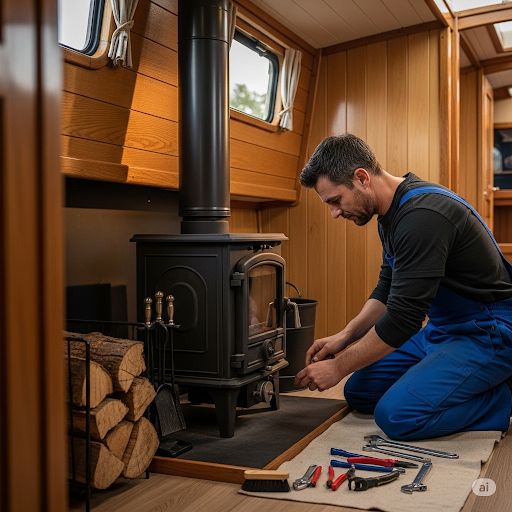
  • Webasto Heater Repair for Your Boat

    A properly functioning heater on your boat is not just about comfort—it’s essential for your safety and the preservation of your vessel. Ensuring your Webasto diesel heater is reliable during cold journeys provides peace of mind. It also plays a crucial role in protecting your investment. By entrusting us with your Webasto heater repair and maintenance, you can ensure your boat remains in top condition without the hassle of DIY repairs.

    The Importance of Professional Webasto Heater Repair

    Webasto Heater Repair - Common Issues

    Understanding the significance of a well-maintained heater can change your outlook on its care. Instead of viewing repairs as a burden, consider them a necessary step in safeguarding your boat. Our professional services offer the assurance that your heater will function optimally, allowing you to enjoy boating with confidence.

    We’ve heard the stories—or perhaps you’ve experienced them: a heater failure can quickly turn a pleasant autumn sail into an uncomfortable, potentially damaging situation for your boat. Avoid such scenarios by relying on our expertise to keep your heater in prime condition.

    More Than Just Comfort

    A consistently warm and dry environment is your best defence against moisture-related damage. Without a reliable heater, condensation can lead to mould and mildew, which not only produce unpleasant odours but can also damage upholstery and woodwork. These issues pose health risks and diminish your boat’s value.

    Additionally, a dependable heater extends your boating season. Instead of halting your adventures in late autumn, continue enjoying the beauty of the water well into the colder months. This ensures you get the most out of your investment.

    Protecting Your Boat’s Value

    A heater in good working order is a direct investment in your boat’s value. Potential buyers are more likely to be interested in a vessel that is free of moisture-related damage and equipped with a functioning heating system.

    A faulty heater is more than an inconvenience; it can lead to expensive repairs. We once encountered a narrowboat owner who ignored heater issues, resulting in a costly repair for mildew damage. Let us help you avoid such expenses with our timely and cost-effective repair services.

    In the UK, Webasto heater repair costs can range from £200 to £500. By choosing our service, you can save significantly while ensuring your heater’s reliability. We find that over 60% of heater problems arise from common fuel and electrical faults, which our skilled technicians can efficiently resolve.

    Understanding Webasto Heater Faults and Error Codes

    Your Webasto heater communicates issues through error codes. Recognising these signals helps in diagnosing problems efficiently. Our team is adept at interpreting these codes, turning potential wild goose chases into straightforward solutions.

    When a fault occurs, the heater’s electronic control unit (ECU) logs an error and displays signals. These codes point directly to issues like fuel supply problems or electrical faults. Our expertise in decoding these messages is a valuable asset in maintaining your heater’s performance.

    Deciphering Flashing Lights

    If your heater uses a rotary controller, error signals appear as flashing lights. Knowing how to interpret these can help quickly identify the problem. For example, five flashes followed by a pause indicate Fault Code F05, while ten flashes signal Fault Code F10. Each code corresponds to a specific issue.

    Pro Tip: Never rush to clear a fault code. It’s a record of what the heater experienced. Make a note of the code first—it’s crucial for accurate diagnosis.

    To assist you, we’ve created a quick reference guide for common error codes.

    For those with digital controllers, errors are displayed directly on the screen, like “T12” or “H94”. Our team is skilled in resolving such issues, ensuring your system functions smoothly.

    Our systematic approach to error codes helps pinpoint underlying causes efficiently, saving you time and effort. Trust our expertise to handle the complexities of your Webasto heater.

    Why Choose Us for Your Webasto Heater Service

    Webasto Heater Maintenance Tips

    Attempting to repair a heater without the proper tools and expertise can lead to complications. Our professional service ensures your heater is maintained correctly, avoiding damage to delicate parts and ensuring safety.

    Our technicians are equipped with the right tools and follow strict safety protocols, ensuring a successful repair every time. We prioritise your safety and the longevity of your heater, so you can focus on enjoying your time on the water.

    If you’re considering a replacement or an additional unit, consider exploring Autoterm diesel heaters, which are also popular in the marine community.

    Maintaining Your Webasto Heater for Reliability

    Regular maintenance is key to keeping your Webasto heater in optimal condition. Our services include thorough checks and cleaning to prevent common faults and ensure reliable performance.

    By scheduling regular maintenance with us, you can enjoy peace of mind knowing your heater is in expert hands. Avoid unexpected breakdowns and costly repairs by relying on our professional services.

    If you have questions about your Webasto heater or need assistance, our team is here to help. We offer comprehensive support and guidance to ensure your heater remains a reliable part of your boating experience. For insights on other popular heating options, check out our guide on Eberspacher diesel heaters.


    For quotes and bookings, call or email us here.
  • Best Heaters for Boats UK Warmth and Safety Guide

    Picking the right heater for your boat isn’t just a small upgrade; it’s what turns a seasonal hobby into a year-round passion, especially with the UK’s notoriously fickle weather. The main contenders are diesel, LPG, solid fuel, and electric systems. The best one for you really boils down to your boat’s specific setup, your power situation, and how you actually use your vessel. This guide will walk you through finding the perfect setup for warm, safe, and comfortable boating, no matter what the weather throws at you.


    For quotes and bookings, call 07846 274 926 or email marineheatingsolutions@gmail.com


    Why Choosing The Right Boat Heater Matters

    Let’s be honest, navigating chilly UK waters often calls for more than an extra jumper. A decent heating system is a cornerstone of safety and comfort, and it’s your best defence against the damp and mould that can plague any boat. Think of it less like a luxury item and more like a core part of your vessel’s kit. It’s what transforms your boat into a warm, dry sanctuary you can escape to, whatever the season.

    This isn’t just a nice-to-have anymore; it’s becoming a key consideration for many UK boaters. The market for specialised boat heating equipment is growing steadily, driven by more and more people wanting to get the most out of their boats all year. If you’re interested in the numbers, you can read more about the UK heating equipment market’s projected growth on Mordor Intelligence.

    Understanding Your Primary Options

    Making a smart choice starts with knowing the main players. Each type of heater has its own personality—its own quirks, ideal uses, and installation needs.

    • Diesel Heaters: Easily the most popular choice. They’re efficient, can often tap right into your main fuel tank, and they produce a very dry heat, which is brilliant for fighting off condensation.
    • LPG (Gas) Heaters: These are prized for being quiet and convenient, particularly if you’re already set up with gas for cooking. As you’d expect, safety is absolutely paramount with these systems.
    • Solid Fuel Stoves: The traditional heart of a narrowboat. Nothing beats the unique, radiant warmth and cosy glow of a real fire.
    • Hybrid Gas/Electric Heaters: A straightforward solution with plug-and-play functionality when connected to shore power in a marina. When out on the water, the gas option ensures battery conservation.

    At-a-Glance Comparison of Boat Heater Types

    This table is a quick reference to see how the main heating options stack up against each other on the most important factors.

    Heater TypePrimary FuelTypical Running CostBest For
    Diesel Air/Water HeaterDieselLow to MediumLiveaboards and frequent cruisers needing reliable, dry heat.
    LPG (Gas) HeaterPropane/ButaneMediumWeekend boaters or those needing quiet, on-demand heating.
    Solid Fuel StoveWood, Coal, BriquettesLow (can be very cheap)Narrowboats and traditional vessels looking for a cosy, off-grid heat source.
    Electric HeaterMains ElectricityHigh (on batteries) / Low (on shore power)Marina-based boats with constant access to shore power.

    Ultimately, the ‘best’ heater is the one that fits your boat and your lifestyle like a glove. Whether you prioritise low running costs, ease of use, or that unbeatable feeling of a real fire, we have a solution that’s right for you.

    Autoterm 9D Diesel Air Heater 8KW

    When considering modern heating options for boats, one popular and effective choice is the forced air diesel heater. This system functions similarly to a car’s heating system and is widely used by liveaboards and cruisers.

    These heaters operate on a simple principle: they draw in cool cabin air, pass it over a heated element powered by a small amount of diesel, and then distribute the warm, dry air through ducting around the boat. This process is efficient and reliable.

    However, it’s crucial to be aware of the risks associated with unbranded Chinese heaters. These units may not meet European safety standards, potentially posing hazards such as fire risks or carbon monoxide leaks. Investing in a well-branded heater that complies with strict safety regulations ensures not only effective heating but also peace of mind while aboard.

    The Power of Dry Heat

    One of the biggest wins with a forced air diesel heater is the type of heat it creates. Unlike some methods that can actually add moisture to the air, these systems actively dry it out. On a boat, where you’re in a constant battle against damp, condensation, and that musty smell that follows, this is an absolute game-changer.

    Waking up on a cold, misty morning to find the windows streaming with condensation is a familiar sight for any boater. A forced air heater tackles this head-on, circulating warm, dry air that lifts moisture from surfaces and the atmosphere itself. This makes for a far healthier and more comfortable living space, protecting both your boat’s interior and your own well-being.

    By installing a reliable diesel heater, boaters can transform their vessel into a year-round retreat. It opens up the colder months for peaceful cruising, letting you enjoy quiet anchorages without the drone of a generator. This single upgrade makes autumn trips and even winter stays not just possible, but genuinely pleasant.

    Fuel Efficiency and Convenience

    Another huge reason they’re so common is their incredible fuel efficiency. These heaters are remarkably frugal, sipping fuel directly from your boat’s main diesel tank. A typical unit might only use 0.1 to 0.2 litres of fuel per hour on a low setting, making them unbelievably cheap to run for long periods.

    You really can’t overstate the convenience of this setup. There’s no need to lug separate fuel canisters about or worry about managing another fuel source. For any diesel-powered boat, the integration is seamless and just makes sense. It’s a self-contained system providing powerful, reliable heat without complicating your fuel logistics. If you’re exploring this efficient solution, checking out the range of Autoterm diesel heaters is a great starting point to see what different models can do.

    A Balanced View: Noise and Power

    Of course, no system is perfect, and it’s important to look at the whole picture. Forced air heaters aren’t completely silent. You’ll hear the gentle hum of the circulation fan and the quiet, rhythmic ticking of the fuel pump. While modern units from top brands like Wallas or Eberspächer are designed to be extremely quiet, you still need to think carefully about where you install them to minimize noise in sleeping areas. Air duct silencers can help reduce fan noise.

    They also need a bit of electrical power to run the fan, fuel pump, and control unit. While the draw is modest—typically 1 to 3 amps once up and running—it is a constant drain on your 12V or 24V battery bank. For anyone planning to spend long periods off-grid, this power consumption has to be factored into your overall energy budget. You need to be sure your charging systems, like solar panels or the engine alternator, can keep up.

    Still, for most boaters, the benefits massively outweigh these minor points. The ability to quickly and efficiently warm the entire boat with dry, comfortable air makes forced air diesel heaters the go-to choice for creating a proper home on the water, whatever the weather is doing outside. They give you the confidence to cast off the lines on a crisp autumn day, knowing a warm and inviting cabin is waiting for you when you get back.

    Diesel Liquid Heaters for Central Heating and Hot Water

    Diesel liquid heaters also present an effective solution by providing central heating and hot water through a calorifier. These systems function by heating water, which is then circulated through radiators, ensuring an even warmth distribution throughout the vessel. Additionally, they connect to a calorifier, utilising the heated water to provide hot water for showers and the galley.

    This setup not only ensures comfort but also adds convenience for life aboard, making it an efficient heating solution for those living on vessels. Diesel liquid heaters are favoured for their ability to maintain a consistent and reliable heat source.

    The diesel liquid heater has been a game-changer for our onboard comfort, offering dependable warmth and hot water even in the coldest conditions.

    LPG Gas Heaters For Convenience and Safety

    For boaters who put a premium on quiet operation and heat on demand, LPG (Liquefied Petroleum Gas) heaters are a seriously compelling option. Many boats, from weekend cruisers to liveaboard narrowboats, already have an LPG system running for the galley stove. This makes adding an LPG heater a natural and convenient extension of a fuel supply you already manage, saving you the hassle of a separate fuel tank.

    The real draw, though, is how clean-burning and quiet they are. Unlike diesel heaters with their distinctive pump and fan noise, many LPG models run in complete silence. It’s an unobtrusive, peaceful warmth that’s hard to beat, and they deliver it almost instantly, taking the chill off a cabin on a cold morning in minutes.

    Forced Air LPG Heaters and Hybrid AC Electric/LPG Heaters

    When exploring LPG heaters, you’ll notice various options that cater to different heating needs.

    • Forced Air Heaters: These operate similarly to diesel heaters, utilizing a fan to distribute warm air throughout the boat using ducting systems. They are ideal for achieving consistent heating in larger or multi-cabin boats, effectively circulating air, though the fan does produce some noise.
    • Hybrid AC Electric/LPG Forced Air Heaters: These systems combine the benefits of LPG and electric power, offering flexibility and efficiency. They can switch between LPG and electric modes depending on availability and preference, ensuring warmth is maintained efficiently.

    The choice between these systems depends on the size of your boat and your preference for air circulation. While boat heaters are a niche market in the UK, they are an essential part of the commercial and domestic heating industry, valued at over USD 110 billion. The UK’s cooler climate and growing interest in boating drive the demand for dependable cabin heating solutions. For more information on trends in the heating sector, visit gminsights.com.

    The Non-Negotiable Priority: Safety

    While the convenience of LPG is fantastic, it comes with a critical responsibility. LPG is heavier than air. This means any leak, no matter how small, will cause the gas to sink and collect in the lowest part of your boat—the bilges—creating a serious risk of explosion. Because of this, safety can’t just be on the checklist; it has to be the absolute foundation of your entire LPG installation.

    Any installation involving gas on a boat must be treated with the utmost seriousness. There is no room for error. A properly installed and maintained system is perfectly safe, but a poorly fitted one is an accident waiting to happen. Always prioritise professional, certified installation over cost-cutting.

    This brings us to the safety components that aren’t optional extras. They are absolute, must-have requirements for any vessel with an LPG system onboard.

    Core Safety Components for LPG Systems

    To use gas safely on your boat, your setup has to meet strict standards. These three elements are fundamental:

    1. Gas-Safe Locker: Your LPG bottles must be stored in a dedicated, self-contained locker that is completely sealed off from the boat’s interior.
    2. Drop Vents: This locker must have a “drop vent” or drain right at its lowest point that leads directly overboard. This ensures that if a leak happens inside the locker, the heavy gas drains safely out of the boat instead of pooling dangerously in the bilge.
    3. Carbon Monoxide (CO) Alarms: LPG combustion can produce deadly, odourless carbon monoxide. A working alarm isn’t just a good idea; it’s essential. Installing a reliable marine carbon monoxide detector is one of the most critical safety steps you can take on a boat with any gas appliance.

    When you combine these measures with a professional installation by a Gas Safe registered engineer who is qualified for marine work, LPG becomes a wonderfully convenient and safe heating choice. Without them, the risks are simply too great to take.

    Solid Fuel Stoves: The Traditional Heart of the Boat

    Bubble 4B Solid Fuel Boat Stove

    There’s a certain magic to a solid fuel stove that other boat heaters just can’t match. It’s far more than just a heating appliance; it’s the living, breathing heart of a vessel, especially on traditional narrowboats and classic yachts. Imagine coming back to your cabin after a long day cruising a misty canal, the air crisp and cold, only to be met by the deep, radiant warmth and comforting flicker of real flames.

    This isn’t push-button, instant heat. It’s a deliberate, hands-on process that really connects you to your surroundings. The gentle crackle of wood or the steady hum of burning coal becomes the soothing soundtrack to your evening. This unique, all-encompassing warmth radiates through the cabin, drying damp clothes and warming chilled hands in a way forced air never could.

    The Lifestyle and Practicalities of Solid Fuel

    Choosing a solid fuel stove means you’re embracing a particular lifestyle. It takes a bit of planning and some physical effort, but the rewards are considerable. Your main fuel choices are seasoned hardwood and smokeless coal, and each has its own character.

    Wood gives you a livelier flame and is brilliant for a quick, roaring fire to take the chill off. Coal, on the other hand, delivers a long, slow, and incredibly hot burn—perfect for keeping the cabin toasty through a cold winter’s night. Many boaters actually use a combination, enjoying the flames of wood before banking the fire with coal to keep it going for hours.

    Living this lifestyle involves a few key things to think about:

    • Fuel Sourcing: You’ll need to find and store your fuel. This usually means buying seasoned logs or bags of coal from canalside suppliers, marinas, or local merchants.
    • Storage Space: Fuel takes up room. You must have a dedicated, dry spot on your boat—often on the roof or in a bow locker—to keep your supply safe from the weather.
    • Fire Management: Learning to build, maintain, and control your fire is a real skill. It involves managing airflow to get the most efficient burn and knowing how to keep it going safely overnight.

    A solid fuel stove gives you true off-grid independence. With a good stock of fuel, you have powerful, reliable heat that needs no electricity and is completely separate from your engine or battery bank. It is the ultimate self-sufficient heating solution.

    Installation: The Foundation of Safety

    The charm of having a real fire on board comes with an absolute duty of care. An improper installation isn’t just a risk; it’s a profound danger. Unlike other heaters, the high temperatures involved demand a completely uncompromising approach to safety.

    There are three pillars to a safe solid fuel stove installation, and none of them are negotiable.

    1. A Heat-Resistant Hearth: The stove has to sit on a non-combustible base, like stone tile or a thick steel plate. This hearth must stick out far enough around the stove to catch any stray embers that might pop out when you open the door.
    2. Safe Clearances: Intense heat radiates from the stove in all directions. It must be fitted with a safe air gap between the unit and any nearby combustible materials, like wooden bulkheads or furniture. Heat shields are often used to protect these surfaces.
    3. A Properly Fitted Flue: The flue (or chimney) is critical. It must be a twin-wall insulated flue where it passes through the deck or roof to stop heat from transferring to the boat’s structure. It also needs a collar to make sure it’s completely watertight and a cap to keep the rain out.

    Ongoing Maintenance for Reliable Warmth

    Living with a solid fuel stove means committing to regular maintenance, but it’s a simple and rewarding routine. The main jobs are sweeping the flue and emptying the ash pan. Soot and creosote can build up in the flue, which reduces efficiency and creates a fire risk, so it needs cleaning with a flue brush at least once a year.

    The ash pan will need emptying daily when the stove is in heavy use. This simple ritual is just part of the rhythm of life with a real fire. This hands-on approach is what makes these boat heaters so special. For those looking at compact yet powerful stoves, perfect for a marine environment, exploring the different models of Salamander Stoves can provide great inspiration for what’s possible in a smaller space.

    Diesel Stoves: Efficient Heating for Boats

    When considering heating options for your boat, diesel stoves like Refleks or Bubble are excellent choices. These stoves are specifically designed for marine environments and offer several advantages:

    • No Power Supply Required: These stoves can function without a power source, making them suitable for remote areas where electricity is unavailable.
    • Consistent Heat Source: Diesel stoves deliver a steady and reliable heat source, providing comfort even in cold climates.
    • Ease of Use: Featuring straightforward controls, these stoves are user-friendly, allowing for simple temperature adjustment.
    • Cleaner Operation: These stoves don’t require handling ash, resulting in less dust settling in the cabin.
    • Convenience: There is no need to carry or store wood and coal, simplifying fuel management.

    Having a diesel stove on board is like having a dependable friend to keep you warm on the coldest nights.

    Choosing a diesel stove for your boat ensures you have a reliable heating solution that doesn’t rely on an external power source. Consider this option for efficient and hassle-free warmth during your maritime adventures.

    Electric Heaters: Marina Convenience vs. Off-Grid Challenges

    Electric heaters are convenient when moored in a marina, where access to shore power makes them easy to use. They are clean, portable, and effective for warming a boat without the need for complex installations. Common choices include oil-filled radiators, fan heaters, and tube heaters, each offering specific benefits for maintaining comfort on board.

    However, using electric heaters off-grid is not advisable due to the high power demands that can quickly deplete a boat’s battery bank. Boats typically have less insulation than houses, making electric heaters particularly inefficient and costly compared to alternatives like diesel heaters, even if you are plugged into shore power. For off-grid heating, fuel-burning systems are more practical and efficient, ensuring warmth without draining your resources.

    Essential Installation and Maintenance Practices

    Boat Heater Installation and Maintenance - Safety First

    Choosing the right heater for your boat is only half the battle. A flawless installation and diligent maintenance are what truly guarantee years of safe, reliable warmth. While we always recommend a professional fitting, understanding the core principles empowers you to oversee the work and properly care for your system down the line.

    Think of installation not as a one-off task, but as laying the very foundation for your boat’s safety and comfort. Getting it right from day one prevents countless future headaches and, more importantly, hazards. The universal principles of a safe install apply whether you have a diesel, LPG, or solid fuel system.

    The Cornerstones of a Safe Installation

    Every fuel-burning heater, regardless of type, produces exhaust gases that absolutely must be removed from your living space. This is the most critical aspect of any installation, and there is simply no room for compromise.

    Two elements are paramount here: the fuel supply and the exhaust system. Fuel lines for diesel or LPG heaters must be correctly routed, secured against vibration, and free from any potential chafe points. The connections must be leak-proof and installed by a competent person—for gas, this means a Gas Safe registered engineer qualified for marine work.

    Equally important is the exhaust flue. It has to be sealed tightly, routed correctly to prevent water from getting in, and fitted with the proper deck fittings to protect your boat’s structure from high temperatures. For a deep dive into the process for solid fuel systems, which have some of the most stringent requirements, our guide on how to install a boat stove provides detailed insights.

    A professional installation is an investment, not an expense. The peace of mind that comes from knowing your fuel and exhaust systems are fitted to the highest safety standards is invaluable. It protects your vessel, your family, and your ability to relax on board.

    Your Regular Maintenance Checklist

    Once your system is up and running, a simple routine of checks will keep it performing safely and efficiently. Regular maintenance isn’t just good practice; it’s a vital part of responsible boat ownership.

    This quick-reference checklist covers the essential tasks you should perform regularly. Think of it as a seasonal health check for your boat’s heating system.

    • Inspect All Fuel Lines: At least twice a year, visually check all fuel lines for any signs of cracking, chafing, or corrosion. Make sure all fittings are tight and secure.
    • Test CO and Smoke Alarms: Test your carbon monoxide and smoke alarms monthly. This is your most important early warning system, so ensure the batteries are fresh and the units are working correctly.
    • Clean the Flue and Exhaust Outlet: Regularly check that the exhaust outlet on the hull or roof is clear of soot, debris, and any other blockages. A blocked exhaust can force dangerous gases back into the cabin. Solid fuel stove flues should be swept on a monthly basis.
    • Service the Heater Annually: Just like a boiler at home, your boat heater will thank you for an annual service by a qualified technician. They’ll clean key components, check the burner, and ensure combustion is clean and efficient.

    By staying on top of these simple but crucial tasks, you ensure your heater remains a reliable source of comfort, not a potential hazard. This proactive approach allows you to enjoy warm, cosy days and nights on the water with complete confidence.

    Common Questions About Boat Heaters

    Even after getting your head around the main types of heaters, you’ll likely still have a few practical questions knocking about. It’s completely normal. This section tackles the most common queries we get from boat owners, giving you clear, straightforward answers to help you lock in your decision with confidence.

    What Size Heater Do I Need For My Boat?

    Choosing the right size, or power output (measured in kilowatts or kW), is absolutely critical. Get it wrong, and you’re in for a world of frustration. An undersized unit will run flat-out and never quite manage to get the boat properly warm, while an oversized one will constantly switch on and off, wasting fuel and causing unnecessary wear and tear.

    A decent rule of thumb to start with is to allow 1kW of heating power for every 3 to 4 metres of boat length. But honestly, that’s just a rough starting point.

    The perfect size for your heater really comes down to your boat’s total internal volume, how good (or bad) your insulation is, and the number of cabins you need to heat. To avoid making a costly mistake, it’s always best to have a chat with a professional who can calculate your specific heating needs properly.

    Can I Install a Boat Heater Myself?

    While some very experienced and technically gifted boat owners do take on the installation themselves, we strongly recommend getting a professional to fit it, especially for diesel and LPG systems. These heaters aren’t just plug-and-play; they involve complex fuel lines, exhaust systems, and electrical wiring where a small mistake can have very serious safety consequences.

    A certified technician will make sure that:

    • Fuel lines are completely secure and meet all safety standards.
    • The exhaust is routed correctly and perfectly sealed, preventing deadly fumes from leaking into your living space.
    • All the electrical connections are safe, sound, and reliable.

    Is It Safe To Leave a Boat Heater On Overnight?

    Yes, absolutely—as long as the system was installed correctly by a competent person and is properly looked after. Modern diesel, LPG, and solid fuel heaters are designed from the ground up for continuous, unattended use, making them perfect for keeping the chill at bay all through a cold night.

    But, this safety hinges entirely on one little box: a carbon monoxide (CO) alarm. No matter what kind of fuel-burning heater you have on board, a working, regularly tested CO alarm is non-negotiable. It’s an essential piece of kit for your safety and your peace of mind.


    For quotes and bookings, call or email us here.
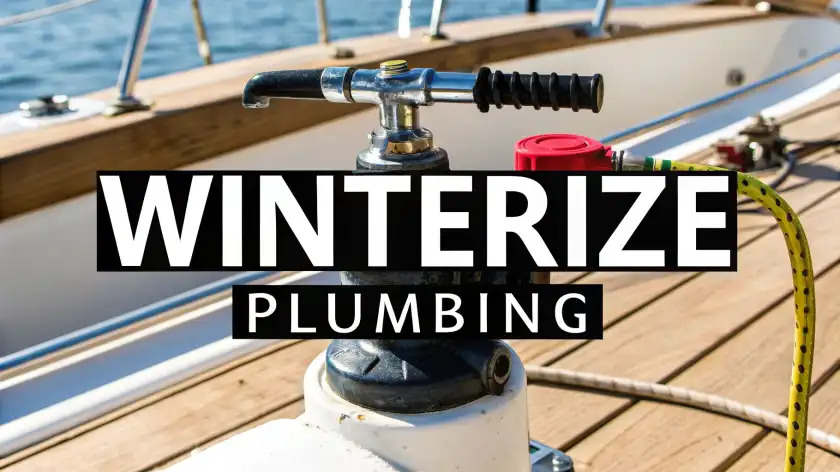

  • Understanding Boat Diesel Heaters: A Comprehensive Guide

    Keeping a boat warm, especially during colder months, is essential for comfort and safety. Diesel heaters, both air and liquid types, offer efficient and reliable solutions for marine environments. This comprehensive guide explores how diesel heaters function. It describes their heat distribution systems, including warm air blower heater matrixes. The guide also covers the role of calorifiers in providing domestic hot water via diesel liquid heater systems.


    For quotes and bookings, call or email us here.


    Diesel Air Heaters

    Autoterm Diesel Air Heater Kit
    Autoterm Diesel Air Heater Kit

    How They Work

    Diesel air heaters are compact units designed to burn diesel fuel to produce heat. A fan and duct system then distributes this heat through the boat’s interior. These heaters are known for their efficiency, simplicity, and relatively straightforward installation.

    Components and Operation

    1. Combustion Chamber: Diesel fuel is ignited in a combustion chamber, which generates heat as the fuel burns.
    2. Heat Exchanger: The heat generated in the combustion chamber warms a heat exchanger. The function of the heat exchanger is to transfer the heat from the combustion process to the air.
    3. Air Circulation: A fan or blower forces air over the heat exchanger. As the air passes over the exchanger, it picks up the heat.
    4. Ductwork: The heated air is then pushed through ducts to different parts of the boat. The ductwork ensures that the warm air is distributed evenly throughout the vessel.

    Advantages of Diesel Air Heaters

    • Quick Heating: Diesel air heaters can quickly warm up space because the heat is immediately distributed.
    • Fuel Efficiency: Modern diesel air heaters are highly efficient, optimizing fuel consumption to provide maximum heat with minimal waste.
    • Compact Size: Diesel air heaters are relatively small. They can be installed in a variety of locations. This makes them versatile options for different boat sizes and layouts.
    • Uncomplicated Set Up: Diesel air heater installations are straightforward and uncomplicated systems compared to central heating. There is no pipework to run. You don’t need to fit radiators. The overall installation process is much simpler. This makes it an efficient choice for heating.

    Considerations for Diesel Air Heaters

    While diesel air heaters have numerous advantages, there are a few considerations to keep in mind:

    • Installation: Proper installation is crucial to ensure optimal performance and safety. This includes venting exhaust gases out of the boat.
    • Maintenance: Regular maintenance is necessary to keep the heater in good working condition. This includes cleaning the combustion chamber and checking the fuel lines.
    • Noise: Some models may produce noise from the fan and combustion process. Selecting a quieter model, like Wallas with ducting silencers, or soundproofing the installation area can help mitigate this issue.
    • No Water Heating: Unlike diesel liquid heaters, air heaters are not suitable for heating domestic hot water on boats.

    Diesel Liquid Heaters

    Eberspacher Liquid Heater for Boats
    Eberspacher Liquid Heater

    How They Work

    Diesel liquid heaters operate by burning diesel fuel to heat a liquid, typically a mixture of water and antifreeze. This heated liquid circulates through a central heating system to provide warmth to the boat’s interior. Diesel liquid heaters are versatile, as they can also be used to heat domestic hot water.

    Components and Operation

    1. Combustion: Diesel fuel is burned in a combustion chamber to heat the liquid within a heat exchanger. The heated liquid is a coolant mixture, usually consisting of water and antifreeze.
    2. Circulation Pump: A pump circulates the heated liquid through pipes and hoses. These are connected to various radiators or blower boxes distributed throughout the boat.
    3. Warm Air Blower Heater Matrixes: Some diesel liquid heating systems include warm air blower boxes or heater matrixes. We will go into more detail about these below.

    Advantages of Diesel Liquid Heaters

    • Even Heat Distribution: Diesel liquid heating systems provide more uniform heat distribution, eliminating hot and cold spots within the boat.
    • Versatility: These heaters can warm the boat’s interior. They also produce domestic hot water via a calorifier. This makes them a multifunctional heating solution. More details on calorifiers can be found towards the bottom of this page.
    • Integration with Engine: Diesel liquid heaters can be integrated with the boat’s engine cooling system. This allows the system to utilize surplus engine heat to heat water.
    • Silent Operation: Diesel liquid heaters are quieter than air heaters, as the heat is transferred through liquid circulation rather than forced air.

    Considerations for Diesel Liquid Heaters

    • Complex Installation: Diesel liquid heaters require more complex installation compared to air heaters. Proper installation includes setting up pipes, pumps, and heat exchangers.
    • Space Requirements: These systems may require more space for components such as pipework and radiators.
    • Maintenance: Regular maintenance is essential to ensure the system operates efficiently. This includes checking for leaks, ensuring the pump is functioning correctly, and replacing the coolant mixture as necessary.

    Warm Air Blower Heater Matrixes

    Warm Air Blower Box Heater Matrix
    Warm Air Blower Box Heater Matrix

    Understanding Warm Air Blower Heater Matrixes

    Warm air blowers and heater matrixes are fitted to systems supplied by diesel liquid heaters. These blowers enhance the heat distribution system by using fans to blow air over a hot liquid-filled heat exchanger. They effectively convert the liquid’s heat into warm air and distribute it throughout the boat.

    Operation

    1. Heated Liquid Supply: The heated liquid from the diesel liquid heater or engine flows through the blower heat exchanger.
    2. Heat Transfer: The heat exchanger, which is designed to maximize the surface area for heat transfer, becomes hot.
    3. Air Circulation: Fans blow air over the heat exchanger, picking up the heat.
    4. Warm Air Distribution: The warm air is then blown directly into the boat’s spaces.

    Advantages and Considerations

    • Enhanced Heat Distribution: Warm air blower heaters improve the overall heat distribution, ensuring that the boat’s interior is evenly warmed.
    • Efficiency: By using the heated liquid efficiently, these blowers contribute to the overall energy efficiency of the heating system.
    • Space Requirement: Integrating blower heater matrixes could require additional space for installation.
    • Quiet Operation: Warm air blower boxes and fan heater matrixes operate much quieter than traditional air heaters. This makes them more suitable for a domestic environment and sleeping cabins

    Calorifiers for Domestic Hot Water

    Calorifer Boat Hot Water Tank
    Calorifer Boat Hot Water Tank

    Function of Calorifiers

    Calorifiers are water heaters. They use heat from a diesel liquid heating system and/or engine. This heat is used to produce domestic hot water. This system uses indirect heating. The heating liquid does not mix with the domestic water. Instead, it transfers heat through a coil inside the calorifier.

    Components and Operation

    1. Heating Coil: The heated liquid from the diesel liquid heater flows through a coil inside the calorifier tank. The coil acts as a heat exchanger.
    2. Indirect Heating: The coil transfers heat to the domestic water stored in the calorifier tank without mixing the two liquids.
    3. Hot Water Supply: The calorifier provides a steady supply of hot water. This is used in showers, sinks, and other domestic applications on the boat.

    Advantages of Calorifiers

    • Efficiency: Using the heat from the existing diesel liquid heating system or engine to produce hot water improves the system’s efficiency. This method enhances the overall efficiency.
    • Reliable Supply: Calorifiers ensure a reliable supply of hot water, improving the comfort and convenience of life onboard. They are usually fitted with a 1kw immersion heater which can be used as a backup.
    • Efficiency: Calorifiers seamlessly integrate with the diesel liquid heating system, maximizing the utility of the heat produced. The integrated immersion heater can heat the water with surplus solar energy in the summer. It can also heat the water when plugged into a shoreline supply.

    Considerations for Calorifiers

    • Space Requirement: Installing a calorifier requires space for the storage tank and additional piping.
    • Professional Installation: The correct installation of calorifiers is crucial to ensure optimal performance and safe operation. If in doubt please contact us for professional advice.

    Summary

    Diesel Air Heaters

    • Pros: Quick installation, rapid heating, independent operation, compact size.
    • Cons: No provision for hot water production and potential noise issues.

    Diesel Liquid Heaters

    • Pros: Even heating and versatile use. Integration with engine cooling systems. Quieter operation because operating noise is kept away from living quarters through installation in the engine bay.
    • Cons: More complex and space-consuming installation, dependency on a correct setup of circulation components, more involved maintenance routines.

    Practical Tips for Boat Owners

    1. Assess Your Needs: Consider the size of your boat and typical weather conditions. Evaluate your specific heating and hot water requirements before choosing a heating system.
    2. Professional Installation: DIY installation is possible. However, hiring a professional ensures that the system is installed correctly. This leads to optimal performance and safety. Webasto and Autoterm offer extended warranties for installation by certified engineers. Contact us for details.
    3. Regular Maintenance: Adhere to regular maintenance schedules to keep the system functioning efficiently. This includes cleaning combustion chambers, checking fuel lines, and inspecting circulation components for leaks.
    4. Noise Considerations: If noise is a concern, choose quieter models or soundproof the areas where the heater is installed.
    5. Space Optimization: Plan the installation to use space efficiently, especially for components like calorifiers and circulation pipes.

    Our Thoughts On Cheap Chinese Diesel Heaters

    Choosing cheap Chinese diesel heaters can lead to significant issues in both safety and reliability. These heaters are often manufactured without adherence to acceptable safety standards, making them a risky option for any domestic environment. The components are typically subpar; thin wires and non-waterproof plugs expose users to potential electrical hazards, breakdowns and fires. Additionally, the pumps and fans used in these systems are prone to frequent breakdowns, leading to inconvenience and costly repairs. These heaters may serve as a temporary heating solution for minimally regulated spaces like garages. However, they lack durability, safety, and consistent performance. This makes them ill-suited for reliable residential use. Investing in higher-quality heating systems is crucial for ensuring safety and dependable warmth, particularly in domestic settings.

    Conclusion

    Choosing the right heating system for your boat is crucial for ensuring safety, comfort, and convenience in cold weather. Diesel air heaters offer quick and direct heating. Diesel liquid heaters provide versatile and quiet operation with even heat distribution. Warm air blower heater matrixes increase the efficiency and reach of liquid heating systems. Calorifiers provide the added advantage of domestic hot water production.

    By understanding the workings, components, and advantages of these systems, boat owners can make informed decisions. This knowledge helps them choose what best meets their needs and conditions. Whether you prioritize rapid heating, quiet operation, or the multifunctional benefits of liquid heating, a diesel heater system will provide warmth. It will keep your boat habitable all year round.


    For quotes and bookings, call or email us here.
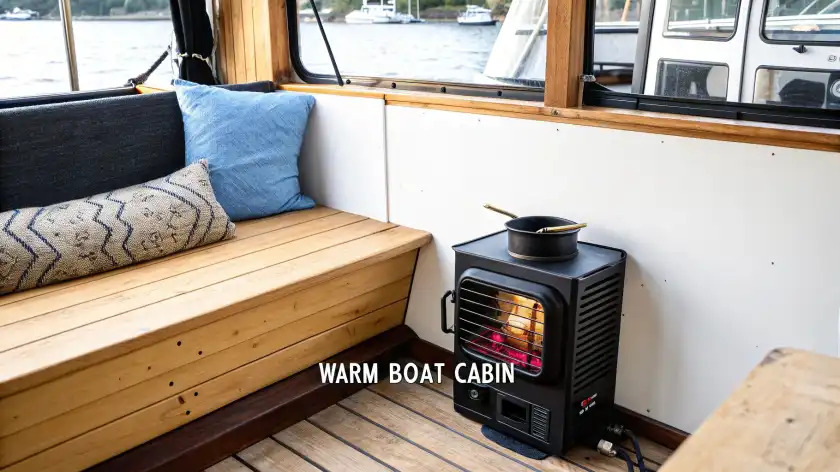

  • Understanding The Importance Of Anti-Downdraft Cowls On Flues For Marine Diesel Stoves

    Introduction:

    In recent years, stricter regulations for solid fuel boat stoves have prompted many boat owners to consider alternative options. One such option are diesel stoves. As a result, we are witnessing an increasing number of diesel stove installations that utilize existing flue parts from the previous solid fuel setups. However, it’s essential to understand that solid fuel flue chimneys and cowls are not necessarily suitable for diesel stoves. In this article, we will explore the reasons behind this incompatibility. We will also discuss the importance of anti-downdraft cowls for marine diesel stoves.


    For quotes and bookings, call or email us here.
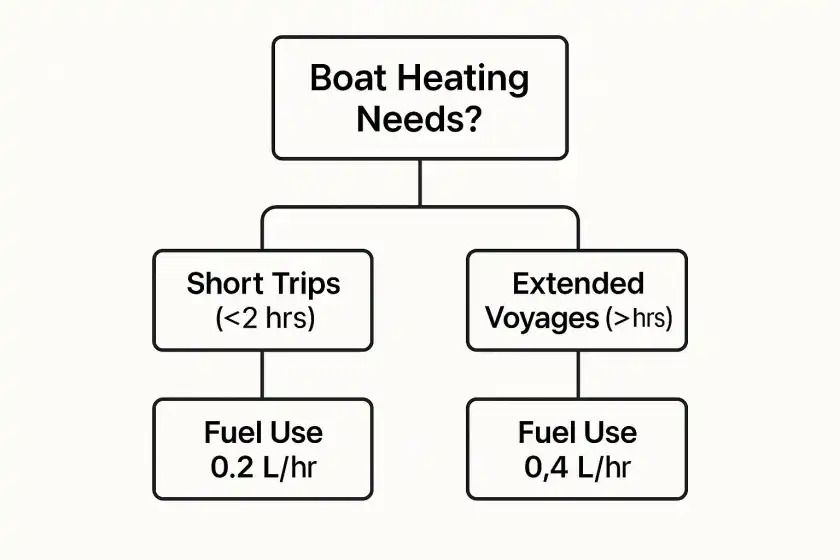

    For more general information on flues for boat stove installations, please read our blog post on The Benefits Of Stainless Steel Twin Wall Insulated Flues.

    A traditional solid fuel stove chimney and cowl

    Regulatory Changes and the Shift to Diesel Stoves

    Due to environmental concerns and new regulations, the use of solid fuel stoves is becoming more restricted in many regions. Smoke-controlled zones are now very common. They still allow DEFRA approved solid fuel boat stoves. However, we are also already hearing of some London boroughs attempting to prohibit all solid fuel boat stoves. They aim to restrict the emitting of any smoke from a boat stove flue.

    One of the alternatives that boat owners often turn to are diesel stoves. These offer an efficient and reliable heating solution while being less polluting and not emitting any visible smoke. However, when installing a diesel stove using the existing solid fuel flue, certain considerations must be taken into account.

    The Differences Between Solid Fuel and Diesel Stoves

    Solid fuel boat stoves typically require a simple flue cowl with a simple hat to keep out rainwater. Such cowls are non-restrictive and encourage the upward flow of combustion gases. Downdraft protection is not necessary for solid fuel boat stoves, as they burn much hotter with an amber bed. Downdraft is therefore less likely to occur, and when it does it does not extinguish the fire.

    On the other hand, marine diesel stoves function differently, requiring downdraft cowls to protect against strong crosswinds. Diesel vapourising burners work with a thin layer of fuel in the bottom of the burner pot. Because the burner pot is hot, it vapourises the fuel. It is this vapour that burns. Without an anti-downdraft cowl fitted, strong crosswinds can enter the flue and easily extinguish the flame. Many marine diesel stoves are not fitted with thermocouples that stop the fuel flow if the flame goes out. If a downdraft extinguishes the flame, fuel will keep flowing into the burner pot. This will eventually cause it to overflow. Then, fuel will enter the cabin, the bilges, etc.

    Understanding Downdraft Cowls for Marine Diesel Stoves

    Downdraft cowls are usually part of a flue system. This system is specifically designed by the manufacturer for the stove being fitted. Though retrofitting is possible, it may not be as effective. We recommend boat owners always use qualified installers who utilise flue parts specifically recommended by the manufacturer. Often there will be different anti-downdraft cowls available depending on the type and location of the boat. For example, an inland waterway vessel will be exposed to less extreme conditions than a boat going to sea.

    Anti-Downdraft Flue Cowls

    Conclusion

    Boat owners seek alternative heating solutions due to more stringent solid fuel regulations. Marine diesel stoves have gained popularity due to their efficiency, reliability, and compliance with stricter regulations. However, when retrofitting a diesel boat stove, it is crucial to use manufacturer-recommended flue parts. Ensure you install these parts with the appropriate anti-downdraft cowl. By understanding these requirements, boat owners can ensure the safe and efficient operation of their diesel boat stoves.


    For quotes and bookings, call or email us here.

  • Our Boat Stove Trade-In Deals

    Upgrade Your Boat Stove: Receive Up to £250 Credit towards Your New Diesel or Solid Fuel Stove or Cooker!

    Are you in need of a new boat stove? Our boat stove trade-in deals can help! We have an exciting offer for you. Upgrade your old boat stove to a new diesel stove or a solid-fuel stove. Receive up to £250 credit for your upgrade.

    Your boat stove is an essential component of your onboard comfort. It provides warmth and a cosy atmosphere during those chilly nights on the water. However, over time, even the most reliable stoves can begin to show signs of wear and tear. That’s where our boat stove trade-in deals come in.


    For quotes and bookings, call 07846 274 926 or email marineheatingsolutions@gmail.com


    Broken Old Boat Stove

    Why Upgrade?

    • Improved Efficiency: New diesel and solid fuel stoves, or cookers, offer enhanced efficiency, ensuring maximum heat output with minimal wastage. Say goodbye to fuel wastage and hello to cost savings.
    • Enhanced Safety: Outdated boat stoves may pose safety risks due to their age or condition. Upgrading to a new stove will provide you with the latest safety features. This upgrade gives you peace of mind while you’re enjoying your time out on the water.
    • Modern Design: Not only will a new stove be more functional, it will also enhance the overall aesthetic of your boat. With sleek designs and stylish finishes, our stoves will surely elevate the look of your onboard living space.
    New Modern Boat Stove

    How It Works

    Here’s how you can take advantage of our boat stove trade-in deals:

    1. Selection: Browse our wide range of diesel and solid fuel stoves or cookers to find the perfect fit for your boat. Our knowledgeable team will assist you in choosing the most suitable option based on your needs and requirements.
    2. Assessment: Contact our team to schedule an assessment. We will evaluate your old stove and assess the installation of your new stove.
    3. Purchase: Once you have made your selection, we will send a formal estimate for the installation of your new diesel or solid-fuel stove or cooker. The credit amount determined during the assessment phase will be deducted from the total price.
    4. Installation: Our fully certified solid fuel technicians will ensure a professional installation of your new stove, making sure everything is in perfect working order.
    5. Enjoy: Sit back, relax, and enjoy the warmth and comfort provided by your brand-new boat stove or cooker. Embrace the joy of hassle-free cooking and cozy evenings onboard.

    Terms and Conditions

    • This offer is valid for a limited time only and is subject to availability.
    • The credit amount provided is based on the condition of your old boat stove, as assessed by our experts.
    • The credit can only be used towards the purchase of a new diesel or solid-fuel stove or cooker from us.
    • The credit cannot be redeemed for cash or used in conjunction with any other offer or discount, except for the free installation offer with the Go Eco Adventurer stove.

    Don’t miss out on this boat stove trade-in deals to upgrade your boat stove and save up to £250! Contact our team today to schedule your assessment. Embark on a journey of improved efficiency, safety, and style on your boat.