Marine Heating Solutions

Category: Boat LPG Heating and Cooking Appliances

Boat LPG Heating and Cooking Appliances

LPG (Liquefied Petroleum Gas) has become an increasingly popular choice for heating and cooking appliances on boats of all sizes due to its unique set of advantages. One of the primary benefits of using LPG is its efficiency; it burns cleanly and produces a high heat output, making it ideal for quickly heating water and cooking meals. Additionally, LPG appliances tend to be lighter and more compact than their diesel and solid fuel counterparts. This weight savings is crucial for maintaining a vessel’s stability and performance. Furthermore, LPG heaters, boilers and cookers are often cheaper to buy than other boat appliances.

However, there are also some disadvantages to consider when opting for LPG appliances. Safety is a significant concern, as LPG is highly flammable and requires careful usage to avoid dangerous situations. In contrast, diesel appliances generally provide added security as diesel fuel is less volatile than LPG. Most boats already have a diesel system installed to supply the engine, saving the cost of separate LPG storage and pipework installation. Solid fuel appliances, while often more labour-intensive and less efficient, are also less reliant on external fuel sources, and might be a better choice for remote areas where LPG may not be readily available. Boat owners must weigh these factors carefully to determine the best heating and cooking solution for their specific needs and circumstances.


Explore The Individual Types Of LPG Boat Installations


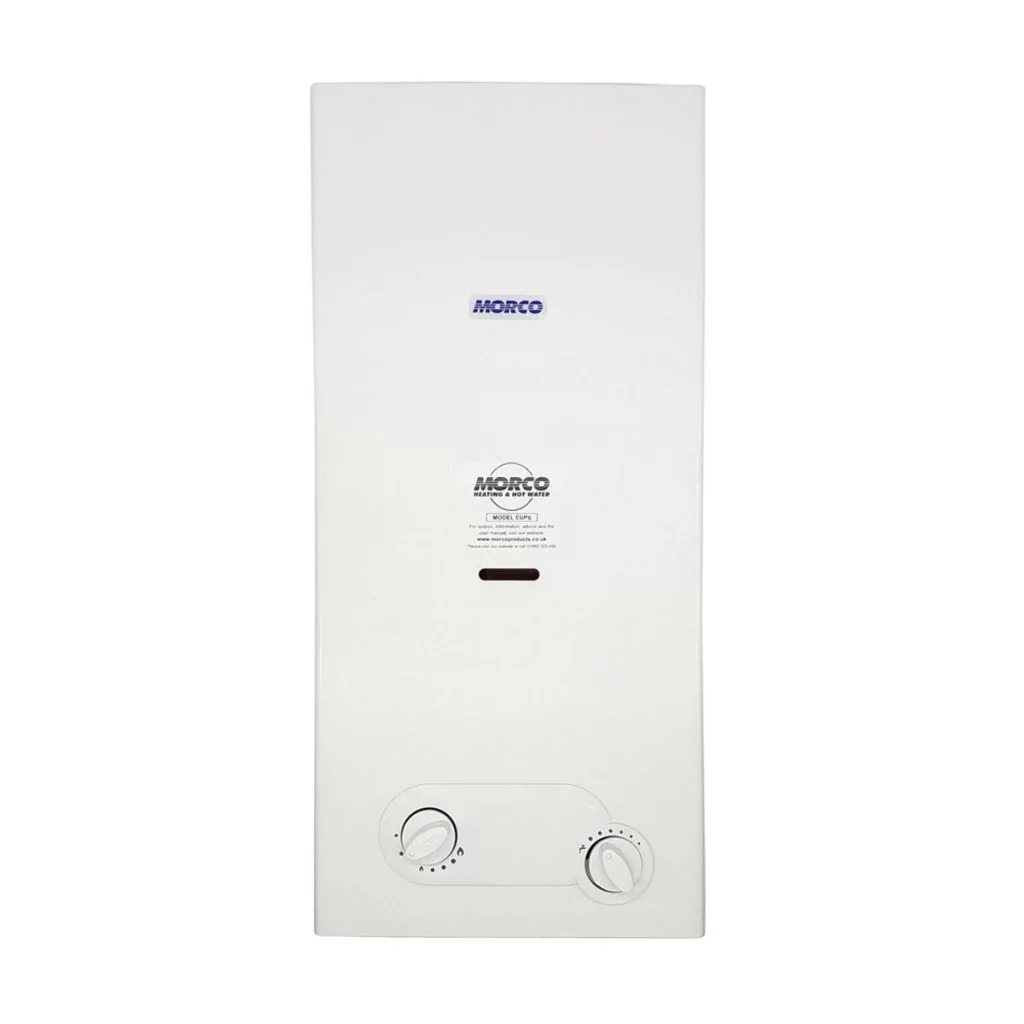
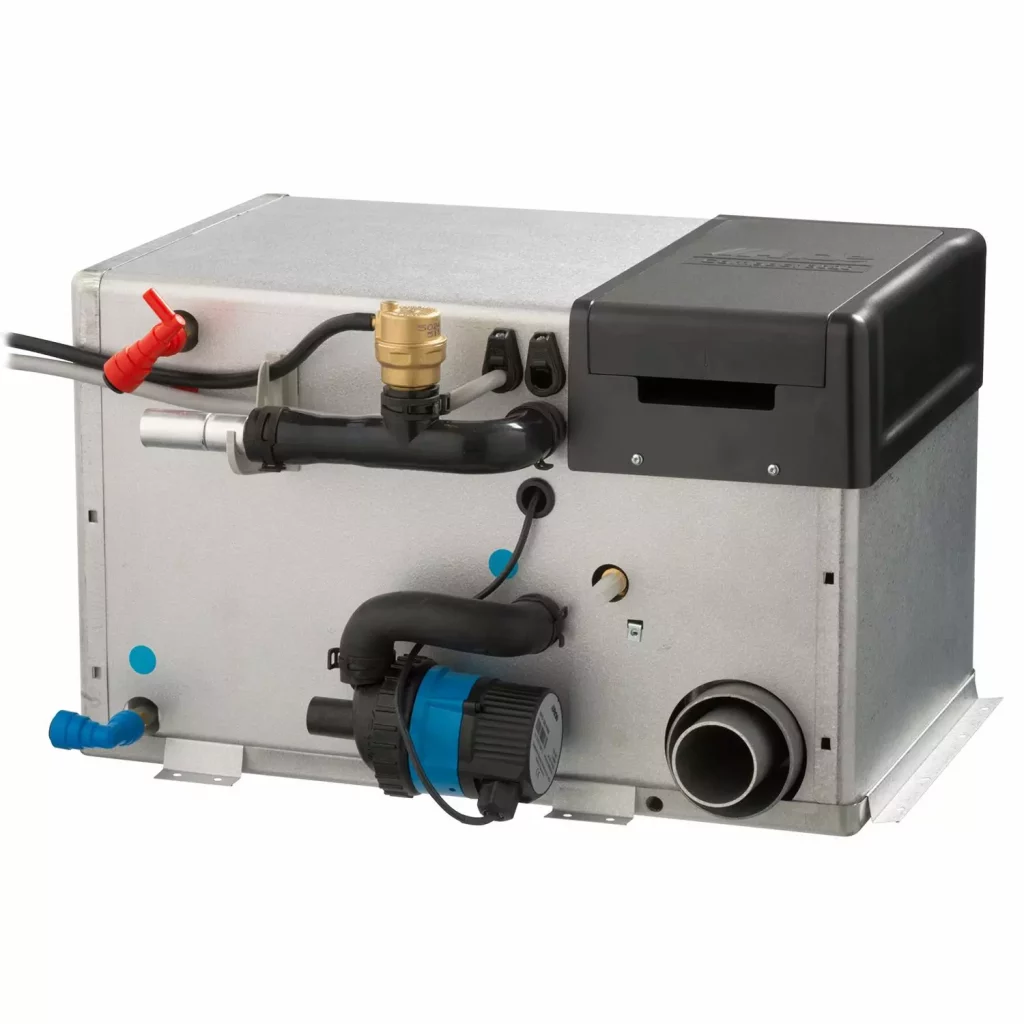
LPG Water Heater & Boiler Installations


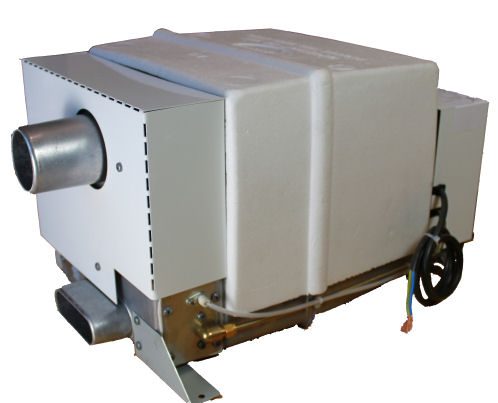
Boat LPG Air Heater Installations


LPG Cooker Installations For Boats


For quotes and bookings, call or email us here.

  • Epic Boat LPG Gas Installations for UK Canals

    Epic Boat LPG Gas Installations for UK Canals

    Getting professional boat LPG gas installations is the only way to guarantee your narrowboat’s heating and cooking systems are safe and fully compliant. Consequently, our Gas Safe registered engineers provide meticulous, fully certified installations. This work gives you complete peace of mind on the UK’s canals.


    For quotes and bookings, call or email us here.


    Why Professional Boat LPG Gas Installations are Essential

    For most of us on a narrowboat, gas is a part of daily life. It provides a hot meal or takes the chill off the cabin. LPG (Liquefied Petroleum Gas) is, without a doubt, the go-to fuel for the vast majority of boats on the cut. However, with that convenience comes a serious responsibility. A boat is not like a house; it is a moving, self-contained space where risks from a gas leak are much higher.

    This is exactly why a professional installation is an absolute must for your safety. A properly designed and fitted system, put in by our qualified marine engineers, ensures every single part works together safely and efficiently. For instance, we check everything from the gas locker right through to your cooker.
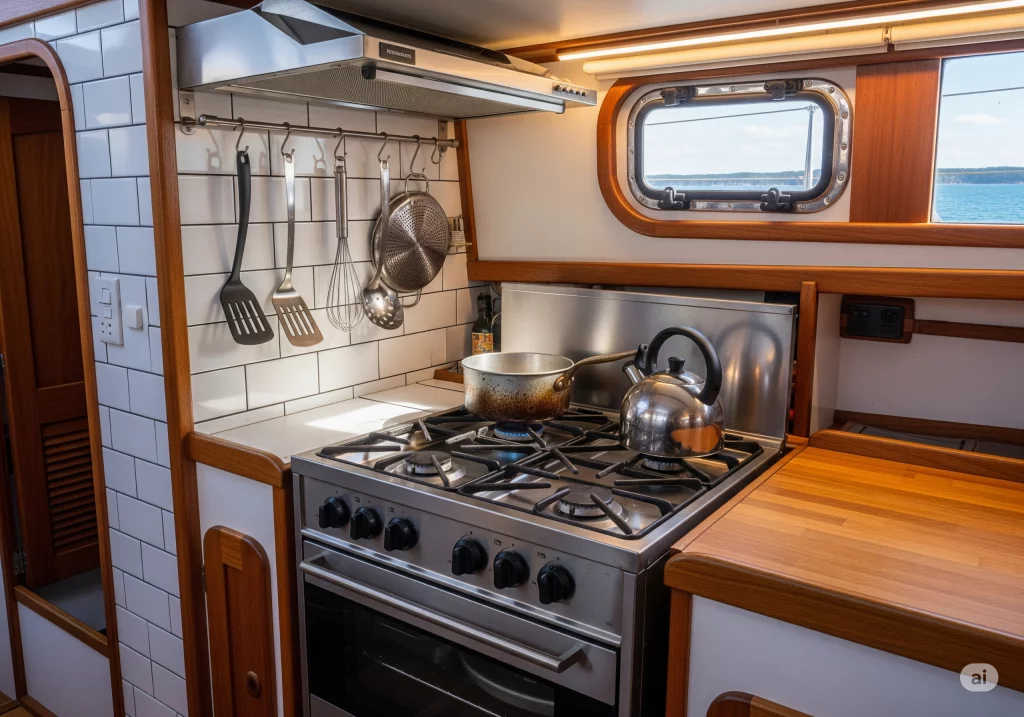
    Boat LPG Gas Installations - Galley

    The Real Dangers of Improper Installation

    A tiny mistake can lead to a dangerous gas leak. For example, fitting a connection slightly wrong or using a sub-standard part can have dire consequences. Because propane is heavier than air, it can pool invisibly in your bilge. In short, this creates a ticking time bomb that a single spark could set off.

    Our certified engineers are expertly trained to eliminate these risks. Furthermore, we know the unique challenges of a marine environment. We therefore build your system to handle the constant vibration and dampness that comes with life on the water.

    Meeting the UK’s Strict Safety Standards

    The UK has very specific rules for gas work on boats. These include The Gas Safety (Installation and Use) Regulations, and the Boat Safety Scheme (BSS) requirements. Our team isn’t just Gas Safe registered; we also hold the specific marine qualifications needed to work on boats. That means we’re experts in the British and ISO standards that govern every boat lpg gas installation.

    When you choose our certified service, you’re not just getting a working gas system. You’re investing in a compliant, properly documented installation that will sail through any BSS examination and keep you and your family safe.

    LPG is incredibly popular on the UK’s inland waterways. In fact, an estimated 76% of the roughly 80,000 vessels out there use it for cooking and heating. As more people choose to live aboard, the reliance on these systems has grown, making expert installation more critical than ever. You can get a better sense of just how widespread LPG use is from this insightful report.

    Before we get to the specifics of our service, the table below gives you a quick overview of how we approach every installation. Your safety is always our top priority.

    The Process for our Professional Boat LPG Installations at a Glance

    This table outlines the key stages of our professional installation service. It highlights our focus on safety and compliance at every step.

    Service Stage

    Our Professional Focus

    Benefit to You

    Initial Assessment

    We visit your boat to understand its unique layout, your specific appliance needs, and any existing system quirks.

    A system designed specifically for your boat, not a one-size-fits-all solution.

    Component Selection

    We recommend and supply only marine-grade, compliant components, from regulators and hoses to bubble testers and appliances.

    Long-lasting, reliable parts that are built to withstand the marine environment and meet BSS standards.

    Meticulous Installation

    Our Gas Safe (marine qualified) engineers carry out the full installation, ensuring every joint is tested and every pipe run is secure.

    A leak-free, robust system installed to the highest professional standards.

    System Commissioning

    We don’t just fit it and leave. We commission the entire system, testing every appliance to ensure correct operation and pressure.

    Confidence that your cooker, heater, and any other appliance works perfectly and safely from day one.

    Certification & Handover

    We provide you with all the necessary Gas Safe certification and documentation required for your BSS examination and insurance.

    Full compliance and the official paperwork to prove it, giving you complete peace of mind.

    As you can see, our process is thorough from start to finish. We believe it is the only way to do the job properly.

    Our Commitment to Your Safety

    Our entire process is built on a foundation of safety and top-quality work. We simply don’t cut corners. From that first chat to the final checks and certification, our focus is always on delivering a safe, reliable system for your narrowboat.

    Our complete service includes:

    • Expert Consultation: First, we start by assessing your narrowboat’s specific needs and layout.

    • Appliance Sales: Next, we can supply a curated range of marine-grade LPG cookers, hobs, and water heaters that we know and trust.

    • Full Installation: Then, our Gas Safe engineers handle every single part of the installation.

    • Safety Certification: Finally, we issue all the necessary paperwork for your BSS and insurance providers.

    Ultimately, leaving your boat LPG gas installations to our team means you can get back to enjoying life on the canal. You can cruise with the confidence that comes from knowing the gas system in your floating home was installed by dedicated professionals.

    Choosing the Right LPG Appliances for Your Boat

    Picking the right appliances is a crucial part of a safe, efficient gas system on your boat. Unlike the kit you’d find in a house, marine LPG appliances are built tough to handle life on the water. Therefore, they must withstand constant movement, vibration, and damp conditions. This is why choosing correctly is so important for long-term safety and performance.

    We offer a complete supply-and-fit service. Consequently, this ensures every appliance is integrated perfectly and safely into your system. You get peace of mind knowing everything performs optimally and meets UK safety standards from day one.
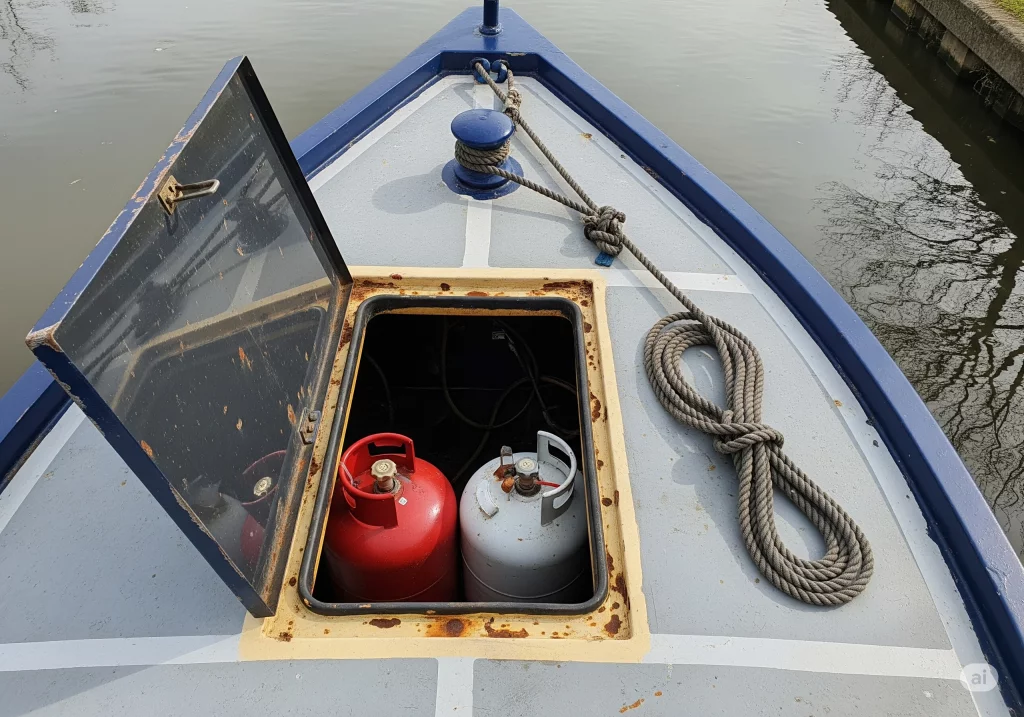
    Boat LPG Gas Installations - Locker

    Key Features of Marine-Specific Appliances

    The difference between domestic and marine appliances comes down to vital safety features. Moreover, they have a much more robust construction. Every piece of equipment we supply is chosen because it meets the strict requirements for use on UK inland waterways. We simply won’t fit anything that isn’t up to the job.

    Here are the key safety and design features we look for:

    • Flame Failure Devices (FFDs): This is a non-negotiable safety feature. An FFD automatically shuts off the gas if a flame is accidentally extinguished.

    • Robust, Corrosion-Resistant Build: Marine appliances are built from materials like stainless steel. As a result, they can handle the damp environment without rusting.

    • Secure Pan Clamps: These hold your pots and pans securely on the hob. This is a must-have for safe cooking while underway.

    Our team will talk you through the best options based on your boat’s layout. We also consider how you use your boat and your power setup. The goal is to get you equipment that not only fits the space but also fits your lifestyle.

    Our Curated Range of LPG Appliances

    Over the years, we’ve carefully selected a range of top-tier cookers, hobs, and heaters. We trust these products to perform reliably and safely on any narrowboat. In fact, we stand by the quality of these products because we’ve installed them on countless vessels.

    Our process starts with a simple conversation about your needs. For instance, a full-time liveaboard who cooks every day will need a more substantial cooker than someone who only uses their boat for weekend trips.

    We don’t believe in a one-size-fits-all solution. Our goal is to equip your galley and cabin with appliances that are perfectly suited to you, ensuring they are not just safe, but a genuine pleasure to use for years to come.

    After we’ve discussed your requirements, we can then recommend and supply the ideal equipment for your boat LPG gas installations.

    LPG Cookers and Hobs for the Perfect Galley

    The cooker is often the heart of a narrowboat’s galley. A reliable and safe marine cooker makes all the difference to life aboard. Therefore, we offer a variety of options to suit different galley sizes and cooking styles.

    If you’re looking to upgrade or install a new cooker, it’s vital to think about both safety and functionality. You can explore some of the high-quality options available by checking out our guide on choosing the right LPG gas cooker for your boat. It offers more detail on what to look for in a quality marine appliance.

    Water Heaters and Cabin Heating

    LPG is also an excellent fuel for instant hot water and cabin heating. For example, we supply and install high-efficiency water heaters that give you hot water on demand. In the same way, our range of LPG cabin heaters provides reliable warmth, keeping your boat cosy and dry through the colder months.

    Our professional installation ensures these powerful appliances are vented correctly and operate at peak efficiency. Ultimately, our complete service gives you the confidence that every part of your boat’s gas system is professionally installed and thoroughly tested.

    Our Certified Boat LPG Gas Installations and The Commissioning Process

    A professional gas installation is about so much more than just hooking up some pipes. Indeed, it’s a painstaking process, one that’s built on a foundation of safety and precision from start to finish. Our Gas Safe registered engineers live and breathe the UK regulations, making sure your system is fundamentally safe. This detailed approach guarantees a fully compliant and reliable boat lpg gas installations service.

    It all kicks off with careful system design. We plan out every single detail. This includes the best place for your gas locker and the most secure routes for the pipework. This initial planning stage is absolutely vital for maximising both safety and long-term efficiency.

    From Blueprint to Fully Functioning Boat LPG Gas Installations

    With the design signed off, our engineers then get to work on the physical installation. We use only marine-grade components—everything from the copper pipework to the flexible hoses and fittings. Materials designed for houses will corrode and fail quickly in the damp environment of a narrowboat.

    A huge part of this stage is making sure every single connection is perfect. Propane is heavier than air, which means any leak can create a dangerous pool of gas in your bilge. Consequently, there’s zero tolerance for error here. Our team’s experience is your best defence against these hidden dangers.

    This quick overview shows the basic steps we follow.

    As you can see, it is a logical flow from placing components correctly, to making secure connections, and finally, carrying out thorough safety checks.

    Rigorous Testing and Appliance Commissioning

    Once everything is installed, we move on to the most critical phase: comprehensive testing. We perform a “drop test” by pressurising the whole system and then shutting off the gas supply. We then watch a pressure gauge for several minutes. If that needle drops even a fraction, it signals a leak that we must find and fix.

    This dedication to safety is an industry-wide standard. In fact, for over 50 years, safety frameworks for UK boat LPG Gas installations have been built on established best practices. These regulations are now written into British and international standards. You can find out more about these long-standing UK safety guidelines.

    Only when we’ve confirmed the system is completely gas-tight do we start commissioning the appliances. This involves fine-tuning each one to get the perfect flame. We also double-check that all the built-in safety features, like flame failure devices, are working exactly as they should.

    Our job isn’t done until we’re 100% confident that every single part of your new system is operating precisely as it should be. This detailed commissioning is what separates a professional job from a risky shortcut. It’s about ensuring performance as well as safety.

    Final Certification for Your Peace of Mind

    After the installation is successfully completed, we issue your official Gas Safe certification. This is the crucial paperwork you’ll need for your boat insurance, marina or mooring owner.

    This certificate is your proof that the work was done by a qualified and competent marine gas engineer. In short, it formally documents that your boat LPG gas installations meet all current UK safety standards. This gives you the confidence to simply relax and enjoy your time on the water.

    Ongoing Safety Checks and Expert Maintenance

    Once our professional boat LPG gas installations are complete, the job isn’t finished. Your gas system needs regular, expert attention to keep it safe and reliable for the long haul. This ongoing care protects your investment and, more importantly, ensures you stay safe on the water.

    This is exactly why we offer comprehensive maintenance and safety services. We strongly recommend an annual inspection from a qualified marine gas engineer. Forgetting this simple check is a risk that’s just not worth taking.

    The Importance of Annual Professional Inspections of Boat LPG Gas Installations

    An annual service is your best defence against wear and tear. Over time, constant vibration from the engine and the damp canal environment can affect gas fittings, pipes, and appliances. Our engineers therefore perform a methodical check of your entire setup.

    During these checks, we start with a thorough inspection of the gas locker. We ensure the ventilation and drainage are correct. From there, we test the regulator and inspect all visible pipework for any signs of degradation. This preventative approach is all about spotting small issues before they become serious hazards. Of course, we also perform a crucial system-wide leak test.

    Appliance Servicing for Efficiency and Safety

    Beyond the pipework, your appliances themselves need regular attention. A cooker burning inefficiently isn’t just wasting fuel; it can also produce dangerous levels of carbon monoxide (CO). This colourless, odourless gas is a silent killer. Therefore, proper appliance servicing is the only way to prevent its build-up.

    Our engineers will service your appliances, making sure they’re burning with a clean, crisp blue flame. This not only keeps you safe but also maximises their efficiency. As a result, you save a bit of money on gas in the long run.

    “We had Marine Heating Solutions out for our annual gas check. The engineer was incredibly thorough and explained everything he was doing. He found a tiny leak we’d have never noticed and fixed it on the spot. It’s a weight off our minds knowing it’s all been professionally checked. We wouldn’t use anyone else.”
    – David and Sarah, NB ‘Serenity’

    Understanding Your System’s Key Components

    A critical part of boat LPG gas installations is the regulator. It controls the pressure of the gas flowing from the cylinder to your appliances. These devices are absolutely fundamental to safe operation. Consequently, we pay close attention to them during every check. If you’re keen to get into the details, you can learn more by reading our guide on the function of LPG regulators and OPSO devices.

    To give you a clearer idea of what our engineers look for during an annual service, we’ve put together a simple checklist.

    Recommended Annual Safety Checklist for Boat LPG Gas Installations

    Here’s a summary of the key checks our engineers perform during an annual service. This ensures your system remains safe, compliant, and ready for another year on the water.

    Component

    Inspection Point

    Safety Rationale

    Gas Locker

    Check for correct ventilation, drainage, and cylinder security.

    Prevents gas from building up in a confined space and ensures cylinders cannot move.

    Regulator & Hoses

    Test regulator pressure and inspect flexible hoses for cracks or perishing.

    Ensures correct gas pressure is delivered and prevents leaks from degraded hoses.

    Pipework

    Visually inspect all accessible copper pipe runs for corrosion or physical damage.

    Identifies potential weak spots in the system before they can fail.

    Leak Test

    Conduct a full system pressure drop test (leak-down test).

    Confirms the entire system is gas-tight from the cylinder to the appliances.

    Appliances

    Check for correct combustion, operation of safety devices, and clear ventilation.

    Prevents carbon monoxide build-up and ensures appliances operate safely and efficiently.

    By partnering with us for your ongoing maintenance, you can cruise with genuine confidence. You’ll know that your system is fully compliant with Boat Safety Scheme (BSS) requirements. Most importantly, you know it’s keeping you safe.

    Why Choose Our Gas Safe Registered Engineers

    When it comes to gas on your narrowboat, there’s absolutely no room for compromise. Therefore, you must always use a Gas Safe registered engineer with specific marine qualifications. Our team doesn’t just have these essential credentials; we also have years of hands-on experience working specifically on the UK’s inland waterways.

    Choosing us means you’re getting accredited professionals who put your safety above everything else. A professional installation is really the only way to get true peace of mind. We are fully insured and always up-to-date with the latest Boat Safety Scheme (BSS) requirements.

    Expertise For The Unique Marine Environment

    A boat is not a house. The challenges a marine environment presents for a gas system are completely different. Fortunately, we understand the specific risks involved.

    This expertise is what really matters. We account for factors that unqualified installers often miss. For instance, we know how to secure pipework properly to withstand constant engine vibration. We also only use marine-grade materials that resist corrosion in damp bilge spaces.

    It’s this deep, practical knowledge that separates truly safe boat LPG gas installations from dangerous ones. Our experience is your best protection against the hidden dangers of life afloat.

    Commitment To Quality And Compliance

    Our engineers aren’t just qualified; they’re dedicated to their craft. In addition, we take immense pride in every joint we solder and every appliance we commission. We ensure every aspect of our work is meticulously documented.

    Once your installation is complete, we provide all the necessary paperwork. This includes the Gas Safe certificate that’s vital for your insurance and BSS examination. For a more detailed look at the paperwork, you can read our explanation on the importance of having a proper LPG Certificate.

    “The team at Marine Heating Solutions did a complete gas refit on our narrowboat, ‘Dragonfly’. Their professionalism and attention to detail were second to none. For the first time, I feel completely safe with the gas system. The peace of mind this has given us is priceless.”
    – Mark Jennings, Narrowboat Owner

    More Than Just Installation

    We believe in providing a complete service that goes beyond just fitting pipes. Our goal is to fit vessels with safe, reliable, and efficient boat LPG gas installations that make your life on the water better. That’s why we also offer a carefully selected range of appliances that we know and trust.

    We can supply and expertly fit high-quality marine equipment, including:

    • Efficient LPG Cookers: Built with flame failure devices and pan clamps for safe cooking.

    • Instantaneous Water Heaters: Providing reliable hot water on demand.

    • Cosy Cabin Heaters: Keeping you warm and dry during the colder months.

    By choosing us, you get a seamless supply-and-fit service. You can be confident that every component has been chosen for its suitability and installed to the highest possible standard. Ultimately, entrusting your boat LPG gas installations to our team means investing in safety, quality, and worry-free cruising on the canals.

    Common Questions About Boat LPG Gas Installations

    When it comes to boat LPG gas installations, we find most boat owners ask the same, very sensible questions. Getting to grips with the basics of a safe system is the first step to feeling secure on the water.

    So, we’ve pulled together the most common queries we get from narrowboaters across the UK. Our goal is to give you clear, expert answers based on our years of hands-on experience. This helps you make smart decisions that keep you safe.

    How Often Should My Boat’s Gas System Be Inspected?

    We always advise getting a full inspection from a qualified Gas Safe marine engineer at least once a year. This annual check-up is absolutely vital for spotting any potential wear and tear. It also ensures everything is working as it should and keeps you in line with Boat Safety Scheme (BSS) requirements.

    Think of it as an MOT for boat LPG gas installations. Having a professional eye on it regularly is the single best thing you can do for long-term safety.

    Can I Use Household LPG Appliances On My Narrowboat?

    The short answer is no; you should never use domestic appliances on a boat. Marine-specific LPG appliances are non-negotiable because they are built with critical safety features. For example, flame failure devices instantly cut the gas if a flame blows out.

    Beyond that, marine-grade cookers and heaters are designed to handle constant movement, vibration, and damp conditions. Using the correct, purpose-built kit isn’t just a recommendation; it’s a fundamental part of any safe boat LPG gas installations service.

    Propane is heavier than air, which means any leak can silently pool in the bilge. A single spark is all it takes to ignite it. This is exactly why marine-grade fittings and professional installation aren’t just best practice—they are essential for your safety.

    What Is a Bubble Tester and Why Do I Need One?

    A bubble tester is a simple but brilliant safety device fitted into your gas line. It gives you an easy visual check for leaks on the low-pressure side of the system. In short, it is your first line of defence.

    As part of any professional installation, our engineers will fit a bubble tester as standard. More importantly, we show you exactly how to use it. This little device empowers you to do a quick safety check yourself, giving you that extra peace of mind.

    What Should I Do If I Smell Gas On My Boat?

    If you ever smell gas, you need to act immediately. This is a serious situation that requires a calm, methodical response.

    Follow these steps straight away:

    • First, turn off the gas supply at the cylinder in the gas locker.

    • Next, extinguish all naked flames – that includes cookers, pilot lights, and candles.

    • Then, DO NOT touch any electrical switches. Flicking a switch on or off can create a spark.

    • After that, ventilate the boat thoroughly by opening all windows, doors, and hatches.

    • Finally, get everyone off the boat until you’re certain the gas has completely cleared.

    Once the immediate danger is over, do not use the gas system again. Your next step must be to call a qualified Gas Safe marine engineer, like our team. Nothing is more important than your safety.

    For fully certified, safe, and reliable boat LPG gas installations, trust the experts. Marine Heating Solutions offers professional installation, servicing, and appliance sales to keep you safe on the water.


    For quotes and bookings, call or email us here.

  • Astonishing Gas Regulators LPG for Flawless Canal Boat Safety

    Astonishing Gas Regulators LPG for Flawless Canal Boat Safety

    Welcome aboard. Let’s talk about a small but absolutely vital piece of kit for your narrowboat’s safety and comfort: the gas regulators LPG.

    Think of it as the gatekeeper for your gas system. It sits between the high-pressure gas cylinder and your appliances, and its job is to manage the flow. Therefore, it’s a small device with a massive responsibility, making sure gas is delivered at a steady, safe pressure every single time.


    For quotes and bookings, call or email us here.
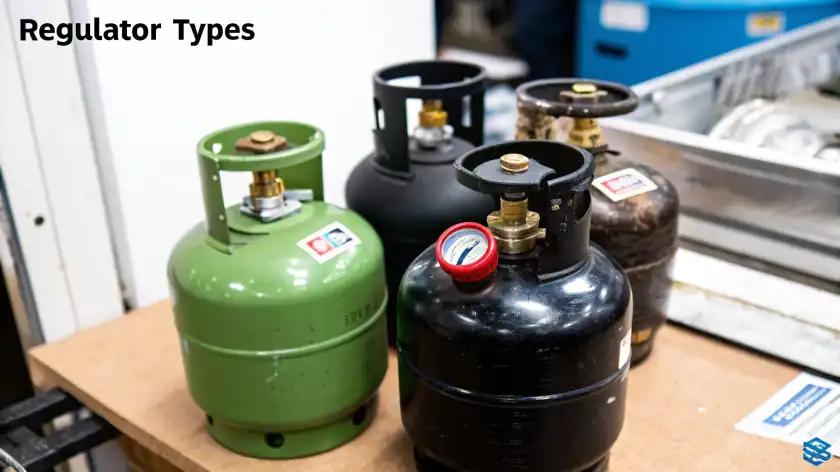

    Your Guide to Essential LPG Gas Regulators

    Understanding your boat’s gas system is about securing peace of mind. That is why the LPG gas regulator is a component you cannot ignore. This guide highlights why the right regulator and a professional installation are non-negotiable for canal life.

    Its main job is a critical one. In the UK, gas regulators for LPG tame the immense pressure from a gas cylinder. Using a system of spring-loaded valves, they knock the pressure down. They reduce it from over 140 psi to a safe 37 mbar for your appliances. Ultimately, this controlled reduction prevents accidents.

    Why Your Regulator Matters

    On a narrowboat, your gas system powers so much of daily life. For example, it fuels your morning cuppa and cosy heating. A regulator ensures this all happens safely. Consequently, a failing or incorrect regulator can open the door to serious problems.

    These issues can range from annoying to downright dangerous:

    • Poor performance from your appliances, like weak, sputtering flames.

    • Sooty, yellow flames, which signal inefficient combustion.

    • The potential for dangerous gas leaks in your system

    “A properly functioning LPG regulator is the heart of a safe gas installation. It’s not a fit-and-forget component; it requires regular checks and timely replacement by a qualified professional to protect your vessel and its crew.”

    Choosing the right device is the first step. We have a curated selection of high-quality gas regulators for LPG. Additionally, our qualified engineers are on hand to install them. This way, you can cruise with complete confidence. Your safety is our absolute priority. In fact, we only supply and fit parts that meet the strictest marine safety standards.

    This brings us to the importance of regular checks. It’s essential to know when your LPG regulator and hose were last changed. We have the expertise to ensure your system is completely safe and compliant. As a result, you have one less thing to worry about.

    At-a-Glance LPG Regulator Safety Checklist

    To quickly recap, here’s a simple breakdown of what your regulator does. It also shows why it’s so important for life on a narrowboat.

    Component Function

    Why It’s Critical for Your Boat

    Pressure Reduction

    Tames high-pressure gas from the cylinder to a low, stable pressure that your appliances can safely use.

    Steady Gas Flow

    Ensures a consistent supply, allowing cookers, heaters, and fridges to operate efficiently and reliably.

    Over-Pressure Shut-Off (OPSO)

    Acts as a crucial safety cut-off, stopping the gas flow instantly if the pressure gets dangerously high.

    Leak Prevention

    A well-maintained regulator with tight connections prevents gas from escaping into your cabin or gas locker.

    Ultimately, treating your regulator with respect is crucial. This involves correct selection, professional installation, and regular checks by our experts. In short, it is one of the most important safety measures on your boat.

    Why Professional Gas Regulators LPG Installation Is Non-Negotiable

    When you’re on a narrowboat, there’s absolutely no room to compromise on gas safety. The LPG in your cylinders is stored at a very high pressure. In fact, it is far too powerful for your cooker or heater. That’s why a correctly installed gas regulator for LPG is so vital. It’s the critical component that steps this pressure down to a safe level.

    Professional Gas Regulators LPG Installation

    Without a regulator that’s working exactly as it should, you face serious risks. These risks include dangerous gas leaks, appliance malfunctions, or even fires. This is not a DIY job. It is a task that demands a certified expert. Specifically, an expert who understands the unique challenges of the marine environment.

    Our Gas Safe registered engineers have the essential training and experience. They know the specific regulations for canal boats. Furthermore, they ensure your system isn’t just compliant, but genuinely safe.

    The Dangers of Unqualified Gas Work Involving Gas Regulators LPG

    Attempting to fit your own gas regulators LPG is a huge risk. The enclosed space of a narrowboat means even a tiny leak can be dangerous. This is precisely why the regulations are so strict. Our engineers bring more than just tools; they bring calibrated testing equipment. After every installation, they perform meticulous leak detection tests. This professional check is your best defence against potential disaster.

    An incorrectly fitted regulator can also cause ‘over-gassing’. This is where too much gas pressure reaches an appliance. Consequently, this leads to serious problems.

    • Inefficient and dangerous flames, which burn yellow and produce deadly carbon monoxide.

    • Damage to your appliances, shortening their lifespan and causing them to fail.

    • Invalidating your boat’s insurance policy, as most insurers demand proof of certified gas work.

    Your Safety Is Our Priority

    Ultimately, investing in our professional service protects your boat and you. We bring more than just technical skill; we deliver peace of mind. Our team ensures every connection is secure. We also ensure every part is right for marine use. In addition, the entire installation meets the tough standards of the Boat Safety Scheme (BSS).

    A BSS examination will scrutinise your gas system, and a DIY installation is a common and immediate failure point. By using our Gas Safe registered engineers, you ensure your gas regulators for LPG are fitted correctly from the outset, avoiding costly and dangerous mistakes.

    We only work with high-quality, marine-grade regulators. They are built to handle the motion and damp conditions found on a boat. Our commitment is simple. We aim to give you a safe, reliable, and fully certified gas system you can trust. So, don’t leave your safety to chance. Let our qualified professionals handle this critical job for you.

    Choosing the Right LPG Regulator for Your Narrowboat

    Not all gas regulators for LPG are created equal. Picking the right one for your narrowboat is a crucial decision for safety and performance. The best choice depends on how you use your boat. Our experts will assess your needs to recommend the perfect solution.

    For liveaboards or anyone spending serious time on the water, we recommend a robust system. A popular and practical solution is using two gas bottles. These are linked to an automatic changeover valve. This setup is brilliant. It automatically flips from the empty cylinder to the full one. As a result, you get an uninterrupted supply and ample notice for a replacement.

    Finding Your Perfect Fit

    Our expertise is in fitting the correct type of regulator. We consider your boat’s specific layout and needs. We specialise in bulkhead-mounted gas regulators for LPG. These are fixed securely inside your gas locker. This is not just a preference. In fact, it’s the required standard for marine safety compliance. It makes for a far safer installation than a simple clip-on type.

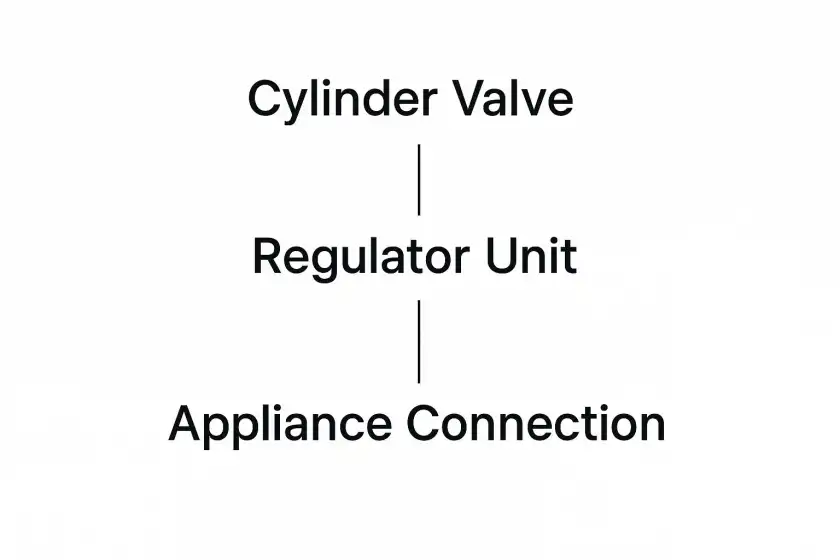
    This image shows the critical path the gas takes. It travels from the cylinder to your appliance. The regulator plays the central role.

    This image shows the critical path the gas takes. It travels from the cylinder to your appliance. The regulator plays the central role.

    As you can see, the regulator is the vital bridge. It tames the high-pressure gas from the bottle. Consequently, it makes it safe for your appliances to use.

    Our qualified team will look at your total gas consumption. We factor in every appliance you run. This includes your cooker, hob, and water heater. Knowing the total BTU output is essential for sizing the regulator correctly. For this reason, a one-size-fits-all approach doesn’t work. Getting the cooker right is a big part of this. You can learn more by checking out our guide to LPG gas cookers for narrowboats.

    A Tailored Solution, Not an Off-the-Shelf Part

    We don’t just sell you a part from a box. Instead, we provide a complete, tailored solution. This process ensures your new regulator can handle the demand from all your appliances. Therefore, we guarantee you get the best performance and absolute safety.

    “We had Marine Heating Solutions fit a new cooker. The engineer was brilliant, talking us through the options and doing a very tidy job. It works perfectly with our gas system, and the peace of mind knowing it was installed by a certified professional is priceless. A fantastic, reliable service for any boater.”

    By matching the regulator to your needs, we eliminate common problems. These include poor flame quality or appliance cut-outs. Our goal is to ensure a reliable system you can trust. We constantly monitor market innovations to offer the best and safest products. Our high-quality stock is always up-to-date.

    Our Premier Range of Marine-Grade LPG Appliances

    When you’re fitting out your boat’s galley, the LPG gas regulators are only part of the puzzle. The whole system is only as good as the appliances it powers. That’s why we offer a carefully selected range of marine-grade appliances. Our stock includes high-quality cookers, hobs, and water heaters. All are designed specifically for life on the UK’s inland waterways.

    Safety Checks for Gas Regulators LPG

    Our products are purpose-built to handle the unique challenges of a boat. They’re designed to withstand constant motion. They also operate safely and efficiently in a compact narrowboat space. In short, they offer a level of reliability that household units just can’t deliver.

    For instance, a key safety feature we insist on is flame failure devices (FFDs). They are included on all burners as standard. This is a non-negotiable safety element for any vessel. If a flame accidentally blows out, the FFD immediately cuts the gas supply.

    Certified Installation for Peak Performance

    Every appliance we sell is designed to work flawlessly. They function perfectly with the specific 37mbar pressure supplied by a correct marine LPG regulator. This synergy is absolutely essential. Get it right, and you’ll have perfect blue flames and optimal performance. Mismatched components, on the other hand, can lead to poor performance and serious safety risks.

    Let us help you upgrade your galley with dependable and safe appliances. Our qualified Gas Safe engineers can handle the entire process for you.

    This service includes:

    • Supplying the right unit: We’ll help you choose the best cooker or water heater from our premium stock.

    • Professional removal: We can safely decommission and remove your old appliance

    • Certified installation: Our team completes a fully certified installation, integrating it seamlessly with your gas system

    This integrated approach guarantees your new appliance fits perfectly. It also ensures it operates safely and complies with all BSS requirements.

    By trusting our team, you get a combined benefit. You receive top-tier appliances and expert installation from a single, reliable source. We ensure every part of your gas system works together in perfect harmony. From the LPG gas regulators to the final connection, your safety is paramount.

    Our Commitment to Waterway Safety and Service

    We can talk all day about our high standards. However, we think our work speaks for itself. Ultimately, our customers always say it best. Your safety on the UK’s inland waterways is the real reason we do what we do. It’s why every job is focused on delivering expert care and total peace of mind.

    This commitment is what drives our Gas Safe registered engineers. They don’t just install and service gas regulators LPG. Additionally, they provide the assurance that your system is reliable, efficient, and completely safe.

    “After a worrying gas leak scare, we called in the experts. Their engineer was fantastic. He quickly identified our old regulator was the problem, explained everything clearly, and installed a new changeover system. He also serviced our cooker. The professionalism and attention to detail were second to none. For the first time in ages, we feel completely safe with our gas system. We wouldn’t trust anyone else with our narrowboat.”

    This kind of feedback lets us know we’re getting it right. Moreover, it reinforces our dedication to protecting the narrowboat community. We provide quality workmanship you can depend on.

    Ensuring Your Complete Confidence

    Achieving this level of safety isn’t just about fitting good parts. It’s also about ensuring every part of your gas system is compliant and documented. That’s why having the right certification is absolutely vital. This is true after any professional installation or service.

    You can learn more by reading our guide on how to get your boat LPG safety certificates. Think of this paperwork as your proof of compliance. Indeed, it’s a crucial part of responsible boat ownership.

    At the end of the day, our goal is to give every boater that same assurance. Whether it’s a regulator check or a full installation, we bring the same meticulous attention. We strive to ensure your vessel is a safe and comfortable home on the water.

    Your Questions About Gas Regulators LPG Answered

    Many narrowboat owners have questions about their LPG systems. Knowing your way around gas regulators LPG is fundamental to staying safe. That’s why our qualified engineers have put together answers to common queries. These cover maintenance, lifespan, and safety.

    Boat LPG Safety Standards

    Think of this expert advice as your first line of defence. It is here to give you clarity and confidence. Furthermore, it helps you spot potential issues before they become serious problems.

    How Often Should I Replace My Boat’s LPG Regulator?

    According to Boat Safety Scheme (BSS) best practices, your LPG regulator should be replaced. It needs replacement at least every ten years. The flexible gas hoses have a much shorter life. They typically need replacing every five years. This isn’t just a suggestion; it’s a critical safety standard.

    But age isn’t the only factor to consider. The marine environment on UK inland waterways can speed up wear and tear. If you see any signs of corrosion or damage, you must act. Have it inspected and replaced immediately by a qualified Gas Safe engineer from our team.

    What Are the Signs of a Failing Gas Regulator?

    A faulty regulator will often give you clear warning signs. Knowing what to look for is absolutely vital for everyone’s safety.

    Here are the most common signs:

    • Yellow or sooty flames on your cooker, instead of a crisp, blue flame.

    • Appliances that are suddenly difficult to light or refuse to stay lit.

    • A faint but definite smell of gas lingering around the cylinder locker.

    If you experience any of these symptoms, you need to act fast. Turn off the gas supply at the cylinder straight away and contact us for a professional inspection. Never try to diagnose or fix a potential gas issue yourself.

    Can I Use a BBQ or Caravan Regulator on My Boat?

    Absolutely not. You must only ever use a regulator specifically designed for marine use. These are manufactured and certified for boats. While other gas regulators LPG might look the same, they are not built to the same strict standards.

    These other types of regulators are not designed to cope with boat conditions. For example, constant motion, vibration, and dampness. Using the wrong type is a serious safety risk. It will also cause your vessel to fail its Boat Safety Scheme examination. Consequently, we only supply and install the correct, fully compliant regulators. This guarantees your peace of mind on the water.

    For professional advice, certified installation of gas regulators LPG, or to book a safety inspection for your narrowboat, trust the experts at Marine Heating Solutions.


    For quotes and bookings, call or email us here.

  • Guide to LPG Gas Cookers for Narrowboats

    Guide to LPG Gas Cookers for Narrowboats

    For anyone living on the UK’s canals, a dependable LPG gas cooker is the heart of the galley. Furthermore, it is the appliance that turns a boat into a home. It provides reliable heat for everything from a quick brew to a full Sunday roast.

    Modern LPG Gas Cooker

    Why Your Choice Of Cooker Matters

    Picking the right cooker is about much more than just dinner. In fact, it’s a critical decision impacting safety and your Boat Safety Scheme (BSS) compliance. Your boat’s overall efficiency is also at stake.

    A narrowboat is a unique, moving environment with its own set of rules. Consequently, you cannot grab a domestic cooker and expect it to be safe or suitable. That’s why we focus on supplying and fitting appliances built specifically for the job. We ensure they are not only top-quality but also fully compliant with marine safety standards. Ultimately, your peace of mind is what matters most.


    For quotes and bookings, call or email us here.

    Built For The Waterways

    We often see standard household cookers on boats, and frankly, it’s a huge risk. These appliances are not designed for life afloat. However, the marine-grade cookers we supply are different. They have essential safety features baked right into their design.

    Here’s what our professional team ensures you get:

    • Flame Failure Devices (FFDs): This is non-negotiable. An FFD is a vital safety system that automatically cuts off the gas if a flame blows out.

    • Robust Construction: Marine cookers are built tough and are designed to handle the movement and damp conditions of a vessel. Therefore, they last for years.

    • Secure Fittings: Everything is designed to stay put. For instance, the hob pan supports grip your pans. Additionally, oven door latches won’t fly open on the move. Every detail keeps your cookware secure

    Your cooker is one of the most important safety installations in your galley. Investing in a purpose-built marine LPG gas cooker from a trusted supplier is the only way to guarantee it meets the strict requirements of the Boat Safety Scheme (BSS).

    The LPG Advantage For Boaters

    For off-grid living on the UK’s inland waterways, LPG is the perfect fuel. It gives you an instant, easily controlled heat source. This lets you enjoy a proper home-cooking experience without needing a shoreline hook-up.

    Additionally, managing your fuel is as simple as swapping out a gas bottle. This blend of efficiency and power makes an LPG cooker an indispensable addition to any galley. Of course, the cooker is just one part of your boat’s heating system. For a full picture, see our guide on selecting the right LPG gas boiler for your vessel.

    Here at Marine Heating Solutions, we do more than just sell you a box. We bring our extensive, hands-on experience to the table. In short, we guide you to the perfect cooker for your needs. Our Gas Safe registered engineers then ensure it’s installed with absolute precision. This meets all safety regulations for a worry-free life on the cut.

    The Best Marine LPG Cooker Models

    Choosing the right LPG gas cooker for your narrowboat is a big decision. Moreover, it is about more than just how it looks. You’re balancing practicality with some pretty strict safety standards. In other words, a standard cooker from a house just won’t cut it on the water. You need something built to handle the unique demands of life afloat.

    Here at Marine Heating Solutions, we have picked a range of vessel-ready cookers. We know each one performs reliably. Crucially, it meets UK marine regulations.

    When we look at different models, we focus on features that make a difference. For example, every cooker we supply comes with Flame Failure Devices (FFDs) on all burners. This includes the oven and grill. This isn’t just a nice-to-have feature; it is a non-negotiable safety requirement. It stops dangerous gas from building up if a flame accidentally goes out. Also, we make sure the cookers are built from tough, corrosion-resistant materials.

    Choosing for Your Galley

    Space in a narrowboat galley is always at a premium. Therefore, you need to be smart about your choices. This is why a combined oven and grill unit is almost always the most sensible option. These integrated models give you all the cooking flexibility you need. They do this without eating up precious worktop space. Consequently, they are a perfect fit for compact canal boat galleys.

    We also double-check that every LPG gas cooker we recommend is fully compatible. It must work with the standard LPG systems found on UK boats. Getting this right from the start means you avoid future headaches. In addition, it saves you from expensive changes. This focus on the right fuel is part of a bigger picture in the UK. People are increasingly choosing efficient, cleaner options. For instance, propane, the main component of boat LPG, accounted for 84.34% of revenue in a related UK market, which shows just how much people trust LPG appliances.

    The image below shows key figures on the efficiency of a quality LPG gas cooker.

    LPG Gas Cooker Efficiency Infograph
    #image_title

    As you can see, putting your money into a high-efficiency model pays off over time. It saves on fuel costs and also improves how well it cooks your food.

    Feature Comparison for Our Top Marine LPG Gas Cookers

    To help you get a clearer picture, we’ve put together this table. It compares the essential features of the LPG cooker models we supply. As a result, it is easier to see which one is the best fit for your narrowboat.

    Model

    Key Feature

    Best For

    Dimensions (HxWxD)

    Thetford Spinflo Duplex

    Oven/Grill Combo

    Versatile cooking in a compact space

    445 x 456 x 490 mm

    Thetford Spinflo Caprice

    Full-Featured Oven/Grill/Hob

    Liveaboards wanting a home-from-home cooking experience

    844 x 496 x 500 mm

    Voyager 4500

    Gimbal-Mounted Design

    Coastal and river cruising

    560 x 450 x 420 mm

    This table gives a quick snapshot. However, the best cooker for you really depends on your boat and how you use it. Whether you’re a weekend cruiser or a full-time liveaboard, we have a model that will suit your needs perfectly.

    A purpose-built marine LPG gas cooker is an investment in your safety and comfort. Our team is here to guide you through the options we offer, ensuring you select the perfect appliance for your specific vessel and lifestyle.

    Ultimately, picking the right appliance is only the first step. For complete peace of mind, getting it fitted professionally is just as important. Our certified engineers make sure every cooker is installed correctly and safely. You can learn more about our professional LPG cooker installation services and why they’re so vital for your safety. Let us help you get your galley kitted out with a cooker you can rely on.

    Why Professional LPG Installation Is Essential

    Professional LPG Installation
    #image_title

    When fitting a new LPG gas cooker on a narrowboat, there is no room for error. An LPG system on a moving vessel is a world away from a standard domestic setup. That’s why professional installation isn’t just a good idea. In fact, it is a non-negotiable safety requirement.

    An improperly fitted appliance can have devastating consequences. We are talking about slow gas leaks that create an explosive atmosphere. Just as dangerously, an appliance could produce silent and deadly carbon monoxide. Your boat is your sanctuary. Therefore, its gas system must be treated with the utmost respect.

    Our Unwavering Commitment to Your Safety

    At Marine Heating Solutions, your safety is what drives us. We do not just sell high-quality cookers. We provide the expert installation needed to ensure they operate flawlessly and safely. In other words, our engineers are your guarantee of a compliant and secure galley.

    Every member of our team is Gas Safe registered. This is the legal standard for any gas work in the UK. However, we take it a step further. Our engineers hold specific qualifications for working with LPG on boats and barges (LPG PD & BSS).

    This specialised training is vital. It means we have a deep understanding of the unique challenges of a marine environment.

    • Correct Ventilation: We ensure your galley has proper airflow to prevent any build-up of harmful gases.

    • Secure Pipework: All gas lines are expertly routed and secured to withstand constant vibrations and movement.

    • Meticulous Leak Testing: Furthermore, we perform rigorous pressure tests on the entire system to confirm zero leaks.

    • BSS Compliance: Every installation we carry out is designed to meet and exceed BSS requirements.

    An LPG gas cooker installation should only ever be carried out by a certified marine gas engineer. This is the only way to ensure your system is safe, legally compliant, and that your boat insurance remains valid.

    The Dangers of an Amateur Installation

    The risks tied to a poor installation are severe. For instance, a tiny leak from a poorly tightened joint can fill a cabin with flammable gas. What’s more, an incorrectly set-up cooker can burn inefficiently. This produces high levels of fatal carbon monoxide (CO).

    A boat is a confined space, and this makes these risks even greater. It’s for this very reason that all gas work must be left to qualified professionals. Our engineers have the knowledge, specialist tools, and real-world experience. In short, they will fit your new LPG gas cooker correctly from the start.

    This commitment covers the entire system, not just the cooker. For instance, flexible gas hoses and regulators degrade over time. If you are unsure about their condition, you can find out more by reading about when your LPG regulator and hose were last changed.

    Choosing us means choosing peace of mind. As a result, you can relax and enjoy your new appliance. You will be completely confident that it has been installed to the highest safety standards by certified experts.

    Managing Your LPG Supply on the Water

    Marine LPG Cooker Safety

    Getting the right cooker is one thing. However, keeping it fuelled is just as important. Out on the UK’s canals, a reliable and safe LPG supply is the lifeblood of your galley. After all, you do not want to be caught short when it’s time for that morning brew.

    Learning how to properly manage your gas bottles is a core skill for any boater. It all starts with understanding the two main types of LPG: propane and butane. While both can power your LPG gas cooker, there’s a clear winner for boating year-round. Indeed, the choice you make directly affects your cooker’s performance during a chilly winter.

    Propane Versus Butane for Your Boat

    For life on a narrowboat, propane is undoubtedly the superior choice. The biggest reason is its incredibly low boiling point of -42°C. This means it will continue to vaporise even in the depths of winter. Therefore, it guarantees a consistent fuel supply to your cooker.

    Butane, on the other hand, gives up at around -2°C. It simply stops turning into a usable gas. Consequently, it is unreliable when you need a hot meal the most. For this very reason, we always recommend propane to our customers. It ensures their cooking appliances work perfectly, whatever the weather.

    In the UK, LPG is a go-to energy source for many off-grid homes and boats. It is portable and packs a high-energy punch, making it ideal for cooking. While cooking gas prices can fluctuate, averaging around £0.91 per kilogram, its convenience makes it a firm favourite. You can find more insights into the European LPG market and its trends if you’re interested.

    Safe Gas Storage and Management

    Storing your gas bottles safely is not just good practice. In fact, it is a critical part of your Boat Safety Scheme (BSS) compliance. Your propane cylinders must be kept in a dedicated, self-draining gas locker. This locker needs to be sealed from the boat’s interior. It must also feature a drain that vents potential leaks overboard.

    A correctly installed gas locker is a non-negotiable safety feature. It’s designed so that if a leak occurs, the gas safely drains away from the boat instead of pooling in the bilge, where it could create a serious explosion risk.

    A big part of managing your supply is simply knowing how much gas you have left. Here are a few practical tricks our clients use for checking their levels:

    • The Hot Water Trick: Carefully pour a jug of warm water down the side of the cylinder. A line of condensation will then appear, marking the level of the liquid gas inside.

    • Weighing the Bottle: The empty ‘tare’ weight is usually stamped on the cylinder. Weigh the whole bottle and subtract the tare weight. Then, you’ll know how much gas you have left.

    • Pressure Gauges: For an easier solution, you can fit an inline pressure gauge. This gives you a clear and instant reading of how much gas is remaining.

    Topping up your supply is generally straightforward. Most marinas and boatyards offer a bottle exchange service. That said, it is always a smart move to carry a spare cylinder. This ensures a seamless switch-over when one bottle runs dry. As a result, your LPG gas cooker is ready for action whenever you need it.

    Keeping Your LPG System Safe and Efficient

    Your boat’s gas system is not something to leave to chance. The long-term safety and performance of your boat’s gas system hinge on regular, professional attention. Our service is a comprehensive annual gas safety inspection. Indeed, it goes far beyond a quick once-over. It is a deep dive into the health of your entire LPG setup. Our Gas Safe registered engineers all hold specific marine endorsements. Thus, they are experts in the unique demands of a narrowboat environment.

    Our Professional System Checks

    During a service, our engineers carry out a series of critical tests and inspections. This is all about spotting potential problems before they become serious hazards. In short, think of it as your best defence against the dangers of a faulty gas system.

    Our checks always include:

    • Full system leak test using calibrated equipment to detect even the tiniest gas escape.

    • Thorough inspection of all pipework for any signs of corrosion, damage, or loose fittings.

    • Close examination of the regulator to check its age and ensure it is working correctly.

    • Detailed look at flexible hoses for any signs of perishing, cracking, or incorrect installation.

    • Ventilation, flame picture and spillage tests, to ensure CO and CO2 safety.

    We also put the cooker itself through its paces. For instance, we ensure the burners ignite properly. Crucially, we check that the flame failure devices activate correctly. This meticulous approach guarantees every part of your system is compliant and safe. For a deeper dive, explore our guide on your boat’s LPG gas hose and its replacement schedule.

    Recognising the Warning Signs

    Even with regular servicing, it is vital you know what to look out for. Certain signs are clear indicators that your system needs our immediate attention.

    If you ever smell gas, see a yellow, sooty flame from your cooker, or notice your pilot lights frequently going out, shut off the gas at the bottle immediately and give us a call. These are unmistakable signs that your LPG gas cooker needs professional servicing.

    The move towards LPG is definitely growing. It reflects a wider demand for cleaner energy sources. In fact, the UK LPG market is projected to see significant growth. It has a compound annual growth rate (CAGR) of 12.82%. This trend highlights the fuel’s role in cutting emissions. We are proud to support this by ensuring safe, efficient systems on the water. You can read more about the expanding UK LPG market and its drivers.

    When you’re ready, trust our qualified team to keep your system at peak performance.

    Answering Your Narrowboat LPG Gas Cooker Questions

    Living on the water means you’ll have plenty of questions about your boat’s systems. When it’s about your LPG gas cooker, getting clear answers is vital for your safety. Our team are on boats across the UK’s waterways every day. So, here are our answers to some common queries we hear.

    We want to give you the practical information you need. In short, we can help you make the right decisions for your galley. From the specific gear you need to who can legally touch your gas system, we have you covered.

    Do I Need a Special Cooker for My Canal Boat?

    Yes, absolutely. You must use a marine-certified LPG cooker. A standard household cooker is not built for the constant motion of a boat. More importantly, it will not have the critical safety features required for life afloat.

    Every marine cooker must have flame failure devices (FFDs) on all burners. This also includes the oven and grill. FFDs are a non-negotiable safety feature. They automatically shut off the gas if a flame blows out. This single device prevents a dangerous build-up of unburnt gas. Ultimately, using a non-compliant cooker is a guaranteed way to fail a BSS inspection.

    What Is a Gas Safety Certificate?

    A Gas Safety Certificate is the official document that proves your LPG system is safe. It shows it has been professionally inspected. But here’s the crucial part: not just any gas engineer can do this work on a boat. The inspection must be carried out by a Gas Safe registered engineer with specific boat qualifications (LPG PD & BSS).

    This certificate is a vital component of your boat’s overall Boat Safety Scheme certificate. Indeed, this is a legal requirement for most vessels on UK inland waterways. We are fully qualified to perform these inspections. In other words, we provide the certification you need to cruise with confidence.

    Can I Install My New LPG Gas Cooker Myself?

    No, you must never try to install your own LPG cooker on a boat. All gas work on a vessel must be done by a qualified Gas Safe registered engineer. They must have the proper marine endorsements. This is not just a suggestion; it is a legal requirement to prevent accidents.

    Our engineers are fully certified to handle these installations. We make sure your new LPG gas cooker is fitted correctly. It will also work efficiently and meet every single safety standard right from the start.

    The regulations around gas on boats are strict for a very good reason. Always leave your installation and servicing to a certified professional. It’s the most important thing you can do to keep your boat and everyone on it safe.

    If you’re thinking about an upgrade, it’s worth looking into the models we supply. We offer a range of high-quality, compliant appliances. For example, you can find detailed information on our selection of Thetford LPG cookers for boats to explore your options.


    For quotes and bookings, call or email us here.

  • How to Winterise Your Boat | Professional Services for UK Narrowboats

    How to Winterise Your Boat | Professional Services for UK Narrowboats

    As the UK’s canals and inland waterways quieten for winter, the question of ‘how to winterise a boat’ becomes paramount for every narrowboat and barge owner. The dropping temperatures pose a significant threat to your vessel’s engine, plumbing, heating systems, and overall structural integrity. A single oversight can lead to disastrous and costly consequences, such as a cracked engine block from frozen water, burst pipes, or a failed heating system when you need it most.

    Protecting your investment requires professional expertise and specialised equipment. At Marine Heating Solutions, our Gas Safe and OFTEC-certified engineers specialise in safeguarding your narrowboat or barge, ensuring it’s not just stored, but professionally preserved for the season ahead. This guide highlights the professional-grade care your vessel needs and showcases the services and products we offer to provide complete peace of mind. If your boat is being moved to a hardstanding, it’s also worth reviewing the key considerations for long-term vehicle storage to ensure every aspect of the process is covered. Let’s examine what our professional winterisation service entails.


    For quotes and bookings, call or email us here.

    1. Ensure Your Heating System is Winter-Ready

    The single most critical step in preparing your narrowboat for the cold months is ensuring your heating system is robust, reliable, and ready for the demands of winter. A functional heater is not just about comfort; it’s a crucial defence against damp, condensation, and the potentially catastrophic damage that freezing temperatures can inflict on your vessel’s plumbing and internal structures. Neglecting this system is a risk no boat owner should take.

    Attempting to service complex diesel or solid fuel heating systems can often lead to bigger problems, invalidating warranties, or even creating safety hazards. This is why a professional inspection and service from our qualified team is paramount. We highly recommend doing this during the summer months, when the heating system is less likely to be in use. We also have more appointments available outside of the heating season.

    Why Our Professional Servicing is Essential

    Before the first frost, it’s vital to have your heating system professionally serviced by qualified engineers. Our team at Marine Heating Solutions holds Gas Safe and OFTEC qualifications, ensuring we are certified to work on a wide range of marine heating appliances, from LPG systems to diesel-fired boilers.

    This professional service goes far beyond a simple visual check. Our engineers will:

    • Inspect and Clean Burners: We thoroughly clean the burner assembly, removing soot and carbon build-up that can lead to inefficient burning, unpleasant smells, and potential carbon monoxide risks.
    • Test Safety Cut-outs: We meticulously test all safety mechanisms, including overheat sensors and flame failure devices, to ensure they function correctly and protect you and your vessel.
    • Check Fuel Lines and Filters: We inspect all fuel lines for signs of perishing or leaks and replace fuel filters to guarantee a clean, uninterrupted supply to the boiler.
    • Analyse Flue and Exhaust: A clean and unobstructed flue is essential for safety and efficiency. We check for blockages and ensure the exhaust system is sealed and secure.
    • Test Antifreeze: The condition and concentration of antifreeze coolants are an important and often overlooked part of a healthy boat heating system. Our engineers test and adjust, or if necessary, replace this during servicing or winterisation.

    Key Insight: A professionally serviced heater not only ensures reliability through winter but also operates more efficiently, consuming less fuel and reducing your running costs. This preventative measure is an investment in both your comfort and your wallet.

    Upgrade for Ultimate Winter Comfort with Our Premium Brands

    If your current heating system is ageing or struggling to cope, consider an upgrade before the next winter. Modern diesel heaters from leading brands like Webasto, Eberspacher, and Wallas offer incredible efficiency, quiet operation, and smart controls.

    At Marine Heating Solutions, we specialise in supplying and installing these top-tier systems. We can assess your boat’s specific needs and recommend a system that provides consistent, reliable heat, whether you’re a weekend cruiser or a full-time liveaboard. Imagine waking up on a frosty morning to a pre-warmed cabin, all managed via a timer or a tap on an app. A powerful, modern heating system is the cornerstone of a successful boat winterisation strategy.

    2. Professional Fuel System Stabilisation

    After securing your heating, the next crucial step is to protect your engine’s fuel system. Modern fuels can degrade surprisingly quickly, leading to frustrating and costly engine problems come springtime. This is why professional fuel stabilisation is a fundamental part of a proper winter layup.

    Why Professional Fuel Management is Critical

    Ensuring the correct type and amount of stabiliser is used and circulated properly is key to its success. Our experienced engineers at Marine Heating Solutions understand the specific challenges posed by modern fuels in the marine environment of UK narrowboats and barges.

    Our professional fuel stabilisation service includes:

    • Correct Stabiliser Application: We use high-quality, marine-grade fuel stabilisers designed to combat the effects of ethanol and prevent phase separation. We’ll add the precise amount for your tank size.
    • Full System Circulation: We run the engine for the required duration to ensure the treated fuel circulates through the entire system, protecting the tank, fuel lines, filters, and injectors.
    • Fuel Filter Inspection and Replacement: The winterisation process is the ideal time to inspect and replace your fuel-water separator filter. We can fit a new, high-quality filter to prevent any existing contaminants from causing issues next season.
    • Tank Assessment: We check your fuel tank to ensure it’s nearly full. A full tank minimises air space, reducing the potential for condensation to form and introduce water into your fuel.

    Key Insight: A professionally managed fuel system not only guarantees a smoother start in the spring but also protects expensive engine components from long-term damage caused by corrosion and gumming. It’s a small investment to protect the heart of your boat.

    Servicing Your Broader Fuel Systems

    Winter is also an excellent time to assess all fuel systems on board, including the LPG system for your cooking appliances. Hoses and regulators for LPG systems have a limited lifespan and can degrade over time, posing a significant safety risk.

    At Marine Heating Solutions, our Gas Safe registered engineers can conduct a thorough inspection of your LPG installation, checking for leaks and ensuring all components are within their service date. We can advise on and carry out the replacement of outdated or perished parts. You can learn more about when your LPG regulator and hose last changed. Integrating this check into your winter schedule ensures your entire vessel is safe and compliant.

    3. Professional Fresh Water System Winterisation

    Alongside the engine, your boat’s fresh water system is one of the most vulnerable areas to the destructive force of freezing temperatures. Water left in tanks, pipes, pumps, and taps will expand when it freezes, leading to burst pipes and cracked components. Proper winterisation of this system is a non-negotiable task to prevent costly repairs.

    Winterise Boat Plumbing

    Ensuring every last drop of water is removed from low points and complex pipework is challenging without professional equipment. A professional approach is the only way to guarantee complete protection.

    Why Professional Plumbing Winterisation is Crucial

    Entrusting your boat’s plumbing to our qualified engineers ensures a thorough and effective winterisation process. We use specialised techniques and equipment to safeguard every component of your fresh water system.

    A professional winterisation service from Marine Heating Solutions includes:

    • Complete System Drainage: We meticulously drain the entire system, including the fresh water tank, calorifier (hot water tank), and all associated pipework.
    • Pump and Filter Protection: We ensure the water pump is fully drained and protected, and we manage water filters, which can easily crack if left in place.
    • Antifreeze Application (If Required): Where necessary, we will introduce a non-toxic, marine-grade propylene glycol antifreeze to protect pumps and other critical components.

    Key Insight: A professionally winterized plumbing system avoids the catastrophic damage of burst pipes, which can lead not only to plumbing repairs but also to significant water damage to your boat’s interior, joinery, and electrics.

    Servicing and Upgrading Your Water System

    Winter provides the perfect opportunity to service or upgrade your water system components. We work with leading marine brands like Shurflo, Jabsco, and Whale to provide high-quality pumps and plumbing fixtures.

    Our expertise isn’t limited to heating; we offer comprehensive plumbing services. Whether it’s servicing your existing water pump for better pressure, replacing tired taps, or installing a more efficient calorifier, our team can handle it. Explore our complete plumbing and heating services for your boat to see how we can enhance your vessel’s water systems.

    4. Expert Battery Maintenance and Storage

    Your boat’s electrical system is its heart, and the batteries are the pulse. Low winter temperatures dramatically reduce a battery’s capacity and can cause permanent damage if it’s left in a discharged state. Professional battery maintenance is essential to safeguard its functions.

    Managing complex battery banks without the right knowledge can be hazardous. Entrusting this task to our professionals ensures your power source is protected throughout the layup period and ready to perform reliably when the new season begins.

    Why Professional Battery Care is Crucial

    Before you moor up for the winter, it’s essential to have your batteries and charging systems professionally assessed. Our engineers are proficient in all aspects of marine electrical systems, ensuring your power setup is correctly prepared for the cold.

    Our professional winterisation service for your batteries includes:

    • Thorough Cleaning and Inspection: We meticulously clean battery terminals and connections, removing corrosive build-up that impedes charging and check for any signs of casing damage or leaks.
    • Testing and Charging: We test the state of charge and overall health of each battery. We then use professional-grade smart chargers to bring the entire bank to a full 100% charge, the only safe state for winter storage.
    • System Checks: We inspect all associated wiring and connections for security and integrity to ensure reliable electrical contact.
    • Storage Recommendations: We provide expert advice on the best course of action, whether that’s leaving the batteries aboard with a smart trickle charger or arranging for removal and safe storage.

    Key Insight: A fully charged battery is a protected battery. The electrolyte in a discharged battery can freeze, cracking the casing and destroying it. Our service ensures your batteries enter winter at maximum charge, providing the best possible defence.

    Upgrading Your Charging and Power Systems

    Winter is an ideal time to assess and upgrade your boat’s charging capabilities. Modern smart chargers from leading manufacturers like Victron Energy provide multi-stage charging profiles tailored to your specific battery chemistry.

    At Marine Heating Solutions, we specialise in designing and installing robust power systems. We can supply and fit intelligent battery monitors and advanced chargers that automatically maintain your batteries at the perfect voltage, extending their life and ensuring peak performance. Investing in a modern charging system from us is a cornerstone of a comprehensive boat winterisation plan.

    Winterising Essentials Comparison Table

    ServiceProfessional Action 🔄Equipment We Use ⚡Expected Outcomes 📊Ideal For 💡Key Advantages ⭐
    Engine WinterizationDrain, flush, and circulate marine antifreezeProfessional pumps, correct antifreeze mixFuel System StabilisationAll boats in freezing climates, especially narrowboatsProtects your most valuable asset from costly damage
    Add stabiliser, circulate through the systemFresh Water System WinterisationMarine-grade stabilisers, biocidesPrevents fuel degradation, clogs, and corrosionBoats stored long-term on UK inland waterwaysEnsures reliable startup and protects injectors
    Clean terminals, test, fully charge, and advise storageDrain all lines, blow out with compressed airAir compressors, non-toxic antifreezePrevents burst pipes and damaged pumps/fixturesAll boats with onboard water systemsAvoids extensive water damage to the interior and electrical
    Battery Maintenance and StoragePrevents UV damage, corrosion, and moisture damageProfessional smart chargers, battery testersExtends battery life, ensures reliable startupAll boats with lead-acid or AGM batteriesPrevents permanent freeze damage to batteries

    Sail into Spring with Confidence: Trust the Experts at Marine Heating Solutions

    This guide has highlighted one undeniable truth: meticulous, professional preparation is the key to a stress-free spring launch. Winterisation is not a chore; it is an essential act of preservation, safeguarding your narrowboat, barge, or cruiser against the harsh UK winter. From your engine and fuel system to the vital networks of plumbing and electrics, each area requires expert attention.

    Neglecting these procedures is a near guarantee of costly, frustrating, and time-consuming repairs. A cracked engine block, a corroded fuel tank, or burst pipes can ruin your first trip of the season. This guide has laid out the ‘what’ and the ‘why’, but the ‘how’ is where our professional expertise becomes invaluable.

    The True Value of Professional Winterisation

    Executing a flawless winterisation requires specialised knowledge, tools, and experience, especially within the unique environment of the UK’s inland waterways. This is where relying on our certified professionals is a strategic investment.

    Consider the complexities involved:

    • Engine & Fuel Systems: We ensure every drop of water is expelled and the correct antifreeze concentration is achieved with precision. We stabilise your fuel system to prevent microbial growth and ensure your engine fires up perfectly in the spring.
    • Heating & Plumbing: Your onboard heating is your lifeline. We service these systems for both comfort and safety. For instance, our expert knowledge of boiler safety valve maintenance is critical to prevent dangerous pressure build-ups and ensure a safe start-up next season.
    • Electrical & Battery Care: Our professional service involves testing, cleaning terminals, and ensuring a proper trickle charge setup to preserve battery life and prevent the damaging effects of a slow winter drain.

    Key Takeaway: Our professional winterization is a holistic assessment and service performed by certified engineers who understand the interconnectedness of your boat’s systems, ensuring nothing is overlooked.

    At Marine Heating Solutions, our team lives and breathes inland waterway marine engineering. We are Gas Safe, OFTEC, and BSS-certified specialists who understand the specific challenges faced by narrowboat and barge owners. We recognise that your vessel is your home or your cherished retreat, and we treat it with the respect it deserves. Our comprehensive service includes expert advice on upgrades, from installing a new, efficient diesel heater to a classic solid fuel stove. Choosing our services means choosing peace of mind, knowing that every component has been professionally prepared for the cold.


    For quotes and bookings, call or email us here.


  • Your Essential Guide to LPG Gas Hose Safety

    Your Essential Guide to LPG Gas Hose Safety

    It’s easy to dismiss an LPG gas hose as just a simple tube. In reality, it’s the single most critical safety link in your entire gas system, responsible for carrying volatile fuel from the cylinder to the pipework or appliance. Using the wrong type, or one that’s seen better days, introduces serious risks that are completely avoidable.


    For quotes and bookings, call or email us here.
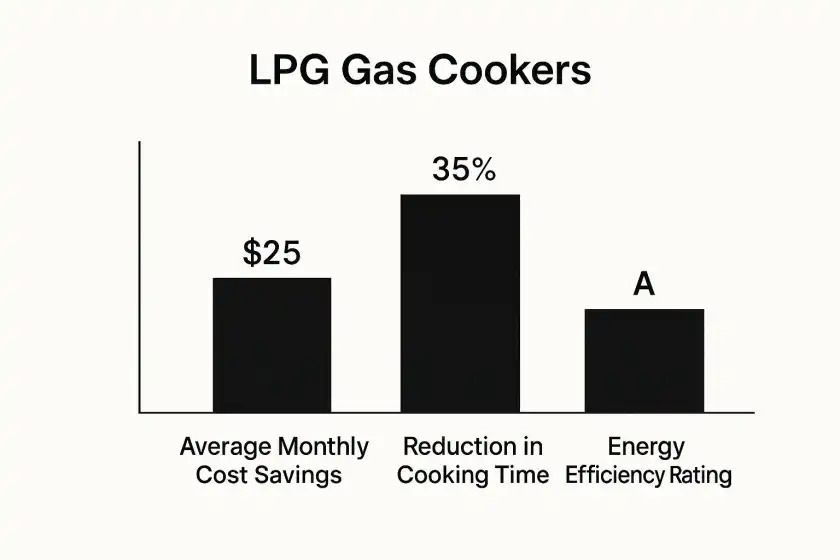

    Picture the LPG system in your caravan, boat, or even for your home BBQ. The gas cylinder is the heart, the appliance is the organ that needs the fuel, and the LPG hose is the main artery connecting them. Just like a healthy artery is vital, a sound, purpose-built hose is absolutely non-negotiable for safety. A failure here doesn’t just mean your heater or cooker stops working—it can lead to a dangerous and uncontrolled release of highly flammable gas.

    The dangers of a dodgy or old hose aren’t just theoretical warnings; they are real-world hazards. A hose that has perished over time can develop tiny, almost invisible cracks, leading to slow but steady leaks. On the other hand, a hose that isn’t rated for the right pressure can burst without warning when you connect it to a full cylinder, creating an immediate and serious risk of fire or explosion.

    It’s More Than Just a Tube

    It’s easy to overlook this simple-looking component, but its job is highly specialised. An LPG hose has to withstand constant pressure, fight off degradation from the chemical compounds in propane and butane, and put up with environmental abuse like UV light, changing temperatures, and physical scuffs. This is precisely why you can never substitute it with a water hose or any other generic bit of tubing.

    To deliver this level of safety and performance, every hose must be built to specific standards. The key things that make a hose safe and compliant are:

    • The Right Materials: Specialised synthetic rubber compounds like nitrile are used because they don’t break down when exposed to LPG.
    • Correct Pressure Rating: Hoses are specifically made for either high pressure (running from the cylinder to the regulator) or low pressure (from the regulator to the appliance).
    • Certified Construction: In the UK, this usually means it has to comply with standards like BS 3212, which is your guarantee that it’s fit for purpose.

    The Real Consequences of Neglect

    Ignoring the importance of your LPG hose can have severe consequences. A small leak in a confined space, like a boat cabin or a caravan’s gas locker, can quickly create a flammable atmosphere waiting for a spark. Physical damage, like a sharp kink or abrasion from rubbing against an edge, creates a weak spot just waiting to fail under pressure.

    The most common causes of gas-related incidents aren’t dramatic equipment failures, but slow, undetected leaks from perished hoses and poor connections. Regular inspection is your first and best line of defence.

    Ultimately, understanding the crucial role of your hose is the first step toward using gas safely. It helps you see it not as a cheap accessory, but as a vital piece of safety equipment. Choosing the right one, installing it carefully, and checking it regularly aren’t just ‘best practices’—they’re essential responsibilities for any LPG user.

    This guide will walk you through everything you need to know to manage your system safely and with confidence.


    A quick check of your LPG hose can be the difference between a safe setup and a serious hazard. This table breaks down the essentials into a simple checklist you can use every time you inspect your system.

    At-a-Glance LPG Hose Safety Checklist

    Check/AttributeWhy It MattersWhat to Look For
    Date StampHoses degrade over time, even if unused. They have a limited lifespan, typically 5 years.Check for a manufacturing date printed or stamped on the hose. Replace if it’s past its expiry or over 5 years old.
    Visible Cracks/SplitsCracks, even tiny ones, are a clear sign the rubber has perished and can leak gas.Bend the hose gently and look closely for any cracks, splits, or crazing on the outer surface.
    Bulges or BlistersThese indicate a weak spot in the hose’s internal structure, which could rupture under pressure.Run your hand along the hose to feel for any soft spots, bubbles, or bulges.
    Kinks or DamageKinks and physical damage weaken the hose wall, creating a potential point of failure.Ensure the hose has a smooth, natural curve and isn’t sharply bent, flattened, or rubbing on sharp edges.
    Secure ConnectionsLoose or improperly fitted connections are a primary source of leaks.Check that the fittings (crimps or swages) are secure and that the end connections are tightened correctly.
    Correct StandardUsing a hose certified for LPG (e.g., BS 3212) ensures it’s made from the right materials.Look for the British Standard number printed along the length of the hose. If it’s not there, replace it.

    Keeping this checklist in mind during your routine maintenance can help you spot trouble before it starts. A few minutes of inspection provides invaluable peace of mind.

    Understanding Hose Materials and UK Certifications

    LPG Hose Types

    At first glance, an LPG gas hose might look like any other rubber tube. But in reality, it’s a piece of specialised engineering designed to handle a highly flammable, pressurised gas safely. You simply can’t use any old bit of tubing; that would be like trying to hold water in a paper bag. Sooner or later, it’s going to fail, and the consequences could be severe.

    The real magic is in the material. LPG hoses are made from specific synthetic rubber compounds, like nitrile (NBR) or neoprene. Unlike regular rubber, which can turn brittle and crack when exposed to the hydrocarbons in LPG, these materials are built to resist that chemical attack.

    This resistance is everything. The hose is in a constant battle with the fuel it carries, and these specialised compounds ensure it stays flexible and strong for its entire service life. They prevent tiny, dangerous micro-cracks from forming, which are often the starting point for a serious gas leak.

    Built in Layers for Strength and Safety

    A proper LPG hose is not just one layer of rubber. It’s a multi-layered construction, a bit like a high-performance car tyre, where each layer has a critical job to do.

    • Inner Tube: This is the layer that’s in direct contact with the LPG. It’s made from a super-resistant synthetic rubber, usually nitrile, designed to stop the gas from seeping through.
    • Reinforcement Layer: In the middle, you’ll find a tough mesh of textile braids, often polyester or even steel. This is the muscle, giving the hose the strength to handle high gas pressure without swelling up or, worse, bursting.
    • Outer Cover: The outside layer is the hose’s bodyguard. Typically made from a durable material like neoprene, it’s there to fend off abrasion, damage from UV sunlight, and bad weather.

    Think of it as a suit of armour for your gas supply. The inner layer contains the threat, the middle layer provides the strength, and the outer shell protects it from the elements. This is what makes a dedicated LPG gas hose completely different from any other tube you might find.

    Decoding the UK Standard BS 3212

    Here in the UK, the gold standard for checking if a hose is safe and fit for purpose is the BS 3212 certification. This isn’t just a friendly suggestion; it’s your absolute guarantee that the hose has been manufactured and rigorously tested to meet strict safety rules for LPG use.

    A hose stamped with BS 3212 confirms it’s made from the right stuff, has the correct pressure rating, and is suitable for the job. If you see a hose without this marking, it has no place in your LPG system in the UK.

    This standard gives us a clear quality benchmark. When you see “BS 3212” on a hose, you know it’s been put through its paces for pressure resistance, flexibility, and material stability. It’s the key that lets you go from being just a user to an informed owner who can check their own equipment with confidence.

    For vapour offtake from cylinders, UK rules are clear: hoses must be marked as ‘High Pressure LPG’ and be certified to British Standard BS 3212 Type 2. To keep risks to a minimum, it’s always best to keep hose lengths as short as you practically can, while still allowing cylinders to be placed safely. You must also use proper hose clips to secure the connections—never use generic jubilee clips, as they are not designed for this and can cut into the hose, creating a leak. It is strictly forbidden to join or extend flexible hoses, as this just adds extra points of potential failure. You can find more great advice on LPG safety from the Hire Association Europe.

    How to Read the Markings on Your Hose

    The information printed along the length of your hose is its birth certificate and CV all in one. If you know what you’re looking at, you can tell its age and suitability in a second.

    1. The Standard: The first thing to look for is “BS 3212” to know it meets UK safety standards.
    2. The Manufacturer’s Name: This tells you who made the hose.
    3. The Date of Manufacture: Often shown as a quarter and a year (e.g., Q2 21). This is vital for knowing when to replace it—typically every five years for domestic use.
    4. Pressure Rating: This shows the maximum pressure the hose can safely handle.

    By getting to grips with these materials and certifications, you give yourself the knowledge to make sure every part of your LPG system is safe, compliant, and ready to give you reliable service for years to come.

    How to Navigate UK Gas Safety Regulations

    Figuring out the rules for using LPG in the UK can feel like a headache, but every single regulation is there for one critical reason: to prevent accidents and keep you safe. The cornerstone of it all is the Gas Safety (Installation and Use) Regulations 1998 (GSIUR). This isn’t just a rulebook for professionals; it lays out practical responsibilities for anyone using LPG, from a homeowner with a patio heater to boaters and caravan enthusiasts.

    The Role of a Gas Safe Registered Engineer

    One of the most important things the GSIUR does is make it clear when you need to call in a professional. While you can connect a new gas bottle to your BBQ yourself, any work on a fixed gas installation—like the pipework in your home, caravan, or boat—legally has to be done by a Gas Safe registered engineer.

    Trying to DIY this kind of work is not only illegal but incredibly dangerous. A Gas Safe engineer is properly trained to:

    • Install and connect all the pipework and appliances correctly.
    • Test the entire system thoroughly for even the smallest of leaks.
    • Ensure there’s enough ventilation to stop harmful gases from building up.
    • Certify that the whole setup meets all current safety standards.

    The Gas Safety legal framework in Great Britain is pretty extensive. It’s not just the GSIUR; it also includes rules like the Gas Safety (Management) Regulations 1996, which manage the safe flow of gases. Within this system, every lpg gas hose and fitting has to meet key safety rules like Regulation 2016/426. This law dictates how gas appliances and their parts are designed and made to ensure they are safe under normal use.

    Sticking to these regulations is the foundation of using LPG safely. It turns a complex set of rules into a simple, life-saving checklist.

    Practical Responsibilities for Users

    Beyond getting professionals in for the big jobs, every LPG user has ongoing responsibilities. If you have a boat, this means regular checks to keep your Boat Safety Scheme (BSS) certificate valid, which is a legal must-have on most UK inland waterways. You can find out more about how to get a Boat Safety Certificate in our guide.

    For caravan owners, it means keeping your gas locker clean and making sure the hose is protected from getting knocked about during travel. For business owners, it’s about regular staff training and keeping records of safety checks. And beyond the UK-specific rules, it’s always a good idea to understand the bigger picture of safety, such as the principles covered in guides to comprehensive safety training requirements.

    At the end of the day, this isn’t about ticking boxes. It’s about building a culture of safety around your equipment, so that every time you turn on the gas, you can do it with complete confidence. Following these rules isn’t a burden; it’s your best defence against accidents.

    Choosing the Right LPG Hose for Any Application

    LPG Installation

    When it comes to LPG gas hoses, one size definitely does not fit all. The hose that’s perfectly fine for your portable camping stove would be a dangerous mismatch for a residential park home or a bustling mobile catering van. Every application has its own unique demands for pressure, durability, and how it stands up to the elements.

    Getting this choice right is absolutely fundamental. It’s not just about making sure your system works efficiently; it’s about making sure it works safely. This means you need to look past what just looks right and really understand the critical differences that determine a hose’s suitability. By matching the hose to your specific needs, you’re creating a secure and reliable link between your gas bottle and your appliance.

    High Pressure vs Low Pressure Hoses

    The first and most important thing to get your head around is the difference between high-pressure and low-pressure hoses. Mixing these two up is one of the most common—and most dangerous—mistakes people make with LPG.

    • High-Pressure Hose: This is the tough, heavy-duty hose that connects your gas cylinder directly to the regulator. It’s built to handle the full, untamed pressure of the gas as it exits the bottle, which can be surprisingly powerful.

    • Low-Pressure Hose: This hose works on the other side of the system, connecting the regulator to your appliance (like a cooker or heater). It’s designed to carry gas at a much lower, controlled pressure and simply isn’t built to take the direct force from the cylinder.

    Using a low-pressure hose where a high-pressure one is needed is a recipe for disaster. It will almost certainly fail, and could even rupture, releasing a large amount of flammable gas. Always, always check the markings on the hose itself to confirm its pressure rating.

    Specialised Hoses for Demanding Environments

    For many simple setups, a standard rubber LPG hose will do the job perfectly well. However, some situations demand something a bit more robust. This is where the armoured LPG gas hose comes in.

    Think of an armoured hose as a standard hose wearing a suit of chainmail. It features a protective outer layer, usually a stainless steel braid, that offers superior defence against physical damage.

    This steel braiding is brilliant at protecting against two major threats:

    1. Rodent Damage: In places like static caravans, park homes, or boats, it’s not unheard of for rodents to chew through standard rubber hoses, causing incredibly dangerous leaks. The metal armour puts a stop to that.
    2. Abrasion and Impact: For hoses that are in high-traffic areas or subject to a lot of movement and vibration, the braiding prevents scuffs, cuts, and general wear and tear from damaging the crucial inner tube.

    Here in the UK, gas safety regulations like BS 6891 are in place to ensure all equipment is fit for purpose. These rules often state that installations must be protected from any foreseeable damage, which includes pests. That’s why armoured hoses are highly recommended—and often a practical necessity—for park homes and caravans where rodent activity is a real risk. For a closer look at the official guidance, you can check out resources from industry bodies like Liquid Gas UK.

    Matching the Hose to Your Application

    So, how do you make the right choice? It all comes down to taking a good look at your specific setup. In marine environments, for instance, even the type of fuel you’re using can influence your system. Our article on propane vs butane for marine installations provides more detailed insights on that front.

    To keep things simple, here’s a quick guide to help you decide:

    ApplicationRecommended Hose TypeKey Considerations
    Portable BBQ/Camping StoveStandard High/Low Pressure Rubber HosePortability and easy connections are key. Just double-check it’s the correct pressure rating for your gear.
    Caravan/MotorhomeHigh-Pressure to regulator, Low-Pressure to appliances. Consider armoured for any external runs.Constant vibration from travel and potential for scrapes make durability a top priority.
    Boat/Marine VesselArmoured High/Low Pressure HoseThe marine environment is harsh. Armoured hoses are a must to resist moisture, salt, and rodent damage in tight spaces.
    Residential Park HomeArmoured High/Low Pressure HoseThese are long-term installations, so you need maximum protection against rodents and general environmental wear.

    By thinking carefully about your environment and how you’ll be using your gas system, you can choose an LPG gas hose that delivers the safety and reliable performance you need.

    Your Guide to Maintenance and Replacement

    LPG Hose Safety First

    It’s tempting to think of an LPG gas hose as a ‘fit and forget’ part of your setup, but that’s a dangerous mistake. The materials that make it flexible and gas-tight will break down over time, even if the hose looks perfectly fine from the outside. Getting into a solid routine of maintenance and timely replacement is one of the most important jobs for any LPG user.

    This isn’t about creating extra work; it’s about staying ahead of problems. Regular checks give you the power to spot the early warning signs of trouble, letting you sort out small issues before they become serious safety hazards. It’s a simple habit that buys you invaluable peace of mind.

    Performing Regular Visual Inspections

    Your first line of defence is a simple look and feel. At least once every few months—and definitely before you hook up a new gas bottle—take a moment to check the entire length of your LPG gas hose.

    Gently bend the hose to see how flexible it is. You’re on the lookout for these tell-tale signs of wear and tear:

    • Cracks and Crazing: Look closely at the outer cover for any fine cracks, splits, or a spiderweb-like pattern. These are clear signs the rubber has perished and is no longer up to the job.
    • Brittleness: If the hose feels stiff, hard, or doesn’t want to bend, its materials have lost their pliability. It needs to be replaced immediately.
    • Bulges and Soft Spots: Run your fingers along the hose. Can you feel any blisters, bulges, or unusually soft areas? These point to a weak spot in the hose’s reinforcement layer, which could burst under pressure.
    • Abrasion: Check for any scuffs, cuts, or places where the hose has been rubbing against something sharp. This can weaken the hose wall and lead to failure.

    Sticking to a Replacement Schedule

    This is the most critical part of your maintenance routine: your LPG gas hose must be replaced on a schedule, no matter how good it looks. The constant exposure to LPG, sunlight, and changing temperatures causes invisible damage to the materials. Because of this, safety authorities and manufacturers all agree on a maximum service life.

    For most domestic, caravan, and marine setups, the rule is to replace your hose every five years. The manufacturing date is always printed right there on the hose, often as a quarter and year (like Q2 24). Knowing when your LPG regulator and hose was last changed is a key part of your safety responsibility. Never, ever take a chance on an old hose.


    For quotes and bookings, call or email us here.
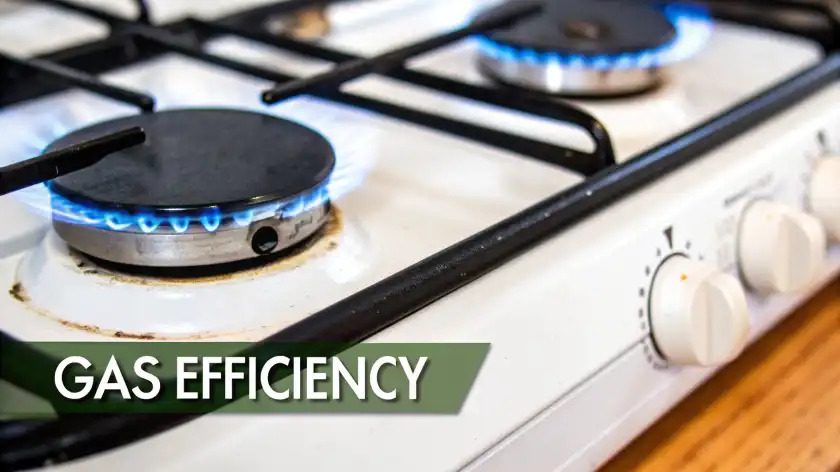

  • Best Heaters for Boats UK Warmth and Safety Guide

    Picking the right heater for your boat isn’t just a small upgrade; it’s what turns a seasonal hobby into a year-round passion, especially with the UK’s notoriously fickle weather. The main contenders are diesel, LPG, solid fuel, and electric systems. The best one for you really boils down to your boat’s specific setup, your power situation, and how you actually use your vessel. This guide will walk you through finding the perfect setup for warm, safe, and comfortable boating, no matter what the weather throws at you.


    For quotes and bookings, call 07846 274 926 or email marineheatingsolutions@gmail.com


    Why Choosing The Right Boat Heater Matters

    Let’s be honest, navigating chilly UK waters often calls for more than an extra jumper. A decent heating system is a cornerstone of safety and comfort, and it’s your best defence against the damp and mould that can plague any boat. Think of it less like a luxury item and more like a core part of your vessel’s kit. It’s what transforms your boat into a warm, dry sanctuary you can escape to, whatever the season.

    This isn’t just a nice-to-have anymore; it’s becoming a key consideration for many UK boaters. The market for specialised boat heating equipment is growing steadily, driven by more and more people wanting to get the most out of their boats all year. If you’re interested in the numbers, you can read more about the UK heating equipment market’s projected growth on Mordor Intelligence.

    Understanding Your Primary Options

    Making a smart choice starts with knowing the main players. Each type of heater has its own personality—its own quirks, ideal uses, and installation needs.

    • Diesel Heaters: Easily the most popular choice. They’re efficient, can often tap right into your main fuel tank, and they produce a very dry heat, which is brilliant for fighting off condensation.
    • LPG (Gas) Heaters: These are prized for being quiet and convenient, particularly if you’re already set up with gas for cooking. As you’d expect, safety is absolutely paramount with these systems.
    • Solid Fuel Stoves: The traditional heart of a narrowboat. Nothing beats the unique, radiant warmth and cosy glow of a real fire.
    • Hybrid Gas/Electric Heaters: A straightforward solution with plug-and-play functionality when connected to shore power in a marina. When out on the water, the gas option ensures battery conservation.

    At-a-Glance Comparison of Boat Heater Types

    This table is a quick reference to see how the main heating options stack up against each other on the most important factors.

    Heater TypePrimary FuelTypical Running CostBest For
    Diesel Air/Water HeaterDieselLow to MediumLiveaboards and frequent cruisers needing reliable, dry heat.
    LPG (Gas) HeaterPropane/ButaneMediumWeekend boaters or those needing quiet, on-demand heating.
    Solid Fuel StoveWood, Coal, BriquettesLow (can be very cheap)Narrowboats and traditional vessels looking for a cosy, off-grid heat source.
    Electric HeaterMains ElectricityHigh (on batteries) / Low (on shore power)Marina-based boats with constant access to shore power.

    Ultimately, the ‘best’ heater is the one that fits your boat and your lifestyle like a glove. Whether you prioritise low running costs, ease of use, or that unbeatable feeling of a real fire, we have a solution that’s right for you.

    Autoterm 9D Diesel Air Heater 8KW

    When considering modern heating options for boats, one popular and effective choice is the forced air diesel heater. This system functions similarly to a car’s heating system and is widely used by liveaboards and cruisers.

    These heaters operate on a simple principle: they draw in cool cabin air, pass it over a heated element powered by a small amount of diesel, and then distribute the warm, dry air through ducting around the boat. This process is efficient and reliable.

    However, it’s crucial to be aware of the risks associated with unbranded Chinese heaters. These units may not meet European safety standards, potentially posing hazards such as fire risks or carbon monoxide leaks. Investing in a well-branded heater that complies with strict safety regulations ensures not only effective heating but also peace of mind while aboard.

    The Power of Dry Heat

    One of the biggest wins with a forced air diesel heater is the type of heat it creates. Unlike some methods that can actually add moisture to the air, these systems actively dry it out. On a boat, where you’re in a constant battle against damp, condensation, and that musty smell that follows, this is an absolute game-changer.

    Waking up on a cold, misty morning to find the windows streaming with condensation is a familiar sight for any boater. A forced air heater tackles this head-on, circulating warm, dry air that lifts moisture from surfaces and the atmosphere itself. This makes for a far healthier and more comfortable living space, protecting both your boat’s interior and your own well-being.

    By installing a reliable diesel heater, boaters can transform their vessel into a year-round retreat. It opens up the colder months for peaceful cruising, letting you enjoy quiet anchorages without the drone of a generator. This single upgrade makes autumn trips and even winter stays not just possible, but genuinely pleasant.

    Fuel Efficiency and Convenience

    Another huge reason they’re so common is their incredible fuel efficiency. These heaters are remarkably frugal, sipping fuel directly from your boat’s main diesel tank. A typical unit might only use 0.1 to 0.2 litres of fuel per hour on a low setting, making them unbelievably cheap to run for long periods.

    You really can’t overstate the convenience of this setup. There’s no need to lug separate fuel canisters about or worry about managing another fuel source. For any diesel-powered boat, the integration is seamless and just makes sense. It’s a self-contained system providing powerful, reliable heat without complicating your fuel logistics. If you’re exploring this efficient solution, checking out the range of Autoterm diesel heaters is a great starting point to see what different models can do.

    A Balanced View: Noise and Power

    Of course, no system is perfect, and it’s important to look at the whole picture. Forced air heaters aren’t completely silent. You’ll hear the gentle hum of the circulation fan and the quiet, rhythmic ticking of the fuel pump. While modern units from top brands like Wallas or Eberspächer are designed to be extremely quiet, you still need to think carefully about where you install them to minimize noise in sleeping areas. Air duct silencers can help reduce fan noise.

    They also need a bit of electrical power to run the fan, fuel pump, and control unit. While the draw is modest—typically 1 to 3 amps once up and running—it is a constant drain on your 12V or 24V battery bank. For anyone planning to spend long periods off-grid, this power consumption has to be factored into your overall energy budget. You need to be sure your charging systems, like solar panels or the engine alternator, can keep up.

    Still, for most boaters, the benefits massively outweigh these minor points. The ability to quickly and efficiently warm the entire boat with dry, comfortable air makes forced air diesel heaters the go-to choice for creating a proper home on the water, whatever the weather is doing outside. They give you the confidence to cast off the lines on a crisp autumn day, knowing a warm and inviting cabin is waiting for you when you get back.

    Diesel Liquid Heaters for Central Heating and Hot Water

    Diesel liquid heaters also present an effective solution by providing central heating and hot water through a calorifier. These systems function by heating water, which is then circulated through radiators, ensuring an even warmth distribution throughout the vessel. Additionally, they connect to a calorifier, utilising the heated water to provide hot water for showers and the galley.

    This setup not only ensures comfort but also adds convenience for life aboard, making it an efficient heating solution for those living on vessels. Diesel liquid heaters are favoured for their ability to maintain a consistent and reliable heat source.

    The diesel liquid heater has been a game-changer for our onboard comfort, offering dependable warmth and hot water even in the coldest conditions.

    LPG Gas Heaters For Convenience and Safety

    For boaters who put a premium on quiet operation and heat on demand, LPG (Liquefied Petroleum Gas) heaters are a seriously compelling option. Many boats, from weekend cruisers to liveaboard narrowboats, already have an LPG system running for the galley stove. This makes adding an LPG heater a natural and convenient extension of a fuel supply you already manage, saving you the hassle of a separate fuel tank.

    The real draw, though, is how clean-burning and quiet they are. Unlike diesel heaters with their distinctive pump and fan noise, many LPG models run in complete silence. It’s an unobtrusive, peaceful warmth that’s hard to beat, and they deliver it almost instantly, taking the chill off a cabin on a cold morning in minutes.

    Forced Air LPG Heaters and Hybrid AC Electric/LPG Heaters

    When exploring LPG heaters, you’ll notice various options that cater to different heating needs.

    • Forced Air Heaters: These operate similarly to diesel heaters, utilizing a fan to distribute warm air throughout the boat using ducting systems. They are ideal for achieving consistent heating in larger or multi-cabin boats, effectively circulating air, though the fan does produce some noise.
    • Hybrid AC Electric/LPG Forced Air Heaters: These systems combine the benefits of LPG and electric power, offering flexibility and efficiency. They can switch between LPG and electric modes depending on availability and preference, ensuring warmth is maintained efficiently.

    The choice between these systems depends on the size of your boat and your preference for air circulation. While boat heaters are a niche market in the UK, they are an essential part of the commercial and domestic heating industry, valued at over USD 110 billion. The UK’s cooler climate and growing interest in boating drive the demand for dependable cabin heating solutions. For more information on trends in the heating sector, visit gminsights.com.

    The Non-Negotiable Priority: Safety

    While the convenience of LPG is fantastic, it comes with a critical responsibility. LPG is heavier than air. This means any leak, no matter how small, will cause the gas to sink and collect in the lowest part of your boat—the bilges—creating a serious risk of explosion. Because of this, safety can’t just be on the checklist; it has to be the absolute foundation of your entire LPG installation.

    Any installation involving gas on a boat must be treated with the utmost seriousness. There is no room for error. A properly installed and maintained system is perfectly safe, but a poorly fitted one is an accident waiting to happen. Always prioritise professional, certified installation over cost-cutting.

    This brings us to the safety components that aren’t optional extras. They are absolute, must-have requirements for any vessel with an LPG system onboard.

    Core Safety Components for LPG Systems

    To use gas safely on your boat, your setup has to meet strict standards. These three elements are fundamental:

    1. Gas-Safe Locker: Your LPG bottles must be stored in a dedicated, self-contained locker that is completely sealed off from the boat’s interior.
    2. Drop Vents: This locker must have a “drop vent” or drain right at its lowest point that leads directly overboard. This ensures that if a leak happens inside the locker, the heavy gas drains safely out of the boat instead of pooling dangerously in the bilge.
    3. Carbon Monoxide (CO) Alarms: LPG combustion can produce deadly, odourless carbon monoxide. A working alarm isn’t just a good idea; it’s essential. Installing a reliable marine carbon monoxide detector is one of the most critical safety steps you can take on a boat with any gas appliance.

    When you combine these measures with a professional installation by a Gas Safe registered engineer who is qualified for marine work, LPG becomes a wonderfully convenient and safe heating choice. Without them, the risks are simply too great to take.

    Solid Fuel Stoves: The Traditional Heart of the Boat

    Bubble 4B Solid Fuel Boat Stove

    There’s a certain magic to a solid fuel stove that other boat heaters just can’t match. It’s far more than just a heating appliance; it’s the living, breathing heart of a vessel, especially on traditional narrowboats and classic yachts. Imagine coming back to your cabin after a long day cruising a misty canal, the air crisp and cold, only to be met by the deep, radiant warmth and comforting flicker of real flames.

    This isn’t push-button, instant heat. It’s a deliberate, hands-on process that really connects you to your surroundings. The gentle crackle of wood or the steady hum of burning coal becomes the soothing soundtrack to your evening. This unique, all-encompassing warmth radiates through the cabin, drying damp clothes and warming chilled hands in a way forced air never could.

    The Lifestyle and Practicalities of Solid Fuel

    Choosing a solid fuel stove means you’re embracing a particular lifestyle. It takes a bit of planning and some physical effort, but the rewards are considerable. Your main fuel choices are seasoned hardwood and smokeless coal, and each has its own character.

    Wood gives you a livelier flame and is brilliant for a quick, roaring fire to take the chill off. Coal, on the other hand, delivers a long, slow, and incredibly hot burn—perfect for keeping the cabin toasty through a cold winter’s night. Many boaters actually use a combination, enjoying the flames of wood before banking the fire with coal to keep it going for hours.

    Living this lifestyle involves a few key things to think about:

    • Fuel Sourcing: You’ll need to find and store your fuel. This usually means buying seasoned logs or bags of coal from canalside suppliers, marinas, or local merchants.
    • Storage Space: Fuel takes up room. You must have a dedicated, dry spot on your boat—often on the roof or in a bow locker—to keep your supply safe from the weather.
    • Fire Management: Learning to build, maintain, and control your fire is a real skill. It involves managing airflow to get the most efficient burn and knowing how to keep it going safely overnight.

    A solid fuel stove gives you true off-grid independence. With a good stock of fuel, you have powerful, reliable heat that needs no electricity and is completely separate from your engine or battery bank. It is the ultimate self-sufficient heating solution.

    Installation: The Foundation of Safety

    The charm of having a real fire on board comes with an absolute duty of care. An improper installation isn’t just a risk; it’s a profound danger. Unlike other heaters, the high temperatures involved demand a completely uncompromising approach to safety.

    There are three pillars to a safe solid fuel stove installation, and none of them are negotiable.

    1. A Heat-Resistant Hearth: The stove has to sit on a non-combustible base, like stone tile or a thick steel plate. This hearth must stick out far enough around the stove to catch any stray embers that might pop out when you open the door.
    2. Safe Clearances: Intense heat radiates from the stove in all directions. It must be fitted with a safe air gap between the unit and any nearby combustible materials, like wooden bulkheads or furniture. Heat shields are often used to protect these surfaces.
    3. A Properly Fitted Flue: The flue (or chimney) is critical. It must be a twin-wall insulated flue where it passes through the deck or roof to stop heat from transferring to the boat’s structure. It also needs a collar to make sure it’s completely watertight and a cap to keep the rain out.

    Ongoing Maintenance for Reliable Warmth

    Living with a solid fuel stove means committing to regular maintenance, but it’s a simple and rewarding routine. The main jobs are sweeping the flue and emptying the ash pan. Soot and creosote can build up in the flue, which reduces efficiency and creates a fire risk, so it needs cleaning with a flue brush at least once a year.

    The ash pan will need emptying daily when the stove is in heavy use. This simple ritual is just part of the rhythm of life with a real fire. This hands-on approach is what makes these boat heaters so special. For those looking at compact yet powerful stoves, perfect for a marine environment, exploring the different models of Salamander Stoves can provide great inspiration for what’s possible in a smaller space.

    Diesel Stoves: Efficient Heating for Boats

    When considering heating options for your boat, diesel stoves like Refleks or Bubble are excellent choices. These stoves are specifically designed for marine environments and offer several advantages:

    • No Power Supply Required: These stoves can function without a power source, making them suitable for remote areas where electricity is unavailable.
    • Consistent Heat Source: Diesel stoves deliver a steady and reliable heat source, providing comfort even in cold climates.
    • Ease of Use: Featuring straightforward controls, these stoves are user-friendly, allowing for simple temperature adjustment.
    • Cleaner Operation: These stoves don’t require handling ash, resulting in less dust settling in the cabin.
    • Convenience: There is no need to carry or store wood and coal, simplifying fuel management.

    Having a diesel stove on board is like having a dependable friend to keep you warm on the coldest nights.

    Choosing a diesel stove for your boat ensures you have a reliable heating solution that doesn’t rely on an external power source. Consider this option for efficient and hassle-free warmth during your maritime adventures.

    Electric Heaters: Marina Convenience vs. Off-Grid Challenges

    Electric heaters are convenient when moored in a marina, where access to shore power makes them easy to use. They are clean, portable, and effective for warming a boat without the need for complex installations. Common choices include oil-filled radiators, fan heaters, and tube heaters, each offering specific benefits for maintaining comfort on board.

    However, using electric heaters off-grid is not advisable due to the high power demands that can quickly deplete a boat’s battery bank. Boats typically have less insulation than houses, making electric heaters particularly inefficient and costly compared to alternatives like diesel heaters, even if you are plugged into shore power. For off-grid heating, fuel-burning systems are more practical and efficient, ensuring warmth without draining your resources.

    Essential Installation and Maintenance Practices

    Boat Heater Installation and Maintenance - Safety First

    Choosing the right heater for your boat is only half the battle. A flawless installation and diligent maintenance are what truly guarantee years of safe, reliable warmth. While we always recommend a professional fitting, understanding the core principles empowers you to oversee the work and properly care for your system down the line.

    Think of installation not as a one-off task, but as laying the very foundation for your boat’s safety and comfort. Getting it right from day one prevents countless future headaches and, more importantly, hazards. The universal principles of a safe install apply whether you have a diesel, LPG, or solid fuel system.

    The Cornerstones of a Safe Installation

    Every fuel-burning heater, regardless of type, produces exhaust gases that absolutely must be removed from your living space. This is the most critical aspect of any installation, and there is simply no room for compromise.

    Two elements are paramount here: the fuel supply and the exhaust system. Fuel lines for diesel or LPG heaters must be correctly routed, secured against vibration, and free from any potential chafe points. The connections must be leak-proof and installed by a competent person—for gas, this means a Gas Safe registered engineer qualified for marine work.

    Equally important is the exhaust flue. It has to be sealed tightly, routed correctly to prevent water from getting in, and fitted with the proper deck fittings to protect your boat’s structure from high temperatures. For a deep dive into the process for solid fuel systems, which have some of the most stringent requirements, our guide on how to install a boat stove provides detailed insights.

    A professional installation is an investment, not an expense. The peace of mind that comes from knowing your fuel and exhaust systems are fitted to the highest safety standards is invaluable. It protects your vessel, your family, and your ability to relax on board.

    Your Regular Maintenance Checklist

    Once your system is up and running, a simple routine of checks will keep it performing safely and efficiently. Regular maintenance isn’t just good practice; it’s a vital part of responsible boat ownership.

    This quick-reference checklist covers the essential tasks you should perform regularly. Think of it as a seasonal health check for your boat’s heating system.

    • Inspect All Fuel Lines: At least twice a year, visually check all fuel lines for any signs of cracking, chafing, or corrosion. Make sure all fittings are tight and secure.
    • Test CO and Smoke Alarms: Test your carbon monoxide and smoke alarms monthly. This is your most important early warning system, so ensure the batteries are fresh and the units are working correctly.
    • Clean the Flue and Exhaust Outlet: Regularly check that the exhaust outlet on the hull or roof is clear of soot, debris, and any other blockages. A blocked exhaust can force dangerous gases back into the cabin. Solid fuel stove flues should be swept on a monthly basis.
    • Service the Heater Annually: Just like a boiler at home, your boat heater will thank you for an annual service by a qualified technician. They’ll clean key components, check the burner, and ensure combustion is clean and efficient.

    By staying on top of these simple but crucial tasks, you ensure your heater remains a reliable source of comfort, not a potential hazard. This proactive approach allows you to enjoy warm, cosy days and nights on the water with complete confidence.

    Common Questions About Boat Heaters

    Even after getting your head around the main types of heaters, you’ll likely still have a few practical questions knocking about. It’s completely normal. This section tackles the most common queries we get from boat owners, giving you clear, straightforward answers to help you lock in your decision with confidence.

    What Size Heater Do I Need For My Boat?

    Choosing the right size, or power output (measured in kilowatts or kW), is absolutely critical. Get it wrong, and you’re in for a world of frustration. An undersized unit will run flat-out and never quite manage to get the boat properly warm, while an oversized one will constantly switch on and off, wasting fuel and causing unnecessary wear and tear.

    A decent rule of thumb to start with is to allow 1kW of heating power for every 3 to 4 metres of boat length. But honestly, that’s just a rough starting point.

    The perfect size for your heater really comes down to your boat’s total internal volume, how good (or bad) your insulation is, and the number of cabins you need to heat. To avoid making a costly mistake, it’s always best to have a chat with a professional who can calculate your specific heating needs properly.

    Can I Install a Boat Heater Myself?

    While some very experienced and technically gifted boat owners do take on the installation themselves, we strongly recommend getting a professional to fit it, especially for diesel and LPG systems. These heaters aren’t just plug-and-play; they involve complex fuel lines, exhaust systems, and electrical wiring where a small mistake can have very serious safety consequences.

    A certified technician will make sure that:

    • Fuel lines are completely secure and meet all safety standards.
    • The exhaust is routed correctly and perfectly sealed, preventing deadly fumes from leaking into your living space.
    • All the electrical connections are safe, sound, and reliable.

    Is It Safe To Leave a Boat Heater On Overnight?

    Yes, absolutely—as long as the system was installed correctly by a competent person and is properly looked after. Modern diesel, LPG, and solid fuel heaters are designed from the ground up for continuous, unattended use, making them perfect for keeping the chill at bay all through a cold night.

    But, this safety hinges entirely on one little box: a carbon monoxide (CO) alarm. No matter what kind of fuel-burning heater you have on board, a working, regularly tested CO alarm is non-negotiable. It’s an essential piece of kit for your safety and your peace of mind.


    For quotes and bookings, call or email us here.
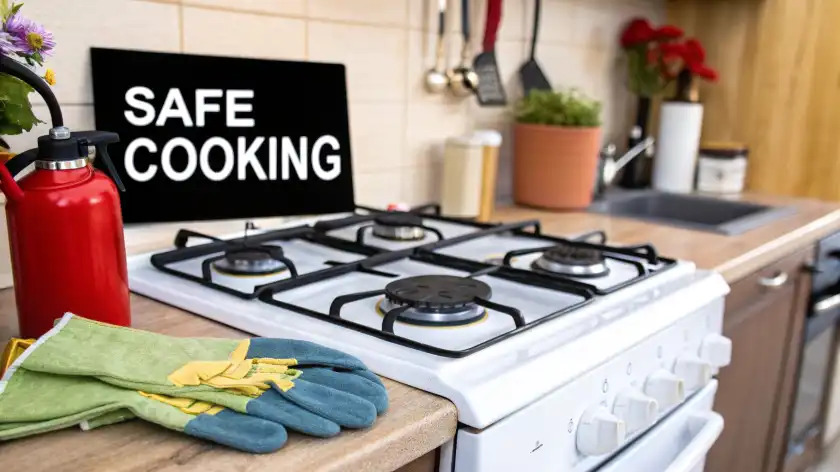

  • Propane vs Butane: Choosing the Right Fuel for Marine LPG Installations

    When it comes to powering marine appliances and systems, choosing the right fuel is essential. Propane and butane are two common liquefied petroleum gases (LPG) often used for marine applications. While both fuels have their advantages, propane is often the preferred choice for marine LPG installations. In this article, we will explore the difference between propane and butane and discuss why propane is better suited for marine use.


    For quotes and bookings, call or email us here.
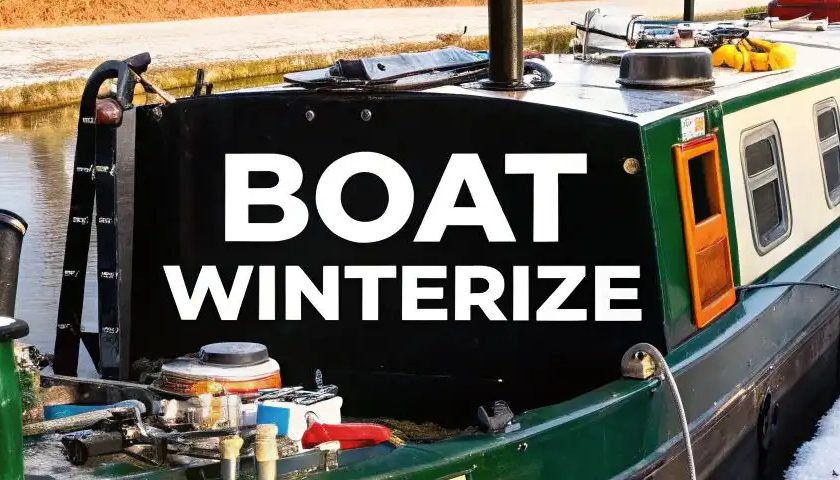

    Propane and Butane: The Basics

    Propane and butane are both hydrocarbon gases derived from natural gas processing and crude oil refining. They can be compressed into a liquid state for easy storage and transportation. These relatively clean-burning gases provide an efficient and convenient energy source for various marine appliances, such as cookers, ovens, boilers, water heaters, and refrigerators.

    Propane:

    Propane has several characteristics that make it well-suited for marine use:

    1. Lower boiling point: Propane has a lower boiling point compared to butane, which means it vaporizes more easily even in colder temperatures. This is crucial for marine applications where the fuel needs to vaporize efficiently to enable proper combustion.
    2. Better cold-weather performance: Propane performs exceptionally well in colder climates, making it a reliable fuel choice for boats that are in use in cold weather conditions. It remains in a gaseous state at temperatures as low as -44°F (-42°C), ensuring that your appliances will continue to function optimally.
    3. Higher energy content: Propane has a higher energy content per gallon compared to butane. This means that it provides more heat and power for your marine appliances, allowing you to cook, heat water, and run other on board systems more efficiently.

    Butane:

    Butane is generally no longer considered a suitable choice for marine LPG installations due to certain limitations:

    1. Higher boiling point: Butane has a higher boiling point than propane, which means it requires higher temperatures to vaporize. In colder temperatures, butane may struggle to convert from its liquid to gaseous state, making it less reliable for marine use. Appliances supplied with Butane will most likely be dangerously under gassed in cold weather conditions and could fail to function during winter months.
    2. Lower energy content: Butane has a lower energy content per gallon compared to propane. This means that it provides less heat and power to your boat’s appliances
    3. Equipment Compatibility with Current Safety Standards: Since 2010, the gas safety standard for boats requires LPG cylinder regulators to incorporate an Over Pressure Shut Off (OPSO) device. There are currently no Butane compatible cylinder regulators with OPSO on the market. Since cylinder regulators should be replaced every 10 years, any Butane installations found on boats today are either using out of date regulators or are not compliant with the safety standard.

    Conclusion

    In conclusion, while both propane and butane are viable options for certain LPG applications, propane is generally considered more suitable for marine LPG installations. Its lower boiling point, better cold-weather performance, and higher energy content make it a reliable and efficient fuel choice for powering appliances and systems on board. When equipping your boat with an LPG system, opting for propane will likely provide you with optimal performance and reliability in various marine environments.

    Remember, safety always comes first when working with any type of fuel. Ensure that your marine LPG equipment and pipework are installed by a GasSafe registered professional and always follow proper safety guidelines to enjoy a worry free boating experience.


    For quotes and bookings, call or email us here.
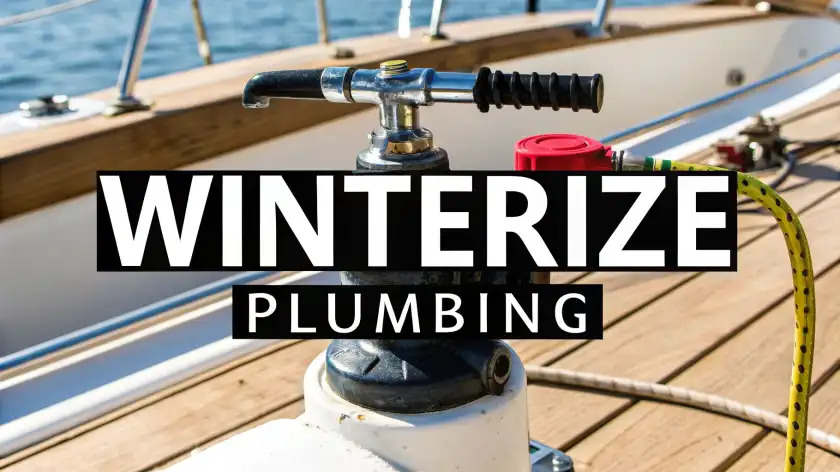

  • What Marine LPG Gas Boiler is Right for me?

    Choosing the right Marine LPG gas boiler for your boat can significantly impact your comfort and convenience while at sea. The decision relies on several factors such as the size of your vessel, your hot water and heating requirements, and your budget. Here’s a comprehensive guide to assist you in making an informed choice.


    For quotes and bookings, call or email us here.

    Types of Marine LPG Gas Boilers

    Instantaneous Hot Water Heaters

    #image_title

    Instantaneous hot water heaters are ideal for boats with constant hot water needs. These systems heat water on demand as it flows through, offering instant hot water without the need for a storage tank. This feature is especially advantageous when space is at a premium. The downside is that modern LPG instant water heaters need to be supplied by 19 kg propane cylinders. These are too big for the lockers many inland waterways boats.

    Combi Boilers

    Alde LPG Combi Boiler

    Combi boilers provide a dual function by supplying both hot water and heating through radiators. While they can offer greater convenience, LPG combi boilers generally consume a lot of gas. This is not much of an issue on leisure boats with occasional use. However, for live-aboard vessels with prolonged or constant use, these boilers are considered unsuitable. These boats are usually fitted with diesel systems that are more economical to run.

    Tanked LPG Water Heaters

    Propex Malage - Marine LPG Water Heater
    Propex Malaga Tanked LPG Water Heater

    Tanked LPG water heaters are another viable option for marine applications. These are very economical to run, featuring a low-consumption gas burner to heat a small tank of water. This is sufficient for short showers and hot water for washing up, but will not provide a constant supply. The tank typically takes 40 to 50 minutes to heat up.

    Key Consideration

    • Hot Water Demand: Evaluate your regular hot water consumption. A tanked water heater may suffice for occasional showers. For consistent hot water use, an instantaneous water heater would be better. For heating with LPG, choose a combi Boiler.
    • Budget: Consider both the upfront installation costs and ongoing fuel expenses. Although combi boilers provide greater convenience, their higher gas usage can lead to increased operational costs in the long run.

    In conclusion, the right Marine LPG gas boiler will ultimately depend on your specific circumstances, including the type of boat you own and your daily hot water and heating needs. Take the time to evaluate your requirements before choosing an appliance. Our certified boat gas engineers are here to help.


    For quotes and bookings, call or email us here.
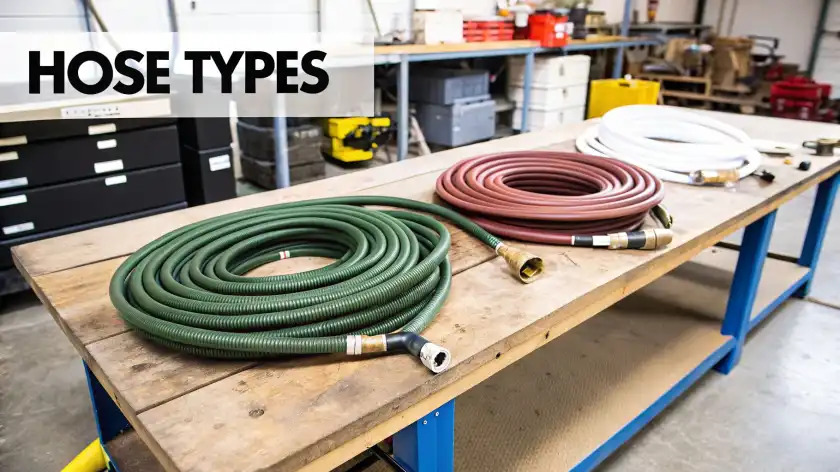

  • Understanding the Function of LPG Cylinder Regulators and Over Pressure Shut Off (OPSO) Devices

    LPG cylinder regulators play a crucial role in ensuring the safe usage of LPG on boats. Combined with the incorporation of Over Pressure Shut Off (OPSO) devices, the level of safety is significantly enhanced. In this post, we will explore the purpose and function of LPG cylinder regulators and over-pressure shut-off devices.


    For quotes and bookings, call or email us here.
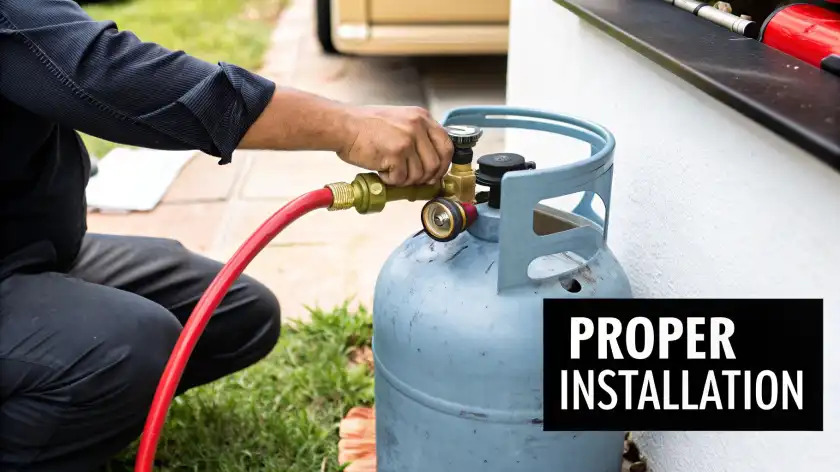

    Purpose of LPG Cylinder Regulators

    LPG cylinder regulators facilitate the safe flow of gas from the cylinder to the appliances they fuel. They act as a critical control mechanism, regulating the pressure of the gas to ensure consistent and reliable performance. Moreover, regulators help maintain a steady flow rate, compensating for variations in temperature and gas pressure. It is important that regulators and their hoses are checked periodically and changed when their lifespan is up.

    LPG Cylinder Regulator With OPSO

    Incorporating Over Pressure Shut Off (OPSO)

    Since at least 2014, all newly installed regulators require Over Pressure Shut Off (OPSO) devices. These devices provide an additional layer of safety in LPG installations. They automatically shut off the gas supply if the pressure exceeds the specified limit, preventing potential accidents or equipment damage. OPSO devices are an essential component in LPG installations where the pressure coming directly from the cylinder can be up to 6 Bar (around 90 PSI)

    Involvement of Gas Safe Registered Engineers

    The installation and maintenance of LPG cylinder regulators with OPSOs should only be carried out by GasSafe registered engineers. These professionals have the necessary skills and knowledge. They possess the experience needed to ensure proper functioning and compliance with current laws. They also adhere to the latest safety standards. Your GasSafe engineer should check the entire installation when working on any part of it. They should also test the installation and issue you an LPG Safety Certificate to certify this.


    For quotes and bookings, call or email us here.
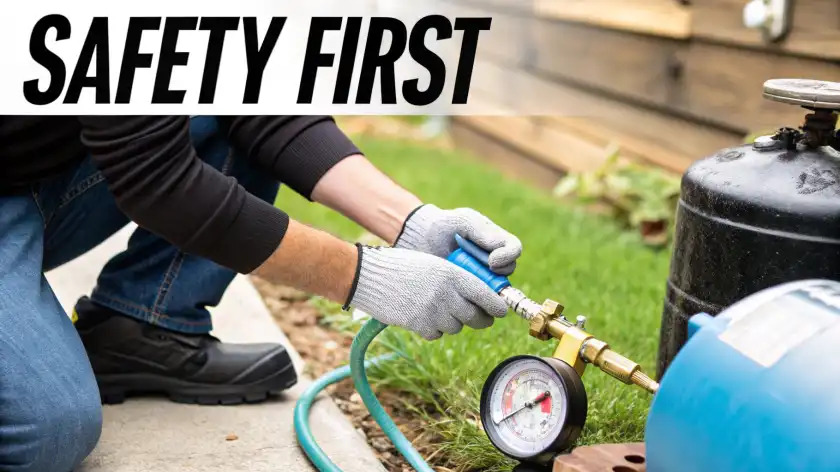

  • Bubble Testers On UK Boat LPG Installations

    Welcome to our blog post concerning bubble testers on boats in the UK. There is a lot of contradicting information out there when it comes to bubble testers in marine installations. This post is aimed to clear up the myths, explain the rules and requirements, and show the function of these safety devices.


    For quotes and bookings, call or email us here.
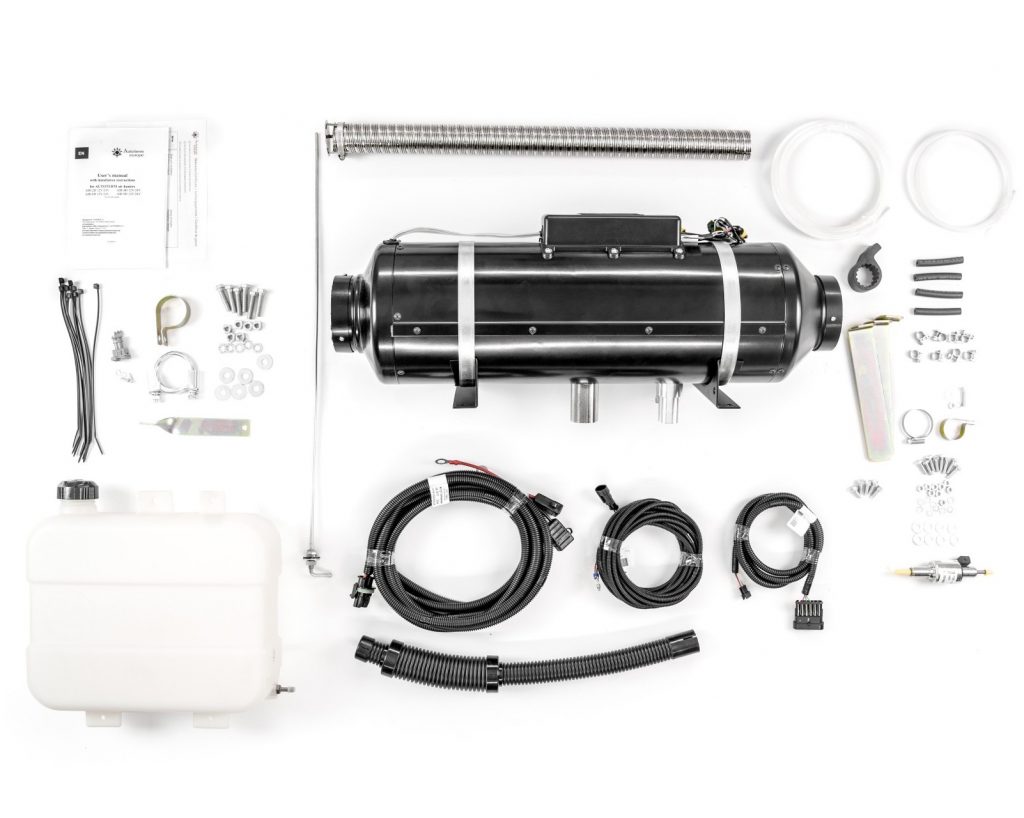

    Bubble Tester

    What Is A Bubble Tester and How Does It Work?

    A bubble tester is a device that lets you test the LPG installation on your boat for leaks. This device should be installed in the gas locker. You can use it to test your gas pipes for leaks when you change the bottle. It is also useful when the system hasn’t been in use for a while. Boat LPG systems face much more movement and vibrations. They are under more stress than other gas installations. Therefore, they should be tested more frequently. We have recorded this short video to illustrate the use of a bubble tester.

    To use the bubble tester, make sure all your gas appliances are switched off and any pilot lights are out. Open your gas bottle. Depress the red button on the bubble tester for two minutes and watch out for any bubbles showing in the liquid vial. With all appliances switched off, there should be no gas flowing and no bubbles should appear. If you see bubbles when there shouldn’t be any, this would indicate a leak. You should then contact a Gas Safe registered engineer to investigate further. Turn the gas supply off at the bottle until the engineer tells you that it’s safe to use.

    Are Bubble Testers Required By Law?

    Marine LPG installations should comply with the current standard BS EN ISO 10239. On most inland waterway boats the gas installation is many years old.They would have been fitted before this standard was written. For these boats, not having a bubble tester would be a fault classified as Not To Current Standard (NTCS). For faults classified as NTCS, a gas engineer would normally advise the boat owner to update the installation to the current standard, if they wish to do so.

    Gas Safe

    For new installations, all systems should be fitted with an easy means for the boat owner to self-test them. This could be a high-pressure gauge or a bubble tester. If this isn’t done the fault is still classified as NTCS. Since this doesn’t put the gas installation At Risk or make it Immediately Dangerous, the boat owner cannot be forced to have a bubble tester or gauge installed.

    Do I Need A Bubble Tester For A BSS Certificate?

    No. This has been the subject of many discussions lately. There have been contradicting opinions and tales of what boat owners have been told by their BSS examiner. Feel free to check this with the Boat Safety Scheme if you have any doubts, but the answer to this question is no. There is no need to have a bubble tester installed on your boat.

    BSS -Boat Safety Scheme Examiner - Certificates

    To explain this further: There are two types of BSS examiners for privately owned live-aboard vessels. Those who are Gas Safe registered and those who are not. In the UK, any person carrying out “work” on a gas installation must be Gas Safe registered. To carry out a tightness test as part of the BSS examination on a boat without a bubble tester, the examiner would need to open the gas line at the test point fitting. This is classified as “work” under gas safety legislation. Therefore the examiner will need to be Gas Safe registered to do so. There is no need to open the gas line when tightness testing the LPG line with a bubble tester. This is then not classified as “work” and can be done by examiners who are not Gas Safe registered.

    When weighing up the costs of having a bubble tester installed against the convenience of not having to find a Gas Safe registered BSS examiner, you need to consider that bubble testers need servicing periodically. This which is best done by a Gas Safe registered engineer.

    When Does My Bubble Tester Need Servicing?

    Bubble testers need servicing regularly. The liquid should be topped up when the level gets too low. The liquid should also be changed every 5 years, or before then if it is discoloured. BSS examiners, whether they are Gas Safe registered or not, cannot use bubble testers if the liquid isn’t clear anymore.

    How Do I Install A Bubble Tester?

    Bubble testers are installed in your LPG cylinder locker. They sit in the gas line just after the regulator hose and before the gas pipe. There are lots of safety considerations and legal requirements when working on boat gas installations. This work should only be carried out by a Gas Safe registered engineer with LPG and Boat qualifications.


    For quotes and bookings, call or email us here.