Marine Heating Solutions

Category: Boat LPG Heating and Cooking Appliances

Boat LPG Heating and Cooking Appliances

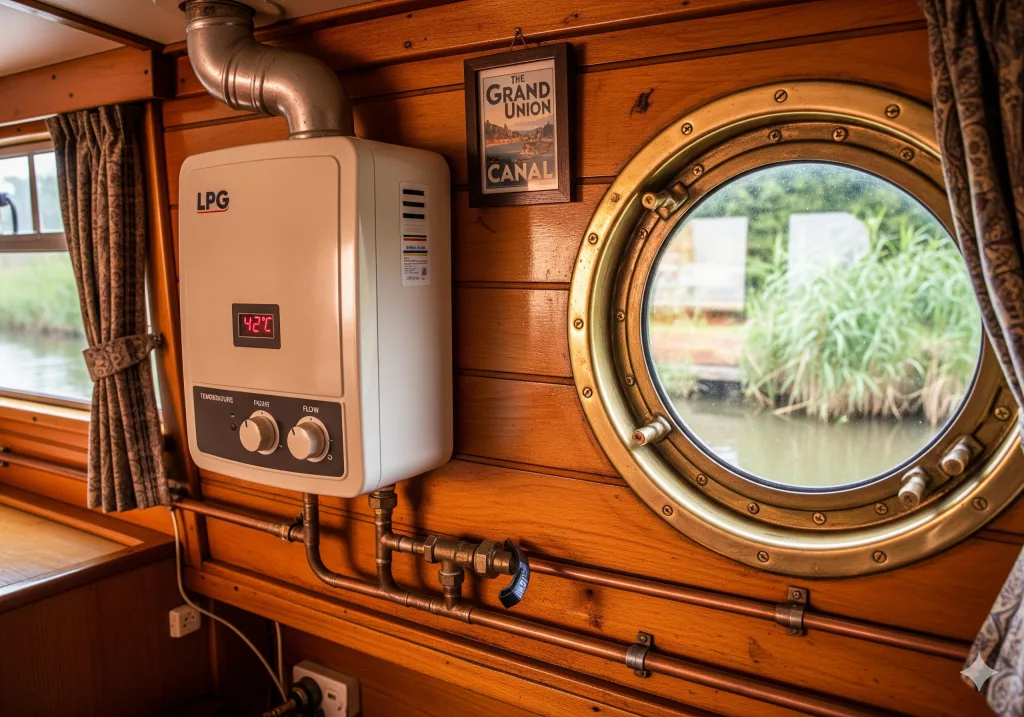
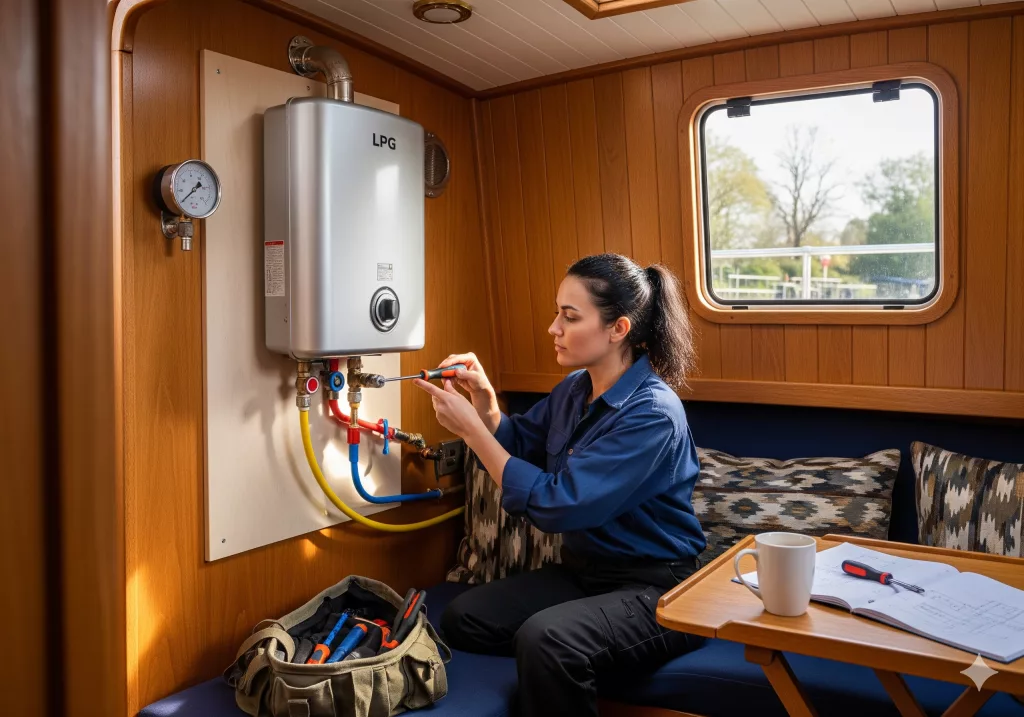
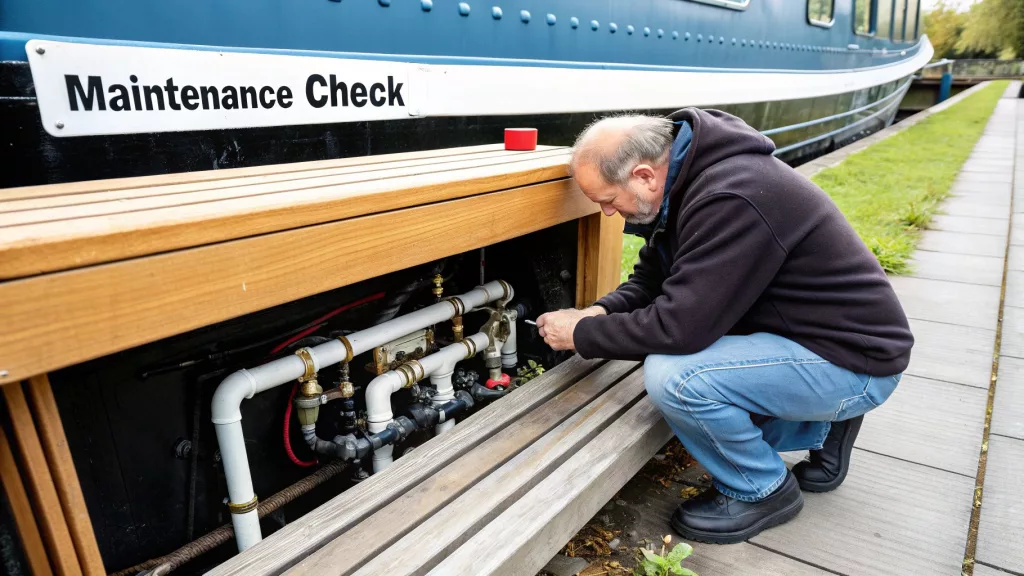
LPG (Liquefied Petroleum Gas) has become an increasingly popular choice for heating and cooking appliances on boats of all sizes due to its unique set of advantages. One of the primary benefits of using LPG is its efficiency; it burns cleanly and produces a high heat output, making it ideal for quickly heating water and cooking meals. Additionally, LPG appliances tend to be lighter and more compact than their diesel and solid fuel counterparts. This weight savings is crucial for maintaining a vessel’s stability and performance. Furthermore, LPG heaters, boilers and cookers are often cheaper to buy than other boat appliances.

However, there are also some disadvantages to consider when opting for LPG appliances. Safety is a significant concern, as LPG is highly flammable and requires careful usage to avoid dangerous situations. In contrast, diesel appliances generally provide added security as diesel fuel is less volatile than LPG. Most boats already have a diesel system installed to supply the engine, saving the cost of separate LPG storage and pipework installation. Solid fuel appliances, while often more labour-intensive and less efficient, are also less reliant on external fuel sources, and might be a better choice for remote areas where LPG may not be readily available. Boat owners must weigh these factors carefully to determine the best heating and cooking solution for their specific needs and circumstances.


Explore The Individual Types Of LPG Boat Installations


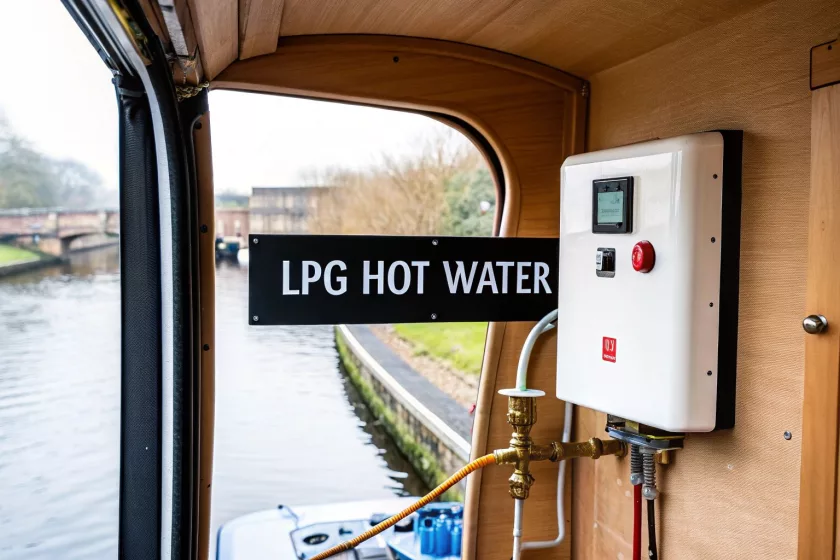
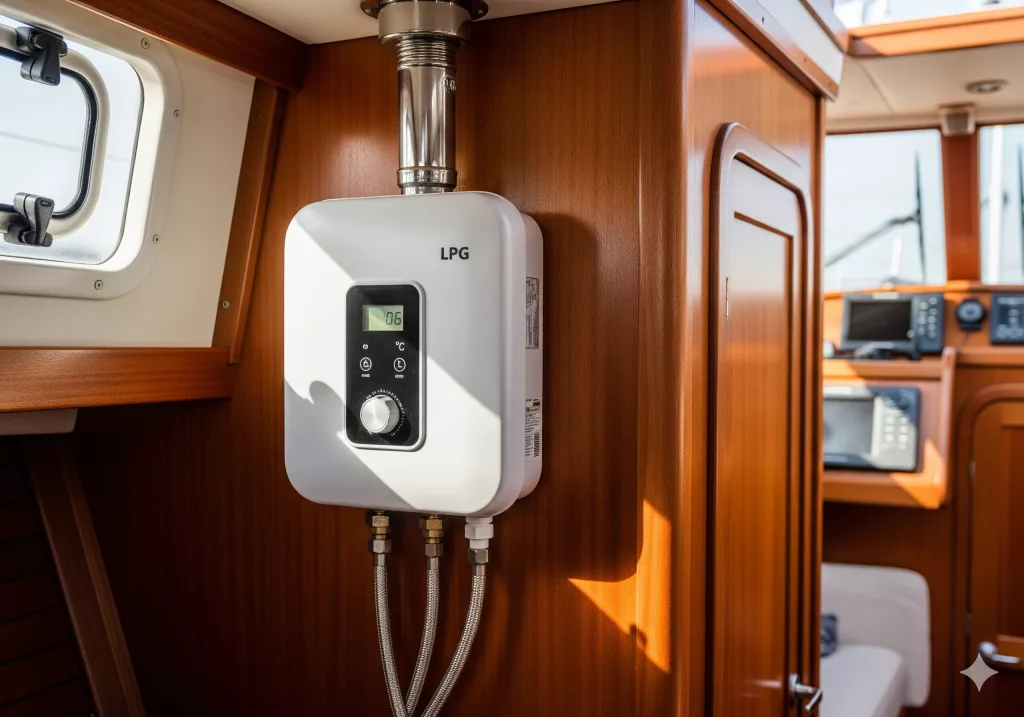
LPG Water Heater & Boiler Installations


Boat LPG Air Heater Installations


LPG Cooker Installations For Boats


For quotes and bookings, call or email us here.

  • Choosing Your Ideal Boat Heating System

    Choosing Your Ideal Boat Heating System

    A good, reliable boat heating system is what turns your vessel from a fair-weather toy into a genuine year-round retreat. It’s the difference between shivering through a damp autumn evening and feeling properly cosy and comfortable. The best systems are not just about raw heat; they’re efficient, safe, and perfectly suited to your boat’s size and, more importantly, how you actually live on it. The right choice will always be a balance between the initial cost, day-to-day running expenses, and how much tinkering you’re willing to do.

    Why Choosing The Right Boat Heater Matters

    Picking the right heater is genuinely one of the most critical decisions you’ll make for your life on the water. It’s not just about warding off the cold. A good system creates a dry, healthy living space, keeps damp and mould at bay, and protects your boat’s plumbing from freezing solid during a bitter UK winter. In many ways, it’s the heart of your boat’s comfort and well-being.

    The right heater just works. It slots seamlessly into your routine, whether you’re a weekend sailor who just needs a quick blast of warmth or a full-time liveaboard on a narrowboat who depends on it for constant, reliable heat. Get it wrong, however, and you’re in for a world of frustration, surprisingly high running costs, and even serious safety risks.


    For quotes and bookings, call or email us here.


    Matching a Boat Heating System to Your Lifestyle

    Before you even think about brands or models, you need to think about yourself. A small cabin cruiser used for sunny day trips has completely different needs to a 60-foot steel barge that’s your permanent home.

    Ask yourself these simple but crucial questions:

    • How do you actually use your boat? Are you a coastal cruiser, a canal wanderer, or do you spend most of your time tied up at a marina with shore power?
    • What’s your power situation? Are you running off a beefy battery bank with solar, or are you relying on your engine’s diesel tank?
    • How hands-on do you want to be? Are you happy tending to a solid fuel stove, or is a “set it and forget it” thermostat-controlled system more your style?

    Getting your head around these trade-offs is the first big step. For a much more detailed breakdown, you can learn more about the complete range of boat heating systems and where each one truly shines. Making a smart, informed choice now means you’ll be enjoying countless comfortable days and nights on the water for years to come.

    Exploring the Main Types of Marine Heaters
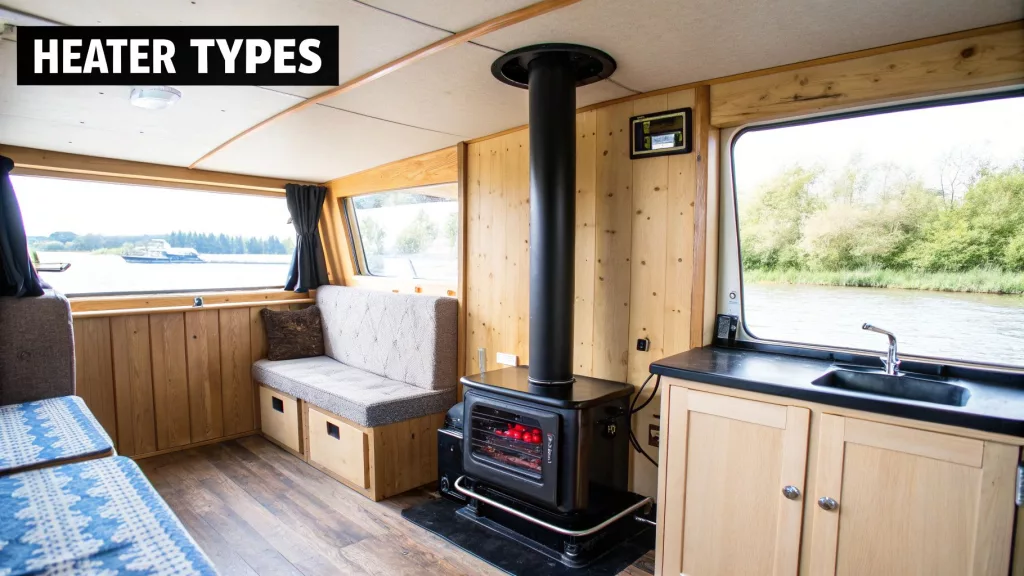
    A boat heating system installed on a river barge

    Figuring out how your boat stays warm isn’t just about the fuel you use. The real difference lies in how that heat gets collected and moved around your living space. Each type of marine heater creates a completely different experience onboard, from a quick blast of targeted warmth to a gentle, background cosiness that feels just like home.

    Let’s unpack the three main ways of delivering heat on UK boats. By looking at how each system actually works—from its guts to its real-world performance—you’ll get a much clearer idea of which one fits your life on the water.

    Forced Air Systems: The Instant Warm-Up

    Picture your car’s heater on a freezing morning. You fire it up, and within minutes, hot air is pouring from the vents, chasing the chill out of the cabin. That’s exactly how a forced air boat heating system works, which is why it’s such a popular choice for weekend sailors and cruisers who need heat right now.

    The setup is based around a compact heater unit, usually running on diesel or LPG. Inside, a burner heats up a metal component called a heat exchanger. A powerful fan then sucks in cool cabin air, shoves it across the super-hot exchanger, and blasts the now-warm air through flexible ducting to outlets around the boat.

    This approach is incredibly good at heating a space quickly. A typical 2kW system can raise the temperature in a small cabin by several degrees in just 10 to 15 minutes. It’s perfect for taking the edge off after a long, cold day on the water.

    This makes forced air a brilliant solution for GRP (fibreglass) boats, which tend to lose heat fast. It gives you an immediate shot of dry, warm air that’s fantastic for fighting damp and condensation.

    The range of marine heating systems available in the UK has grown a lot, thanks to new tech and what boaters are now looking for. Propane (LPG) forced-air heaters are a common sight, mostly because many boats already have LPG onboard for cooking. This makes adding a heater pretty straightforward. A big plus is their almost silent operation, a huge improvement on the noisy pumps and fans of some older diesel heaters. Electric systems are also gaining ground for smaller, plug-in setups, while hybrid LPG/electric models offer a flexible solution for boats that sometimes have shore power and sometimes don’t.

    Hydronic Systems: Your Onboard Central Heating

    If forced air is like your car heater, then a hydronic system is the floating version of your central heating at home. It provides a gentle, silent, and wonderfully even warmth that’s ideal for liveaboards or anyone spending a lot of time on their boat.

    The heart of a hydronic system is a boiler, which is usually fired by diesel or gas. This boiler heats up a water and antifreeze mix, which is then pumped through a sealed loop of pipes. This hot liquid flows through radiators or little fan-assisted units in each cabin, which then radiate heat out into the room.

    This kind of setup has some serious advantages:

    • Silent Operation: Once it’s up to temperature, the system is virtually noiseless, other than the faint hum of the circulation pump.
    • Even Heat Distribution: Radiators give off a gentle, radiant warmth that heats the whole space evenly. You don’t get the hot and cold spots that can sometimes happen with forced air.
    • Domestic Hot Water: A lot of hydronic boilers can be linked to a calorifier (your boat’s hot water tank), using the same system to give you plenty of hot water for showers and washing up.

    This all-in-one capability makes it a top-tier choice, especially for larger vessels and steel narrowboats where keeping a stable, comfortable temperature is the main goal.

    Solid Fuel Stoves: The Traditional Heart of the Boat

    For countless narrowboat and barge owners, a solid fuel stove isn’t just a heater; it’s the heart and soul of their boat. These classic stoves, burning wood, coal, or smokeless fuels, kick out a powerful, dry heat and create a cosy focal point that no other system can touch.

    A solid fuel stove works through simple radiation and convection. The fire roaring inside the cast-iron body heats the metal until it’s glowing hot, and that heat radiates directly into the cabin. This intense, dry warmth is amazing at driving out the damp that can be a constant battle on steel boats.

    Sure, they need a bit of manual labour—loading fuel, tweaking the airflow, and cleaning out the ash—but their off-grid reliability is second to none. With no need for electricity or complicated pumps, a solid fuel stove keeps you warm as long as you’ve got a supply of fuel. It’s easy to see why they are such a beloved fixture of the canal community. If you’re drawn to this traditional way of life, it pays to look into the details of choosing and fitting narrowboat wood burning stoves to make sure it’s done safely and efficiently.

    Comparing Fuel Sources for Your Boat Heating System
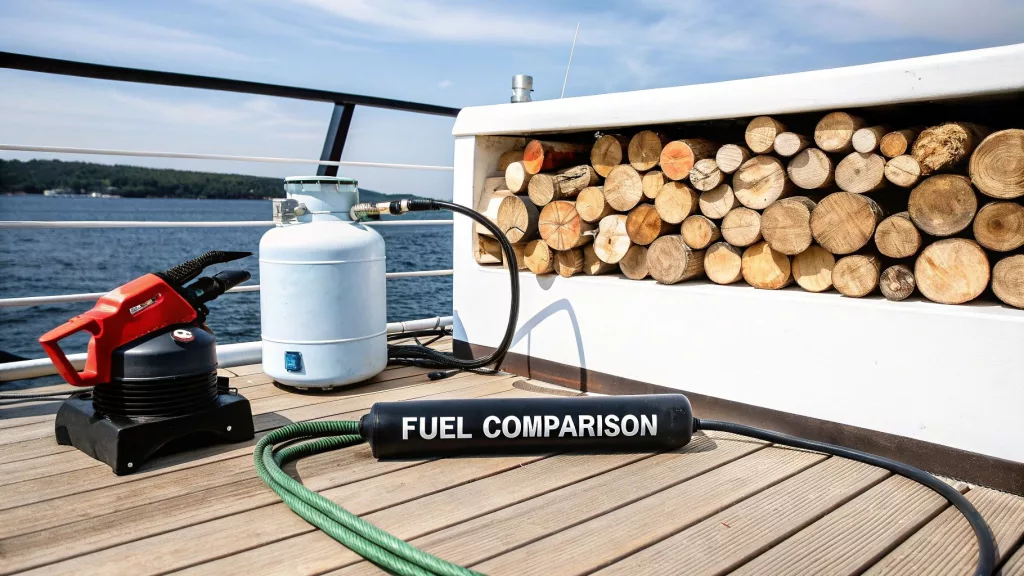
    Boat Heating System Fuel Comparison

    Picking a fuel for your boat’s heating system is about more than just staying warm. It’s a decision that shapes your cruising freedom, your budget, and even your daily onboard routine.

    Choosing between diesel, propane, solid fuel, or electricity is a classic boating trade-off. You’re weighing up everything from running costs and fuel availability in remote spots to how much precious space you’re willing to give up for safe storage.

    Ultimately, this choice comes down to your lifestyle on the water. A long-distance cruiser will value a fuel source they can find at almost any marina. A full-time liveaboard, on the other hand, might prioritise the bone-dry heat and low running costs of a more hands-on option. Let’s get into the real-world pros and cons of each to help you make the right call.

    Diesel: The Convenient All-Rounder

    For most boats with an inboard engine, diesel is the obvious and most convenient choice. Why? You already have a large, secure fuel tank right there. This simple fact makes adding a diesel heater—whether it’s a forced air or a wet system—a seamless extension of your boat’s existing setup.

    You can find diesel at pretty much any waterside fuel pump, so refuelling is never a headache. Plus, modern diesel heaters are incredibly frugal, sipping as little as 0.1 to 0.5 litres per hour, depending on the model and how high you’ve got it cranked. That kind of efficiency means low running costs and ages of warmth before you even have to think about the fuel gauge.

    The catch is in the installation, which needs to be done right. The exhaust has to be properly routed and lagged to stop heat damage and make absolutely certain that fumes are vented safely outside. While the heaters themselves are workhorses, they need regular servicing to keep the fuel filters and glow plugs clean for them to fire up reliably every time.

    Propane (LPG): The Clean and Quiet Option

    Propane, or LPG, is loved for being clean-burning and incredibly quiet. Forget the distinctive tick-tick-tick of a diesel heater’s fuel pump; LPG systems are often completely silent, which makes for a much more peaceful cabin. Since many boats already carry gas for the cooker, adding a heater can be a fairly simple job.

    The heat is instant and easy to manage with a simple thermostat, giving you warmth at the push of a button. Propane also burns without much soot or smell, meaning a clean exhaust and less faffing about with maintenance on the burner itself.

    The big thing with LPG is safety and storage. Gas is heavier than air, so any leak can silently pool in the bilges, creating a very real risk of explosion. That’s why regulations demand that gas bottles are kept in a purpose-built, sealed gas locker that vents directly overboard. You also need to think about the logistics of swapping empty bottles, which can be a real pain in more remote cruising grounds.

    Knowing your gas types is crucial. For a deeper dive, you can learn all about choosing the right fuel for marine LPG installations to make sure your system is both safe and effective.

    Solid Fuel: The Traditional Choice for Dry Heat

    Nothing beats the cosy, radiant warmth of a solid fuel stove burning wood or smokeless coal. It has an incredible ability to drive damp out of the air. For many liveaboards, especially on steel narrowboats, the dry heat from a stove is the only thing that truly keeps condensation at bay during a damp British winter.

    Its biggest selling point? It’s completely off-grid. A solid fuel stove needs zero electricity to run. As long as you have fuel, you have heat. Simple as that. Running costs can also be rock bottom, particularly if you have a good source for cheap or free seasoned wood.

    Of course, this rustic charm demands a hands-on approach. You need to find a dedicated, dry space to store your fuel, which is bulky. It also means daily chores: loading the stove, tweaking the airflow for a clean burn, and clearing out the ash. For many, this ritual is part of the appeal of life afloat, but it’s a commitment you need to be ready for.

    Getting Installation and Safety Right

    Fitting a new boat heating system isn’t just about chasing comfort; it’s a serious exercise in responsibility. A warm boat is only a good boat if it’s a safe one, and that means following the installation rules to the letter. Get this wrong, and you’re not just risking a chilly night—you’re inviting serious dangers like fire or the silent, deadly threat of carbon monoxide poisoning.

    Every single component, from the fuel lines right down to the exhaust outlet, has to be installed correctly. Think of the exhaust system as your boat’s chimney. It has to be completely sealed, properly lagged to stop it scorching surrounding structures, and positioned where fumes have absolutely no chance of finding their way back into the cabin. This is non-negotiable.

    Core Safety Principles for Any Installation

    It doesn’t matter what type of heater you choose; a few universal safety principles are the bedrock of a reliable installation. Whether you’re a seasoned DIYer or briefing a professional engineer, these points are crucial.

    Proper ventilation is absolutely paramount. Any appliance that burns fuel needs a steady supply of oxygen to do its job cleanly and safely. If you starve it of air, it will start churning out deadly carbon monoxide (CO). This means you must have permanent, unobstructed vents that provide enough airflow for both the heater and for you to breathe.

    A correctly installed and regularly tested carbon monoxide alarm isn’t just a nice-to-have; it’s an essential piece of life-saving equipment. On UK waterways, it’s a legal requirement under the Boat Safety Scheme (BSS) for any boat with fuel-burning appliances.

    Gas Systems and Professional Sign-Off

    When you’re dealing with gas (LPG) systems, the rules get even tighter. Any work involving gas appliances on a boat must be carried out by a Gas Safe registered engineer who is specifically qualified for marine environments. This is absolutely not a job for the enthusiastic amateur.

    The legal and safety standards for gas installations are incredibly strict, covering everything from the design of the gas locker to the type of pipework you can use. While you’re focused on the heater itself, don’t forget the wider electrical system, especially on modern boats. For instance, understanding the potential risks and safety of lithium-ion batteries, which might power other systems or even an electric heater, is another vital safety consideration.

    Clarifying the Rules on Open-Flued Appliances

    There’s been a lot of chatter and debate over the years about certain types of gas water heaters on boats, particularly the open-flued models. It’s vital to rely on current regulations, not on outdated ‘boatyard wisdom’.

    Despite past confusion, current UK law (GSIUR, Regulation 30) does permit the installation of open-flued instantaneous water heaters on boats of any age. This is allowed, provided their heat output is generally below 14 kilowatts and they are fitted with a safety device that shuts the appliance down if combustion products start to build up. This isn’t just our interpretation; it’s backed up by industry standards which explicitly allow for both their replacement and new installations on all types of boats.

    Maintaining Your System For Peak Performance
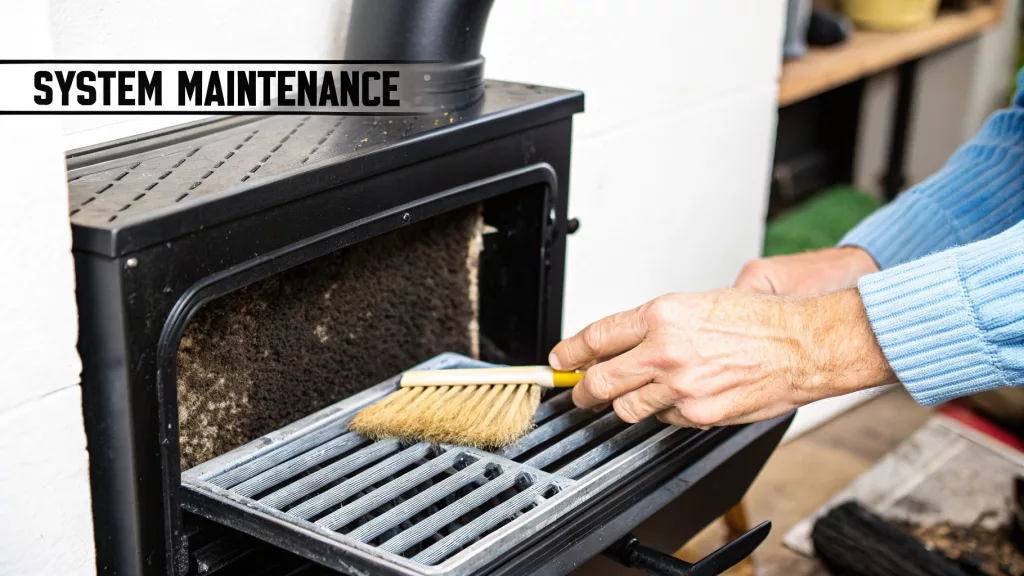
    Maintaining Your Marine Heating System For Peak Performance

    Your boat heating system is a hardworking crew member, running tirelessly to keep your living space warm and dry. Just like your engine, it needs regular, proactive care to stay reliable and efficient. Ignoring it is the fastest way to find yourself with a sudden breakdown, which always seems to happen on the coldest night of the year.

    Think of maintenance not as a chore, but as a crucial investment in your comfort and safety. A well-kept system doesn’t just perform better; it runs more efficiently, saving you money on fuel in the long run. A simple schedule of checks can prevent the vast majority of common heating frustrations.

    Your Routine Maintenance Schedule

    Getting into a simple maintenance rhythm is the key to catching problems before they start. Breaking tasks down into daily, monthly, and annual checks makes the whole process manageable and ensures nothing gets missed.

    Daily Checks (Solid Fuel Stoves):

    • De-ash the firebox: Before lighting up, clear out the old ash. This guarantees good airflow for a much more efficient burn.
    • Quick flue check: Just a quick glance up to make sure the chimney cap is clear of obvious rubbish like leaves or twigs.

    Monthly Checks (All Systems):

    • Inspect fuel lines and filters: For diesel heaters, have a look at the fuel filter for any signs of water or sludge. On LPG systems, visually check the hoses for cracks or wear and test connections with a bit of soapy water to spot any leaks.
    • Test safety devices: Push the test button on your carbon monoxide and smoke alarms. This is non-negotiable and one of the most important safety checks you can do.

    Annual Service and Deep Cleaning of your Boat Heating System

    An annual service is the cornerstone of a healthy boat heating system. This is when you go beyond the simple checks and give the unit a thorough clean and inspection. For most boaters, the best time to tackle this is at the end of the heating season in late spring.

    For a diesel heater, an annual deep clean involves removing the glow plug and cleaning away all the carbon deposits that have built up. Soot and carbon are the number one culprits behind ignition failures. You can find excellent guides on the specifics of servicing diesel-burning appliances on boats that walk you through the whole process.

    Key Takeaway: Preventative maintenance is always cheaper and less stressful than emergency repairs. A few hours of care each year can prevent days or even weeks of cold and discomfort.

    For solid fuel stoves, the big annual job is a full chimney sweep to get rid of creosote buildup, which is a serious fire hazard. If you have a hydronic system, now is the time to check the antifreeze levels in the header tank and bleed any air from the radiators to ensure hot water circulates properly.

    Beyond the heating unit itself, proper winterisation of all your onboard systems is vital to prevent damage from freezing. Following a thorough winter preparation guide ensures your entire vessel is protected, making it ready for the next season. This proactive approach protects your whole boat.

    Where Is Marine Heating Tech Heading Next?

    The world of boat heating is definitely changing. There’s a real push for better efficiency, cleaner emissions, and just plain smarter technology. As boaters (and regulations) become more environmentally aware, manufacturers are having to step up their game. The future isn’t just about blasting out raw heat anymore; it’s about intelligent, sustainable, and integrated warmth that fits with modern boating.

    We’re moving away from simple on/off systems and towards much more sophisticated solutions. We’re seeing the first wave of hybrid systems and cleaner fuel options, which are set to redefine what’s possible for comfort on board. Keeping an eye on these trends will help you make a choice today that won’t feel dated in a couple of years.

    Smarter Systems and Greener Fuels

    One of the most exciting developments is the arrival of smart hybrid boat heating systems. Imagine a system that automatically flips from diesel to shore power the moment you plug in at a marina, saving fuel and cutting out the noise. These intelligent controllers can juggle energy sources—drawing from batteries, the engine, or shore power—to get the best efficiency without you having to lift a finger.

    This drive for efficiency is part of a bigger picture. The UK’s entire heating equipment market is expected to grow to USD 6.28 billion by 2030, spurred on by government decarbonisation policies and new tech. This is trickling down to the marine world, pushing for the development of more eco-friendly systems. You can read a bit more about the growth drivers in the UK heating market if you’re interested.

    The next generation of boat heating will be defined by how well it can talk to a boat’s entire power management system, making clever decisions on its own to save energy and cut its environmental footprint.

    The hunt for greener fuels is also picking up steam. While diesel is still the go-to for most, alternatives like Hydrotreated Vegetable Oil (HVO) are becoming a genuine option. HVO is a renewable diesel that can slash net CO2 emissions by up to 90%. The best part? It can often be used in existing diesel heaters with no modifications needed, offering a pretty straightforward step towards greener boating.

    The Rise of Integrated Connectivity

    Looking a bit further down the road, connectivity is going to be huge. Soon, you’ll be able to pre-heat your boat from your smartphone before you even get to the marina, check your fuel use from your sofa, and get an alert on your phone if the system detects a fault.

    This kind of control isn’t just about convenience; it’s about reliability. It means your heating system will be ready to go the moment you need it. These advances promise a future where staying warm on the water is smarter, cleaner, and a whole lot easier than it is today.

    Your Boat Heating Questions Answered

    When it comes to boat heating, a few questions pop up time and time again. You might be weighing up your options, thinking about the installation, or just trying to get your head around how it all works day-to-day. We hear these queries from boaters all over the UK, so let’s clear the air.

    Getting straight, simple answers is the best way to make sure you’re running your system safely and with confidence. Let’s tackle some of the big ones.

    What’s the Cheapest System to Run on a Liveaboard Narrowboat?

    For most narrowboaters living aboard, a classic solid fuel stove usually wins on pure running costs. If you’ve got a good source for reasonably priced (or even free) seasoned wood and coal, it’s hard to beat. The initial setup can be a bit of an outlay, but your fuel bills will be a lot lighter than with diesel or LPG.

    Of course, there’s a trade-off. A diesel-fired central heating system gives you that incredible “set it and forget it” convenience and heats the whole boat automatically. For many, that ease of use is well worth the extra cost of diesel. It really comes down to what you value more: budget-friendly running costs or push-button comfort.

    Can I Fit a Boat Heating System Myself?

    If you’re a capable and confident DIYer, installing a solid fuel stove or a straightforward forced-air diesel heater is certainly possible. But—and this is a big but—the safety stakes are incredibly high. Getting fuel lines, exhaust routing, and ventilation absolutely perfect is non-negotiable to prevent the risk of fire and deadly carbon monoxide.

    Any system that uses LPG (propane) is a different beast entirely. It must be installed and signed off by a Gas Safe registered engineer who holds the specific qualification for boats. Honestly, for your own peace of mind and to keep your insurance company happy, we strongly recommend having any heating system professionally installed, or at the very least, inspected by a qualified marine engineer.

    How Much Battery Power Does a Diesel Heater Actually Use?

    This is a massive consideration, especially if you’re spending a lot of time off-grid. The biggest power drain from a diesel heater happens right at the start. When the glow plug fires up to ignite the fuel, it can draw a hefty 8-10 amps for several minutes.

    Once it’s up and running, the power consumption plummets. It typically settles down to a much more manageable 1-3 amps, which is just enough to keep the fuel pump ticking over and the fan spinning. You absolutely have to account for this in your boat’s power budget, making sure your battery bank and charging setup can handle that initial surge, especially in winter when you’ll be using it most.

    What Boat Heating System Do You Recommend?

    For expert advice on choosing, installing, or servicing the perfect boat heating system for your vessel, trust the certified engineers at Marine Heating Solutions. Get in touch with us today to ensure your comfort and safety on the water.


    For quotes and bookings, call or email us here.

  • Reliable Canal Boat Services for Comfort & Safety

    Reliable Canal Boat Services for Comfort & Safety

    Life on the UK’s canals is a unique and rewarding way to live, but it requires specialist support to keep your vessel safe, comfortable, and compliant. To enjoy life afloat to the fullest, you need professional canal boat services from engineers who understand the unique challenges of the inland waterways.


    For quotes and bookings, call or email us here.
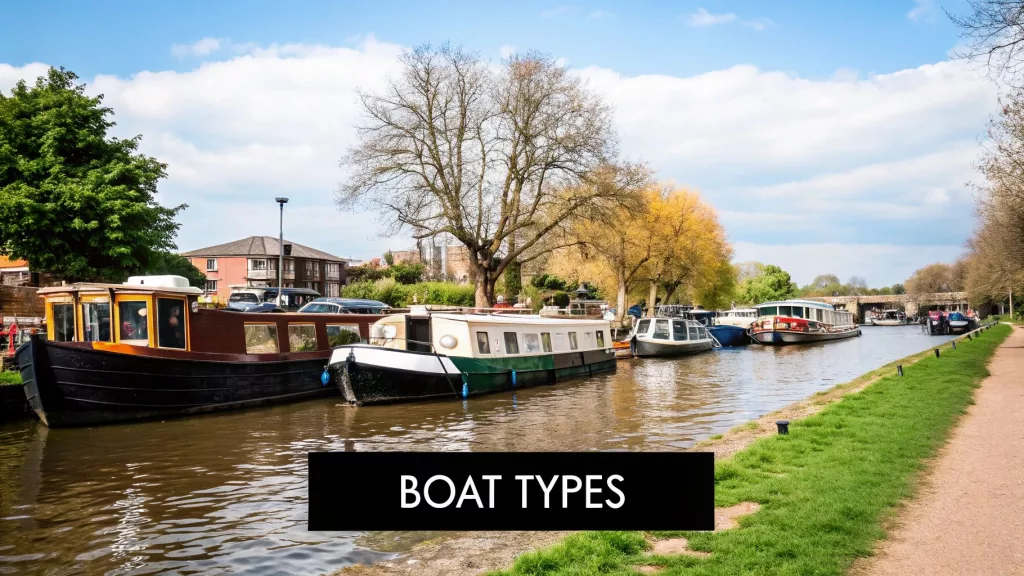

    Your Go-To Partner for a Safe and Comfortable Life Afloat

    Unlike a house, your narrowboat’s systems must withstand a demanding, constantly moving marine environment. This isn’t a job for a general tradesperson; it demands a specialist approach to installation, maintenance, and repair. That’s where we come in.

    At Marine Heating Solutions, we are your dedicated partner in maintaining every aspect of your floating home. Our entire focus is on making your life on the UK’s narrowboats, canal boats, and barges as smooth and hassle-free as possible. Our certified engineers bring years of hands-on experience directly to your mooring, whether you need a routine service or a full system refit.

    What we do

    Here’s a look at the core canal boat services we provide to keep you safe and comfortable:

    • Heating and Plumbing: We install and service high-efficiency diesel heaters, water pumps, and sanitation systems to ensure you stay warm and have reliable running water all year round.
    • Marine Electrics: Getting the electrics right is crucial. We expertly manage all 12V and 240V systems, from battery checks and inverter installations to designing and fitting bespoke solar panel setups for true off-grid living.
    • Safety and Compliance: This is non-negotiable. Our qualified technicians carry out essential gas safety checks and help you meet and maintain Boat Safety Scheme (BSS) standards. Staying safe is paramount, which is why we also help boaters understand how to prevent carbon monoxide poisoning.

    Essential Canal Boat Services at a Glance

    This table breaks down the key services we provide and why they are so important for life on the water.

    Service AreaWhy It’s CrucialOur Key Focus
    Heating & PlumbingProvides essential warmth and hot water, crucial for comfort and preventing damp during cold, wet months.Reliable diesel heater installations, servicing, and plumbing system maintenance to keep you comfortable year-round.
    Marine ElectricsPowers everything from your lights to your fridge. A well-designed system is vital for off-grid living.Safe and efficient 12V and 240V systems, including solar setups, battery management, and inverter installations.
    Gas SafetyEssential for preventing fires, explosions, and carbon monoxide leaks from LPG appliances like cookers and boilers.Certified Gas Safe checks and system installations to ensure your boat is safe and compliant with BSS requirements.
    BSS ComplianceA legal requirement for navigating most UK inland waterways, covering a wide range of safety standards.Helping you meet and maintain Boat Safety Scheme standards, ensuring your vessel is safe for you and others.

    These core services form the bedrock of a safe and enjoyable life afloat, whether you’re a weekend cruiser or a full-time liveaboard.

    And of course, making the most of your space is just as important for comfort. For some great ideas on that front, these smart small space organisation hacks are well worth a read.

    “Marine Heating Solutions transformed our boat. The new diesel heater they installed is a game-changer for winter cruising. Professional, knowledgeable, and tidy work. Highly recommended!” – John S., NB ‘The Wanderer’

    Why Certified Marine Engineers Matter

    When it comes to the essential systems on your narrowboat or barge, you cannot afford to cut corners. Hiring an unqualified technician is a risk to your safety and your vessel. Your boat exists in a unique world of constant movement, vibration, and damp conditions that demand a true specialist’s touch.

    Canal Boat Services for all Boat Types

    Our engineers aren’t just technicians; they’re certified marine specialists. This distinction is crucial. It means we have undergone rigorous, industry-specific training and assessments, ensuring every installation, service, and repair is built to withstand life on the water.

    The Value of Professional Qualifications

    Choosing a qualified marine engineer gives you more than just peace of mind. It directly impacts your safety, your insurance, and the lifespan of your boat’s systems.

    Our credentials, such as being Gas Safe registered for boat LPG systems, are your guarantee that all work is completed to the highest UK safety standards. This is a non-negotiable part of responsible boat ownership.

    Many insurance providers now insist that work on critical systems—especially gas and heating—must be carried out by a certified professional. Using our services ensures your policy remains valid, protecting your floating home. You can dive deeper into the specifics of our professional qualifications and see for yourself why they are so vital for any boater.

    “After a botched job by a local plumber, we called Marine Heating Solutions. The difference was night and day. Their engineer was Gas Safe registered, knew our Eberspächer heater inside and out, and had us warm and safe in a few hours. A truly professional service.” – Sarah T., NB ‘The Kingfisher’

    Experience That Counts on the Canals

    Beyond certifications, our team brings years of hands-on experience working exclusively on the UK’s canals and inland waterways. Our technicians understand the practical challenges of life afloat because we’ve seen them all. We don’t just fix the immediate problem; we identify the root cause to provide lasting solutions that work in the tight spaces and unique conditions of a narrowboat.

    This expertise means we can recommend and install the most suitable equipment for your vessel, ensuring it’s efficient, reliable, and perfectly matched to your cruising lifestyle. From a compact diesel heater that sips fuel to a robust water pump, every piece of equipment we supply and fit has been chosen because it has proven its worth in a marine environment.

    Reliable Heating and Plumbing for Your Floating Home

    Your boat’s heating and plumbing systems are the heart of a comfortable life afloat. Get them right, and you have a warm, inviting home. Get them wrong, and you’re left with a cold, damp vessel. Our entire focus is on delivering robust, reliable canal boat services you can count on, especially when the British weather is doing its worst.

    A toasty warm cabin on a frosty morning, a steady stream of hot water, and a toilet that works without drama—these aren’t luxuries. They are the essentials of life on the water. We understand the unique challenges of a compact, mobile environment and provide solutions built to perform on a canal boat.

    Keeping You Warm All Year Round

    The UK’s inland waterways are stunning in every season, but winters can be harsh. A dependable heating system is paramount. We specialise in installing and servicing the most trusted names in marine heating, including the incredibly popular diesel-fired units from Webasto, Eberspächer, and Autoterm. These are the heaters boaters rely on for good reason – they’re efficient and built to last.

    Neglect is the biggest enemy of these heaters. Regular professional servicing is the only way to prevent common issues like ‘coking up’, where carbon deposits choke the unit and reduce performance. Our annual service ensures your heater runs cleanly and efficiently, providing consistent warmth while using less fuel. Whether you need a brand-new installation or that vital yearly check-up, we’ll make sure you stay cosy.

    “Marine Heating Solutions serviced our Webasto heater just before winter. The difference is incredible. It runs quieter, hotter, and I have total peace of mind. Fantastic service from start to finish.” – David R., NB ‘The Heron’s Rest’

    Dependable Water and Sanitation Systems

    Functional plumbing is just as crucial as warmth. This covers everything from the fresh water you drink and wash with to your sanitation system. Our team can maintain clean water systems, fix or replace tired water pumps, and ensure you always have good water pressure. A well-maintained system is vital for safe drinking water and daily convenience.

    We also offer expert servicing for both pump-out and cassette toilets, tackling common problems to keep your sanitation system hygienic and operating smoothly. For a full rundown of what we can do for your boat’s pipework, see our professional boat plumbing services.

    Living on a boat is a cherished way of life in the UK. The Canal & River Trust has recorded over 35,000 licensed boats on its waters, with thousands serving as permanent homes. This modern canal community thrives on a unique blend of freedom and nature, all made possible by the essential services that turn a boat into a practical, comfortable home.

    Powering Your Journey with Marine Electrical Solutions

    Your narrowboat’s electrical system is its lifeblood, silently powering everything from the water pump to your evening lights. Understanding how it works is key to a stress-free life on the water, and our canal boat services are designed to make that happen. We are here to demystify your boat’s electrics, ensuring you have a safe, efficient, and reliable power supply that fits your lifestyle.

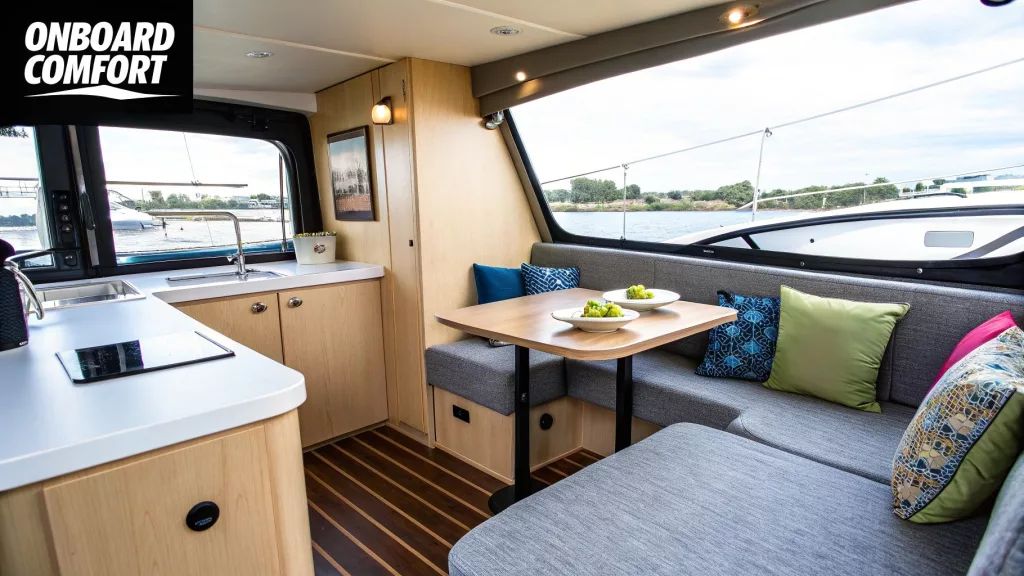
    Onboard Comfort

    Your boat’s power consists of two systems. The 12V DC system is the backbone, running essential gear like lights, pumps, and your fridge directly from the batteries. Then you have the 240V AC system, like in a house, which powers laptops, televisions, and kitchen gadgets through an inverter or shore power.

    Our job is to ensure these two systems work together seamlessly, giving you the power you need, when you need it. Whether you are a weekend cruiser or a full-time liveaboard, we build electrical solutions that simply work.

    Custom Electrical Services for Every Boater

    Every boater has different power needs, which is why we never offer a one-size-fits-all solution. Our services cover the full spectrum of marine electrical work, from a basic health check to a complete off-grid power installation.

    Here’s a snapshot of what we can do for you:

    • Battery Health Checks: We will properly test your battery bank to ensure it can hold a charge and deliver the power you rely on.
    • Inverter/Charger Installations: We supply and expertly fit powerful, reliable units from top brands like Victron, letting you run household appliances directly from your batteries.
    • Complete System Rewires: Our qualified engineers can tackle full or partial rewires to modern safety standards, resolving faults and boosting efficiency.
    • Custom Solar Power Arrays: We design and install bespoke solar systems that provide genuine energy independence, so you can power your life without constantly running the engine.

    “The solar panel setup Marine Heating Solutions installed has been a total game-changer. We can now work from the boat all day, powering two laptops and our other gadgets, without ever worrying about the batteries. Their knowledge and professionalism were second to none.” – Emily F., NB ‘The Drifter’

    Achieving True Off-Grid Freedom

    For many, the dream of canal life is about freedom and self-sufficiency. A professionally installed solar power system is the single biggest step you can take towards making that a reality. Imagine generating silent, clean power all day, keeping your batteries topped up, and reducing your reliance on running the engine or finding a shoreline.

    We specialise in creating systems that work effectively in the UK climate. To learn more about how this technology could transform your life afloat, see our detailed guide on fitting boat solar panels. If you are aiming for total energy independence, exploring off-grid solar power solutions is a brilliant way to understand the core principles.

    Featured Appliances for Narrowboat Living

    Choosing the right appliances for your narrowboat is about making smart decisions with limited space and power. The equipment that powers your life afloat needs to be tough, efficient, and perfectly suited to the demands of canal life. We don’t just install systems; we provide genuine, hands-on advice, recommending and fitting appliances we have personally tested and would trust on our own boats.

    This is a practical guide based on years spent on the cut, figuring out what truly works. The appliances we feature are selected for what matters most to boaters: exceptionally low power draw, a compact footprint, and quiet, unobtrusive operation.

    Canal Boat Services for Scenic Routes

    Our Top Appliance Recommendations

    We supply and install a wide range of equipment from leading marine brands. More importantly, our qualified engineers ensure every installation is done correctly, meeting the highest safety and performance standards from day one.

    Below is a look at some of our most popular and trusted products. This isn’t an exhaustive list, but it gives you a good idea of the quality and performance we stand behind.

    Recommended Appliance Comparison for Your Boat

    Here’s a quick comparison of our recommended appliances, focusing on the key decision-making factors for life on the water.

    ApplianceKey FeatureIdeal ForWhy We Recommend It
    Eberspächer Hydronic D5 HeaterQuiet, efficient diesel heating.Liveaboards needing reliable year-round warmth.Proven reliability and excellent heat output for UK winters.
    Vitrifrigo 12V Fridge/FreezerExtremely low power consumption.Continuous cruisers aiming for off-grid independence.Maintains temperature without draining your battery bank.
    Victron MultiPlus Inverter/ChargerAll-in-one power management.Boaters running 240V appliances and needing smart charging.Seamlessly switches between shore power and battery power.

    This table highlights the sort of gear that makes a real difference—equipment designed specifically for the challenges of the marine environment, where efficiency and reliability are everything.

    Real-World Performance Boaters Can Trust

    Technical specs on a website are one thing, but how something performs on a cold, damp Tuesday in November is what really counts. We choose our featured appliances based on their proven track record on UK narrowboats, barges, and other inland waterway craft. Whether it’s a diesel heater that fires up without a fuss on a frosty morning or a 12V fridge that keeps your food fresh without hammering the batteries, we put reliability first.

    Our team’s qualifications mean we understand the intricate details of each product, from precise power consumption figures to the best way to ventilate it for safe operation. This expertise ensures you get the most out of your investment, both in performance and lifespan.

    “The Victron MultiPlus that Marine Heating Solutions installed is fantastic. It manages our power perfectly, switching between solar and shore power without a hitch. Their recommendation was spot on, and the installation was neat and professional.” – Mark and Helen, NB ‘Serenity’

    By combining professional installation with top-tier equipment, our canal boat services deliver the comfort and peace of mind you need. You can relax, knowing the systems powering your floating home are safe, efficient, and built to handle whatever life on the cut throws at them.

    What Our Customers Say

    Don’t just take our word for it. We can talk all day about our qualifications and the quality equipment we supply, but nothing tells the real story like hearing from a happy boater. Our reputation is built on the results we deliver out on the UK’s inland waterways.

    Every testimonial we receive offers a window into life on the cut. They showcase the real-world problems boaters face and how we have provided solid, lasting solutions. From a straightforward safety check to a full system refit, our job is to make your life afloat better.

    NB ‘The Kestrel’ A Full System Upgrade

    “Our electrics were a constant nightmare, always failing when we needed them most. The team diagnosed the issues, planned a full 12V system rewire, and fitted a new Victron battery bank. Now, we finally have reliable power, and their professional approach gave us total confidence.”

    Real Stories from the Cut

    Here are a few more examples of how we’ve helped fellow boaters get sorted:

    • BSS Examination Success: “They helped us prepare for our BSS exam, identifying potential issues beforehand. We passed with flying colours thanks to their thorough and knowledgeable service.” – NB ‘The Otter’
    • Heating Installation: “The new Eberspächer heater they installed has transformed winter on the boat. It’s quiet, efficient, and was fitted perfectly.” – NB ‘Willow Creek’

    The canal boat community in the UK is something special. You can dive a bit deeper into this vibrant world in this look at canal boat history.

    Still Got Questions? Let’s Talk Specifics

    Living on a boat comes with a unique set of questions, and we have heard most of them over the years. Our job is to provide clear, honest answers. Here are a few of the most common queries we get from boaters.

    How Often Should I Get My Boat’s Heating System Looked At?

    We strongly recommend an annual service for any diesel or gas heating system. The best time is late summer, before you need to rely on it. Think of it as preventative medicine for your boat.

    Regular servicing is a critical safety measure, but it also improves fuel efficiency and provides peace of mind that your heater will work when you need it most. Our engineers will clean out carbon build-up (coking), check fuel lines, and test all safety cut-outs. It’s a small investment that prevents much bigger, and potentially dangerous, problems down the line.

    “Had our annual diesel heater service done. The engineer was incredibly knowledgeable and left everything spotless. It’s reassuring to know we’re safe and ready for winter.” – Tom P., NB ‘The Mayfly’

    What Exactly Is a Boat Safety Scheme Examination?

    Think of the Boat Safety Scheme (BSS) examination as an MOT for your boat. It’s a legal requirement on most of the UK’s inland waterways. While we don’t issue the final BSS certificate ourselves, our team includes trained BSS examiners with years of on-the-job experience who know the process inside and out.

    The examination is a comprehensive check of your fuel, gas, and electrical systems, along with fire safety equipment and ventilation, to minimise the risk of fires, explosions, or carbon monoxide poisoning. We can perform all the necessary pre-examination checks and issue the specific safety certificates for your appliances to help you pass the official inspection the first time.

    Can You Fit Solar Panels on My Narrowboat?

    Absolutely. This is one of our specialities. We design and install bespoke solar panel systems matched to your boat’s energy needs and roof space. A well-designed solar setup can be a complete game-changer.

    It can drastically reduce engine running time, save you money on fuel, and provide silent, clean power for true off-grid cruising. We handle the entire job, from securely mounting the panels to wiring them through a top-quality MPPT charge controller that maximises the power fed into your battery bank. It’s the most popular route boaters take to achieve energy independence on the canals.

    What Canal Boat Services Do You Offer?

    For friendly, expert advice on any part of your boat’s systems—from a simple service to a full installation—you can trust the certified engineers at Marine Heating Solutions. Take a look at our full range of services and get in touch today.


    For quotes and bookings, call or email us here.

  • How to Prevent Carbon Monoxide Poisoning on Your Narrowboat

    How to Prevent Carbon Monoxide Poisoning on Your Narrowboat

    How to Prevent Carbon Monoxide Poisoning on Your Narrowboat, canal boat, or barge really boils down to three core actions: getting certified alarms installed, making sure your vessel has proper ventilation, and committing to professional maintenance for every single fuel-burning appliance you have on board. Think of these as your essential lines of defence against an invisible threat.


    For quotes and bookings, call or email us here.


    The Unseen Risk in Your Cabin

    There’s a good reason carbon monoxide (CO) is known as the silent killer, and that danger is amplified massively within the tight confines of a narrowboat or canal barge. It’s a colourless, odourless, and tasteless gas, which means it gives you absolutely no warning that it’s there.

    CO is a nasty byproduct of incomplete combustion from any carbon-based fuel. This process can turn the very appliances that make boat life so comfortable into potential hazards. Life on the UK’s inland waterways is a dream for many, but it’s a dream that requires a healthy dose of reality when it comes to safety.

    Common Onboard CO Sources

    On a typical narrowboat, you’ll find several appliances that can kick out this dangerous gas. Knowing what they are is the first, most critical step in managing the risk.

    • Solid Fuel Stoves: The heart of many a cosy cabin, but also a prime suspect. If the flue gets blocked, the door seals are worn, or there just isn’t enough airflow, a stove can easily start leaking CO. At Marine Heating Solutions, we are proud stockists of top-quality stoves from brands like Morso, Arada, and Autoterm, ensuring you get a safe and efficient unit from the start.
    • Gas Cookers and Hobs: LPG appliances are brilliant, but keep an eye on the flame. If it’s burning with a lazy yellow or orange colour instead of a crisp, clean blue, it’s a warning sign that it could be producing carbon monoxide.
    • Diesel Heaters and Boilers: These are workhorses for keeping things warm and toasty, but they absolutely must be serviced regularly by qualified professionals. Their exhaust systems need to be checked for leaks and blockages to prevent fumes from seeping into your living space.
    • Engine Exhaust: This one’s easy to forget. Fumes from your own engine, or even a nearby boat’s generator, can drift into your cabin through open doors, windows, or vents. Never underestimate this risk, especially when moored up next to others.

    The real danger here is the small, enclosed space of a boat. Without decent ventilation, even a tiny leak can cause CO levels to build up to deadly concentrations alarmingly quickly.

    And this isn’t just scaremongering. The statistics are sobering. In England and Wales, there are around 60 deaths each year from accidental CO poisoning, along with roughly 4,000 emergency department visits. It’s a genuine public health issue that boaters on the UK’s canals and rivers need to take seriously.

    While CO is a specific, unseen danger, it pays to think about your overall indoor air quality. For a broader perspective, this practical guide to checking air quality in your home has some useful tips that can be adapted for life afloat.

    Ultimately, it all starts with recognising the potential sources on your own boat. Once you know where the risks are, you can start putting the right protections in place.

    Your Onboard CO Safety Checklist to Prevent Carbon Monoxide Poisoning

    To make it simple, we’ve broken down the essentials into a straightforward checklist. These are the three pillars of carbon monoxide safety that every single boater should live by.

    Safety PillarKey ActionWhy It’s Critical
    DetectionInstall marine-certified CO alarms (BS EN 50291-2) near sleeping areas and fuel-burning appliances. Test them weekly.This is your only early warning system. Without a working alarm, you won’t know CO is present until it’s too late.
    VentilationEnsure constant airflow. Never block vents, and always crack a window when appliances are in use, especially stoves or cookers.Good airflow dilutes any potential CO buildup, preventing it from reaching dangerous levels and ensuring appliances burn fuel efficiently.
    MaintenanceGet all appliances (stoves, heaters, engines) serviced annually by a qualified marine engineer. Regularly inspect flues and exhausts yourself.Professional servicing from Marine Heating Solutions catches problems like cracks, blockages, and worn seals before they become life-threatening leaks.

    Treating this checklist as non-negotiable is the single best thing you can do to protect yourself and your crew from the silent threat of carbon monoxide.

    Choosing and Installing Your CO Alarms

    A working carbon monoxide alarm is, without a doubt, the most important piece of safety kit you can have on your narrowboat t. It’s your silent guardian, standing watch when you’re asleep or busy. But here’s where things can go wrong: simply grabbing any detector off a DIY shop shelf is a critical mistake that could put you in serious danger.

    Boats are unique environments. They’re often damp and experience big temperature swings from day to night. These conditions can easily damage a standard domestic alarm, leading to false readings or, even worse, complete failure when you need it most.

    That’s why it is absolutely essential to choose an alarm specifically designed for marine use and certified to the BS EN 50291-2 standard. This isn’t just a suggestion; it’s your guarantee that the device has been rigorously tested to perform reliably in the tough conditions found on canal boats.

    Selecting the Right Alarm for Your Boat to Prevent Carbon Monoxide Poisoning

    How to Prevent Carbon Monoxide Poisoning on Your Narrowboat

    As specialists in marine safety, we’ve seen the consequences of using the wrong equipment. We only stock and recommend marine-grade CO alarms from trusted manufacturers, ensuring every device we sell is built to protect you on the water.

    When you’re choosing an alarm, keep an eye out for these key features:

    • Marine Certification: The first thing to check for on the packaging is the BS EN 50291-2 mark. No mark, no buy.
    • Sealed Battery: We always recommend models with a sealed, long-life battery, often lasting 7-10 years. This removes the risk of someone taking it out or forgetting to replace it.
    • Clear Display: A digital display is a great feature. It can show you real-time CO readings, giving you an early indication of a problem even before the alarm sounds.

    “We had Marine Heating Solutions fit our new stove and a CO alarm last autumn. The peace of mind is incredible. The engineer explained exactly why the marine-certified alarm was so important and fitted it perfectly. We feel so much safer now, knowing it’s been done properly.”
    – David and Sarah, NB ‘The Wanderer’

    Where to Install Your CO Alarms

    Correct placement is just as important as the alarm itself. An alarm in the wrong place is effectively useless. The goal is to get an early warning where it matters most, without triggering constant false alarms from harmless things like cooking fumes.

    Here’s our expert guidance on the best spots to fit them:

    1. In Every Cabin with a Fuel-Burning Appliance
    This is non-negotiable. You need an alarm in the main saloon where your solid fuel stove is, and in any area with a gas cooker, diesel heater, or gas water heater.

    2. Near Sleeping Quarters
    You are most vulnerable to CO poisoning when you’re asleep. Make sure you place an alarm in any cabin or area where people sleep. It needs to be loud enough to wake them.

    3. Position on the Wall Correctly
    This is a common mistake people make. Unlike smoke alarms, CO alarms should not go on the ceiling. Carbon monoxide has a similar density to air and mixes freely, so the ideal placement is at head height when you’re sitting or sleeping.

    Try to avoid placing alarms directly above cookers, too close to vents or windows, or in very damp spots like a shower room. These locations can cause inaccurate readings or nuisance alarms.

    Our GasSafe-registered engineers are not just qualified to service your appliances; they can also advise on the best placement and install your CO alarms correctly. This is something we often do as part of a wider safety check, like when we’re issuing an LPG gas safety certificate for your boat.

    Your First Line of Defence to Prevent Carbon Monoxide Poisoning Is Appliance Maintenance

    While a CO alarm is an essential backup, think of it as your last resort. Your real first line of defence is keeping your appliances in top-notch condition. It’s hands-down the most effective thing you can do to prevent carbon monoxide from ever becoming a problem on your narrowboat.

    Let’s be blunt: faulty, poorly maintained, or badly fitted appliances are where CO leaks start. Tackling these potential issues before they become dangerous is the whole game.

    This goes way beyond giving your stove a quick wipe-down. It’s about knowing the specific quirks and failure points of every system you have on board. From solid fuel stoves and gas cookers to diesel heaters, each one has its own way of telling you something’s wrong – but you need a trained eye to see the signs. Regular, professional servicing isn’t just a good idea; it’s a non-negotiable part of keeping you and your family safe.

    The Professional Difference Our Expertise Provides

    Here at Marine Heating Solutions, our team of Gas Safe and OFTEC registered engineers brings a level of expertise that a simple once-over just can’t match. We live and breathe the challenges of the inland waterways environment and know exactly what it takes to keep your systems running safely and efficiently.

    When one of our engineers steps aboard your boat, they’re not just ticking boxes. They’re following a detailed process designed to spot the hidden dangers that often go unnoticed.

    Here’s a glimpse of what we’re looking for:

    • For Solid Fuel Stoves: We’re on the hunt for any cracks or blockages in the flue from soot, debris, or even bird nests. We meticulously check that every seal on the stove door and flue connections is completely airtight. You can dive deeper into the details in our guide on essential boat stove maintenance.
    • For Gas Appliances: We check for the correct burner pressure and look for that crisp, clean blue flame. A lazy, yellow-tipped flame is a massive red flag for incomplete combustion, which is a major source of CO. Of course, we also test the entire gas system for leaks.
    • For Diesel Heaters & Engines: With these, the integrity of the exhaust system is everything. We meticulously inspect it for any cracks or corrosion that could let poisonous fumes seep into your living space instead of safely exiting the boat.

    “I thought my old diesel heater was fine until the Marine Heating Solutions engineer came for its annual service. He found a tiny hairline crack in the exhaust manifold that was completely invisible to me. That service call might well have saved my life. I wouldn’t trust anyone else.”
    – John P., NB ‘Serenity’

    A Real-World Case Study

    Just last winter, we got a call for a routine boiler service on a residential barge. The owner hadn’t spotted any problems but knew it was time for a check-up. During the inspection, our engineer made a critical discovery: the boiler’s flue was partially blocked by a heavy soot build-up, causing exhaust gases to spill back into the cabin.

    Their CO alarm hadn’t gone off yet, but it was an accident waiting to happen. By professionally cleaning the flue and servicing the boiler, we neutralised a serious threat that could have ended in tragedy. It’s a stark reminder that preventative maintenance is the best way to stop a disaster in its tracks.

    Keeping Your Boat Properly Ventilated to Prevent Carbon Monoxide Poisoning

    Proper ventilation is one of the most straightforward yet powerful ways you have to prevent carbon monoxide poisoning. It’s a simple concept, but one that’s easy to get wrong.

    When the temperature drops, it’s all too tempting to block up vents and plug any draughts to keep the cabin cosy. The problem is, this turns your boat into a dangerously airtight box. If you’ve got any fuel-burning appliances running, CO can quickly build up to lethal levels without any fresh air to dilute it.

    Good airflow isn’t just about getting rid of harmful gases; it’s also critical for your appliances to work properly and safely. A solid fuel stove, for instance, needs a constant supply of oxygen to burn its fuel completely. Starve it of air, and you’re basically telling it to produce deadly carbon monoxide.

    Know Your Vents and Keep Them Clear

    Getting into the habit of regularly checking your boat’s vents is a simple routine that could save your life. Most narrowboats are fitted with several different types to keep a steady flow of fresh air moving through.

    You need to know what you’re looking for and make absolutely sure they are always clear and unobstructed. The common ones you’ll find are:

    • Mushroom Vents: You’ll usually see these on the roof. They’re designed to pull stale air out while stopping rainwater from getting in.
    • Louvred Vents: Often found on doors and bulkheads, these allow air to pass through freely. Give them a quick check to make sure the slats aren’t clogged with dust or have been painted over.
    • Grille Vents: Typically fitted low down, these are vital for letting heavier-than-air gases like LPG escape, but they’re also a key part of the overall airflow.

    It sounds obvious, but you’d be surprised how often these get blocked by storage boxes, coiled ropes, or even temporary coverings people put on to stop a draught. A clear vent is a working vent. It’s that simple.

    When You Need More Airflow

    Certain situations on board dramatically increase the need for good ventilation. For example, if you’re running your engine for a long time to charge the batteries, exhaust fumes can easily find their way into the cabin if there isn’t enough airflow to carry them away.

    It’s a similar story when your solid fuel stove is lit – it’s consuming a huge amount of oxygen from the cabin. Just cracking a nearby window or hatch is often all it takes to give it the replacement air it needs to burn cleanly. This is especially important for stoves with flues that can be affected by the wind, as good airflow helps maintain a proper draw. To really get the best performance from your flue, it’s worth understanding the importance of anti-downdraft cowls for marine stoves.

    Our experienced engineers can take a look at your boat’s ventilation as part of a complete safety audit. If we spot that it’s not up to scratch, we can suggest practical solutions, like installing extra high and low-level vents to make sure your vessel meets current safety standards and keeps you safe.

    Recognising the Symptoms and What to Do Next

    Knowing the signs of carbon monoxide poisoning can be the difference between a close call and a tragedy. The symptoms are notoriously deceptive, often mimicking the flu or simple tiredness. This makes them dangerously easy to dismiss, especially after a long day enjoying the canals.

    Early warning signs are often subtle. You might just feel a bit off.

    • A dull, persistent headache
    • Feeling dizzy or light-headed
    • Nausea or stomach pains
    • General weakness and fatigue

    The single most important thing is to connect these feelings with being on the boat. If you start to feel unwell, and it seems to get better when you go outside into the fresh air, you must consider carbon monoxide as a possible cause.

    The Dangers of High-Level Exposure

    How to Prevent Carbon Monoxide Poisoning on Your Narrowboat with an Alarm

    As CO levels in the cabin increase, the symptoms will become much more severe and life-threatening. These advanced indicators require you to act immediately, without a second thought.

    Look out for:

    • Shortness of breath
    • Confusion and difficulty thinking clearly
    • Loss of balance or coordination
    • Blurred vision
    • Collapse or loss of consciousness

    The way this happens is frighteningly efficient. CO binds to the haemoglobin in your blood 245 times more readily than oxygen, effectively starving your vital organs of what they need to function. Even brief exposure can lead to severe, long-term health consequences.

    This infographic lays out the immediate, crystal-clear steps to take if you even suspect a CO leak.

    It’s a simple but critical sequence of actions: get everyone out, call for help, and then—only when it’s safe—ventilate the space.

    Your Emergency Action Plan to Prevent Carbon Monoxide Poisoning

    If your CO alarm sounds or you suspect poisoning, do not hesitate. Every second counts.

    • Get Everyone Out Immediately: Move everyone on board into the fresh air. Don’t waste a single moment trying to find the source of the leak. Your priority is people.
    • Shut Everything Down: If you can do so quickly and safely on your way out, turn off all fuel-burning appliances. This includes your engine, stove, and any heaters.
    • Call for Help: Once you are safely outside, call 999 for emergency medical help. Be absolutely clear and tell them you suspect carbon monoxide poisoning.

    Knowing what to do in that moment empowers you to act decisively when it matters most. For more detail, it’s worth reading up on what to do if your carbon monoxide alarm goes off to fully prepare yourself.

    Your CO Safety Questions Answered

    We talk to narrowboat owners every single day. While most people get the general idea about carbon monoxide dangers, there are always a few specific questions that pop up again and again.

    Getting solid, no-nonsense answers is the key to staying safe on the water. We’ve put together this quick rundown of the questions we hear most often, straight from our team of experienced marine engineers.

    How Often Should I Test and Replace My CO Alarm?

    Think of your CO alarm as a critical piece of safety gear—it’s not just a ‘fit and forget’ item. It needs a little bit of attention to keep you safe.

    You really should be testing every single alarm on your boat at least once a week. Just use the built-in test button. That quick press-and-hold check confirms the battery is good and the internal gubbins are working as they should.

    When it comes to replacement, don’t get caught out. Even those alarms with fancy long-life batteries have an expiry date. Most proper marine-grade alarms need swapping out every 7 to 10 years. The manufacturing date is usually printed right on the back of the unit. Make a note of it in your calendar or stick a label nearby so you don’t forget.

    Why Do I Need a Specific Marine-Grade Alarm to Prevent Carbon Monoxide Poisoning?

    This is a point we can’t make strongly enough. Grabbing a standard CO alarm from a DIY shop is a massive mistake. They simply aren’t built for life on a boat.

    The constant damp, the shifting temperatures, and the vibrations you get on a narrowboat can easily cause a domestic alarm to fail or, just as bad, give you false readings. You must install an alarm that is certified to the BS EN 50291-2 standard. This isn’t just a suggestion; it’s a non-negotiable for your safety. That certification is your guarantee that the alarm has been rigorously tested to work reliably in the unique environment of a narrowboat cabin.

    “I had a question about the placement of my CO alarm near my new Morso Squirrel stove. I called Marine Heating Solutions, and their engineer gave me clear, expert advice over the phone. It’s that level of dedication and knowledge that makes you feel genuinely looked after. Top-class service.”
    – Carol T., NB ‘Kingfisher’

    What About Risks from a Neighbouring Boat?

    An excellent question, and a very real risk, especially when you’re moored up in a busy marina or a popular spot on the cut.

    Exhaust fumes from a neighbour’s engine or generator can easily drift across and sneak into your cabin through open doors, windows, or vents. It’s a phenomenon known as open-air carbon monoxide poisoning, and it catches people out.

    The key is to always be aware of what’s going on around you. If a boat moors up close and starts running its engine for a long period, make sure you’ve got good ventilation. Cracking a window on the opposite side of your boat can create a cross-draught, helping to pull fresh air through and stop fumes from settling inside. Your marine-grade CO alarm is, of course, your number one defence against this kind of external threat. It will give you that vital warning if CO levels start to creep up, no matter where they’re coming from.

    Our Services

    At Marine Heating Solutions, your safety is our top priority. From supplying and correctly installing certified alarms to providing expert servicing for all your onboard appliances, our Gas Safe and OFTEC-registered engineers are here to help. Contact us for advice or to book a safety inspection.


    For quotes and bookings, call or email us here.

  • Best Cooker for Boat: Expert Guide for UK Narrowboats

    Best Cooker for Boat: Expert Guide for UK Narrowboats

    When you’re choosing the best cooker for your boat, you’ll find yourself weighing up a few popular options: versatile LPG models, highly efficient diesel units, and the classic solid fuel ranges. Picking the right one isn’t just about convenience; it’s a crucial decision for creating a safe, comfortable, and practical home on the UK’s inland waterways.


    For quotes and bookings, call or email us here.

    Choosing the Right Cooker for Life on the Waterways

    A reliable cooker is the heart of any narrowboat galley. It’s what turns a simple vessel into a proper home on the water, but getting this choice right needs some careful thought. This guide is here to break down the key decisions you’ll face, from fuel types to safety compliance, specifically for life on the UK’s canals and rivers.

    We get it. We live and breathe this lifestyle, and as specialists in supplying and fitting marine appliances for narrowboats, barges, and canal boats, we’ve got years of hands-on experience. Our team is here to help you navigate the choices with expert, practical advice you can actually trust.

    Cooker for Boat - Ocean Kitchen

    Why Your Cooker Choice Matters

    Your cooker is so much more than a place to boil a kettle. It’s central to your comfort, safety, and daily routine. The main players on the market are:

    • LPG Cookers: Famous for their clean burn and instantly controllable heat. They’re a hugely popular and versatile choice for good reason.
    • Diesel Cookers: Praised for their fantastic efficiency. A massive bonus is that they can often provide dry cabin heat while sipping from the same fuel tank as your engine.
    • Solid Fuel Ranges: Cherished for that unbeatable cosy warmth and their complete off-grid reliability. They’re perfect for the traditional boater who values simplicity and heat.

    It’s no surprise that the demand for quality onboard kit has shot up. The UK inland waterways community continues to thrive, with more people seeking high-quality appliances built specifically for life afloat.

    “Our new cooker, fitted by Marine Heating Solutions, has completely changed our life on the canal. The installation was professional, and the advice was spot on. We can finally cook proper meals with confidence.” – John and Sarah, NB Wandering Star.

    Making the right choice from the start means you’ll have a galley that’s not only functional but also safe and fully compliant with all the necessary standards. Let our experience guide you to the perfect cooking solution for your boat.

    Comparing Boat Cooker Fuel Types

    Picking the right fuel for your galley is probably the biggest decision you’ll make. The best cooker for your boat really comes down to how you live on the water – your cruising style, your budget, and what you’ll be using it for. Let’s walk through the three main players you’ll find in the UK narrowboat community.

    Each one has its own personality, with real-world pros and cons. We’re talking about everything from how easy it is to find a refill on the cut, to running costs, and even the type of warmth it brings into your cabin. We’ve fitted them all over the years, so we can give you honest, practical advice based on your unique setup.

    LPG The Popular Choice

    Liquefied Petroleum Gas, or LPG, is hands-down the most common fuel you’ll find in a boat’s galley, whether it’s propane or butane. It gives you instant, controllable heat that feels exactly like cooking on a domestic hob, which is why it’s a massive favourite with liveaboards and weekend cruisers alike.

    It burns cleanly, you can grab a replacement bottle at most marinas and chandleries, and the cookers themselves are generally pretty affordable. We’ve got a fantastic range of reliable LPG cookers in stock – you can check out our hand-picked selection of LPG gas cookers for boats here.

    This infographic breaks down the crucial differences between propane and butane, the two LPG options you’ll be choosing between.

    Cooker for Boat - Infographic

    As the numbers show, while they’re close cousins, propane has a clear edge in the colder UK temperatures. That’s a massive point to consider for anyone boating all year round.

    Diesel A Dual-Purpose Powerhouse

    Diesel cookers are a wonderfully clever choice, particularly for narrowboaters who already have a big tank of the stuff for their engine. That single-fuel simplicity is a huge draw. No more juggling separate gas bottles means you get precious locker space back.

    But it’s not just about convenience. Many diesel cookers double up as a source of dry cabin heat, helping keep your boat toasty and fighting off condensation. They are also famously frugal on fuel.

    “Having our diesel cooker fitted was a game-changer. It’s so efficient, and the background warmth it provides is a real bonus on chilly mornings. The team did a flawless installation, and their knowledge was second to none.” – Mark D., NB The Puffin.

    Solid Fuel The Traditional Heartbeat

    For a lot of boaters, you just can’t beat the cosy, ambient warmth of a traditional solid-fuel range. These cookers, typically running on coal or wood, provide a constant, gentle heat that fills the entire cabin. They become the true heart of the boat during the colder months.

    Better yet, they are completely independent of your electrical system, giving you genuine off-grid peace of mind. While most marine cookers stick to propane or diesel, if you’re curious about other fuel options, it can be interesting to look at guides exploring pellet fuel cookers just to see what else is out there.

    These days, choosing an efficient appliance is more important than ever. Ongoing costs like fuel and maintenance are always on an owner’s mind. This is really pushing the demand for fuel-efficient cookers that can help keep those bills down.

    Our Hand-Picked Selection of Marine Cookers

    Picking the right cooker for your boat shouldn’t feel like a shot in the dark. That’s why we’ve done the legwork for you. Every single appliance we offer has been personally selected, thoroughly tested, and given the thumbs-up by our team of seasoned marine engineers. The bottom line is, we only stock cookers that we’d be happy to install on our own boats.

    This isn’t just another product catalogue; think of it as a carefully chosen collection of the most dependable cookers built for the UK’s narrowboat and canal barge community. We’ve zeroed in on models that deliver exceptional performance, slot perfectly into tight galley spaces, and meet the tough safety standards that life on the water demands.

    Built for the Waterways, Not the Kitchen

    A standard domestic cooker just won’t cut it on a boat. Marine appliances are engineered from the ground up to handle the unique challenges of a floating home, from the constant motion to the ever-present space constraints. Every cooker we sell is chosen for its solid build quality and its non-negotiable safety features.

    Here are a few key features we absolutely insist on:

    • Flame Failure Devices (FFDs): This is a deal-breaker for us. An FFD automatically shuts off the gas supply if the flame goes out, preventing a potentially lethal gas leak into your cabin.
    • Gimballed Options: While less common on narrowboats, gimballed hobs and ovens are essential for wider barges or those venturing onto tidal rivers. They ensure your dinner stays on the stove.
    • Compact Dimensions: We specifically source cookers designed to fit into the often awkward apertures found in narrowboat galleys, without making you sacrifice decent oven capacity or hob space.
    • Robust Construction: Our cookers are built with durable materials that can stand up to the damp marine environment and the vibrations that come with life on the move.

    Top Models We Trust and Recommend

    Our selection proudly features cookers from some of the most trusted names in the marine world. For example, the Thetford and Voyager ranges are consistent favourites among our customers, and for good reason. They are renowned for their reliability and simplicity in a traditional LPG setup, offering brilliant build quality and straightforward operation that makes them a perfect galley upgrade.

    For those looking for the ultimate in efficiency and the convenience of a single fuel source, we are proud suppliers and installers of the Bubble Diesel Boat Cooker. This fantastic piece of kit combines a responsive hob and oven with the ability to provide gentle background heat for your cabin, all running from your main diesel tank. It’s a truly brilliant solution for the serious liveaboard boater. You can discover more about the Bubble diesel boat cooker right here on our product page.

    “We had Marine Heating Solutions install a new Thetford cooker, and the difference is incredible. The installation was neat, professional, and done to a very high standard. We finally have an oven that heats evenly! Highly recommend their service and the products they choose.”
    – Susan and David, NB Kingfisher

    Our commitment is simple: your safety and your satisfaction. When you choose an appliance from our hand-picked range, you’re investing in a cooker that has been properly vetted by experts for its performance, durability, and full compliance with UK marine safety standards.

    Navigating Safety and Installation Standards

    On a narrowboat, safety isn’t just a buzzword; it’s everything. This is especially true in the galley, where you’re dealing with live flames and fuel in a very tight space. A properly installed boat cooker is the absolute cornerstone of a safe life afloat, which is why getting to grips with the core safety and installation standards is a must for every boat owner.

    This is where our qualifications and hands-on experience really make a difference. Our certified engineers don’t just fit appliances; we install peace of mind. Every single job we take on is carried out to the highest UK standards, guaranteeing your galley is not just functional but fundamentally safe for you and your family.

    “I can’t praise the team enough. Their attention to detail during our cooker installation was fantastic. They explained the BSS requirements clearly and left us feeling completely confident in our new setup. A truly professional service.” – David R., NB Water Gypsy

    The Boat Safety Scheme and Your Cooker

    The Boat Safety Scheme (BSS) sets out the minimum safety requirements for private boats on most of the UK’s inland waterways. Getting your cooker installation right is a massive part of passing the BSS examination—something you need to sort out for your licence and insurance.

    Our team aren’t just installers; we’re also trained Boat Safety Scheme examiners with years of experience conducting BSS inspections. There are a few key things we always have at the front of our minds:

    • Gas Lockers: If you’ve got an LPG system, the gas bottle must be stored in a purpose-built, self-draining locker that vents directly overboard. No exceptions.
    • Fuel Lines: Whether it’s for gas or diesel, all fuel lines have to be made from approved materials. They need to be correctly secured and routed well away from any heat sources.
    • Ventilation: Proper ventilation is vital. It stops dangerous gases from building up and helps your cooker burn efficiently and cleanly.
    • Carbon Monoxide Alarms: A working CO alarm, positioned correctly, is a mandatory, life-saving piece of kit on any boat with fuel-burning appliances.

    Making sure your cooker is safe goes beyond just the appliance itself. That’s why we also highly recommend checking out our guide on how to install a boat stove safely. It covers some crucial principles that are just as relevant to galley cooking as they are to heating.

    The constant focus on maritime safety has massively shaped how appliances are designed. Modern marine cookers have to be tough, compact, and safe. Getting a handle on understanding kitchen equipment certifications can also offer some valuable insight into what makes a quality appliance, even though the specific standards for marine use differ. When you trust our expert team with your installation, you’re making sure every single one of these critical safety points is covered, getting it done right the first time.

    Keeping Your Boat Cooker in Top Condition

    A well-maintained cooker is more than just an efficient piece of galley kit; it’s a cornerstone of your safety afloat. Looking after it properly means it’ll perform reliably for years, giving you real peace of mind whether you’re moored up for the winter or out exploring the cut.

    Following a few simple checks can head off most common problems and really extend the life of your galley’s workhorse. This is where our commitment to you goes beyond the initial installation. We’re here for the long haul, ready to help with expert advice and professional servicing to keep your cooker in prime condition.

    Boat Cooker Safety

    A Practical Maintenance Checklist

    Regular checks are pretty straightforward and well within the grasp of most boat owners. For an LPG cooker, it’s all about keeping the burners and jets clean. A quick poke with a fine wire is usually enough to clear any blockages that cause those weak, yellow flames. It’s also vital to give the gas lines a regular once-over, looking for any signs of cracking or wear, paying close attention to the connection points.

    If you have a solid-fuel range, your main job is keeping the flue clear. A regular sweep stops soot from building up, which not only improves the stove’s draw but drastically cuts down the risk of a chimney fire. And don’t forget to check the door seals – a tight fit is key for an efficient burn.

    “I had an issue with my oven heating unevenly, and the team at Marine Heating Solutions talked me through a few simple checks over the phone. When that didn’t work, their engineer came out and sorted it quickly. Their knowledge and willingness to help is brilliant.” – George P., NB The Drifter

    Troubleshooting Common Galley Problems

    Even the best-kept cooker can throw a wobbly now and then. Here are a few common issues you might come across and what they could mean:

    • Pilot light keeps going out: This often points to a faulty thermocouple or a blockage in the pilot jet. Since the thermocouple is a safety device, it’s crucial to get this sorted properly.
    • Oven not reaching temperature: This could be anything from a dodgy thermostat or a partially blocked jet to an issue with the gas regulator.
    • Yellow, sooty flames: This is a classic sign of not enough oxygen. It’s usually caused by blocked burner jets or simply poor ventilation in the cabin.

    While some of these fixes are simple enough, others really need a qualified hand. For anything beyond basic cleaning and inspection, our professional maintenance and repair services are just a call away. Our certified engineers have the right tools and deep expertise to diagnose and fix complex problems safely, ensuring your boat’s cooker operates exactly as it should.

    Let our expert assistance give you complete confidence in your galley.

    Why Trust Us With Your Galley?

    Choosing the right cooker for your boat is a big decision, and picking the right people to supply and fit it is just as vital. We’ve spent years on the UK’s inland waterways, building our reputation on solid expertise, an obsession with safety, and a genuine passion for life afloat. We don’t just shift boxes; we deliver complete, peace-of-mind galley solutions for your narrowboat or canal barge.

    Our team is made up of certified, time-served engineers. We’re Gas Safe registered for all LPG work and OFTEC certified for diesel and solid fuel systems. This isn’t just a bit of paper – it means every single installation we handle is done by the book, sticking to the highest safety protocols and ensuring full compliance with the Boat Safety Scheme (BSS).

    Voices from the Waterways

    But you don’t have to take our word for it. The real proof is in the experiences of our customers out on the canals.

    “The team’s advice was invaluable in helping us choose the perfect cooker for our narrowboat. The installation was flawless, professional, and they left the galley cleaner than they found it. We couldn’t be happier and feel so much safer now. An absolutely first-class service from start to finish.”
    – Jenny and Tom, NB The Heron’s Rest

    This is the benchmark we set for every job. We get the unique challenges of a galley – from the tight space to the need for robust, reliable kit that can handle life on the move.

    Your Perfect Galley Awaits

    Ready to sort out your cooking setup? Whether you just need some advice on the best cooker for your boat, want a full installation, or need a safety check, our friendly team is here to help.

    Your ideal galley is just a conversation away. Contact us today for a no-obligation chat about your project. Let’s get you kitted out for your adventures on the water.


    A Few Common Questions

    When you’re choosing a cooker for your boat, a few questions pop up time and time again. We get it – you want to make the right choice for your galley. Here are some straightforward answers to help you feel confident about your decision.

    What Are the BSS Rules for a Gas Cooker on a Narrowboat?

    The Boat Safety Scheme (BSS) is rightly very strict when it comes to LPG systems. Your gas bottle needs its own dedicated locker, which has to be self-draining and vent any potential leaks straight overboard, not into the boat.

    All the pipework must be proper, approved marine-grade stuff. Critically, all burners must have flame failure devices. This is a non-negotiable safety feature that cuts the gas if the flame goes out. You’ll also need good ventilation and a carbon monoxide alarm. We make sure every installation we do is fully BSS compliant, so you don’t have to worry about a thing.

    Can I Use a Regular Household Cooker on My Boat?

    In a word: no. We strongly advise against it, as it’s just not safe. A domestic cooker isn’t built to handle the constant movement and damp environment of a boat. More importantly, they almost never have the essential safety kit, like flame failure devices, that are an absolute must for marine use.

    Trying to fit a non-marine appliance is a surefire way to fail a BSS examination, and it could even invalidate your boat insurance. It’s just not worth the risk.

    “I had so many questions about what cooker would fit and be safe. The team were brilliant; they answered everything patiently and found the perfect model for my small galley. Their expertise is obvious.” – Sarah J., NB Misty River

    How Much Space Do I Need for a Boat Cooker?

    Galley space on a narrowboat is always precious, isn’t it? Before you even start looking, you absolutely have to measure your available space – the width, depth, and height. Get it as accurate as you can.

    The good news is that marine cookers are designed to be compact. The range we’ve put together includes models that can slot into even the tightest of spots. When you get in touch, our team can help you find a cooker for your boat that’s a perfect fit for the space you’ve got.

    What Cooker Installation Services Does Marine Heating Solutions Offer?

    Ready to create the perfect galley? The friendly, expert team at Marine Heating Solutions is here to help you choose and install the ideal cooker for your narrowboat, barge, or canal boat.


    For quotes and bookings, call or email us here.

  • Discover The Ultimate Guide to UK Boat Heating

    Discover The Ultimate Guide to UK Boat Heating

    Picking the right boat heating system is about staying warm on the UK’s inland waterways. More importantly, it is about protecting your narrowboat from damp. A professionally installed system truly turns your boat into a warm, dry, and safe floating home. Our experts are here to guide you to that perfect solution.


    For quotes and bookings, call or email us here.


    Why Your Narrowboat Needs a Professional Heating System

    Anyone on the canals knows the sight of condensation on a window. Consequently, that damp chill is a constant battle on UK waters. It calls for a heating solution that is more than a plug-in afterthought. Generic heaters cannot cope with the unique, humid environment of a narrowboat. In fact, damp quickly goes from a nuisance to a serious problem.

    Therefore, a professionally installed system is an investment in your comfort and your boat’s health. These systems are designed to fight the persistent moisture of living on the water. Ultimately, this keeps your living space dry, healthy, and free from mould.

    Boat Heating Basics

    The Importance of Expert Boat Heating Installation

    Getting a heating appliance fitted correctly is about more than just keeping the chill out. In reality, it is one of the most critical safety components on your boat. Our certified marine engineers understand the challenges of installing systems in a confined space. As a result, we make sure every installation meets the strictest safety standards.

    Choosing a professional brings key benefits:

    • Safety First: We guarantee flues are correctly routed and fuel lines are secure. Furthermore, we ensure there’s adequate ventilation. This drastically cuts the risk of fire or carbon monoxide poisoning.
    • Optimal Performance: A pro setup ensures your heater runs at peak efficiency. For you, that means using less fuel and getting reliable warmth.
    • Longevity and Reliability: Our expert installations are built to last. For instance, we only use high-quality, marine-grade components designed to withstand life on the water.

    A proper boat heating solution transforms a vessel into a genuine year-round home. It is the difference between surviving the winter and truly enjoying every moment aboard.

    Protecting Your Investment with Professional Boat Heating

    An improperly installed heater is not just inefficient; it is dangerous. Moreover, it can completely void your boat’s insurance policy. Many insurers now require proof that qualified professionals fitted the heating systems.

    Our installations adhere to all relevant regulations, giving you complete confidence. Our team even includes registered Boat Safety Scheme examiners. This shows our deep commitment to marine safety. Ultimately, choosing our service protects your boat, your insurance, and you. It is the definitive step towards worry-free warmth.

    Choosing the Right Boat Heating Appliance With Our Experts

    Feeling lost in the sea of boat heating options? You’re not alone. The landscape can be confusing, but our team is here to help you navigate it. Think of us as your personal heating consultants for life on the UK’s inland waterways.

    First, we will start with the timeless appeal of a solid fuel stove. There’s nothing quite like the dry, radiant heat from a real fire. It makes a narrowboat cabin feel like home on a cold winter’s evening. For many traditional boaters, it is an essential part of the experience.

    Then there is the convenience of modern diesel heaters. These systems are incredibly popular for good reason. With thermostatic controls and impressive fuel efficiency, they deliver reliable warmth. You can explore our boat diesel heater range if you want to dive deeper.

    Finally, we have our selection of clean-burning LPG systems. Known for quiet operation and instant heat, they are a fantastic choice. For the ultimate all-in-one solution, we will walk you through the combi boilers we supply and fit. These brilliant units handle both central heating and hot water.

    Finding the Perfect Fit for Your Narrowboat Lifestyle

    Our main goal is to match the right system to your specific narrowboat lifestyle. A weekend boater has different needs from a full-time liveaboard, after all. Therefore, our experts take the time to understand how you use your boat before recommending an appliance.

    We will chat with you about things like:

    • Your Boat’s Size and Layout: The internal volume and insulation of your narrowboat are key factors.
    • Your Usage Patterns: Do you need background heat all winter, or just a quick blast of warmth?
    • Onboard Power Systems: We will look at your existing electrical setup to ensure full compatibility.
    • Hot Water Demand: We need to know if you also need hot water for showers and washing up.

    This chart gives you a quick visual comparison of the different heating types. It helps you see the options at a glance.

    As you can see, there’s a trade-off between heat output and installation complexity. This is precisely why professional advice is so crucial.

    To make things even clearer, we’ve put together a simple table. This compares the heating solutions we offer. Subsequently, this should help you pinpoint the perfect fit for your life on the water.

    Comparing Our Professional Boat Heating Solutions

    A clear comparison of the boat heating systems we offer, helping you choose the perfect fit for your narrowboat lifestyle and needs.

    Heating TypePrimary BenefitBest ForFuel Type
    Solid Fuel StoveDry, radiant heat and off-grid reliabilityLiveaboards and traditional boaters wanting a cosy, central heat source.Coal, Wood
    Diesel Air HeaterQuick, efficient, and thermostatically controlled hot air.Boaters needing fast, simple, and reliable cabin heating.Diesel
    LPG HeaterQuiet, clean-burning, and instant heat.Weekend boaters or those who prioritise silent operation.LPG (Propane)
    Combi BoilerAll-in-one central heating and hot water.Liveaboards who need a complete domestic system for heat and hot water.Diesel / LPG

    Each option has its own unique strengths. It is all about finding the one that aligns with how you use your boat. Moreover, it should match what you value most.

    Solid Fuel Stoves: The Heart of the Boat

    For many narrowboat owners, the classic solid fuel stove is simply non-negotiable. We’re proud to stock and install iconic brands like the Salamander Hobbit and the Morso Squirrel 1412. These stoves pump out a powerful, dry heat. Consequently, they are brilliant at driving out damp on the canals.

    A properly installed solid fuel stove becomes the heart of your boat. It is more than just a heater; it is a reliable source of warmth independent of electrical systems.

    Our OFTEC-certified engineers ensure every stove installation meets the highest safety standards. This means meticulous flue fitting and correct hearth placement. In addition, we ensure there is plenty of ventilation. We believe enjoying a real fire on your boat should be a source of comfort, not worry.

    Diesel and LPG Systems: Modern Boat Heating Convenience

    For those who value convenience, our range of diesel and LPG heaters is the answer. We supply market-leading appliances from trusted names like Autoterm, Webasto, and Propex. These systems give you programmable, thermostatically controlled heat. As a result, your boat is always warm and welcoming when you step aboard.

    Many of our diesel and LPG units are exceptionally good at providing hot water on demand. If you’re keen to learn more about optimising your consumption, you might find this guide on efficient hot water usage helpful.

    Our expertise means we’ll recommend the right unit for your specific needs. When you choose us, you are not just getting an appliance. Instead, you are getting an installation that is perfectly matched to your life on the water. We handle everything, ensuring your new system is safe, efficient, and reliable.

    The Critical Importance of Professional Installation

    Choosing the right heater is just the start of the journey. The installation is where expertise is not just a nice-to-have; it is absolutely essential. A top-of-the-line heater can become an inefficient fuel-guzzler or a genuine danger if fitted by an amateur. In short, it is the difference between cosy warmth and a potential disaster afloat.

    Our approach is built on years of hands-on experience. Our certified marine engineers follow a meticulous process refined from working on narrowboats. We know that fitting a heater on a boat is a world away from a house installation. For example, you are dealing with tight spaces, unique ventilation needs, and constant movement.

    Boat Diesel Heater Pros

    Precision Engineering for Your Safety

    Safety is the absolute cornerstone of every job we do. Take fitting a solid fuel stove flue, for instance. It demands incredible precision. The flue must be perfectly sealed and routed to create the right draft. Meanwhile, it must guarantee no exhaust fumes can creep into your living space. The same goes for the complexities of running diesel fuel lines. It takes an expert touch to remove any risk of leaks.

    When it comes to LPG systems, our engineers follow Gas Safe regulations to the letter. This is not just a best practice; it is a legal requirement. Our qualifications mean we are certified to handle the entire job. As a result, this gives you complete peace of mind.

    A professional installation is an investment in your safety and your boat’s insurance. Furthermore, it ensures the long-term reliability of your entire boat heating system. Our obsessive attention to detail protects what matters most.

    Why Our Certified Boat Heating Installation Stands Apart

    Our team is made up of specialists, not generalists. We’re fully OFTEC certified to work on all domestic diesel, oil, and solid fuel appliances. Additionally, our Gas Safe registration covers all our LPG work. This level of expertise brings key advantages that a general handyman cannot match.

    Here is what our professional service guarantees:

    • Insurance Compliance: Many marine insurers will invalidate your policy if a system is not fitted by a certified professional. Our work ensures you stay fully covered.
    • System Longevity: We only use the highest quality, marine-grade components and installation techniques. Therefore, your system will be built to withstand the tough environment of the inland waterways.
    • Optimal Efficiency: A correctly installed and calibrated heater runs exactly as it was designed to. This saves you money on fuel and gives you consistent warmth.

    We firmly believe a job is not done until it is done perfectly. Our engineers take immense pride in their craftsmanship. You can see that dedication in every joint we seal and every wire we secure. In conclusion, you can see it in every final system test we run.

    The Installation Process Explained

    From your first call, we aim for a smooth and transparent process. First, we will start with a thorough chat to understand your needs. Then, we will have a good look at your narrowboat’s specific layout. Once we’ve helped you choose the perfect appliance, our engineers get to work.

    For diesel heaters, this means carefully positioning the unit. In addition, it involves securely routing the fuel and exhaust lines. You can dive deeper into the specifics in our guide to diesel heater installation. For any installation, we carry out rigorous safety checks before we consider the job finished.

    Finally, we will walk you through how to operate your new system. We ensure you feel completely comfortable and confident. Choosing us means choosing complete peace of mind.

    Our Commitment to Your Safety and System Maintenance

    Getting your new heater installed is a big day. However, it is really just the start of our journey with you. Our commitment does not end when we pack up our tools. Real peace of mind comes from knowing your boat heating system is not just running efficiently, but is consistently safe. That is where proper, ongoing care comes in.

    We are firm believers that professional maintenance is not a luxury. For any responsible boat owner, it is a necessity. A neglected system can quietly become a dangerous one. For instance, tiny issues like a hairline crack in a flue can create serious hazards. These include the silent threat of carbon monoxide leaks or a very real fire risk.

    Boat Heating - Safety First

    This is exactly why we do not offer DIY guides. Instead, we provide thorough service packages designed to keep your system in top condition. Think of our certified marine engineers as your long-term partners. We are dedicated to keeping you safe and warm on the UK’s waterways.

    Proactive Maintenance for Your Boat Heating System

    Regular servicing by a qualified expert is about more than just preventing a breakdown. In fact, it is the single best thing you can do for the safety and longevity of your investment. When our engineers visit, they run through a series of crucial checks. These are tailored specifically for the challenges of a marine environment.

    Here is what our process looks like:

    • Thorough Component Cleaning: We meticulously clean the heart of your system, like the burners and heat exchangers. This gets rid of soot and carbon build-up.
    • Comprehensive Safety Inspections: Our team checks every inch of the fuel lines, electrical connections, and the exhaust flue. This lets us catch potential problems early.
    • System Performance Tuning: Finally, we fine-tune your heater for optimal performance. This ensures it burns cleanly and efficiently, which saves you money.

    With any combustion system, having a reliable carbon monoxide detector is non-negotiable. It is a lifeline for everyone on board. This essential marine carbon monoxide detector guide offers fantastic insights into this vital piece of kit.

    Our Annual Boat Heating Service Packages

    We have created straightforward service packages to make ongoing care simple. The goal is to give you total confidence that your heater is ready for the British weather. Consequently, a scheduled annual service is the most effective way to guarantee reliable warmth.

    “I’ve used Marine Heating Solutions for my annual diesel heater service for three years running. Their engineer is always professional, thorough, and happy to answer any questions. It gives me enormous peace of mind knowing an expert has checked everything over before winter sets in.” – Sarah T., Liveaboard on the Grand Union Canal

    Our technicians are specialists who understand the demands of the UK canal boat community. They turn up with the right tools and genuine spare parts for the appliances we sell. Furthermore, they have a deep, practical understanding of how these systems behave. This focus means we can spot and fix issues far more effectively.

    When you choose one of our service packages, you are choosing a partner dedicated to your long-term safety and comfort.

    Right then, let’s get you sorted.

    We have covered a lot of ground together, haven’t we? From the quirks of keeping a narrowboat warm to the top-tier heaters we supply and fit. By now, you will understand why a professional, certified engineer is the only way to go. It is for your peace of mind and, most importantly, your safety.

    So, what is next? Our entire world revolves around the UK’s inland waterways community. We understand it, because we are out there on the water too.

    Your Journey to a Warmer Boat Starts Here

    Choosing the right boat heating is a major decision for your life afloat. You need something that is not just reliable, but safe. On top of that, you need the confidence that only comes from an expert installation. Our certified marine engineers know this environment inside out.

    That is exactly where we come in. We offer the full service, from a friendly chat right through to final safety sign-off. Then, we can help you with ongoing maintenance. Think of us as your dedicated partners in making your boat a warmer, safer, and more comfortable home.

    Investing in a professionally installed heating system is one of the most important upgrades you can make. It elevates your vessel into a true, year-round home, ensuring comfort no matter the season.

    Take the Next Step With Confidence

    Ready to finally say goodbye to damp, chilly mornings? Getting started is simple.

    The best thing to do is just get in touch with our friendly team. We will listen to what you need and think about your boat’s specific setup. After that, we will recommend the ideal heater from the market-leading brands we trust.

    • Step 1: Give us a call or drop us a line using our website’s contact form.
    • Step 2: We will set up a good time to have a proper chat about what you are looking for.
    • Step 3: You will get a clear, straightforward quote from us with absolutely no hidden surprises.

    That first conversation is all it takes to get the ball rolling. Before you know it, you will be looking forward to countless cosy days on the canal. You can be completely secure in the knowledge that your system was fitted by the best.

    Don’t wait for the next cold snap. Contact Marine Heating Solutions today, and let’s start planning for your comfort and safety.

    Your Boat Heating Questions Answered

    We get a lot of questions from narrowboat owners about heating systems. To clear things up, here are some straight answers to the queries we receive most often. The goal is to give you practical, no-nonsense info. In addition, we want to show why a professional touch is so important for a safe system.

    What’s the Most Efficient Way to Heat a Narrowboat?

    That really comes down to what you mean by “efficient”. Are you after push-button convenience and minimal fuel burn? If so, it is hard to beat a modern diesel heater. They offer fantastic fuel economy and precise thermostat control. In short, they give you consistent, automated heat whenever you need it.

    But then there is the deep, dry heat from a properly installed solid fuel stove. For cutting through the persistent damp on the canals, many boaters will tell you nothing feels more “efficient”. Therefore, the best way forward is for one of our experts to look at your boat. From there, we can recommend the genuinely most efficient option from our range.

    Are Solid Fuel Stoves Actually Safe for Boat Heating?

    Absolutely, yes—when they are installed and looked after by certified professionals like us. The safety of a stove is 100% down to the quality of the installation. A safe setup is a combination of a correctly fitted flue and the right amount of ventilation. In addition, it means using a high-quality, marine-approved stove in the first place.

    Your safety is not a corner you can afford to cut. Our engineers make sure every single installation meets the UK’s strict safety standards. As a result, you can enjoy that cosy fire with complete peace of mind.

    We are OFTEC certified. This means we work to the highest industry benchmarks for solid fuel systems. That professional oversight is what turns a powerful heater into the safe heart of your boat. Consequently, choosing a certified installer is the single most important decision you will make.

    How Much Is a New Boat Heating System Going to Cost?

    The final price for a new boat heating system depends on what you choose. In addition, the unique quirks of your narrowboat’s layout are a factor. We do not do guesswork; instead, we provide a full, transparent quote. This covers the high-quality appliance and our meticulous installation service.

    Try to think of it less as a cost and more as a vital investment. It is an investment in your comfort, your boat’s value, and your safety. To get a proper figure, the best thing to do is get in touch. We can put together a personalised quote that is tailored to your narrowboat. Subsequently, there will be no hidden costs or nasty surprises.

    Our Boat Heating Services

    Ready to transform your life on the water with a safe, reliable, and expertly installed heating system? For a no-obligation consultation about your specific needs, contact Marine Heating Solutions today.


    For quotes and bookings, call or email us here.

  • Unrivalled Caravan Gas Engineer | Ultimate Safety Checks

    Unrivalled Caravan Gas Engineer | Ultimate Safety Checks

    A caravan gas engineer is a highly specialised technician. Essentially, they are the qualified experts who install, service, and repair Liquefied Petroleum Gas (LPG) systems. They ensure your caravan’s heating and cooking systems work safely.

    Your Trusted Partner for Caravan Gas Safety

    Your caravan is your home away from home. Consequently, its gas system is the heart of what makes it comfortable. It lets you cook a warm meal after a long drive. It also lets you enjoy a hot shower on a chilly morning. A reliable gas supply turns a trip into an adventure.

    But this isn’t a system you can leave to chance. It demands a professional touch.

    Choosing a certified caravan gas engineer is the most important decision for your peace of mind. Our team consists of fully qualified experts. Furthermore, they are genuinely dedicated to providing meticulous safety checks and flawless installations. We treat every vehicle with the care it deserves.


    For quotes and bookings, call or email us here.
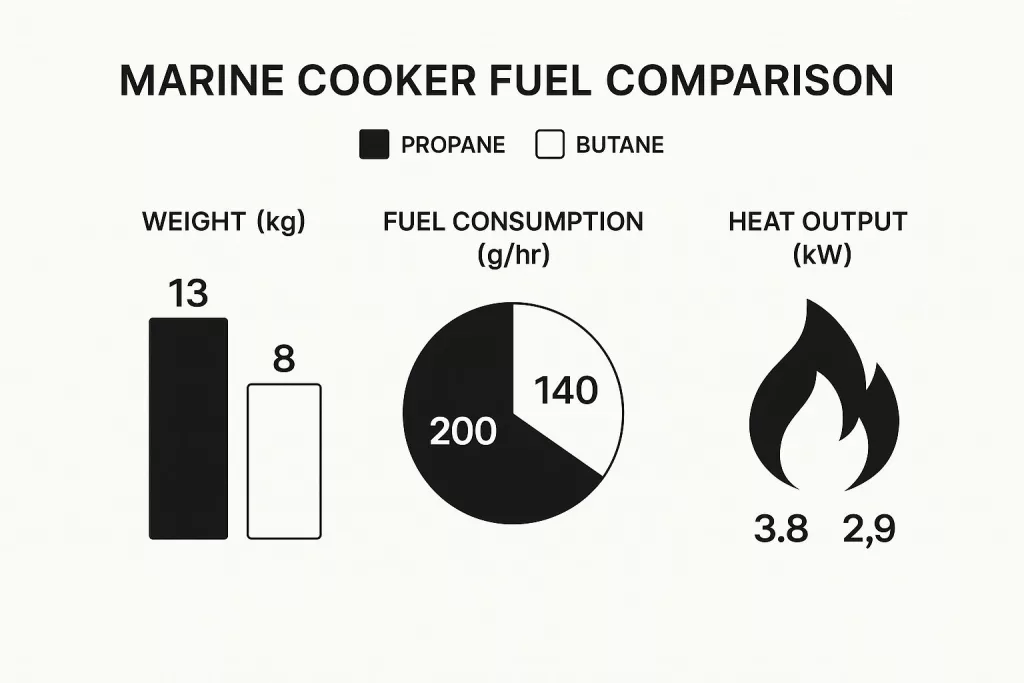

    Why Our Professional Service Matters

    Handing your caravan over to us gives you freedom. You can focus on the adventure ahead, knowing everything is safe. Think of us as your dedicated partner in safety.

    We offer a complete range of professional services. We cover all your needs with unmatched expertise.

    To give you a better idea, here’s a look at the services our engineers provide.

    Our Caravan Gas Engineer Services at a Glance

    This table offers a quick overview of our essential services. Our Gas Safe registered engineers ensure your caravan is safe and comfortable.

    ServiceWhat We DoPrimary Benefit
    Annual Gas Safety InspectionsA thorough check of all gas pipework, appliances, and ventilation to identify leaks, faults, or potential carbon monoxide risks.Peace of mind. It’s crucial for preventing silent dangers and ensuring every component is functioning correctly.
    Appliance Installation & UpgradesWe expertly fit new cookers, hobs, heaters, and water systems, making sure they meet all legal and safety standards from day one.Guaranteed compliance. Your new gear will be installed correctly, safely, and ready to use without any worries.
    Repairs & Fault FindingOur team quickly diagnoses and provides effective repairs for any gas system issues, from a faulty pilot light to a leak in the line.Get back on the road fast. We get your systems up and running swiftly and safely, minimising disruption to your travels.

    Ultimately, our goal is to provide a service that’s both thorough and transparent.

    For a more detailed breakdown, explore our dedicated campervan and caravan services page. A professional approach means your gas system is completely safe for you and your family.

    Why a Qualified Caravan Gas Engineer Is Non-Negotiable

    When you’re dealing with gas systems, qualifications are everything. This isn’t simply a recommendation. In fact, it’s the absolute benchmark for safety and legality. Hiring a certified professional is your ironclad guarantee of safety. It means every connection meets the tough standards we have in the UK.

    The Gold Standard of Gas Safety

    The Gas Safe Register is the official list of businesses legally allowed to carry out gas work. Every one of our engineers is on this register. Furthermore, our team holds specific ACS qualifications for Liquefied Petroleum Gas (LPG) in Leisure Accommodation Vehicles (LAVs). That’s the precise expertise needed for caravans.

    Caravan Safety Checks Infographic

    These routine checks are absolutely vital. They help us spot potential problems before they become serious hazards. A properly qualified caravan gas engineer has the training to notice subtle issues. These issues would otherwise go completely unnoticed.

    This kind of specialisation is more important than ever. We’re currently facing a shortage of gas engineers in the UK. With around half of the existing workforce over 55, the pool of experts is shrinking. This directly affects finding specialists for leisure vehicles.

    Choosing a certified professional isn’t just about ticking a box. It’s an active step towards ensuring every journey you take is safe, secure, and free from preventable risks. It’s about investing in genuine peace of mind.

    Verifying Credentials: Our Guarantee of Expertise

    We believe in total transparency. That is why we encourage you to check our credentials for yourself. You can verify any engineer’s qualifications on the Gas Safe Register website. Simply ask to see their ID card. It clearly lists the specific types of gas work they are certified to handle.

    Our team is always proud to show their qualifications. Consequently, this gives you the confidence you deserve. A safe trip starts long before you hit the road. Our services ensure your gas systems are ready when you learn how to properly prepare for an RV trip.

    Our Comprehensive Caravan Gas Engineer Services

    When it comes to your caravan’s gas system, you need more than a quick fix. You need a complete service that guarantees safety and reliability. We’ve built our services around covering every possible angle. We handle everything from routine checks to brand-new installations.

    Comprehensive Caravan Gas Engineer Services

    Whether it’s an annual inspection or an unexpected repair, our qualified team has the experience. We also have the right tools to get the job done properly. We know your caravan is your escape. Therefore, we’re committed to making sure its gas system works flawlessly.

    Meticulous Annual Gas Safety Inspections

    The cornerstone of caravan safety is a professional, regular inspection. Our annual gas safety checks are incredibly thorough. Moreover, they are designed to catch potential problems before they become risks. One of our qualified caravan gas engineers will systematically check every component.

    This isn’t just a tick-box exercise. It includes:

    • Leak Detection: We rigorously test the integrity of all your pipework and connections for any sign of a dangerous gas leak.
    • Appliance Functionality: Every single gas appliance is checked to ensure it ignites correctly and burns with a clean, steady blue flame.
    • Ventilation and Flue Checks: We make sure all flues and air vents are clear and completely unobstructed, which is vital for preventing carbon monoxide build-up.

    Ultimately, this yearly check is your best defence against the hidden dangers of gas faults.

    An annual inspection isn’t just about compliance; it’s about proactively protecting yourself and your family. It’s the confidence that comes from knowing your systems are sound for another year of adventures.

    Expert Installation by a Caravan Gas Engineer

    Thinking of upgrading your cooker or heater? A new appliance can make a huge difference to your comfort. However, the installation has to be perfect. Our caravan gas engineer team specialises in fitting a wide range of modern, efficient gas appliances.

    We handle the seamless and safe installation of:

    • Cookers, hobs, and ovens
    • Space heaters and central heating systems
    • Water heaters and boilers

    We don’t just connect it and leave. We ensure every new appliance is fitted according to the manufacturer’s instructions and UK safety regulations. After installation, we test everything thoroughly.

    Rapid and Reliable Repair Services

    Even with the best maintenance, things can go wrong. A heater that won’t light can put a real dampener on your trip. When problems pop up, you need a fast solution.

    Our repair services get your gas system back in working order quickly. Whether you’re dealing with a faulty appliance or you suspect a leak, our engineers are ready to help. We pride ourselves on quickly diagnosing the real cause. Then, we carry out a durable repair. When you need a caravan gas engineer you can count on, we’re here.

    Upgrade Your Journey with Our Premier Gas Appliances

    The right appliances can make all the difference. They can turn a simple caravan into a real home on wheels. Here’s a look at our hand-picked selection of top-quality gas appliances. Each one is designed for the unique demands of caravans.

    We want to show you how these products genuinely improve life on the road. Imagine cooking family meals on a powerful new cooker. Or picture stepping into a hot shower from a reliable water heater.

    Every appliance we stock has been chosen for its efficiency, design, and safety features. This means you get the best performance without sacrificing space or peace of mind.

    From Our Workshop to Your Caravan

    Choosing the perfect appliance is just the start. To ensure it works flawlessly, a professional installation is vital. This is where the skills of a qualified caravan gas engineer are non-negotiable.

    Our expert team provides professional installation for any appliance you buy from us. This creates a seamless journey from the moment you choose a product. We handle everything, ensuring your new kit is fitted to the highest safety standards.

    “Our old water heater was unreliable, but the team recommended and installed a fantastic new unit. The whole process was professional, and the engineer was incredibly knowledgeable. Now we have consistent hot water, which has transformed our holidays. Highly recommended!”
    – Sarah & Tom

    Cookers and Hobs for Every Galley

    A great cooker is the heart of any caravan kitchen. Our range covers everything from simple two-burner hobs to full oven and grill combinations.

    • Compact Designs: Perfectly suited for tight spaces without skimping on cooking power.
    • Safety First: Every model comes with flame failure devices as standard.
    • Easy to Clean: Built with modern materials that make wiping down quick and simple.

    Upgrading your cooker means better meals and less hassle.

    Reliable Water and Space Heaters

    Consistent hot water and a warm living area turn a trip into a comfortable holiday. We stock a variety of LPG water heaters and space heating solutions. For those looking at other options, our guide on diesel heaters for caravans offers great insights.

    Our appliances deliver, whether you need instant hot water or a dependable heater. Better still, our caravan gas engineer will ensure the installation is perfectly integrated. This gives you efficient and safe operation for years to come.

    Understanding Your Investment in Professional Service

    We believe in being completely upfront, especially about costs. Knowing what to expect helps you budget properly. Hiring a qualified caravan gas engineer isn’t just a cost; it’s a crucial investment in your safety.

    Comprehensive Caravan Gas Engineer Services

    This investment makes sure your caravan remains a safe haven. We want to give you a clear, straightforward breakdown of what goes into the final price. In the end, our goal is to help you understand exactly what you’re paying for.

    Factors That Influence Cost

    Several key things can affect the final quote for any job. We always provide a clear estimate before we pick up a tool. Consequently, you know exactly what to expect.

    The main factors include:

    • Type of Service: An annual safety check is priced differently from an emergency call-out or a complex new appliance installation.
    • Job Complexity: Fitting a simple hob is quick. In contrast, installing a full central heating system demands far more time and materials.
    • Appliance and Parts: The cost of any replacement parts or the new appliance will naturally be part of the overall price.

    Essentially, the more time and skill a job requires, the higher the investment. Our team will always walk you through these details.

    Our Pricing Structure Explained

    We want to be transparent about how we charge for our expertise. The going rate for gas engineers in the UK varies. As a ballpark, hourly rates can range from £40 to £120. The UK average is around £60.36 per hour. You can learn more about gas engineer rates and what to expect to get a better feel for the market.

    When you pay an engineer, you’re covering more than just their time. That fee includes their specialist training, Gas Safe registration, and insurance. It also covers expensive diagnostic equipment. It’s everything needed to do the job safely.

    We provide detailed quotes that break down labour and parts costs. Whether you need a standard service or a more involved repair, you will get a transparent price from our caravan gas engineer team. This means no surprises.

    Finding the Right Gas Engineer for Your Caravan

    Choosing the right person to work on your caravan’s gas system is a big deal. It’s about safety and peace of mind. So, how do you find a true expert?

    We’ve put together a straightforward guide to help you. Follow these steps, and you’ll find a competent and reliable professional.

    Ultimately, you’ll see why a proven, qualified engineer is the only choice. Our team doesn’t just meet these standards; we aim to exceed them.

    Verifying Essential Credentials

    Before you let anyone near your gas system, there are two non-negotiable checks. Think of this as your first line of defence.

    First, always check their Gas Safe registration. Crucially, they must be qualified for LPG in Leisure Accommodation Vehicles (LAVs). Ask to see their Gas Safe card. Next, ask for proof of their public liability insurance. This protects you and your property.

    Checking these credentials isn’t about being difficult; it’s about being smart. A reputable engineer will be proud to show you their qualifications and insurance. This demonstrates their professionalism and your safety.

    What to Expect From Our Professional Service

    Once the paperwork checks out, the service quality tells you everything. A professional caravan gas engineer will never start work without a clear, itemised quote. There will be no hidden costs or nasty surprises.

    Look for a company with a solid track record of positive reviews. Real feedback from other caravan owners is one of the best ways to gauge reliability. Here at Marine Heating Solutions, we stand by our transparent pricing. We are also proud of the glowing testimonials from our customers.

    The demand for properly qualified engineers is high, especially in the holiday park sector. Caravan ownership has its own safety rules. That is why specialised training is so vital. You can discover more insights about the UK holiday park landscape to understand the industry.

    Common Questions for Your Caravan Gas Engineer

    Knowing your way around your caravan’s gas system is a big part of staying safe. We get asked many questions. So, we’ve put together some answers that highlight why professional help is so important.

    How Often Do I Need a Gas Safety Check?

    We recommend a full gas safety inspection by a qualified caravan gas engineer at least once a year. It’s a legal must if you rent out your caravan.

    Think of it as an MOT for your gas system. These annual checks ensure every appliance is running as it should. Crucially, they confirm there are no dangerous leaks. It’s a simple step that protects you.

    Can Any Gas Safe Engineer Work on My Caravan?

    Absolutely not. You must use a Gas Safe registered engineer with specific qualifications. They need certification for Liquefied Petroleum Gas (LPG) in Leisure Accommodation Vehicles (LAVs).

    This is a specialist field. The qualifications for working on gas in a house just don’t cover it. Therefore, all our engineers have the exact credentials needed to work on your caravan safely.

    “A regular safety check by a qualified professional is the single most effective step you can take to prevent gas-related incidents in your caravan. It’s not just a recommendation; it’s a vital part of responsible ownership.”

    What Are the Warning Signs of a Gas Problem?

    Keep an eye out for flames burning yellow or orange instead of a crisp, clean blue. Soot marks or staining around your appliances are another giveaway.

    A faint smell of gas is an obvious red flag. So are appliances that are suddenly difficult to light. If you spot any of these signs, don’t hesitate. Turn the gas off at the cylinder immediately. Then, call a professional caravan gas engineer for an urgent look.

    What Caravan Services Do You Offer?

    For certified safety checks, expert repairs, or appliance installations, trust the specialists at Marine Heating Solutions. Ensure your caravan is safe for the season by booking an appointment with our qualified engineers.


    For quotes and bookings, call or email us here.
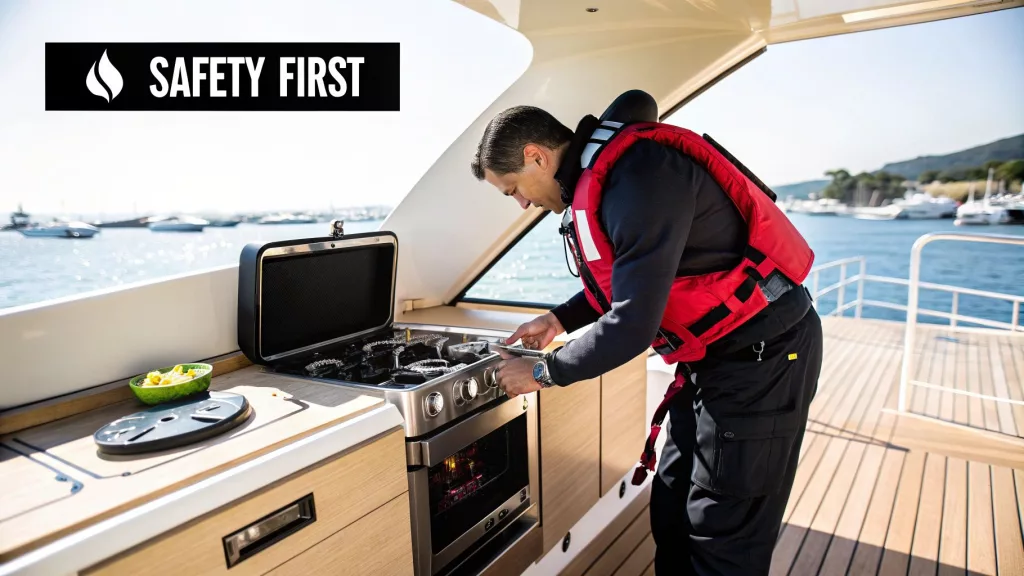

  • Unique Onboard Comfort: Your LPG Water Heater Guide

    Unique Onboard Comfort: Your LPG Water Heater Guide

    An LPG water heater is a sensational game-changer for life on a narrowboat. Consequently, it gives you instant, reliable hot water whenever you need it. You can get hot water without firing up the engine. Therefore, this guide will walk you through our hand-picked selection of top-quality heaters. It will also explain how our certified installation services keep you safe and comfortable on the UK’s canals.


    For quotes and bookings, call or email us here.
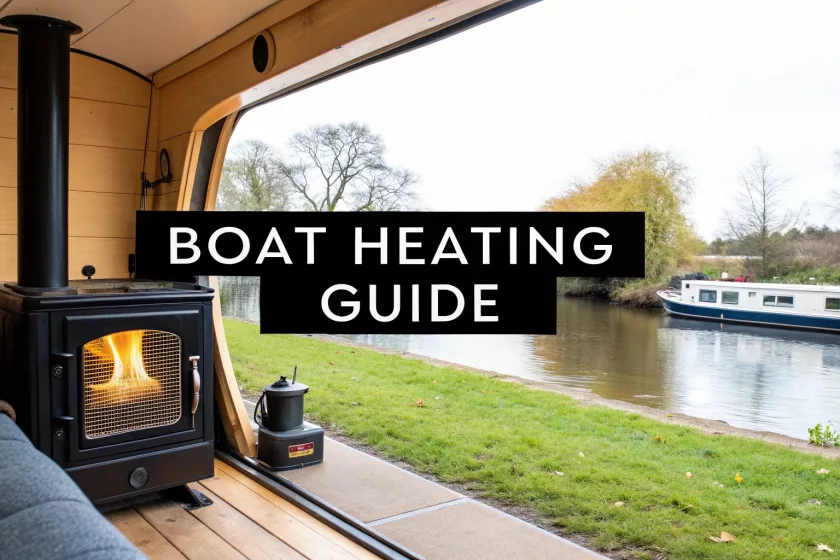

    Unmatched Comfort With Your LPG Water Heater

    Living on a narrowboat is about freedom and enjoying the UK’s incredible waterways. However, real comfort comes down to having reliable systems on board. Indeed, hot water is right at the top of that list.

    Waiting for the engine to heat a calorifier is not practical most of the time. For instance, it is slow and inefficient. This is where a dedicated LPG water heater steps in and completely transforms daily life.

    These modern heaters are built specifically for the marine world. Furthermore, they are compact and surprisingly efficient. They deliver hot water on demand for everything from washing up to a long, hot shower. As a result, it brings a level of convenience that truly feels like a luxury.

    Why Our Professional LPG Water Heater Setup is Vital

    Picking the right water heater is one thing. Conversely, getting it installed safely is another entirely. At Marine Heating Solutions, we live and breathe the narrowboat and inland barge sector. In short, we deliver complete, certified solutions.

    Our Gas Safe registered engineers make sure every single installation meets the UK’s strict marine safety standards. That is not just a box-ticking exercise. In fact, it’s about giving you genuine peace of mind.

    “Every boat is unique. We take the time to understand your setup, from the size of your vessel to how much hot water your family uses, so we can recommend the perfect LPG water heater from our trusted range.”

    We have spent years curating a selection of appliances that we know can handle the tough marine environment. Our engineers have installed countless units with proven reliability. Thus, they have the experience to ensure your system is perfect.

    Key Benefits of a Professional LPG Water Heater Setup

    To break it down, here is what you get when you choose a professionally installed system from a specialist like us.

    FeatureBenefit for Narrowboat Owners
    Instant Hot WaterNo more waiting for the engine or calorifier. Consequently, hot water is available on demand, 24/7.
    Energy EfficiencyModern LPG heaters only use fuel when you need hot water. As a result, you save money and reduce gas use.
    Gas Safe CertificationEvery installation is signed off by a certified engineer, ensuring it meets legal safety requirements.
    Space-Saving DesignThese units are compact. Therefore, they are designed for the tight spaces found on a narrowboat.
    Expert AdviceWe help you choose the right model for your boat and usage needs, preventing costly mistakes.
    Peace of MindKnowing your gas system is installed correctly by our professionals is invaluable for you and your family’s safety.

    This table just scratches the surface. In reality, the day-to-day improvement in your quality of life is the biggest benefit of all.

    Ultimately, investing in a professionally fitted LPG water heater is an investment in your comfort and safety. It’s about making your boat feel like a proper home. We handle the entire process, from the first chat to the final safety sign-off.

    You can learn more about our process by exploring our boat LPG water heater installation services.

    Why Choose a Professional LPG Water Heater Installation?

    Getting the systems right on your narrowboat is a huge part of creating a comfortable home on the water. When it comes to hot water, your choice has a massive impact on your daily routine and fuel costs. For many boaters, an LPG water heater is a smart investment. In fact, it tackles the unique challenges of life afloat head-on.

    The most obvious benefit is the sheer efficiency of these modern units. For example, older systems often need you to run a big, noisy engine just to get some hot water. An LPG water heater, on the other hand, only uses fuel at the exact moment you turn on the hot tap. This on-demand operation means you use far less gas, which directly lowers running costs.

    Professional LPG Water Heater Setup
    #image_title

    This efficiency goes hand-in-hand with another must-have feature for any boat: a compact, space-saving design.

    Maximum Comfort, Minimal Space: A Marine Heating Solutions Speciality

    Space is the ultimate luxury on a narrowboat. Indeed, every single inch counts, and bulky appliances are not practical. The LPG water heaters we supply and install are chosen specifically for their tiny footprint. This lets us fit them neatly into cupboards or engine bays without eating into your precious living areas.

    This clever design is a big part of why they are so popular. Specifically, you get all the performance of a much larger system without the physical bulk. It is all about making life on the water simpler and more pleasant.

    Just picture it:

    • Waking up on a chilly morning and having an instant hot shower, with no need to think about the engine.
    • Washing up after dinner with a ready supply of hot water makes galley chores quick and painless.
    • Enjoying the peace and quiet of your mooring, free from the noise of a rumbling engine, just for basic comforts.

    This convenience isn’t just a small perk; it’s a genuine upgrade to your quality of life. Our expert team will ensure you get the right model for your boat’s layout, fitted perfectly by our qualified engineers.

    The Rise of On-Demand Water Heating

    The shift towards on-demand systems is part of a wider trend. More and more people across the UK are prioritising energy savings. Tankless LPG water heaters deliver a continuous supply of hot water. Moreover, they are much more efficient and take up less space. This makes them absolutely ideal for off-grid living, like on a canal boat, where LPG is already a common fuel.

    Choosing an LPG water heater from our range means you are opting for reliability, efficiency, and comfort. It is a system that works with the rhythm of boat life, not against it.

    Of course, making your whole galley efficient is key. That is why many boaters pair their new water heater with an equally reliable cooker. If you are thinking about a full galley overhaul, you might find our guide on choosing an LPG gas cooker for your boat helpful.

    Finding the Perfect LPG Water Heater in Our Collection

    Picking the right water heater is a big decision. In fact, it will affect your comfort for years to come. That is why we have put together a curated collection of LPG water heaters. Each one is personally vetted and trusted for life on the UK’s inland waterways.

    We are here to guide you through the choices. We will ensure the model you end up with is genuinely the right one for your boat and how you use it.

    Finding the Perfect LPG Water Heater in Our Collection

    Think of this as expert recommendations from people who have been there. Our team has spent years working on narrowboats and barges. Therefore, we know exactly what works and what does not. We have used that experience to stock only the most reliable and efficient units.

    Selecting the Right LPG Water Heater for Your Needs

    Every boater is different. For example, a weekend boater has different needs than a family living aboard full-time. Because of this, our first step is always to have a proper chat and understand your needs.

    We will help you figure out what you need by looking at a few key things:

    • Boat Size: A compact unit is a must for smaller boats. However, larger vessels might need a more powerful LPG water heater to keep up.
    • Your Habits: Are you just after hot water for washing up? Or are you planning on multiple, back-to-back showers?
    • Existing Setup: We will look at your current gas and plumbing systems. This ensures any new heater integrates smoothly.

    Once we have a clear picture, we can point you towards the right model. For instance, a small narrowboat with limited space would be best served by a compact unit. Conversely, a residential barge with a family needs a higher-capacity model.

    Our Recommended LPG Water Heater Models

    The models we stock are all about performance and reliability. We are proud suppliers and installers of industry-leading heaters. These heaters have proven their worth out on the cut.

    These units are well-known for their durability and consistent performance in a damp marine environment. First, they get water hot quickly and efficiently. Secondly, this saves you money on gas. It also gives you that on-demand hot water that makes boat life so much more comfortable. A good LPG water heater will always recover its hot water supply much faster than an electric version.

    Our goal is not just to sell you a box. Instead, it’s to ensure you invest in a system that delivers reliable, hassle-free performance for years. We provide the full solution, from expert advice right through to certified installation.

    Choosing an LPG water heater should not feel like a shot in the dark. When you work with us, you are tapping into decades of real, hands-on experience. We will help you sort through the options and find the perfect appliance.

    And to top it off, our professional installation guarantees it will run safely right from day one. You can find out more about our process on our main boat LPG water heater installation page.

    The Critical Importance of a Professional LPG Water Heater Installation

    When you are dealing with gas appliances on a boat, safety is everything. An LPG water heater is a fantastic bit of kit for any narrowboat. However, fitting one is a job that should only ever be handled by a professional.

    This is precisely why the work must be done by a Gas Safe registered engineer with specific marine experience. The rules for gas systems on inland waterway boats are incredibly strict. Our team is not just Gas Safe registered. In fact, we live and breathe the unique challenges of working in the compact world of a canal boat.

    We understand the nuances of correct ventilation, secure pipework, and flue integrity. All these small details are absolutely critical to keeping you safe. Therefore, our meticulous approach guarantees every installation is fully compliant with UK marine regulations.

    Our process puts a massive emphasis on thorough inspections and secure connections. We complete these checks before we even think about commissioning the system. Your safety is always the priority.

    Our Commitment to Your Safety with Every LPG Water Heater

    Our qualifications are your peace of mind. We bring years of hands-on experience working specifically on UK narrowboats and barges. Furthermore, every one of our engineers is certified and keeps up-to-date with the latest standards.

    We do not just connect a few pipes. Instead, we engineer a complete, safe system from the ground up. This involves:

    • A full assessment of your boat’s layout and any existing systems.
    • Carefully routing gas lines to prevent any stress and abrasion damage.
    • Thoroughly testing for leaks at every single joint and connection point.
    • Commissioning the appliance to double-check its performance and all safety features.

    After the installation, we give you a full handover. We walk you through how to operate your new LPG water heater. We also provide all the necessary paperwork and certificates. It is also worth remembering that a correctly installed system is a non-negotiable requirement for a valid boat safety certificate. You can learn more about why certification is so vital in our guide to the LPG gas safety certificate for boats.

    Maintaining Your LPG Water Heater for Lasting Performance

    Getting your new LPG water heater expertly installed is the first step. However, looking after it properly ensures it runs safely for years. It is all about protecting your investment with regular, professional maintenance. This not only guarantees lasting performance but also gives you complete peace of mind.

    At Marine Heating Solutions, our job does not end when the installation is complete. Indeed, think of us as your long-term partner in keeping your boat’s systems in perfect working order. We offer comprehensive servicing to keep your appliance happy.

    Maintaining Your LPG Water Heater for Lasting Performance

    This ongoing care really is vital. An annual service by a qualified, Gas Safe registered engineer is the single most important thing you can do. In fact, it is absolutely essential for both safety and performance.

    What Our Annual LPG Water Heater Service Includes

    When you book a service with our team, you are getting more than just a quick check-up. Our engineers carry out a detailed inspection and tune-up. We have seen first-hand how regular servicing prevents the vast majority of common faults.

    Our service process is thorough and covers all the bases:

    • A full safety inspection of the flue and ventilation to ensure no blockages or dangerous leaks.
    • Cleaning critical components like the burner and heat exchanger to maintain peak efficiency.
    • Checking all gas connections and pipework for any signs of wear, corrosion, or potential leaks.
    • Verifying correct operation and testing all safety cut-out devices to make sure they function properly.

    “I wouldn’t trust anyone else with the gas systems on my boat. The annual service from Marine Heating Solutions is fantastic. The engineer was professional, tidy, and took the time to explain what he was doing. It’s a weight off my mind knowing everything is safe for another year.” – John S., Narrowboat Owner

    This proactive approach keeps your LPG water heater running like new. What’s more, it significantly extends its operational lifespan. This saves you from the headache of costly repairs. We pride ourselves on building lasting relationships with our clients, founded on trust and solid technical expertise. Our commitment to your comfort extends far beyond that initial installation day.

    You can learn more about our comprehensive solutions on our dedicated page for boat LPG water heater boiler installations. Let us be your trusted partner for ongoing support.

    Your LPG Water Heater Questions Answered

    We get it – putting a new system into your narrowboat brings up a lot of questions. To help you out, we have put together some of the most common queries our team answers. Here are some clear, straight-to-the-point answers from our marine heating experts.

    Our aim is to give you the confidence to make the right choice. That means transparent, genuinely helpful advice. As a result, you feel you’re in the loop every step of the way.

    How Much Does a Professional Installation Cost?

    This is usually the first thing boat owners ask. The honest answer is: it depends. The final price really comes down to two things. First is which specific LPG water heater you pick from our curated collection.

    The second is how complex the job is on your particular boat. For instance, slotting a new heater into a boat with a modern, compliant gas system is different. It is a world away from a job that needs completely new pipework from scratch.

    We believe in being upfront from the get-go. That’s why we always start with a detailed chat to assess your boat. After that, we will give you a bespoke, no-obligation quote. No hidden fees, just a clear price reflecting the value and safety you get.

    What Are the Signs My Boat’s Water Heater Needs Replacing?

    Knowing when to upgrade is the key to avoiding that dreaded moment when the hot water gives up. There are a few classic tell-tale signs that your current water heater is on its last legs. If you spot any of these, it is definitely time to give us a call.

    Keep an eye out for these common symptoms:

    • Fluctuating Water Temperatures: If your shower suddenly goes from hot to cold, your unit is probably struggling.
    • Unusual Noises: Any banging, popping, or rumbling sounds often point to a component that is about to fail.
    • Visible Rust and Corrosion: Obvious rust on the unit or rusty-coloured water are major red flags.

    Our experienced engineers can pop over and give it an expert assessment. We will tell you straight whether a simple repair will do, or if a new LPG water heater is the smarter and safer move.

    How Long Does a Typical Installation Take?

    We know your time on the boat is precious. Therefore, we work efficiently to cause as little disruption as possible. A standard LPG water heater installation is a job we have got down to a fine art. We have worked on boats across the UK’s inland waterways for years.

    In most cases, we can have the whole job done and dusted within a single day. Our team turns up fully prepared with the right appliance and all the necessary parts. This means you can be enjoying reliable, on-demand hot water by the evening. Consequently, your boat is in capable hands.

    What Installation Services Do You Offer?

    Ready to upgrade your boat’s hot water system with a safe, efficient, and reliable solution? Contact Marine Heating Solutions today for expert advice and a no-obligation quote.


    For quotes and bookings, call or email us here.
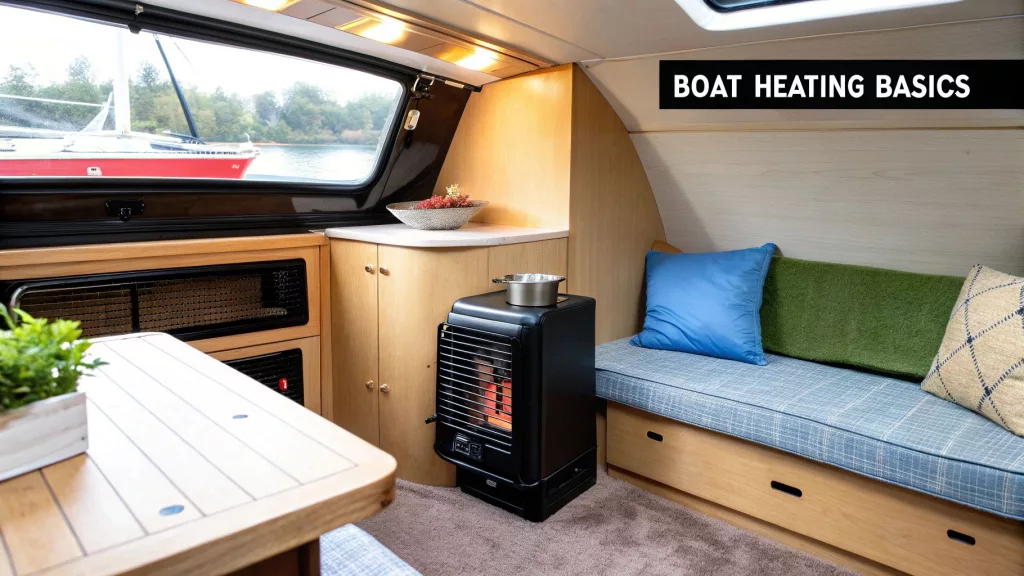

  • Canal Boat Heating: Essential Guide for Reliable Warmth

    Keeping your canal boat warm is about creating an amazing, reliable heating system built for life on the water. Ultimately, the best setups, whether a modern diesel central heating system or a classic solid fuel stove, are designed for the marine environment. The key to staying safe, efficient, and cosy all year round is getting the supply and installation handled by a professional. In short, we provide a service you can trust.


    For quotes and bookings, call or email us here.

    Why Professional Canal Boat Heating Is Essential

    Life on the UK’s canals is a special experience. Consequently, it gives you freedom and a connection to nature. But the British climate means dependable warmth is not a luxury. In fact, it’s fundamental to making your narrowboat a proper home, especially during winter. A boat simply isn’t a house. In particular, it has unique challenges like tight spaces and dampness. This is why domestic heating solutions are unsuitable and unsafe. Consequently, our expertise is invaluable. We specialise in systems built for the demands of canal boats and barges.

    The Importance of Our Expert Supply and Installation

    Picking the right heater is only half the story. Indeed, professional installation guarantees its performance and your safety. Our certified engineers have the know-how for fiddly boat interiors. Therefore, we ensure every component meets strict Boat Safety Scheme (BSS) standards.

    By trusting us with your heating, you’re getting:

    • Safety First: Our installations are fully compliant with marine safety regulations. This drastically reduces risks like carbon monoxide leaks.

    • Top-Notch Performance: We carefully select and fit systems that are right for your boat. As a result, you get the most heat from every drop of fuel.

    • Long-Term Reliability: A professional job prevents common pitfalls. Ultimately, this gives you real peace of mind on the water.

    A well-heated boat is transformed from a summer plaything into a year-round home. It’s all about creating a safe, warm, and inviting space you can retreat to, no matter what the weather is doing outside. Proper canal boat heating is the cornerstone of comfortable liveaboard life.

    Our Heating Solutions at a Glance

    Here’s a quick overview of the key heating options we provide for UK narrowboats and canal boats.

    Heating System Type

    Best For

    Key Benefit

    Diesel Central Heating

    Liveaboards needing consistent, whole-boat warmth and hot water.

    Provides even, radiator-style heating and can heat your water calorifier.

    Solid Fuel Stoves

    Creating a cosy, traditional focal point and a dry, ambient heat.

    Offers a classic aesthetic and a very comforting, radiant warmth.

    Diesel Air Heaters

    Smaller boats or those needing quick, direct heat for specific areas.

    Fast to warm up a space and relatively simple to install.

    Gas Central Heating

    Boaters who want clean-burning, controllable, on-demand heating.

    Fast and responsive, offering instant heat when you need it.

    Each of these systems has its place. In truth, the right choice depends on your boat and how you use it. Investing in our professionally fitted system is the best way to protect your boat. To lock in warmth, consider adding measures like thermal window blinds. They work brilliantly with your main heating system. In conclusion, we provide a complete solution, from heater selection to final safety checks. We ensure your life afloat is always warm and welcoming.

    Choosing Your Ideal Canal Boat Heating System

    Deciding on the right heating for your canal boat is a big deal. It stands between you and the damp chill of a British winter. Furthermore, it directly impacts your comfort, safety, and enjoyment of life afloat. That’s why getting a top-quality, marine-grade appliance installed by our certified professionals is the best investment you can make. We specialise in fitting the finest heating solutions available. Our focus is on durability, efficiency, and reliability. For this reason, we’ve hand-picked a selection of premier appliances from the best manufacturers. We ensure you get a system that’s a perfect match for your boat.

    Our Premier Diesel Fired Central Heating Systems

    If you’re after consistent, programmable warmth, our modern diesel-fired central heating systems are perfect. Think of them as a home boiler, but for your boat. They simply tap into your diesel tank to heat water. This then flows through radiators placed where you need them. The result is a wonderfully even and dry heat throughout the cabin. The real beauty of these systems is the total control they give you. For example, thermostats and timers let you wake up to a toasty boat. Better yet, they can be linked to a calorifier, giving you lots of hot water.

    Our range of diesel heaters offers a brilliant blend of modern convenience and powerful performance. They are exceptionally quiet, sip fuel, and are built to meet strict environmental standards. This makes them a superb choice for full-time liveaboards and long-distance cruisers alike.

    We’re proud to stock and install systems from leading names in marine engineering. This guarantees your canal boat heating is effective and tough.

    The Timeless Appeal of Our Solid Fuel Stoves

    Of course, many boaters love the vibe of a real fire. If that’s you, our selection of solid fuel stoves is second to none. A stove provides a comforting, radiant heat that becomes the heart of the cabin. Moreover, it’s a dependable, off-grid heat source that needs no electricity. We supply all sorts of models. We have compact stoves for narrowboats and powerful units for widebeams. Every stove we offer is designed for marine use. They come with secure fastenings and compliant flue systems to ensure your safety. When weighing up options, it helps to see the bigger picture. For instance, a comprehensive boiler buying guide can offer useful general insights.

    To help you decide, we’ve put together a simple table comparing the main features of the heating systems we supply and install. This should give you a clear, at-a-glance overview to help you make an informed choice for your vessel.

    Comparing Our Premier Canal Boat Heating Appliances

    Appliance Type

    Typical Fuel

    Heat Output

    Our Expert Recommendation

    Diesel Central Heating

    Diesel

    High & Consistent

    Ideal for larger boats, liveaboards, or those wanting programmable, whole-boat heating and hot water.

    Solid Fuel Stove

    Wood, Coal, Briquettes

    Radiant & Cosy

    Perfect for creating a warm focal point, off-grid reliability, and a traditional canal boat atmosphere.

    Ultimately, both options provide excellent heat. They simply suit different lifestyles and priorities. Our job is to help you figure out which one is right for you.

    Making the Right Choice With Our Expert Guidance

    Navigating all the options can feel overwhelming. Factors like your boat’s size and insulation play a huge part. That’s exactly why our experts are here. They give clear, honest advice tailored to your boat and your needs. We don’t just sell appliances; we deliver complete, professionally engineered heating solutions. First, we’ll assess your vessel and discuss how you use it. Only then do we recommend the perfect fit. You can view our complete collection of top-quality boat heating systems for sale. In the end, our goal is simple. We want to make sure your investment keeps you warm for years to come.

    The Evolution of Narrowboat Comfort

    Canal Boat Heating - The Evolution of Narrowboat Comfort

    The story of canal boat heating is the story of leisure boating in the UK. What began as a basic feature has transformed into sophisticated systems. As a result, this has completely changed life on the water. Back in the day, the only warmth came from a simple solid fuel stove. It cooked meals and dried wet clothes. For generations of boaters, that was all they had. But then, everything changed. As canals shifted to peaceful holiday escapes, people’s expectations shot up. They wanted a proper home afloat that was warm and comfortable. This demand sparked a revolution in marine heating.

    From Basic Burners to Modern Central Heating

    The real game-changer was the boom in leisure boating from the 1960s. As purpose-built narrowboats appeared, so did modern amenities. While commercial traffic faded, the 60s saw the first holiday boats. These had central heating, hot water, and proper kitchens. Today, the UK’s waterways are bustling with over 35,000 boats. Many feature the kind of advanced canal boat heating we specialise in. You can read more about this transformation in the fascinating history of canal boat holidays. This era brought in technologies adapted for a boat’s unique challenges. Ultimately, these breakthroughs paved the way for the reliable, efficient systems we have today.

    • Early Innovations: The first diesel and gas heaters offered a new choice. Consequently, they gave boaters more controllable warmth.

    • Central Heating Revolution: Then came the compact, diesel-fired boilers. Suddenly, you could have radiators throughout the boat

    • Safety and Efficiency: As performance improved, so did safety standards. For example, modern systems have automatic shut-offs and clean-burning tech.

    Staying at the Forefront of Canal Boat Heating

    Here at our company, we’re proud to be part of that ongoing story. We know a reliable heating system is the heart of a comfortable boat. For this reason, we focus only on supplying and installing the most advanced kit.

    Investing in a modern, professionally installed system is one of the most significant upgrades a boat owner can make. It elevates a vessel from a simple cruiser to a true year-round home, unlocking the full potential of life on the UK’s beautiful waterways.

    Our goal is simple. We aim to provide a canal boat heating solution that’s a perfect match for you. Whether you want the convenience of diesel central heating or the charm of a solid fuel stove, our expert team will deliver a flawless installation. In short, we bring together canal heritage with the best of today’s technology. We make sure your time on the water is always warm and safe.

    Our Professional Canal Boat Heating Installation

    A top-of-the-range heater is only as good as its fitting. This is especially true on a narrowboat, where space is tight and safety is everything. Our expert installation service is the heart of what we do. Subsequently, we make sure your new canal boat heating system works perfectly from the start. Choosing us means you’re not just buying a heater. You are investing in complete peace of mind. We take care of every last detail. Therefore, we turn a complex job into a stress-free experience for you. This dedication is why boaters up and down the country trust us.

    The Consultation and Vessel Survey

    It all starts with a proper chat and a detailed survey of your boat. We come to you, wherever you’re moored, to get a real feel for what you need. During our visit, we’ll look at your boat’s layout. Additionally, we check the insulation and assess your power systems. This first step is absolutely vital. It allows our engineers to recommend the perfect heating solution. From there, we can plan the installation with precision. We figure out the best spots for the heater, radiators, and pipework.

    Meticulous Installation by Certified Engineers

    Our team is made up of certified marine engineers. They have spent years working on the UK’s inland waterways. They know the challenges that come with fitting systems into narrowboats. Because of this, every job is done with exceptional care and skill.

    We make sure every part of your canal boat heating is installed to the highest standard:

    • Secure Fuel Lines: We carefully route and secure all fuel lines. We use proper marine-grade materials to stop leaks.

    • Expert Pipework: All pipework for a central heating system is planned to spread heat evenly. It also fits discreetly into your boat’s interior.

    • Safe Electricals: Every electrical connection is made to handle the damp marine environment. This protects against moisture for safe operation.

    This focus on the small things ensures your system is built to last. For example, when we install a unit like a popular boat diesel stove, we make doubly sure its flue and fuel supply are integrated perfectly.

    “We had a new diesel heater fitted by this company and the whole experience was fantastic. The engineer was incredibly knowledgeable and tidy, and the installation was flawless. For the first time, our boat is genuinely warm all winter. I can’t recommend them highly enough.”
    – Anne T., Narrowboat ‘The Bandit’

    Adherence to Boat Safety Scheme Standards

    Safety is our number one priority. Every single installation we carry out follows the Boat Safety Scheme (BSS) requirements to the letter. Our engineers aren’t just installers. They are also highly familiar with marine safety regulations. This means we check every aspect of the job meticulously. From fitting the exhaust flue correctly to ensuring combustion air requirements are met, we leave nothing to chance. When you use our service, you’re guaranteed a system that’s fully compliant and safe.

    Final Commissioning and Handover

    The job isn’t done until we’ve commissioned the system. Once the installation is finished, we don’t just pack up and disappear. Our engineer will fire up the system and run a full set of tests. In addition, we ensure it’s operating at peak efficiency. We’ll then walk you through how to use the controls. We will also give you simple instructions on getting the most out of your heater. Finally, we’ll share essential maintenance tips to keep it running sweetly. Our professional installation service gives you more than just warmth. It gives you certified safety and long-term reliability.

    Maintaining Your System for Peak Performance

    Canal Boat Heating Maintenance Checks

    Getting your canal boat heating system professionally installed is the first step. Next, keeping it in prime condition is essential for its longevity. Consistent, expert maintenance ensures you stay warm, safe, and comfortable. This is especially true during harsh UK winters. Ignoring your heater’s upkeep can lead to a drop in performance. Worse, it could cause a complete breakdown when you need it most. It also hurts your system’s efficiency. Consequently, you could be burning through more fuel than necessary. Our professional maintenance packages are designed to catch these problems before they start. Letting our qualified technicians look after your system is a smart investment.

    The Importance of Annual Servicing

    We can’t stress this enough: an annual service for any canal boat heating system we install is vital. Think of it as an MOT for your heater. In short, it’s a critical check-up that guarantees everything is running safely. A yearly service, ideally before the cold weather bites, is the best way to ensure reliability. Our certified marine engineers carry out a thorough inspection. They look at all the vital components of your heating setup. This proactive approach catches minor issues before they escalate. It means you can cruise the waterways with confidence.

    Our comprehensive service covers several key tasks:

    • Burner and Combustion Chamber Cleaning: We meticulously clean these parts to guarantee an efficient burn. This directly improves your heat output.

    • Fuel Filter Checks: Clogged filters can starve your heater of fuel. Therefore, we inspect and replace them as needed.

    • Flue System Inspection: A clear and secure flue is non-negotiable for safety. So, we check for blockages and ensure its integrity.

    • Electrical Connection Review: We go over all the wiring and connections. We make sure they remain safe and secure in the marine environment.

    “I’ve relied on the annual service plan for my narrowboat’s diesel heater for three years now. The engineer is always professional, thorough, and happy to answer any questions. Knowing my system is safe and efficient gives me complete peace of mind through the winter.”
    – David R., NB ‘The Heron’

    Protect Your Investment and Stay Safe

    In the end, professional maintenance is about much more than just staying warm. An improperly maintained heater can pose a serious safety hazard. For instance, the risk of carbon monoxide poisoning is critical. Our engineers are trained to spot subtle signs of wear and tear. Regular servicing also protects the investment you’ve made in your canal boat heating.

    By keeping it in peak condition, you extend its working life. Over the long run, that saves you real money on fuel costs. Proper care is also a key part of getting your boat ready for the colder months. You can find more advice in our guide on how to winterise your boat. Get in touch with our team today to learn more about our servicing packages. Let us handle the technical side, so you can relax and enjoy a perfectly warm boat.

    Thinking Ahead: Future-Proofing Your Onboard Heating

    The world of marine technology never stands still. Furthermore, there’s a growing push towards greater efficiency and sustainability. As specialists in canal boat heating, we’re always looking ahead. We ensure our customers have access to the most advanced ways to stay warm. For us, this means sticking with proven, reliable technologies. We also keep a sharp eye on new developments that show real promise. Our commitment is simple: offer the best heating options available today that are ready for tomorrow. This is why we focus on highly efficient diesel heaters and smart control systems. These modern kits are engineered to give you maximum warmth. They also keep their environmental impact and your running costs as low as possible.

    Embracing the Next Wave in Canal Boat Heating

    Looking down the cut, the drive for greener energy is shaping the future. While we stand by well-tested systems, we are watching emerging technologies. These advancements promise even greater efficiency and independence for boaters. If you’re thinking about the long-term sustainability of your life afloat, it’s worth diving into what’s possible. Exploring comprehensive guides to sustainable off-grid solar power can open your eyes to managing your boat’s total energy needs. This includes powering vital parts of your heating system. This kind of holistic approach is becoming crucial for the modern liveaboard.

    Water Source Heat Pumps: A Glimpse of What’s to Come

    One of the most exciting solutions for canal boat heating is the water source heat pump. These systems are clever, using the canal water as a heat source. A fantastic example is the ‘Sabrina 5’ canal barge, where a heat pump was installed to pull heat directly from the dock water. Water is a brilliant medium for transferring heat. This makes these systems highly efficient for providing constant warmth. You can read up on the details of this pioneering canal boat heating installation.

    While this is still an emerging technology for the wider canal boat community, projects like this really showcase the potential for truly sustainable heating. We see our role as bridging the gap between today’s reliable solutions and tomorrow’s possibilities, making sure our clients are always at the forefront of comfort and efficiency.

    Ultimately, our focus is on providing you with a robust, effective heating system. It must serve you brilliantly right now and be aligned with where things are headed. By choosing one of our expertly installed appliances, you’re not just buying a heater. You’re investing in a durable solution that keeps your boat warm and safe.

    Canal Boat Heating Questions Answered

    Choosing the right heating for your boat throws up a lot of questions. It’s a big decision, and you want to get it right. So, we’ve put together some of the most common queries we get from boat owners just like you. Our team of certified engineers has seen pretty much everything. So, we understand the unique challenges you face. Let’s dive into some key topics to give you clarity.

    What is the most efficient way to heat a narrowboat?

    For most boaters, a modern diesel-fired central heating system is the best choice for efficiency. These systems give you consistent, thermostatically controlled heat right through the boat. Better yet, they can also heat your hot water. All of this runs from your main diesel tank. In addition, they’re highly efficient and meet modern emissions standards. This makes them a fantastic, reliable option for canal boat heating. For a deeper dive, read our comprehensive guide to boat diesel heaters.

    How often does my canal boat heating system need to be serviced?

    We always recommend an annual service for any heating system. This should be done ideally before the cold weather sets in. Think of it as a pre-winter health check. Regular servicing by our qualified engineers is about more than just preventing a breakdown. Crucially, it’s vital for safety. For example, we check for carbon monoxide risks and ensure your system is in top-notch condition.

    Is professional installation necessary for my new heater?

    100% yes. We can’t stress this enough. Professional installation is vital for both your safety and the heater’s performance. Our certified engineers make sure your system is fitted correctly to meet all Boat Safety Scheme (BSS) requirements, which covers everything from fuel lines and wiring to the exhaust fitting. It’s the only way to guarantee safe operation and protect your investment.

    Finding the right people to help with your canal boat heating is a massive part of enjoying life on the water. We don’t just sell top-tier heaters. Instead, we provide the expert installation and maintenance to back them up. Your comfort and safety are what drive us. And we’re committed to delivering solutions that last.

    For expert advice on all your heating needs, from selecting the perfect appliance to ensuring a safe, professional installation, contact our team. Let our certified engineers provide the warmth and peace of mind you deserve.


    For quotes and bookings, call or email us here.

  • Ultimate Guide To Pro Boat Heating Systems

    Ultimate Guide To Pro Boat Heating Systems

    Imagine your narrowboat as a warm sanctuary, even on the coldest winter days. This is not just a luxury; it is a core part of enjoying the UK’s canals all year round. Consequently, professionally installed boat heating systems are the most important investment one can make for both comfort and safety. We provide expert installation and high-quality appliances to ensure your comfort.

    Your Essential Guide To Onboard Comfort

    Boat Heating Systems

    Living aboard the UK’s stunning inland waterways comes with challenges, especially when the temperature drops. A reliable heater is about much more than staying warm. In fact, it’s a fundamental part of protecting your vessel. Without proper climate control, the damp of a British winter can cause serious issues.

    One of our expert-installed boat heating systems is the single best defence against these problems. Specifically, an effective system actively fights condensation, stopping mould and mildew. This not only keeps the air fresh but also protects your boat’s interior from costly moisture damage. Therefore, the right setup truly preserves the value of your investment.

    Extend Your Cruising Season With Confidence

    For many narrowboat owners, colder months signal the end of their time on the water. However, it doesn’t have to be that way. With a professionally fitted system from us, you can confidently extend your cruising season. For instance, just imagine enjoying frosty mornings on the canal from your cosy cabin. It completely transforms your boat into a year-round haven.

    We specialise in providing and installing high-quality boat heating systems tailored for the canal boat sector. Our approach is about delivering a complete, safe, and dependable solution. Above all, we understand the specific demands of a marine environment.

    Our commitment is to ensure your vessel remains a perfect sanctuary, no matter the weather. We make this happen by combining superior products with the expertise of our certified marine engineers.

    Choosing our professional service guarantees your system is efficient and fully compliant with UK safety standards, like the Boat Safety Scheme (BSS). This is absolutely crucial for your peace of mind. Our team handles every aspect, from selecting the ideal appliance to carrying out a meticulous installation. You can learn more by exploring our range of diesel boat heater installations.

    Here’s a quick look at how our professional services deliver real benefits for you.

    Our Professional Service Commitment for Boat Heating Systems at a Glance

    This table summarises how our key services ensure your narrowboat is always warm, safe, and comfortable.

    Service Area

    Our Professional Promise

    Your Onboard Benefit

    Expert Consultation

    We analyse your boat to recommend the perfect heating solution from our curated selection.

    You get a system perfectly matched to your lifestyle, ensuring top-notch efficiency and comfort.

    Certified Installation

    Our OFTEC and Gas Safe registered engineers ensure your system meets all BSS requirements.

    You have complete peace of mind knowing your installation is safe, secure, and fully compliant.

    Long-Term Support

    We offer comprehensive servicing and maintenance plans to keep your system in peak condition.

    You can count on reliable, trouble-free operation for years, protecting your initial investment.

    Above all, our goal is to provide a seamless experience from start to finish. We deliver warmth and reliability you can count on when you need it most.

    Choosing Your Ideal Boat Heating Systems

    Finding the right heating system for a narrowboat can feel overwhelming, but we make it simple. We’ve narrowed the options to three proven solutions suited for life on UK inland waterways.

    Our selection covers all bases, from robust solid fuel stoves to powerful diesel air heaters.

    Whether you want the classic ambience of a real fire or convenient temperature control, we have a heater that fits your lifestyle.

    • Solid fuel stoves are the traditional choice, radiating a deep, comforting warmth. They offer a proper hearth-like feel.

    • Diesel air heaters give you instant, on-demand warmth. They are impressively quiet and boast high energy efficiency.

    • Hydronic systems bring domestic-style central heating to your boat. A liquid circuit delivers silent, even heat.

    We personally select every appliance we sell and install, focusing on durability and performance. Each option is chosen to handle the unique conditions found on narrowboats and barges.

    “I had Marine Heating Solutions service the diesel heater on my narrowboat. The engineer was incredibly thorough and explained everything he was doing. The peace of mind knowing it’s been professionally checked for safety is priceless. The heater has never run better!”
    – Caroline P., Kennet & Avon Canal cruiser.

    Now, let’s take a closer look at each option we offer.

    Solid Fuel Stove based Boat Heating Systems

    Nothing beats a classic solid fuel stove for creating a tangible focal point. They run on wood or charcoal logs, which are easy to find along the UK canal network.

    On a narrowboat, a well-insulated flue pipe and a properly constructed hearth are essential. These ensure the heat spreads evenly. Consequently, you’ll have no cold corners and a wonderfully cosy cabin on frosty mornings.

    Our engineers ensure every installation meets the highest safety standards for complete peace of mind.

    1. We position your stove centrally for the best heat distribution.

    2. We properly insulate and seal all flue joints to maximise efficiency.

    3. Our team advises on using the best fuels for a longer burn time.

    Next up, if you need heat in a hurry, consider one of our diesel air heaters.

    Diesel Air Heaters for Boat Heating Systems

    Compact diesel air boat heating systems from our range are a fantastic bit of kit. They run directly from your boat’s main fuel tank, giving you warm air on demand. With simple digital controls, you can have warm air circulating in minutes.

    These units are also brilliant for fuel efficiency. They often achieve over 85% heat transfer rates. This makes them a great fit for longer trips where refuelling is a concern.

    Better still, many models we stock come with built-in thermostats and timers. This flexibility means your cabin stays at a constant, comfortable level.

    Think of a diesel air heater as your boat’s own central furnace. We install them professionally to be tough for the marine environment. Its small size means we can tuck it away, and flexible ducting spreads the warmth.

    Comparing Our Recommended Boat Heating Systems

    To help you decide, here’s a straightforward comparison of the main heating systems we install. This should give you a clear idea of which solution is the best fit for your narrowboat.

    Heating System Type

    Best Suited For

    Key Features We Endorse

    Primary Fuel Source

    Solid Fuel Stove

    Traditional narrowboats and liveaboards

    Radiant warmth, long burn times, low tech

    Wood or charcoal

    Diesel Air Heater

    Cruisers needing quick, controlled heat

    Instant heat, digital controls, efficient fuel use

    Diesel

    Hydronic System

    Larger barges or those needing hot water

    Central heating, silent operation, hot water on tap

    Diesel or LPG

    Each system we offer has its strengths. The right choice really comes down to how you use your boat.

    Boat Heating Systems Efficiencey Infographic

    As the graphic shows, electric units can hit 95% efficiency, whereas diesel systems deliver a solid 85% efficiency with excellent durability.

    Now, let’s look at the option that brings true domestic comfort aboard.

    Hydronic Boat Heating Systems

    A hydronic boiler works by heating a water-based solution. This then circulates through pipes to feed radiators or underfloor heating. This setup delivers silent, even heat and can also supply all your hot water.

    These systems need a professional setup to ensure they operate safely and efficiently. However, the payoff is huge. With modular radiator panels, you can create different heat zones for tailored comfort.

    When we install a system, finding the right thermostats for heating systems is vital for efficient control. If you’re leaning towards a stove, look at our detailed guide on the boat diesel stove.

    Get in touch with our team to schedule a chat. We can help you find the ideal heater for your narrowboat or barge.

    • Our custom installations ensure maximum efficiency, saving you fuel.

    • Our certified OFTEC and BSS-trained engineers guarantee safe, compliant setups.

    • We provide full aftercare and servicing to protect your investment.

    Trust our experience to match you with the right heater and install it properly. We are all about providing enduring comfort for your life on the UK waterways. Get in touch today.

    Why Professional Installation Is Crucial for Boat Heating Systems

    Why Professional Installation Is Crucial for Boat Heating Systems

    Picking a top-quality heater is only half the battle. Truthfully, even the best appliance is only as good as its installation. This is where getting a professional is absolutely essential for your safety.

    Our entire approach is built on a careful, certified installation process. We know that a boat is subject to constant movement and vibration. Therefore, every single fitting has to be solid, secure, and perfectly fitted.

    A dodgy installation can lead to dangerous situations like fuel leaks or harmful gases. By trusting the job to our qualified engineers, you invest in the safety of your boat.

    Boat Heating Systems that Adhere to UK Safety Standards

    Our engineers are certified and trained to the highest UK safety standards. This is a deep, practical understanding of the Boat Safety Scheme (BSS) requirements. Because of this, we guarantee that every installation we complete is fully compliant.

    We obsess over the small details that make a system truly safe. For example, we ensure secure flue routing and leak-proof fuel line connections. We take real pride in our methodical approach because we know it delivers safety.

    Our commitment is unwavering: to provide a secure, reliable, and efficient heating solution. We make sure every installation not only meets but exceeds the tough safety standards that narrowboat owners expect.

    Comfort and safety on board have never been more important. The UK market for boat cabin heaters has been growing steadily. For instance, the market was valued at around USD 150 million and is expected to hit USD 250 million by 2033. This shows how vital these systems have become. You can dive deeper into these market trends and insights.

    The Value of Our Professional Service

    So, what do you get with a professional installation from us? It is a complete, end-to-end process that covers every angle. Think of our service as a guarantee of both quality and security.

    Here’s what you can expect when you choose our team:

    • Initial Vessel Assessment: First, we carry out a full inspection of your narrowboat. This helps us pinpoint the best spot for the heater and components.

    • System Integration: We then carefully connect the new system to your boat’s existing setup. We make sure everything works together seamlessly and safely.

    • BSS Compliance Checks: Next, we go over every component with a fine-tooth comb. This ensures it all meets BSS guidelines.

    • Final Commissioning and Testing: Before we finish, we commission the system. This means running it through a full heating cycle to check its performance.

    This structured process ensures your new boat heating systems will give you reliable warmth. We’ve got a lot of experience, which you can read about in our guide to diesel boat heater installations.

    Peace of Mind on the Waterways

    Ultimately, the biggest benefit of using our service is the complete peace of mind you get. You can relax and enjoy your time on the water. You will be totally confident that your heating system was installed by certified experts. We never take shortcuts when it comes to the well-being of our customers.

    Our reputation is built on trust and the quality of our work. Indeed, we don’t just install heaters; we deliver lasting comfort and security. That’s the core of our promise to every narrowboat owner we help.

    Maintaining Your Boat Heating Systems for Safety

    Once your ideal heater is professionally installed, the job isn’t quite done. The focus now shifts to keeping it in peak condition with regular, expert maintenance. It is genuinely the single most important thing for longevity, efficiency, and safety.

    It’s best to think of an annual service not as a cost, but as a crucial investment.

    A neglected system can quickly become a real headache. For instance, it will burn more fuel than it should and struggle to keep your cabin warm. We have developed comprehensive servicing packages specifically for the narrowboat community. These are designed to keep your systems running flawlessly.

    One of the biggest worries is carbon monoxide (CO), the silent killer. Therefore, periodic professional checks are vital for preventing this danger. Our engineers meticulously inspect flues and exhausts for any blockages or leaks.

    Why Professional Servicing Is Non-Negotiable

    For any fuel-burning appliance on a boat, a yearly check by a qualified technician is fundamental. The unique environment of a canal boat means components can loosen over time. This is where our expertise becomes your safeguard.

    Our certified engineers know exactly what to look for. We go far beyond a quick visual check. In fact, we perform detailed diagnostics to catch small issues before they become expensive breakdowns. This proactive approach is the core of our commitment to you.

    Regular maintenance from a certified professional is the best way to guarantee your boat heating systems remain a source of comfort and not a cause for concern. It’s about ensuring complete peace of mind.

    A typical service from our team is a thorough, multi-point process. We don’t just tick boxes; we make sure every part of your system operates correctly.

    What Our Comprehensive Service Includes

    When you book a service with us, our engineers get to work on critical tasks. These are tailored to your specific appliance. Whether you have a diesel heater or a solid fuel stove, we cover all bases.

    This process includes several key steps:

    • Burner and Combustion Chamber Cleaning: We give the burner a deep clean to remove soot and carbon deposits. This directly improves fuel efficiency.

    • Flue and Exhaust Inspection: Next, our engineer inspects the entire flue system for its integrity. This step is absolutely vital for preventing CO leaks.

    • Safety Cut-Out Testing: We properly test all safety mechanisms, like overheat sensors. This confirms they are functioning correctly.

    • Fuel System Check: The service also includes checking all fuel lines for wear or potential leaks.

    This meticulous attention to detail is what sets our service apart. We ensure your heating system is not just working, but working safely. For more detail, see our expert approach to servicing diesel-burning appliances on boats.

    Ultimately, scheduling an annual service with us is the simplest way to protect your boat. It ensures you can enjoy a warm and safe sanctuary on the water.

    Getting to Grips with Boat Heating Safety Regulations

    Boat Heating Installation Tips

    Making sense of safety regulations for boat heating systems is a top priority. For us, a deep understanding of UK standards is the foundation of everything we do. We’re here to make sure every installation is fully compliant, because your safety comes first.

    Think of this less as a technical manual and more as reassurance. Our engineers are not just experts at fitting heaters; they are also registered BSS examiners. This gives us an insider’s understanding of the rules governing Britain’s inland waterways.

    We see these regulations as your essential onboard insurance policy. Sticking to them is about protecting you, your crew, and your boat from real risks. Our commitment is to ensure every system we fit surpasses these strict requirements.

    Boat Safety Scheme Requirements

    The Boat Safety Scheme (BSS) lays down essential safety standards for boats. Our team knows these requirements inside and out, and this expertise is baked into every job.

    A huge focus of the BSS is preventing fires and explosions. This means ensuring all fuel lines are properly installed and completely free from potential leaks. It also dictates how fuel must be stored safely to minimise any risk.

    Proper ventilation is another absolute must. Our engineers will calculate and install the exact amount of fixed ventilation needed. This guarantees there’s enough oxygen for clean combustion.

    Carbon Monoxide Alarms: Your Critical Safety Net

    Probably the single most important safety device on any boat is a reliable carbon monoxide (CO) alarm. CO is a silent killer—a colourless, odourless gas. In the confined space of a narrowboat, it’s incredibly dangerous.

    That’s why we insist on fitting high-quality, marine-certified CO alarms with every installation. Our engineers position them exactly according to BSS guidelines. It’s a simple device that provides a vital early warning against this invisible threat.

    We believe safety is one area where you can’t afford to compromise. Our unwavering commitment to compliance means you can trust us to keep you safe on the water. We guarantee every installation is fully compliant.

    Our Commitment to Your Safety

    Being qualified BSS examiners gives us a unique edge. We don’t just follow the rules; we understand the why behind them. This deeper knowledge lets us design and install boat heating systems that are built to be safe.

    The wider UK heating equipment market is pushing forward with strict efficiency policies. These trends are also shaping marine heating. You can check out more on these UK heating market trends if you’re interested.

    From choosing the right heater to the final safety checks, our process is built on professionalism. We make sure your peace of mind is part of the package. Long-term safety also means proper upkeep, which you can read about in our guide to boat stove maintenance. Put your trust in our certified team to handle your installation.

    Your Questions Answered

    Choosing, installing, and looking after the right heater for your narrowboat is a big decision. We get it. Our certified marine engineers are always chatting with boaters across the UK’s canals. To make things easier, we’ve put together some of the most common queries we hear.

    We want you to feel completely confident when you invest in your boat’s comfort.

    What’s The Best Heating System For My UK Narrowboat?

    This is the big one, the question we hear all the time. The honest answer? There’s no single ‘best’ system that fits every boater. It all comes down to how you live your life on the water.

    If you’re a year-round liveaboard, a solid fuel stove from our range is hard to beat. It provides a wonderfully dry, radiant heat that is both reliable and cosy. On the other hand, a diesel forced-air heater is a fantastic choice for weekend use. You get powerful heat throughout the boat at the flick of a switch.

    When we come out for a consultation, we’ll look at your boat’s layout and insulation. This lets us recommend the perfect heater from our high-quality range.

    How Often Should I Get My Boat Heater Serviced?

    We can’t stress this enough: get your boat heating system professionally serviced at least once a year. This is absolutely crucial for both safety and efficiency. Think of it as an MOT for your heater; it is a small investment.

    Different systems we install and service have different needs:

    • Solid Fuel Stoves: We carry out a thorough flue clean to get rid of soot. This drastically cuts the risk of dangerous chimney fires.

    • Diesel Heaters: This service involves cleaning the burner and testing all safety sensors. It is vital work that prevents carbon monoxide risks.

    Our maintenance packages are designed to keep you safe and prevent a costly breakdown.

    Why Is Professional Installation So Important?

    When it comes to safety on a boat, professional installation is completely non-negotiable. A narrowboat is a unique, vibrating environment that demands expert knowledge. An improperly fitted heater isn’t just inefficient – it can be incredibly dangerous.

    Our certified engineers are experts in the Boat Safety Scheme (BSS) requirements for boat heating systems. They make sure fuel lines are secure, exhausts are gas-tight, and every appliance has the right ventilation.

    A professional installation from our team guarantees your system is not only effective but, most importantly, completely safe. It’s an investment that protects your boat and your peace of mind. We handle every detail, so you don’t have to.

    How Long Will My Marine Heater Last?

    With proper installation and regular servicing from our engineers, you can expect a very long life. The high-quality boat heating systems we supply are built to last. The secret is the combination of a quality appliance, expert installation, and consistent maintenance. For example, a well-looked-after solid fuel stove can easily last for decades.

    Likewise, the modern diesel heaters from the brands we specialise in will give you reliable warmth. You can expect 10 to 15 years of service, and often longer. We are here to make sure your investment provides dependable comfort for many years.

    What Boat Heating Systems Do You Install

    At Marine Heating Solutions, we provide certified expertise for all your boat heating needs. Our qualified engineers are ready to help you find the perfect solution. We can keep your vessel warm, safe, and comfortable all year round. Get in touch today for a quote!


    For quotes and bookings, call or email us here.

  • Ultimate LPG Gas Oven Guide For Boats

    Ultimate LPG Gas Oven Guide For Boats

    Choosing the perfect LPG gas oven is a vital decision for your narrowboat galley. Unlike a land kitchen, life on UK canals presents unique challenges. Consequently, you need a compact, safe, and efficient appliance. A proper marine oven is a necessity for a comfortable life on the water, not just a luxury.


    For quotes and bookings, call or email us here.

    Why Your Narrowboat Needs a Specific LPG Gas Oven

    Living on a canalboat means your galley kitchen needs equipment built for the job. A standard household oven just won’t work. For example, it lacks the critical safety features for life afloat. It also doesn’t have the robust build quality needed for a barge or narrowboat.

    Moreover, LPG (Liquefied Petroleum Gas) is the go-to fuel for boaters. It gives you fantastic cooking control and off-grid reliability. For this reason, a dedicated LPG gas oven is an absolute must. Every oven in our collection has been hand-picked for these conditions. This ensures you get a dependable appliance for your floating home.

    Key Factors for Choosing Your Appliance

    As you start looking, a few key things need to be front of mind. First and foremost is size. Galley space is always at a premium, so measuring carefully is essential. You must know exactly what will fit.

    Safety, of course, is non-negotiable. Every marine appliance we stock is fitted with a mandatory Flame Failure Device (FFD). This is a critical feature you cannot compromise on. In fact, it’s a requirement for your Boat Safety Scheme (BSS) certificate.

    Beyond those basics, you should also think about:

    • Energy Efficiency: A more efficient oven sips gas, it doesn’t guzzle it. That ultimately means fewer trips to swap out bottles and lower running costs.
    • Build Quality: Look for solid construction. Stainless steel is a good sign, as it can stand up to the marine environment.
    • Features: Do you need a separate grill? Alternatively, would a combined oven and grill unit save you precious space?

    Your LPG gas oven is more than just a box that gets hot; it’s the heart of your galley. Choosing a model from our range guarantees safety, compliance, and countless delicious meals, no matter where your journey takes you.

    Our Commitment to Canalboat Owners

    We understand the unique needs of the UK canalboat community because we’re part of it. We don’t just sell appliances, but provide complete, peace-of-mind solutions. This includes the initial sale and the final professional installation.

    Furthermore, our Gas Safe registered engineers ensure every LPG gas oven we fit meets the highest safety standards. This means you can cook with absolute confidence. You will know your whole system is secure, compliant, and perfectly suited for life on the cut.

    Why LPG Is the Perfect Fuel for Your Galley

    An LPG gas oven is the heart of any serious narrowboat galley, and for good reason. Life on the UK’s canals demands a reliable and controllable cooking solution. It must be completely independent of shore power. Consequently, LPG delivers on all these fronts, making it the go-to fuel for boaters.

    LGP Gas Oven In Boat Kicthen

    Unlike electric alternatives that drain your battery bank, an LPG oven gives you instant heat. This happens without draining precious power. This off-grid freedom means you can moor up in the most beautiful spots and still cook a proper hot meal. Honestly, that’s what life on the water is all about.

    Superb Temperature Control for Better Cooking

    One of the biggest wins when cooking with gas is the sheer level of control you get. An LPG flame responds instantly, letting you make tiny temperature adjustments. This is a game-changer for any keen cook. It works whether you’re simmering a sauce or baking a loaf.

    The marine LPG gas ovens in our range are hand-picked to make the most of this. Each model features high-quality burners and thermostats designed for precision. This means you get consistent, even heat every single time. That’s essential for getting great results in a tight galley space.

    Off-Grid Reliability and Efficiency

    When you’re cruising the waterways, reliability is everything. LPG is a dependable fuel source that you control entirely. It is stored safely in bottles right on board. Therefore, you’re never at the mercy of marina hook-ups.

    Additionally, modern marine appliances are incredibly fuel-efficient. The ovens we supply are designed to squeeze the most out of every drop of gas. This efficiency translates to longer stretches between changing bottles and more predictable running costs.

    “Switching to one of their recommended ovens was a game-changer for our liveaboard life. The instant heat and precise control have made cooking a joy again, and we’re using far less gas than with our old unit. The team’s advice was spot on.”

    This preference for dependable cooking solutions is seen nationwide. The UK gas stoves market, which includes the LPG gas oven sector, was valued at around USD 5.07 billion. It is expected to see serious growth. It highlights the demand for reliable cooking where mains gas isn’t an option. You can find more insights on European gas stove market trends over at cognitivemarketresearch.com.

    Why Our Appliances Are the Perfect Match

    Choosing the right appliance is about matching these benefits to your specific boat. We don’t believe in a one-size-fits-all solution. In short, every narrowboat is different.

    • Compact Designs: Our models are selected for their space-saving dimensions. We ensure you get a perfect fit without sacrificing performance.
    • Safety First: Every LPG gas oven we stock comes with mandatory flame failure devices. They also meet the strict Boat Safety Scheme (BSS) standards.
    • Built to Last: We prioritise ovens with tough, robust construction. They can handle the unique challenges of a marine environment.

    Ultimately, our job is to connect you with an appliance that improves your life on the water. We provide professional advice and installation. We ensure your galley is safe, efficient, and ready for your next culinary adventure.

    Our Premier LPG Gas Ovens for Sale

    Choosing the right LPG gas oven for your narrowboat is about making your galley work for you. On the UK’s inland waterways, space is a luxury and safety is everything. That’s why we’ve hand-picked a range of cookers that deliver top-notch performance without compromise.

    Every appliance we feature has been chosen because it’s a perfect fit for a canal boat or barge. We don’t just throw specifications at you. Instead, we explain what those features mean for your life on the water. Our aim is simple: to help you find the ideal oven for your galley with total confidence.

    The Compact Powerhouse for Smaller Galleys

    For many narrowboat owners, galley space is the biggest headache. A bulky cooker just won’t cut it. That’s why our collection features brilliantly designed compact models. They pack a serious punch without taking over your kitchen.

    These ovens are perfect for weekend cruisers or smaller boats where every inch counts. Despite their smaller size, they still offer great cooking capacity. They also have a separate grill and a robust build that can handle life afloat. They’re also incredibly gas-efficient, which helps your supply last longer.

    One of the best things about these smaller units is how easily they slot in. Their precise dimensions often mean they fit into existing layouts with minimal fuss. This makes upgrading from an older cooker a surprisingly smooth process.

    The Liveaboard’s Choice for Serious Cooking

    If your narrowboat is your full-time home, you need a powerful oven. For liveaboards and keen cooks, we offer substantial units with greater capacity and features. These turn the galley into the true heart of your boat.

    These models often have larger oven cavities, multiple shelves, and powerful hobs. They are built from high-grade stainless steel to resist the damp marine environment. Even with their bigger size, these ovens are designed with efficiency at their core. They give you fantastic performance without guzzling fuel.

    Having a reliable and spacious oven has completely changed our life on the canal. We host friends for dinner and bake our own bread now, things we never thought possible in our narrowboat galley. It feels just like a proper kitchen at home.

    Investing in a robust, high-capacity LPG gas oven means you never have to compromise. It gives you the reliability and space for anything from a quick breakfast to a full Sunday roast. This makes your boat feel even more like home.

    Key Features Across Our Range

    No matter which model you choose, every LPG gas oven in our range comes with essential features. These are designed for safety and convenience on the water. As far as we’re concerned, these are non-negotiable for any canal boat cooker.

    Every single oven is equipped with:

    • Flame Failure Devices (FFDs): This is a critical safety system. If a flame goes out, it automatically cuts off the gas supply. It’s a mandatory requirement for your Boat Safety Scheme (BSS) certificate.
    • Gimbal Mounts (where applicable): For those on wider waterways, some models are ready for gimbal mounting. This keeps your pots level, even when the boat isn’t.
    • Secure Door Latches: This vital feature stops the oven door swinging open when you’re moving.
    • Efficient Burner Technology: This technology is designed to get the most heat from the least amount of fuel. It helps you manage your onboard gas supply effectively.

    To see our full selection of cookers, you can learn more about our LPG gas cooker range. Our team is always here to chat about your needs. We can help match you with the perfect appliance for your galley.

    Ultimately, our curated collection gives you peace of mind. By choosing one of our recommended ovens, you’re investing in a safe, efficient product. It is perfectly suited for life on the UK’s canals. We only supply the best, and we back it up with our expert advice and professional installation.

    Professional Installation for Your Peace of Mind

    Fitting an LPG gas system on a boat is a serious business. This is absolutely not a DIY job. For your safety and to stay legal, this task demands a certified professional. Your peace of mind is what matters most. That starts with trusting our experts to get it done right the first time.

    An incorrectly installed LPG gas oven can have catastrophic consequences. Because of this, strict regulations are in place to protect you and other boaters. These aren’t just suggestions; they are legal requirements designed to prevent accidents.

    Meeting Boat Safety Scheme Standards

    For any narrowboat owner, the Boat Safety Scheme (BSS) is the most important rulebook. The BSS lays out detailed technical standards for every system on your vessel. The gas system is one of the most rigorously inspected areas. Any installation that falls short will mean an immediate BSS failure.

    Our engineers live and breathe these regulations. As Gas Safe registered professionals with marine endorsements, they ensure every part of your installation is compliant. This covers everything, including:

    • Correct Ventilation: Ensuring enough airflow to stop dangerous gases building up.
    • Secure Pipework: Using the right materials and securing all pipework to prevent fractures.
    • Approved Components: Only using regulators, hoses, and fittings that are certified for marine use.

    This meticulous approach means you can relax. You will know your system is not just working, but completely safe and legally sound.

    Our Professional Installation Process

    We believe in being transparent and thorough from your first call to the final handover. When you choose us to install your new LPG gas oven, you’re partnering with specialists. Our team genuinely understands the unique challenges of a canal boat galley. Consequently, our focus is always on safety, precision, and reliability.

    The image below shows the basic steps in a safe gas appliance connection.

    Safe LPG Gas Appliance Connection Infographic

    Of course, this is just a simplified look. Our comprehensive service goes much deeper. It covers everything from checking your gas locker to the final commissioning of the system.

    It’s no surprise that LPG is so popular for leisure applications; it’s convenient and reliable. In fact, propane held the largest revenue share at 84.34% within a related UK market segment. This really shows its dominance. You can find out more about the UK LPG market trends on grandviewresearch.com.

    Why Our Engineers Are the Right Choice

    What truly sets us apart is our team. Every engineer we employ is Gas Safe registered. They also have years of hands-on experience working on narrowboats and barges. We aren’t just plumbers who do the odd boat job; we are dedicated marine gas specialists.

    “I wouldn’t trust anyone else with the gas on my boat. The engineer was so professional and knowledgeable. He explained everything he was doing and performed a full bubble leak test on the whole system before he left. The peace of mind is priceless.”

    – David, NB Serenity

    This deep expertise means we spot and solve problems others might miss. We know how to route pipework safely through bulkheads. We know where to place drop-out vents. And we know how to pressure-test the entire system to guarantee there are no leaks. With us, your safety is the entire foundation of our work.

    Keeping Your LPG Gas Oven in Shipshape Condition

    Think of your new LPG gas oven as the heart of your galley. It needs regular looking after to keep it running safely and efficiently. Good upkeep means you can cook with confidence for years. In addition, you won’t get caught out by unexpected problems. We see maintenance as part of the liveaboard lifestyle, not a chore.

    This ongoing care is a partnership. Simple cleaning is perfect for boat owners. However, the critical work should always be left to professionals. We’re here to be your long-term support, offering expert servicing long after the initial installation.

    LPG Gas Oven Maintenance

    Simple Cleaning Tips for Boaters

    Keeping your appliance in good nick starts with you. Regular, simple cleaning stops grease and food debris from building up. This can mess with performance and even become a fire hazard.

    • Clean Spills Straight Away: As soon as the oven cools, wipe up any spills. This stops them from getting baked on.
    • Wipe Down Surfaces: Use a soft cloth and a gentle detergent to clean the hob and oven surfaces. Avoid abrasive cleaners that can scratch the enamel.
    • Check the Burner Holes: Make sure the hob burner holes are clear of gunk. A blockage can give you an uneven flame.

    These little habits make a massive difference to how your LPG gas oven works day-to-day. They also make the annual professional service a much quicker job.

    The Absolute Necessity of an Annual Service

    While your regular cleaning is great, it’s no substitute for a professional annual service. An LPG system is complex. Only a qualified Gas Safe registered engineer has the right tools and know-how. This isn’t just ‘best practice’—it’s a critical part of responsible boat ownership.

    An annual service is your best defence against hidden dangers like slow gas leaks or faulty safety devices. Our engineers are trained to spot issues that are invisible to the untrained eye.

    “I thought my oven was fine, but the annual service found a tiny leak in the hose connection I never would have noticed. The engineer sorted it there and then. It’s a service I will never skip.”

    It’s also the perfect time to inspect parts that wear out over the years. For instance, knowing the state of your gas system’s hoses and regulator is vital. You can check out our guide on when your LPG regulator and hose should be changed for more detail on this important topic.

    What Our Professional Servicing Covers

    When you book a service with us, you’re getting a top-to-bottom inspection. It covers every single part of your cooker and its gas supply. Our aim is to give you complete peace of mind.

    Our comprehensive service includes:

    • Full System Leak Test: We run a meticulous pressure test on the entire gas line to ensure there are no leaks.
    • Safety Device Checks: We test all the Flame Failure Devices (FFDs) to confirm they’re working correctly.
    • Burner and Jet Cleaning: We give all burners and jets a proper clean to ensure you’re getting an efficient flame.
    • Ventilation Assessment: We check that all your ventilation is clear and up to Boat Safety Scheme (BSS) standards.
    • Full Compliance Report: Finally, you get a detailed report of everything we’ve done for your logbook.

    Hear From Our Customers on the Waterways

    You don’t have to take our word for it. Sometimes, the best way to understand the difference a professional job makes is to hear it from other boaters. We’re firm believers that the right advice and quality kit can completely change your life on the water.

    That’s why we’re always so chuffed to get feedback from the narrowboat community. The stories we hear often touch on the same thing: peace of mind. This comes from a safe, professional installation. It drives home why trusting a certified engineer is so important.

    Toubleshooting During Installation of an LPG Gas Oven

    A Story from NB Wanderer

    We worked with John on NB Wanderer not too long ago. He was getting fed up with his old, unreliable cooker. He needed an upgrade to a modern LPG gas oven. But his biggest worry was making sure the installation was BSS compliant.

    From the first phone call, we talked John through the options. We found the perfect model for his boat. We then booked him in with one of our Gas Safe registered marine engineers. Our goal is to make it a smooth, stress-free job. John’s feedback afterwards made our day; it’s exactly what we aim for with every customer.

    “I couldn’t be happier with the service from start to finish. The team helped me choose the perfect LPG gas oven for my narrowboat, and the engineer who fitted it was fantastic. He was incredibly professional, knowledgeable, and left the galley spotless. My new oven has totally transformed cooking on board, and having it installed by a specialist gives me complete peace of mind. I wholeheartedly recommend their services to any boater who wants the job done right.”

    – John, Owner of NB Wanderer

    Building Trust on the Canals

    John’s story is a brilliant example of what we’re all about. We pair top-quality, marine-specific appliances with expert know-how. This ensures they run safely and efficiently for years. Ultimately, our goal is to help you enjoy your time on the water without worry.

    Stories like John’s are everything to us. They show other boaters that a proper solution is out there. More than anything, they show our genuine commitment to the UK canal boat community.

    Got Questions About LPG Ovens?

    We get asked a lot about living with an LPG gas oven on the UK’s canals. To help you feel completely confident, we’ve put together clear answers. Here are some of the most common queries we hear from narrowboat owners.

    Making an informed choice is the key to a happy and safe life on the water. These quick answers will get you up to speed on the essentials.

    How Often Should I Get My Boat’s LPG System Inspected?

    For your safety and BSS compliance, your entire LPG system needs regular, professional attention. We must stress this: get a full inspection by a Gas Safe registered engineer at least once every year. This isn’t just about ticking a box.

    An annual check-up makes sure all connections are secure. It confirms the regulator is working correctly and safety devices are functional. Honestly, it’s the best way to catch problems before they start. You can find out more about boat LPG certificates and what they involve right here.
    What’s a Flame Failure Device and Why Is It So Important?

    A Flame Failure Device, or FFD, is a vital safety feature. It is mandatory on all new marine gas appliances. Its job is incredibly important. If a flame blows out, the FFD automatically shuts off the gas supply to that burner.

    This single feature stops a dangerous cloud of unburnt gas from building up inside your boat. Every single LPG gas oven we sell and install comes fitted with a certified FFD. This gives you complete peace of mind.

    This device is completely non-negotiable for safety on the water. It’s one of the key things that separates a compliant marine appliance from a dangerous domestic one.

    Can I Just Use a Normal Household Oven on My Narrowboat?

    No, you must never use a standard domestic LPG oven on a boat. Marine-specific ovens are built differently. They handle constant movement and damp conditions. More importantly, they are legally required to have specific safety features, like FFDs, to meet BSS standards.

    Using a non-compliant domestic appliance is incredibly dangerous. Furthermore, it will cause an immediate fail on your BSS examination. It will almost certainly invalidate your boat’s insurance policy.

    Ready to upgrade your galley with a safe, compliant, and high-performance LPG gas oven? The team at Marine Heating Solutions has the expertise and the perfect range of appliances for your narrowboat, barge, or cruiser.


    For quotes and bookings, call or email us here.