Marine Heating Solutions

Category: Boat LPG Heating and Cooking Appliances

Boat LPG Heating and Cooking Appliances

LPG (Liquefied Petroleum Gas) has become an increasingly popular choice for heating and cooking appliances on boats of all sizes due to its unique set of advantages. One of the primary benefits of using LPG is its efficiency; it burns cleanly and produces a high heat output, making it ideal for quickly heating water and cooking meals. Additionally, LPG appliances tend to be lighter and more compact than their diesel and solid fuel counterparts. This weight savings is crucial for maintaining a vessel’s stability and performance. Furthermore, LPG heaters, boilers and cookers are often cheaper to buy than other boat appliances.

However, there are also some disadvantages to consider when opting for LPG appliances. Safety is a significant concern, as LPG is highly flammable and requires careful usage to avoid dangerous situations. In contrast, diesel appliances generally provide added security as diesel fuel is less volatile than LPG. Most boats already have a diesel system installed to supply the engine, saving the cost of separate LPG storage and pipework installation. Solid fuel appliances, while often more labour-intensive and less efficient, are also less reliant on external fuel sources, and might be a better choice for remote areas where LPG may not be readily available. Boat owners must weigh these factors carefully to determine the best heating and cooking solution for their specific needs and circumstances.


Explore The Individual Types Of LPG Boat Installations


LPG Water Heater & Boiler Installations


Boat LPG Air Heater Installations


LPG Cooker Installations For Boats


For quotes and bookings, call or email us here.

  • When Was Your LPG Regulator And Hose Last Changed?

    Advice On Changing Your Butane Or Propane LPG Bottle Gas Regulator And Hose

    Butane and Propane bottle LPG gas regulators on boats need to be changed regularly. Despite this information being widely available and every boat undergoing regular boat safety examinations, this seems to not be happening on many boats that we come across on the inland waterways.


    For quotes and bookings, call or email us here.


    Following on from our post about solid fuel stove safety on your boat, we wanted to address this LPG safety issue. We’d like to encourage everyone reading this to take some action of their own.  Have a look if you can find out how old your own regulator and hose are and see if they need replacing. Once that has been sorted, please share this post with your fellow boaters. We would like to create some awareness in the wider community.

    How frequently should you change your Butane and Propane LPG regulator and hose?

    It is general practice to replace hoses on propane and butane regulators every 5 years. Regulators should be changed at least every 10 years.  Manufacturing dates are usually stamped on both.
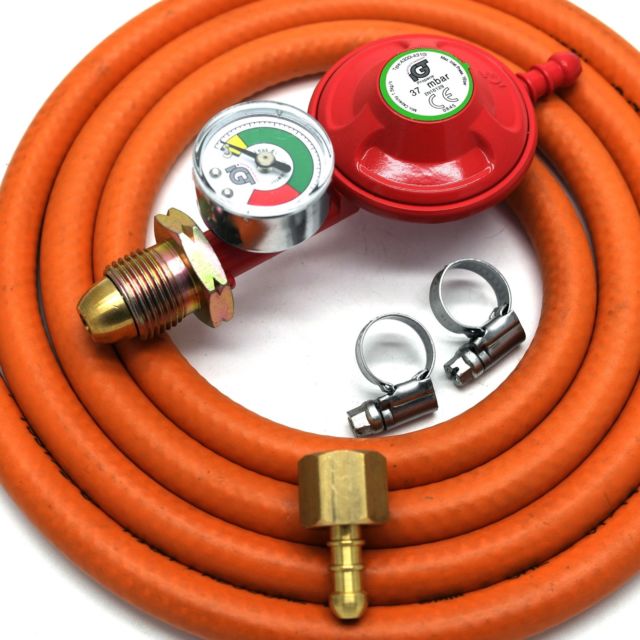
    Changing Your LPG Bottle Gas Regulator And Hose - Propane

    However, this is a general practice only. If your LPG hose or gas regulator shows any signs of damage or wear, you should replace these immediately. You should also do this if you are buying a boat and there is no proof of how old your LPG regulator is.

    What Type Of Regulators Are There?

    Bottled gas for boats in the UK comes in two different types. The most commonly used is propane, but butane is available and still used on some boats. Generally speaking, propane is recommended on boats, as it is better able to cope with low temperatures in the winter.
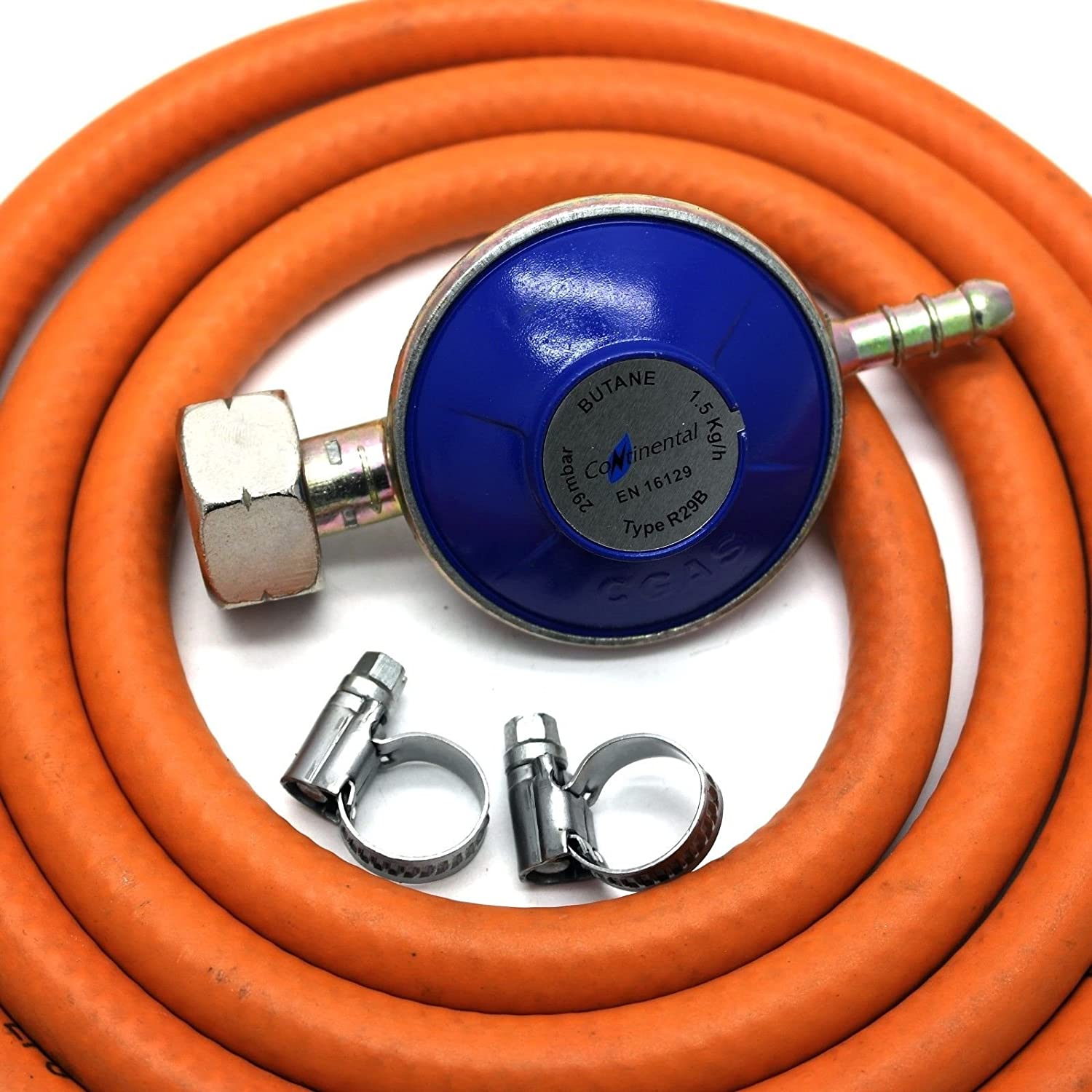
    Changing Your LPG Bottle Gas Regulator And Hose - Butane

    When changing the LPG regulator on your boat, is is important that the correct type is used. Propane and Butane gases work at different pressures and this pressure is set by the regulator. Fitting the wrong type of regulator could have severe consequences. This can cause serious injury and damage to property through potential fire or explosion. Hoses work for both gases but must be of the correct type and stamp labeled. Since 2014 new regulators on boats must incorporate an over-pressure shut-off device (OPSO). At the moment this is only available on propane regulators.

    How To Change Your LPG Regulator

    The only advice we will give at this stage is to have your LPG regulator and hose changed by a professional GasSafe engineer. Crimp connectors are needed to connect the hose. There are different length limits for different types of hose. Connections should be tested after installation. Storage lockers and compartments on boats have many different regulations to adhere to. There are also many other things to look out for.

    Our engineers will have the necessary training and experience to spot any irregularities as they go along. We can supply a regulator and hose with every LPG boiler service or other gas-related call-out if yours needs changing. This way you can be sure it’s the correct type and up to the current standard.

    Finally

    This article explains how often you should change your propane or butane LPG bottle gas regulators. It is designed to provide some general advice only. It is by no means exhaustive and regulations change all the time. If you need any gas-related work on your boat, hire a registered GasSafe engineer. The engineer should be qualified to work with LPG and to work on boats.
  • Complete Plumbing and Heating Services for your Boat

    Since Marine Heating Solution was founded, it has always been our intention to offer complete plumbing and heating services for your boat. From the Summer of 2020, we are rolling out new services and appliance lines. Our aim is to bring all boat plumbing and heating services under one roof.  We will be able to service all your appliances in one call-out, saving you time and money.


    For quotes and bookings, call or email us here.


    This far, we have been offering servicing and installation for solid fuel and diesel stoves and appliances. This work has seen us travel to marinas and caravan parks nationwide. As our name and services become more established, we are also increasing our range of products and skills.

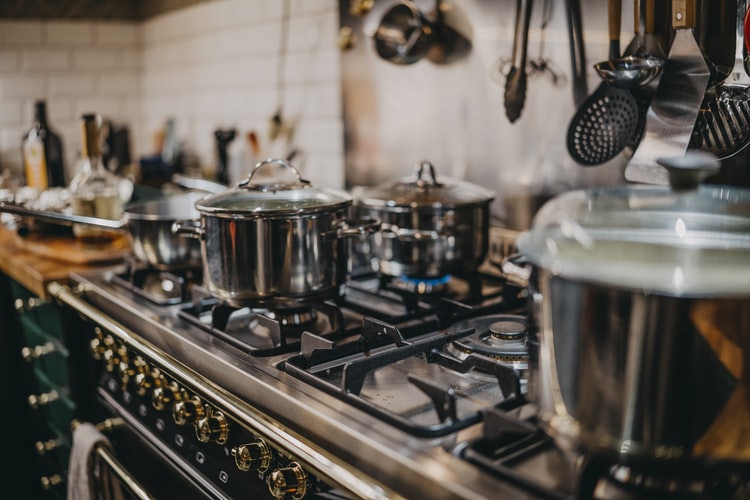
    We will now be offering LPG gas services, as well as fresh, grey, and black water plumbing. Many boats have two or more appliances. Our heating engineers will have the knowledge, professional certifications, and the right type of insurance to work on all of them.

    Complete Plumbing and Heating Services for your Boat

    Boat LPG Services

    Boat LPG services are essential for a heating and plumbing business in the marine industry.  We are always in training to acquire new skills and deeper knowledge relating to our services. We have spent the last 18 months becoming Gas Safe registered. The first step of this was to become licensed for domestic natural gas installations in January 2020. Now, from the end of July, we will also be licensed to work on all domestic LPG installations, including on boats.  We are now also offering a new range of boilers and cookers for sale. These include popular brands like Morco and Thetford, among others.

    Marine Hot and Cold Water Plumbing

    Hot and cold water plumbing requirements are different for every boat. This far, we have been able to install freshwater set-ups. We have also been dealing with hot water systems connected to diesel heaters, engines and solid fuel stoves via a calorifier. From summer 2020, we will also be installing and servicing LPG instant water heaters. This means whatever your needs, we can design, supply and install full hot and cold water systems on your boat.

    Boat Central Heating

    Central heating on boats is most often powered by diesel heaters, such as a Webasto or Planar. Solid fuel stoves with back boilers are also very popular. We have been servicing and installing these systems for many years and will continue to do so. As of this year, we are also licensed to work on LPG central heating for boats.

    Boat Toilets

    We are expanding our complete range of plumbing and heating services for your boat. Now, we also service and install macerators and drop-through pump-out toilets. Additionally, we handle the installation of Cinderella LPG Incinerator Toilets. Have a look at our new product range here. We can also supply waste tanks and anything else that’s needed to install a pump-out toilet on your boat.


    For quotes and bookings, call or email us here.


  • An introduction to Marine Heating Solutions Ltd.

    No more cold boats with Marine Heating Solutions

    We are Marine Heating Solutions Ltd, a marine business specialising in boat heating and plumbing. A cold boat is an unhappy boat, but your boat doesn’t have to be cold in winter. Our team can help extend the enjoyment you get from your vessel throughout the winter season.


    For quotes and bookings, call or email us here.


    Formed by directors of Floating Boatyard, Marine Heating Solutions brings our considerable marine experience to the boat heating sector. Our boat stove fitters, diesel heating engineers, and marine LPG engineers are experienced tradesmen who will work with you to get the right solution for your vessel.

    Introducing Marine Heating Solutions - No more cold boats in the winter.
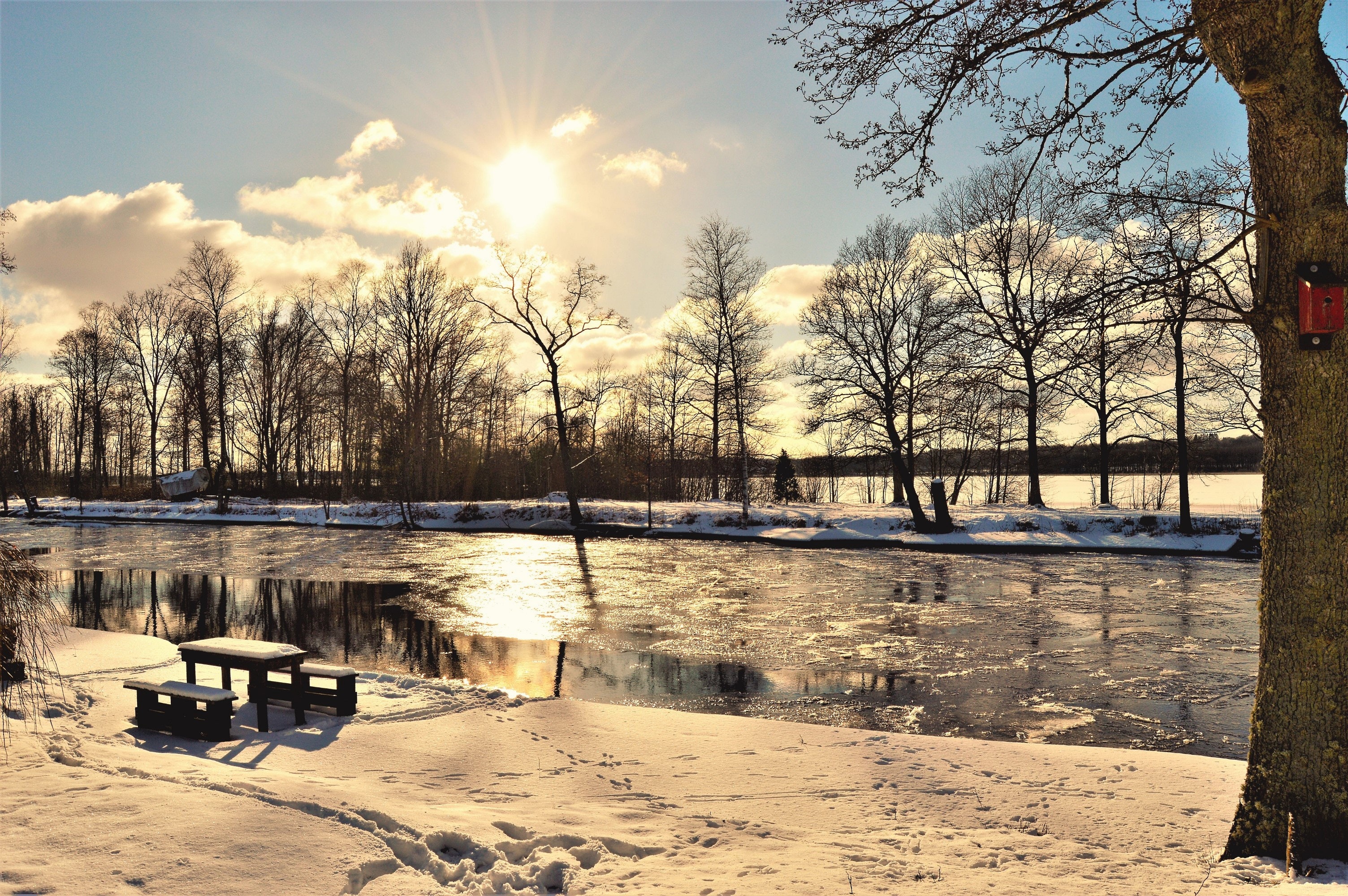
    Even wintery days like this can be cruising days with the help of Marine Heating Solutions Ltd.

    Our background

    Marine Heating Solutions Ltd. was formed in 2018 by passionate liveaboard boaters. The directors had the aim of ensuring no boat was cold and damp during the winter season. They experienced harsh weather during the Beast from the East of Spring 2018, and many previous winters also presented challenges. It became apparent that boat owners were having real difficulty finding reliable, safe, and competent marine heating engineers.

    Our aims – no more cold boats

    Living with a cold boat, even for just a weekend, has dramatic effects on the comfort and the safety of the crew. When the crew are tired and exhausted from being on a cold boat, mistakes are more likely to happen. Even gentle, inland waterways can be difficult territory during the winter. Ice forms on the narrowboat gunwales, and locks become slippery and dangerous. Keeping your wits about you is essential, which is why a warm cabin to recuperate is important. On sailing vessels, too, it is possible to provide cockpit heating. This keeps fingers and toes defrosted enough to safely handle lines and walk around the boat.


    For quotes and bookings, call or email us here.