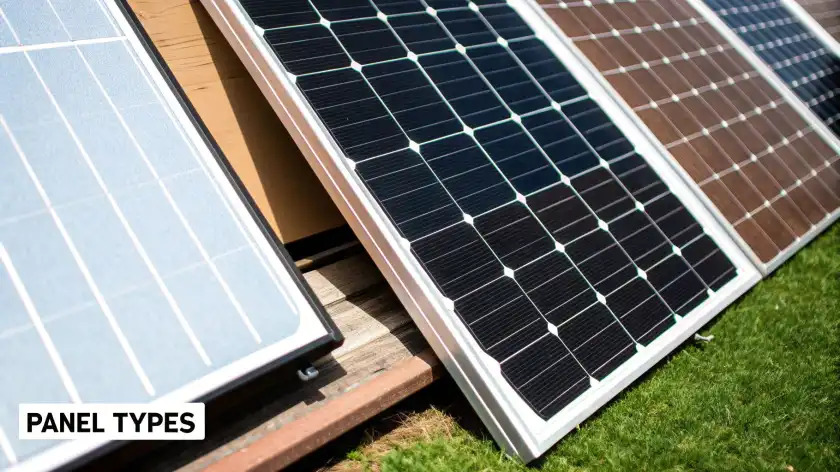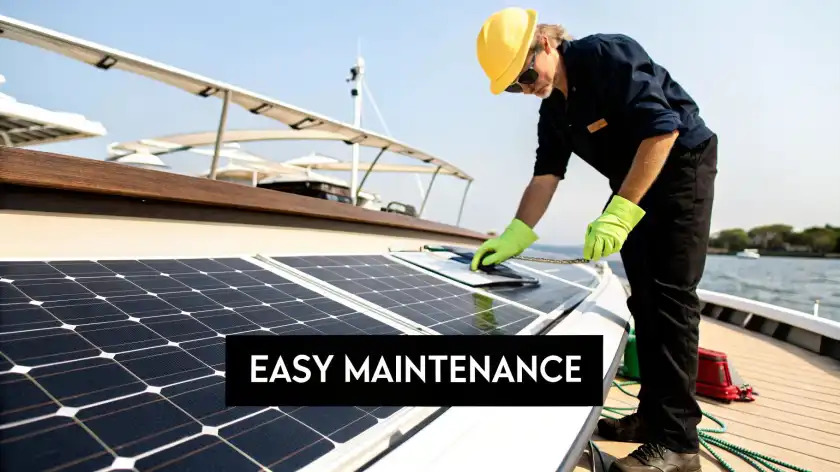
Marine Heating Solutions

Category: Marine Electrical Services


Introducing Our Marine Electrical Services

Explore our high-quality Marine Electrical Services, designed to meet the needs of the inland waterway sector. We are dedicated to providing superior electrical solutions for canal boats, barges, and river cruisers to ensure your life aboard is safe, efficient, and enjoyable.


Our Services Include:

AC and DC Electrical Systems:


Specializing in both AC and DC setups, we provide comprehensive services including installation, repairs, and regular maintenance.

Our expertise includes lighting systems, sockets, appliance power supplies, battery charging, inverters, and shoreline hookups, among other general electrical needs.

Custom Solutions for Canal Boats, Barges, and River Cruisers:


Understanding the specific requirements of different types of waterway vessels, we offer tailored services to fit the exact needs of your boat.

We ensure that all installations and services uphold the highest standards of marine safety and operational efficiency.

Reliable Support and Maintenance:


Our ongoing maintenance services help prevent unexpected failures and extend the lifespan of your electrical systems.

For quotes and bookings, call or email us here.

  • How to Winterize a Boat: A UK Guide

    How to Winterize a Boat: A UK Guide

    Knowing how to winterise your boat is far more than just another seasonal chore; it’s about protecting one of your most valuable assets. Here in the UK, it only takes one unexpected cold snap for disaster to strike. A single freeze can lead to a cracked engine block or burst pipes, landing you with a repair bill running into the thousands.

    This guide will walk you through everything, from the engine and plumbing to the heating systems and exterior care, making sure your narrowboat or canal barge is ready to go the moment the boating season returns.


    For quotes and bookings, call or email us here.


    Why Winterising Your Boat Is So Crucial in the UK

    Getting your boat ready for winter is easily one of the most critical maintenance jobs you’ll do all year. The main goal is simple: protect your vessel from the punishing effects of freezing temperatures, relentless damp, and just sitting idle for months on end.

    When water freezes, it expands by about 9%. That might not sound like much, but it exerts an incredible force—more than enough to fracture heavy-duty engine components, split plumbing pipes, and wreck expensive pumps.

    I’ve seen it happen time and again. Forgetting even one small detail, like a sea strainer or a deck wash pump, can lead to a costly and deeply frustrating start to the next season. Think of proper winterisation as a cheap insurance policy that safeguards your investment, keeping your narrowboat or canal barge in top nick.

    It’s Not Just About Preventing Freeze Damage

    While protecting your boat from turning into a solid block of ice is the top priority, a thorough winterisation process has plenty of other perks. It’s the perfect time to tackle the annual maintenance that often gets pushed aside during the busy boating season.

    A good winter routine includes:

    • Engine Health: Change the oil and filters. This gets rid of corrosive gunk that can sit and eat away at your engine’s internal parts over the winter.
    • Fuel System Integrity: Always add a fuel stabiliser. It stops varnish and gum from building up, which keeps your fuel lines and carburettors clear and ready for spring.
    • Mould and Mildew Prevention: A deep clean paired with good ventilation is your best defence against damp. It stops mould from taking hold and turning your cabin into an unpleasant, unhealthy space.
    • Pest Control: Get rid of every last crumb of food and block up any potential entry points. It’s the only way to stop rodents and other pests from deciding your boat is their new winter home.

    This proactive approach is especially important for those of us on the UK’s inland waterways. The government’s own mid-year report on waterway management points to a big seasonal shift, with a huge spike in maintenance jobs during the quieter autumn and winter months. You can read more about this trend in the full 2025 mid-year waterways report.

    By putting in the effort to winterize your boat properly, you’re doing more than just dodging repair bills. You’re actively extending the life of your vessel and making sure it’s reliable and safe for many years to come.

    Looking After Your Boat’s Engine and Fuel System

    Your boat’s engine is its heart, and when it comes to laying up for winter, it absolutely has to be your top priority. Honestly, neglecting the engine and fuel system is the fastest way to guarantee yourself a frustrating and expensive start to the next boating season. This isn’t just about stopping things from freezing; it’s about protecting all those internal components from corrosion and making sure your fuel doesn’t turn into sludge.

    The steps below are a solid path for winterising the inboard engines you typically find on UK narrowboats. While your engine’s own manual should always be the final word, these are the bedrock practices of good winter engine care that I’ve seen work time and time again.

    Start with an Oil and Filter Change

    The very first job on the list should be changing the engine oil and filter. No excuses. Over a season of running, your oil gets loaded with all sorts of nasty stuff – acids, carbon, and water. Leaving that corrosive cocktail stewing in your engine all winter is just asking for internal damage.

    Always run the engine for a few minutes before you drain the oil. This simple step warms it up, making it thinner and allowing it to flow out more easily, taking more of the gunk with it. Once it’s drained, spin on a new oil filter and refill with fresh oil that meets your manufacturer’s spec. This leaves your engine’s internals coated in clean, protective oil, ready to fight off moisture and corrosion during the long, cold layup.

    A classic mistake is putting off the oil change until spring. By then, the damage from corrosive by-products and moisture sitting in the engine for months has already happened. Always change the oil before winter storage, not after.

    Tackling the Fuel System

    Modern fuel, especially diesel, can cause major headaches if you just leave it in the tank all winter. It can degrade, suck in water, and form gummy deposits that will happily clog up your fuel lines and filters come springtime.

    How you approach this depends a little on what your tank is made of:

    • Metal Tanks: The best practice is to fill the tank to about 95% full. This leaves just enough room for the fuel to expand if the temperature changes, but massively reduces the amount of air inside. Less air means less chance for condensation to form on the tank walls.
    • Plastic Tanks: Advice can vary here, but a lot of boaters prefer to leave them almost empty. Plastic is much less prone to condensation than metal. If in doubt, see what your boat’s manufacturer suggests.

    No matter the fill level, adding a quality fuel stabiliser is non-negotiable. After pouring in the right amount for your tank size, run the engine for a good 10-15 minutes. This is a critical step – it pulls the treated fuel right through the entire system, from the lines and pumps to the injectors, ensuring every last component is protected.

    Flushing and Filling the Cooling System

    For any engine that uses raw water for cooling, getting every last drop of that water out is absolutely essential. A frozen and cracked engine block or manifold is a season-ending disaster. Even engines with a ‘sealed’ closed-cooling system have a raw water side that needs the same attention.

    The goal is to completely replace the raw water with a non-toxic, propylene glycol-based marine antifreeze. Whatever you do, never use ethylene glycol (the stuff you put in your car) as it’s incredibly toxic to fish and other aquatic life.

    The job usually involves closing the raw water seacock and using a bucket or a special flushing kit to suck the antifreeze mixture into the system. You keep going until you see the coloured antifreeze coming out of the exhaust. That’s your signal that the entire circuit is filled and protected from freezing.

    Final Checks and Preventive Steps

    With the big jobs done, a few final checks will see your engine properly put to bed for the winter.

    First up, have a good look at all the belts and hoses. You’re looking for any cracks, shiny spots, or hoses that feel brittle and hard. It’s far better to find a failing hose now in the calm of your mooring than to have it burst on your first trip out next year.

    If you have a petrol engine, using fogging oil gives you a brilliant extra layer of protection. This stuff is sprayed directly into the carburettor or air intake while the engine is running. It creates a fine mist that coats the cylinders, pistons, and valves with a protective film, stopping rust from forming on these critical surfaces.

    Finally, check all the associated connections. This is the perfect time to give nearby systems a once-over, including things like your gas lines. Making sure you have a properly installed and undamaged LPG gas hose is a simple safety check that brings real peace of mind before you lock up. Once you’re happy, disconnect the battery terminals to stop it from slowly going flat, and if you can, store the battery somewhere cool and dry on a trickle charger.

    Securing Your Plumbing from Freezing Temperatures

    With the engine sorted, your attention should now turn to the plumbing. A burst pipe on a boat is far more than a simple inconvenience; it’s a potential disaster that leads to widespread water damage, rot, and stubborn mould. The entire goal here is to get every last drop of water out and replace it with non-toxic antifreeze, leaving nothing behind to freeze, expand, and crack your pipework.

    This process touches everything connected to your water system: freshwater tanks, pumps, taps, toilets, and showers. It might feel like a long list of jobs, but a methodical approach is your best defence against a very expensive and messy surprise come springtime. You need to walk away confident that every part of the system is fully protected.

    Draining the Entire System

    First things first, you need to get as much water out as you possibly can. Kick things off by completely emptying your freshwater tank. Next, open every single tap on the boat—both hot and cold—at the kitchen sink, the bathroom basin, and in any showers. Let the water pump run until it’s just sputtering air, which tells you the main lines are clear.

    And don’t forget the hot water heater or calorifier. These things hold a surprising amount of water and have their own drain plugs for a reason. Make sure you drain it completely. Leaving water in the calorifier is a classic, costly mistake, as a hard freeze can easily rupture the tank.

    Blowing Out the Lines

    Even after a thorough drain, pockets of water will inevitably get trapped in low points of your pipework, in U-bends, and inside the pumps. Gravity alone just won’t cut it. This is where a bit of compressed air becomes your most valuable tool.

    Using a low-pressure air compressor (around 20-30 PSI is more than enough), you can systematically blow out each water line. You’ll need a special adaptor that screws into your water intake fitting. Work your way through the boat, opening one tap at a time until only a fine mist of air is coming out. This step is absolutely crucial for clearing out every last bit of residual water.

    A Quick Tip: It’s not just the main pipes you need to worry about. Pay close attention to often-forgotten spots like deck wash pumps, shower sump pumps, and sea strainers. Each one can hold water and is a prime candidate for freeze damage if you overlook it.

    The principles of protecting your plumbing are much the same as for your engine—it’s all about proactive, thorough maintenance to prevent winter damage.
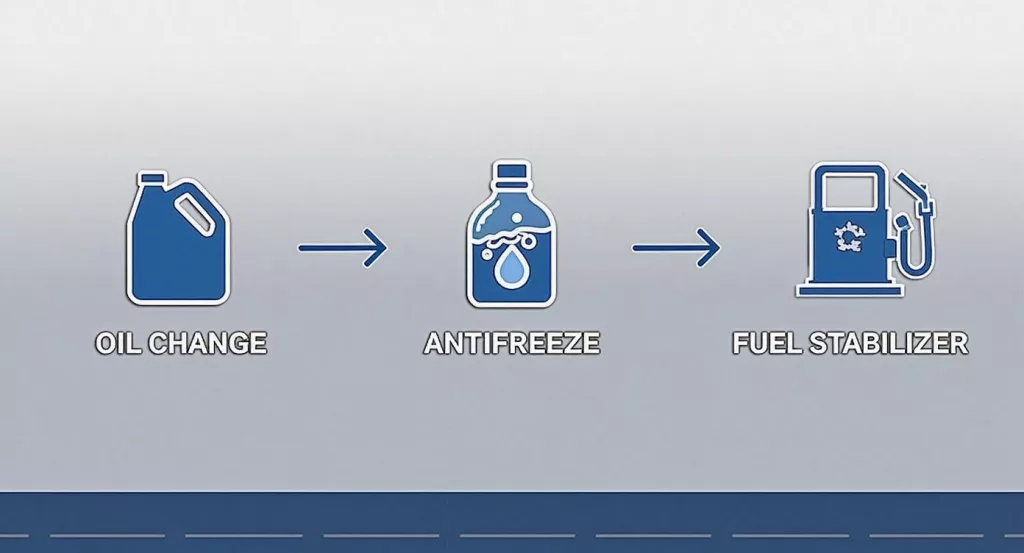
    Icons showing an oil jug, antifreeze bottle, and fuel pump for vehicle maintenance steps.

    This visual just reinforces the idea that a multi-step, systematic approach is the only way to guarantee comprehensive winter protection.

    Circulating Marine Antifreeze

    With the system now empty, it’s time to introduce a non-toxic, marine-grade propylene glycol antifreeze. Under no circumstances should you use automotive (ethylene glycol) antifreeze. It is extremely toxic and causes serious harm to aquatic life if it ever gets discharged.

    You’ve got a couple of options for getting the antifreeze into the system:

    • Pour it directly into your empty freshwater tank and use the boat’s own pump to circulate it through the lines.
    • Disconnect the inlet side of your water pump and use a short bit of hose to draw the antifreeze straight from the bottle. This is often the quicker method.

    Once you’re set up, turn on the pump and go back to each tap. Open the hot and cold sides one by one until you see the coloured antifreeze flowing out. Do this for the shower, the toilet flush, and any other water outlet on board. When you see that pink or blue liquid, you know the entire line is filled and protected.

    As a final step, pour a little extra antifreeze down each drain to protect the P-traps and any grey water tanks. For a more detailed look at these components, our guide to boat plumbing systems offers some great information.

    To help you keep track, here’s a straightforward checklist for your plumbing winterization tasks.

    Winterization Checklist for Plumbing Systems

    ComponentAction RequiredAntifreeze Needed?
    Freshwater TankDrain completely until empty.No (unless using it to circulate antifreeze)
    Water PumpRun until it sputters air, then blow out with compressed air.Yes – run until antifreeze flows through.
    Hot Water HeaterIsolate and drain completely using the dedicated drain plug.No – bypass this component.
    Taps (Galley/Heads)Open hot & cold sides, blow out, then run antifreeze through.Yes – until coloured liquid appears.
    Shower Head & HoseDrain hose completely, blow out, then run antifreeze through.Yes – until coloured liquid appears.
    Toilet (Manual/Electric)Pump system dry, then flush with antifreeze.Yes – pump through until bowl fills with antifreeze.
    Drains & P-TrapsPour a small amount of antifreeze directly down each drain.Yes – approx. 250ml per drain.
    Ancillary PumpsDisconnect, drain, and blow out any deck wash or sump pumps.Yes – run antifreeze through or manually fill pump body.

    Following this checklist methodically ensures you won’t miss a single part of your boat’s water system, giving you peace of mind throughout the winter.

    Servicing Your Marine Heating System for Winter

    There’s nothing quite like having a reliable heater when you pop down to the boat on a cold winter’s day. It’s the difference between a pleasant visit and a miserable one, and it’s absolutely essential for getting the new season off to a comfortable start. If you neglect it now, you can almost guarantee it’ll fail just when you need it most.

    Whether your boat has a modern diesel heater or a classic solid fuel stove, giving it a pre-winter service is a non-negotiable part of winterising your boat properly. This is about more than just staying warm; it’s a critical safety issue. A poorly maintained heater isn’t just inefficient—it can be a serious hazard.

    Keeping Your Diesel Heater in Top Condition

    Modern diesel heaters from brands like Webasto and Eberspacher are brilliant bits of kit, but they won’t look after themselves. They need a bit of regular attention to work reliably. More often than not, the culprit behind a heater that won’t fire up on a frosty morning is something simple, like a clogged fuel line or a sooty burner.

    Here’s what should be on your pre-winter checklist:

    • Check the Fuel Filter: This little component is your first line of defence against debris. Take a close look at the small inline fuel filter. If it looks clogged up, clean it or, better yet, just replace it. A restricted fuel flow will starve the heater and cause it to cut out.
    • Inspect the Exhaust System: Go over the entire length of the exhaust pipe with a fine-tooth comb. You’re looking for any signs of corrosion, cracks, or loose fittings. A leak here can release deadly carbon monoxide into your cabin, so this check is absolutely vital.
    • Clean Burner Components: Over time, carbon and soot inevitably build up on the burner gauze and glow pin. This gunk stops the heater from igniting properly and burning efficiently. A careful clean can often bring it back to life, but if the gauze looks damaged, it needs to be replaced.

    These jobs can be a bit fiddly and require a decent understanding of how the unit works. For many boat owners, getting a professional service is the best way to get some peace of mind. Our certified engineers are experts at this, making sure every component is clean, safe, and working just as the manufacturer intended.

    With the current economic climate, we’re seeing more owners focusing on extending the life of their boats rather than buying new. This makes professional maintenance more important than ever—it’s shifted from a nice-to-have extra to a crucial step in protecting your investment.

    Maintaining Your Solid Fuel Stove

    For many boaters, especially on the UK’s canals, you just can’t beat the radiant, cosy heat from a solid fuel stove. But with that cosiness comes a responsibility to keep up with maintenance. You have to stay on top of it to prevent serious risks like chimney fires and carbon monoxide poisoning.

    Before you even think about lighting that first fire of the season, there are a few key jobs you need to tackle. Getting these done now is fundamental to keeping your stove safe and efficient through the long, damp UK winter.

    Essential Stove Winterisation Tasks

    The single most important job is to clean the flue. As you burn solid fuel, a sticky, highly flammable substance called creosote builds up inside your chimney. If that deposit gets too thick, it can easily ignite and cause a dangerous chimney fire. A set of flue brushes is a tiny investment that is absolutely essential for every boater with a stove.

    Once the flue is clean, turn your attention to the stove itself:

    • Inspect Fire Bricks and Baffles: Check the internal fire bricks for any big cracks or signs of crumbling. These bricks are there to protect the stove’s metal body from the intense heat, so any damaged ones should be replaced.
    • Check Rope Seals: The rope seal around the door is what creates an airtight seal, letting you control how fast the fire burns. If it’s frayed or looks compressed, air will leak in, making the fire burn too quickly and just waste fuel.
    • Protect from Rust: Give the stove body a good wipe-down with an oily rag. This leaves a thin, protective film that will help ward off rust in the damp winter air.

    Properly servicing diesel-burning appliances on your boat isn’t just about making sure they work when you flick a switch. It’s a critical safety measure. A full service before winter means you can enjoy your boat safely, whether you’re living aboard full-time or just visiting on weekends. It’s your ticket to a worry-free winter.

    Preparing Your Hull, Deck, and Interior
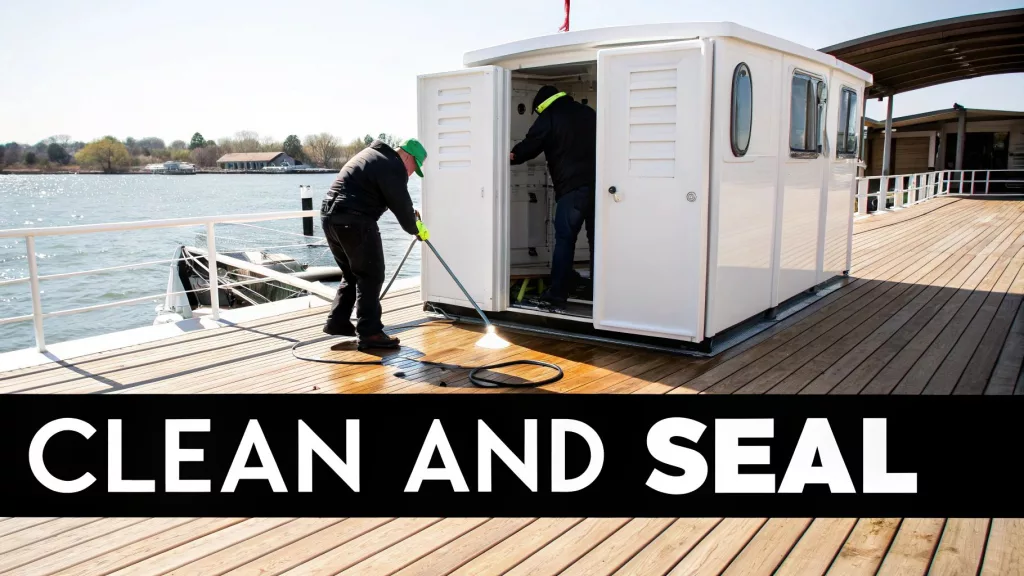
    Two individuals cleaning a wooden deck near water, one using a pressure washer, the other inside a cabin.

    Proper winterising goes way beyond the engine room and the plumbing. If you want your boat to survive a classic UK winter unscathed, you’ve got to protect its structure, both inside and out. The damp, cold conditions are a perfect breeding ground for mould, mildew, and corrosion—all things that can cause serious long-term damage if you let them get a foothold.

    This part of the job is all about creating a barrier against the elements while making the interior as unwelcoming as possible for damp and pests. A bit of graft now will save you from that sinking feeling of opening up a musty, damp boat and facing a long list of repairs come spring.

    Protecting Your Exterior Surfaces

    Your boat’s first line of defence against winter is its exterior. Relentless rain, snow, and ice can really take a toll on paintwork and deck fittings if they aren’t prepped properly.

    Start with a really thorough, top-to-bottom clean. This isn’t just about looking smart; you need to get rid of all the salt, grime, and bird droppings that can stain and corrode surfaces over the winter months.

    Now is also the perfect time to give all your deck fittings a close inspection. Check the sealant around stanchions, cleats, and windows for any sign of cracking or pulling away. Even a tiny gap is an open invitation for water to seep into your boat’s core, which can lead to rot. Any dodgy-looking sealant should be dug out, cleaned, and replaced with a proper marine-grade sealant.

    For those on steel-hulled narrowboats, hunt down any chips or scratches in the paintwork and touch them up to stop rust from taking hold. If you spot anything more serious, it might be worth getting in touch with specialists who offer mobile boat welding services to sort it out before it gets worse.

    Choosing the Right Winter Cover

    A good cover is one of the best investments you can make, especially if your boat is staying in the water for the winter. It has to be tough enough to handle the weight of snow and battering winds without sagging or tearing.

    • Custom Canvas Covers: A well-made canvas cover, held up by a solid frame, is a fantastic long-term option. That frame is crucial—it stops water from pooling and makes sure air can circulate underneath.
    • Heavy-Duty Tarpaulins: This is the budget-friendly choice, but make sure you get a high-quality, durable one and tie it down securely. A tarp flapping in the wind all winter will chafe your boat’s finish to bits.

    Whatever you choose, proper ventilation is absolutely key. Your cover must have vents or be set up in a way that allows air to move freely. A completely sealed-up boat is just a recipe for condensation and mould.

    Banishing Interior Damp and Mildew

    Inside the cabin, your number one enemy is moisture. A damp, sealed-up boat is a playground for mould and mildew, which will leave you with nasty smells and ruined soft furnishings. The goal here is to get the interior as dry and well-aired as possible.

    Start by getting everything you can off the boat. All your textiles—cushions, bedding, curtains, clothes—should be taken ashore. These things act like sponges, soaking up any moisture in the air and becoming ground zero for mould. If they absolutely have to stay on board, prop all the cushions up on their sides to get as much air circulating around them as possible.

    The most common mistake boaters make is sealing the boat up tight. A completely sealed cabin traps moisture, leading to condensation every time the temperature drops. Your best defence is a combination of removing moisture and encouraging constant airflow.

    Final Interior and Electrical Checks

    Next, get every last scrap of food out of the galley. Open packets, tins, even sealed jars—they can all attract rodents and other pests looking for a warm winter home. Give all the cupboards a good clean to get rid of any crumbs.

    To actively fight moisture, put some dehumidifiers in the cabin. Those passive moisture-absorbing crystal traps are a good, cheap option, but you’ll need to check on them and empty them out from time to time. If you’ve got a reliable shore power connection, a small, low-wattage electric dehumidifier is a more powerful solution.

    Finally, get some air moving through the interior. Leave all the locker doors, cupboards, and drawers slightly ajar. After cleaning the fridge, prop its door open to stop it from going mouldy. These simple tricks allow air to circulate, preventing damp, stagnant air from settling in enclosed spaces.

    As for your batteries, disconnect them to stop them from slowly draining over the winter. The best practice is to take them off the boat entirely, store them somewhere cool and dry, and hook them up to a smart trickle charger to keep them in good health.

    Common Questions About Winterising Your Boat

    Even with the best checklist in hand, it’s natural to have a few nagging questions when you’re tackling a job as critical as winterising your boat. After all, getting it wrong can lead to some seriously expensive repairs come spring. We get asked these all the time, so let’s clear up some of the most common queries we hear from boat owners.

    Do I Really Need Antifreeze if I Drain the Water Systems?

    Yes, you absolutely do. This is probably the biggest—and riskiest—shortcut we see people tempted to take.

    Even if you meticulously drain every tap and blow compressed air through the lines, it’s virtually impossible to get every last drop of water out. Little pockets will always get trapped in low spots, within pump housings, or around threaded fittings. That’s all it takes. When that tiny amount of water freezes, it expands with enough force to crack an expensive pump or split a pipe wide open. Think of non-toxic marine antifreeze as cheap insurance. It’s the only way to be completely sure your plumbing is safe from the frost.

    Should My Boat Stay in the Water or Be Hauled Out?

    This one often comes down to your boat’s design and what your marina allows. For a lot of narrowboats and canal barges here in the UK, staying in the water is standard procedure. If that’s your plan, you need to be 100% confident that your bilge pumps are in perfect working order and that all your through-hull fittings are sound and not weeping.

    Hauling out onto the hardstanding is definitely the safer bet for the hull, protecting it from potential ice damage, though this is less common for inland waterway vessels. It also makes it a doddle to get to any underwater gear for maintenance. The downside, of course, is the cost. Always double-check your marina or mooring’s policy before making a decision.

    Relying solely on a heater is a high-risk gamble. A shore power failure, tripped breaker, or heater malfunction could leave your boat completely unprotected from a freeze. A full winterization of the engine and plumbing is the only reliable method.

    Can I Just Leave a Small Heater On All Winter?

    While a small heater can be a useful part of your winter strategy, it should never be your main defence against freezing. The risk is just too high. Imagine a power cut at the marina on the coldest night of the year, a dodgy extension lead failing, or the heater itself giving up the ghost. Suddenly, your boat’s systems are completely exposed.

    The only guaranteed way to prevent freeze damage is a full winterisation using antifreeze in the engine and plumbing. Once that’s sorted, by all means, use a low-wattage tube heater. It’s a brilliant way to take the chill out of the air, fight off condensation, and stop the cabin from feeling damp and miserable. Just think of it as a tool for comfort, not a substitute for proper protection. It’s also vital to ensure any fuel-burning appliances are well-maintained; our guide on how to prevent carbon monoxide poisoning has more details on that.

    Our Services

    At Marine Heating Solutions, we know that keeping your boat safe and sound through the winter is a top priority. Whether you need a professional service for your Webasto or Eberspacher heater, a safety check on your solid fuel stove, or advice on the best heating solution for your vessel, our certified engineers are here to help. Make sure your boat is ready for the cold!


    For quotes and bookings, call or email us here.

  • UK costs of living on a narrowboat: a budget guide

    UK costs of living on a narrowboat: a budget guide

    Many people daydream about ditching their mortgage or rent for a life on the water, and it’s true—the costs of living on a narrowboat can be a fraction of what you’d pay for a house or flat. I’ve seen countless boaters save hundreds of pounds every single month. But it’s not just about saving money; it’s about understanding a completely different set of expenses, both one-off and ongoing, that every aspiring boater needs to get their head around.


    For quotes and bookings, call or email us here.

    The Real Cost of a Floating Home

    Choosing to live on a narrowboat is as much a financial decision as it is a lifestyle one. That romantic picture of gliding down a peaceful canal is fantastic, but you need to ground that dream in the solid reality of budgeting. The financial perks are absolutely there, but they don’t just happen. They come from careful planning and a clear-eyed look at every cost involved, from buying the boat to your daily running expenses.

    The biggest draw for most is the initial purchase price. In a country where property prices are eye-watering, a narrowboat offers a far more achievable way to own your own home. You can expect to pay around £57,000 for a decent liveaboard narrowboat, which is a tiny fraction of the average UK house price. This massive difference is what tempts so many people to the waterways, especially in pricey cities like London.

    To give you a clearer picture, let’s compare the typical running costs of a narrowboat against a standard one-bedroom flat in the UK. This table strips away the initial purchase or deposit, focusing purely on the day-to-day and annual expenses you can expect.

    Estimated Annual Costs: Narrowboat vs One-Bed Flat (UK Average)

    Expense CategoryAverage Annual Narrowboat CostAverage Annual One-Bed Flat Cost
    Licence/Council Tax£1,200 (CRT Licence)£1,500 (Council Tax, Band A)
    Mooring/Rent£5,500 (Mid-range marina)£9,000 (Average UK rent)
    Utilities (Energy)£1,800 (Diesel, Gas, Coal)£2,500 (Gas & Electricity)
    Insurance£350£200 (Contents Insurance)
    Maintenance£1,500 (Blacking, services)£500 (Minor repairs)
    Water/Sewerage£60£450
    Total (Excluding Food)£10,410£14,150

    As you can see, the potential for savings is significant. Even with a mid-range marina mooring, the annual running costs can be thousands of pounds less than renting a small flat. Of course, these are averages, and your own costs will vary depending on your lifestyle and choices.

    One-Off vs Ongoing Expenses

    The first step to building a solid budget is to split your costs into two clear categories.

    • One-Off Investments: These are the high, upfront costs you’ll hit right at the start. It includes the price of the boat itself, a vital pre-purchase survey to check the hull, your initial licence fee, and any cash you’ll need for immediate fit-out jobs to make it feel like home.
    • Ongoing Running Costs: These are the regular bills that will make up your monthly budget. Think of them as your household bills, but with a canal-side twist. This covers your boat licence, insurance, fuel for heating and moving, mooring fees, and all the regular maintenance jobs.

    Your single biggest ongoing expense will almost always be your mooring. A permanent spot in a marina with all the trimmings can cost as much as renting a small flat. On the other hand, adopting a “continuous cruising” lifestyle gets rid of mooring fees entirely, but you’ll spend more on fuel and the general wear and tear of being on the move.

    This guide will walk you through each of these costs in detail, giving you the clarity you need to plan your finances properly. If you’re looking for a wider perspective on this lifestyle, you might also find our guide on what to consider when you live on a boat helpful, as it covers more than just the money side of things.

    Your Biggest Investment: The Narrowboat Itself

    Let’s be blunt: your boat isn’t just a future home, it’s the single biggest chunk of cash you’ll hand over when you start this life on the water. The initial purchase price is the cornerstone of your entire budget. It doesn’t just define your entry ticket into the lifestyle; it heavily influences your maintenance headaches for years to come. This is the first, and biggest, number to pin down when working out the true costs of living on a narrowboat.

    The narrowboat market is huge and incredibly varied, with something for every budget and level of DIY ambition. It helps to break it down into three general tiers. Getting your head around these categories is the best way to find a boat that fits both your wallet and what you’re willing to take on.

    Decoding the Price Tiers

    The price you’ll pay is almost always a direct reflection of the boat’s age, its overall condition, and the quality of the fit-out. A brand-new boat is a pristine, blank canvas, while a well-loved older vessel comes with its own history and, let’s be honest, a few quirks.

    • The ‘Project Boat’ (Under £25,000): This is where many people start looking. It’s the entry-level option, usually an older boat that needs a lot of love. While that low price is tempting, these boats can be a classic false economy. You could be looking at a complete interior refit, a serious engine overhaul, or even costly steelwork on the hull. This path is really only for those with genuine DIY skills, plenty of time, and a separate, healthy pot of cash for the renovations.

    • The Secondhand Sweet Spot (£30,000 – £70,000): This is where most aspiring boaters find their perfect match. Boats in this bracket are typically well-looked-after, have a solid history, and are pretty much ready to move onto. Sure, you might want to give it a lick of paint or change the curtains, but the really important stuff—the engine, hull, and heating—is usually in good working order.

    • The Brand-New Custom Build (£80,000+): If you’ve got a bigger budget, a new build lets you design your dream floating home from the steel up. You get to pick the layout, the appliances, and every single finish. The huge advantage here is buying a vessel with a full warranty and no hidden gremlins, which means peace of mind for years

    Remember, the price on the advert is just the start. You absolutely have to factor in the immediate, non-negotiable costs that come with buying any secondhand boat. Getting caught out here can sink your finances before you’ve even untied the ropes.

    The Crucial One-Time Costs You Cannot Ignore

    Beyond the sticker price, there are a few vital one-off fees that every single prospective boat owner must budget for. Skimping on these can lead to disastrous financial surprises and could even put your safety on the line. Think of them as fundamental parts of a responsible boat purchase, not optional extras.

    First up, and most importantly, is the pre-purchase survey. This is the boat world’s version of a structural survey on a house, but it’s arguably even more critical. A qualified marine surveyor will inspect the boat out of the water, paying very close attention to the hull’s steel thickness and overall integrity. This survey, costing between £500 and £800, is your best defence against hidden corrosion or damage that could cost thousands to fix. A bad survey gives you the power to renegotiate the price or, even better, the wisdom to walk away from a money pit.

    Next, you’ll need a Boat Safety Scheme (BSS) certificate. This is a legal requirement, just like a car’s MOT, and it confirms the gas, electrical, and heating systems on board are safe. If the seller’s certificate is about to run out, you might have to get a new one yourself, which costs around £250-£350. Any problems found during the inspection will need to be fixed at your expense before a certificate can be issued.

    Finally, think about the initial fit-out and customisation costs. Even a boat in fantastic condition will need some personal touches to truly feel like home. This could be as simple as a fresh coat of paint and new curtains, or bigger jobs like installing a more efficient heating system or adding solar panels. While these choices are personal, our guide on choosing the right boat for living has some valuable tips on what really makes a vessel a comfortable home. Setting aside at least a few thousand pounds for these initial tweaks will let you settle in comfortably without any financial stress.

    Budgeting for Your Monthly Expenses

    Once the excitement of buying your boat dies down, your attention will inevitably turn to the regular, running costs. Getting a handle on these monthly outgoings is the key to creating a budget that works and enjoying a stress-free life on the water. These are the predictable bills you’ll face month after month, and they form the real backbone of your financial planning.

    Life on a narrowboat means swapping council tax and fixed utility bills for a completely different set of expenses. You’re trading one set of direct debits for another, and knowing what’s coming is half the battle. So, let’s break down the main parts of your monthly floating budget.

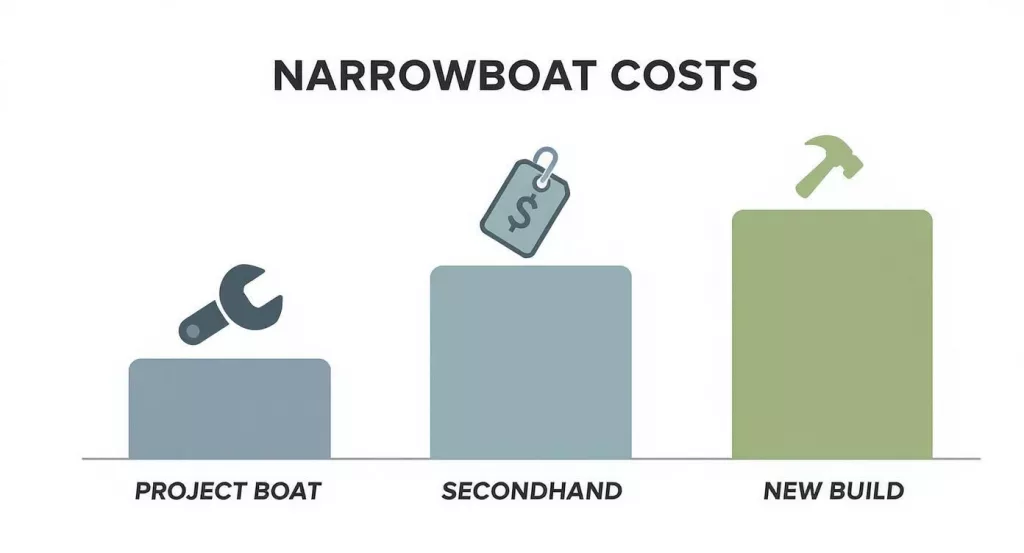
    The chart below gives you a rough idea of purchase prices, which will have a knock-on effect on your ongoing maintenance bills and insurance premiums.

    Bar chart comparing narrowboat costs showing project boat, secondhand, and new build options with tool icons

    As you can see, there’s a big financial leap from a project boat to a brand-new one, and that difference will ripple through your monthly spending.

    Essential Licences and Insurance

    Your first absolute non-negotiable is your boat licence. If you want to cruise most of the inland waterways in England and Wales, you’ll need a licence from the Canal & River Trust (CRT). It’s basically the equivalent of road tax for your car, helping to maintain the canals, locks, and facilities that make this whole lifestyle possible.

    The licence fee isn’t a single flat rate; it’s calculated based on the length of your boat. Simply put, the longer the boat, the more you pay. For a fairly standard 57ft narrowboat, you should budget for around £100-£120 per month. Keep in mind, you’ll also need a valid Boat Safety Scheme (BSS) certificate and proper insurance just to apply for the licence.

    Boat insurance is the other must-have. At the very least, you need third-party liability cover, which protects you if you accidentally damage another boat or a bit of canal infrastructure. Most boaters, though, go for a more comprehensive policy that also covers their own boat against things like theft, fire, and damage. A decent policy will probably set you back between £25 and £40 per month.

    Managing Your Onboard Utilities

    Running the utilities on a boat is a world away from a house. You are effectively your own utility company, in charge of generating, storing, and managing your own power and water. This is a big part of the monthly costs of living on a narrowboat.

    Your energy will usually come from a mix of these sources:

    • Electricity: Powering your lights, fridge, water pump, and gadgets typically relies on a bank of leisure batteries. You charge these by running the engine, plugging into a shoreline at a marina, or—the most popular option these days—through solar panels. A good solar setup can make a huge difference, seriously cutting down your engine running time and fuel bill. If you’re curious, we have a great guide on choosing the right boat solar panels for your needs.
    • Gas: Cooking, and sometimes water heating, is often handled by bottled Liquefied Petroleum Gas (LPG), usually propane. A 13kg bottle can last anywhere from one to three months, depending on how often you’re cooking up a storm. Expect a refill to cost around £40-£50.
    • Water: Here’s some good news: the water itself is mostly free! Your CRT licence gives you access to water points all along the canal network. The only ‘cost’ is the time and effort it takes to moor up and fill your tank every week or two. Some marinas and lock keepers charge a small fee, usually £1 or £2, if their supply is metered.

    Fuel for Heating and Propulsion

    Finally, you have to budget for the fuel that keeps you warm and gets you moving. Most narrowboat engines are diesel, just like in a car, but for propulsion, you’re allowed to use ‘red diesel’ (gas oil), which is often a bit cheaper.

    How much diesel you get through really depends on your lifestyle. A continuous cruiser who’s always on the go might spend £80-£100 a month on diesel. In contrast, someone with a permanent mooring who rarely travels might only spend £20.

    For heating, a multi-fuel stove is the heart of many boats. The cost of fuel for it—smokeless coal and seasoned wood—is very seasonal. You might spend next to nothing in the summer, but that figure can jump to £200-£300 per month in the depths of winter just to stay warm and dry. This seasonal spike is one of the most important things to factor into your yearly budget. Diesel stoves and heaters are also common and can cost less to run.

    Mooring Fees: The Great Budget Divide

    Nothing will hammer your monthly budget quite like the spot you choose to tie up your boat. Seriously. This one decision creates the biggest split in the costs of living on a narrowboat, capable of turning a modest budget into a significant one, or the other way around. It’s a choice that defines not just your outgoings, but your entire way of life on the water.

    Marina walkway with moored boats and wooden posts showing mooring costs text overlay

    You’ve got two main paths to go down, each with its own financial and practical reality. You can either find yourself a permanent, long-term mooring or embrace the nomadic lifestyle of a ‘continuous cruiser’. Getting your head around the real-world costs and what each path demands is vital before you even think about casting off.

    The Comfort of a Permanent Mooring

    A permanent mooring is your own dedicated spot, either on the towpath or in a marina, where you can legally live aboard your boat. Think of it as renting a parking space for your floating home. The costs for these can vary wildly, from a couple of thousand pounds a year right up to £15,000 or more in hotspots like central London.

    The price tag is all about location and what facilities you get for your money:

    • Marina Moorings: These are usually the priciest option but come loaded with perks. You’ll typically get a secure pontoon, mains electricity hook-up, water taps, rubbish disposal, and sometimes even laundry facilities and parking. A fully-serviced marina in a desirable area can easily set you back £300 to £600 per month, sometimes a lot more.
    • Towpath Moorings: Managed by the Canal & River Trust or private landowners, these are simpler spots along the canal bank. They’re generally cheaper but often come with fewer facilities—you might just get a water tap and that’s your lot.
    • Farm Moorings: Some farmers with land backing onto the canal offer basic, no-frills moorings. These can be a real bargain but are often in the middle of nowhere with minimal services.

    Securing a good residential mooring, especially in a popular area, can be incredibly tough. Waiting lists are often years long, and some marinas have shut their books to new applicants completely. This scarcity is a huge factor driving up the prices.

    The Freedom and Challenge of Continuous Cruising

    The alternative to a permanent mooring is to become a ‘continuous cruiser’. This means you don’t have a fixed home base and must be on a genuine, progressive journey around the canal network. The big financial draw is obvious: you pay no mooring fees. It’s a massive saving that makes the lifestyle incredibly tempting.

    But don’t be fooled into thinking continuous cruising is ‘free’. This lifestyle has its own rulebook and hidden costs. To stay on the right side of the Canal & River Trust guidelines, you must move your boat to a new “neighbourhood” every 14 days—sometimes even less in restricted areas.

    All that moving about translates into other expenses:

    • Increased Fuel Costs: You’ll burn through a lot more diesel for propulsion than someone sitting on a permanent mooring. This can easily add £50-£100 or more to your monthly fuel bill.
    • More Wear and Tear: Constantly chugging along the cut puts more use on your engine, gearbox, and all the moving parts, which inevitably leads to higher maintenance bills down the line.
    • Time and Planning: The biggest cost that isn’t financial is your time. You’ll spend a lot of it planning routes, finding decent spots to tie up for the night, and making sure you’re sticking to the rules.

    Choosing between a permanent mooring and continuous cruising is the ultimate balancing act. A mooring gives you stability, convenience, and a fixed address, but it comes at a steep price. Continuous cruising offers incredible freedom and huge savings on fees but demands a much more active, organised, and fuel-heavy lifestyle. Your choice here will be the single biggest factor in shaping your life and your budget on the canals.

    Keeping Your Floating Home Warm and Cosy

    Let’s not beat around the bush: a damp British winter on the canals can be pretty miserable if you’re not prepared. Keeping your narrowboat warm and dry isn’t just about comfort—it’s absolutely vital for looking after the boat itself, and your own sanity. Heating is a big chunk of the seasonal costs of living on a narrowboat, but if you’re smart about it, you can stay toasty without torching your budget.

    The classic image of narrowboat life often includes a multi-fuel stove, and for good reason. It kicks out a wonderful, dry, radiant heat that’s perfect for fighting off that persistent canal dampness. Of course, that lovely warmth comes with the constant job of feeding it, usually with smokeless coal and properly seasoned hardwood.

    When a real cold snap hits, you can easily burn through two to three 25kg bags of coal every week. At around £15-£20 per bag, plus the cost of kiln-dried logs on top, you can see how your heating bill can sneak up to well over £200 a month in the dead of winter.

    What About More Modern Heating Options?

    While the glow of a real fire is hard to beat, a lot of full-time boaters go for the sheer convenience of a diesel-fired central heating system. These work a lot like the central heating in a house, using diesel from your main fuel tank to heat water that then gets pumped through radiators down the length of the boat.

    They give you a consistent, programmable warmth that’s a real game-changer for year-round living. The initial installation can feel like a big investment, but you might be surprised at how manageable the running costs are. Modern systems are incredibly efficient, sipping as little as 0.2-0.5 litres of diesel per hour to keep the whole boat comfortable. If you want to really get into the nitty-gritty of what’s out there, our complete guide to selecting a boat heating system breaks down all the pros and cons.

    Your heating costs are tied directly to where you moor and what time of year it is. A permanent residential mooring with an electric hook-up opens up different options compared to life as a continuous cruiser, where you’re relying entirely on diesel and solid fuel. Winter will always hit the wallet harder.

    It’s Not Just About the Heater: Insulation and Condensation

    The most expensive heat is the heat you lose straight away. Before you throw a fortune at fuel, the best money you can spend is on good insulation. Loads of older boats have pretty poor spray foam insulation, which means cold spots and heat just pouring out. Upgrading it where you can, and adding simple things like thermal blinds or thick curtains, will make a massive difference to your fuel bill.

    Condensation is the liveaboard boater’s arch-nemesis. Good ventilation is your best weapon—just cracking a window or making sure your vents are clear lets all that moist air escape. A well-heated boat is also a drier boat, simply because warm air can hold more moisture.

    When you’re trying to figure out how to heat your floating home affordably, it can be helpful to see the bigger picture. Looking at things like the current winter heating cost projections helps put your own spending in context. At the end of the day, combining an efficient heater with good insulation and solid ventilation habits is the key to creating a cosy, affordable home all year round.

    The Hidden Costs of Maintenance and Repairs

    This is the financial advice every seasoned boater wishes they’d been given on day one. When you rent a flat and the boiler breaks, you call the landlord. When something fails on your boat, that bill is coming straight to you. Putting off maintenance isn’t a savvy way to save money; it’s a surefire way to create much bigger, eye-watering problems down the line.

    Think of routine jobs as the foundation of a healthy boat and a predictable budget. Just like a car, your engine needs servicing every year. This isn’t just about ticking a box; it’s about keeping your engine reliable and avoiding the nightmare of a breakdown in the middle of nowhere.

    But the single biggest—and most expensive—routine job you’ll face is blacking the hull. This means getting the boat lifted out of the water so you can slap a thick coat of bitumen paint on the steel below the waterline. It is your boat’s primary defence against the relentless threat of rust and corrosion.

    The Blacking Process and Its Costs

    Most boaters get their hull blacked every two to three years. And let’s be clear, this is a significant undertaking, not just a quick paint job. The whole process involves lifting the boat, pressure washing years of gunk and old paint off, and then applying at least two fresh coats of bitumen.

    You’ve got two main routes to go down, each with a very different price tag:

    • DIY Blacking: Lots of boatyards offer a ‘dock and scrub’ service. They’ll do the heavy lifting (literally), and then you do the hard graft of painting. It’s the cheaper option, and you’ll probably spend around £400-£600 for the lift. You can then jet wash and paint it yourself.
    • Professional Boatyard Service: If you’d rather leave it to the pros, the boatyard will handle the entire job. It’s a lot less work for you but a lot more money, typically setting you back between £1000 and £1,500, depending on your boat’s size and the yard’s rates.

    Budgeting for the Unexpected

    Beyond the jobs you can plan for, you absolutely must have a fund for when things just… break. Life on a boat means dealing with the unexpected. A water pump might fail mid-shower, or the starter motor could give up the ghost on a frosty morning. These aren’t ‘if’ scenarios; they are very much ‘when’.

    A well-stocked emergency fund is the difference between a minor headache and a full-blown crisis. Without it, a single serious issue like an engine failure could genuinely force you to sell your home.

    A good rule of thumb is to squirrel away about 5% of your boat’s value for maintenance and repairs each year. For a £60,000 boat, that’s £3,000 annually, or £250 a month paid into a dedicated savings account. This pot of money covers planned jobs like blacking and servicing while also building that crucial buffer for emergencies.

    From routine checks to emergency fixes, knowing the full scope of maintenance is vital. For those more specialised jobs, knowing where to find reliable canal boat services is invaluable. This kind of financial discipline is what makes a stress-free, sustainable life on the water possible.

    Your Questions on Narrowboat Costs Answered

    We get a lot of questions about the real-world finances of canal life, so let’s tackle some of the most common ones head-on. Here are some quick, straightforward answers to the queries we hear all the time.

    Is It Really Cheaper Than a House?

    Yes, in most cases, the day-to-day running costs and the initial purchase are significantly lower than buying or renting a conventional property. It’s not unusual for your monthly narrowboat costs to be hundreds of pounds less than the average UK rent.

    But there’s a crucial difference: responsibility. As a boat owner, you are solely accountable for all maintenance and any large, unexpected repairs—jobs a renter would never have to think about. Your true savings will ultimately hinge on your choice of mooring and how meticulously you look after your boat.

    There’s a smart rule of thumb in the boating community: budget 10% of your boat’s value for annual maintenance. This isn’t just a casual suggestion; it’s the financial discipline that keeps experienced boaters afloat without the stress.

    How Much Should I Save for Emergencies?

    Let’s use that 5% rule. For a £50,000 boat, that means setting aside £2,500 a year, which works out to just over £200 a month. In addition, you should set aside 10% of the value of your boat to start with.

    This dedicated fund should comfortably cover planned jobs like getting the hull blacked every two to three years and your annual engine service. More importantly, it creates a vital buffer for those unwelcome surprises—a failed inverter, a broken bilge pump, a sudden engine problem, or overplating works. A healthy maintenance fund is the absolute key to stress-free ownership.

    Can I Get a Mortgage for a Narrowboat?

    You can’t get a standard residential mortgage for a narrowboat simply because it isn’t classed as a property. What you’ll need to look for is a specialist marine loan or, more commonly, a personal loan.

    Marine finance typically requires a much larger deposit (think 20-30%) and has shorter repayment terms of around 10-15 years, unlike a typical mortgage. Because of this, many buyers find it simpler to use personal savings or a straightforward personal loan to fund their purchase.

    Our Services

    Keeping your boat warm, safe, and comfortable is our top priority. At Marine Heating Solutions, we specialise in the installation, servicing, and repair of all marine heating and plumbing systems. From a classic solid fuel stove to a modern diesel heater, our certified engineers ensure your floating home is ready for any weather.


    For quotes and bookings, call or email us here.

  • Boat Water Heaters: Finding the Right Fit for Your Vessel

    Boat Water Heaters: Finding the Right Fit for Your Vessel

    Choosing the right water heater isn’t about finding a single “best” unit, but about finding the system that perfectly aligns with your boat’s unique setup and how you use it. It’s a critical decision that directly impacts your comfort on the water.

    Just as a small weekend cruiser has different engine needs than a long-distance residential barge, its hot water requirements will vary significantly. The best boat water heaters are simply those that match your vessel’s power systems and your lifestyle afloat.


    For quotes and bookings, call or email us here.

    What To Consider When Choosing Your Boat Water Heater

    The main things you need to think about are your power sources, your boating habits, and your budget.

    Are you constantly cruising, generating plenty of engine heat? Or do you spend a lot of time stationary, relying on shore power or a generator? Answering these questions honestly is the first step towards making a smart investment that will keep the hot water flowing for years to come.

    The Main Types Of Boat Water Heaters

    To make a good decision, you really need to get to grips with the main contenders on the market. Each type offers its own set of pros and cons and is really suited to a specific style of boating.

    • Calorifiers (Engine-Heated): These are essentially well-insulated tanks that cleverly use the surplus heat from your engine’s cooling system to heat your water. They’re incredibly efficient while you’re on the move, giving you plenty of “free” hot water just as a byproduct of running your engine.
    • Diesel Boiler: Often the workhorse for liveaboards, these systems burn diesel straight from your main fuel tank. They provide both hot water and central heating, giving you complete independence from engine run times and shore power connections.
    • LPG Instant Heaters: These work a lot like a domestic boiler you’d find in a house, heating water on demand using Liquefied Petroleum Gas (LPG). They’re a brilliant choice if you want a virtually endless supply of hot water without needing to find space for a large storage tank. A great example is the Morco EUP11RS LPG Water Heater, which is a popular and reliable choice for many UK boaters.

    Boat Water Heater Types At a Glance

    This table gives a quick overview of the primary water heating methods, highlighting their best uses and key considerations for UK boat owners.

    Heater TypePrimary Power SourceIdeal ForKey Advantage
    CalorifierEngine Waste Heat (can have electric backup)Frequent cruisers, sailboats with engines“Free” hot water when the engine is running
    Diesel Combi BoilerDiesel Fuel (from main tank)Liveaboards, larger vessels needing heatingAll-in-one heating and hot water solution
    LPG Instant HeaterLPG (Propane/Butane)Weekend boaters, those needing instant hot waterOn-demand hot water, no storage tank needed

    Ultimately, the best choice connects your power supply with your daily needs, ensuring you have a reliable supply of hot water without putting a strain on your onboard resources.

    How Different Marine Water Heaters Work

    Getting your head around how different boat water heaters do their job is the first step to choosing the right one for your vessel. Each type has its own way of making water hot, and each comes with its own set of pros and cons depending on how you use your boat. Let’s pull back the curtain on the mechanics behind the most common options out there.

    A river cruiser moored on a pontoon

    Calorifiers: The Engine-Powered Thermos

    Imagine a giant, super-insulated thermos flask that’s cleverly plumbed into your boat’s engine. That’s a calorifier in a nutshell. It’s a smart bit of kit designed to capture and use waste heat that your engine produces anyway.

    When your engine is chugging away, it pumps hot coolant through a coiled pipe inside the calorifier tank. This coil works just like a little radiator, transferring all that lovely heat into the fresh water stored in the tank. Because the insulation is so good, it can keep the water piping hot for up to 24 hours after you’ve cut the engine.

    Key Takeaway: The beauty of a calorifier is that you get “free” hot water whenever you’re cruising or just running the engine to charge your batteries. It’s an incredibly efficient way to use energy you’re already generating.

    Twin-coil calorifiers can also be heated by a diesel-heater central heating system, so you’re not completely reliant on engine run time. If you’re moored up for a few days without firing up the engine, your diesel heater can take care of heating water.

    LPG Instant Heaters: On-Demand Hot Water

    LPG (Liquefied Petroleum Gas) instant water heaters work a lot like the combi boiler you’d find in a modern house. The moment you turn on a hot tap, a little sensor detects the water flow and immediately sparks a powerful gas burner to life. Cold water zips through a heat exchanger, soaks up the heat from the flame, and comes out of your tap steaming hot, almost instantly.

    This on-demand approach means you’ve got a virtually endless supply of hot water, provided you’ve got gas in the bottles. There’s no need for a big, bulky storage tank either, which is a massive plus on smaller boats where every inch of space counts. They do, however, need to be installed with real care, with proper flueing and ventilation to meet the Boat Safety Scheme (BSS) standards. For a deeper dive, check out our guide to boat gas water heaters.

    Marine Diesel Combi Boilers: The Ultimate Off-Grid Solution

    For boaters seeking independence and reliability, marine diesel combi boilers stand out as an excellent choice. These systems not only heat your water but also provide central heating, making them particularly valuable for liveaboard vessels and long-distance cruising.

    Marine diesel combi boilers function by burning diesel fuel drawn directly from the boat’s main fuel tank. This dual functionality means that, whether you’re showering after a long day on the water or keeping your living quarters cosy during chilly nights, a combi boiler provides continuous hot water and warmth.

    Benefits of Marine Diesel Combi Boilers

    • Fuel Efficiency: Combi boilers are designed to use fuel in a highly efficient manner. They reduce wasted energy by heating water only when needed, which can lead to savings on fuel costs—an important consideration when living on the water long-term.
    • Independence from Shore Power: Since these systems operate using diesel, you’ll enjoy the liberty of not relying on shore power. This is especially useful for off-grid adventures where you want to explore remote areas without sacrificing comfort.
    • Consistent Heating: Marine diesel combi boilers provide consistent and reliable heating. Whether it’s a warm shower or a toasty cabin, you can rest assured knowing you have an effective heating solution..

    This double-duty capability makes boilers from trusted brands incredibly versatile, giving you dependable heat and hot water no matter the weather. They’re the perfect setup for cruising all year round. To get a wider view on the technology, looking into different liquid heating solutions can provide some useful insights into heat transfer and efficiency.

    Electric Immersion Elements: The Shore Power Staple

    Finally, we have the simplest system of all: the electric immersion element. Think of it as a big heating rod, just like the one in your kettle at home, fitted inside a calorifier tank. When you’re hooked up to a 240V AC power source—either from a marina’s shore power post or an onboard generator—it gets to work heating the water in the tank.

    While they are dead simple and super convenient when you’re tied up in a marina, immersion heaters are thirsty for power. Trying to run one from your boat’s batteries through an inverter isn’t really on the cards unless you have a seriously beefy and sophisticated power system. It’s best to think of them as a great backup, or as your go-to option when you have easy access to mains electricity.

    Matching a Heater to Your Boat’s Needs

    Choosing the right boat water heater isn’t just about picking a brand; it’s about making a smart, practical decision based on your boat and how you actually live on the water. To get this right, you need to think a bit like an engineer, balancing what fuel you have available, how much power you can spare, and your daily appetite for hot water.

    Let’s break down how to move from theory to a confident choice that’s perfect for your vessel.

    A boats engine bay with a water heater

    Calculating Your Hot Water Demand

    First things first, let’s work out how much hot water you really use. This doesn’t need to be a complex scientific calculation, just an honest look at your habits on board. A solo boater who just needs a splash of hot water for a quick wash has completely different needs from a family of four wanting daily showers.

    Think about the main culprits for hot water consumption:

    • Washing up: A quick rinse of a couple of mugs is nothing, but a full sink after a big meal can easily gobble up 5-10 litres.
    • Showers: This is the big one. A typical boat shower can use anywhere from 20-40 litres of hot water per person.
    • General cleaning: Wiping down surfaces or a bit of hand washing will add a few more litres to the daily total.

    Add these up for a normal day. A single person might get by comfortably on 25-30 litres, while a couple could easily push past 50-60 litres. This number is your guiding star; it’ll tell you what size tank to look for or if an instant heater has the muscle you need.

    Fuel and Power Considerations

    Your boat’s existing setup is going to heavily steer your decision. For most of us, convenience is king. Tapping into a fuel source you already have on board just makes life simpler, saving you the headache of storing extra fuel types.

    It’s also worth noting a big trend in the UK right now: the push for more efficient systems. Specialist marine heaters are growing in popularity precisely because they’re becoming so much better on energy use. Tankless heaters, in particular, are becoming really popular on boats where every inch of space counts. We’re also seeing a definite shift towards electric and more sustainable options, which lines up with where the country is heading on energy.

    This all underlines just how important it is to match your heater to your power reality.

    Key Consideration: Always try to match your heater to your primary energy source. If you’ve got a big diesel tank, a diesel heater makes perfect sense. If you spend most of your time plugged into shore power, a simple electric immersion element is a brilliant, fuss-free option.

    Matching Heaters to Vessel Types

    Different boats and different boating lifestyles call for different solutions. What’s perfect for a narrowboat chugging along the cut might be totally wrong for a speedboat used for weekend blasts.

    • Calorifiers: These are absolutely ideal for boaters who are regularly on the move. If you’re running your engine for at least a couple of hours a day, a calorifier will give you lashings of “free” hot water. We offer a range of reliable options, including the popular Surejust calorifier water heater.
    • Diesel Combi Boilers: This is the go-to choice for liveaboards and continuous cruisers on narrowboats and barges. They offer total independence, running both your central heating and your hot water straight from the main fuel tank. We stock and install quality units from leading brands such as Webasto.
    • LPG Instant Heaters: A brilliant solution for weekend and holiday boaters who just want hot water on demand. They’re nice and compact, making them great for smaller cabin cruisers where space is tight. Just remember you’ll need to plan for safe, compliant storage for the gas bottles. We supply and fit reliable models like the Morco EUP11RS.
    • Electric Immersion Heaters: A must-have for any boat that spends a lot of time in a marina on shore power. It’s the simplest, most reliable way to get hot water without having to fire up the engine or burn any fuel.

    Making Sure Your Installation is Safe and By the Book

    On a boat, safety isn’t just another box to tick; it’s the bedrock of everything we do. When you’re dealing with fuel-burning appliances like boat water heaters, cutting corners simply isn’t an option. Getting the installation right isn’t just about having reliable hot water—it’s about keeping everyone on board safe.

    In the UK, the Boat Safety Scheme (BSS) is the benchmark for safety on our inland waterways. While it’s a legal must-have on many canals and rivers, sticking to BSS principles is just good sense for any boater. Think of it as your first line of defence against the very real dangers that come with fuel and flames in a small, enclosed space.

    Why You Should Never DIY a Fuel Appliance Installation

    It’s tempting to tackle boat jobs yourself, I get it. But fitting gas or diesel appliances is one of those tasks that absolutely must be left to the professionals. The potential consequences of a botched job—fire, explosion, or the silent threat of carbon monoxide poisoning—are far too grim to risk.

    A properly installed and flued appliance is the single most important thing you can do to prevent a carbon monoxide incident. A qualified engineer has the right training, the specialist tools, and the deep knowledge of marine rules to make sure every connection is leak-proof, every flue is perfectly routed, and every safety cut-out works as it should.

    This isn’t just about compliance. It’s about being able to relax on your boat, knowing your system is not only working efficiently but is fundamentally safe for you and your loved ones.

    The Nitty-Gritty for LPG Systems

    LPG, whether it’s butane or propane, is a fantastic fuel for instant water heaters, but it demands serious respect during installation. Because it’s heavier than air, any leak will sink straight to your bilge, creating a ticking time bomb.

    Here are a few key BSS requirements for any LPG setup:

    • Sealed Gas Lockers: Your gas bottles have to live in their own dedicated locker. It needs to be totally sealed off from the boat’s interior and have a way to drain itself.
    • Drop-Out Vents: This is critical. The locker needs a vent at its very lowest point so if gas does leak, it can escape safely overboard instead of pooling in the bilge.
    • Correct Flueing: Any instantaneous water heater must be a ‘room-sealed’ model. This is a non-negotiable. It means the heater pulls the air it needs for combustion from outside the cabin and vents all the exhaust fumes straight back outside through its own flue. No nasty stuff gets into your living space.

    You absolutely need a Gas Safe registered engineer who knows their way around boats for this. For a job this specialised, finding a proper boat gas engineer is the only way to guarantee the work is done to the highest, safest standard.

    Safety Checks for Diesel Heater Installation

    Diesel is a much less volatile fuel than LPG, but the exhaust it kicks out is every bit as dangerous. The main enemy here is carbon monoxide (CO), that invisible, odourless killer produced when fuel burns.

    The installation has to create a completely airtight exhaust system, from the heater unit right to the outlet on the outside of your boat.

    • Exhaust Lagging: That exhaust pipe gets incredibly hot. It has to be properly lagged (insulated) anywhere it passes through a bulkhead or gets close to anything that could catch fire.
    • Skin Fitting: The exhaust has to exit through a purpose-built ‘skin fitting’ that’s securely fixed to the hull or cabin side. This stops any of those fumes from finding their way back inside.
    • CO Alarms: A working carbon monoxide alarm is a mandatory safety kit on any boat with an engine or fuel-burning appliance. Test it regularly – it could save your life.

    When you hand the job over to an expert, you’re paying for the confidence that every joint is sealed tight, every part is fitted correctly, and your whole system is fully compliant and, above all, safe.

    Maintaining Your Boat Water Heater

    A well-maintained boat water heater is a reliable companion, providing that blissful hot shower and convenience we all appreciate on the water. But just like your engine, it needs regular attention to perform at its best. Putting a simple maintenance schedule in place is the secret to getting years of dependable service and avoiding those unexpected—and very unwelcome—cold shocks.

    Proper upkeep does more than just extend the life of your appliance. It keeps it running efficiently, which saves you fuel and money in the long run. Let’s walk through the essential checks for the different types of boat water heaters you’ll find out there.

    A marine engineer sepcialising in boat water heaters is working on a plumbing system

    Routine Checks for Calorifiers and Diesel Systems

    If you’ve got a calorifier or a diesel heating system, a few routine tasks will keep everything ticking over nicely. These checks are pretty straightforward and are your first line of defence against minor issues turning into major headaches.

    Annual Calorifier Checklist:

    • Inspect for Leaks: Get a torch and have a good look at all the plumbing connections going to and from the calorifier tank. You’re searching for any drips or tell-tale signs of corrosion. A tiny weep can worsen over time, leading to water damage and pressure loss.
    • Test the Pressure Relief Valve (PRV): This is a critical safety component you can’t ignore. Once a year, gently lift the test lever to make sure water flows out, then check that it snaps back into place properly without dripping. This quick test confirms it hasn’t seized up.
    • Descale the Immersion Element: In hard water areas, limescale is the enemy. It can build up on the electric immersion element, seriously crippling its efficiency. Giving it a good descale every year or two will ensure it heats your water effectively when you’re plugged into shore power.

    For diesel systems, the focus shifts to the fuel and combustion side of things. Regular servicing is absolutely vital here. This means cleaning the fuel filter and decoking the burner chamber to prevent breakdowns and maintain clean, efficient combustion.

    Winterising Your Water Heater

    For any boat owner in the UK, winterising is a non-negotiable part of the annual maintenance cycle. Water left in your pipes and tanks can freeze, expand, and cause catastrophic damage to your plumbing and the water heater itself. A crucial part of this process involves knowing how to prevent pipe freezing before the temperatures drop.

    The process is simple, but you have to be thorough:

    1. First, turn off the water pump and open all your hot and cold taps to release any pressure in the system.
    2. Next, find the drain valve on your calorifier tank. Open it up and let the tank empty completely into the bilge.
    3. Finally, use a low-pressure compressor or even a hand pump to blow any remaining water out of the pipework. You want to be sure there’s nothing left inside to freeze.

    Crucial Tip: Don’t forget the shower mixer and any external taps. Forgetting even one small section of pipe can lead to a costly, heart-sinking discovery of a burst pipe when the big freeze hits.

    Simple Troubleshooting Steps

    Even with the most diligent maintenance, things can occasionally go wrong. Before you reach for the phone to call an engineer, here are a few simple checks you can run through yourself if the hot water suddenly vanishes.

    If the Water Runs Cold:

    • Check the Power Source: It sounds obvious, but start here. Is the engine running (for a calorifier)? Is the shore power connected and switched on (for an immersion heater)? Does your diesel or LPG heater have fuel, and can you hear it trying to fire up?
    • Look at the Fuses/Breakers: A tripped breaker is a very common and easily fixed culprit. Head over to your main electrical panel and have a look.
    • Inspect for Air Locks: If you’ve recently drained the system, an air lock could be stopping water from circulating properly. Bleeding the system at its highest point often solves this right away.

    Running through these basic steps can empower you to solve many common problems yourself. However, for any issues involving fuel lines, gas supply, or the heater’s internal components, it’s always smartest and safest to call in a qualified professional.

    Your Partner in Marine Heating

    Choosing the right water heater for your boat is a big decision, and a serious investment in your comfort and safety afloat. As we’ve covered in this guide, the core principles of correct sizing, safe installation, and regular upkeep are what make all the difference.

    Whether you need a powerful diesel system for a liveaboard narrowboat or a simple calorifier for weekend getaways, getting the details right is what really matters. Now it’s about finding the perfect unit that fits your boat’s unique setup.

    We invite you to have a look through our hand-picked selection of high-quality water heaters. We only stock trusted, industry-leading brands like Webasto and Surejust, so you can be confident in their reliability and performance.

    Our team of certified marine engineers has the hands-on experience to offer proper, personalised advice. We can help you navigate the options and choose a system that’s just right for your boat and how you use it.

    Your Next Step to Onboard Comfort

    We don’t just sell boxes. Beyond supplying the parts, we provide a full range of expert support. If you’re looking for a professional installation or need your existing system serviced, our team is ready to help with a wide array of canal boat services.

    Let us be your trusted partner in getting your boat comfortable. With the right system installed by professionals, you can relax and enjoy endless hot water, no matter the weather or where your journey takes you.

    Frequently Asked Questions

    When you’re looking into boat water heaters, a few practical questions always pop up. To help you get your head around it all, we’ve put together some straightforward answers to the queries we hear most often from fellow boaters out on the canals.

    How Long Will a Calorifier Keep Water Hot?

    That’s a brilliant question, and one we get asked all the time. The best way to think of a quality calorifier is as a high-tech thermos flask designed specifically for your boat. A properly insulated tank can hold onto usable heat for a surprisingly long time.

    Typically, you can bank on the water staying hot for up to 24 hours, and sometimes even a bit longer. Of course, the exact time depends on a few things:

    • Insulation Quality: Better models come with superior insulation, and honestly, it makes a massive difference in how long the heat sticks around.
    • Tank Size: It’s simple physics, really. A larger volume of water will lose its heat much more slowly than a smaller amount.
    • Ambient Temperature: Your water will naturally stay hotter for longer during the summer months compared to a frosty winter morning.

    Can I Run an Electric Water Heater from Batteries?

    While you technically can, running an electric immersion heater from your boat’s batteries is almost never a practical idea. These things are incredibly power-hungry and are designed to run on 240V mains electricity.

    To get one going from your 12V or 24V battery bank, you’d need a seriously hefty and powerful inverter to change the DC power to AC. This process would drain even a substantial battery bank in no time at all. For that reason, it’s best to save the electric immersion heater for when you’re plugged into shore power or have the generator running.

    The Bottom Line: Trying to heat water with your batteries just isn’t sustainable for most boat electrical systems. It’s really a solution for when you’ve got an external mains power source handy.

    What are the Key BSS Rules for a Gas Water Heater?

    When you’re dealing with gas appliances on a boat, safety is absolutely paramount. The Boat Safety Scheme (BSS) has very clear, strict rules to minimise any risk, and when you’re fitting an LPG instant water heater, following them is non-negotiable. It’s about keeping you safe and making sure your boat is compliant.

    Here are the most critical points you need to know:

    • Room-Sealed Appliances: The heater absolutely must be a ‘room-sealed’ unit. This is a crucial design feature where the heater draws all the air it needs for burning from outside the cabin and vents all the exhaust fumes directly back outside. This prevents any dangerous gases from ever entering your living space.
    • Correct Flueing: The flue has to be installed by a professional. It must be completely sealed and routed correctly to guarantee all the products of combustion are chucked safely outside.
    • Adequate Ventilation: The space around the heater and its flue needs enough ventilation to stop heat from building up and ensure it operates safely.
    • Professional Installation: Any work involving a gas appliance on a boat must be done by a qualified Gas Safe registered engineer who has specific experience with marine installations. This isn’t a DIY job.

    Our Services

    At Marine Heating Solutions, we offer expert advice and professional installation for a full range of marine heating systems. Whether you’re after a new diesel heater or need a compliant LPG water heater fitted, our certified engineers are here to help. Have a look at our full range of services and products at marineheating.co.uk/boat-appliances/, and get in touch for a formal estimate.


    For quotes and bookings, call or email us here.

  • Your Guide to Choosing a Boat for Living in the UK

    Your Guide to Choosing a Boat for Living in the UK

    Living on a boat is an incredible experience, blending the comforts of home with the joys of a hobby. But it’s a two-sided coin. The dream of freedom on the water is very real, but so is the constant need for attention and upkeep. It demands far more hands-on maintenance than your average house on land, so before you take the plunge, let’s get a real feel for what you’re signing up for when looking for a boat for living.


    For quotes and bookings, call or email us here.
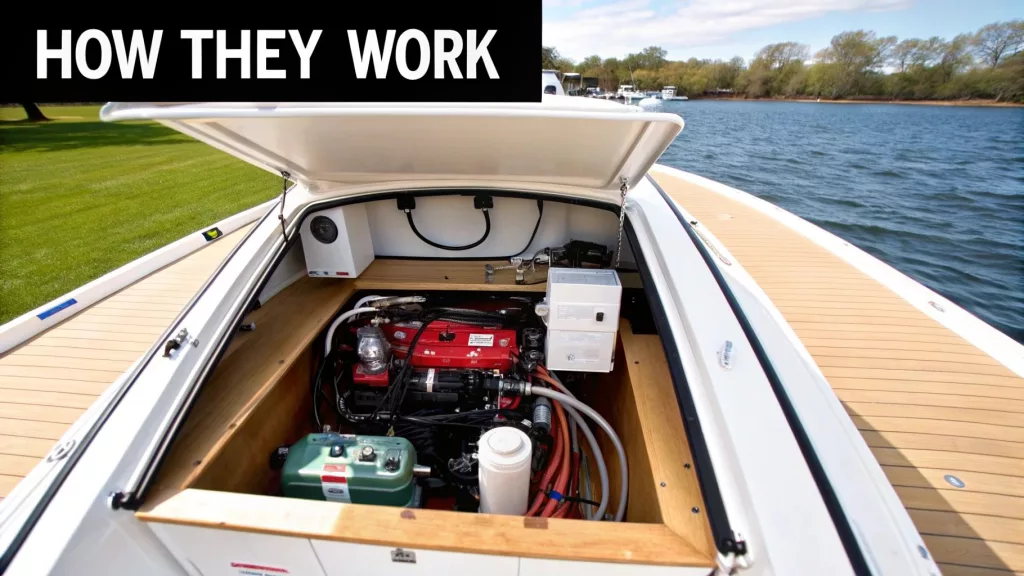

    Is Life Afloat Really for You?

    Guide to Choosing a Boat for Living - Is Life Afloat Really for You

    There’s a certain magic to waking up to the sound of ripples against the hull and seeing wildlife just outside your window. It’s a liberating lifestyle. However, that romantic charm has to share space with the practical realities of daily chores. You’ll find yourself balancing the serenity of it all with regular hull checks and engine maintenance.

    One of the best parts of living on the cut is the community. Your neighbours often become a sort of extended family, always ready to share tools, advice, or just a cup of tea. That said, life on the move, especially near busy locks and bridges, requires a good deal of flexibility in your schedule.

    Costs can be a bit of a moving target. You’ve got your regular outgoings like fuel, licence, and mooring fees, but it’s the unexpected repairs that can really test your savings. A smart budget isn’t just about the planned upgrades; it’s about having a healthy buffer for those emergency fixes that always seem to pop up.

    And then there’s the paperwork. Safety regulations, enforced by authorities like the Canal & River Trust, are there to protect everyone, but they do mean staying on top of your admin. From the Boat Safety Scheme (BSS) certificate to gas checks, compliance is absolutely non-negotiable. A huge part of this is ensuring you have reliable, safe heating and plumbing systems installed.

    The Liveaboard Lifestyle at a Glance

    Choosing to live on a boat is a significant lifestyle shift. To help you see the bigger picture, here’s a quick rundown of the highs and lows you can expect.

    AspectPotential AdvantagesPotential Challenges
    Freedom & MobilityUnrivalled ability to change your scenery and explore the UK’s beautiful waterways at your own pace.Constant need for logistical planning, from navigating routes to finding services like water points and pump-outs.
    CommunityA unique, tight-knit community where mutual support and camaraderie are part of daily life.The close quarters can sometimes feel a bit intense, and privacy might be less than you’re used to.
    FinancialsPotentially lower living costs compared to traditional housing, with no council tax.Costs can be unpredictable, with licence fees, fuel, and sudden, expensive repairs always a possibility.
    MaintenanceA fantastic opportunity to become self-sufficient, learn new DIY skills, and truly make your home your own.The maintenance is relentless. From engine care to blacking the hull, there is always something that needs doing.

    Ultimately, life afloat is a constant trade-off. It’s about weighing the incredible freedom against the very real responsibilities that come with it.

    Matching Your Boat to Your Lifestyle

    The first big decision is the boat itself, and this really comes down to weighing size against manoeuvrability. A classic narrowboat, for instance, is perfectly designed to slip through the UK’s narrow locks and canals. On the other hand, a widebeam barge feels much more like a floating flat, offering heaps of space but limiting where you can travel. Think of it as choosing between a nimble city car and a spacious SUV – each has its place, but they aren’t interchangeable.

    The trend towards living afloat is growing. According to the Canal & River Trust, the number of boats without a permanent home mooring has been steadily increasing, highlighting that this is no longer just a niche lifestyle.

    For a deeper dive into the specifics of traditional narrowboats, including different hull types, engine options, and popular layouts, have a look at our detailed guide on narrowboat living. It’s packed with information to help you figure out if this classic style of boat is the right fit for you.

    Before you go any further, ask yourself a few honest questions:

    • Do I prize mobility and freedom more than having lots of living space?
    • Am I genuinely prepared to get my hands dirty with routine engine and hull care?
    • Have I realistically budgeted for the ongoing costs of heating, plumbing, and licences?

    If you can confidently say yes to these, then a life on the water might just be the best decision you ever make, offering breathtaking views and a wonderfully supportive community. If not, it’s better to realise it now and explore other options that might be a better fit.

    Choosing Your Liveaboard Vessel

    Picking the right boat to live on is a lot like choosing a house – it’s a massive personal decision that has to match your lifestyle, your wallet, and what you dream of doing. Here in the UK, that choice usually comes down to two main players: the classic, skinny narrowboat or the much roomier widebeam barge. Each one offers a completely different way of life on the water.

    You can think of a narrowboat as the waterways’ answer to a classic terraced house. It’s got charm and character, and it’s built perfectly for its surroundings—the historic UK canal network. Its slender build, usually 6 feet 10 inches wide, means it can squeeze through just about any canal, lock, and tunnel in the country. That gives you an incredible amount of freedom to explore.

    A widebeam, on the other hand, is more like a modern, open-plan flat. Typically between 10 to 12 feet wide, it gives you a feeling of space that’s remarkably close to a home on dry land. All that extra width means you can have more normal furniture, bigger kitchens, and a general vibe that feels a lot more domestic.

    Narrowboat: The Go-Anywhere Home

    The biggest draw of a narrowboat is its all-access pass to the canal system. If your dream is to be a continuous cruiser and see every last mile of the UK’s canals, a narrowboat is pretty much a no-brainer. They are so much easier to handle, making tight turns and navigating busy spots a whole lot less stressful.

    Of course, that freedom comes at a price: living space. The layout is one long line, so rooms just flow from one to the next. This forces you to be smart with storage and embrace a more minimalist way of living. Life on a narrowboat will make you a master of organisation.

    Widebeam: The Floating Apartment

    A widebeam gives you a level of comfort and space that a narrowboat just can’t touch. That extra few feet of width totally changes the living area. You can have freestanding sofas, a proper dining table, and even separate rooms that don’t feel like you’re in a hallway. For anyone planning to stay put for longer stretches or work from their boat, this extra room can make all the difference to your daily life.

    The massive downside, however, is that your travel is seriously restricted. A lot of the UK’s older canals, especially up in the Midlands and the North, have narrow locks and bridges a widebeam simply won’t fit through. Your cruising grounds will be limited to the wider rivers and certain sections of the canal network. That’s a huge factor to weigh up if exploring is a top priority for you.

    At its heart, the decision is a straight trade-off between freedom and space. A narrowboat opens up the entire network but makes you live in a corridor. A widebeam gives you home-like comfort but ties you to a much smaller part of the waterways.

    Key Technical Considerations

    Beyond just narrow versus wide, a few other key things will shape your decision.

    • Hull Material: The overwhelming majority of canal boats in the UK are built from steel. It’s tough, it lasts, and it’s not too difficult to get repaired. The thickness of the steel—for example, a 10mm base plate and 8mm sides—is a really good sign of the boat’s quality and how long it’s likely to last.
    • Engine Type: Most modern boats on the inland waterways run on reliable, water-cooled diesel engines from brands like Canaline, Barrus, or Vetus. These are the workhorses of the canals, famous for being durable and pretty good on fuel.
    • Interior Layout: You’ll generally find two main layouts. The traditional layout puts the bedroom at the bow (front) of the boat, with the kitchen and living area at the stern, right where you steer from. A reverse layout flips that around, putting the social kitchen and living space at the back, which is great if you like to entertain or chat with people as you cruise.

    Plumbing is another one of those critical systems you need to get your head around. The type of toilet you have, for instance, makes a big difference to your daily routine. You can dig into the different options in our guide on choosing the right toilet for a boat, which covers everything from simple cassette toilets to the more involved pump-out systems. Getting these on-board essentials right is the key to making sure your floating home is both practical and comfortable.

    Budgeting for Your Life Afloat

    The dream of living on a boat is incredibly liberating, but turning that dream into a sustainable reality comes down to a solid financial plan. The real cost of life on the water goes far beyond the initial purchase price of the boat itself. To budget realistically, you need to get to grips with a mix of fixed, unavoidable expenses and variable costs that can shift with the seasons and how much you travel.

    Getting a handle on these ongoing outgoings is the secret to a stress-free life afloat. Just like a homeowner has to budget for council tax and utilities, a boater needs to plan for licences, insurance, and routine maintenance. If you let these slide, the dream can quickly turn into a massive financial headache.

    Being honest about the finances is crucial. We all feel the pinch from time to time, and the boating community is no different. These pressures have sometimes made it difficult for people to keep up with licensing, which has prompted the Canal & River Trust to increase its welfare support for boaters who need a bit of help with costs.

    Mandatory Annual Costs

    Right, let’s talk about the non-negotiables. These are the expenses that form the bedrock of your annual budget – the costs you absolutely must cover every year to legally keep and use your boat on the UK’s inland waterways.

    • Canal & River Trust Licence: Think of this as your permit to cruise the canals and rivers managed by the Trust. The fee is based on the length and width of your boat, and you’ll find that widebeams cost a fair bit more than narrowboats.
    • Boat Safety Scheme (BSS) Certificate: This is the boating equivalent of a car’s MOT. It’s a mandatory safety inspection required every four years to check that your boat’s fuel, gas, and electrical systems are safe. While it’s only every four years, it’s smart to put money aside for it annually.
    • Insurance: You’ll need at least third-party liability insurance to get your licence in the first place. Most people living aboard opt for more comprehensive cover that protects the boat’s structure and contents, much like you would with home insurance.

    Variable and Maintenance Expenses

    Beyond the fixed costs, your day-to-day spending will ebb and flow depending on how you live and cruise. These variable expenses are the ones that need careful tracking and a bit of forward-thinking.

    Moorings are a classic example. If you decide to be a “continuous cruiser,” you won’t have permanent mooring fees, but you are required to move your boat at least every 14 days. On the other hand, securing a permanent spot in a marina gives you a home base with handy services like electricity and water. This convenience, however, can set you back several thousand pounds a year, especially in popular areas.

    Think of your budget as a living document, not a one-time calculation. Regularly reviewing your spending on fuel, gas, and maintenance will help you adapt to changing costs and avoid unwelcome financial surprises.

    Here are some of the other essential variable costs to plan for:

    • Fuel (Diesel): This is what powers your engine for getting about, but on many boats, it also runs the central heating and hot water. Expect your usage to jump up in the winter and during long journeys.
    • Gas (LPG): Propane or butane gas is the standard for cooking on board. A typical 13kg bottle can last a good few months, but it all depends on how much you’re cooking.
    • Engine Servicing: Your boat’s engine is just like a car’s – it needs an annual service with oil and filter changes to keep it chugging along reliably.
    • Hull Blacking: This is a big one. Every 3-4 years, your boat needs to be lifted out of the water so the steel hull can be painted with bitumen (a process known as ‘blacking’). It’s a vital job that protects the hull from rust and corrosion, and it’s one of the biggest single maintenance costs you’ll face.

    Here is a table breaking down some of the typical annual costs you might encounter. Remember, these are just estimates, and your actual spending will depend on your boat, location, and lifestyle.

    Estimated Annual Costs for a Liveaboard Boat

    Expense CategoryEstimated Annual Cost Range (£)Key Considerations
    CRT Licence£600 – £1,500+Depends on boat length and width. Widebeams are more expensive.
    Insurance£250 – £600Varies based on boat value, mooring location, and level of cover.
    BSS Certificate£50 – £75 (Pro-rata)The full cost is £200-£300 every 4 years. Budgeting annually helps.
    Mooring Fees£0 – £10,000+£0 for continuous cruisers, but marina fees vary hugely by location.
    Diesel (Fuel)£500 – £2,000+Highly dependent on cruising habits and winter heating needs.
    Gas (LPG)£100 – £300Based on usage for cooking and potentially water heating.
    Engine Service£150 – £400Standard annual service. Can be more if repairs are needed.
    Hull Blacking£300 – £600 (Pro-rata)The full cost is £900-£1,800 every 3 years. Includes lift-out fees.
    General Maintenance£500 – £1,500A contingency fund for unexpected repairs, paint, and general upkeep.

    By planning for these expenses, you can ensure your floating home remains a safe, comfortable, and financially manageable adventure for years to come.

    Essential Onboard Systems for Year-Round Comfort

    Essential Onboard Systems for Year-Round Comfort

    Turning a boat from a weekend getaway into a proper home you can live on all year round comes down to one thing: its core systems. When you live afloat, you’re not just a homeowner; you become your own utility company. Power, water, heat – they’re all finite resources you have to manage yourself. Getting these off-grid essentials right is the secret to staying comfortable, no matter what the British weather decides to do.

    Think of these systems as the heart, lungs, and circulatory system of your floating home. Without reliable power, the lights go out and the pumps stop working. Without a decent water system, everyday life grinds to a halt. And trust me, without good heating, a damp British winter will make you question every life choice that led you to the water.

    The Non-Negotiable Need for Reliable Heating

    Staying warm and, just as importantly, dry is the biggest battle you’ll face as a liveaboard, especially in the colder months. A damp, chilly boat isn’t just unpleasant; it’s a breeding ground for mould and condensation. This is why a top-quality, efficient heating system isn’t a luxury—it’s an absolute necessity.

    While a traditional solid fuel stove has that cosy, romantic appeal, a modern diesel heater offers consistent, controllable heat that’s usually far more efficient. These systems conveniently run on the same fuel as your engine, tapping into your main tank to power central heating through radiators and give you instant hot water. They are the quiet workhorse that keeps a boat a warm, functional home.

    A reliable diesel heater is more than a luxury; it’s an investment in your health and well-being. The ability to set a thermostat and wake up to a warm cabin completely changes the liveaboard experience, making your boat a true sanctuary from the cold.

    We specialise in robust and dependable diesel heaters from top brands like Webasto, Eberspacher, and Autoterm. Designed specifically for the tough marine environment, these units provide unwavering warmth and hot water, getting you comfortably through even the harshest of winters.

    Mastering Your 12V Electrical System

    Your boat’s electrical system is its central nervous system. Unlike a house with its limitless supply from the grid, a boat runs on a finite amount of power stored in a bank of leisure batteries. Learning to live within your energy budget is one of the first and most important skills for any boater.

    It’s a constant balancing act. Every light you switch on, every phone you charge, and every time a pump kicks in, you’re drawing power from those batteries. To put that power back, you have two main options: run your engine, which uses an alternator to charge the batteries, or harness the free power of the sun.

    Many modern liveaboards now use solar panels to keep their batteries topped up silently and efficiently, especially during the brighter months. This drastically cuts down on engine running time, which saves you fuel and keeps the peace and quiet. Our guide on choosing the right boat solar panels is a great place to start if you want to design a system for your own needs.

    An inverter is another key piece of kit, turning the 12V DC power from your batteries into the 240V AC power you’re used to at home. This lets you run standard household appliances like laptops, TVs, or kitchen gadgets. Just be warned—they are incredibly power-hungry and can drain your batteries in no time if you’re not careful.

    Managing Your Onboard Water Supply

    Water is another precious resource you’ll learn to manage down to the last drop. Most boats have a large, built-in water tank that you fill up at designated water points along the canals and rivers. How long a full tank lasts is entirely down to you and your habits.

    You’ll quickly find yourself becoming much more conscious of your water use. Shorter showers and being mindful when washing up will become second nature. This resource-management mindset is just part of the lifestyle when you’re responsible for sourcing, storing, and using every litre of fresh water you have.

    The quality and safety of all these systems are paramount. Proper, robust construction is non-negotiable. It’s about investing in dependable equipment for your own safety and peace of mind.

    Navigating Regulations and Staying Safe

    Living on the water is an incredible experience, but that freedom comes with a few essential rules designed to keep everyone safe. It’s not about bureaucracy; think of it as the ‘highway code’ for the waterways. Getting your head around these regulations isn’t just about ticking boxes – it’s about protecting your boat, your neighbours, and yourself. When you know your boat is a safe, legally compliant home, you can relax and enjoy the journey with real peace of mind.

    The biggest regulatory hurdle you’ll face is the Boat Safety Scheme (BSS) certificate. This is the boating world’s MOT, and you absolutely cannot get a Canal & River Trust licence without one. Every four years, a qualified BSS examiner will come aboard to give your boat a thorough inspection, making sure its core systems are up to scratch.

    The Boat Safety Scheme Examination

    A BSS examination is a deep dive into your boat’s critical infrastructure. The examiner isn’t interested in your choice of curtains or scatter cushions; their job is to hunt down any potential hazards that could lead to fire, explosions, or pollution. They’ll be looking closely at a few key areas.

    Key areas of a BSS inspection include:

    • Fuel Systems: The examiner will check every inch of your fuel lines for security and leaks, ensuring tanks for petrol or diesel are properly ventilated.
    • Gas Systems (LPG): This is a huge focus of the inspection. They’ll be checking that your gas bottles are stored securely in a self-draining locker, that all your hoses and pipework are in good nick, and that your cooker, water heater, and any other gas appliances are installed correctly and working as they should.
    • Electrical Systems: Both the 12V and 240V systems get a once-over. The examiner looks for safe wiring, secure battery installation, and proper circuit protection to prevent fires. It’s not just about the BSS; part of being a responsible boat owner is adhering to UK electrical safety guidelines across the board.
    • Ventilation: Proper airflow is crucial. The examiner makes sure you have enough ventilation to stop any build-up of carbon monoxide or other nasty gases.

    For a more detailed look at what to expect, check out our guide on preparing for your Boat Safety Scheme examination.

    Essential Safety Equipment Onboard

    Getting your BSS certificate is one thing, but day-to-day safety is another. Having the right gear on board is a non-negotiable part of responsible boat ownership. This isn’t just about compliance; it’s about being ready to act fast if things go wrong.

    Your essential safety kit should always include:

    1. Fire Extinguishers: You need several, and they need to be the right type (usually dry powder or foam). Place them in easy-to-reach spots near the engine bay, galley, and main cabin. Check the dates on them regularly and make sure you know how to use one.
    2. Fire Blanket: An absolute must-have for the galley. It’s the quickest way to deal with a small cooking fire before it gets out of hand.
    3. Smoke and Carbon Monoxide (CO) Alarms: CO is a silent killer, so alarms are vital, especially if you have a solid fuel stove or an older engine. Test them every month, without fail.

    “Safety isn’t an accident. It’s a conscious choice you make every time you untie your ropes. Know your boat, respect the rules, and always be prepared for the unexpected.”

    Finally, being safe also means being a good neighbour. The unwritten rules of the waterways – knowing how to work the locks properly, sharing mooring spots politely, and navigating tunnels with care – don’t just make your own journey smoother. They contribute to the friendly, tight-knit community that makes this way of life so special.

    Getting Your Feet Wet: The Final Steps to Life Afloat

    You’ve done the homework on the lifestyle, picked out a type of boat, and worked out your budget. Now for the exciting bit: making it all happen. This is where you move from daydreaming to doing, taking the last few practical steps to become a real-life liveaboard. Nailing this stage is the key to a smooth start on the water.

    The path from spotting a potential boat for living to actually casting off the lines for the first time has a few key milestones. Each one is there to protect you and your investment, making sure your new home is safe, sound, and ready for whatever the cut throws at it.

    Your Pre-Purchase Checklist

    Before a single penny changes hands, there are a few checks that are absolutely essential. Think of it as the due diligence you’d do on a house – skimp on this, and you’ll regret it later.

    1. Arrange a Boat Survey: This is completely non-negotiable. Get a qualified marine surveyor to inspect the boat out of the water. They’ll check the hull for problems, see what state the engine is in, and poke around all the onboard systems. Their report is your single best tool for negotiation and a must-have for getting insured.
    2. Secure Your Financing: Unless you’re a cash buyer, now’s the time to get your marine mortgage or personal loan finalised. Having your finances sorted means you can make a serious offer when you find the one.
    3. Get Insurance Quotes: With the survey in hand, you can get proper quotes for insurance. You’ll need third-party liability cover at the very minimum to get your licence, but I’d strongly recommend going for a fully comprehensive policy.

    Making it Official and Casting Off

    Survey done, money sorted – now you can actually buy the boat. Once the keys are in your hand, the next job is getting all the legal bits squared away and planning that first trip. It’s an incredibly rewarding feeling when the dream starts to feel real.

    Becoming a liveaboard isn’t one giant leap; it’s a series of careful, deliberate steps. By working through the survey, the paperwork, and your first cruise plan methodically, you’re building a solid foundation for a fantastic life on the water.

    After the purchase, your first priorities should be:

    • Licensing and Registration: Get your Canal & River Trust licence application in. You’ll need your BSS certificate and proof of insurance. This is your legal permission slip to be on the canals.
    • Connecting with the Community: Jump onto online forums and join local boating groups on social media. The advice you can get from seasoned boaters is absolutely priceless when you’re just starting out. They’ll have tips on everything from tricky mooring spots to the best local engineers.
    • Planning Your First Cruise: Don’t try to be a hero. Plan a short, simple first trip to get a feel for your new home. This is your chance to learn its quirks, practice your mooring, and just get comfortable at the tiller without any pressure.

    Your Top Questions About Life Afloat

    Taking the plunge into life on the water is a massive step, and it’s only natural to have a few lingering questions. To round things off, I’ve put together some answers to the queries I hear most often from people getting ready to cast off.

    Getting your head around these final practical points will give you the confidence you need to turn your dream into a reality. From money matters to getting your post, let’s tackle the details that make a boat a proper home.

    How Do I Get a Loan for a Liveaboard Boat?

    One of the first things people ask is whether they can get a normal mortgage for a boat. The short answer is no; a mortgage is strictly for bricks and mortar. But don’t worry, there are specialist financial products out there designed for buying a vessel.

    • Marine Mortgage: This is your go-to option. It’s a secured loan from a finance company that actually understands boats and their value. They get the liveaboard lifestyle.
    • Personal Loan: If you’re looking at a boat on the lower end of the price scale, an unsecured personal loan from your bank could be a simpler route, though you might face higher interest rates.

    Be prepared for a bigger deposit than you’d need for a house. You’ll typically be looking at putting down 20-30% of the boat’s value. The loan terms are usually much shorter too, often between five and ten years.

    What’s the Best Way to Handle Mail and Deliveries?

    Not having a fixed letterbox is one of the classic liveaboard puzzles, but thankfully, modern tech has made it surprisingly simple to solve.

    The most common solution by far is a virtual mailbox service. You get a proper street address to send all your post to. When anything arrives, the company scans the envelope (and the contents, if you ask them to) and emails it to you. You can then log in online to read your mail from anywhere. If something important like a new bank card arrives, you just tell them to forward it to a Post Office or a mate’s house near where you’re moored.

    For all your online shopping, Amazon Lockers are an absolute lifesaver. Just find the nearest one to your mooring, have your parcel sent there, and pick it up whenever you’re passing.

    “The logistics of mail and internet might seem daunting, but modern solutions have made them simple to solve. A good 4G router and a virtual address are the two pieces of kit that truly enable a modern, connected life on the water.”

    Can I Realistically Work From Home on a Boat?

    Absolutely. Working from a boat is not just possible, it’s becoming more and more common. The single most important thing for a successful “boat office” is a solid, reliable internet connection. This usually means getting a dedicated mobile router.

    To get a signal you can count on, most boaters who work from home use a 4G or 5G router connected to an antenna mounted on the roof. This setup gives you a much stronger and more stable connection than just using your phone’s hotspot, which is a must for things like video calls or shifting big files. Power management is the other piece of the puzzle.

    Your work gear will pull a fair bit of juice from your leisure batteries. A decent set of solar panels is essential to keep them topped up, especially in the summer. Come winter, you’ll probably need to run your engine for an hour or two each day to give the batteries a boost and keep everything ticking over.

    Our Boat Services

    At Marine Heating Solutions, we know that a comfortable boat is a happy home. Whether you need a dependable diesel heater to see you through the winter or a new cooker fitted in the galley, our certified engineers are here to help. Have a look at our range of heating and plumbing solutions and make sure your life on the water is safe, warm, and comfortable all year round.


    For quotes and bookings, call or email us here.
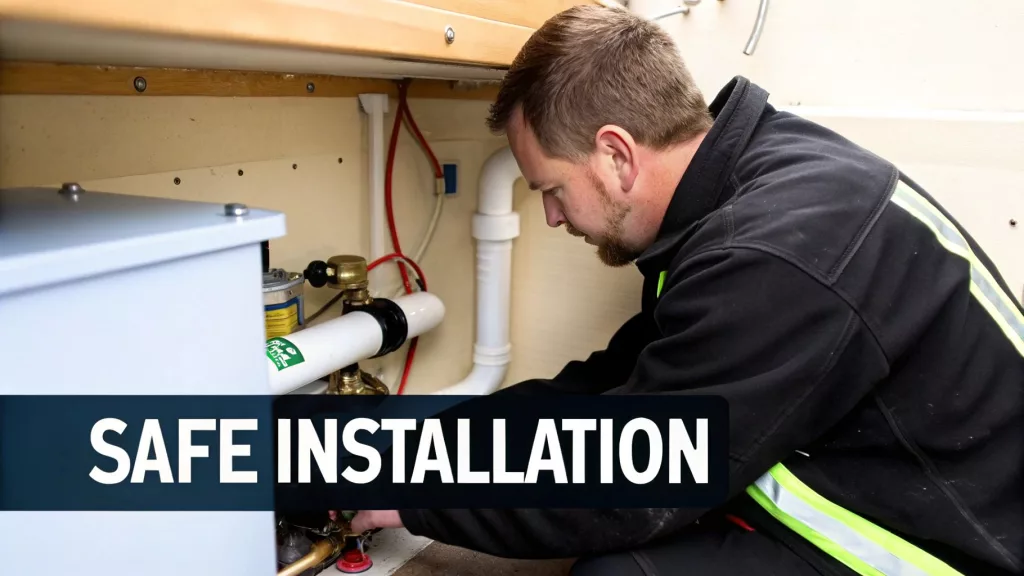

  • Live on a Boat: Your UK Guide to Life Afloat

    Live on a Boat: Your UK Guide to Life Afloat

    Before you swap your house keys for a tiller pin, it’s worth taking a proper look at what it really means to live on a boat full-time. It’s an incredible life, but it’s not all picturesque sunsets and gin on the towpath. This is a hands-on world of constant maintenance, clever use of small spaces, and a completely different set of bills—from mooring fees to those out-of-the-blue repairs.


    For quotes and bookings, call or email us here.

    Unpacking the Reality of Life Afloat

    That dream of waking up to the sound of ducks outside your window is a powerful one, but it comes hand-in-hand with some very real challenges. Trading a house for a narrowboat isn’t just changing your postcode; it’s a complete shift in your day-to-day. Simple things you took for granted, like getting post or doing laundry, suddenly need a whole new plan.

    This lifestyle really does demand a certain kind of person. You need to be ready to become a plumber, electrician, mechanic, and painter—sometimes all in the same weekend. That idyllic image of peacefully cruising down a canal is absolutely part of it, but it’s the reward you get after putting in the hours of graft.

    The Financial Picture Beyond the Purchase Price

    Many people are drawn to the water by the idea of cheaper living. While it can be more affordable than bricks and mortar, it’s a long way from being free. Getting a clear-eyed view of the true costs from the start is the key to avoiding a lot of stress later on. The price you pay for the boat is just the first cheque you’ll write.

    Your ongoing expenses will look nothing like a typical household budget:

    • Licensing and Insurance: You’ll need a licence from the Canal & River Trust, which is based on your boat’s length. On top of that, third-party insurance isn’t optional—it’s a must-have.
    • Mooring Fees: If you want a permanent spot to call home, a residential mooring can set you back anywhere from £2,000 to over £10,000 a year, all depending on where you are and what facilities you get. The alternative is ‘continuous cruising’, which saves you that cost but means you have to move your boat every 14 days.
    • Maintenance and Upkeep: This is the big one. It’s a significant and non-negotiable cost. You should be budgeting for having the hull blacked every 2-3 years, regular engine services, and—crucially—a healthy contingency fund for the repairs you don’t see coming.

    The biggest shock for many newcomers isn’t the price of the boat itself. It’s how quickly all the ongoing running costs add up. A realistic annual budget is the absolute foundation for a happy, stress-free life on the water.

    Embracing Compact Living and a Close-Knit Community

    Living on a boat is an exercise in minimalism. With such limited space for storage and living, every single item you own needs to earn its keep. This forces you into a more intentional, less cluttered way of life, which many find incredibly liberating. But it does mean getting used to a much smaller personal footprint.

    It’s not just about what happens inside your boat, either. You’re joining a unique, close-knit community. Your fellow boaters are your neighbours, your support network, and often the first people you’ll turn to for advice. This shared experience builds incredibly strong bonds, but it also means you need to respect the unwritten rules and be a positive part of the towpath culture. Fitting into this world is just as important as learning how to handle your boat.

    Choosing Your Perfect Liveaboard Boat

    Picking the right boat isn’t just one of the steps; it’s the decision that will define your new life on the water. It dictates everything from your day-to-day comfort and your budget to where you can actually cruise. Here in the UK, our canals and rivers are home to a few main players when it comes to floating homes.

    You’re generally looking at three main contenders: narrowboats, widebeams, and Dutch barges. Each one offers a completely different living experience.

    A traditional narrowboat, true to its name, is typically 6ft 10in wide. This slender profile is its superpower, designed specifically to navigate the UK’s historic canal network, giving you incredible freedom to explore almost anywhere. The trade-off, of course, is that the living space is very linear and can feel a bit like living in a corridor.

    If you want something that feels more like a floating flat, a widebeam is probably on your radar. Often 10ft to 12ft wide, they offer a huge leap in living space. But that extra width comes with compromises. You’ll pay more upfront, and your cruising grounds will be seriously restricted as many canals are simply too narrow for them. Then you have Dutch barges, which are often even larger, offering cavernous space but generally confining you to the widest rivers or coastal waters.

    Liveaboard Boat Type Comparison

    Here’s a quick breakdown of the most common boat types you’ll find on the UK waterways. This table should give you a clearer picture of which vessel might be the best fit for your plans.

    Boat TypeTypical Size (L x W)Best ForKey AdvantageMain Disadvantage
    Narrowboat50-70ft x 6ft 10inExploring the entire UK canal networkUnrivalled cruising freedomLimited, linear living space
    Widebeam55-70ft x 10-12ftSpacious living, often static mooringApartment-like interior widthCannot navigate most canals
    Dutch Barge60-100ft+ x 12-16ftCoastal cruising and wide riversHuge living area and seaworthinessHigh purchase & mooring costs; restricted travel

    Ultimately, your choice boils down to a single question: do you prioritise cruising freedom or interior space? There’s no right answer, only what’s right for you.

    Your Pre-Purchase Inspection Checklist

    When you’re viewing a potential new home, it’s far too easy to get swept away by a fresh coat of paint or a charming little wood-burning stove. You have to force yourself to look past the cosmetics. A thorough, methodical inspection is the only thing standing between you and a potential money pit.

    Here’s what you absolutely must focus on:

    • The Hull: This is the boat’s foundation. Don’t be shy—ask when it was last blacked (the protective bitumen paint) and, more importantly, when it was last surveyed. Get on your hands and knees if you have to and look for any obvious pitting, rust, or damage, paying close attention to the waterline.
    • The Engine Room: A clean engine bay is a fantastic sign of a diligent owner. Check for any tell-tale signs of oil or diesel leaks. Insist on seeing the engine started from cold; it should fire up without a struggle or clouds of smoke.
    • Onboard Systems: This is where things can get complicated. Take a good look at the wiring. Is it a neat, well-secured loom, or a chaotic mess? Turn on the taps and listen to the water pump. Fire up the heating – this is a critical bit of kit for year-round living in the UK. If you’re unsure what you’re looking at, this guide to narrowboat heating systems is a great resource to get you up to speed.

    The Non-Negotiable Marine Survey

    I can’t stress this enough: no matter how fantastic a boat seems or how genuine the seller feels, you must get an independent marine survey. It’s not optional.

    A surveyor is a trained expert who will examine the boat out of the water. They use ultrasonic kit to measure the steel thickness of the hull, hunting for problems that are completely invisible to the naked eye.

    A pre-purchase survey isn’t just another expense; it’s your single best investment in this process. The cost is a tiny fraction of what you could end up paying to fix a serious, hidden issue with the hull or engine.

    The survey report you receive is pure gold. It gives you a detailed, unbiased verdict on the boat’s condition and lists any work that needs doing. This gives you powerful leverage to negotiate the price or, if necessary, the confidence to walk away from a deal that could sink you financially. It’s the only way to be sure your new home is safe, sound, and truly ready for the water.

    Getting Your Onboard Heating and Cooking Sorted

    Live on a Boat - Heating and Cooking

    When you decide to live on a boat, staying warm and well-fed shoots right to the top of the priority list, especially through a damp British winter. Your heating and cooking systems aren’t just luxuries; they’re the absolute heart of your floating home. They’re what transforms a cold steel shell into a proper sanctuary.

    Getting these systems right from the start is fundamental to enjoying your boat all year round.

    There’s a reason so many boaters love a solid fuel stove. The dry, radiant heat they kick out is brilliant for fighting off the damp and condensation that can plague life afloat. The warmth you get from burning coal or properly seasoned wood just feels different—it creates a truly cosy, homely atmosphere that’s hard to beat.

    Of course, they do demand a bit of effort. You’ll need to manage your fuel storage, get into the daily routine of cleaning out the ash pan, and keep a close eye on the flue to make sure it’s clear. It’s a hands-on approach, but an incredibly rewarding way to keep your boat toasty.

    Central Heating for a Touch of Modern Comfort

    If you’d rather have a more automated, house-like experience, diesel-fired central heating is the way to go. These systems work much like your boiler at home, heating water that then circulates through radiators placed around the boat. Set the thermostat, and you’ve got consistent, reliable background warmth.

    Waking up to a pre-warmed boat on a frosty morning without having to faff about lighting a fire is a genuine luxury. For many full-time liveaboards, it’s a convenience they simply wouldn’t do without.

    The initial installation is certainly more complex and costly than fitting a simple stove, and you’ll need to factor in regular professional servicing to keep it running smoothly. But for larger boats, or for anyone who prefers a ‘set it and forget it’ solution, a diesel heater is a fantastic choice for maintaining a comfortable living temperature.

    Staying Safe in the Galley

    The galley is the centre of daily life on board, and for the vast majority of us, cooking means using Liquefied Petroleum Gas (LPG). It’s efficient and gives you great control, but it absolutely demands respect. Unlike the natural gas you get at home, LPG is heavier than air. This means any leaks can silently pool in the lowest part of your boat—the bilge—creating a serious risk of explosion.

    Because of this, proper installation and ongoing maintenance are completely non-negotiable.

    Here’s what you need to have in place:

    • A Proper Gas Locker: Your gas bottles must be stored in a dedicated, self-draining locker. Critically, this locker must vent overboard, never into the bilge.
    • Certified Installation: All pipework and appliance connections must be done by a Gas Safe registered engineer who holds the specific qualifications for boat installations.
    • Good Ventilation: Decent airflow in the galley is crucial for dispersing any unburnt gas and cooking fumes. Make sure your vents are always clear and never blocked.
    • Essential Alarms: A working carbon monoxide alarm and a gas bubble tester aren’t optional extras. They are vital bits of safety kit that provide an early warning if something’s wrong.

    Choosing the right cooker is just as vital as the gas system itself. If you’re looking to upgrade your galley, taking the time to research the best cooker for a boat ensures you end up with a model that’s both safe and built for the unique demands of a home that moves. Whether you go for a simple hob or a full oven and grill, making sure it’s designed for marine use and properly certified is paramount.

    Managing Water and Waste Like a Pro

    Live on a Boat - Water and Waste

    When you live on a boat, managing your water and waste becomes a central part of the daily routine. Unlike a house where it’s all “out of sight, out of mind,” you’re hands-on with every litre that comes aboard and every litre that leaves. Getting these systems right is the secret to a clean, comfortable, and stress-free life on the water.

    Your boat’s fresh water system is its lifeblood. Everything starts with the water tank, which is usually stainless steel or a tough, flexible plastic bladder that can hold anything from 400 to over 1,000 litres. From there, a trusty 12V water pump pushes water to your taps and shower, kicking into action the moment you turn one on.

    Keeping Your Water Supply Fresh

    While the water from towpath taps is treated, plenty of boaters add their own filtration for better-tasting water and extra peace of mind. Even a simple carbon filter fitted under the galley sink makes a noticeable difference to your drinking water.

    For an even better solution, a point-of-entry system simplifies things by cleaning all the water as it enters your tank. You can learn more about taking a comprehensive approach to your whole-system water filtration.

    Keeping a close eye on your water level is a constant job. You’ll quickly become a master of water conservation, learning to take shorter showers and turning the tap off while you soap up the dishes. Running out of water mid-shampoo is a rookie mistake you’ll only make once!

    The Less Glamorous Side: Waste Management

    Now, for the less glamorous but equally critical topic: your toilet. On a boat, you’ve got two main choices, and each one comes with pros and cons that will directly shape your cruising life. Choosing how you handle waste is a big decision, and our detailed guide on selecting the right toilet on a boat offers more specific insights to help you decide.

    Your options almost always boil down to a pump-out or a cassette system.

    • Pump-Out Toilets: These feel much like a normal loo at home. Waste is stored in a large holding tank (usually 200-400 litres), which means you only need to empty it every few weeks. The trade-off is that you’re tied to finding a designated pump-out station and paying a fee each time.
    • Cassette Toilets: This system uses a smaller, removable container—the cassette—which holds around 20 litres. You empty this yourself at an “Elsan point,” which are much more common than pump-out stations. This gives you amazing flexibility, but the downside is that you’ll be doing the job every few days.

    There’s no single “best” system here. The right choice depends entirely on how you plan to use your boat. A continuous cruiser might prefer the freedom of a cassette, while someone on a long-term residential mooring may find the convenience of a pump-out is a better fit.

    Ultimately, whether you’re topping up your water tank or emptying the loo, these tasks become part of the normal rhythm of life afloat. They connect you directly to your resources, turning what might seem like chores into a mindful practice of self-sufficiency.

    Powering Your Life Off-Grid

    Getting your head around a boat’s electrical system is the first step to enjoying all the creature comforts when you live on a boat. It can feel a bit daunting, but really, it all comes down to two separate but connected systems working together to power your life afloat.

    At the core of your off-grid world is a 12V DC battery bank. This is the workhorse, running most of the essential onboard gear—everything from the water pump and lights to your navigation equipment and the USB sockets for your phone. It’s the boat’s baseline power, keeping the lights on day and night.

    Then you have your household appliances, like a TV, laptop charger, or kitchen gadgets. These need 240V AC power, the same stuff you get from a socket in a house. You get this in two ways: either by plugging into shore power at a marina or by using an inverter. An inverter is a clever bit of kit that transforms the 12V DC power from your batteries into usable 240V AC.

    Monitoring and Managing Your Power

    Living off-grid makes you incredibly mindful of every single watt you use. A decent battery monitor isn’t a luxury; it’s an absolutely essential tool. Think of it as a fuel gauge for your electricity. It tells you precisely how much power is flowing in, how much is being used, and crucially, what’s left in the tank.

    A huge part of managing your power is simply understanding your own needs. You can learn to get an accurate picture of your daily usage with this brilliant guide on how to calculate electrical energy consumption. Knowing your numbers helps you make smart decisions about what to run and when, stopping you from accidentally draining your batteries dry.

    Running your batteries completely flat is one of the fastest ways to kill them for good. A quality battery management system (BMS) is a wise investment that will protect your expensive battery bank from being over-charged or deeply discharged, which can dramatically extend its lifespan.

    Harnessing the Power of the Sun

    Keeping that battery bank topped up is a daily task. This is where solar power becomes a boater’s best mate. Solar panels quietly trickle-charge your batteries all day long, which means you don’t have to rely on running the engine just to make electricity. It saves a fortune in diesel and makes for a much more peaceful life on the water.

    Investing in a proper setup is the key to real energy independence. If you want to dive deeper into choosing the right gear for your vessel, our detailed guide on fitting boat solar panels will walk you through everything you need to know. With the right system in place, you’ll have a reliable power supply for your daily needs, so you’re never left in the dark.

    Your Top Questions About Boat Life Answered

    Making the jump to living on a boat is a huge step, and it’s completely natural for your head to be swimming with questions. As you get closer to casting off, the big, practical queries start to surface. We get asked these all the time by people on the verge of starting their own adventure, so here are some straight-up answers.

    Getting your head around these final details is often the last hurdle. Once you’ve got these sorted, you’ll have the confidence to push forward, knowing you’ve got your bases covered.

    What Does It Really Cost to Live on a Boat in the UK?

    This is the big one, and the honest answer is: it varies massively depending on how you choose to live. Your main fixed costs will be your boat licence from the Canal & River Trust and your insurance, which usually lands somewhere between £200 and £500 a year. The real game-changer is mooring. A proper residential mooring can set you back anywhere from £2,000 to over £10,000 annually.

    Then you’ve got your regular maintenance budget. You can’t skip these jobs:

    • Hull Blacking: Every 2-3 years, your boat’s steel hull needs a fresh coat of protective bitumen. It’s a messy but vital job.
    • Engine Servicing: Just like a car, your engine needs an annual service to keep it purring along reliably.
    • Safety Checks: You’ll need regular professional inspections of your gas and fuel systems to stay safe and compliant.

    Finally, don’t forget the day-to-day running costs. We’re talking diesel for propulsion and heating, LPG for your cooker, and pump-out fees for your toilet holding tank. If you decide to go down the “continuous cruiser” route, you’ll save a fortune on mooring fees, but your diesel bill will shoot up.

    Do I Need a Special Licence to Drive a Narrowboat?

    Surprisingly, no. You don’t need a special driving licence to skipper a narrowboat on the UK’s inland waterways. Your only legal must-have is a valid boat licence for the waterway you’re on, issued by the navigation authority like the Canal & River Trust.

    While you don’t legally need one, taking a practical course like the RYA Helmsman’s Certificate is probably the single best investment a new boater can make. It builds a massive amount of confidence for tackling locks, mooring up like a pro, and navigating those nail-biting tight spots without incident.

    How on Earth Do I Get Mail and Do My Banking?

    Ah, the classic liveaboard dilemma! Thankfully, it’s a well-trodden path with some solid solutions. Without a fixed abode, many boaters simply use a trusted friend or family member’s address for their official post. Another popular option is to sign up for a dedicated mail forwarding service or just get a PO Box.

    If you have a permanent residential mooring, life is much simpler – you can use that address for everything from bank accounts to getting on the electoral roll. For continuous cruisers, banks are usually happy to accept a correspondence address from a marina or a mail handling service. It feels like a massive puzzle at first, but it’s one that’s easily solved with a bit of forward planning.

    Our Services:

    For any aspect of your onboard systems, from installing a new diesel heater to ensuring your LPG cooker is certified and safe, the expert team at Marine Heating Solutions has you covered. Get in touch to discuss your project today!


    For quotes and bookings, call or email us here.

  • Charge Controllers MPPT: The Ultimate Guide for Caravans and Campervans

    Charge Controllers MPPT: The Ultimate Guide for Caravans and Campervans

    Think of charge controllers MPPT as the brain of your caravan’s off-grid power setup. It’s the smart bit of kit that sits between your solar panels and your leisure batteries, making sure they get charged safely and, most importantly, efficiently. Its job is to squeeze every last drop of power from the sun, which is absolutely vital when you’re relying on solar to keep you powered up on the road.


    For quotes and bookings, call or email us here.
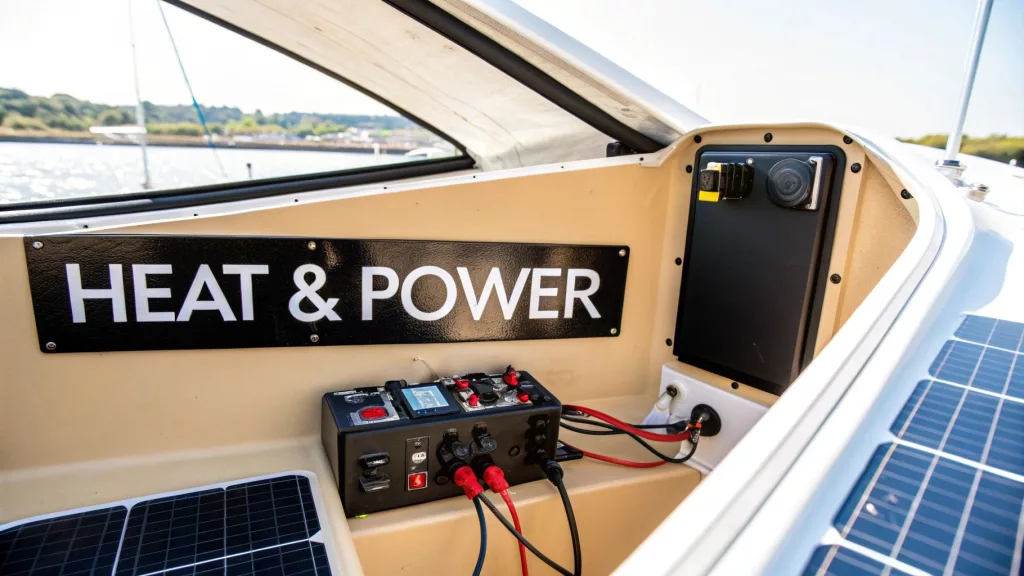

    Powering Your Adventures with Smarter Solar

    Charge Controllers MPPT Powering Your Adventures with Smarter Solar

    For any caravan or campervan owner, true freedom means having a solar power system you can depend on. While your solar panels do the heavy lifting of catching the sun’s rays, it’s the charge controller that manages that energy and protects your expensive leisure batteries. Without one, you’re looking at a fast track to damaged batteries and a much shorter lifespan.

    The real challenge for every caravanner is simple: how do you get the most power out of the limited roof space you have? This gets even trickier under the UK’s famously unpredictable skies, where bright sunshine is never a guarantee. This is exactly where MPPT charge controller technology proves its worth.

    Why MPPT is the Superior Choice for Caravans

    An MPPT charge controller is far more than a simple on/off switch. It’s a sophisticated DC-to-DC converter that’s constantly monitoring the voltage and current coming from your solar panels. It hunts for the ‘maximum power point’ – that perfect sweet spot where it can harvest the absolute most energy at any given moment. This ability to constantly adapt is what makes all the difference.

    Here in the UK, that extra efficiency is a game-changer. Compared to the older, more basic Pulse Width Modulation (PWM) controllers, MPPT units can be 10-30% more efficient. That boost is especially noticeable in the variable weather conditions we see all the time. It’s a huge gain that translates directly into more usable power for your appliances, even on those frustratingly cloudy days.

    Think of it like this: a basic PWM controller is a bit like a simple tap, either on or off. An MPPT controller, on the other hand, is like a clever valve that constantly adjusts the flow to make sure you’re getting the best possible pressure without wasting a single drop.

    This clever tech brings some real, tangible benefits to your travels:

    • Longer Off-Grid Stays: Keep your lights, fridge, and gadgets running for much longer without needing a mains hook-up.
    • Faster Battery Charging: Your leisure batteries will top up much quicker, getting you ready for the next adventure sooner.
    • Improved Winter Performance: MPPT really shines in low-light conditions, making it a must-have for year-round caravanning.

    While this guide focuses on wheeled adventures, the principles of maximising solar energy are universal. For those interested in how these systems are adapted for life on the water, you can read about boat solar panels in our other guides.

    How MPPT Technology Supercharges Your Solar Panels

    To really get your head around what MPPT charge controllers bring to your caravan, it helps to understand how they work their magic. At its heart, an MPPT controller is a smart converter. It optimises the relationship between your solar panels and your leisure batteries, making sure not a single watt of precious solar energy goes to waste.

    Think of your solar panel as a garden hose. The amount of water coming out is the power it generates, which is a blend of water pressure (voltage) and flow rate (current). On a bright, sunny day, the pressure is high. On a cloudy day, it drops right off. An MPPT controller is like having an intelligent, automatic nozzle on that hose.

    It constantly measures the panel’s voltage and current, making tiny, rapid adjustments to find the “Maximum Power Point”. This is the sweet spot—the perfect balance of pressure and flow that shoves the most power into your battery ‘bucket’ at any given moment. This dynamic process is a world away from older PWM technology, which is more like a simple on/off tap that often wastes a load of potential power.

    The Voltage Advantage: Unlocking More Power

    One of the biggest wins with an MPPT controller is its ability to handle a much higher solar panel voltage than the battery’s voltage. For instance, a typical solar panel you might see on a house roof could operate at 30-40 volts, while your caravan’s leisure battery system is just 12 volts.

    A basic PWM controller would simply drag the panel’s voltage down to match the battery. In doing so, it just throws away more than half of the panel’s potential power. It’s incredibly wasteful.

    An MPPT controller, on the other hand, cleverly converts this high voltage into increased current at the lower battery voltage. It effectively trades the excess ‘pressure’ for more ‘flow’, ensuring that almost all the power your panel generates actually makes it into your battery.

    This conversion process is precisely why MPPT controllers can boost your energy harvest by 10-30% over their PWM counterparts. This gain is most obvious during the exact conditions UK caravanners face all the time:

    • Early Mornings and Late Afternoons: When the sun is low in the sky, an MPPT controller can still squeeze out a useful charging current.
    • Overcast or Cloudy Days: This is where it really shines, excelling at harvesting energy from weak or diffused sunlight.
    • Cold, Sunny Days: Solar panels actually produce higher voltage in colder temperatures, and an MPPT controller capitalises on this to deliver a significant power boost.

    Performance When It Matters Most

    This chart really drives home the performance difference between MPPT and PWM controllers in different weather.

    Charge Controllers MPP Infographic

    As you can see, while the difference in clear sun is decent, the MPPT controller’s advantage becomes massive under cloudy skies—the exact situation where every single watt counts.

    This superior performance in less-than-perfect conditions is what gives you true energy security on your adventures. It means more power for your fridge, lights, and gadgets, giving you the confidence to stay off-grid for longer, even during a classic British autumn or winter.

    Of course, while MPPT tech optimises the power harvest, the physical state of your panels is just as important. For those looking to keep their system in top nick, a good DIY guide for cleaning solar panels can ensure they operate at peak efficiency. Ultimately, this advanced technology is the key to getting the most from your investment and achieving genuine energy independence on the road.

    MPPT vs PWM: The Clear Winner for UK Caravans

    MPPT vs PWM The Clear Winner for UK Caravans

    When you’re choosing a charge controller for your caravan, the choice usually boils down to two bits of tech: Maximum Power Point Tracking (MPPT) and Pulse Width Modulation (PWM). They both manage the flow of juice to your batteries, but how they do it – and the results they deliver – are worlds apart. Especially in a real-world UK caravan setup, where every single watt is precious.

    PWM is the older, simpler technology. Think of it as a basic switch that just connects your solar panels straight to your batteries. This forces your high-voltage panel to operate at the battery’s much lower voltage, wasting a huge chunk of potential power in the process. For any caravanner with limited roof space, that inefficiency is a deal-breaker.

    In complete contrast, an MPPT charge controller is a smart DC-to-DC converter. It takes the high voltage from the panel, cleverly transforms it into the perfect lower voltage for charging, and boosts the current at the same time. This bit of electronic magic makes sure that almost all the power your panel generates actually makes it into your batteries.

    Maximising Your Limited Roof Space

    The most compelling reason to go for MPPT in a caravan is its raw efficiency. You’ve only got so much roof, so you need to squeeze every last drop of energy out of the panels you can fit up there. An MPPT controller will consistently give you 10-30% more power from the exact same panels compared to a PWM unit.

    That’s not just a number on a spec sheet. That’s the difference between your fridge staying cold all weekend and having to pack up and go home early. On a typically grey British afternoon, that extra 30% might be the only thing keeping your leisure batteries topped up.

    For a caravan, investing in an MPPT controller is like getting a bigger solar array for free. You generate significantly more power without having to find space for another panel on your already crowded roof.

    This extra energy harvest gives you more freedom. You can stay off-grid for longer, run more of your creature comforts, and travel with the confidence that your system is working as hard as it possibly can, whatever the weather decides to do.

    The Freedom to Use Better Panels

    Another game-changing advantage of MPPT charge controllers is their ability to handle higher voltage solar arrays. This opens the door to using more efficient, powerful, and often cheaper domestic solar panels—the kind you see on house roofs. These panels run at a much higher voltage (often 30-40V), which a PWM controller just can’t cope with.

    If you tried to connect a 36V domestic panel to a 12V battery system through a PWM controller, it would just drag the panel’s voltage down to 12V. In an instant, you’d waste over half of its power. An MPPT controller, however, flawlessly converts that high voltage into increased charging current for your 12V system, capturing all of that lovely power. This gives you fantastic flexibility to design a more powerful and cost-effective solar setup.

    MPPT vs PWM: A Head-to-Head Comparison for Caravanners

    To really spell it out, let’s put these two technologies side-by-side. For the typical UK caravanner, where sunny days can be a bonus and not a guarantee, the differences become starkly clear.

    FeatureMPPT Charge ControllerPWM Charge Controller
    EfficiencyExtremely high, typically 95-99%. Gets the most out of every sunbeam.Moderate, around 75-80%. Leaves a lot of power on the table.
    Performance in Low LightExcellent. Still pulls in usable power even on properly overcast days.Poor. Struggles badly in low light and might not charge at all.
    Panel CompatibilityHighly flexible. Lets you use powerful, high-voltage domestic panels.Very restrictive. Panel voltage must match your battery voltage.
    System FlexibilityGives you lots of options for powerful and varied panel arrays.Limited to basic, low-power setups.
    CostA higher initial investment.Cheaper to buy upfront.
    Best ForCaravanners who want maximum power, off-grid freedom, and efficiency.Small, simple systems like trickle charging a battery you rarely use.

    A Smart Investment, Not an Expense

    It’s true that MPPT controllers cost more upfront than their PWM counterparts. But it’s vital to see this as an investment in your freedom, not just an expense. The superior efficiency and panel flexibility mean the controller pays for itself very quickly in usable energy and peace of mind.

    For UK caravanning, where sunlight is a valuable commodity and roof space is at a premium, the choice is simple. The MPPT charge controller is the undisputed winner, delivering the performance and reliability you need for true off-grid adventure.

    Sizing Your Perfect MPPT Controller

    Picking the right MPPT charge controller can seem a bit daunting, but it’s actually pretty straightforward once you know the basics. Getting the size spot-on is absolutely critical. A controller that’s too small will get fried by your solar panels, and one that’s too big is just a waste of good money. Let’s walk through how to choose the right one for your caravan setup with confidence.

    The two most important numbers you’ll see on any charge controllers mppt are its voltage (V) and amperage (A) ratings, usually written together like “100/30”. The first number (100V) tells you the absolute maximum solar panel voltage the controller can take. The second number (30A) is its maximum output current to your batteries. Your job is to make sure your solar array doesn’t exceed either of these limits.

    Of course, before you can choose a controller, you need a good grasp of your overall power needs. It’s well worth learning how to size your solar system first. This foundational knowledge will ensure your entire setup works together in perfect harmony.

    Decoding Your Solar Panel’s Spec Sheet

    The secret to sizing your controller is hidden in plain sight, right on the sticker on the back of your solar panel. You’re looking for two key figures:

    • Open-Circuit Voltage (Voc): This is the highest possible voltage your panel can produce when it’s not connected to anything. Think of a very cold, bright morning – that’s when you’ll see peak voltage. This number is your red line; your controller’s voltage rating must be higher than this.
    • Short-Circuit Current (Isc): This is the maximum current (amps) your panel can kick out under a short circuit. We use this to figure out the maximum current your controller will have to handle.

    An easy way to think about it is that Voc is the panel’s potential ‘pressure’, and Isc is its potential ‘flow’. Your MPPT controller has to be tough enough to handle the highest pressure and flow your panels can throw at it.

    Calculating Your Controller Size

    Let’s run through a quick, two-step calculation. We’ll use a common caravan setup as an example: two 200W solar panels wired in series. We’ll pretend our panel’s spec sheet says each one has a Voc of 22.5V and an Isc of 11A.

    Step 1: Calculate Maximum Voltage

    When you connect panels in series (linking the positive of one to the negative of the next), their voltages add up.

    • 2 panels x 22.5 Voc = 45V

    This means your controller must have a voltage rating well above 45V. A 75V or 100V model would be a safe bet. Never, ever pick a controller where the maximum voltage is close to your calculated Voc.

    A good rule of thumb is to add a 25% safety margin to your calculations. This buffer protects your gear from unexpected power spikes, especially on those cold, sunny days when panels can temporarily exceed their rated Voc.

    Step 2: Calculate Maximum Current

    Next, we need to find the maximum charging current. To do this, just divide your total solar wattage by your battery system’s voltage (which is almost always 12V in a caravan).

    • Total Wattage: 2 panels x 200W = 400W
    • Calculation: 400W ÷ 12V = 33.3A

    This result tells you that you need a controller rated higher than 33.3A. A 35A or even a 40A model would give you a healthy margin for error. A 30A controller would be too small and would likely shut down or damage itself under full sun.

    Essential Features to Look For

    Beyond just the voltage and amp ratings, modern charge controllers mppt come with some brilliant features that make a real difference to performance and ease of use.

    • Battery Type Compatibility: Make sure the controller has settings for your specific batteries. Whether you have AGM, Gel, or Lithium (LiFePO4), using the right charging profile is vital to avoid damaging them.
    • Temperature Sensor: A remote temperature sensor is a game-changer. It lets the controller adjust the charging voltage based on your battery’s actual temperature, preventing overcharging in the heat and undercharging in the cold. It can seriously extend the life of your batteries.
    • Bluetooth Connectivity: This is fantastic for life on the move. It lets you keep an eye on your entire system—live power generation, battery status, and performance history—straight from an app on your phone.

    With the UK government pushing towards net zero by 2050, efficient renewable tech has never been more important. MPPT controllers are a key part of this, as they squeeze every last drop of energy from the sun, even in our notoriously variable weather. In more complex setups, especially those with mixed voltage systems, you might need other bits and pieces; for those scenarios, take a look at our guide on choosing a 24 to 12 V converter.

    Best Practices for Installing Your MPPT Controller

    Best Practices for Installing Your MPPT Controller

    A proper, safe installation is the bedrock of any reliable solar setup in your caravan or campervan. Get it right from the start, and your MPPT charge controller won’t just perform at its best, it’ll operate safely for years to come. Think of this as a practical, step-by-step guide to fitting your controller with confidence.

    First things first: safety. Before you even think about touching a wire, your solar panels must be completely disconnected or, better yet, covered with a thick, opaque blanket. This simple step stops them from producing any power, which is crucial for preventing any risk of electric shock while you’re working.

    The Crucial Connection Sequence

    There’s a strict, non-negotiable order for connecting your solar system components. Getting this sequence wrong can instantly fry your brand-new controller, so pay close attention. The controller has to see the battery voltage first so it can correctly set itself up for your 12V system.

    1. Connect the Battery First: Always, always wire the MPPT controller to your leisure battery terminals before anything else. This allows the controller to boot up, recognise the system voltage, and prepare itself for the incoming solar power.
    2. Connect the Solar Panels Second: Only after the controller is powered on and happily talking to the battery should you connect the wires from your solar panel array.
    3. Disconnection is the Reverse: If you ever need to disconnect the system for maintenance, just do everything in reverse. Unplug the solar panels first, then disconnect the battery.

    Stick to this simple mantra: Battery first, solar second. This one rule is the single most important part of the entire installation. It prevents the controller from being hit with unregulated high voltage from the panels, a mistake that can easily destroy it.

    Location and Mounting

    Where you physically bolt down your controller makes a huge difference to its performance and lifespan. Heat is the number one enemy of electronics, and believe me, MPPT controllers can generate a surprising amount of it when they’re working hard on a sunny day.

    Choose a spot for it that is:

    • Cool and Ventilated: Mount the controller vertically on a non-flammable surface. Critically, you need to leave at least 10-15cm of clear space all around it so air can circulate freely and carry heat away. A cramped, unventilated cupboard is the worst place for it.
    • Close to the Batteries: The shorter the wire run between the controller and your batteries, the better. This keeps voltage drop to a minimum, which means more of that precious solar energy actually makes it into your batteries.
    • Protected and Dry: It goes without saying that the unit has to be installed inside the caravan, well away from any chance of getting wet or being physically knocked about.

    Wiring and Fusing for Safety

    Using the right thickness of wire (or gauge) is absolutely vital. Wires that are too thin act like a bottleneck, creating resistance that wastes your solar power as heat. At best this is inefficient; at worst, it’s a serious fire hazard. Always check your controller’s manual for the recommended wire sizes based on the system’s amperage and the length of the wire run.

    Fuses are your system’s non-negotiable safety net. They are the primary protection against short circuits and potential fires. You must install a correctly rated fuse on the positive wire in two key places:

    • Between the Controller and the Battery: This protects the wiring from any faults that might come from the battery side.
    • Between the Solar Panels and the Controller: This fuse is there to protect against any faults in the panel wiring.

    A tidy, well-thought-out installation ensures your whole electrical system runs safely and gives you the performance you paid for. If you’re tackling a full electrical fit-out or just want the peace of mind that comes with a professional job, looking into specialist campervan and caravan services can ensure everything is installed to the highest standard.

    Troubleshooting Common MPPT Controller Issues

    Even with a perfectly installed system, you’re bound to hit a snag sooner or later. Think of this section as your first-aid manual for figuring out the most common issues with charge controllers mppt. Most problems are surprisingly simple to fix and usually boil down to a dodgy connection or a wrong setting.

    When your system starts acting up, the key is not to panic. Just work through the issue systematically. Before you start diving into complex diagnostics, always check the most obvious culprits first. A quick visual check of your connections, fuses, and the controller’s display can often reveal the problem in seconds.

    My Battery Is Not Charging

    This is the number one worry for any caravan owner. You can see the sun blazing down on the panels, but the battery voltage just isn’t budging. The first thing to understand is that high resistance somewhere in the circuit is often the villain here, acting like a blockage that stops the power from getting through.

    Start with these checks:

    • Check the Fuses: A blown fuse is a classic, and thankfully, an easy fix. Check the fuses between the controller and the battery, and any between the panels and the controller.
    • Tighten All Connections: A loose wire terminal can stop current dead in its tracks. Check every connection at the controller, the battery, and any junction boxes to make sure they’re all rock solid.
    • Inspect Your Wiring: Have a good look for any signs of damage or corrosion on your cables. For the best longevity, it’s worth understanding the advantages of using multi-strand tinned wire as it resists corrosion far better than standard copper wire.
    • Panel Shading: It’s amazing how much difference a tiny shadow can make. Even a small shadow from a roof vent or aerial across one part of your panel can slash its output, so make sure nothing is blocking the sunlight.

    The Controller Feels Too Hot

    Your MPPT controller will naturally get warm when it’s working hard, especially on a bright, sunny day when it’s processing a lot of power. However, if it feels genuinely hot to the touch, that’s a sign it’s struggling.

    An overheating controller is a warning sign. The unit will often protect itself by reducing its charging output, a process known as ‘derating’. This means you get less power into your batteries precisely when you should be getting the most.

    Poor ventilation is almost always the cause. Your controller needs to breathe. Make sure it has at least 10-15cm of clear space all around it for air to circulate properly. If it’s been crammed into a tight, stuffy cupboard, it simply can’t cool itself down. Moving it to a better-ventilated spot will usually solve the problem for good.

    Understanding Error Codes

    Modern MPPT charge controllers are pretty clever at self-diagnosis. They’ll often flash an error code or a sequence of lights to tell you exactly what’s wrong. Don’t just ignore these codes – grab your controller’s manual and find out what they mean.

    Common error codes often point to:

    • Battery Over-Voltage: This can happen if the controller’s settings don’t match your specific battery type.
    • Short Circuit: This is a serious one. It indicates a wiring fault that needs sorting out immediately.
    • PV Over-Voltage: This means the voltage from your solar panel array (its Voc) is too high for what the controller is rated to handle.

    Now, let’s tackle some of the common questions we hear from caravan owners about MPPT controllers. Getting these straight will help you figure out the best setup for your own adventures off-grid.

    Can I Use a Domestic Solar Panel on My Caravan?

    Yes, you certainly can! In fact, this is one of the biggest advantages of using an MPPT controller. They are brilliant at taking the high voltage from a cheaper, more powerful domestic panel and efficiently converting it down to the 12V your leisure battery needs.

    A basic PWM controller just can’t do this. It would be completely overwhelmed and would end up wasting a huge chunk of the panel’s potential power.

    Is It Worth Upgrading From PWM to MPPT?

    For most UK caravanners, the answer is a definite yes. If you’re often finding yourself a bit short on power, especially on those classic overcast British days or during the spring and autumn months, an MPPT controller can make a world of difference.

    It can genuinely boost the energy you get from your existing panels by 10-30%. It’s often the single most cost-effective upgrade you can make to stay off-grid for longer.

    Think of upgrading to MPPT less as replacing a part, and more as unlocking the full potential of your entire solar system. It lets your panels perform at their best, especially when the weather isn’t playing ball.

    Do I Really Need MPPT for a Small Trickle Charger?

    Probably not, to be honest. For those really small panels (under 50 watts) that are just there to keep a battery topped up, a simple PWM controller is usually perfectly adequate and easier on the wallet.

    The extra energy an MPPT charge controller could squeeze out of such a small array is minimal, so it’s hard to justify the extra cost. MPPT really comes into its own on solar arrays of 100W or more, where those efficiency gains start to add up to a serious amount of usable power for your trips.


    For quotes and bookings, call or email us here.

  • Reliable Canal Boat Services for Comfort & Safety

    Reliable Canal Boat Services for Comfort & Safety

    Life on the UK’s canals is a unique and rewarding way to live, but it requires specialist support to keep your vessel safe, comfortable, and compliant. To enjoy life afloat to the fullest, you need professional canal boat services from engineers who understand the unique challenges of the inland waterways.


    For quotes and bookings, call or email us here.
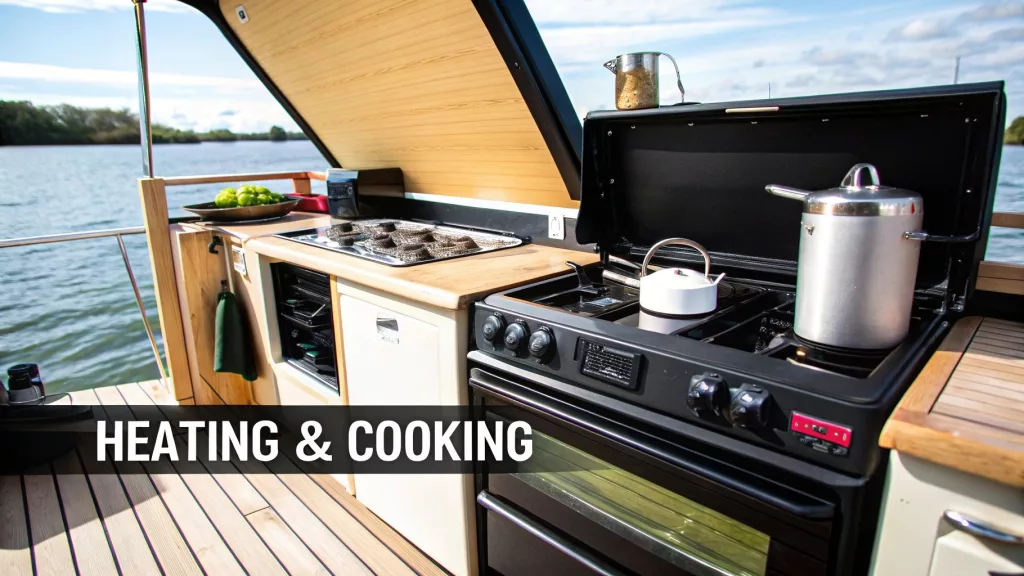

    Your Go-To Partner for a Safe and Comfortable Life Afloat

    Unlike a house, your narrowboat’s systems must withstand a demanding, constantly moving marine environment. This isn’t a job for a general tradesperson; it demands a specialist approach to installation, maintenance, and repair. That’s where we come in.

    At Marine Heating Solutions, we are your dedicated partner in maintaining every aspect of your floating home. Our entire focus is on making your life on the UK’s narrowboats, canal boats, and barges as smooth and hassle-free as possible. Our certified engineers bring years of hands-on experience directly to your mooring, whether you need a routine service or a full system refit.

    What we do

    Here’s a look at the core canal boat services we provide to keep you safe and comfortable:

    • Heating and Plumbing: We install and service high-efficiency diesel heaters, water pumps, and sanitation systems to ensure you stay warm and have reliable running water all year round.
    • Marine Electrics: Getting the electrics right is crucial. We expertly manage all 12V and 240V systems, from battery checks and inverter installations to designing and fitting bespoke solar panel setups for true off-grid living.
    • Safety and Compliance: This is non-negotiable. Our qualified technicians carry out essential gas safety checks and help you meet and maintain Boat Safety Scheme (BSS) standards. Staying safe is paramount, which is why we also help boaters understand how to prevent carbon monoxide poisoning.

    Essential Canal Boat Services at a Glance

    This table breaks down the key services we provide and why they are so important for life on the water.

    Service AreaWhy It’s CrucialOur Key Focus
    Heating & PlumbingProvides essential warmth and hot water, crucial for comfort and preventing damp during cold, wet months.Reliable diesel heater installations, servicing, and plumbing system maintenance to keep you comfortable year-round.
    Marine ElectricsPowers everything from your lights to your fridge. A well-designed system is vital for off-grid living.Safe and efficient 12V and 240V systems, including solar setups, battery management, and inverter installations.
    Gas SafetyEssential for preventing fires, explosions, and carbon monoxide leaks from LPG appliances like cookers and boilers.Certified Gas Safe checks and system installations to ensure your boat is safe and compliant with BSS requirements.
    BSS ComplianceA legal requirement for navigating most UK inland waterways, covering a wide range of safety standards.Helping you meet and maintain Boat Safety Scheme standards, ensuring your vessel is safe for you and others.

    These core services form the bedrock of a safe and enjoyable life afloat, whether you’re a weekend cruiser or a full-time liveaboard.

    And of course, making the most of your space is just as important for comfort. For some great ideas on that front, these smart small space organisation hacks are well worth a read.

    “Marine Heating Solutions transformed our boat. The new diesel heater they installed is a game-changer for winter cruising. Professional, knowledgeable, and tidy work. Highly recommended!” – John S., NB ‘The Wanderer’

    Why Certified Marine Engineers Matter

    When it comes to the essential systems on your narrowboat or barge, you cannot afford to cut corners. Hiring an unqualified technician is a risk to your safety and your vessel. Your boat exists in a unique world of constant movement, vibration, and damp conditions that demand a true specialist’s touch.

    Canal Boat Services for all Boat Types

    Our engineers aren’t just technicians; they’re certified marine specialists. This distinction is crucial. It means we have undergone rigorous, industry-specific training and assessments, ensuring every installation, service, and repair is built to withstand life on the water.

    The Value of Professional Qualifications

    Choosing a qualified marine engineer gives you more than just peace of mind. It directly impacts your safety, your insurance, and the lifespan of your boat’s systems.

    Our credentials, such as being Gas Safe registered for boat LPG systems, are your guarantee that all work is completed to the highest UK safety standards. This is a non-negotiable part of responsible boat ownership.

    Many insurance providers now insist that work on critical systems—especially gas and heating—must be carried out by a certified professional. Using our services ensures your policy remains valid, protecting your floating home. You can dive deeper into the specifics of our professional qualifications and see for yourself why they are so vital for any boater.

    “After a botched job by a local plumber, we called Marine Heating Solutions. The difference was night and day. Their engineer was Gas Safe registered, knew our Eberspächer heater inside and out, and had us warm and safe in a few hours. A truly professional service.” – Sarah T., NB ‘The Kingfisher’

    Experience That Counts on the Canals

    Beyond certifications, our team brings years of hands-on experience working exclusively on the UK’s canals and inland waterways. Our technicians understand the practical challenges of life afloat because we’ve seen them all. We don’t just fix the immediate problem; we identify the root cause to provide lasting solutions that work in the tight spaces and unique conditions of a narrowboat.

    This expertise means we can recommend and install the most suitable equipment for your vessel, ensuring it’s efficient, reliable, and perfectly matched to your cruising lifestyle. From a compact diesel heater that sips fuel to a robust water pump, every piece of equipment we supply and fit has been chosen because it has proven its worth in a marine environment.

    Reliable Heating and Plumbing for Your Floating Home

    Your boat’s heating and plumbing systems are the heart of a comfortable life afloat. Get them right, and you have a warm, inviting home. Get them wrong, and you’re left with a cold, damp vessel. Our entire focus is on delivering robust, reliable canal boat services you can count on, especially when the British weather is doing its worst.

    A toasty warm cabin on a frosty morning, a steady stream of hot water, and a toilet that works without drama—these aren’t luxuries. They are the essentials of life on the water. We understand the unique challenges of a compact, mobile environment and provide solutions built to perform on a canal boat.

    Keeping You Warm All Year Round

    The UK’s inland waterways are stunning in every season, but winters can be harsh. A dependable heating system is paramount. We specialise in installing and servicing the most trusted names in marine heating, including the incredibly popular diesel-fired units from Webasto, Eberspächer, and Autoterm. These are the heaters boaters rely on for good reason – they’re efficient and built to last.

    Neglect is the biggest enemy of these heaters. Regular professional servicing is the only way to prevent common issues like ‘coking up’, where carbon deposits choke the unit and reduce performance. Our annual service ensures your heater runs cleanly and efficiently, providing consistent warmth while using less fuel. Whether you need a brand-new installation or that vital yearly check-up, we’ll make sure you stay cosy.

    “Marine Heating Solutions serviced our Webasto heater just before winter. The difference is incredible. It runs quieter, hotter, and I have total peace of mind. Fantastic service from start to finish.” – David R., NB ‘The Heron’s Rest’

    Dependable Water and Sanitation Systems

    Functional plumbing is just as crucial as warmth. This covers everything from the fresh water you drink and wash with to your sanitation system. Our team can maintain clean water systems, fix or replace tired water pumps, and ensure you always have good water pressure. A well-maintained system is vital for safe drinking water and daily convenience.

    We also offer expert servicing for both pump-out and cassette toilets, tackling common problems to keep your sanitation system hygienic and operating smoothly. For a full rundown of what we can do for your boat’s pipework, see our professional boat plumbing services.

    Living on a boat is a cherished way of life in the UK. The Canal & River Trust has recorded over 35,000 licensed boats on its waters, with thousands serving as permanent homes. This modern canal community thrives on a unique blend of freedom and nature, all made possible by the essential services that turn a boat into a practical, comfortable home.

    Powering Your Journey with Marine Electrical Solutions

    Your narrowboat’s electrical system is its lifeblood, silently powering everything from the water pump to your evening lights. Understanding how it works is key to a stress-free life on the water, and our canal boat services are designed to make that happen. We are here to demystify your boat’s electrics, ensuring you have a safe, efficient, and reliable power supply that fits your lifestyle.

    Onboard Comfort

    Your boat’s power consists of two systems. The 12V DC system is the backbone, running essential gear like lights, pumps, and your fridge directly from the batteries. Then you have the 240V AC system, like in a house, which powers laptops, televisions, and kitchen gadgets through an inverter or shore power.

    Our job is to ensure these two systems work together seamlessly, giving you the power you need, when you need it. Whether you are a weekend cruiser or a full-time liveaboard, we build electrical solutions that simply work.

    Custom Electrical Services for Every Boater

    Every boater has different power needs, which is why we never offer a one-size-fits-all solution. Our services cover the full spectrum of marine electrical work, from a basic health check to a complete off-grid power installation.

    Here’s a snapshot of what we can do for you:

    • Battery Health Checks: We will properly test your battery bank to ensure it can hold a charge and deliver the power you rely on.
    • Inverter/Charger Installations: We supply and expertly fit powerful, reliable units from top brands like Victron, letting you run household appliances directly from your batteries.
    • Complete System Rewires: Our qualified engineers can tackle full or partial rewires to modern safety standards, resolving faults and boosting efficiency.
    • Custom Solar Power Arrays: We design and install bespoke solar systems that provide genuine energy independence, so you can power your life without constantly running the engine.

    “The solar panel setup Marine Heating Solutions installed has been a total game-changer. We can now work from the boat all day, powering two laptops and our other gadgets, without ever worrying about the batteries. Their knowledge and professionalism were second to none.” – Emily F., NB ‘The Drifter’

    Achieving True Off-Grid Freedom

    For many, the dream of canal life is about freedom and self-sufficiency. A professionally installed solar power system is the single biggest step you can take towards making that a reality. Imagine generating silent, clean power all day, keeping your batteries topped up, and reducing your reliance on running the engine or finding a shoreline.

    We specialise in creating systems that work effectively in the UK climate. To learn more about how this technology could transform your life afloat, see our detailed guide on fitting boat solar panels. If you are aiming for total energy independence, exploring off-grid solar power solutions is a brilliant way to understand the core principles.

    Featured Appliances for Narrowboat Living

    Choosing the right appliances for your narrowboat is about making smart decisions with limited space and power. The equipment that powers your life afloat needs to be tough, efficient, and perfectly suited to the demands of canal life. We don’t just install systems; we provide genuine, hands-on advice, recommending and fitting appliances we have personally tested and would trust on our own boats.

    This is a practical guide based on years spent on the cut, figuring out what truly works. The appliances we feature are selected for what matters most to boaters: exceptionally low power draw, a compact footprint, and quiet, unobtrusive operation.

    Canal Boat Services for Scenic Routes

    Our Top Appliance Recommendations

    We supply and install a wide range of equipment from leading marine brands. More importantly, our qualified engineers ensure every installation is done correctly, meeting the highest safety and performance standards from day one.

    Below is a look at some of our most popular and trusted products. This isn’t an exhaustive list, but it gives you a good idea of the quality and performance we stand behind.

    Recommended Appliance Comparison for Your Boat

    Here’s a quick comparison of our recommended appliances, focusing on the key decision-making factors for life on the water.

    ApplianceKey FeatureIdeal ForWhy We Recommend It
    Eberspächer Hydronic D5 HeaterQuiet, efficient diesel heating.Liveaboards needing reliable year-round warmth.Proven reliability and excellent heat output for UK winters.
    Vitrifrigo 12V Fridge/FreezerExtremely low power consumption.Continuous cruisers aiming for off-grid independence.Maintains temperature without draining your battery bank.
    Victron MultiPlus Inverter/ChargerAll-in-one power management.Boaters running 240V appliances and needing smart charging.Seamlessly switches between shore power and battery power.

    This table highlights the sort of gear that makes a real difference—equipment designed specifically for the challenges of the marine environment, where efficiency and reliability are everything.

    Real-World Performance Boaters Can Trust

    Technical specs on a website are one thing, but how something performs on a cold, damp Tuesday in November is what really counts. We choose our featured appliances based on their proven track record on UK narrowboats, barges, and other inland waterway craft. Whether it’s a diesel heater that fires up without a fuss on a frosty morning or a 12V fridge that keeps your food fresh without hammering the batteries, we put reliability first.

    Our team’s qualifications mean we understand the intricate details of each product, from precise power consumption figures to the best way to ventilate it for safe operation. This expertise ensures you get the most out of your investment, both in performance and lifespan.

    “The Victron MultiPlus that Marine Heating Solutions installed is fantastic. It manages our power perfectly, switching between solar and shore power without a hitch. Their recommendation was spot on, and the installation was neat and professional.” – Mark and Helen, NB ‘Serenity’

    By combining professional installation with top-tier equipment, our canal boat services deliver the comfort and peace of mind you need. You can relax, knowing the systems powering your floating home are safe, efficient, and built to handle whatever life on the cut throws at them.

    What Our Customers Say

    Don’t just take our word for it. We can talk all day about our qualifications and the quality equipment we supply, but nothing tells the real story like hearing from a happy boater. Our reputation is built on the results we deliver out on the UK’s inland waterways.

    Every testimonial we receive offers a window into life on the cut. They showcase the real-world problems boaters face and how we have provided solid, lasting solutions. From a straightforward safety check to a full system refit, our job is to make your life afloat better.

    NB ‘The Kestrel’ A Full System Upgrade

    “Our electrics were a constant nightmare, always failing when we needed them most. The team diagnosed the issues, planned a full 12V system rewire, and fitted a new Victron battery bank. Now, we finally have reliable power, and their professional approach gave us total confidence.”

    Real Stories from the Cut

    Here are a few more examples of how we’ve helped fellow boaters get sorted:

    • BSS Examination Success: “They helped us prepare for our BSS exam, identifying potential issues beforehand. We passed with flying colours thanks to their thorough and knowledgeable service.” – NB ‘The Otter’
    • Heating Installation: “The new Eberspächer heater they installed has transformed winter on the boat. It’s quiet, efficient, and was fitted perfectly.” – NB ‘Willow Creek’

    The canal boat community in the UK is something special. You can dive a bit deeper into this vibrant world in this look at canal boat history.

    Still Got Questions? Let’s Talk Specifics

    Living on a boat comes with a unique set of questions, and we have heard most of them over the years. Our job is to provide clear, honest answers. Here are a few of the most common queries we get from boaters.

    How Often Should I Get My Boat’s Heating System Looked At?

    We strongly recommend an annual service for any diesel or gas heating system. The best time is late summer, before you need to rely on it. Think of it as preventative medicine for your boat.

    Regular servicing is a critical safety measure, but it also improves fuel efficiency and provides peace of mind that your heater will work when you need it most. Our engineers will clean out carbon build-up (coking), check fuel lines, and test all safety cut-outs. It’s a small investment that prevents much bigger, and potentially dangerous, problems down the line.

    “Had our annual diesel heater service done. The engineer was incredibly knowledgeable and left everything spotless. It’s reassuring to know we’re safe and ready for winter.” – Tom P., NB ‘The Mayfly’

    What Exactly Is a Boat Safety Scheme Examination?

    Think of the Boat Safety Scheme (BSS) examination as an MOT for your boat. It’s a legal requirement on most of the UK’s inland waterways. While we don’t issue the final BSS certificate ourselves, our team includes trained BSS examiners with years of on-the-job experience who know the process inside and out.

    The examination is a comprehensive check of your fuel, gas, and electrical systems, along with fire safety equipment and ventilation, to minimise the risk of fires, explosions, or carbon monoxide poisoning. We can perform all the necessary pre-examination checks and issue the specific safety certificates for your appliances to help you pass the official inspection the first time.

    Can You Fit Solar Panels on My Narrowboat?

    Absolutely. This is one of our specialities. We design and install bespoke solar panel systems matched to your boat’s energy needs and roof space. A well-designed solar setup can be a complete game-changer.

    It can drastically reduce engine running time, save you money on fuel, and provide silent, clean power for true off-grid cruising. We handle the entire job, from securely mounting the panels to wiring them through a top-quality MPPT charge controller that maximises the power fed into your battery bank. It’s the most popular route boaters take to achieve energy independence on the canals.

    What Canal Boat Services Do You Offer?

    For friendly, expert advice on any part of your boat’s systems—from a simple service to a full installation—you can trust the certified engineers at Marine Heating Solutions. Take a look at our full range of services and get in touch today.


    For quotes and bookings, call or email us here.
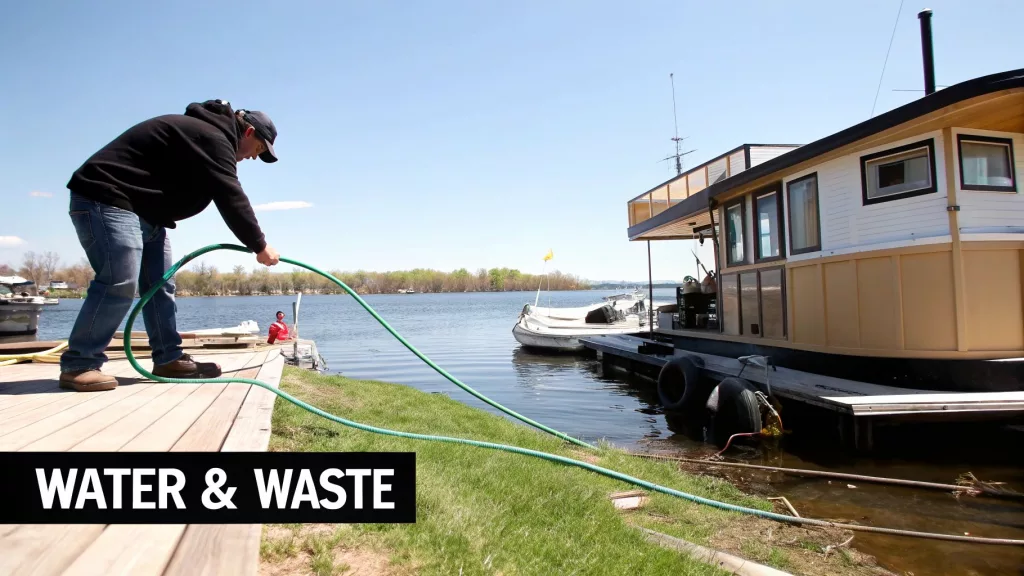

  • How to Winterise Your Boat | Professional Services for UK Narrowboats

    How to Winterise Your Boat | Professional Services for UK Narrowboats

    As the UK’s canals and inland waterways quieten for winter, the question of ‘how to winterise a boat’ becomes paramount for every narrowboat and barge owner. The dropping temperatures pose a significant threat to your vessel’s engine, plumbing, heating systems, and overall structural integrity. A single oversight can lead to disastrous and costly consequences, such as a cracked engine block from frozen water, burst pipes, or a failed heating system when you need it most.

    Protecting your investment requires professional expertise and specialised equipment. At Marine Heating Solutions, our Gas Safe and OFTEC-certified engineers specialise in safeguarding your narrowboat or barge, ensuring it’s not just stored, but professionally preserved for the season ahead. This guide highlights the professional-grade care your vessel needs and showcases the services and products we offer to provide complete peace of mind. If your boat is being moved to a hardstanding, it’s also worth reviewing the key considerations for long-term vehicle storage to ensure every aspect of the process is covered. Let’s examine what our professional winterisation service entails.


    For quotes and bookings, call or email us here.

    1. Ensure Your Heating System is Winter-Ready

    The single most critical step in preparing your narrowboat for the cold months is ensuring your heating system is robust, reliable, and ready for the demands of winter. A functional heater is not just about comfort; it’s a crucial defence against damp, condensation, and the potentially catastrophic damage that freezing temperatures can inflict on your vessel’s plumbing and internal structures. Neglecting this system is a risk no boat owner should take.

    Attempting to service complex diesel or solid fuel heating systems can often lead to bigger problems, invalidating warranties, or even creating safety hazards. This is why a professional inspection and service from our qualified team is paramount. We highly recommend doing this during the summer months, when the heating system is less likely to be in use. We also have more appointments available outside of the heating season.

    Why Our Professional Servicing is Essential

    Before the first frost, it’s vital to have your heating system professionally serviced by qualified engineers. Our team at Marine Heating Solutions holds Gas Safe and OFTEC qualifications, ensuring we are certified to work on a wide range of marine heating appliances, from LPG systems to diesel-fired boilers.

    This professional service goes far beyond a simple visual check. Our engineers will:

    • Inspect and Clean Burners: We thoroughly clean the burner assembly, removing soot and carbon build-up that can lead to inefficient burning, unpleasant smells, and potential carbon monoxide risks.
    • Test Safety Cut-outs: We meticulously test all safety mechanisms, including overheat sensors and flame failure devices, to ensure they function correctly and protect you and your vessel.
    • Check Fuel Lines and Filters: We inspect all fuel lines for signs of perishing or leaks and replace fuel filters to guarantee a clean, uninterrupted supply to the boiler.
    • Analyse Flue and Exhaust: A clean and unobstructed flue is essential for safety and efficiency. We check for blockages and ensure the exhaust system is sealed and secure.
    • Test Antifreeze: The condition and concentration of antifreeze coolants are an important and often overlooked part of a healthy boat heating system. Our engineers test and adjust, or if necessary, replace this during servicing or winterisation.

    Key Insight: A professionally serviced heater not only ensures reliability through winter but also operates more efficiently, consuming less fuel and reducing your running costs. This preventative measure is an investment in both your comfort and your wallet.

    Upgrade for Ultimate Winter Comfort with Our Premium Brands

    If your current heating system is ageing or struggling to cope, consider an upgrade before the next winter. Modern diesel heaters from leading brands like Webasto, Eberspacher, and Wallas offer incredible efficiency, quiet operation, and smart controls.

    At Marine Heating Solutions, we specialise in supplying and installing these top-tier systems. We can assess your boat’s specific needs and recommend a system that provides consistent, reliable heat, whether you’re a weekend cruiser or a full-time liveaboard. Imagine waking up on a frosty morning to a pre-warmed cabin, all managed via a timer or a tap on an app. A powerful, modern heating system is the cornerstone of a successful boat winterisation strategy.

    2. Professional Fuel System Stabilisation

    After securing your heating, the next crucial step is to protect your engine’s fuel system. Modern fuels can degrade surprisingly quickly, leading to frustrating and costly engine problems come springtime. This is why professional fuel stabilisation is a fundamental part of a proper winter layup.

    Why Professional Fuel Management is Critical

    Ensuring the correct type and amount of stabiliser is used and circulated properly is key to its success. Our experienced engineers at Marine Heating Solutions understand the specific challenges posed by modern fuels in the marine environment of UK narrowboats and barges.

    Our professional fuel stabilisation service includes:

    • Correct Stabiliser Application: We use high-quality, marine-grade fuel stabilisers designed to combat the effects of ethanol and prevent phase separation. We’ll add the precise amount for your tank size.
    • Full System Circulation: We run the engine for the required duration to ensure the treated fuel circulates through the entire system, protecting the tank, fuel lines, filters, and injectors.
    • Fuel Filter Inspection and Replacement: The winterisation process is the ideal time to inspect and replace your fuel-water separator filter. We can fit a new, high-quality filter to prevent any existing contaminants from causing issues next season.
    • Tank Assessment: We check your fuel tank to ensure it’s nearly full. A full tank minimises air space, reducing the potential for condensation to form and introduce water into your fuel.

    Key Insight: A professionally managed fuel system not only guarantees a smoother start in the spring but also protects expensive engine components from long-term damage caused by corrosion and gumming. It’s a small investment to protect the heart of your boat.

    Servicing Your Broader Fuel Systems

    Winter is also an excellent time to assess all fuel systems on board, including the LPG system for your cooking appliances. Hoses and regulators for LPG systems have a limited lifespan and can degrade over time, posing a significant safety risk.

    At Marine Heating Solutions, our Gas Safe registered engineers can conduct a thorough inspection of your LPG installation, checking for leaks and ensuring all components are within their service date. We can advise on and carry out the replacement of outdated or perished parts. You can learn more about when your LPG regulator and hose last changed. Integrating this check into your winter schedule ensures your entire vessel is safe and compliant.

    3. Professional Fresh Water System Winterisation

    Alongside the engine, your boat’s fresh water system is one of the most vulnerable areas to the destructive force of freezing temperatures. Water left in tanks, pipes, pumps, and taps will expand when it freezes, leading to burst pipes and cracked components. Proper winterisation of this system is a non-negotiable task to prevent costly repairs.

    Winterise Boat Plumbing

    Ensuring every last drop of water is removed from low points and complex pipework is challenging without professional equipment. A professional approach is the only way to guarantee complete protection.

    Why Professional Plumbing Winterisation is Crucial

    Entrusting your boat’s plumbing to our qualified engineers ensures a thorough and effective winterisation process. We use specialised techniques and equipment to safeguard every component of your fresh water system.

    A professional winterisation service from Marine Heating Solutions includes:

    • Complete System Drainage: We meticulously drain the entire system, including the fresh water tank, calorifier (hot water tank), and all associated pipework.
    • Pump and Filter Protection: We ensure the water pump is fully drained and protected, and we manage water filters, which can easily crack if left in place.
    • Antifreeze Application (If Required): Where necessary, we will introduce a non-toxic, marine-grade propylene glycol antifreeze to protect pumps and other critical components.

    Key Insight: A professionally winterized plumbing system avoids the catastrophic damage of burst pipes, which can lead not only to plumbing repairs but also to significant water damage to your boat’s interior, joinery, and electrics.

    Servicing and Upgrading Your Water System

    Winter provides the perfect opportunity to service or upgrade your water system components. We work with leading marine brands like Shurflo, Jabsco, and Whale to provide high-quality pumps and plumbing fixtures.

    Our expertise isn’t limited to heating; we offer comprehensive plumbing services. Whether it’s servicing your existing water pump for better pressure, replacing tired taps, or installing a more efficient calorifier, our team can handle it. Explore our complete plumbing and heating services for your boat to see how we can enhance your vessel’s water systems.

    4. Expert Battery Maintenance and Storage

    Your boat’s electrical system is its heart, and the batteries are the pulse. Low winter temperatures dramatically reduce a battery’s capacity and can cause permanent damage if it’s left in a discharged state. Professional battery maintenance is essential to safeguard its functions.

    Managing complex battery banks without the right knowledge can be hazardous. Entrusting this task to our professionals ensures your power source is protected throughout the layup period and ready to perform reliably when the new season begins.

    Why Professional Battery Care is Crucial

    Before you moor up for the winter, it’s essential to have your batteries and charging systems professionally assessed. Our engineers are proficient in all aspects of marine electrical systems, ensuring your power setup is correctly prepared for the cold.

    Our professional winterisation service for your batteries includes:

    • Thorough Cleaning and Inspection: We meticulously clean battery terminals and connections, removing corrosive build-up that impedes charging and check for any signs of casing damage or leaks.
    • Testing and Charging: We test the state of charge and overall health of each battery. We then use professional-grade smart chargers to bring the entire bank to a full 100% charge, the only safe state for winter storage.
    • System Checks: We inspect all associated wiring and connections for security and integrity to ensure reliable electrical contact.
    • Storage Recommendations: We provide expert advice on the best course of action, whether that’s leaving the batteries aboard with a smart trickle charger or arranging for removal and safe storage.

    Key Insight: A fully charged battery is a protected battery. The electrolyte in a discharged battery can freeze, cracking the casing and destroying it. Our service ensures your batteries enter winter at maximum charge, providing the best possible defence.

    Upgrading Your Charging and Power Systems

    Winter is an ideal time to assess and upgrade your boat’s charging capabilities. Modern smart chargers from leading manufacturers like Victron Energy provide multi-stage charging profiles tailored to your specific battery chemistry.

    At Marine Heating Solutions, we specialise in designing and installing robust power systems. We can supply and fit intelligent battery monitors and advanced chargers that automatically maintain your batteries at the perfect voltage, extending their life and ensuring peak performance. Investing in a modern charging system from us is a cornerstone of a comprehensive boat winterisation plan.

    Winterising Essentials Comparison Table

    ServiceProfessional Action 🔄Equipment We Use ⚡Expected Outcomes 📊Ideal For 💡Key Advantages ⭐
    Engine WinterizationDrain, flush, and circulate marine antifreezeProfessional pumps, correct antifreeze mixFuel System StabilisationAll boats in freezing climates, especially narrowboatsProtects your most valuable asset from costly damage
    Add stabiliser, circulate through the systemFresh Water System WinterisationMarine-grade stabilisers, biocidesPrevents fuel degradation, clogs, and corrosionBoats stored long-term on UK inland waterwaysEnsures reliable startup and protects injectors
    Clean terminals, test, fully charge, and advise storageDrain all lines, blow out with compressed airAir compressors, non-toxic antifreezePrevents burst pipes and damaged pumps/fixturesAll boats with onboard water systemsAvoids extensive water damage to the interior and electrical
    Battery Maintenance and StoragePrevents UV damage, corrosion, and moisture damageProfessional smart chargers, battery testersExtends battery life, ensures reliable startupAll boats with lead-acid or AGM batteriesPrevents permanent freeze damage to batteries

    Sail into Spring with Confidence: Trust the Experts at Marine Heating Solutions

    This guide has highlighted one undeniable truth: meticulous, professional preparation is the key to a stress-free spring launch. Winterisation is not a chore; it is an essential act of preservation, safeguarding your narrowboat, barge, or cruiser against the harsh UK winter. From your engine and fuel system to the vital networks of plumbing and electrics, each area requires expert attention.

    Neglecting these procedures is a near guarantee of costly, frustrating, and time-consuming repairs. A cracked engine block, a corroded fuel tank, or burst pipes can ruin your first trip of the season. This guide has laid out the ‘what’ and the ‘why’, but the ‘how’ is where our professional expertise becomes invaluable.

    The True Value of Professional Winterisation

    Executing a flawless winterisation requires specialised knowledge, tools, and experience, especially within the unique environment of the UK’s inland waterways. This is where relying on our certified professionals is a strategic investment.

    Consider the complexities involved:

    • Engine & Fuel Systems: We ensure every drop of water is expelled and the correct antifreeze concentration is achieved with precision. We stabilise your fuel system to prevent microbial growth and ensure your engine fires up perfectly in the spring.
    • Heating & Plumbing: Your onboard heating is your lifeline. We service these systems for both comfort and safety. For instance, our expert knowledge of boiler safety valve maintenance is critical to prevent dangerous pressure build-ups and ensure a safe start-up next season.
    • Electrical & Battery Care: Our professional service involves testing, cleaning terminals, and ensuring a proper trickle charge setup to preserve battery life and prevent the damaging effects of a slow winter drain.

    Key Takeaway: Our professional winterization is a holistic assessment and service performed by certified engineers who understand the interconnectedness of your boat’s systems, ensuring nothing is overlooked.

    At Marine Heating Solutions, our team lives and breathes inland waterway marine engineering. We are Gas Safe, OFTEC, and BSS-certified specialists who understand the specific challenges faced by narrowboat and barge owners. We recognise that your vessel is your home or your cherished retreat, and we treat it with the respect it deserves. Our comprehensive service includes expert advice on upgrades, from installing a new, efficient diesel heater to a classic solid fuel stove. Choosing our services means choosing peace of mind, knowing that every component has been professionally prepared for the cold.


    For quotes and bookings, call or email us here.

  • Expert 24v to 12v Converter Guide for Narrowboats

    Expert 24v to 12v Converter Guide for Narrowboats

    A 24v to 12v converter is a vital piece of equipment that steps down electrical voltage from a 24-volt (24V) source to a 12-volt (12V) output. This allows you to safely power all your essential 12V creature comforts from a more powerful 24V battery system—a common setup on larger narrowboats and barges on the UK’s inland waterways. Think of it as the crucial link that keeps your everyday electronics running as they should.


    For quotes and bookings, call or email us here.
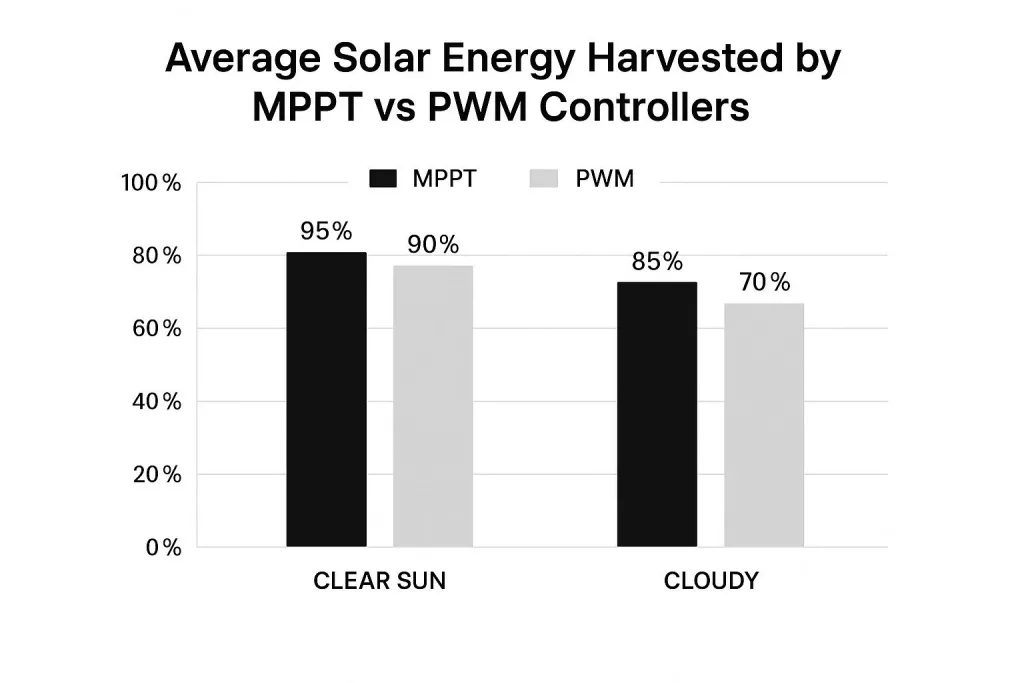

    The Heart of Your Narrowboat’s Electrical System

    24v to 12v Converter - How It Works

    If you’re embracing life on the water, you’ll soon realise your narrowboat’s electrical system is the lifeline that powers modern comfort. Many boats, especially larger barges and widebeams, use a robust 24V setup for heavy-duty jobs like starting the engine or running bow thrusters. This higher voltage is simply more efficient for that kind of powerful equipment.

    The catch? Nearly all your daily essentials—from the fridge right down to your phone charger—are designed to run on 12V. This creates a critical power gap that must be bridged safely and reliably by professionals.

    A high-quality 24V to 12V converter, professionally installed by certified engineers, acts as a translator between your powerful 24V battery bank and your sensitive 12V appliances. It’s not just an accessory; it’s a fundamental part of a safe, reliable, and efficient life afloat.

    Why This Power Gap Exists

    This dual-voltage reality on many boats isn’t an oversight; it’s a practical, well-thought-out solution.

    • 24V Systems: These provide efficient power for high-demand equipment. It means less current is needed, which allows for smaller, lighter cabling over longer distances—a real bonus on a boat

    • 12V Appliances: The vast majority of leisure marine and vehicle electronics, from navigation lights to TVs and stereos, are manufactured for the ubiquitous 12V standard

    This is exactly where a professional-grade 24 to 12v converter becomes indispensable. It ensures that your 12V compressor fridge, LED lighting, and water pumps get the stable, clean power they need to operate without any risk of damage.

    Powering Your Life on the Cut

    This kind of technology isn’t just for boats. The need for efficient power management is growing in all sorts of industries. In fact, the UK market for these DC-DC converters is set to grow by nearly 5.3% every year, as they’re used in everything from commercial vehicles to renewable energy systems.

    Keeping an eye on the broader landscape of power solutions, like those in the fast-moving field of E-Mobility solutions, gives you valuable insight into creating truly efficient electrical systems for any application.

    Here at Marine Heating Solutions, our expertise goes well beyond just keeping you warm. Our certified engineers understand the complete electrical needs of your vessel. We supply and install premium converters and all the 12V appliances that make your boat a proper home, ensuring every single component works together in perfect harmony.

    Why a Professional Converter Is a Non-Negotiable

    Choosing A Power Converter For Your Boat

    Think of your narrowboat’s 24V battery system as a high-pressure fire hose. Now, picture your delicate 12V electronics—your fridge, navigation gear, and TV—as a collection of fine teacups. You simply can’t blast the hose at the teacups without causing a catastrophic mess.

    This is where a high-quality 24 to 12v converter comes in. It’s the essential pressure regulator in this scenario, expertly stepping down the power to deliver a stable, precise, and safe 12V supply to your equipment.

    This isn’t just about making things work; it’s about protecting your significant investment in life-aboard comforts. Trying to run a 12V appliance from a 24V supply without a proper converter will destroy it, often instantly. The peace of mind that comes from using a professional-grade unit is truly invaluable.

    A professional converter isn’t just an accessory—it’s an insurance policy for your entire 12V electrical system. It safeguards expensive equipment, ensures critical systems function reliably, and provides the foundation for a safe life on the water.

    Safeguarding Your Appliances and Critical Systems

    On a narrowboat, your appliances aren’t just luxuries; they are fundamental to your daily life. A professional-grade converter, supplied and fitted by our qualified engineers, offers the robust protection you need.

    It shields your essential kit from the damaging voltage spikes and inconsistent power that can cripple sensitive electronics. This includes:

    • 12V Compressor Fridges: A stable voltage is absolutely vital for the compressor’s motor, ensuring it runs efficiently and enjoys a long service life. We supply a range of top-tier models perfect for canal boat life.

    • Lighting and 12v Sockets: Your lighting systems and 12v sockets require consistent and dependable power to operate effectively, particularly when they are most needed.

    • Entertainment Systems: It protects your TV, stereo, and other devices from the kind of electrical damage that leads to frustrating and costly replacements.

    Even more importantly, a professional 24v to 12v converter guarantees the absolute reliability of your boat’s safety systems. Things like navigation lights, your horn, and the bilge pumps have to work flawlessly, every single time. An unstable power supply puts these critical components—and ultimately your safety—at serious risk.

    The Marine Heating Solutions Commitment

    We understand the unique and often harsh demands of the UK’s inland waterways. The equipment we supply is specifically chosen for its durability and reliability in the damp, vibration-prone marine environment.

    Our commitment goes beyond just selling you a box. Our certified technicians provide expert installation, guaranteeing your entire system is safe, efficient, and built to last.

    Proper installation involves far more than connecting a couple of wires. It requires correctly sizing the unit for your needs, ensuring it has adequate ventilation to stay cool, and using the right type of wiring. For instance, knowing the advantages of multi-strand tinned wire for marine electrical installations is just one piece of the expertise we bring to every job.

    When you entrust us with your power conversion needs, you’re not just buying a component; you’re investing in a safe, secure, and comfortable home on the water.

    Choosing The Right Converter For Your Boat

    Selecting the right 24 to 12v converter requires a professional assessment of your boat’s specific power demands. Our expert team ensures that your narrowboat or barge is fitted with a unit that is both safe and perfectly suited to your needs. This is a critical decision, and our guidance is key to getting it right.

    The correct choice hinges on two key factors: amperage (Amps), which is the total electrical current the converter can supply, and efficiency, which indicates how much energy is wasted as heat, a crucial consideration on a boat.

    Our specialists will help you select a converter that not only covers your current needs but also provides a crucial safety margin for future upgrades. This ensures you’re making a smart, long-term investment in your vessel’s electrical system.

    How Our Experts Assess Your Power Needs

    To determine the correct converter size, our engineers perform a professional ‘power audit’. This involves identifying all the 12V appliances you intend to run simultaneously and calculating their total amperage draw.

    This is a service we provide to ensure your system is robust and reliable. We consider all your onboard equipment, from lighting to refrigeration, to build a complete power profile.

    Here are some typical power draws for common 12V appliances we frequently install on narrowboats:

    12V Appliance

    Typical Amperage Draw (Amps)

    Usage Notes

    LED Cabin Lights (set of 4-6)

    1-2 Amps

    Low consumption, but often on for long periods.

    12V Compressor Fridge

    4-6 Amps

    Only draws this when the compressor cycles on.

    Water Pump

    3-5 Amps

    Intermittent use, but a significant draw when active.

    USB Charging Sockets (per port)

    1-2 Amps

    Depends on the device being charged; a couple of phones can add up.

    Stereo System

    5-20 Amps

    Varies with volume and model.

    Diesel Heater

    1-5 Amps

    Primarily for the fan and ignition, or the water heater circulation pump.

    Based on a detailed audit of your specific appliances, our team will calculate your boat’s peak power requirement.

    Why A Safety Margin Is Essential

    Once we have your total amperage, we never recommend a converter rated for that exact number. As a rule, we specify a unit that can handle at least 20-25% more than your calculated peak load.

    This safety margin prevents the converter from constantly running at maximum capacity, which reduces stress on its components and significantly extends its lifespan. It also provides the flexibility to add another 12V device in the future—perhaps a new TV or deck lights—without needing a complete system overhaul. This forward-thinking approach is the hallmark of a professional installation.

    This diagram illustrates the methodical steps our engineers follow when fitting a converter, ensuring a safe and robust installation from start to finish.

    Narrowboat 24 to 12v Converter Infographic

    This professional process ensures that power is correctly drawn from the 24V source and that a stable 12V output is delivered before the system is fully commissioned.

    Powering Your Lifestyle with Our 12V Appliances

    24v and 12v Electrical Safety

    Once a professionally installed 24 to 12v converter is reliably managing your power, a whole world of modern comfort opens up on the UK’s canals. Think of it as the gateway component. It allows you to run a huge range of efficient, low-voltage appliances designed specifically for life afloat.

    At Marine Heating Solutions, we don’t just supply converters. We provide a complete ecosystem of high-quality 12V equipment to turn your narrowboat into a true home. Our range is carefully curated with the unique demands of canal life in mind: energy efficiency, compact size, and sheer durability.

    Investing in specialist, marine-grade 12V equipment from a trusted supplier is the key to ensuring longevity, performance, and energy efficiency. It’s about creating a comfortable and reliable onboard experience, backed by our expert advice and installation.

    Must-Have Appliances for the Modern Boater

    A stable 12V supply from a professionally installed converter allows you to fit the kind of gear that makes a real difference to your daily life. We have hand-picked a collection of appliances that deliver top performance without draining your precious battery bank.

    Our range focuses on the essentials for comfort and convenience:

    • Ultra-Efficient 12V Compressor Fridges: These are an absolute game-changer for any boater. Our modern compressor fridges sip energy, cycling on only when needed to keep your food perfectly chilled. That means fresh food for longer, without the constant worry of a flat battery.

    • Low-Draw LED Lighting Systems: Say goodbye to dull, power-hungry bulbs. Our 12V LED lighting solutions offer bright, warm light while using a tiny fraction of the energy. They can instantly make a cabin feel more spacious and welcoming.

    • Integrated USB Charging Stations: Keeping gadgets charged is non-negotiable. We supply and fit neat, multi-port USB stations that provide clean, stable power for your phones and tablets, keeping you connected without the clutter of clunky adaptors.

    More Than Just a Product List

    We believe in providing integrated systems that work together flawlessly. Our expertise covers the full spectrum of onboard comfort. For instance, a reliable power system is absolutely crucial for running the electronic controls and fans of a modern diesel heater.

    Many boaters find that pairing their electrical upgrades with a top-notch diesel heater from our range creates the ultimate year-round cruising package. We are proud to be the sole UK inland waterways distributor for Autoterm diesel heaters, offering a complete supply and installation service.

    Choosing your gear from a marine specialist like us means you get more than just a box. You get the peace of mind that every item has been tested and proven to handle the unique conditions of life on the water. Our engineers ensure everything from the fridge to the lights is installed correctly, maximising its performance and lifespan. Ultimately, this focus on quality means you spend less time worrying about your systems and more time enjoying the beautiful inland waterways.

    The Importance of Professional Installation

    A 24V to 12V converter might seem like a simple box, but its installation is a job that absolutely demands expert hands. This device connects directly to the heart of your boat’s power supply, and a converter is only as good as its fitting. Getting it wrong can seriously compromise the safety and longevity of your entire electrical system.

    The risks of an improper installation are severe. Poor connections can create dangerous hot spots, which are a genuine fire hazard in the confined space of a narrowboat. Furthermore, incorrect wiring can lead to unstable voltage, which can destroy your expensive 12V appliances, damage your batteries, and ruin sensitive electronics in an instant.

    This is not a task for an amateur. Ensuring a 24V to 12V converter is installed correctly by a qualified professional is a critical safety measure, protecting your vessel, your equipment, and everyone on board.

    Our Qualified Engineers Make the Difference

    Our team of certified engineers lives and breathes the unique challenges and stringent standards of electrical work on the UK’s inland waterways. We don’t just connect wires; we design and implement a safe, compliant, and optimised power solution for your specific boat.

    Our professional installation service guarantees:

    • Correct Component Sizing: We ensure your converter is perfectly matched to your boat’s total power demands, so it operates efficiently and safely.

    • Safe and Secure Wiring: We use marine-grade cabling and secure all connections to prevent failures and hazards.

    • Proper Ventilation and Location: We find the optimal spot for the unit, ensuring it stays cool and operates effectively for years to come.

    This professional approach extends beyond the converter itself. With a solid electrical foundation, you can confidently run other essential onboard systems. Many of our customers choose to upgrade their galley at the same time. You can check out our guide on Thetford LPG cookers to see how a reliable power system supports modern cooking appliances, which we also supply and install.

    A Legacy of Reliability on the Waterways

    The need for dependable voltage conversion has been a staple of the marine industry for decades. The principles of safe, reliable power are paramount, whether on a commercial vessel or a leisure narrowboat.

    This history highlights how vital reliability is—a principle we apply to every single canal boat installation. By trusting our experts, you’re not just getting a component fitted; you’re investing in a safe, efficient, and robust electrical system built to last, giving you complete peace of mind on the water.

    Common Questions About 24V to 12V Converters

    As specialists working along the UK’s canals and rivers, we hear a lot of the same questions from narrowboat owners. Getting clear, authoritative answers from qualified professionals is the first step toward making a confident decision about your boat’s electrical system. This section tackles the most common queries we encounter.

    Our goal is to cut through the confusion and reinforce the value of seeking professional guidance for your vessel.

    Why Can’t I Just Tap One 12V Battery from My 24V Bank?

    This is a frequent and dangerous question. While it might seem like a clever shortcut, tapping power from just one of the two 12V batteries in your 24V bank is incredibly risky and will prove costly.

    Doing this creates a severe battery imbalance. The tapped battery will be discharged more than its partner, which in turn remains overcharged. This imbalance destroys the harmony of your battery bank, drastically shortening the life of both expensive batteries and often leading to sudden, complete failure.

    Think of your 24V bank as two horses pulling a cart. If one horse does more work, it will fail much faster, and the whole system will break down. A professionally installed 24 to 12v converter ensures both batteries work together evenly, preserving their health and lifespan.

    How Large Should My Converter Be?

    Choosing the right size 24 to 12v converter is vital for a reliable system. The first step, which our engineers carry out, is to calculate the total amperage draw of all the 12V appliances you might run at the same time.

    Based on this professional audit, we will recommend a unit with a capacity that is 20-25% higher than your calculated maximum load.

    This isn’t about upselling; it’s about building in a crucial safety buffer. This extra headroom prevents the converter from constantly running at its limit, which reduces heat and extends its working life. It also gives you the flexibility to add a new 12V gadget in the future without having to upgrade your entire power conversion setup.

    Do Converters Get Hot or Make Noise?

    Concerns about heat and noise are valid, especially in the quiet, confined spaces of a narrowboat cabin.

    The good news is that the modern, high-quality units we supply and install are a world away from older models. Many of the superior converters we recommend feature:

    • Silent, Fanless Operation: They are designed for passive cooling, meaning no noisy fans to disturb the peace of your cabin.

    • Advanced Heat Sinks: They use sophisticated, finned aluminium casings to dissipate heat effectively and safely into the surrounding air.

    This combination of silent operation and excellent thermal management makes them the perfect choice for the unique environment of a narrowboat, barge, or canal boat. They perform their job efficiently and quietly, letting you enjoy life on the water.


    For expert advice on selecting and installing the perfect 24 to 12v converter and 12V appliances for your boat, trust the certified engineers at Marine Heating Solutions. We ensure your electrical system is safe, efficient, and ready for life on the cut.


    For quotes and bookings, call or email us here.
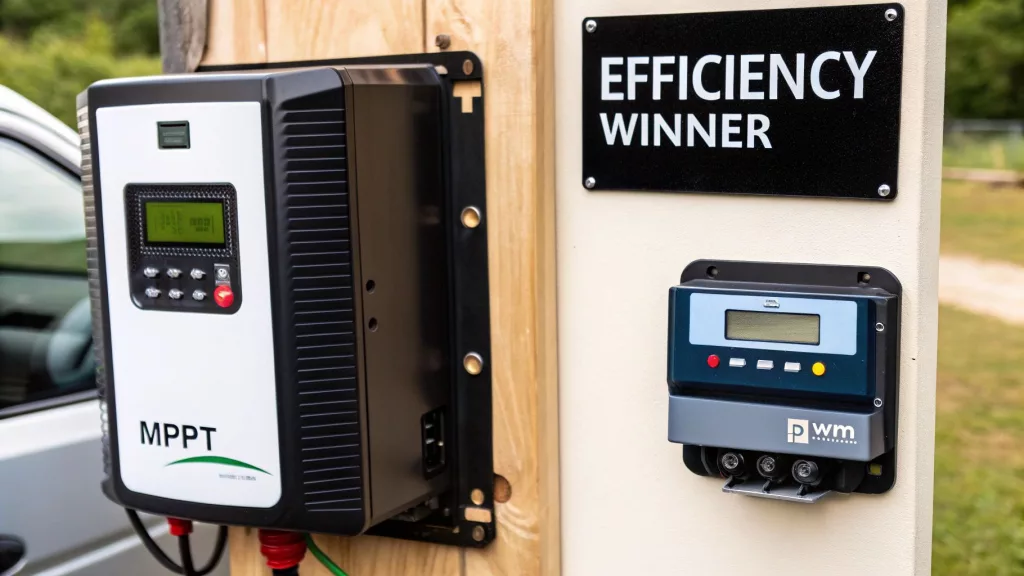

  • A Guide to Boat Solar Panels

    A Guide to Boat Solar Panels

    That sinking feeling you get when the battery meter plummets, miles from the nearest shore power? It’s every boater’s worst nightmare. But there’s a solution: boat solar panels. They offer reliable, clean, and completely silent power without you having to fire up a noisy, smelly generator or hunt for a marina.

    Imagine dropping anchor in a peaceful cove, fridge humming, lights on, and navigation gear fully active—all running quietly on nothing but sunshine.


    For quotes and bookings, call or email us here.
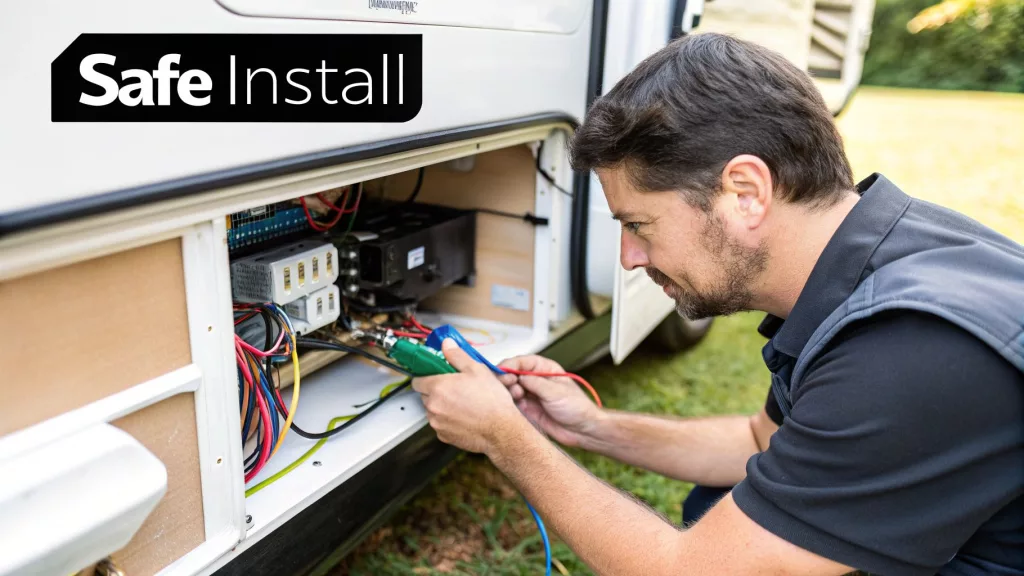

    Why Boat Solar Panels Are a Game-Changer For Modern Boating

    Real freedom on the water comes down to one thing: energy independence. For years, boaters have been tied to shore power or forced to shatter the peace with a generator just to keep the lights on. That compromise is no longer necessary. A professionally designed solar setup from Marine Heating Solutions can genuinely transform your time on the water, bringing a whole new level of comfort, safety, and sustainability.

    This isn’t just some passing trend; it’s a real shift in how we power our boats. The UK market for marine solar has grown massively, driven by new tech that makes panels more efficient and affordable than ever before, alongside a growing desire for greener boating. You can explore more about the UK’s marine solar market growth and see how it’s making solar power a seriously cost-effective option.

    Enjoy Silent, Sustainable Power

    One of the biggest wins with a marine solar installation is the sheer peace and quiet it brings. Instead of scheduling your day around when you can run the generator, you can simply relax and enjoy the sounds of the water.

    Our services and hand-picked range of marine-grade kit are all geared towards delivering that quiet, reliable power. We specialise in building systems that give you:

    • Complete Energy Autonomy: Keep your batteries topped up and all your appliances running, even when you’re anchored up in a remote spot for days.

    • Silent Operation: Say goodbye to the constant drone and vibration of a generator. Your peace and quiet are worth protecting.

    • Reduced Running Costs: Why pay for diesel or marina hook-ups when you can get free energy from the sun? The savings really add up over time.

    • Enhanced Safety and Reliability: Our professionally installed solar systems act as a brilliant backup power source, giving you that extra bit of confidence when you’re a long way from help.

    When you invest in a professional solar solution, you’re not just buying equipment—you’re upgrading your entire boating lifestyle. It’s about having the power you need, right when you need it, without any of the old headaches.

    Our job is to take you from being curious about solar to feeling completely confident in your boat’s power system. This guide is your first step. It’s designed to show you exactly how our services and top-quality products can help you achieve true energy independence on the water.

    Understanding Your Complete Marine Solar System

    A proper marine solar setup is much more than just the panels bolted to your roof. It’s a complete power ecosystem where every part needs to work together perfectly. Think of it like your boat’s own life support system—the panels are the lungs, breathing in the sun’s energy, while the other components manage and store that power to keep everything running smoothly.

    When you get a system from us, you’re not just buying a box of parts; you’re investing in a seamlessly integrated solution. We’ve hand-picked every component for its proven durability and efficiency, ensuring it can stand up to the tough marine environment.

    As this image shows, a well-designed solar system does a lot more than just keep your lights on.

    Understanding Your Complete Marine Solar System - Infographic

    The key takeaway is that a professional solar setup enhances almost every part of your life on the water, from silent, fume-free power to significant long-term savings.

    The Brains of the Operation: The Charge Controller

    If the solar panels are the lungs, then the solar charge controller is the brain. This essential bit of kit sits between your panels and your batteries, acting as an intelligent gatekeeper. Its primary job is to manage the flow of power, regulating the voltage and current to stop your batteries from overcharging. Without one, you could cause permanent damage and seriously shorten your battery’s lifespan.

    We only install modern MPPT (Maximum Power Point Tracking) controllers. These are a world away from older, less efficient models. They actively scan for the best combination of voltage and current to squeeze up to 30% more power from your panels, which is a massive advantage in the often-overcast UK weather. This means you’re capturing every last available watt of sunshine.

    A top-quality charge controller isn’t just a nice-to-have; it’s a non-negotiable part of a reliable marine solar system. It protects your expensive battery bank, squeezes every last drop of power from your panels, and gives you the stability you need when you’re miles from shore.

    The Heart of Your System: The Battery Bank

    Your battery bank is the beating heart of your boat’s electrical system. It’s where all the energy collected by your panels is stored, ready for you to use whenever you need it, whether it’s day or night. For any boater, having a solid, high-capacity battery bank is what keeps everything from the navigation gear to the fridge running.

    The type of battery you choose is just as important as its size. We specialise in supplying and fitting the latest marine battery technologies, including:

    • AGM (Absorbent Glass Mat): These sealed, maintenance-free batteries are tough as old boots. They’re incredibly robust and resistant to vibration, making them a very popular choice for life on the water. They also don’t struggle in cold weather, making them the preferred choice for life-aboard boats.

    • Lithium (LiFePO4): This is the pinnacle of battery tech right now. Lithium batteries are far lighter, last much longer, and can be discharged much more deeply than old-school batteries without being damaged. However, they don’t like the cold and can be a lot less efficient in the winter.

    Our experts will help you figure out the right battery chemistry and capacity based on a proper energy audit of your needs, making sure you always have a dependable power reserve.

    Turning DC into Usable AC: The Inverter

    Your solar panels and batteries generate and store DC (Direct Current) power. That’s fine for running many marine-specific items like your cabin lights and water pumps. But what about the creature comforts from home? Your microwave, telly, laptop, and even some high-efficiency heaters all need AC (Alternating Current) power to work. This is where an inverter comes in.

    An inverter’s job is simple: it converts the 12V or 24V DC power from your batteries into the 230V AC power you’d get from a socket at home. We only supply and install pure sine wave inverters, which produce a clean, stable electricity supply that’s safe for sensitive modern electronics. It’s essential for protecting your appliances and making sure they run properly.

    With a correctly sized inverter, you can enjoy all the comforts of home, powered silently by the sun. A robust power system is also vital for keeping your vessel warm and comfortable all year round; you can find out more about our range of Autoterm diesel heaters that work perfectly alongside a powerful solar setup.

    How We Calculate Your Onboard Energy Needs

    Boat Solar Panel Types

    When it comes to designing a reliable power system for your boat, guesswork just won’t cut it. Simply bolting as many solar panels as you can fit onto the roof is a recipe for disappointment. You’ll either end up with an unbalanced system that can’t keep up, or you’ll have spent far more than you needed to. This is where our experience makes a real difference.

    Our process doesn’t start with a sales pitch; it begins with a proper conversation. Our professional assessment is the bedrock of any solar array that’s going to perfectly match the way you live and boat.

    By figuring out what you use and, just as importantly, for how long each day, we can build a complete picture of your daily energy consumption in watt-hours. This data-driven approach is the only way to guarantee your new solar system will perform flawlessly, whether you’re a weekend cruiser or a full-time liveaboard.

    A common mistake is to underestimate the daily power draw. Our professional audit strips away all the assumptions, making sure your system is built on facts, not guesswork. This precision is what stops you from getting an underpowered system that lets you down on a cloudy day.

    Analysing Your Boating Lifestyle

    Beyond the raw numbers, we need to know how and where you boat. A narrowboat pottering along the canals in summer has very different energy demands compared to a yacht spending weeks at anchor in remote waters. Our team of experts takes all these variables into account to design a system that genuinely works for you.

    This is especially important in the UK, where the amount of sunshine can vary. Fortunately, solar power generation here has become more and more reliable. In a recent year, the first five months alone generated a record 7.6 terawatt-hours (TWh) of solar electricity—a 42% increase on the previous year. May of that year was one of the sunniest on record, hitting a new monthly average output of 3,383 megawatts (MW). It just goes to show that even in Britain, a well-designed system can produce a serious amount of power. You can read more about these UK solar power trends and their impact on energy generation.

    Showcasing Our High-Efficiency Appliances

    During our audit, we often spot older, power-hungry appliances that could be holding back your energy independence. As part of our service, we can recommend and supply modern, energy-efficient replacements from our hand-picked selection of marine products.

    Upgrading a few key appliances can slash your overall power consumption, which might mean you can get away with a smaller, more affordable solar array. To give you an idea, here’s a look at the typical power consumption for some of our high-efficiency marine appliances. Our experts use this kind of data to fine-tune your system design.

    Typical Power Consumption of Our Marine Appliances

    This table shows the typical energy usage for our range of high-efficiency marine appliances to help you understand your onboard power needs. Our experts use this data to design your perfect solar system.

    Appliance (Our Brand/Model)

    Power Draw (Watts)

    Estimated Daily Use (Hours)

    Daily Energy Consumption (Watt-hours)

    Marine Refrigerator (High-Efficiency)

    50 W

    8 hours (cycling)

    400 Wh

    LED Cabin Lighting (Per Light)

    3 W

    5 hours

    15 Wh

    Marine Water Pump (Modern)

    60 W

    0.5 hours

    30 Wh

    Diesel Air Heater (Our Range)

    15-40 W

    6 hours

    90-240 Wh

    Flat Screen TV (Low-Power)

    40 W

    3 hours

    120 Wh

    This detailed process ensures nothing is left to chance. By combining a thorough audit with our knowledge of high-performance components, we can design and install a balanced, robust, and reliable solar system. The result is a setup that supports your life on the water without a hitch, giving you the freedom and peace of mind you deserve.

    Choosing The Right Solar Panels For Your Boat

    Not all solar panels are created equal, and this is especially true in the harsh marine environment. When you’re looking to add solar to your vessel, it’s not just about raw power output; you have to think about durability, weight, and even how it will look. At Marine Heating Solutions, we don’t confuse you with a bewildering array of every panel under the sun. Instead, we’ve carefully curated a selection of high-performance panels that we personally trust and have extensive experience installing on a wide range of boats.

    Our whole approach is about guiding you to the perfect fit for your boat’s unique design and your specific power needs. We concentrate on two main types of boat solar panels, each with clear advantages for different situations you’ll find on board. This ensures you get a solution that works reliably day in, day out, and looks right on your vessel.

    High-Efficiency Rigid Solar Panels

    When you need the absolute maximum power generation and sheer robustness is a top priority, our rigid monocrystalline solar panels are the only way to go. Think of these as the workhorses of the marine solar world. They offer the highest efficiency you can get, which simply means they generate more power per square foot than other types—a critical advantage when space on your boat is at a premium.

    Built with a sturdy aluminium frame and protected by toughened glass, these panels are designed to withstand the rigours of life at sea. Our experts recommend them for mounting on solid structures where their strength is a real asset:

    • Arches and Gantries: These provide a secure, elevated platform that often minimises shading from booms or sails, maximising sun exposure.

    • Hardtops and Wheelhouse Roofs: The flat, strong surfaces on motorboats, Dutch barges, and canal boats are ideal for creating a large, high-output solar array.

    • Custom-Made Stainless Steel Frames: For yachts or other boats without existing structures, we can design and fit bespoke frames that position the panels for optimal performance.

    Because they are so efficient, you often need fewer rigid panels to hit your energy targets. This can lead to a much cleaner installation with less wiring and hardware cluttering up your boat. While they are heavier than flexible alternatives, their long-term durability and power output make them the go-to choice for serious cruisers and liveaboards.

    Choosing our high-efficiency rigid panels is an investment in peak performance. For boaters who need to power significant onboard systems like refrigeration, navigation suites, and water makers, the uncompromising output of these panels delivers the energy independence you require.

    Versatile Flexible Solar Panels

    But what if you don’t have a solid arch or a large, flat roof? This is exactly where our lightweight, semi-flexible solar panels shine. These panels offer incredible versatility, allowing us to install solar power on surfaces where rigid panels just wouldn’t be an option. They are designed to conform to the gentle curves of a boat’s structure, opening up a whole world of mounting possibilities.

    Their main advantage is their minimal weight and low profile. They add almost no windage and can be walked on with care when bonded to a solid surface, which makes them perfect for decks and coachroofs.

    We recommend our flexible panels for installations on:

    • Coachroofs and Decks: We can adhere them directly to the fibreglass, where they follow the contours of your boat for a sleek, integrated look.

    • Canvas Biminis and Sprayhoods: Their light weight means they can be fitted to fabric covers without straining the frame, capturing valuable sunlight high above the deck.

    While they are a touch less efficient than a rigid panel of the same physical size, their ability to be placed in otherwise unusable locations makes them invaluable. Our technicians often design systems that use a smart combination of both rigid and flexible panels to squeeze every possible watt out of the available space on a vessel.

    By choosing from our expertly selected range, you can be confident you are getting a flexible panel designed for marine use, not a cheap knock-off that will fail after one season. Our focus is squarely on durability, ensuring the panels we supply can handle foot traffic, salt spray, and constant UV exposure.

    The Importance Of Professional Installation

    Marine Solar System - Installation and Maintainance

    Investing in a high-quality set of boat solar panels is a great first step, but it’s really only half the story. A premium solar system is only as good as its installation, and this is where genuine expertise becomes your greatest asset. An amateur setup on a vessel isn’t just inconvenient; it can be incredibly dangerous.

    The risks are serious and wide-ranging. Poorly sealed fittings can lead to water ingress, causing rot and structural damage down the line. Incorrectly specified wiring can overheat, creating a significant fire hazard and resulting in major power loss just when you need it most. Even the physical mounting of the panels, if not done correctly, can fail in rough conditions, potentially damaging your boat or creating a dangerous obstacle on deck.

    Choosing our professional service is a direct investment in the safety, reliability, and long-term protection of your vessel. It’s about having complete peace of mind when you’re out on the water, knowing everything has been done to the highest possible standard.

    Our Meticulous Installation Process

    We don’t cut corners. Our installation process is handled exclusively by qualified marine technicians who live and breathe boat systems. They adhere to the strictest industry standards, ensuring every single connection is secure, waterproof, and built to last in a challenging marine environment.

    Our process includes:

    • Secure, Waterproof Mounting: We use specialist marine-grade sealants and robust mounting hardware designed to withstand constant vibration, salt spray, and extreme weather.

    • Marine-Grade Wiring and Connections: All wiring is correctly sized for the load, properly supported, and protected against chafe. We use tinned copper wire and waterproof connectors to prevent the corrosion that plagues so many DIY jobs.

    • System Commissioning and Testing: After installation, we don’t just walk away. We fully commission the system, testing every component from the panels to the charge controller and batteries to confirm it’s operating at peak efficiency.

    This meticulous approach ensures your solar array performs flawlessly from day one. For a successful and safe system, it is imperative to follow a comprehensive guide to solar installation, which is why our certified technicians manage every detail.

    Why Our Certified Technicians Make The Difference

    Our engineers are not just electricians; they are marine specialists. They understand the unique challenges of working on boats, from the complexities of running wires through bulkheads to the critical importance of maintaining the vessel’s integrity. As OFTEC and Gas Safe registered engineers, our team is qualified to work on a wide array of onboard systems. This broad expertise ensures your new solar installation integrates perfectly with existing systems, like our efficient Webasto diesel heaters, creating a balanced and reliable power network.

    The growing adoption of solar power across the UK highlights its viability, even in our climate. The country’s installed solar capacity recently hit approximately 17 gigawatts (GW), an incredible growth of over 18,000% since 2010. This surge, equivalent to millions of household systems, proves the technology’s effectiveness and reliability when installed correctly.

    Entrusting your installation to our certified team eliminates the guesswork and risk associated with a DIY approach. We provide a fully warrantied solution that guarantees safety, maximises performance, and protects the value of your boat for years to come.

    Your Journey To Energy Independence Starts Here

    We’ve covered a lot of ground, exploring what it takes to build a powerful and reliable solar energy system for your boat. From the core components and calculating your power needs to choosing the right panels, one thing should be crystal clear: a professionally designed marine solar system is about so much more than just equipment. It’s a complete upgrade to your entire boating experience.

    Imagine it now: silent, uninterrupted power, much lower running costs, and the real freedom that comes with being truly self-sufficient. This is what a professional installation delivers. You’ve seen just how vital a complete system, accurate energy sums, and a proper fitting are to get you there. Now, the next step is yours.

    Your Personalised Marine Energy Solution

    Our team of qualified marine technicians is on hand to give you a personalised consultation. We’ll work with you to design a system that fits your boat, your budget, and how you want to cruise. We don’t just shift boxes; we deliver fully integrated, warrantied solutions that bring you safety and genuine peace of mind on the water.

    Whether you just need a simple setup to keep your batteries topped up or a powerful array to run all your onboard appliances, we have the know-how to make it happen. We believe in building systems that last, which is why we only use the most durable, marine-grade products on the market.

    A professionally designed and installed solar system is the ultimate investment in your boat. It enhances your comfort, extends your time on the water, and secures your vessel’s energy future, allowing you to focus on what truly matters—enjoying the journey.

    To get the most out of your new power system, we also offer a range of high-efficiency appliances built for life afloat. For instance, an upgraded power system is perfect for supporting modern comforts like the highly efficient Go Eco Adventurer 5 multi-fuel stove, keeping you warm and comfortable without putting a strain on your batteries.

    Your journey towards silent, reliable, and sustainable power starts with a simple conversation. Get in touch with our expert team today to chat about our premium product range and start designing the perfect solar solution for your boat. Let us help you unlock its true potential with the clean, quiet power of the sun.

    Frequently Asked Questions About Boat Solar Panels

    Deciding to invest in your boat’s power system is a big step, so it’s completely normal to have a few questions. We get asked a lot about boat solar panels, so we’ve put together answers to the most common queries we hear. This should help you get a clearer picture of the value and long-term reliability you get with our professional solar services and the top-tier equipment we use.

    How Long Will A Professionally Installed Boat Solar Panel System Last?

    When you have a system built with high-quality components and installed by experts, you can expect it to last for a very long time, even in the harsh marine environment. Our premium rigid solar panels, for example, often come with a performance warranty of 20-25 years, giving you decades of reliable power generation.

    But here’s the real secret to longevity: the quality of the installation itself. Our technicians use nothing but marine-grade wiring, connectors, and sealants. This is crucial for preventing corrosion and water getting in, which are the most common reasons DIY setups fail. An investment in our professional service isn’t just about getting panels on your boat; it’s about getting a durable, reliable system that will provide clean power for many years to come.

    Can Solar Panels Power All My Appliances?

    Absolutely, as long as the system is designed properly from the start. This is exactly why our professional energy audit is so important. We don’t just guess; we meticulously calculate your total daily power needs, looking at everything from your fridge and navigation suite to your heating and entertainment systems.

    With that audit in hand, we can design a custom system with the right number of panels and enough battery storage to match your specific lifestyle. For many boaters, a well-designed system can easily cover all their daily power needs. If you have high-draw items like air conditioning, we can design a system powerful enough to handle them or recommend some fantastic energy-efficient appliance upgrades from our exclusive range.

    Is My Boat Suitable For Solar Panels?

    The great news is that almost every boat can benefit from solar power. The trick is choosing the right type of panels and finding the best places to mount them, and that’s where our experience really comes into play. For sailing yachts, we often mount robust rigid panels on a new or existing arch, or we can use sleek flexible panels on a coachroof where they’re barely noticeable.

    Motorboats and canal boats usually have plenty of flat roof space, making high-efficiency rigid panels an excellent choice. Our team will assess your boat’s specific layout, how much space is available, and any potential shading issues to recommend a solution that is both effective and looks great. We’ve successfully fitted out a huge range of vessels and can design a system that fits your boat perfectly.

    Choosing the right type of boat solar panels for your vessel’s unique shape and your power needs is crucial. Our consultation process removes the guesswork, ensuring an optimal and efficient installation.

    Why Choose Your Company Over Buying Parts Online?

    When you buy parts online, that’s all you’re getting—a box of components, not a complete solution. The real value we offer is a fully integrated and warrantied system, designed from the ground up to work flawlessly on the water. We’ve spent years curating a range of products that we know perform brilliantly together in the tough marine environment.

    Our certified technicians live and breathe marine electrical systems. They understand the complexities involved and ensure your installation is safe, efficient, and meets the highest industry standards. When you partner with us, you’re not just buying a product, you’re getting a service that includes:

    • A professional energy audit.

    • A custom system design.

    • Expert installation by qualified marine engineers.

    • Comprehensive after-sales support.

    This complete approach saves you from costly mistakes and gives you total peace of mind.


    Ready to achieve energy independence on the water? Contact Marine Heating Solutions today for a personalised consultation and discover how our expert team can design and install the perfect solar power system for your vessel.


    For quotes and bookings, call or email us here.